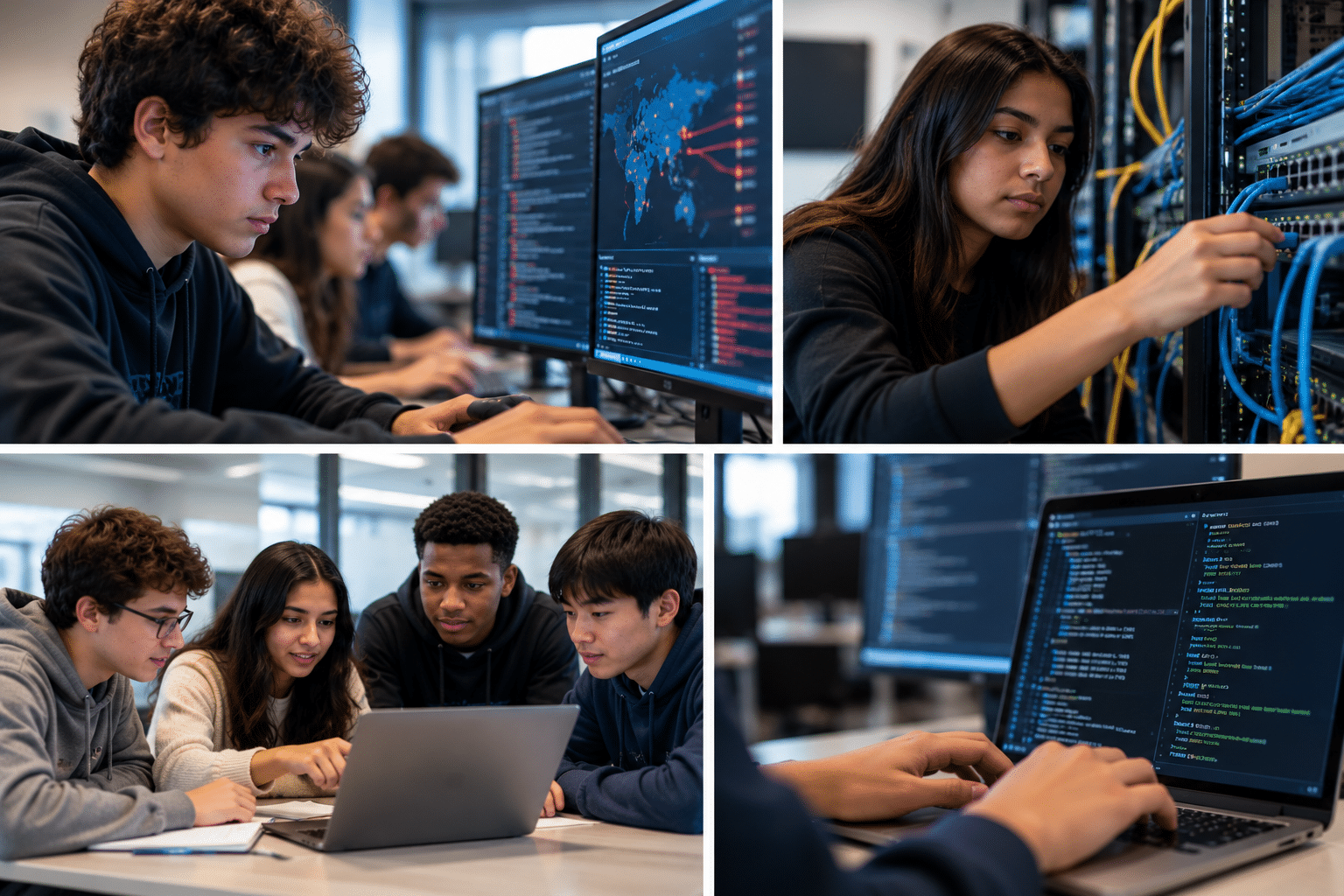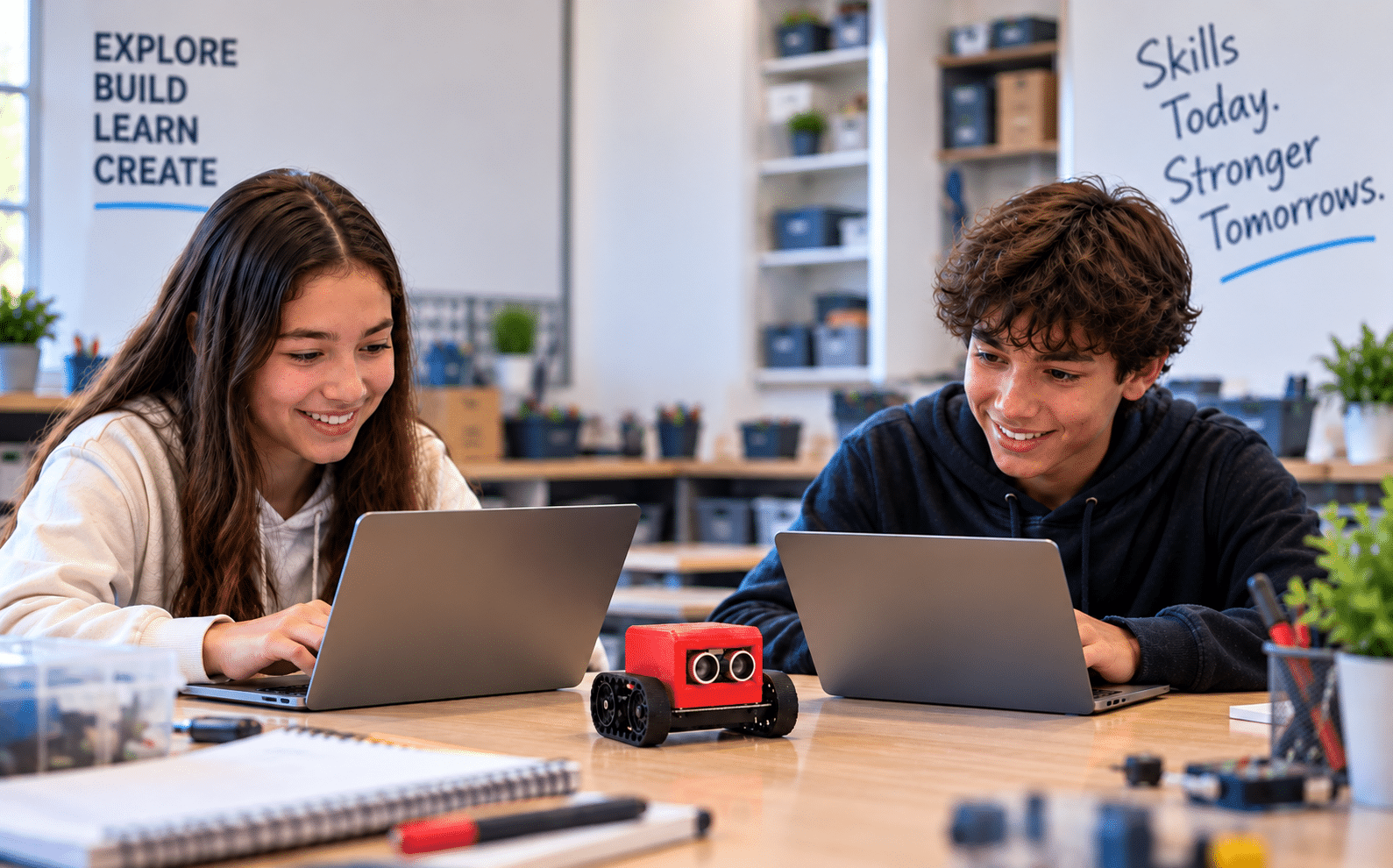

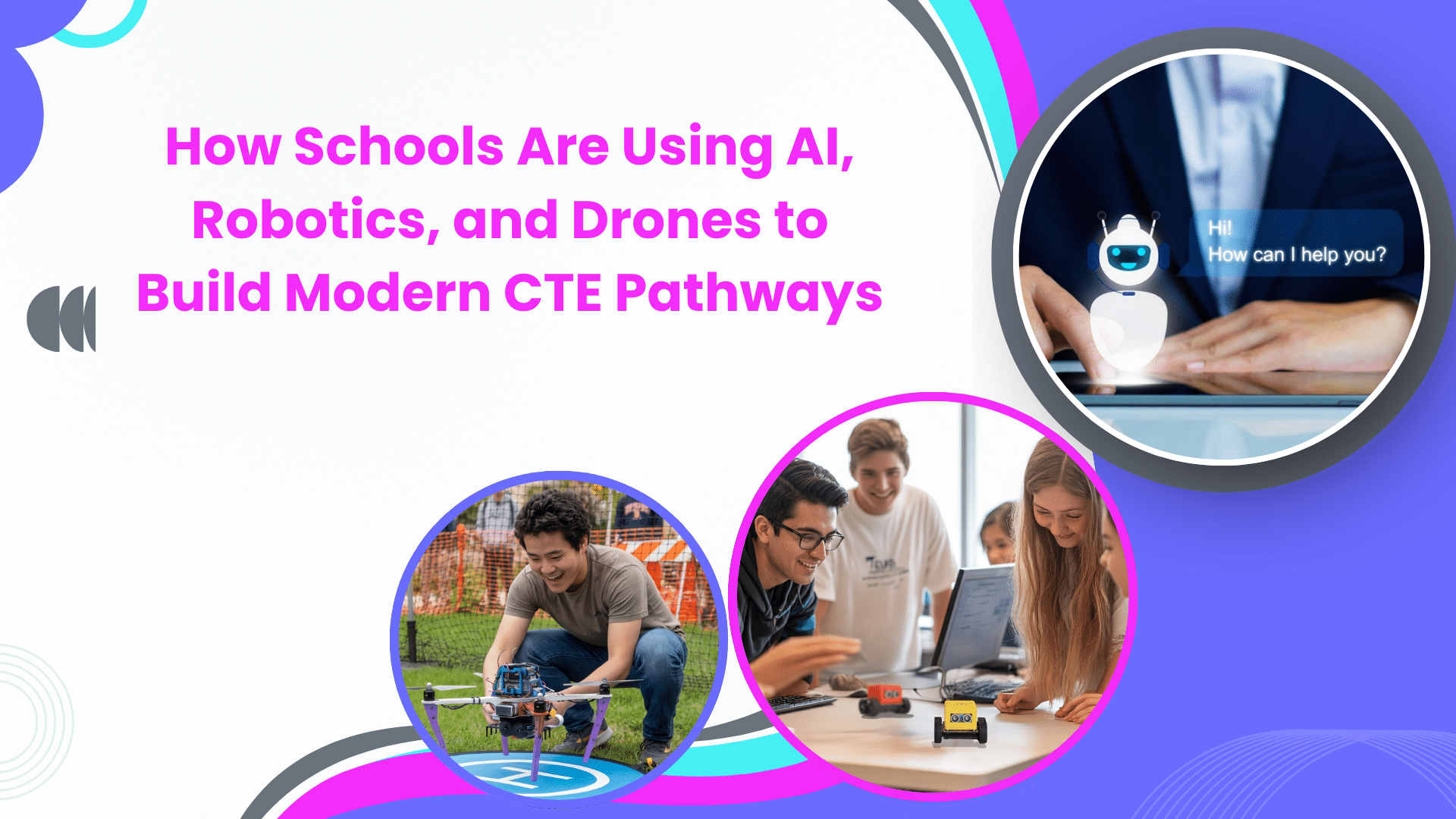
CTE programs are changing quickly. Today, many districts are expanding into fields connected to robotics, artificial intelligence, automation, aviation, cybersecurity, and advanced technology systems.
This shift is happening because industries are changing. Employers increasingly need students who understand how to work with data, sensors, automation tools, AI systems, and connected technologies. Schools are now looking for ways to introduce these concepts earlier while still keeping learning hands-on and engaging.
That is where robotics, drones, and AI are becoming important parts of modern CTE programs.
Why Schools Are Expanding STEM Into CTE
Many schools already have STEM programs in place, but STEM activities alone do not always create a clear pathway toward careers or certifications.
CTE programs help connect classroom learning to workforce readiness by adding:
- Structured skill progression
- Career exploration
- Real-world problem solving
- Industry certifications
- Technical communication
- Team-based projects
- Applied technology skills
Robotics, AI, and drone education naturally fit into this model because they combine engineering, computer science, automation, data analysis, and systems thinking into one learning experience.
Students are building, testing, debugging, piloting, programming, analyzing, and solving problems in ways that mirror modern industries.
How Drones Are Supporting Modern CTE Pathways
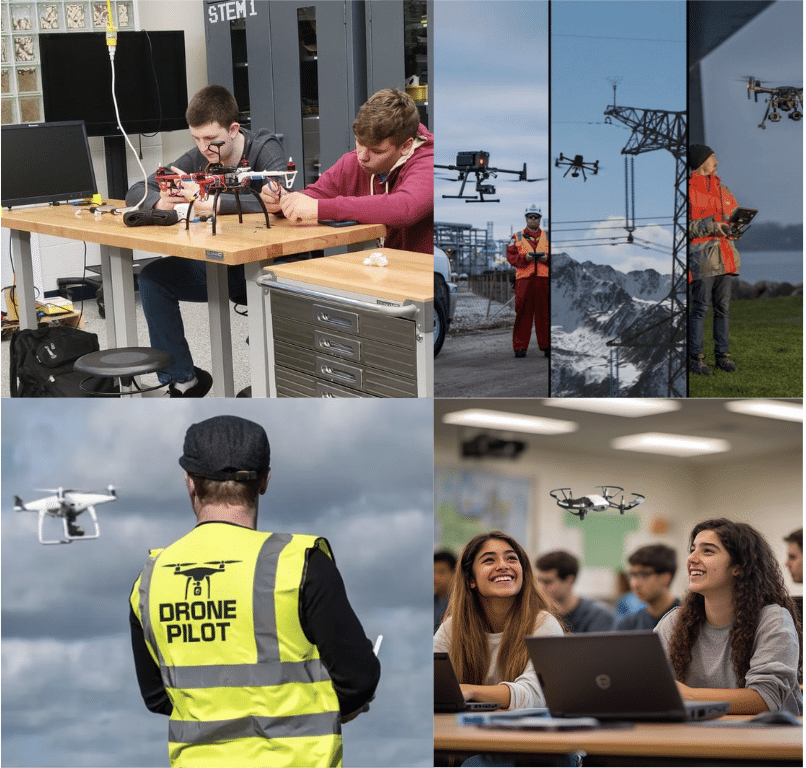
Drone education has expanded far beyond simply flying a drone around a classroom.
Schools are now using drones to introduce students to areas such as:
- Aviation and Advanced Air Mobility
- Mapping and surveying
- Computer vision
- Agricultural technology
- Inspection workflows
- Autonomous navigation
- FAA Part 107 preparation
- Drone data analysis
These programs often combine coding, troubleshooting, flight planning, engineering concepts, and teamwork into one structured pathway.
Some schools begin with middle school STEM career exploration programs before expanding into high school aviation or engineering pathways tied to certifications and advanced coursework.
Hands-on drone projects also help students understand how software and hardware work together in real-world systems.
Robotics Is Becoming a Gateway to Engineering and Automation
Robotics programs are increasingly being used to teach students how modern automated systems operate.
Instead of isolated coding lessons, students work with robotic systems that involve:
- Sensors
- Motion control
- Navigation
- Mechanical systems
- AI-assisted automation
- Real-time problem solving
- Autonomous behavior
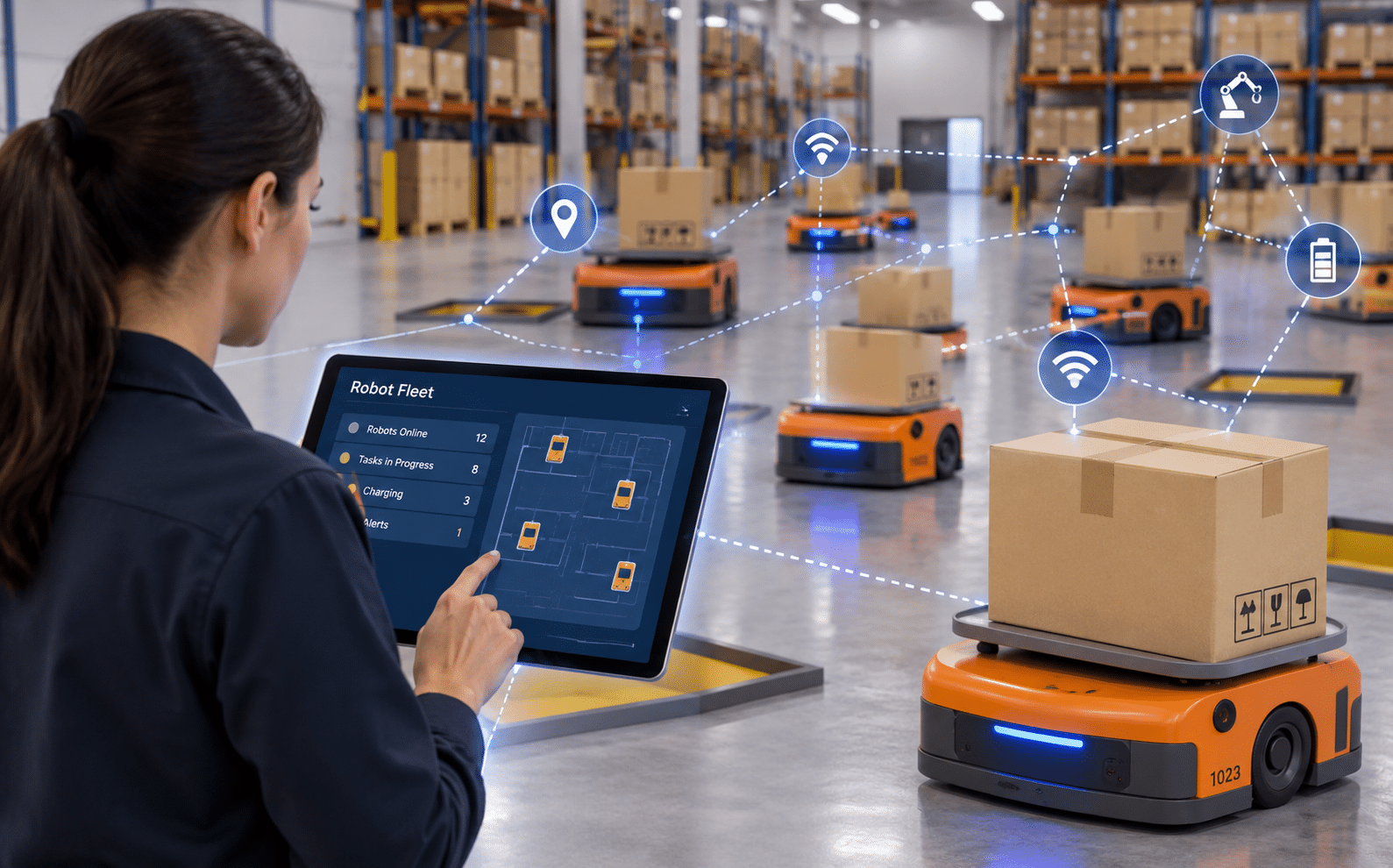
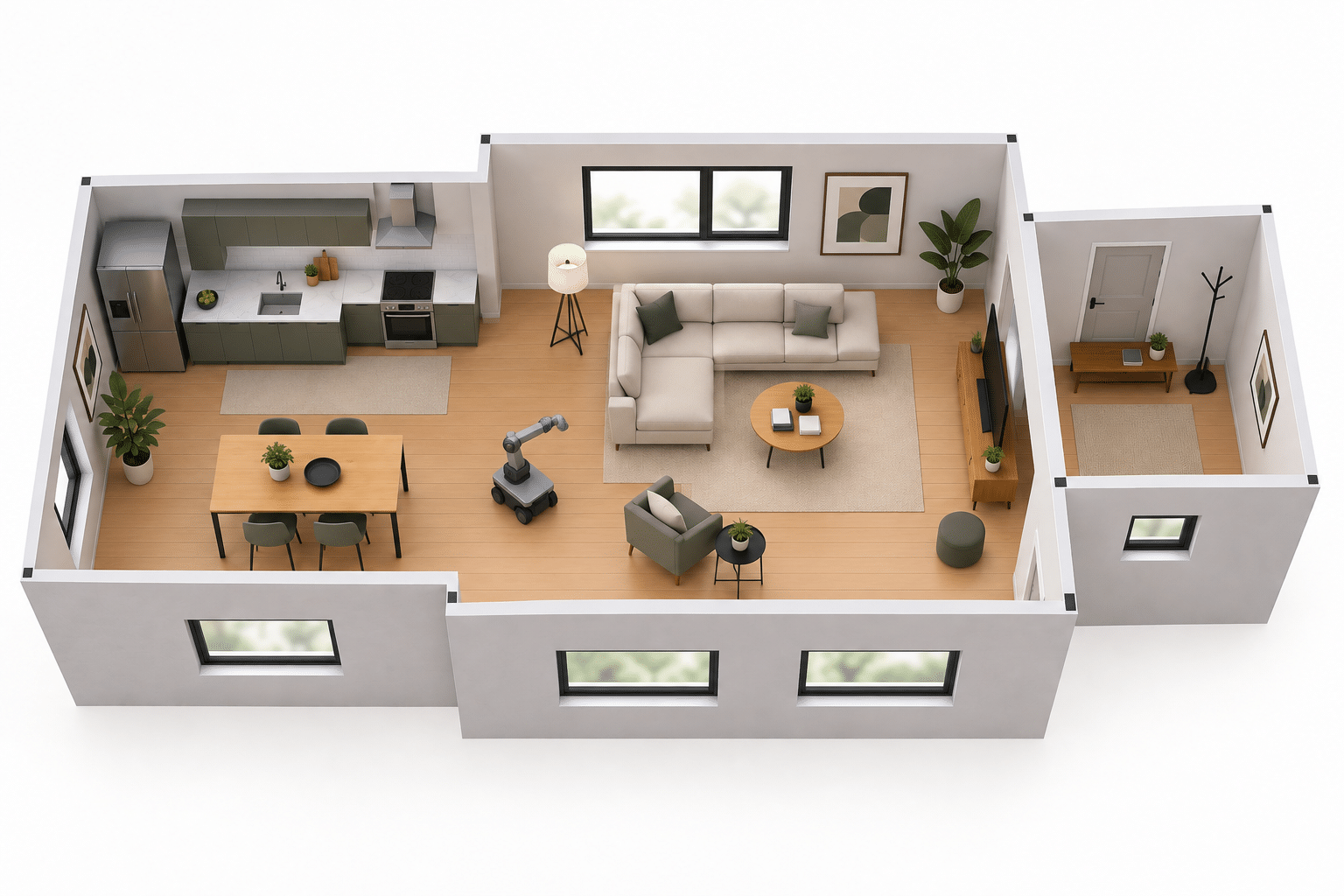
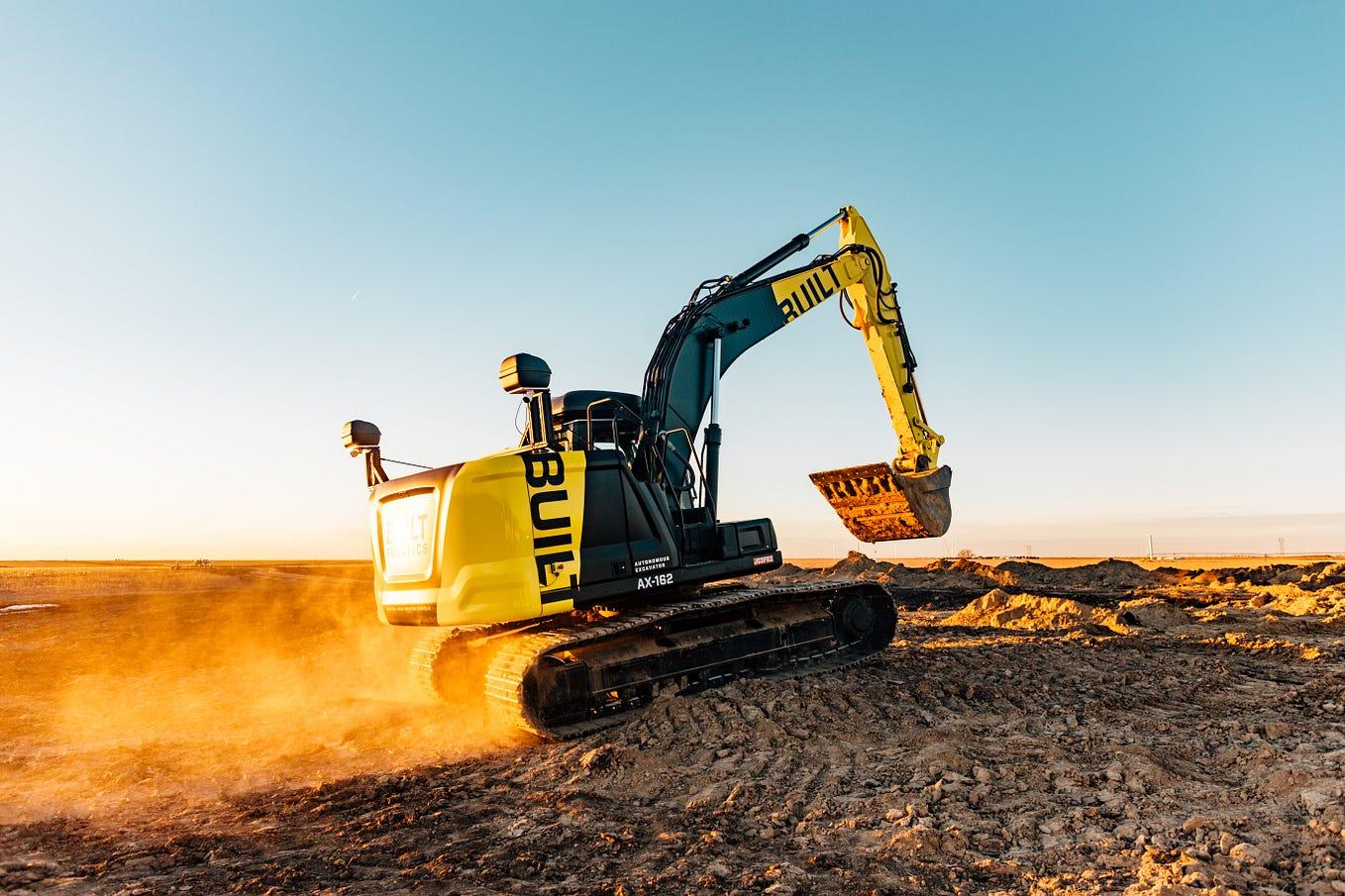
This approach gives students exposure to concepts used in industries such as logistics, manufacturing, environmental monitoring, agriculture, healthcare, and exploration technologies.
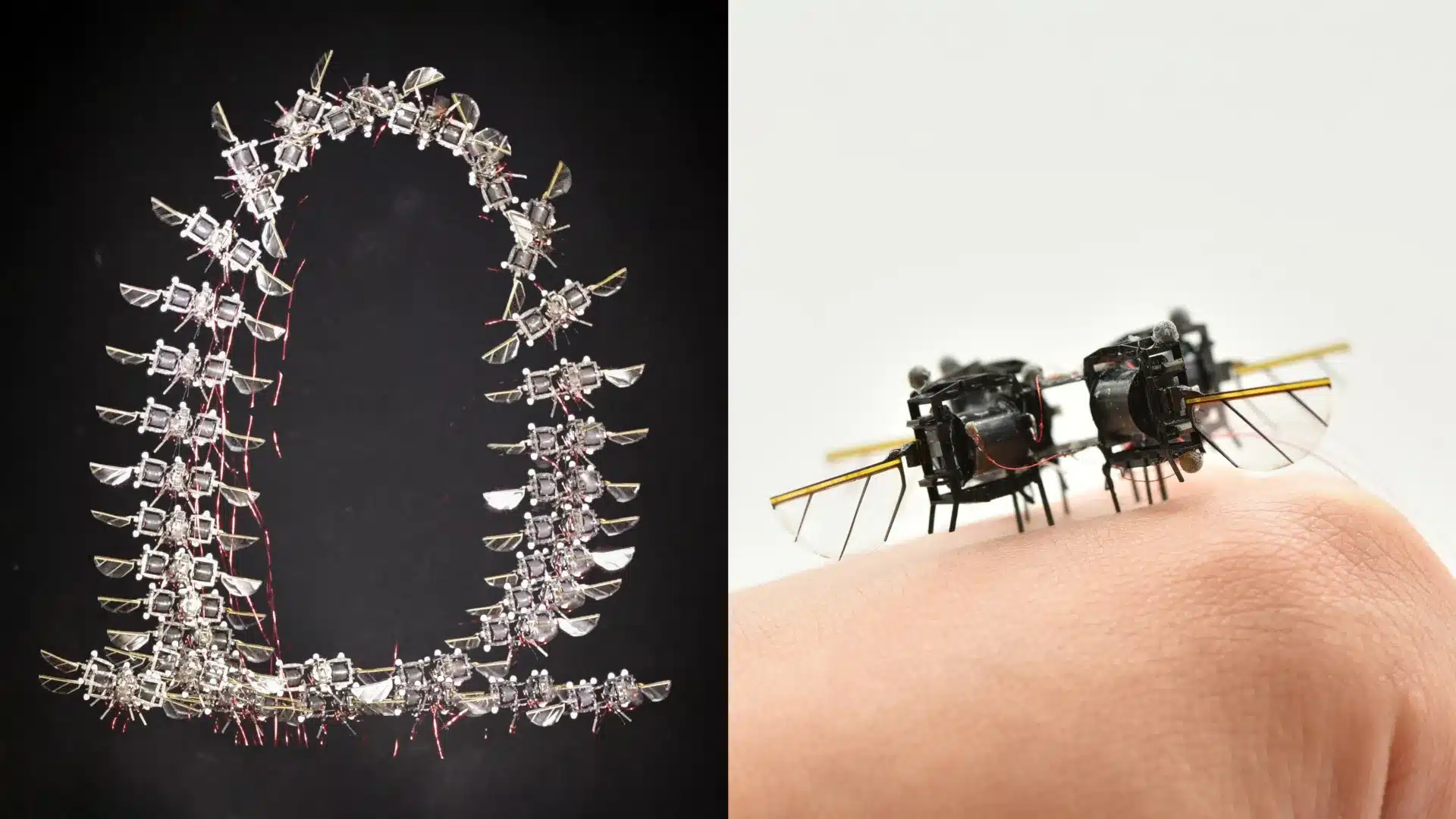
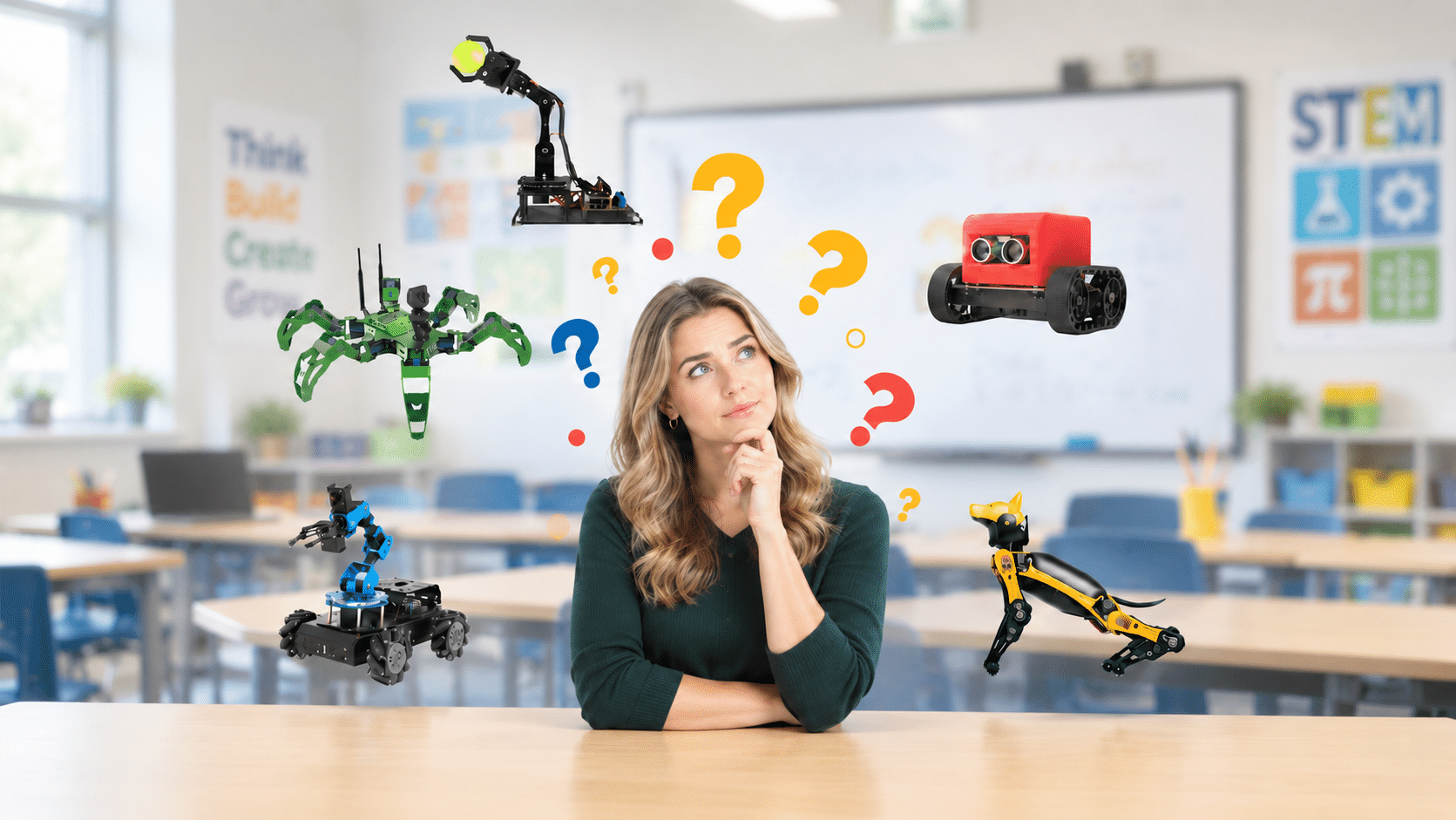
Quadruped robots, robotic arms, terrain-mapping systems, and autonomous navigation platforms are helping students move beyond basic robotics projects into more advanced engineering applications.
For many schools, robotics pathways also help connect STEM learning to engineering and IT career interests in a way students can physically interact with.
AI Education Is Moving From Theory to Application
Artificial intelligence is becoming one of the fastest-growing areas in K–12 CTE planning.
Rather than treating AI as a standalone topic, schools are beginning to integrate AI into existing pathways such as:
- Robotics
- Computer science
- Cybersecurity
- Drone systems
- Automation
- Data analysis
- Digital media
- IT and networking
Students are learning how AI tools work, how prompts affect outputs, how data influences systems, and how automation impacts industries.
Some programs are introducing students to machine learning concepts, computer vision, AI-assisted coding, and decision-making systems through hands-on projects instead of lectures alone.
This practical approach helps students better understand both the possibilities and limitations of AI technologies.
Why Schools Prefer Hands-On CTE Learning
One reason AI, robotics, and drones continue gaining traction is because they naturally support project-based learning.
Students are more likely to stay engaged when they are:
- Testing ideas
- Solving real problems
- Working in teams
- Troubleshooting failures
- Building systems
- Collecting and analyzing data
- Applying technical skills directly
This type of learning also helps students build soft skills that are increasingly important in technical careers, including communication, collaboration, adaptability, and critical thinking.
For educators, hands-on systems can also make abstract technical concepts easier to teach.
How LocoRobo Supports Modern CTE Pathways
LocoRobo helps schools build structured STEM and CTE pathways through hands-on learning systems focused on AI, robotics, drones, cybersecurity, esports, and computer science.
Rather than offering standalone hardware, LocoRobo combines:
- Classroom-ready technology
- Standards-aligned curriculum
- Teacher professional development
- Certification pathways
- Career exploration
- Ongoing support
Schools can build pathways that progress from middle school exploration into high school CTE and certification opportunities across areas such as:
- Advanced Air Mobility and drone systems
- Robotics and automation
- Artificial intelligence
- Cybersecurity and IT
- Computer science
- Esports and digital media
Explore LocoRobo STEM and CTE Solutions to see how schools are building modern pathways that connect hands-on learning to future careers.