

Offshore operations are some of the most difficult and expensive environments to work in. Inspections of pipelines, ports, underwater infrastructure, and energy systems often require large vessels, specialized crews, and dangerous deployments that can cost up to $100,000 per day.
A startup founded by former NASA and ETH Zürich robotics engineers believes autonomous robots could change that model entirely.
Bubble Robotics emerged publicly in April 2026 with $5 million in pre-seed funding and with a plan to replace many offshore inspection vessels with “AI-infused” autonomous robotic systems capable of operating for months at sea without human crews.
The company’s argument is simple: instead of sending humans offshore for short inspection missions, persistent robotic systems could remain deployed continuously, collecting data, monitoring infrastructure, and identifying problems in real time.
According to Bubble Robotics CEO Jean Crosetti, “What used to be episodic becomes continuous.”
That shift could have major implications for industries tied to offshore energy, maritime infrastructure, climate monitoring, and subsea security.
Why Offshore Robotics Is Becoming More Important
The offshore industry faces several growing challenges at the same time:- Vessel and crew costs continue to rise
- Skilled workforce shortages are increasing
- Real-time inspection is becoming more critical
- Infrastructure monitoring needs are expanding
- Harsh environments make operations dangerous
The Real Challenge: Persistence
Building a robot that works for an hour is one thing. Building a robot that survives for months in saltwater, changing temperatures, storms, biological fouling, and unpredictable ocean conditions is something entirely different. That is why many experts remain cautious. Marine robotics has historically faced major reliability challenges due to corrosion, power management, communications limitations, and environmental wear. Real-world deployments will determine whether Bubble Robotics can deliver on its promises. Still, the growing investment and reported letters of intent suggest strong interest from industries looking for safer and more scalable solutions.What Students Can Learn From This Shift
Stories like this highlight how modern robotics is no longer limited to factory automation or classroom coding exercises. Today’s robotics systems combine:- Sensor integration
- Artificial intelligence
- Real-time data analysis
- Autonomous navigation
- Mechanical engineering
- Environmental monitoring
- Communication systems
- Climate resilience
- Autonomous transportation
- Infrastructure monitoring
- Environmental science
- Data collection and analysis
Bringing Robotics Learning Into the Classroom
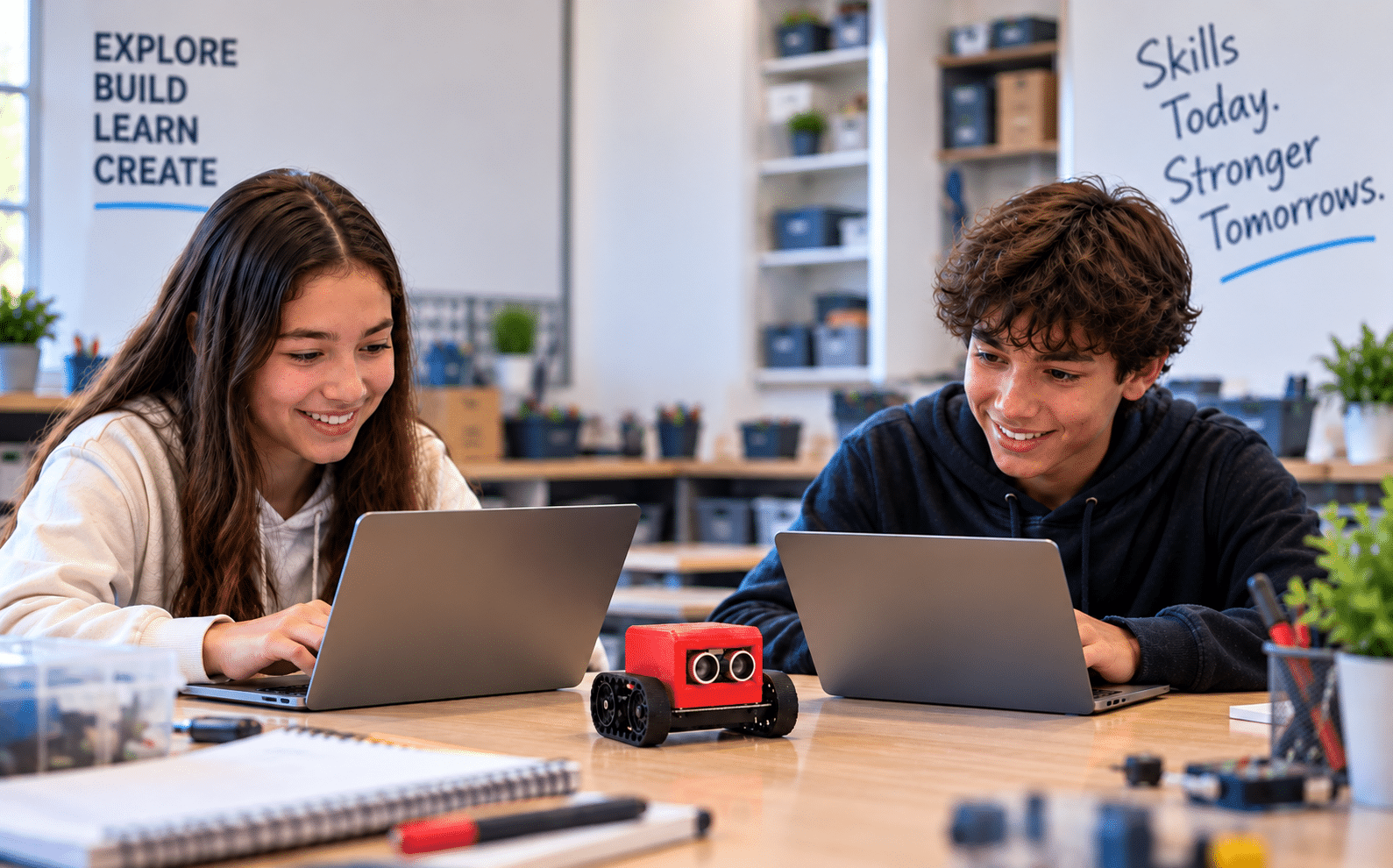
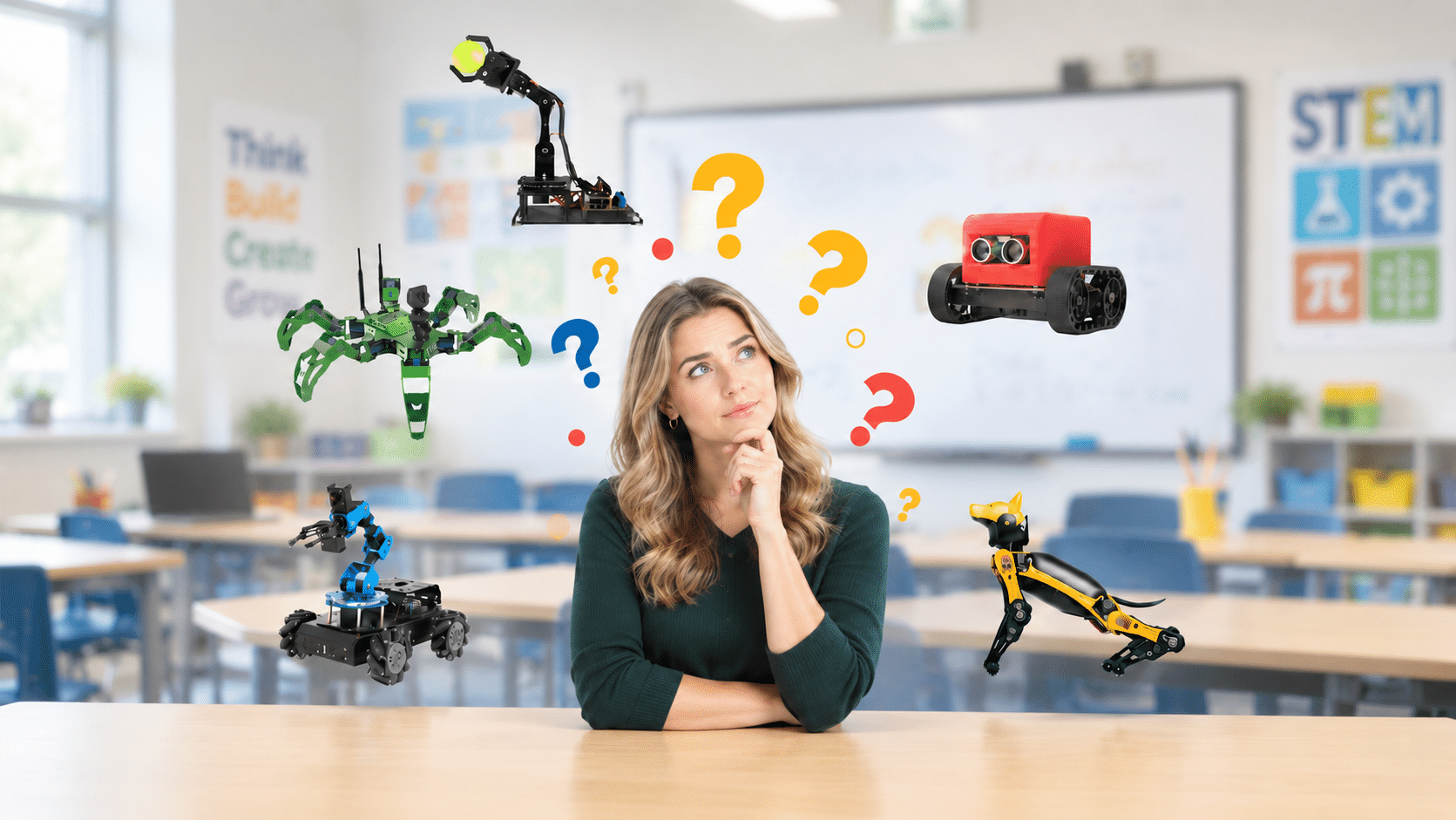
As industries adopt more autonomous systems, K12 robotics education is becoming less about isolated coding lessons and more about understanding how intelligent systems operate in complex environments. LocoRobo helps schools introduce students to these concepts through hands-on robotics, AI in the classroom, and STEM curriculum kits designed for K-12 classrooms. With robotics platforms like LocoXtreme, LocoScout, LocoHex, and LocoArm, students can explore programming, sensors, autonomous movement, AI integration, and real-world engineering concepts through structured classroom experiences. Combined with standards-aligned curriculum, teacher training, and ongoing support, LocoRobo helps educators build robotics programs that connect classroom learning to the technologies shaping modern industries. Explore LocoRobo’s robotics solutionsFrequently Asked Questions
Why is autonomous robotics becoming more important in industry?
Many industries face workforce shortages, rising operational costs, and increasing demand for continuous monitoring. Autonomous robotics helps reduce human risk while improving efficiency and data collection.
How does AI connect to robotics systems?
AI allows robots to process sensor data, recognize patterns, make decisions, and adapt to changing conditions without constant human control.
What skills do students develop through robotics education?
Students develop skills in programming, engineering design, problem-solving, sensors, automation, teamwork, and data analysis. Many robotics programs also introduce AI and autonomous systems concepts.
How can schools introduce robotics without requiring advanced technical experience?
LocoRobo provides classroom-ready robotics platforms, structured curriculum, and teacher support that help educators implement robotics learning across different grade levels and experience levels.