

For the first time in more than fifty years, NASA has launched a crewed mission designed to travel around the Moon. The Artemis II mission marks a major milestone in the Artemis program and represents the first human journey toward deep space since the Apollo era.
As the Space Launch System (SLS) rocket lifted off from Kennedy Space Center, astronaut Reid Wiseman summed up the moment clearly:
“We go for all humanity.”
The launch was powerful and dramatic. Observers described the liftoff as something you could feel physically as the rocket engines ignited and pushed the spacecraft toward orbit.
A Crewed Mission Around the Moon
The Orion spacecraft entered Earth orbit after launch, where the crew began an important series of system checks. For the first 24 hours, astronauts evaluated the spacecraft’s navigation systems, life support systems, communication links, and onboard controls.
If these checks perform as expected, Orion receives the go-ahead to leave Earth orbit and begin its journey around the Moon.
During the roughly ten-day mission, the spacecraft will:
- Travel around the Moon without landing
- Evaluate life support systems for long missions
- Test navigation and communication systems in deep space
- Demonstrate safe crew operations far from Earth
NASA officials confirmed shortly after launch that the crew was “safe, secure, and in great spirits.”
At its farthest point, the spacecraft could travel farther from Earth than any humans have gone before, pushing beyond the distance achieved during the Apollo missions.
Even minor details of life in space are being tested. Reports from the mission even noted early discussions about small onboard challenges such as adjustments to the spacecraft’s toilet system, reminding everyone that long-duration space travel requires solving many practical engineering problems.
Why Artemis II Matters
Artemis II is part of a much larger effort to return humans to the Moon and build a long-term presence in deep space.
NASA’s Artemis program is designed to achieve several long-term goals:
- Establish a sustainable human presence on the Moon
- Expand international collaboration in space exploration
- Test technologies needed for future Mars missions
- Advance robotics, autonomous systems, and AI used in space missions
Before astronauts can land on the Moon again, NASA must prove that spacecraft systems, crew operations, and deep-space navigation all work safely. Artemis II provides the first opportunity to test these capabilities with astronauts onboard.
The mission also demonstrates how modern space exploration increasingly relies on robotics, autonomous systems, and data-driven navigation alongside human astronauts.
AI and Autonomous Systems in Modern Space Missions
Another fascinating aspect of the Artemis II mission is how much of the spacecraft’s operation depends on advanced software and autonomous systems.
According to a report by WION News, the mission will rely on artificial intelligence, complex algorithms, and digital simulations. These systems monitor spacecraft performance and help calculate precise flight trajectories.
They also help astronauts manage the enormous amount of data generated during deep-space travel. This support helps ensure safe navigation around the Moon.
Even the launch itself is largely automated. The rocket’s onboard guidance and navigation software controls engine performance and flight trajectory during ascent.
Astronauts mainly monitor these systems. They remain ready to intervene if necessary.
This growing reliance on intelligent systems shows how modern space missions combine human decision-making with robotics, automation, and AI-driven analysis.
The Role of Robotics and Autonomous Systems in Space Exploration
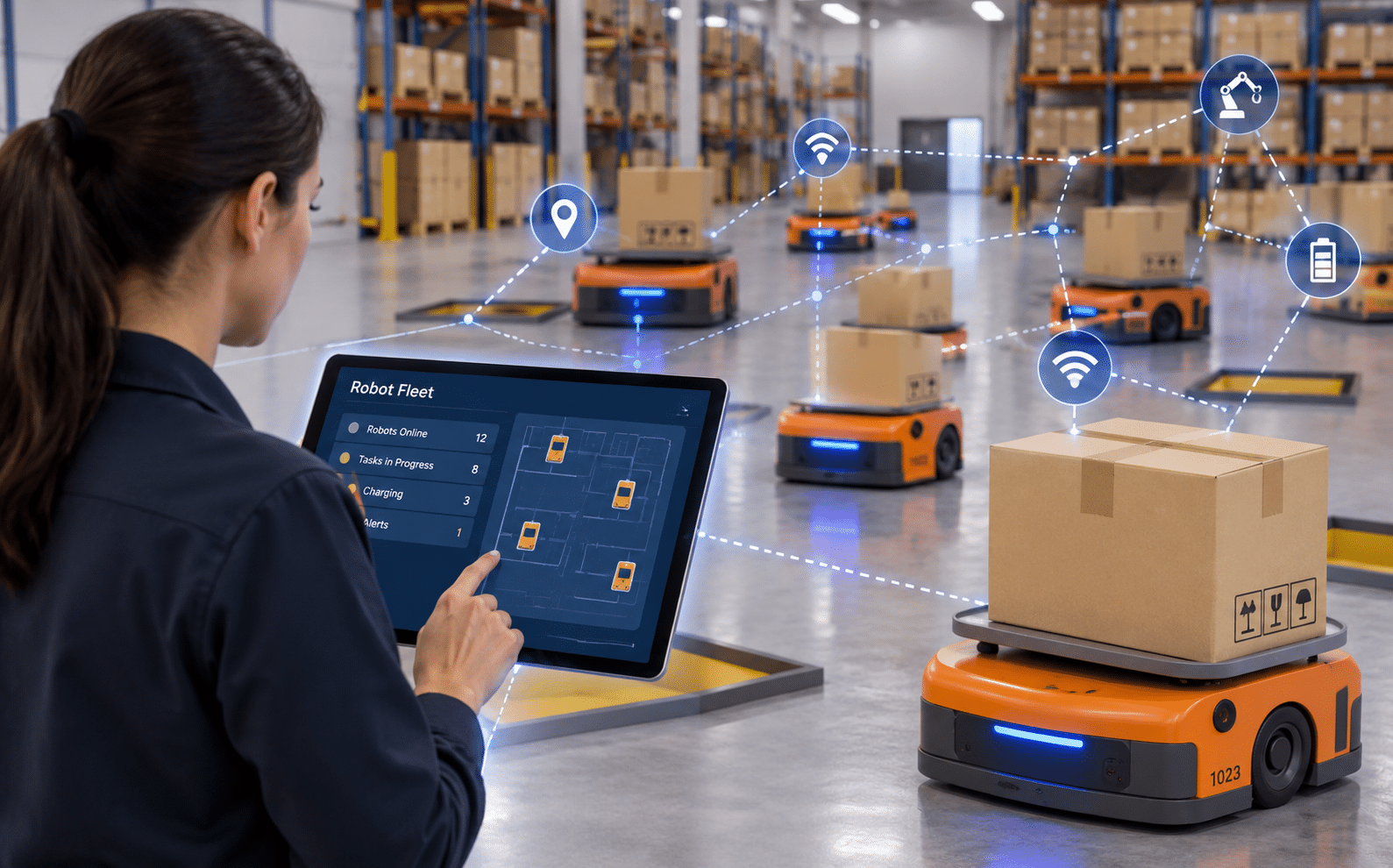
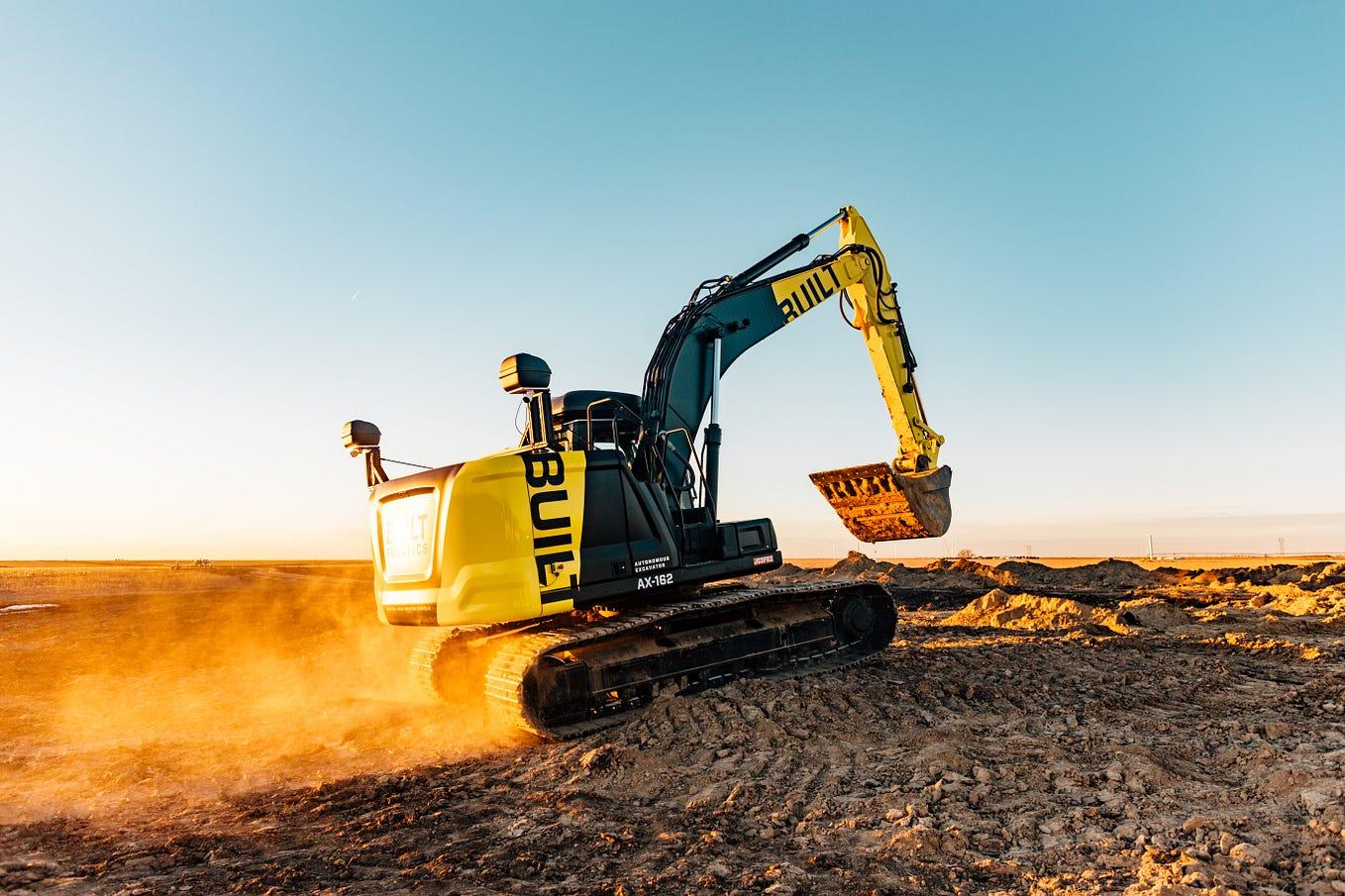
Modern space missions depend heavily on robotics and autonomous technologies. From planetary rovers to spacecraft guidance systems, AI and robotics systems help astronauts operate in environments where direct human control is difficult or impossible.
Many of the same concepts used in space exploration are now becoming part of computer science and STEM education. Students studying robotics today learn about:
- Sensor-based navigation
- Data collection and analysis
- Autonomous movement and decision making
- Engineering design and testing
These are the same kinds of systems used in planetary robots, spacecraft, and advanced exploration missions.
Connecting Space Exploration to STEM Learning
The excitement surrounding missions like Artemis II often sparks curiosity among students. Space exploration naturally combines coding, physics, robotics, engineering, and data analysis into real-world challenges.
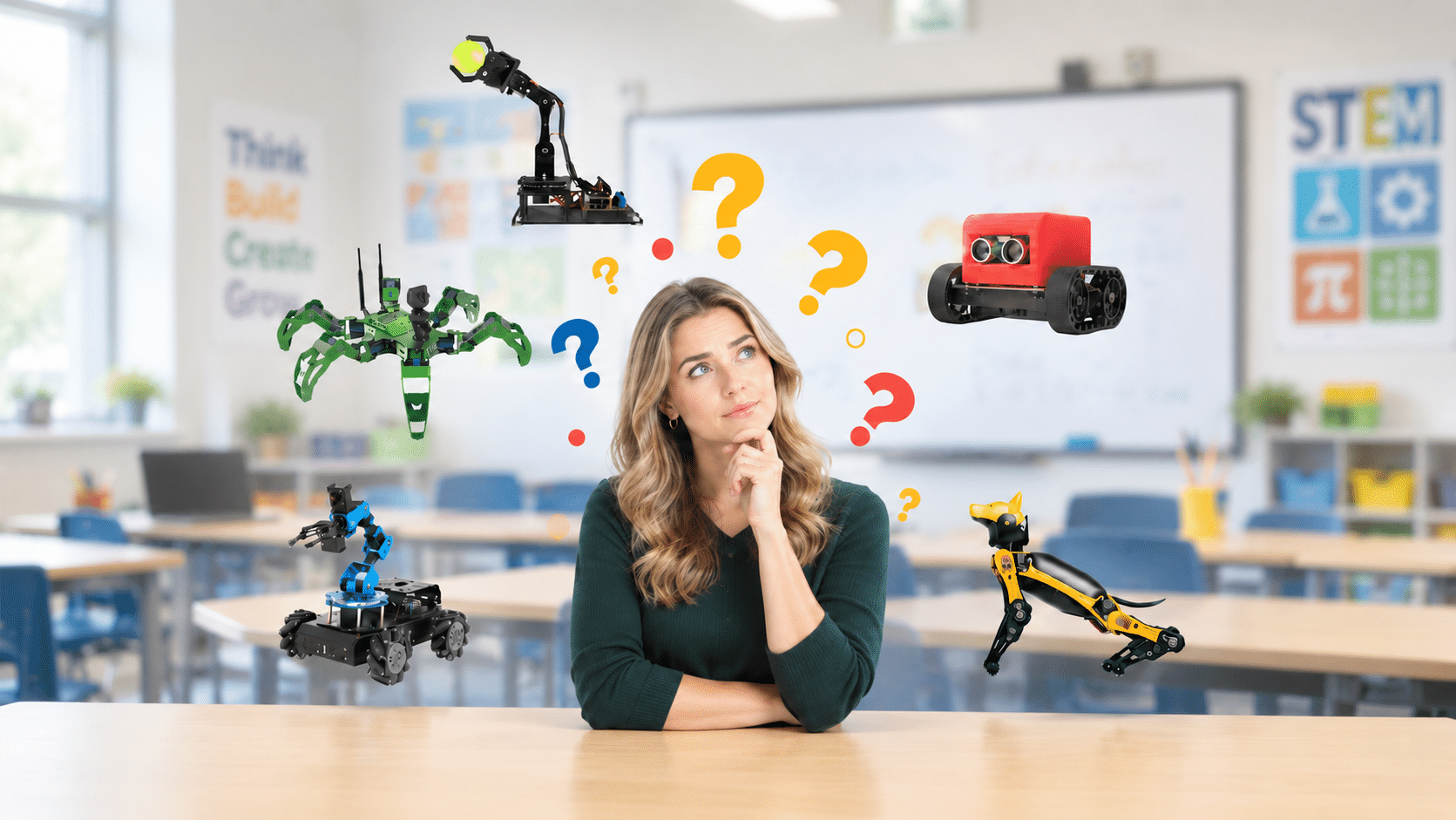
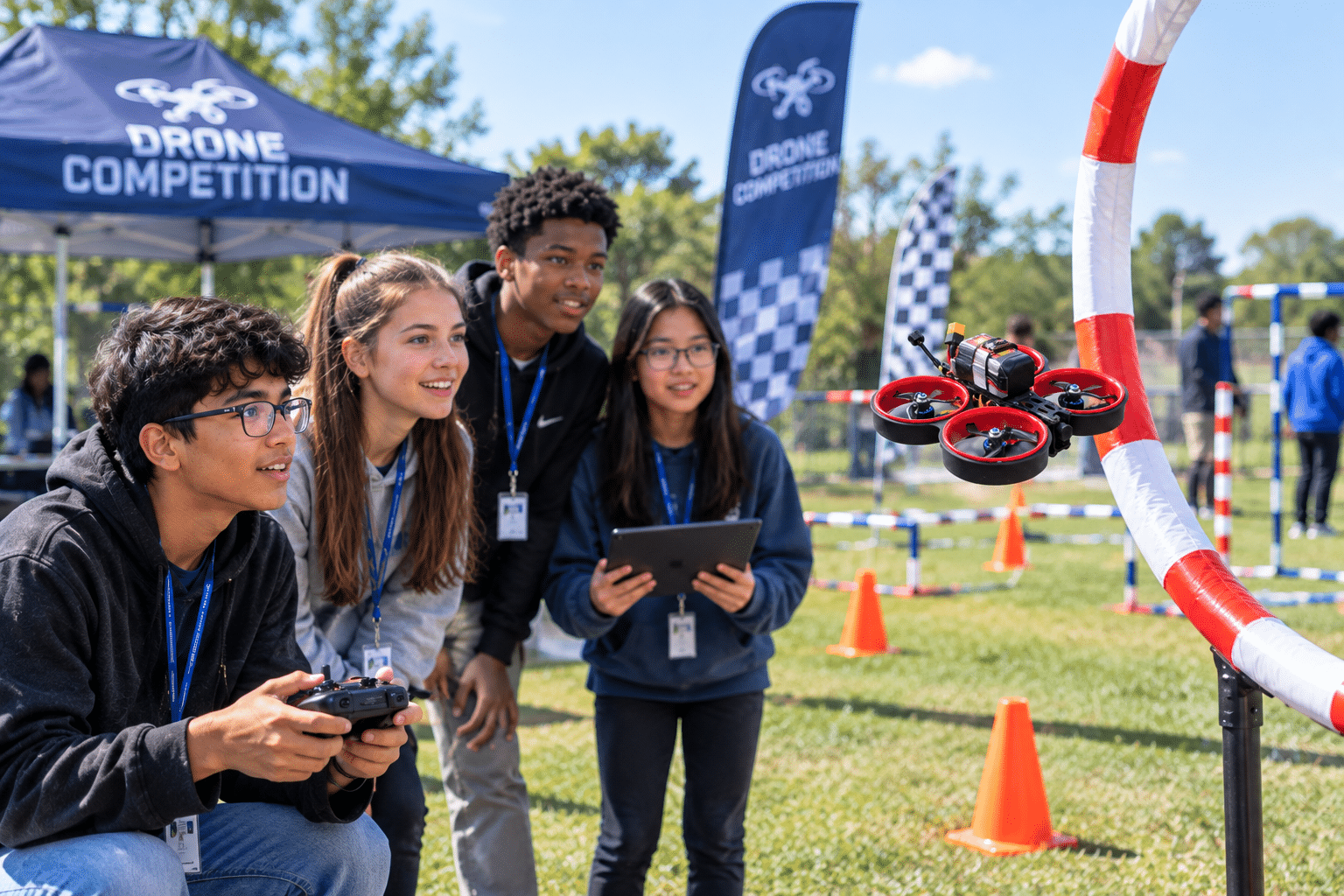
Hands-on STEM programs allow students to explore many of these concepts directly. Through robotics platforms, drones, and coding environments, students can experiment with navigation systems, sensor data, and automation similar to the technologies used in modern space missions.
Exploring robotics and autonomous systems in the classroom helps students understand how engineering and programming work together to solve complex problems.
Building AI and Robotics Skills in the Classroom
Modern space missions rely heavily on autonomous systems, robotics, and intelligent software. Sensor analysis, spacecraft navigation, and robotic exploration all depend on technologies that students can begin learning today through hands-on STEM programs.
LocoRobo helps schools introduce AI and robotics education through structured classroom solutions that combine hardware, coding platforms, curriculum, and educator support. Students can explore robotics programming, sensor-driven automation, and real engineering challenges while building skills connected to emerging technology careers.
By introducing robotics and AI curriculum, schools can help students better understand how intelligent systems operate in fields ranging from space exploration to modern engineering.
Explore LocoRobo’s AI and robotics STEM solutions.