

Career and Technical Education plays a vital role in equipping students with the skills employers value. But funding, particularly through the Perkins V Act, can be tricky to navigate. This guide offers a straightforward roadmap to help schools, administrators, and partners make every dollar count in 2025.
1. Know Your Funding Sources
- Federal Formula Grants
The primary source of CTE funding, Perkins V, offers approximately $1.4 billion nationwide for state programs each year. - Discretionary Grants & National Initiatives
Additional funding comes through special grants and initiatives. Discretionary grants exceed $26 million, with more than $7 million designated for research and evaluation. - State & Local Contributions
Federal dollars often fall short of program costs. Local budgets, state allocations, millages, and philanthropic support help close the gap. For example, in Michigan’s Clare-Gladwin district, a 1-mill levy approved in 2016—and renewed in 2025 through 2036—funds hands-on CTE enhancements, equipment, and student certification.
2. Meet Requirements and Plan Strategically
- State Plan Submission
Many states require a Comprehensive Local Needs Assessment (CLNA) and use a web portal to submit Perkins V State plans, including budgets for FY 2025. - Use-of-Funds Guidelines
Perkins V funds must supplement, not supplant; they cannot replace essential state or local funding. Every expense must be reasonable, necessary, and properly tracked. - Allocated Categories & Priorities
Funds can be used for career exploration, work-based learning (job shadows, coordination), and student equipment, but not basic instructional materials that schools would otherwise buy.
3. Maximize Impact with Smart Investments
- Invest in Career Exposure & Work-Based Learning
Cover costs like career exploration materials, job shadow coordination, and work-based learning stipends, especially where they align with priorities identified in your CLNA. - Prioritize Student-Used Equipment
Funds can’t go toward general classroom enhancements. But buying tools or equipment directly for student use like CTE-specific sets of textbooks or technical equipment, is allowed and encouraged. - Govern with Intent
Establish controls to ensure compliance. Maintain documentation, track expenditure categories, and carry out periodic reviews.
4. Track Policy and State Trends
- Stay Alert to Legislative Shifts
In 2024, 26 states enacted 63 CTE-related policies, focusing largely on funding, industry partnerships, and access. - Leverage Equipment Grants
Some states, like Pennsylvania and Ohio, offer competitive grants for updating or purchasing CTE equipment—worth exploring annually.
5. Tips for 2025 Execution
- Conduct a timely CLNA with stakeholder input
- Complete state plan submission and budget via official portal
- Budget for permissible activities (e.g., WBL, student tools)
- Allocate funds to student-focused investments, not general materials
- Document, tag, and track all expenses rigorously
- Apply for discretionary or state-level equipment grants
- Monitor state policy changes and adjust strategy as needed
- Share success stories—especially those supported by local funding sources like millages
Leveraging CTE funds in 2025 is about planning, precision, and purpose. Know your funding, meet compliance, invest in students, and remain responsive to policy. Your efforts today power workforce readiness tomorrow.
How LocoRobo Can Help
At LocoRobo, we focus on STEM and technical career pathways that align directly with Perkins V priorities and workforce needs. With ready-to-use STEM-based CTE curriculum, teacher training, and hands-on learning, we make it easy to launch or expand programs that align with CTE funding requirements.
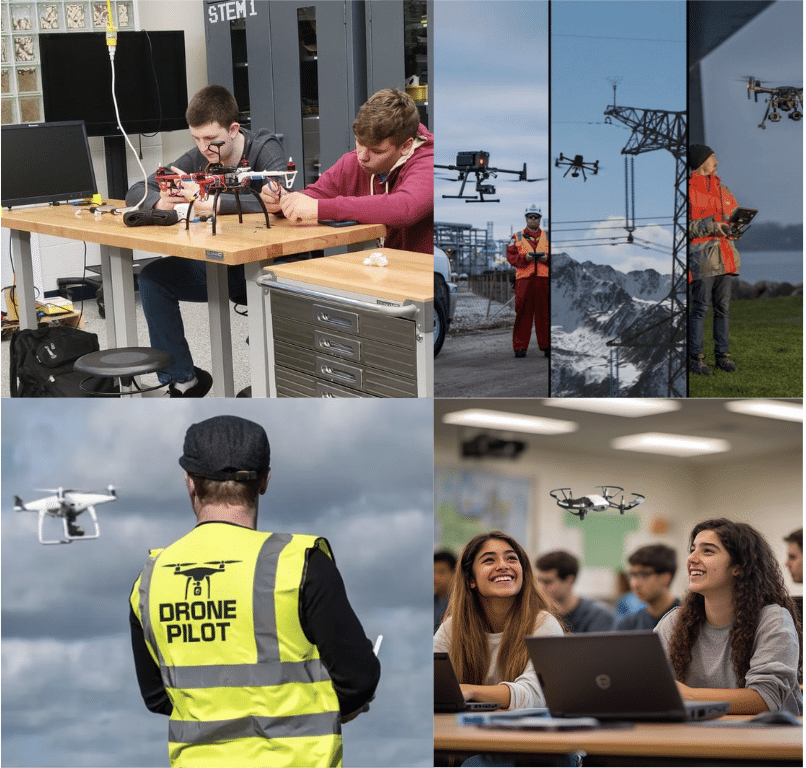
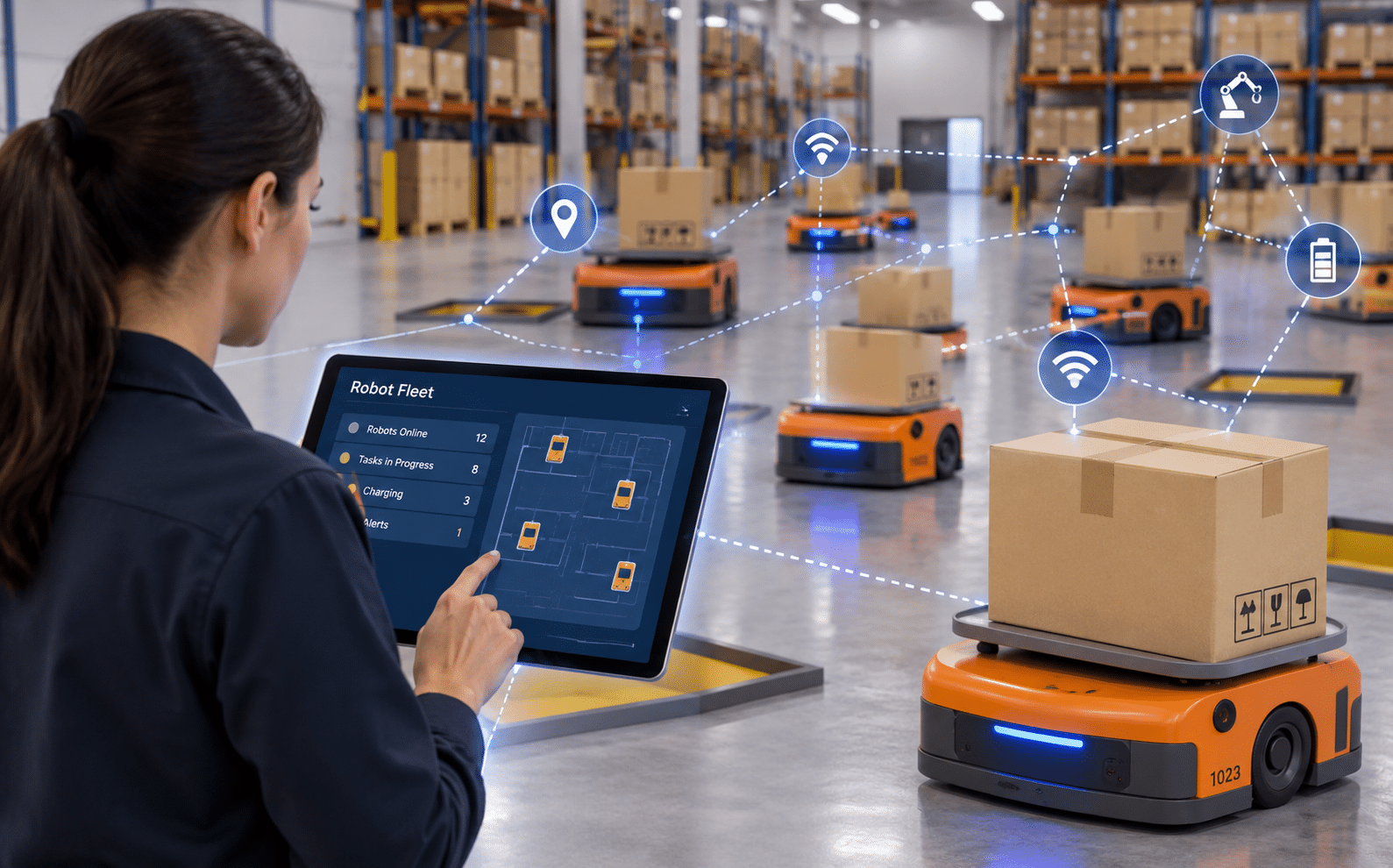
Through our industry certification prep, students gain access to credentials in areas like CAD, robotics, programming, automation, cybersecurity, and FAA Part 107 drone operation, ensuring they leave school with practical skills and recognized qualifications. Our XRK12 Career Exploration program further extends these opportunities by giving students immersive exposure to more than 20 careers in fields such as drone technology, robotics, precision agriculture, and logistics, all within a scalable VR experience platform that requires no lab setup. Combined with comprehensive teacher training, ready-to-use curriculum, and student-focused equipment, LocoRobo makes it easy for schools to stay compliant with funding guidelines while delivering measurable outcomes.
Schedule a call with us and see how LocoRobo can help your district maximize its investment in student success.