
The Difference Between Playing Games and Studying Esports
Playing a game casually and participating in an esports training program are not the same experience. In a structured program, students analyze game mechanics, develop strategies, review gameplay footage, and collaborate with teammates to improve performance. Many programs also include lessons on game design, leadership, communication, and digital media production. Students begin to understand questions such as:- Why do certain strategies succeed in competitive play?
- What role do analytics and data play in improving performance?
- How do teams communicate effectively under pressure?
Esports Builds Skills That Extend Beyond Gaming
One reason esports programs have gained traction in schools is their ability to build transferable skills. Competitive gameplay requires: Strategic thinking Students analyze opponents, adapt tactics, and make decisions quickly. Digital literacy Students gain familiarity with streaming tools, communication platforms, and competitive gaming technology. Team coordination Many esports titles require coordinated roles, communication, and collaboration. Resilience and focus Players learn how to handle losses, improve through feedback, and manage performance under pressure. These are the same skills used in many modern careers, from digital media and software development to marketing and event production.The Esports Industry Is Larger Than Most People Realize
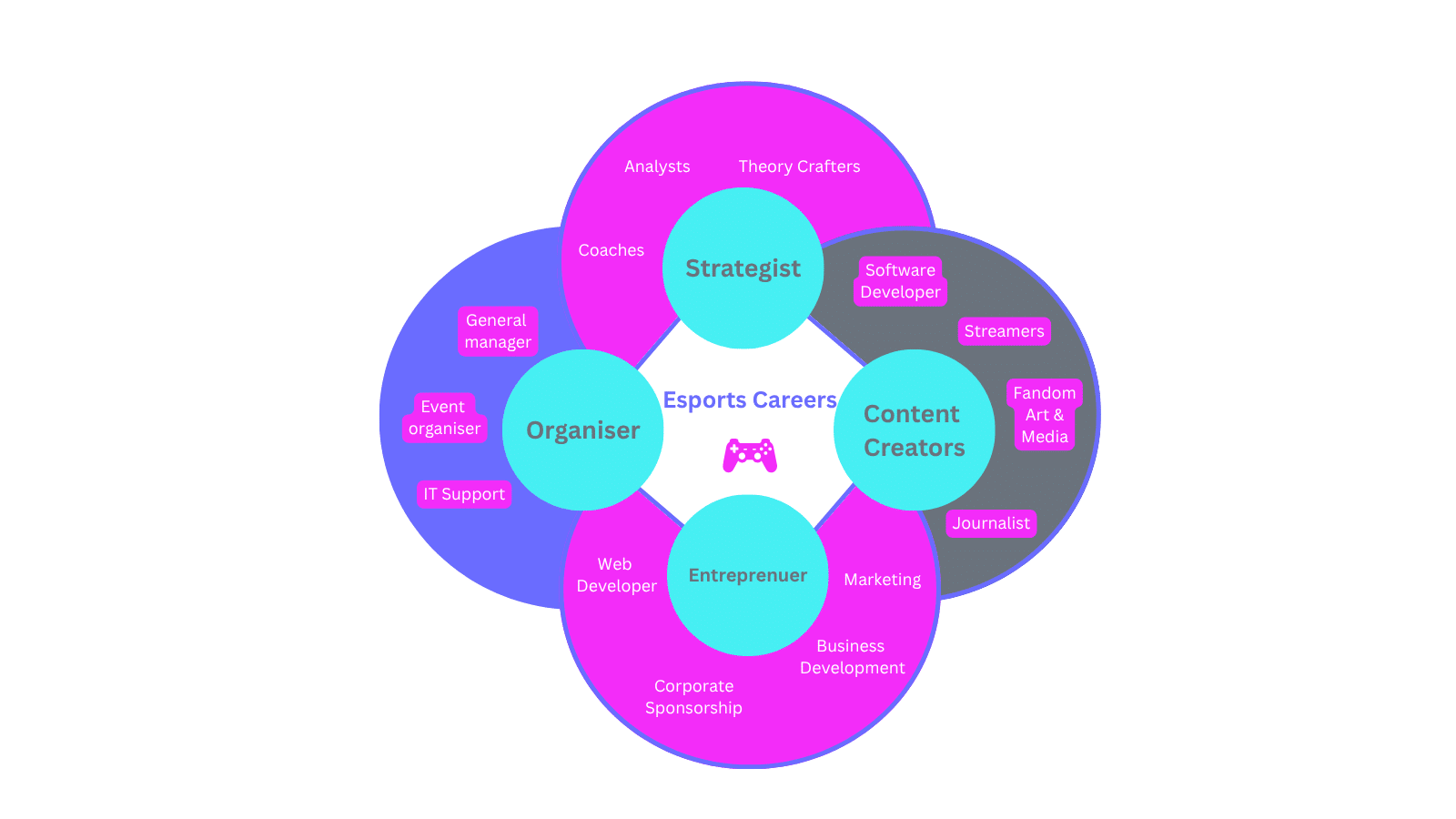
Another misconception is that esports only relates to professional gaming. In reality, esports connects to a wide ecosystem of careers and industries. These include:- Game design and development
- Broadcasting and streaming production
- Data analytics and performance coaching
- Event production and tournament management
- Marketing, branding, and sponsorship management
Why Schools Are Adding Esports Programs
Schools are adopting esports in education because they engage students who may not connect with traditional extracurricular activities. Students who enjoy gaming often become deeply motivated when they see it connected to strategy, leadership, and real-world applications. Esports programs also encourage participation from students interested in technology, digital media, storytelling, and design. Instead of treating gaming as a distraction, educators can channel that interest into meaningful learning experiences.Building a Structured Esports Program in Schools
For esports to succeed in schools, it needs structure. A strong program includes clear learning progression, opportunities for collaboration, and connections to real-world digital careers. Students should move from understanding basic gameplay mechanics to exploring strategy, branding, content creation, and leadership. With the right structure, esports becomes a multidisciplinary program that connects technology, communication, and creativity.How LocoRobo Supports Esports Education
LocoRobo provides a complete esports education solution designed specifically for K–12 schools. Our esports curriculum combines gameplay, strategy, and digital media projects to help students build real skills through structured learning experiences. Programs such as Esports 101 introduce students to competitive gaming, teamwork, game design concepts, and digital careers. Students explore mechanics, game history, and strategic thinking while building projects that connect gaming to broader digital skills. For students ready to go further, Esports Pro Studio expands into advanced strategy, leadership, branding, and content creation. Students learn how competitive teams operate, develop practice routines, and create digital media around esports. With curriculum, equipment, and educator support included, LocoRobo helps schools build esports programs that go beyond gaming and create meaningful learning opportunities. Explore LocoRobo’s esports solutions and see how your school can build a structured esports program.Frequently Asked Questions
Is esports just playing video games in school?
Esports in education involves structured learning where students analyze strategy, collaborate in teams, and develop skills like communication, problem-solving, and digital literacy.
What skills do students gain from esports programs?
Students build strategic thinking, teamwork, leadership, resilience, and digital media skills. These connect to careers in technology, marketing, content creation, and game development.
How can schools implement an esports program successfully?
Schools need structured curriculum, clear learning progression, and educator support. Programs should go beyond gameplay to include strategy, communication, and real-world applications.
How does LocoRobo support esports in education?
LocoRobo provides curriculum, equipment, and educator support to help schools run structured esports programs focused on teamwork, strategy, and career exploration. Explore LocoRobo's esports education.