
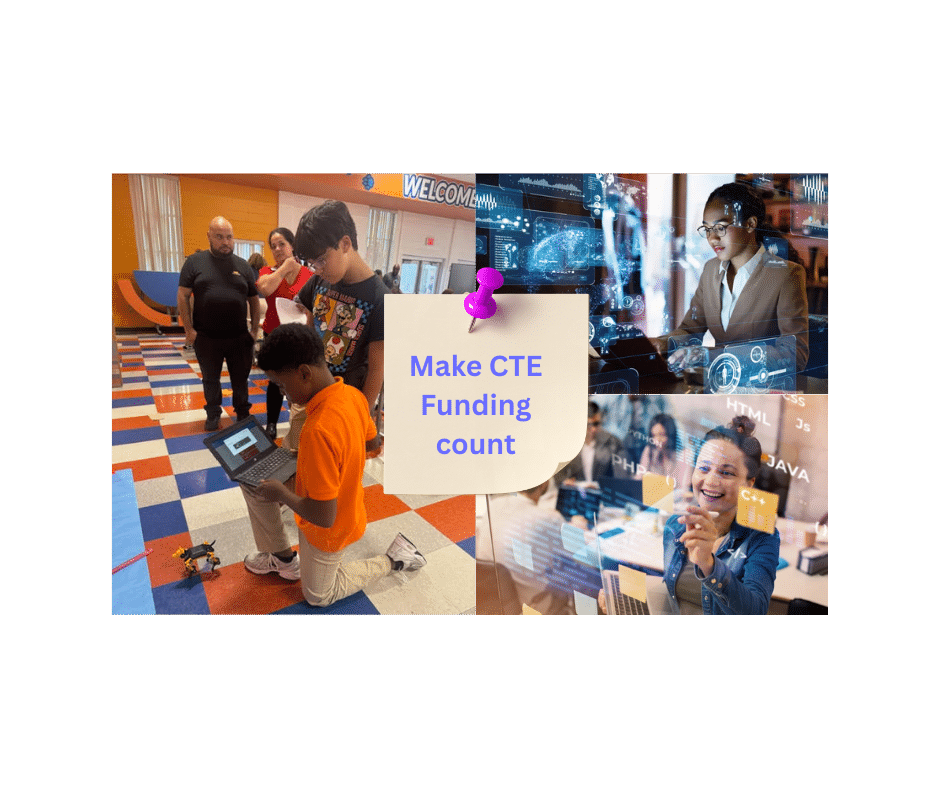
Schools are planning their 2026–27 CTE programs now, and for many districts that means looking closely at how CTE funds can strengthen pathways in robotics, AI, and cybersecurity. The question teachers ask most is simple: What can these funds actually support?
The answer is: far more than curriculum alone. Perkins V and Title IV continue to help districts build complete, career-aligned CTE and STEM programs that include equipment, training, and structured learning experiences.
Why CTE Funding Matters for Robotics, AI, and Cybersecurity
Robotics, AI, and cybersecurity sit inside core CTE priorities in engineering, IT, and emerging technologies. These areas help students build coding, problem-solving, analysis, and technical troubleshooting skills that carry into high-demand fields.
Because of this alignment, the major federal programs, Perkins V and Title IV give districts wide flexibility to adopt hands-on STEM curriculum needed to teach them effectively.
Below are the most practical, high-impact ways schools use these funds to build sustainable programs.
1. Curriculum and LMS Access
The foundation of every CTE pathway is structured learning. Districts regularly use Perkins V and Title IV to purchase curriculum that covers:
- Python and block coding
- Robotics engineering concepts
- Cybersecurity fundamentals and safe computing
- AI literacy and applied AI tools
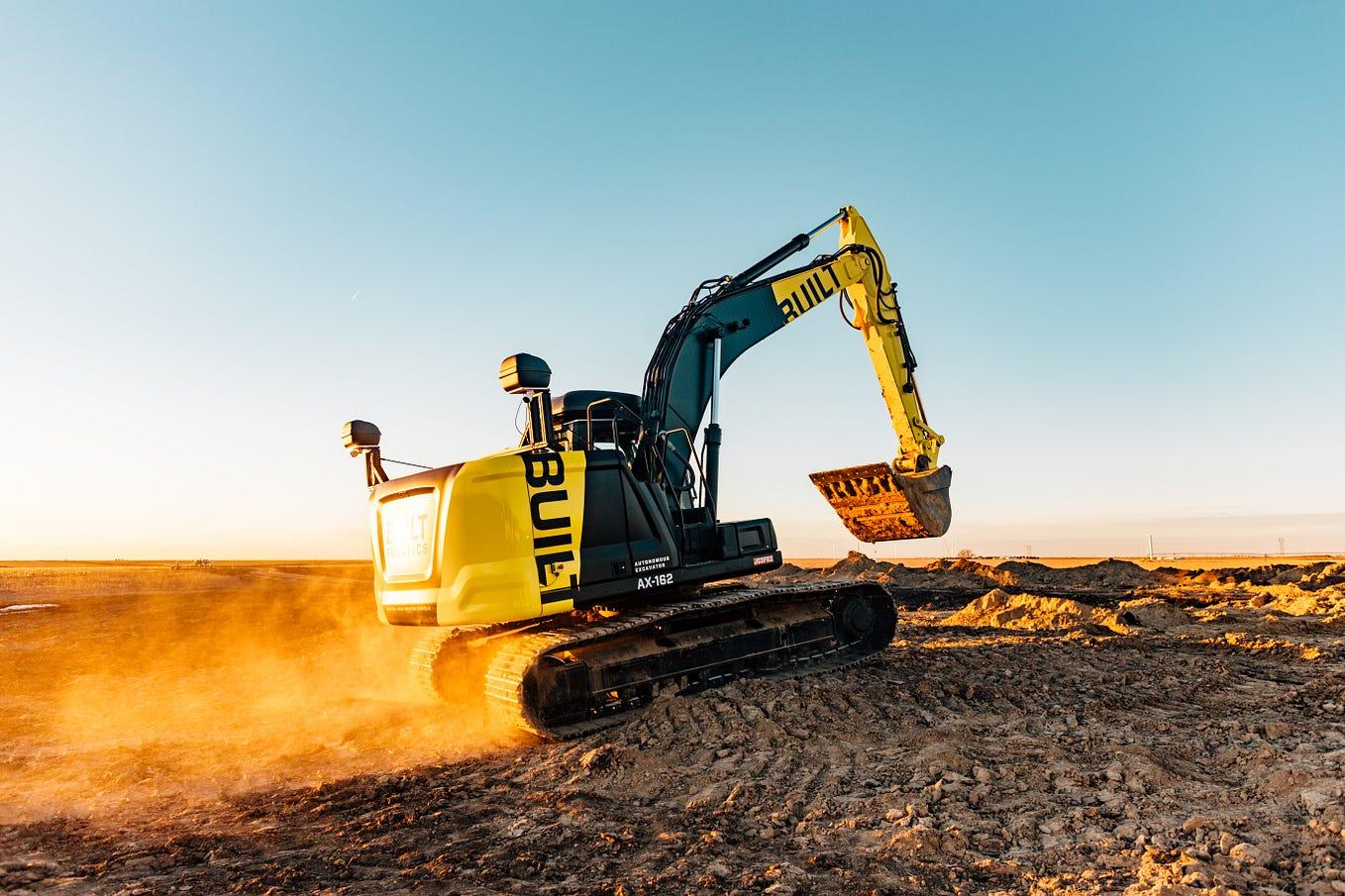
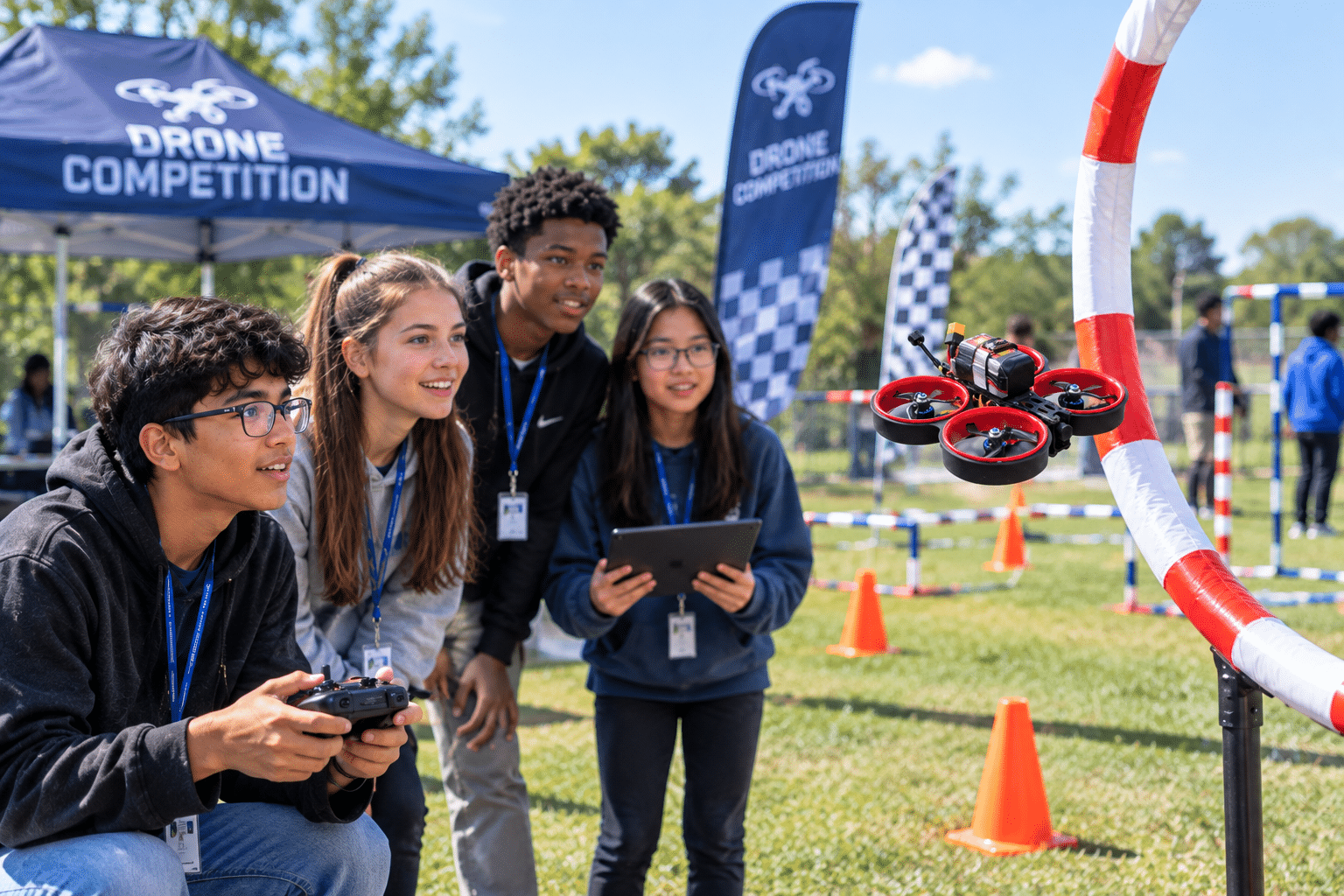
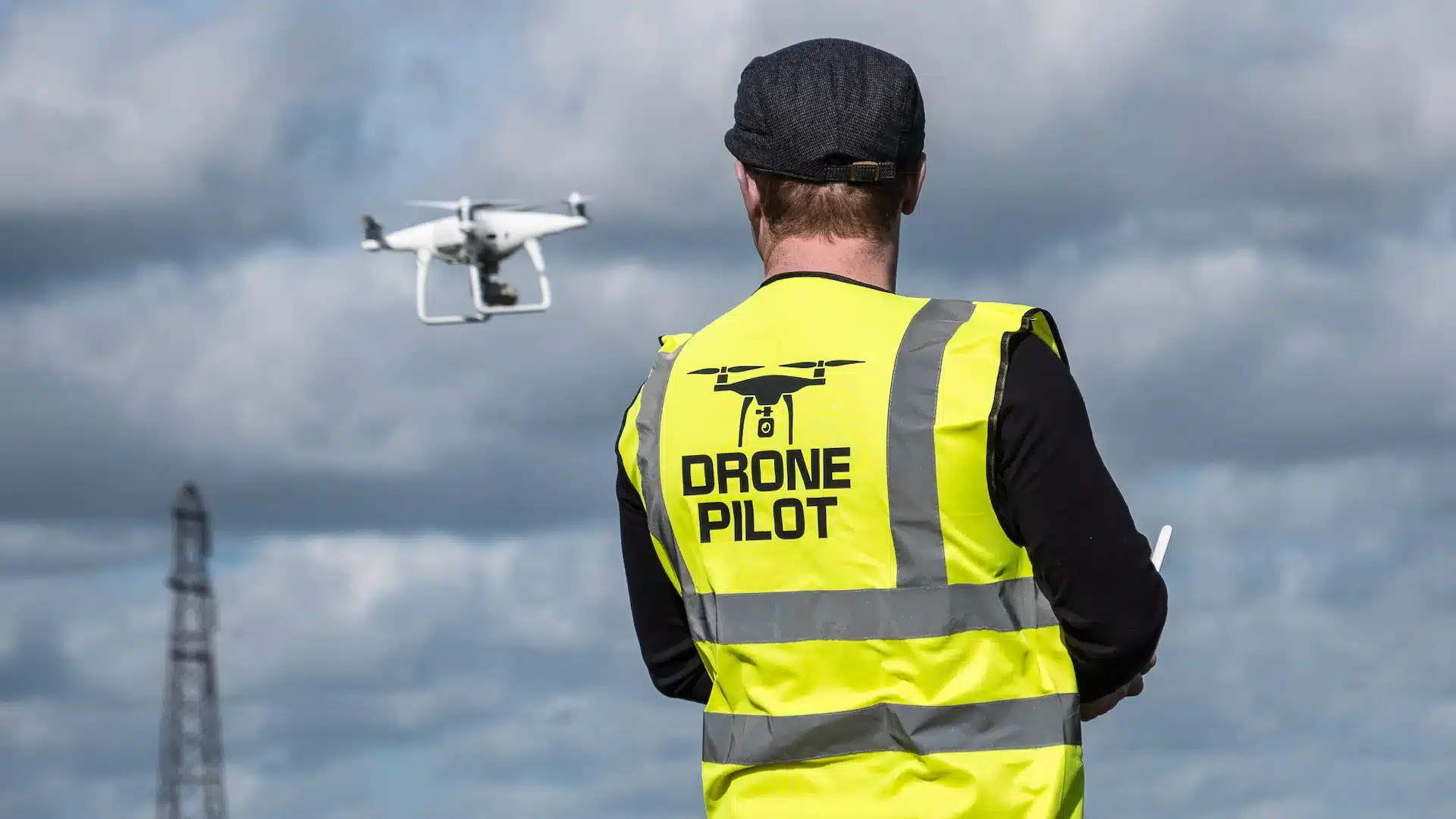
- Drone science and autonomous systems
- Assessments and teacher resources
A comprehensive LMS ensures that every teacher, regardless of background, can deliver instruction confidently and consistently.
How LocoRobo fits: All robotics, drone, AI, and cybersecurity pathways include ready-to-teach curriculum, assessments, and ongoing support so educators can launch or expand programs with minimal prep.
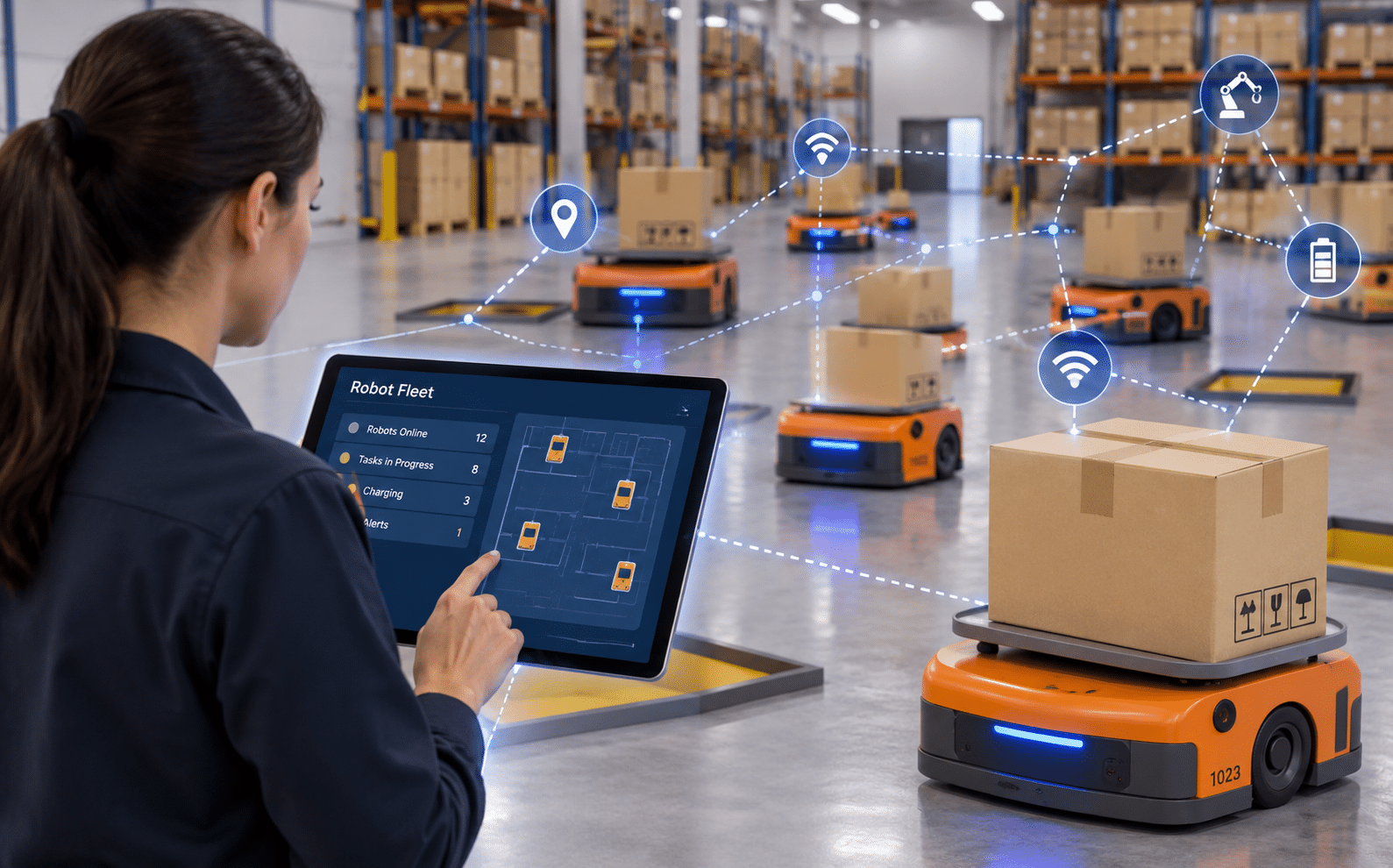
2. Robotics and Ground Systems for Grades 3–12
Perkins V frequently funds robotics platforms for engineering and IT pathways. Districts invest in robots that support:
- Mechanical reasoning
- Sensor-based navigation
- Coding and automation
- Engineering design challenges
- Team-based problem solving
These systems allow students to build, test, iterate, and understand how automation works at a practical level.
How LocoRobo fits: K12 robots such as LocoScout, LocoXtreme, LocoHex, LocoTerra, and LocoArm support engineering, AI, and automation concepts with hands-on learning for elementary through high school.
3. AI and Cybersecurity Learning Modules
Both areas are priority skills across CTE and STEM. Schools commonly fund:
- AI concepts and tools
- Machine learning foundations
- Responsible computing practices
- Cybersecurity awareness
- Certification preparation aligned to IT careers
- Network safety and digital systems
These modules help students understand how digital systems operate and how to protect them.
How LocoRobo fits: Our cybersecurity and AI curriculum supports practical, real-world learning that aligns with IT career clusters and prepares students for deeper coursework.
4. Teacher Professional Development
Teacher confidence is often the deciding factor in whether a program grows or stalls. CTE funds can support:
- Robotics PD
- AI and cybersecurity training
- Ongoing educator support
- Implementation workshops
Professional development ensures programs scale across classrooms, not just a single course.
How LocoRobo fits: Each program includes PD, coaching, onboarding, and implementation support so teachers can focus on what they do best.
How Schools Put This Funding to Work With LocoRobo
Districts typically use CTE funds to:
- Launch a robotics pathway at the middle or high school level
- Introduce AI and cybersecurity modules within existing CTE clusters
- Expand after-school or summer STEM programming
- Build hands-on engineering labs with robots, AI tools, and VR
- Train teachers to run robotics, automation, and digital skills courses
Programs grow fastest when planning starts early. Teachers who begin these conversations now secure curriculum, equipment, and PD before budgets close.
If you need a simple resource to share with administrators or funding committees, download the Funding Quick Guide: Perkins V & Title IV.