
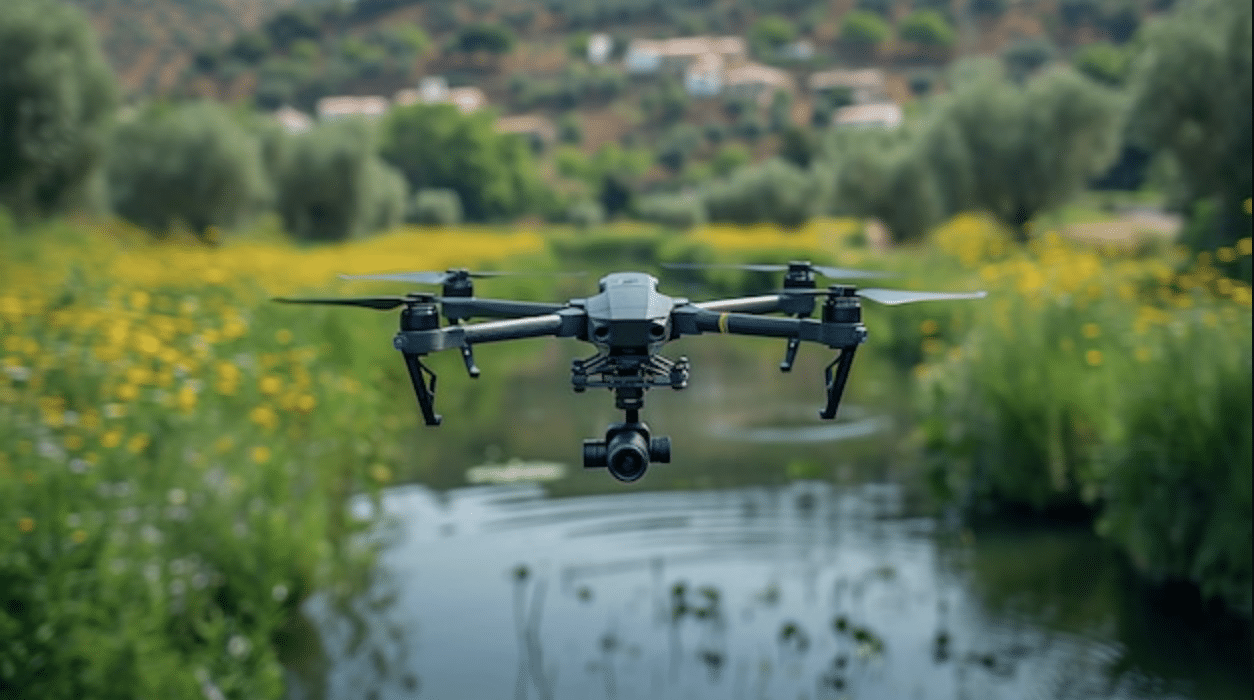
Industrial drones have been part of construction, energy, and infrastructure workflows for years. What is changing now is not the aircraft, but how decisions are made. Artificial intelligence is turning drones from data collectors into systems that analyze, flag risk, and support faster action.
Across industries like construction, oil and gas, utilities, and environmental monitoring, AI-powered drones are reshaping how inspections, safety checks, and progress tracking are done. This shift is already happening in active job sites across the United States.
From Visual Data to Automated Insight
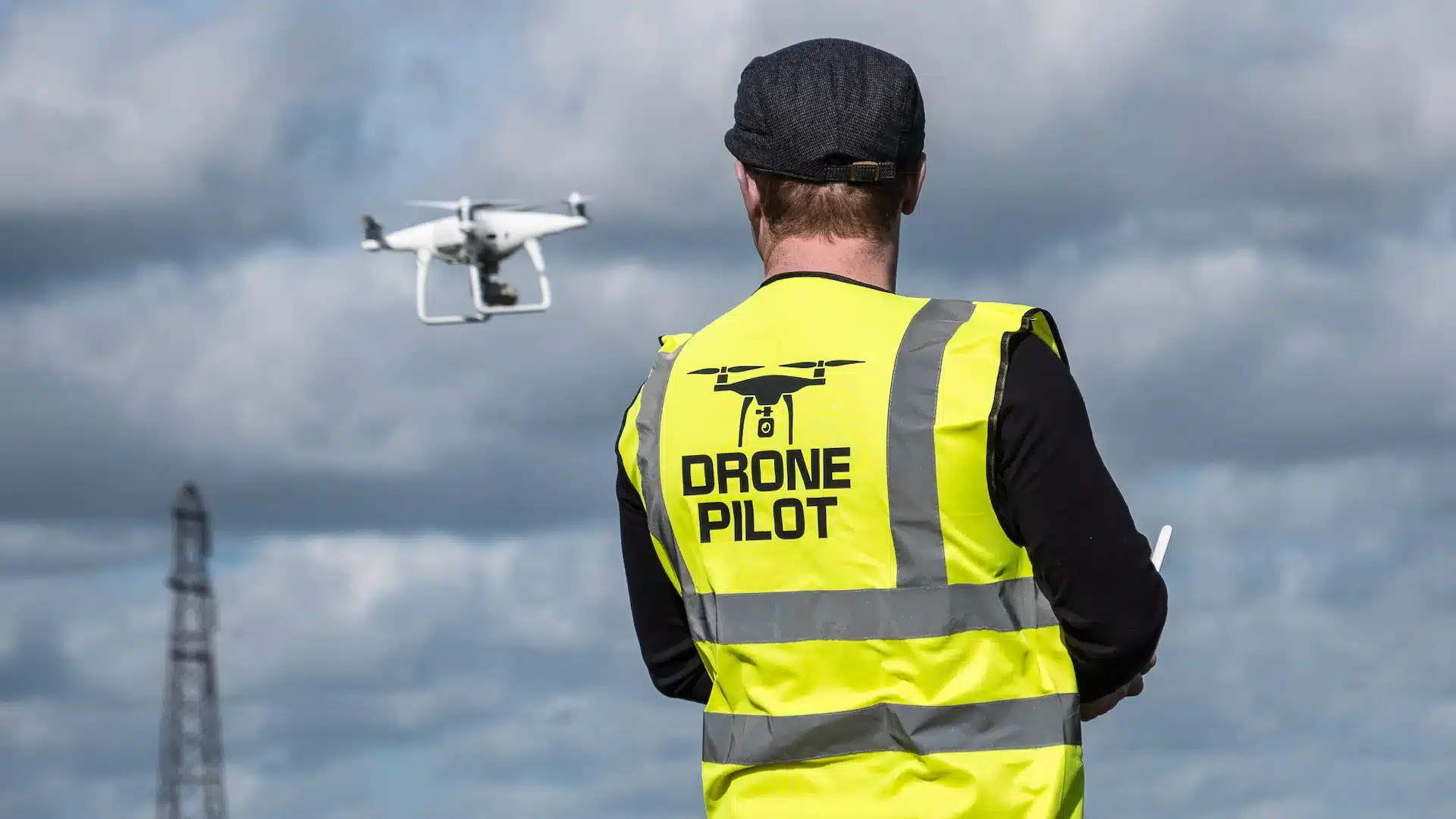
Traditional drone inspections relied heavily on human review. Pilots captured images or video, then engineers or inspectors manually analyzed that data. AI tools are now handling much of that interpretation.
Modern AI systems can scan images of work sites, pipelines, or facilities and automatically identify structural changes, safety hazards, or maintenance issues. Instead of sorting through hundreds of photos, teams receive targeted alerts and prioritized findings. This reduces inspection time and lowers the chance of human oversight.
For industries where safety and uptime matter, this change is significant. AI-assisted drones help teams identify risks earlier while keeping workers out of dangerous environments.
AI Makes Industrial Drone Work More Scalable
One reason AI is accelerating drone adoption is efficiency. AI models can compare current inspections against historical data, track progress over time, and flag deviations automatically. In construction or energy projects, this makes it easier to monitor large sites consistently without adding personnel.
AI reduces complexity for field operators. Tasks that once required advanced data analysis skills are now supported by software that surfaces clear insights. This lowers the barrier to adoption and helps organizations scale drone programs faster.
The Role of Training and Certification
As AI becomes more embedded in industrial drone workflows, the workforce expectations are changing. Employers are looking for individuals who can operate drones, interpret AI outputs, and understand industry-specific inspection standards.
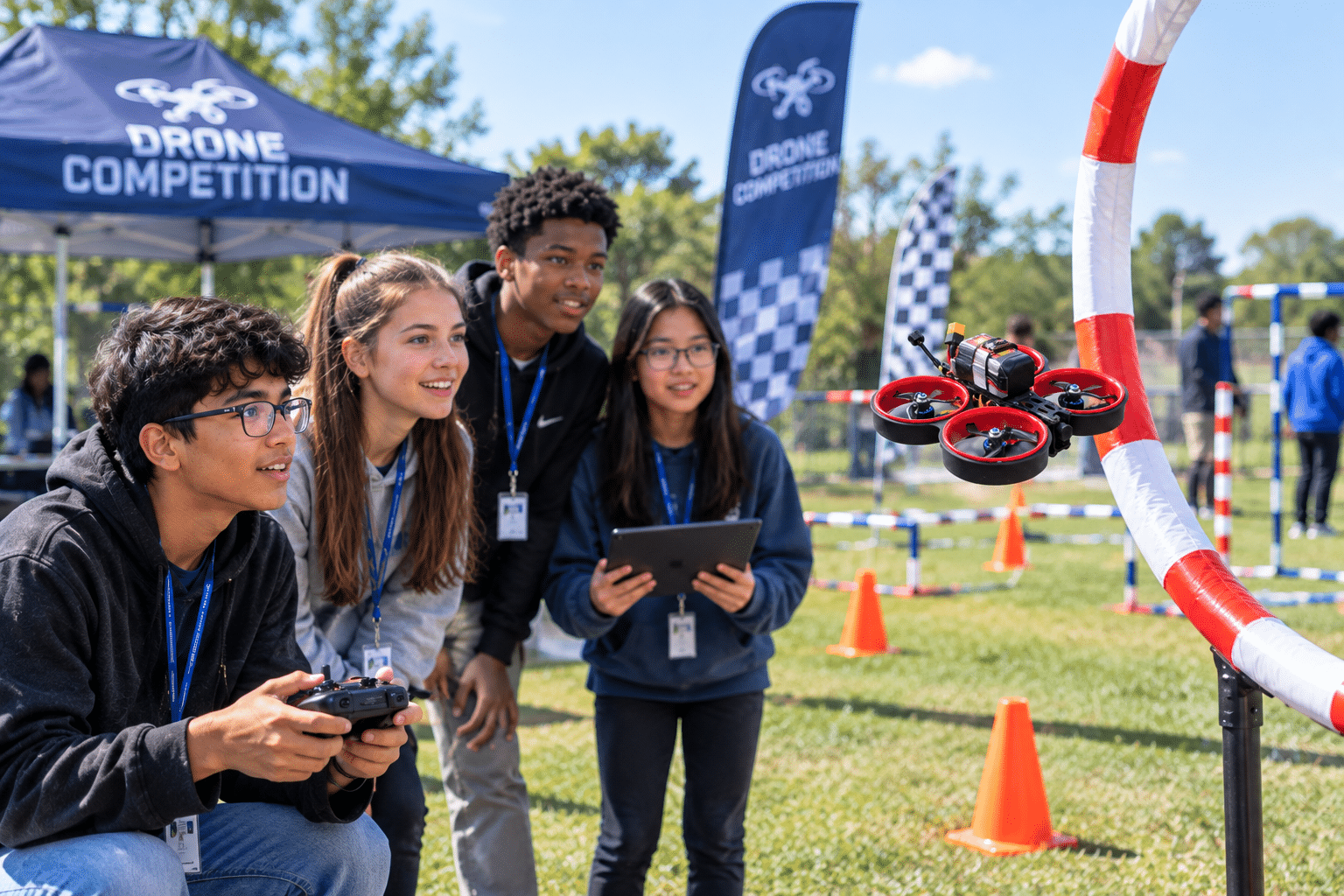
This is where drones in education and early exposure matter. Students who learn how AI, drones, and data analysis work together are better prepared for real-world applications in infrastructure, energy, environmental science, and advanced manufacturing.
What This Means for the Future of Drone Education
The industrial shift toward AI-driven drone operations is creating demand for new skill sets. Coding a drone, data interpretation, automation, and systems thinking are no longer optional add-ons. They are core competencies.
Preparing students for these careers requires more than theory. It requires hands-on learning with drones, AI tools, and real-world scenarios that mirror industry workflows.
How LocoRobo Supports AI and Drone Learning Pathways
LocoRobo helps schools and districts bring these emerging technologies into the classroom in an accessible way. Our AI learning and educational drone kits are designed to connect learning with real-world applications.
Students work with drones, data, and AI concepts through a structured drone curriculum and project-based learning. Educators receive the training and support they can count on so they can confidently teach these topics without a technical background.
By introducing AI-powered drone concepts early, schools can help students understand how technology is shaping industries they will enter after graduation.
If you are exploring how to integrate AI, drones, or career-connected STEM pathways into your program, LocoRobo can help you plan a solution that fits your goals.
Explore LocoRobo’s AI and drone education solutions.