
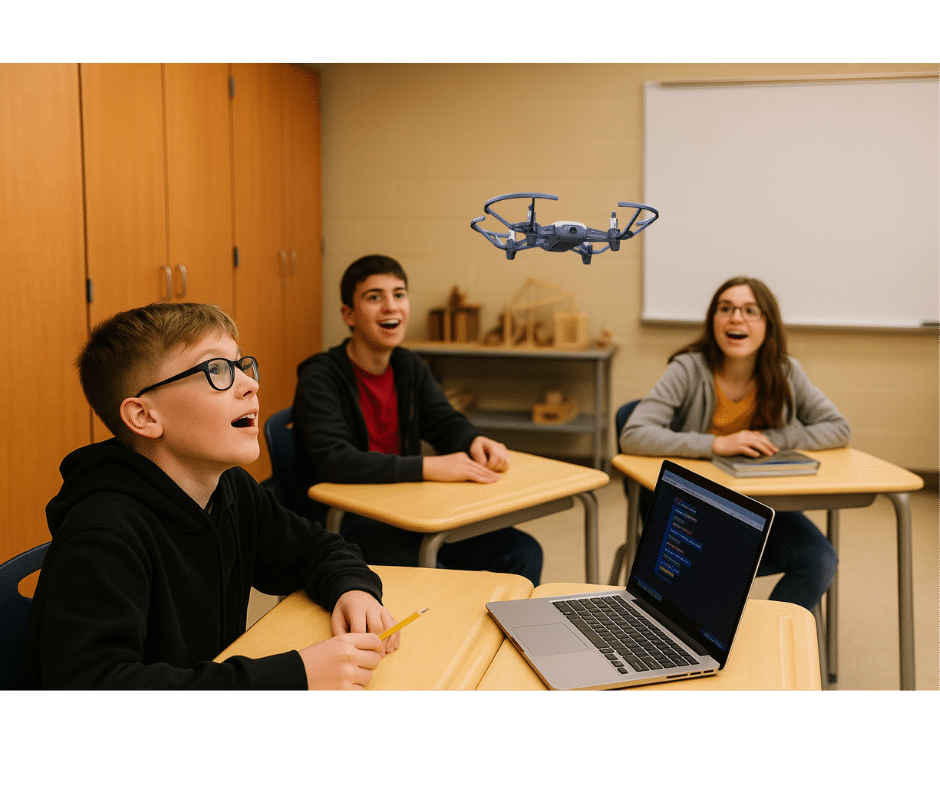
In today’s educational landscape, fostering long-term retention of knowledge is more important than ever. To spark true understanding and long-term retention in STEM subjects, educators need to embrace active, hands-on learning. This approach helps students grasp complex concepts while also preparing them for real-world challenges in ways that passive learning cannot. This is where STEM education, particularly through hands-on learning, plays a crucial role. By engaging students directly in the learning process, hands-on STEM activities enhance understanding and ensure that students retain what they learn far longer than through traditional methods.
The Power of Hands-On Learning
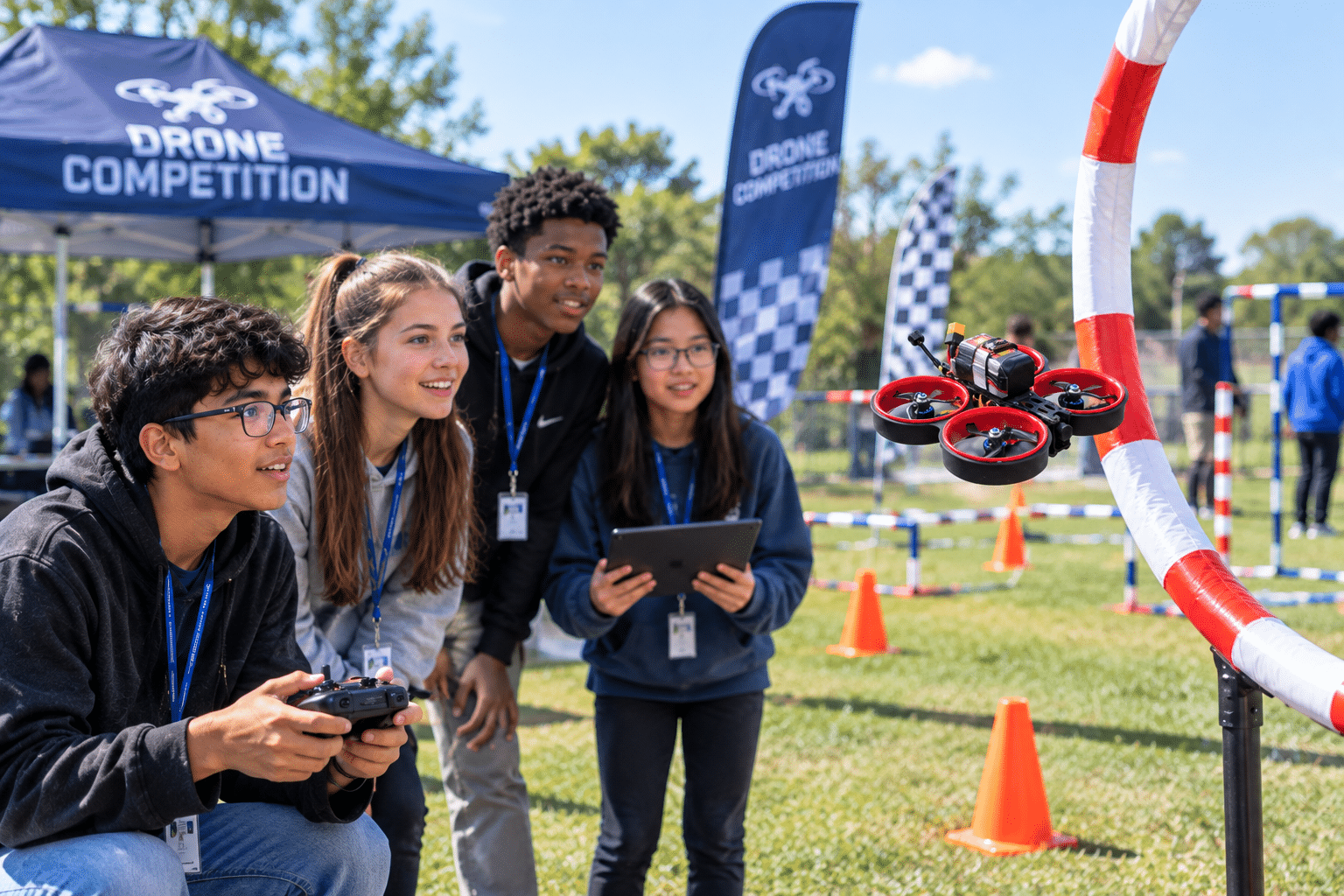
Hands-on learning, also known as experiential learning, is an approach that emphasizes active participation. Rather than simply reading about scientific concepts or solving problems on paper, students engage with the material more tangibly. For instance, instead of merely studying physics theory, students can code a drone to observe and test aerodynamics. This method of learning caters to different learning styles and provides the chance for students to connect theory with practical experience.
Research supports the effectiveness of hands-on learning. Studies consistently show that students who are actively involved in their learning process are more likely to retain information and develop critical thinking skills. The more senses students engage during learning, whether it’s through sight, touch, or even movement, the deeper the learning experience.
Hands-On Learning in STEM Education
STEM education thrives in environments where hands-on learning is at the forefront. The subjects themselves are inherently suited for this style of learning, as they often require experimentation, problem-solving, and application of knowledge to real-world scenarios. This hands-on involvement leads to deeper comprehension and a sense of ownership over the learning process.
Additionally, STEM subjects are interconnected so that hands-on activities can tie together concepts from multiple disciplines. A project involving coding and drones, for example, can incorporate math (calculations for flight paths), physics (understanding flight dynamics), and engineering (building the drone itself). By engaging students in these activities, they are gaining valuable problem-solving and collaboration skills that are essential for their future careers.
Real-World Applications and Career Readiness
Hands-on STEM activities are powerful because they allow students to see the relevance of what they are learning. When students can connect their classroom activities to real-world applications, it reinforces the idea that their education has practical value. For instance, a drone coding project may allow students to explore the world of autonomous vehicles or agricultural applications, both of which are growing industries. This makes learning feel less abstract and more tangible, which can increase motivation and interest in STEM fields.
Furthermore, hands-on learning is crucial for preparing students for the workforce. By working on real projects, students develop skills that are directly applicable to careers in technology, engineering, and beyond. They learn how to manage projects, work collaboratively, troubleshoot problems, and adapt to new challenges, skills that are highly sought after in today’s job market.
The Role of Teachers in Hands-On Learning
Teachers are key to facilitating hands-on learning in the classroom. The right teacher can guide students through challenging projects, offer support, and encourage STEM career exploration. They provide the structure and framework that students need to succeed while allowing them the freedom to experiment and make mistakes. Teachers also play a critical role in connecting the hands-on activities to the broader curriculum, ensuring that students are learning important STEM concepts.
LocoRobo: Hands-On STEM Solutions for Tomorrow’s Innovators
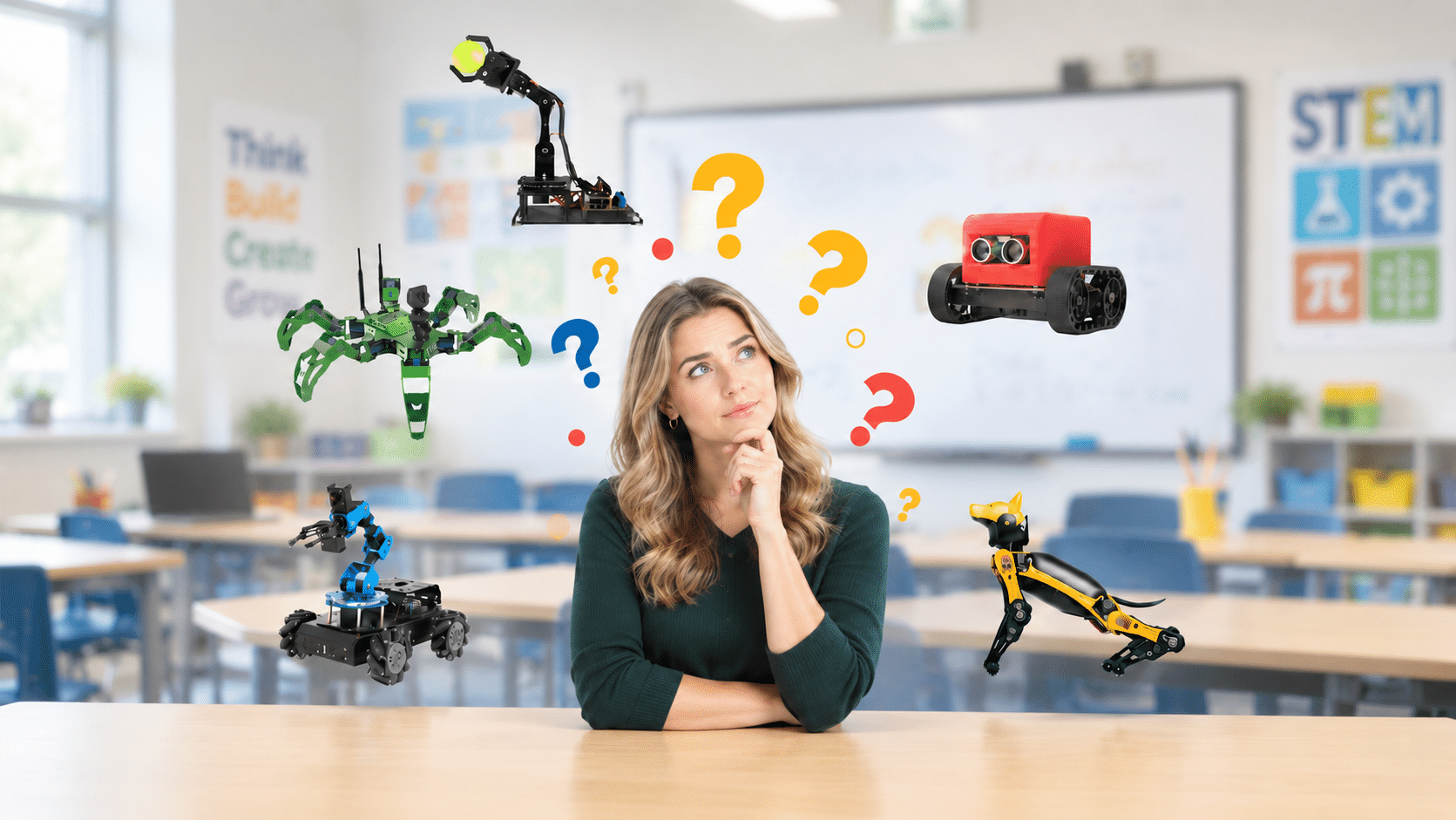
At LocoRobo, we believe in the power of hands-on learning to spark curiosity and ignite passion for STEM subjects. Our robotics kits, drone coding platforms, and AI-powered solutions offer students the opportunity to learn through engaging, interactive projects that bring STEM concepts to life.
Whether it is through coding a robot, programming a drone, or exploring artificial intelligence, LocoRobo’s hands-on STEM solutions provide students with the tools they need to gain a deep, meaningful understanding of key concepts. Our comprehensive STEM curriculum and easy-to-use platforms are designed to support educators every step of the way, making it simple for teachers to integrate hands-on STEM learning into their classrooms.
When students see the real-world applications of what they are studying and actively participate in their own education, they’re more likely to remember and apply what they have learned.
Bring hands-on learning to your classroom. Discover how LocoRobo’s STEM solutions can engage your students and help them build the skills they need to thrive in the 21st century. Visit us at LocoRobo.co to learn more.