
Why AI Education for Students Matters in Schools
AI is no longer limited to research labs or technology companies. Many everyday tools rely on artificial intelligence, including recommendation systems, voice assistants, fraud detection tools, and autonomous machines. Students who understand how these systems operate develop valuable skills such as:- Algorithmic thinking
- Data interpretation and analysis
- Problem solving with software systems
- Understanding bias, reliability, and ethical considerations in automated systems
How Schools Introduce AI Education for Students
Introducing AI concepts in schools does not require advanced mathematics or university-level coursework. Well-designed AI programs can introduce the core principles of artificial intelligence in ways that are accessible to middle and high school students. Effective programs in AI and education typically focus on three key learning areas.Understanding AI Concepts
Students first explore what artificial intelligence actually means. This includes learning how machines recognize patterns in data, how models are trained, and how AI systems make predictions. These lessons often involve analyzing datasets, identifying patterns, and understanding how algorithms learn from information.Exploring AI Tools and Applications
Students can also explore AI-powered tools used across industries. These tools allow students to experiment with chatbots, data visualization, image generation, and other applications that demonstrate how AI supports creativity, analysis, and automation. Hands-on experimentation makes these concepts more tangible and helps students understand how AI systems function in real-world environments.Developing Responsible AI Practices
As AI becomes more widespread, students must also learn about the ethical and societal implications of these technologies. Discussions around bias, data privacy, and responsible development encourage students to think critically about how AI systems should be used. These conversations help prepare students to become thoughtful users and future developers of intelligent technologies.Integrating AI Into CS and STEM Pathways
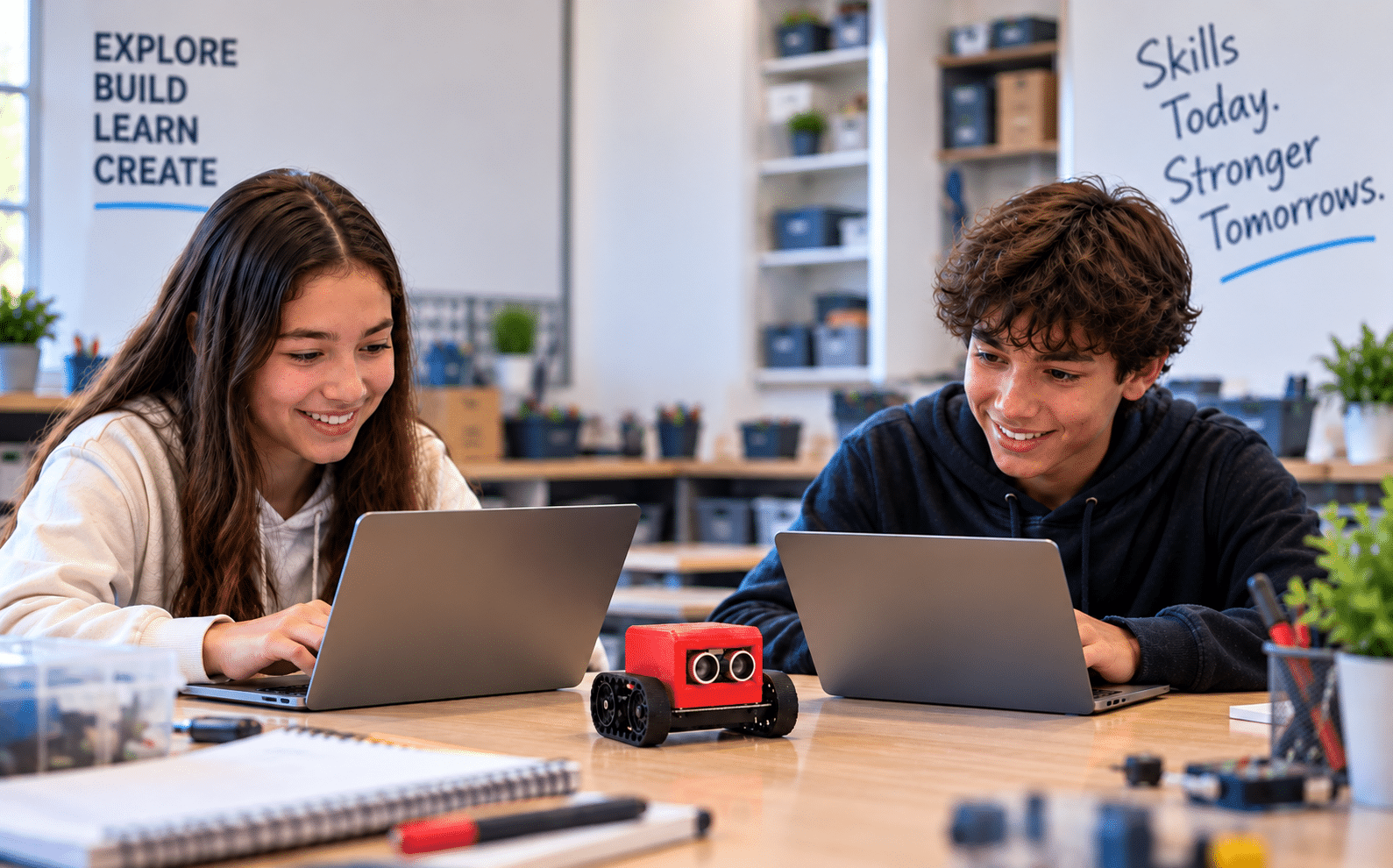
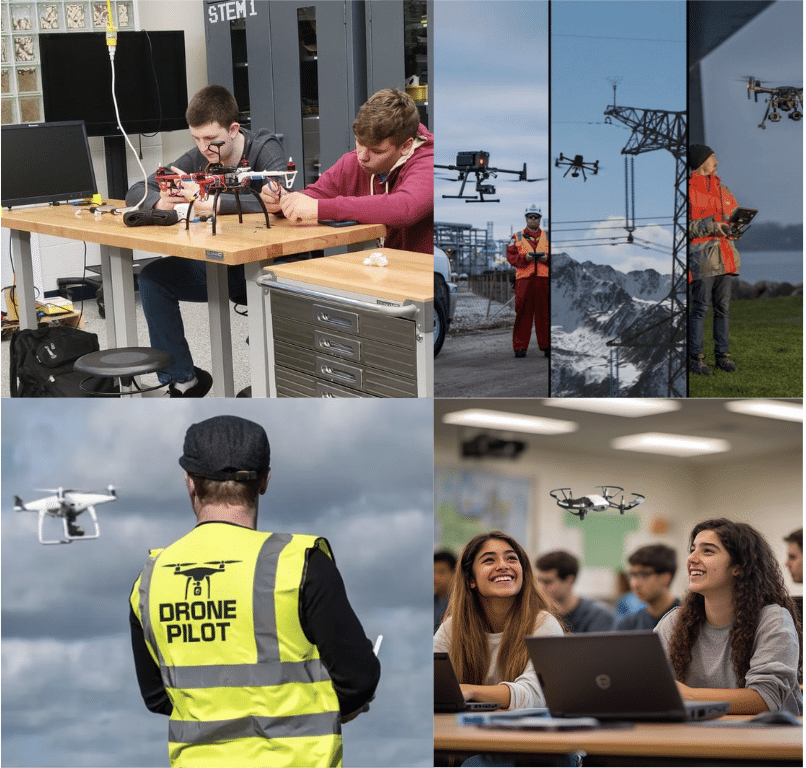
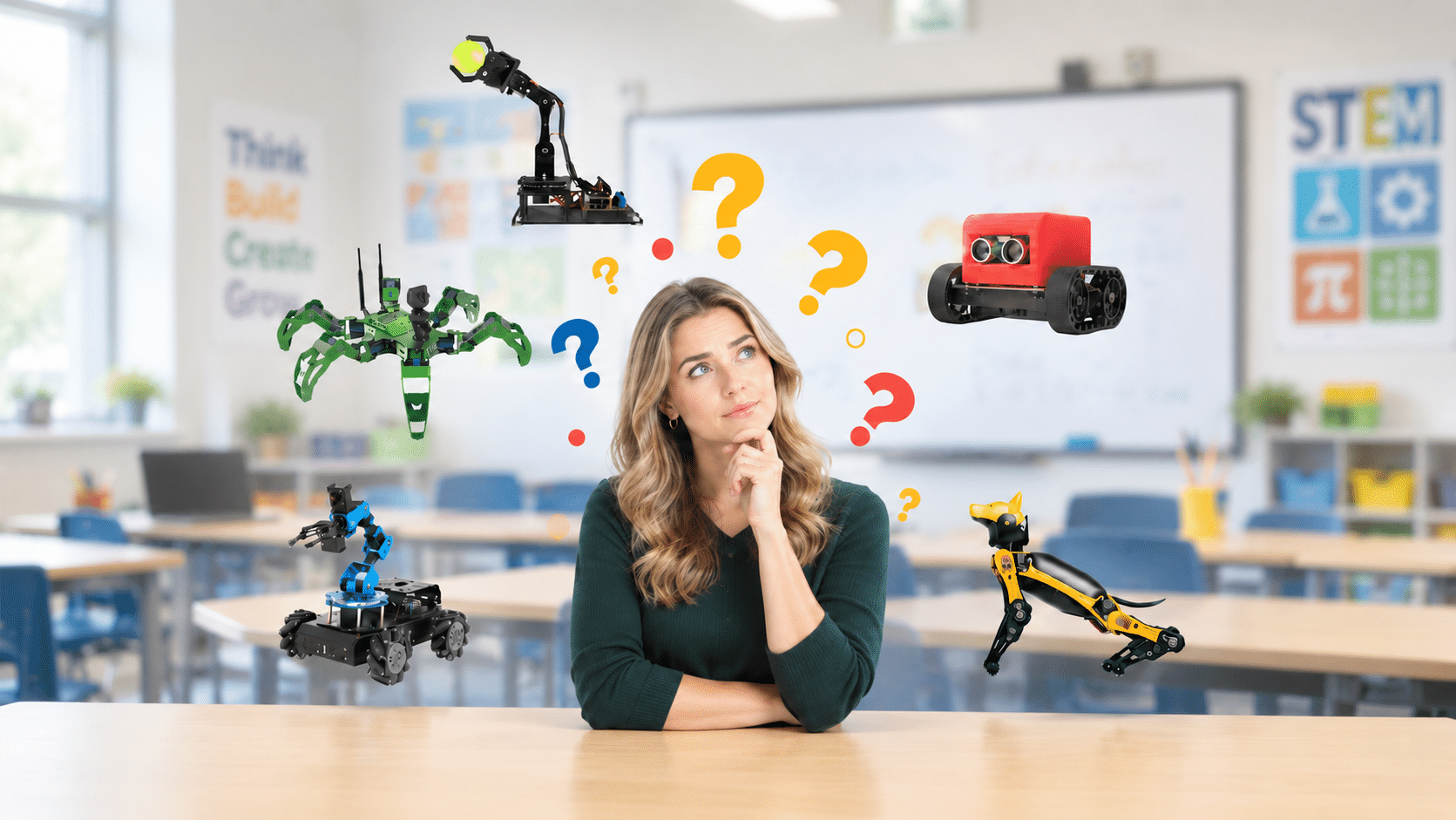
Artificial intelligence works best when integrated into broader computer science and STEM pathways rather than taught in isolation. For example, students who are already learning programming can begin exploring how AI models interact with software systems. Robotics and autonomous systems projects can introduce ideas such as sensor data analysis, machine vision, and automated decision-making. By connecting AI learning with robotics, coding, and data science, schools can create learning experiences that mirror real technology environments. This approach helps students understand how artificial intelligence fits into larger systems rather than viewing it as a standalone subject.How AI Education for Students Connects to Future Careers
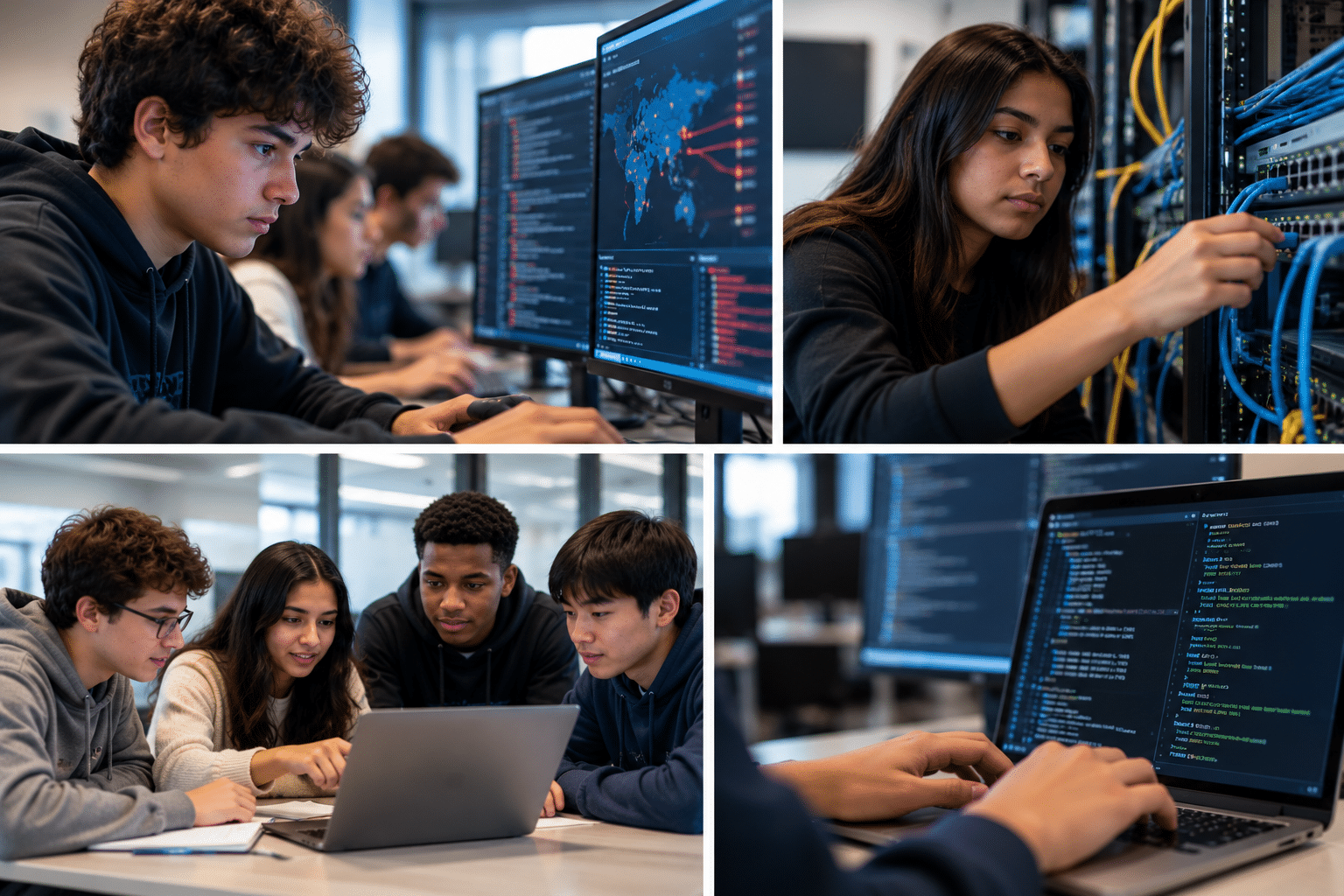
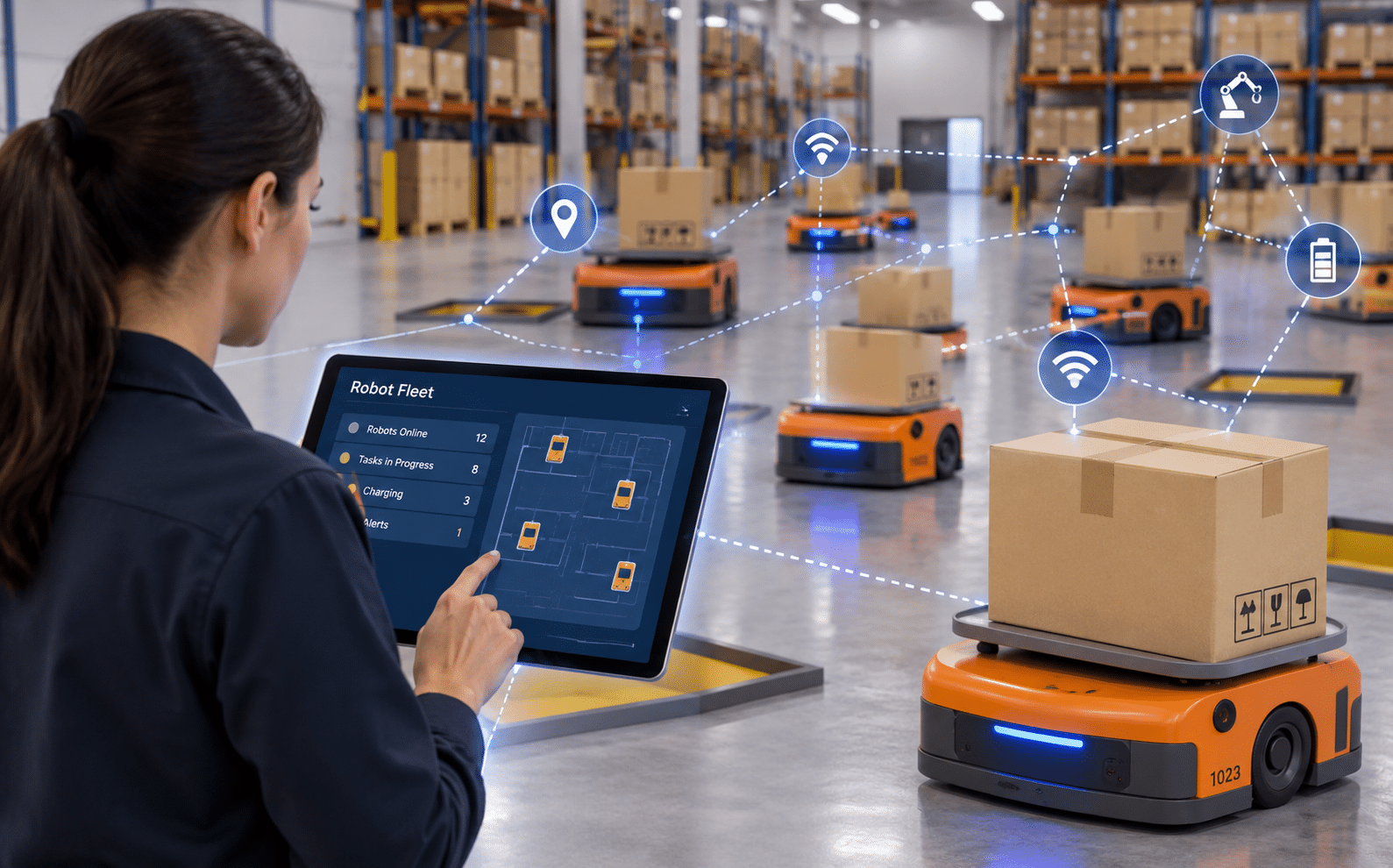
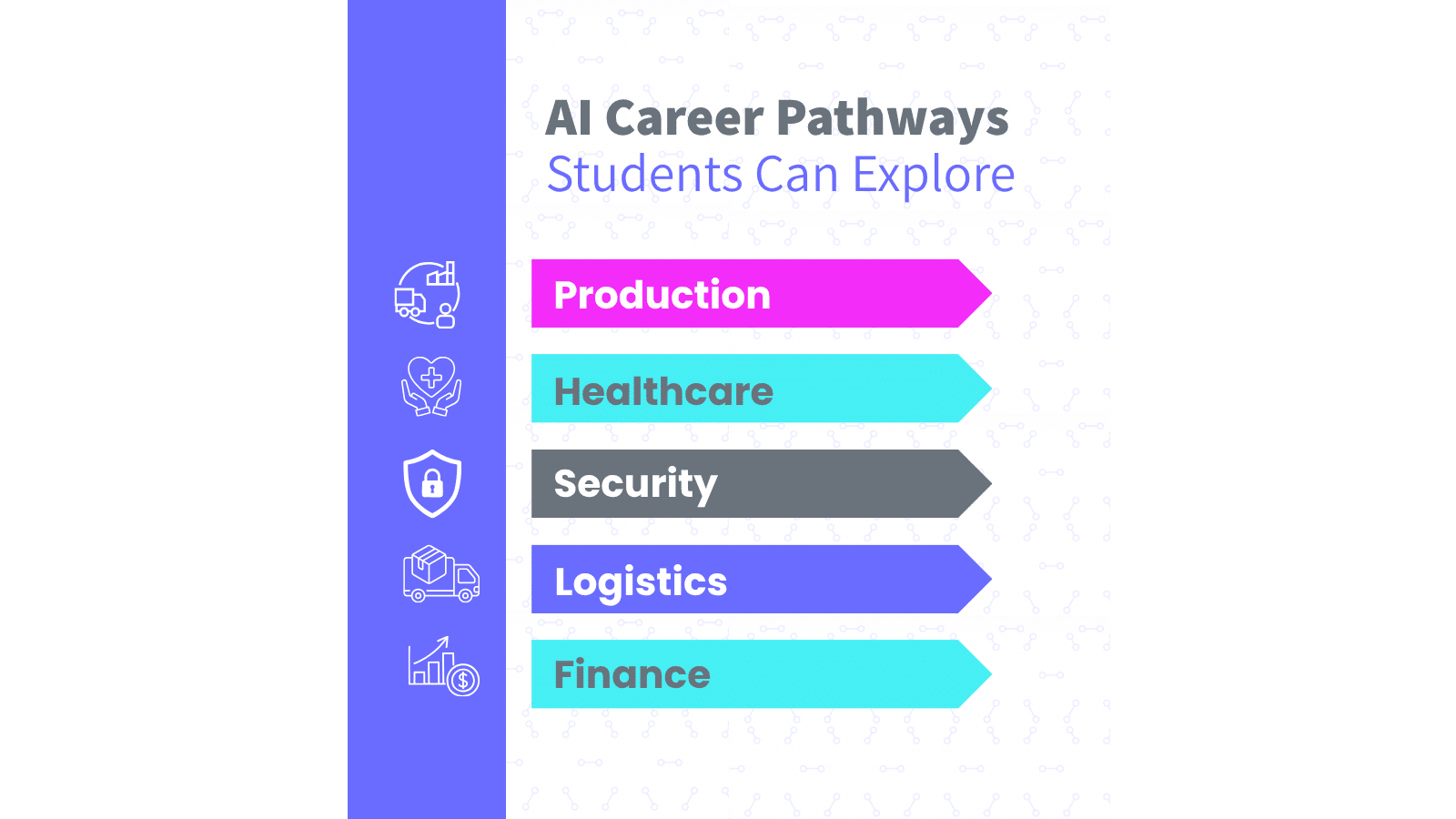
Across industries, companies are looking for workers who understand how to work with data, algorithms, and automated systems. Careers in artificial intelligence extend beyond software development and include roles in healthcare analytics, logistics optimization, cybersecurity, robotics, and autonomous systems. Students who are introduced to AI concepts early gain a clearer understanding of these career pathways and the technical skills required to pursue them. Schools that incorporate AI education into STEM programs can help students explore emerging fields while strengthening their foundational computing and analytical skills. Supporting Educators Introducing Artificial Intelligence One of the biggest challenges schools face when introducing new technology topics is ensuring teachers have the support they need to implement them effectively. Successful programs often provide structured curriculum materials, guided lessons, and training resources that help educators integrate new topics into their classrooms without requiring extensive technical backgrounds. This support allows teachers to focus on student learning while gradually building their own familiarity with artificial intelligence concepts and tools.How LocoRobo Supports AI Education in Schools
LocoRobo provides structured AI learning courses designed to help schools introduce artificial intelligence concepts through hands-on STEM and computer science education. LocoRobo’s AI education offerings include:-
- Intro to AI Concepts – foundational lessons that help students understand how artificial intelligence systems learn from data and recognize patterns.
- Intro to AI Tools – practical exploration of modern AI tools used in programming, data analysis, and problem solving.
- Intro to Prompt Engineering – lessons that teach students how to effectively interact with AI systems and understand how prompts shape outputs.
- Python Programming With AI Assistance- Students learn programming with AI-powered coding support that helps them write, debug, and refine Python programs.
- LocoAI Advanced Curriculum- LocoAI introduces advanced topics such as computer vision, neural networks, and AI-driven robotics systems.
- Generative AI Certification- Students can also pursue the Certiport Generative AI Foundations Certification, gaining an industry-recognized credential while learning about generative AI applications, machine learning principles, and responsible AI development.
Bringing AI Learning Into the Classroom
Artificial intelligence is becoming an essential component of modern STEM education. By introducing AI concepts through structured curriculum and hands-on learning experiences, schools can help students build the technical understanding needed to navigate a world increasingly shaped by intelligent technologies. LocoRobo supports educators by providing the curriculum, tools, and guidance needed to bring artificial intelligence in education. Explore how LocoRobo’s AI programs can help your school introduce practical, hands-on AI learning for students.Frequently Asked Questions
What is AI education for students in K–12 classrooms?
AI education introduces students to how artificial intelligence works, including concepts like data analysis, algorithms, and machine learning, through structured and hands-on learning experiences.
Why is it important to teach artificial intelligence in schools?
AI is used across industries such as healthcare, finance, and cybersecurity. Teaching AI helps students build skills in data analysis, problem-solving, and algorithmic thinking that connect to modern careers.
Do students need advanced math or coding skills to learn AI?
No. Well-designed AI programs introduce concepts in an accessible way, allowing students to explore AI tools, datasets, and real-world applications without requiring advanced technical knowledge.
How does LocoRobo support AI education in schools?
LocoRobo provides structured AI curriculum, hands-on courses, and educator support to help schools introduce topics like AI concepts, prompt engineering, and Python programming with AI assistance. Explore LocoRobo’s AI programs.
How does AI education connect to STEM and career pathways?
AI integrates with coding, robotics, and data science, helping students understand real-world systems and explore careers in fields like cybersecurity, engineering, and automation.