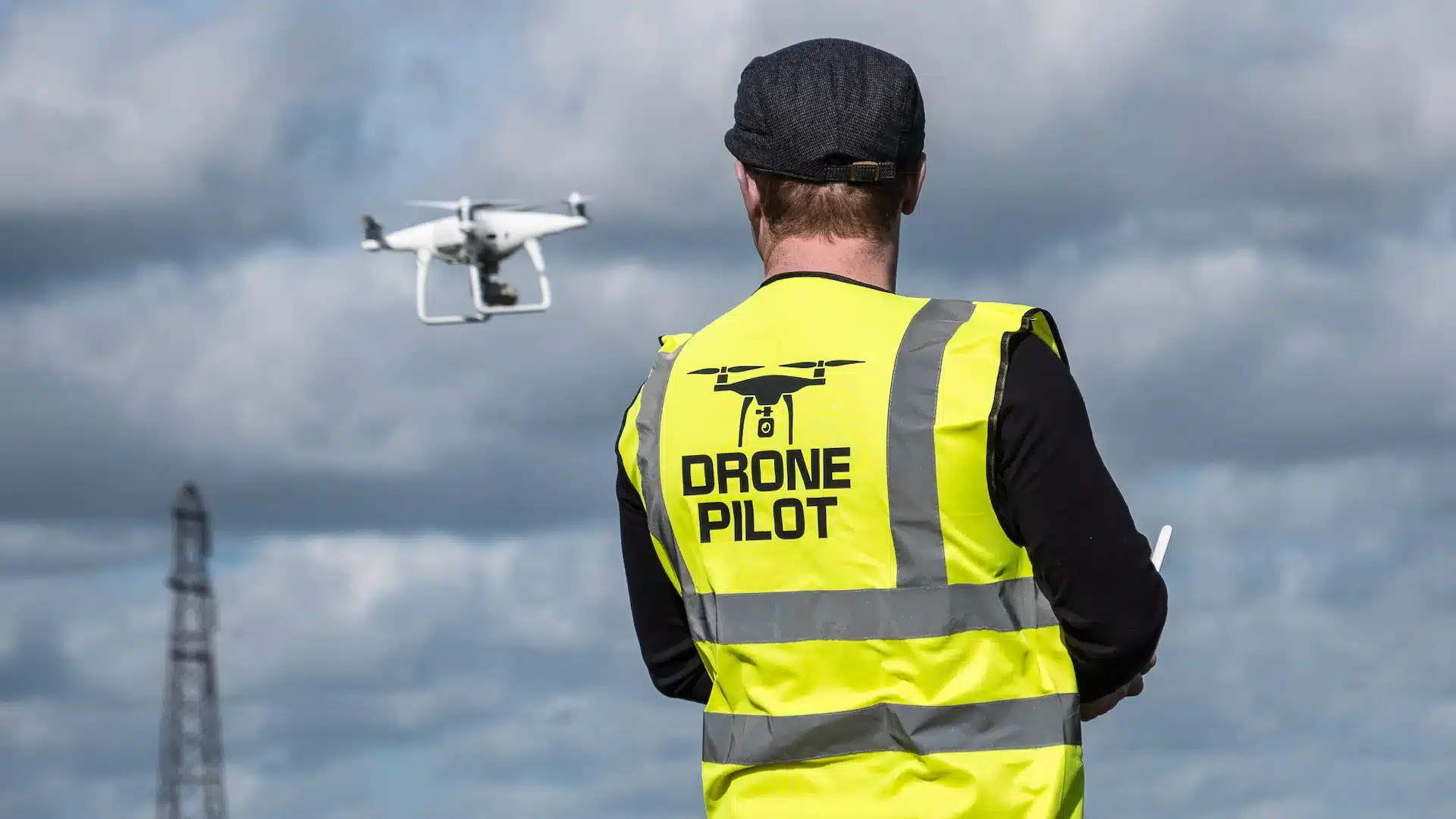


1. Code a Drone to Fly a Square
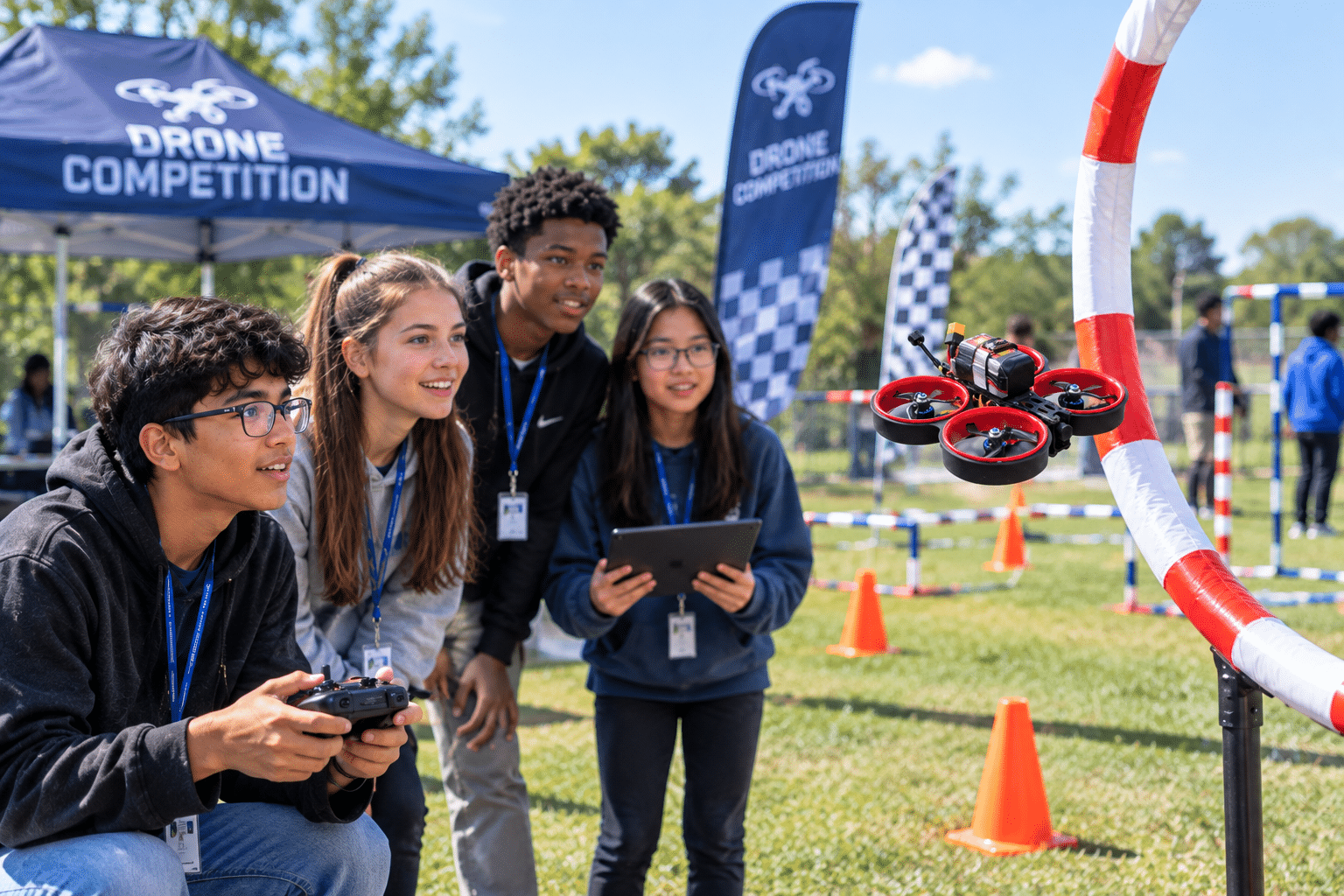
Platform: CodeMyDrones Skills: Coding logic, geometry, flight physics Start simple, but hands-on. Using block or Python coding, students can program a drone to take off, fly in a square pattern, and land. Drones in education are an engaging way to introduce coordinate systems, angles, loops, and basic coding structures.2. Program a Robot Arm to Pick and Place
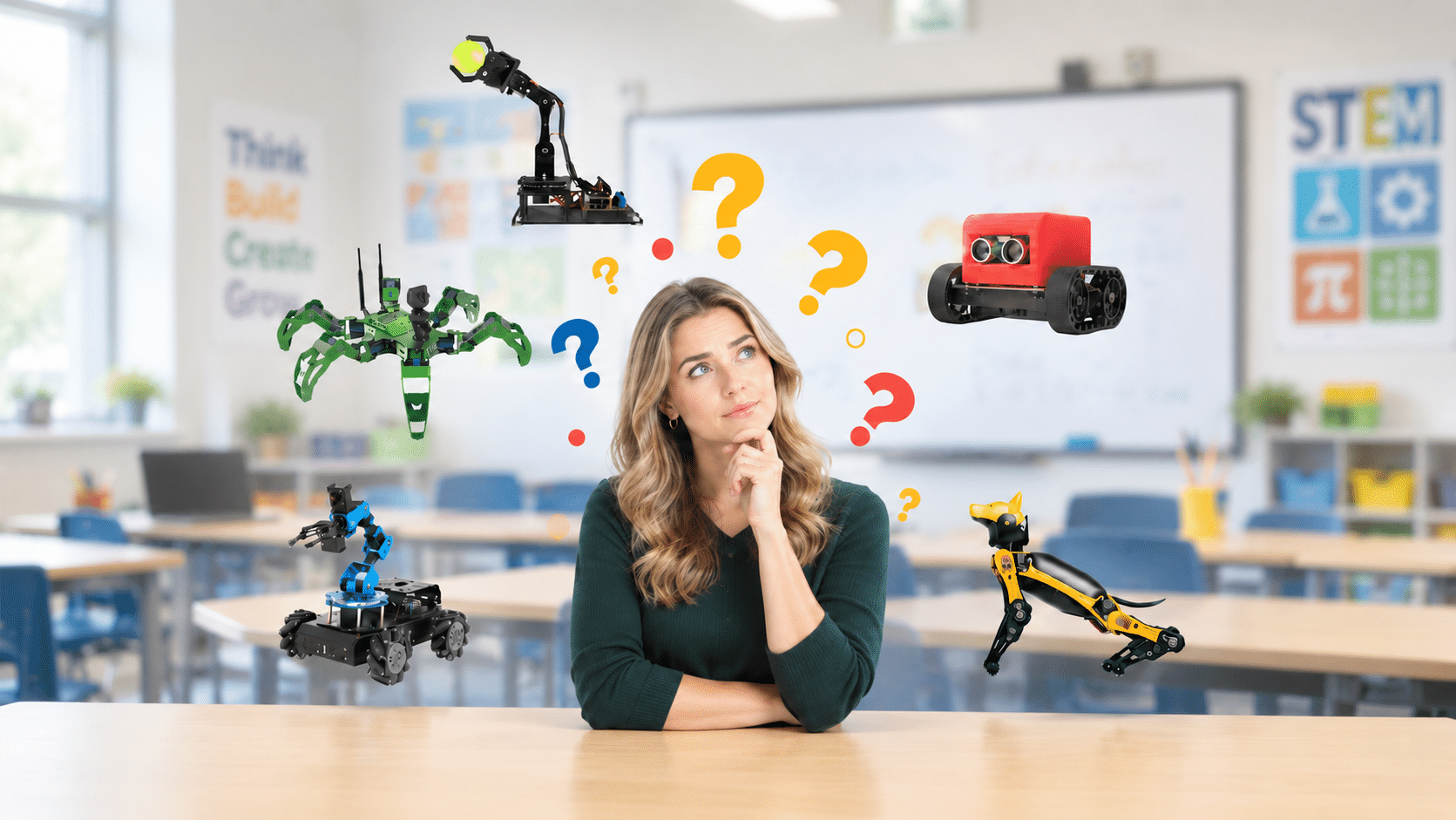
Platform: LocoArm Skills: Engineering, mechanics, automation Teach students how robotic arms are used in logistics and manufacturing by letting them code one themselves. In just a few class sessions, students can program LocoArm to pick up classroom items. It is a tangible way to explore real-world automation and build confidence early on.3. Create AI-Generated Videos from Text Prompts
Platform: AIHeroK12 Skills: Generative AI, media literacy, creative thinking Demonstrate to students how words can instantly transform into moving images. With AIHeroK12, students explore how AI systems generate and edit video using just a sentence or two. They will try different tools, compare results, and analyze how text inputs drive visual storytelling. It is an engaging way to introduce generative AI and creativity in the classroom, no video editing background needed. Students can even create quick clips like drone tutorials, weather reports, or product demos to see how AI supports digital storytelling.4. Encrypt a Secret Message Using Classic Ciphers
Platform: MasterCyberK12 Skills: Cryptography, pattern recognition, cybersecurity foundations Introduce students to encryption and the principles of secure communication through hands-on learning. Students select 4 phrases and encrypt each one using a different cipher: Caesar, Substitution, Transposition, and Atbash. After creating an answer key and submitting encrypted messages to the “cipher bank,” they gain firsthand insight into how information can be protected through simple cryptographic methods.5. Simulate a Ground Robot Delivery Mission
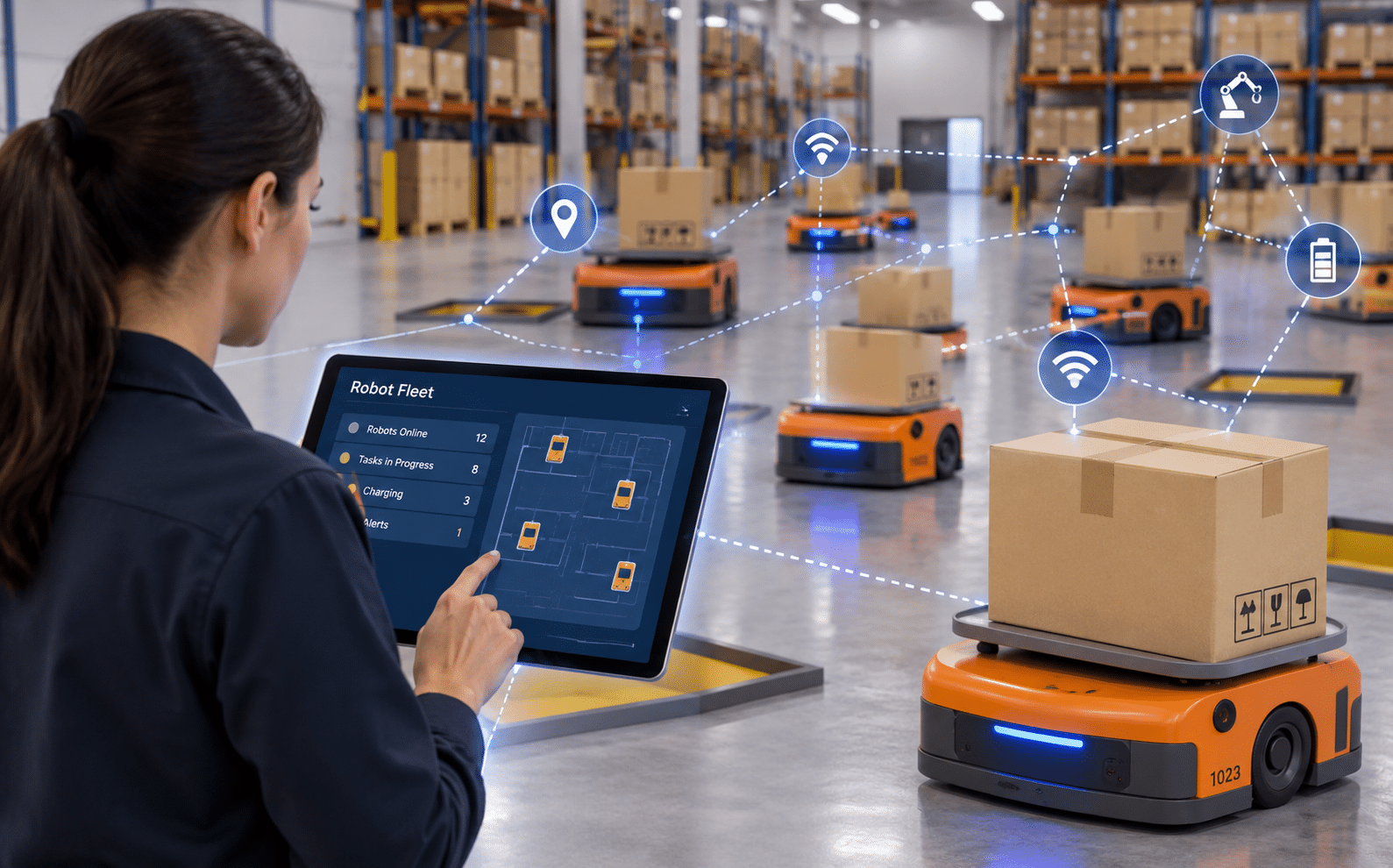
Platform: LocoXtreme Skills: Logistics, sensors, programming Introduce students to real-world delivery systems by having them plan and simulate an autonomous ground robot delivery mission. With LocoXtreme, students can code routes, navigate around obstacles, and incorporate sensor feedback to complete a successful delivery. This hands-on activity brings logistics and smart mobility concepts to life while building problem-solving and programming skills. It is a great way for STEM career exploration too!Get Started With Support Built In
Each of these projects is backed by classroom-ready lessons, scaffolded coding environments, and built-in teacher support. Whether you are teaching a semester-long elective or integrating a STEM unit into core instruction, LocoRobo’s STEM solutions make it easy to start strong and build from there. Try one of these projects. Request a sample lesson to bring hands-on STEM to your classroom this fall.Frequenty Asked Questions
What are the best STEM projects for the first week of school?
The best first week STEM projects are simple, hands-on, and immediately engaging. Activities like coding a drone flight path, programming a robot arm, or exploring basic encryption help students start building skills right away. These projects introduce core concepts such as coding logic, problem-solving, and engineering without requiring prior experience.
How do hands-on STEM projects improve student learning?
Hands-on STEM projects help students apply concepts in real time rather than just learning theory. When students build, test, and debug their work, they develop problem-solving skills, persistence, and collaboration. This approach also improves retention because students connect abstract concepts to real-world applications.
Do teachers need coding experience to run STEM projects like these?
No, most modern STEM platforms are designed for educators without a coding background. Many programs include block-based coding, step-by-step lessons, and teacher support resources. This allows teachers to guide students through projects while learning alongside them if needed.
How can schools implement a STEM program with drones, robotics, and AI?
Schools can start by introducing small, structured projects that fit into existing classes or electives. The key is using platforms that include curriculum, software, and teacher support. Programs like LocoRobo’s integrated STEM solutions bring drones, robotics, and AI together in one system, making it easier for schools to launch and scale their programs.
What makes LocoRobo’s STEM curriculum easier to implement in classrooms?
LocoRobo provides a complete system that includes hardware, coding platforms, and ready-to-teach lessons. Teachers also receive ongoing support and guidance, which helps them confidently run STEM projects from day one. Schools can explore how these programs are structured and supported here.