
Every student remembers the teacher who made science come alive, the one who turned formulas and facts into discoveries. In STEM classrooms, great teachers share certain habits that set them apart. They build environments where problem-solving, curiosity, and resilience thrive.
1. They Make Learning Active, Not Passive
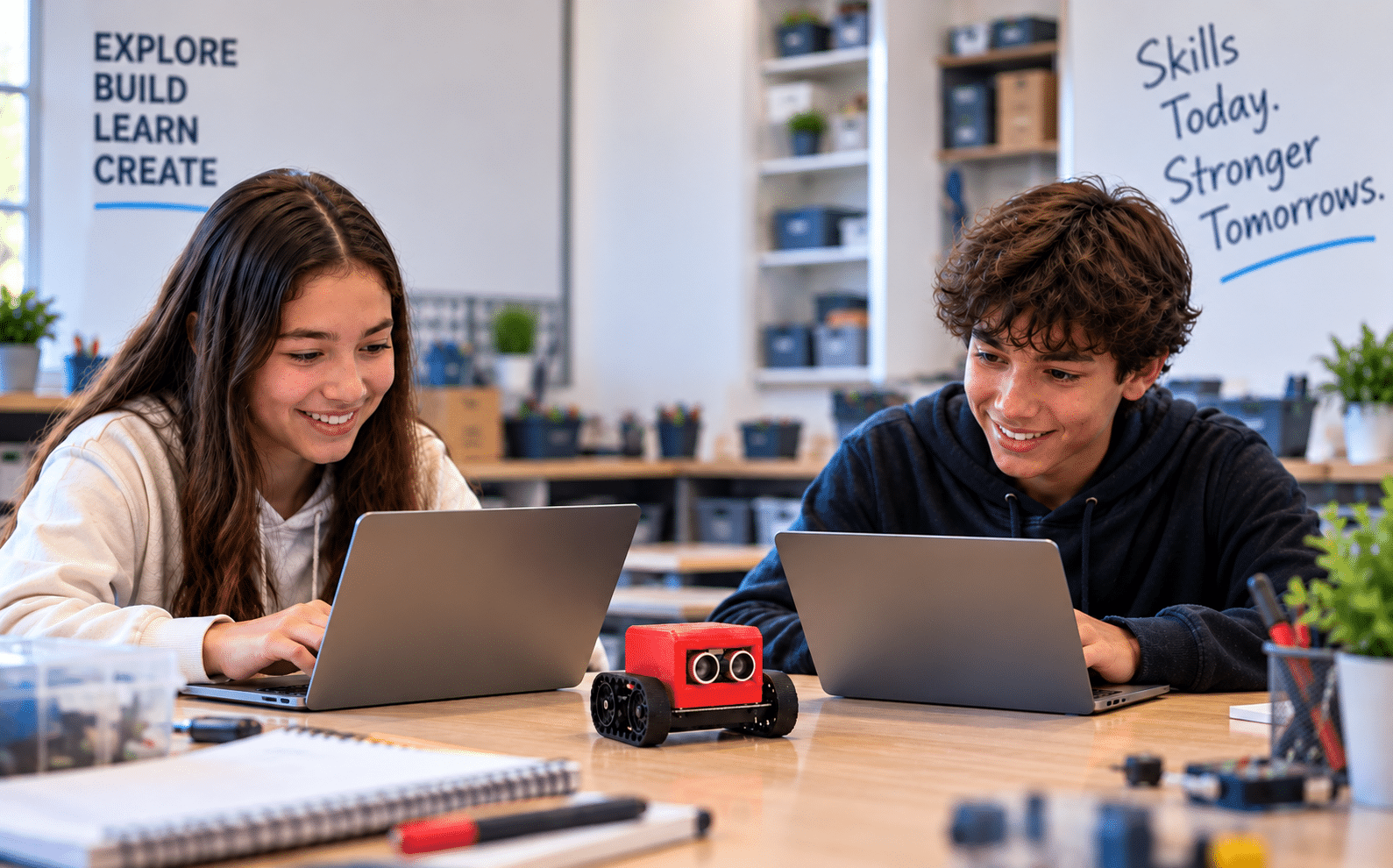
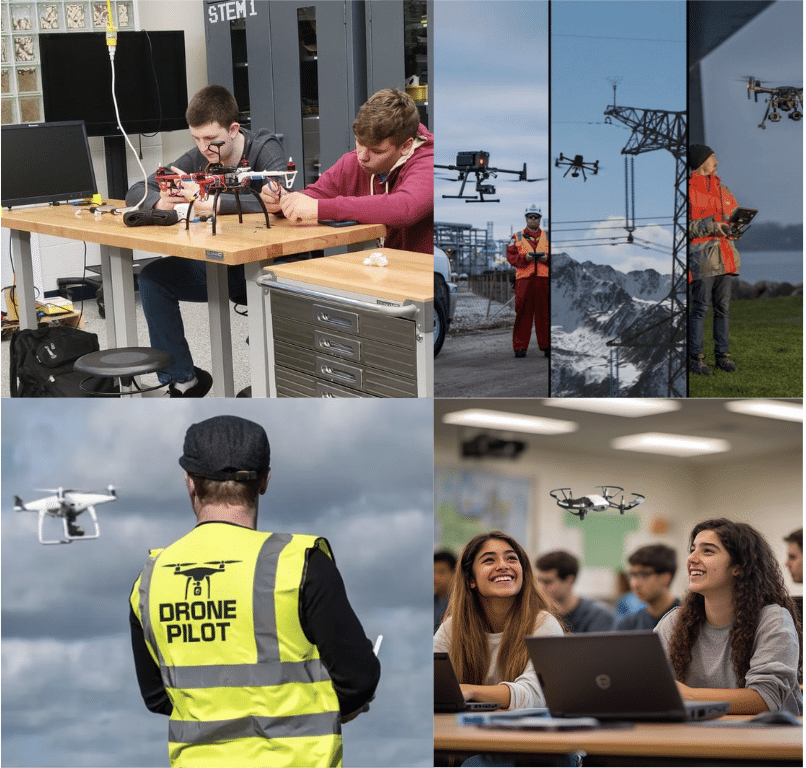
Great STEM teachers know that understanding grows through doing. Instead of relying on lectures, they create lessons where students experiment, build, code, and test ideas. Whether it’s programming a robot to navigate a maze or flying a drone to collect data, these activities give students ownership of their learning and deepen comprehension.
2. They Connect Lessons to Real-World Applications
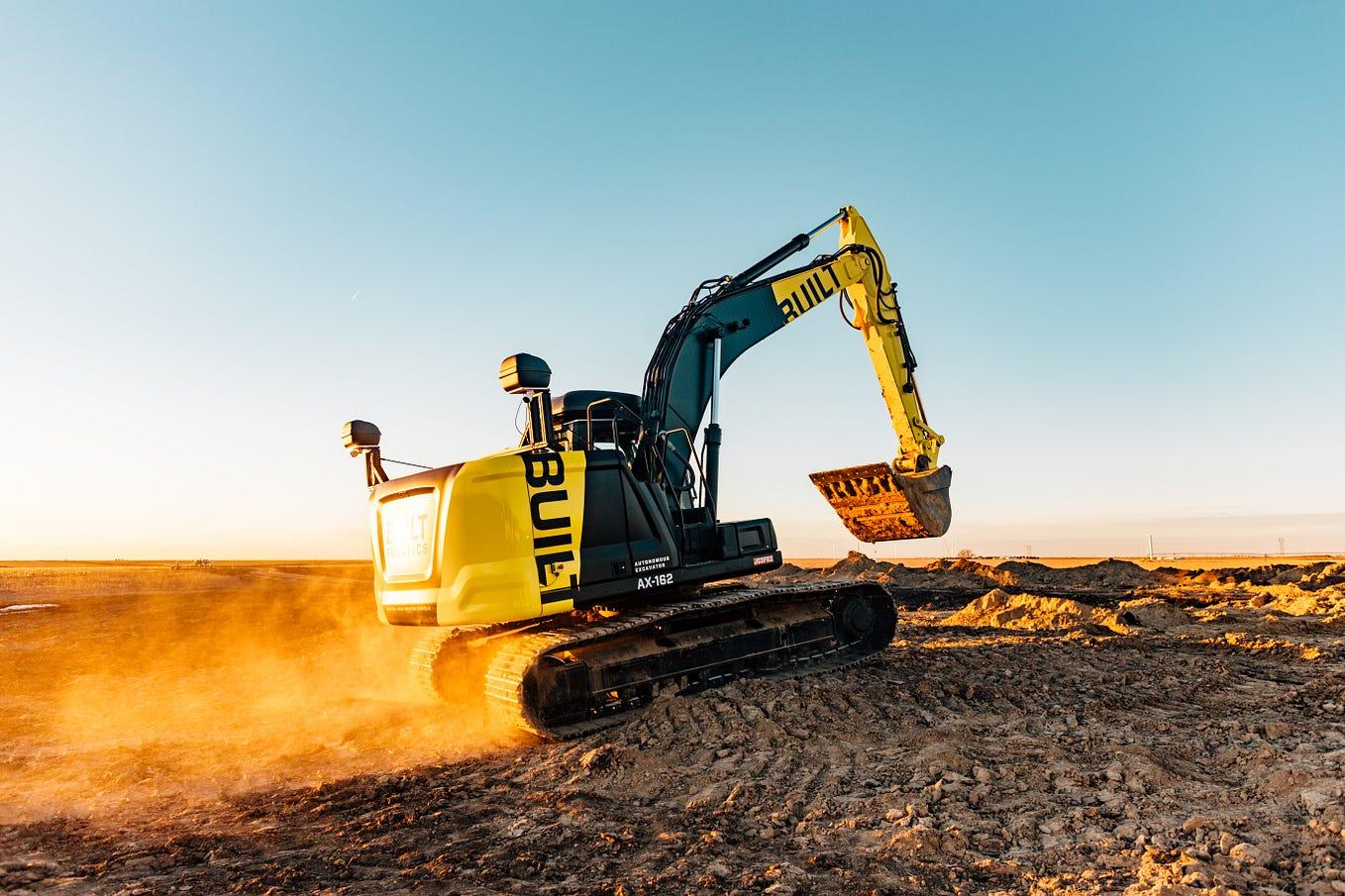
Students often ask, “When will I use this?” Great teachers answer that question through experience. They tie lessons to industries and challenges outside the classroom, from sustainable energy to autonomous systems, helping students see the relevance of STEM skills in everyday life for STEM career exploration and real-world careers.
3. They Encourage Productive Struggle
Failure is part of the process. Exceptional STEM teachers give students space to make mistakes and iterate on solutions. When a circuit doesn’t work or code produces an error, they guide reflection instead of giving answers. This approach builds problem-solving skills, resilience, and confidence, qualities essential to every engineer and scientist.
4. They Build a Culture of Collaboration
STEM education often requires teamwork. Great teachers help students learn to share ideas, divide tasks, and communicate results clearly. They cultivate classrooms that mirror professional environments, where collaboration and diverse perspectives drive innovation.
5. They Stay Curious Themselves
Technology evolves quickly. Outstanding STEM teachers model lifelong learning by exploring new tools, coding platforms, and teaching strategies. Their curiosity sets an example for students.
6. They Focus on Thinking, Not Memorization
Instead of emphasizing rote recall, great teachers focus on inquiry and critical thinking. They ask “why” and “how” questions, helping students understand underlying principles and think like scientists and engineers.
7. They Empower Students to Lead
The best classrooms hand over control. Students design experiments, choose project directions, and present findings. Teachers act as facilitators, not gatekeepers, guiding students to make informed decisions and see themselves as capable innovators.
Supporting Great Teaching with the Right Tools
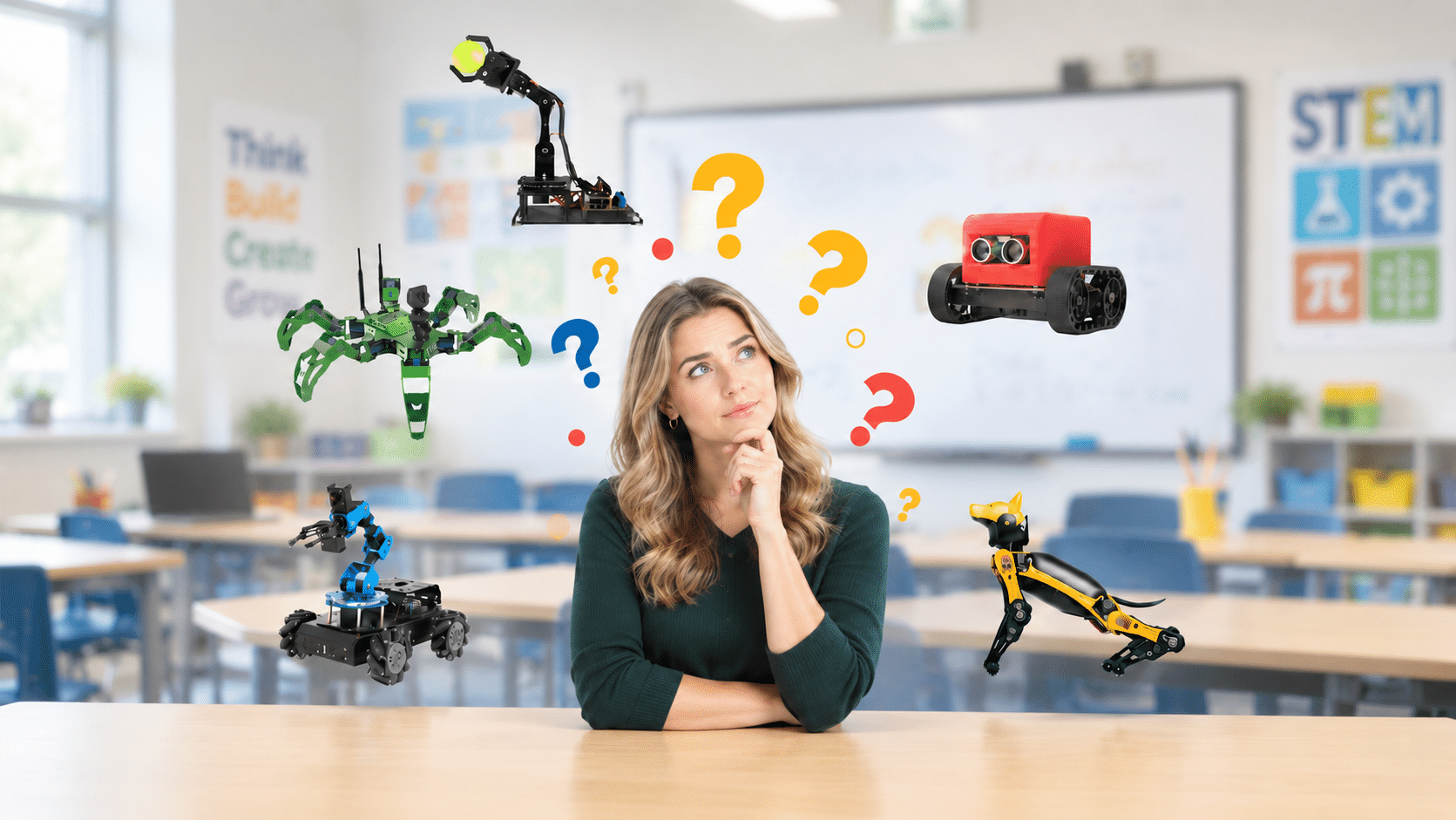
LocoRobo’s hands-on STEM solutions help teachers implement active, inquiry-based learning without requiring deep technical expertise. From ready-to-use STEM curriculum and access to professional development and support you can count on, we make it easy for teachers to bring real-world STEM learning to their classrooms. Explore how LocoRobo supports great teaching.