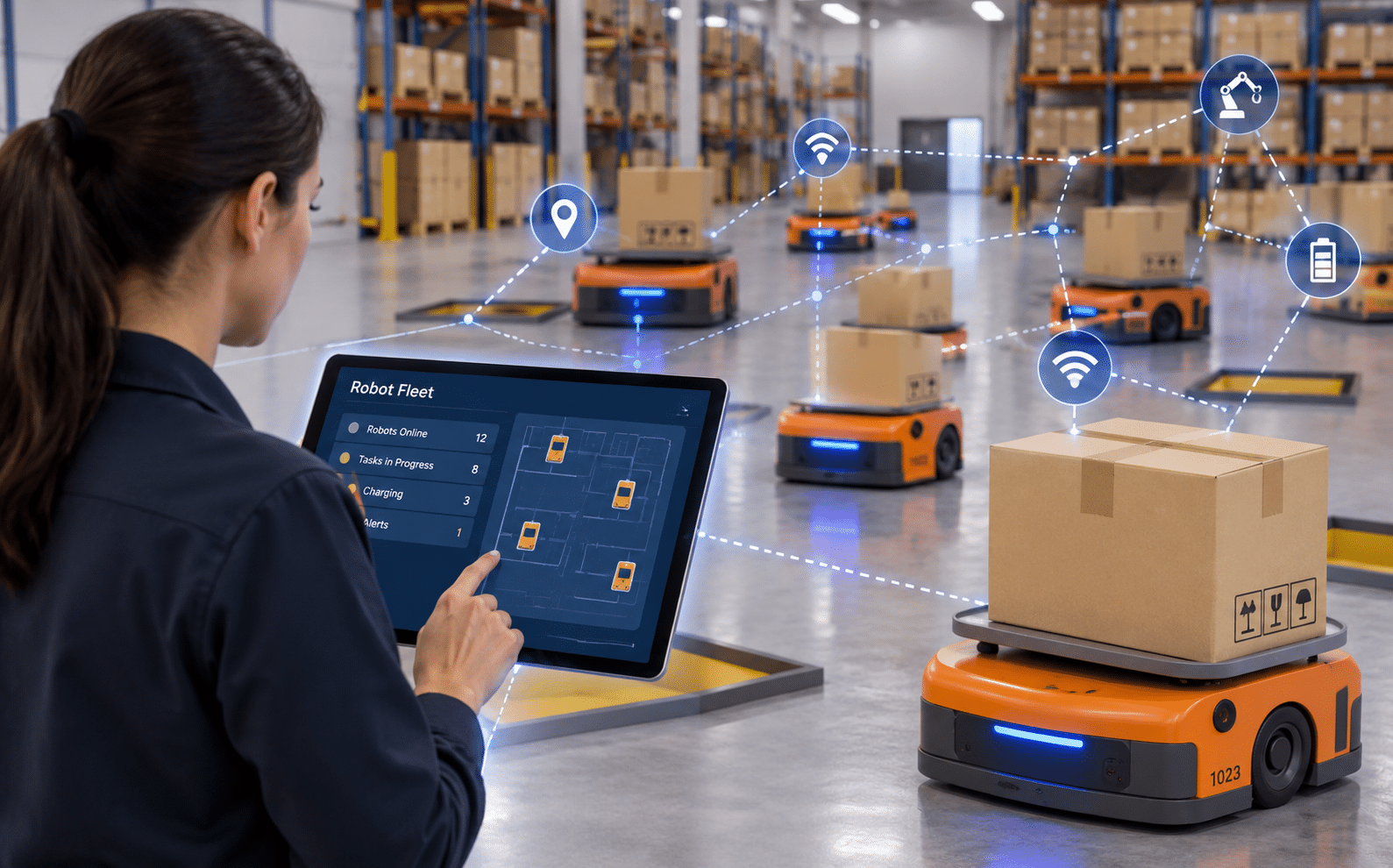


Artificial intelligence is increasingly becoming the backbone of industrial robotics, and Amazon’s latest move is a striking example. The company recently introduced DeepFleet, a generative AI foundation model designed to make the world’s largest fleet of industrial mobile robots smarter and more efficient.
This is about making machines think, learn, and coordinate at a level that delivers measurable performance gains.
Smarter Coordination Through Generative AI
DeepFleet acts like a central brain for Amazon’s million-strong robotic workforce, optimizing how each robot moves within the company’s global network of fulfillment centers. Using insights from years of operational data and advanced tools such as Amazon SageMaker, the model coordinates robotic traffic, much like an intelligent transportation system that improves flow and prevents congestion.
The results are tangible: a 10% improvement in robot travel efficiency, faster processing times, and lower operational costs. By learning from live data, DeepFleet continuously refines its routing logic, making the system more efficient over time.
From Reactive to Predictive Robotics
Traditional warehouse automation relies on preprogrammed paths and task assignments. DeepFleet represents a step beyond that, enabling adaptive coordination where robots can predict bottlenecks, reroute dynamically, and collaborate seamlessly across zones. This marks a shift from reactive automation to predictive optimization, one that relies on AI’s ability to model uncertainty and autonomously generate better pathways.
Such AI-driven decision-making improves logistics and redefines how robots interact with both humans and each other. With fewer delays and better route planning, energy consumption drops, safety improves, and employees can focus on higher-value engineering and maintenance roles.
AI That Creates Real-World Value
What makes DeepFleet noteworthy is Amazon’s emphasis on AI that solves real problems. Every second saved in robot travel time translates into faster deliveries, lower emissions, and reduced labor strain.
By combining robotics with generative AI, Amazon demonstrates how AI models can evolve from theoretical capabilities to concrete value. This mirrors a growing industry trend: using large-scale data and adaptive AI to improve the accuracy, speed, and resilience of robotic operations in logistics, manufacturing, and beyond.
Human and Machine Growth in Parallel
The company’s long-term investment in employee training reinforces another critical point: automation and workforce development must advance together. More than 700,000 Amazon employees have been upskilled in technical and AI-adjacent fields, ensuring that innovation creates, not replaces, career opportunities.
This blend of automation and human expertise offers a model that other industries can learn from: AI should expand what both machines and people can do.
What This Means for the Future of Robotics and STEM Education
As robotics grows more intelligent through AI integration, it becomes essential to teach students how robots move and think. Understanding how AI models like DeepFleet work provides a foundation for future engineers, data scientists, and roboticists.
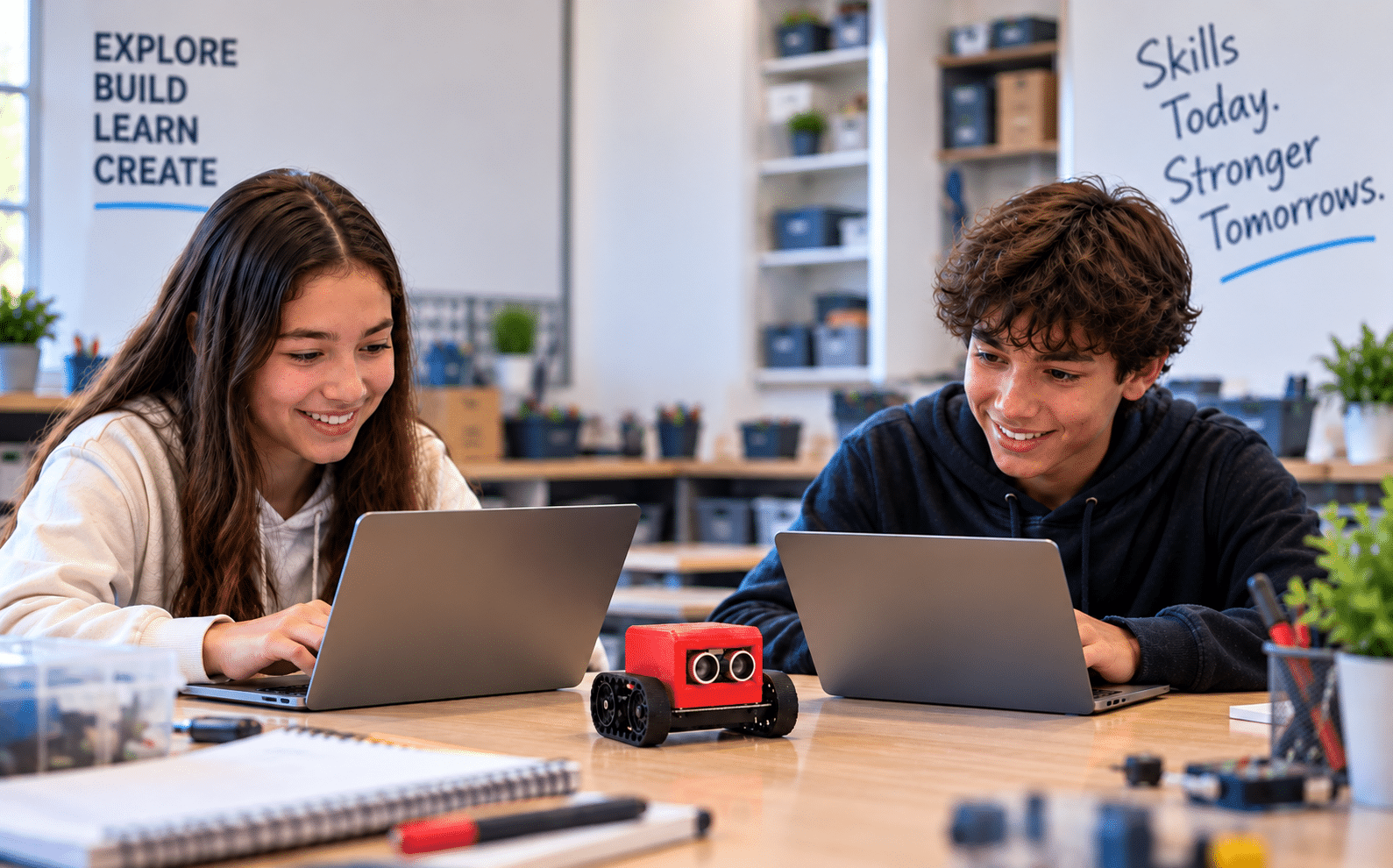
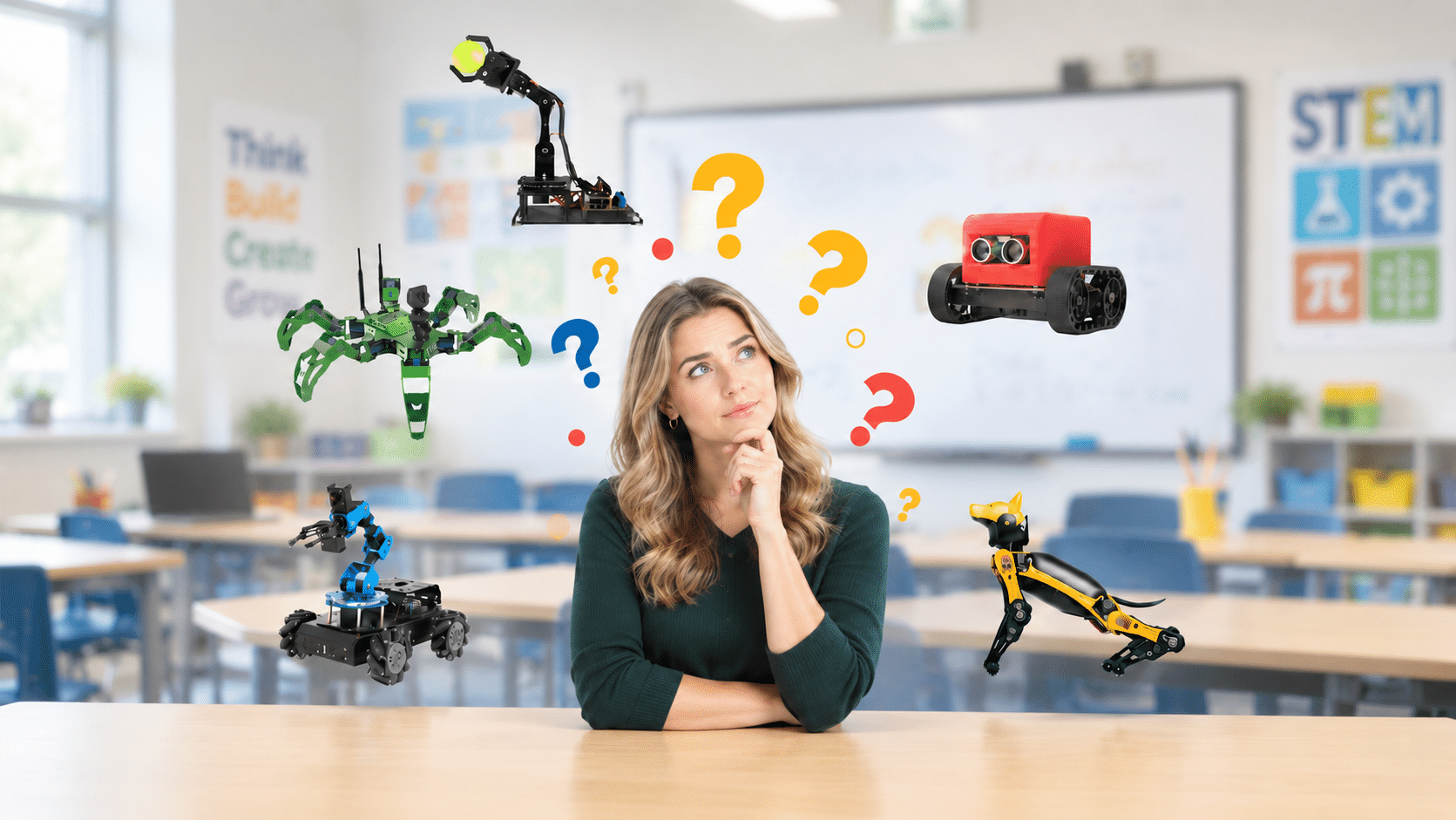
At LocoRobo, we bring this kind of real-world learning into classrooms. Our K12 robotics and AI education platforms introduce students to the same principles shaping industries today. Through hands-on learning with our codable robots, students move beyond theory to understand how algorithms, sensors, and code translate into action.