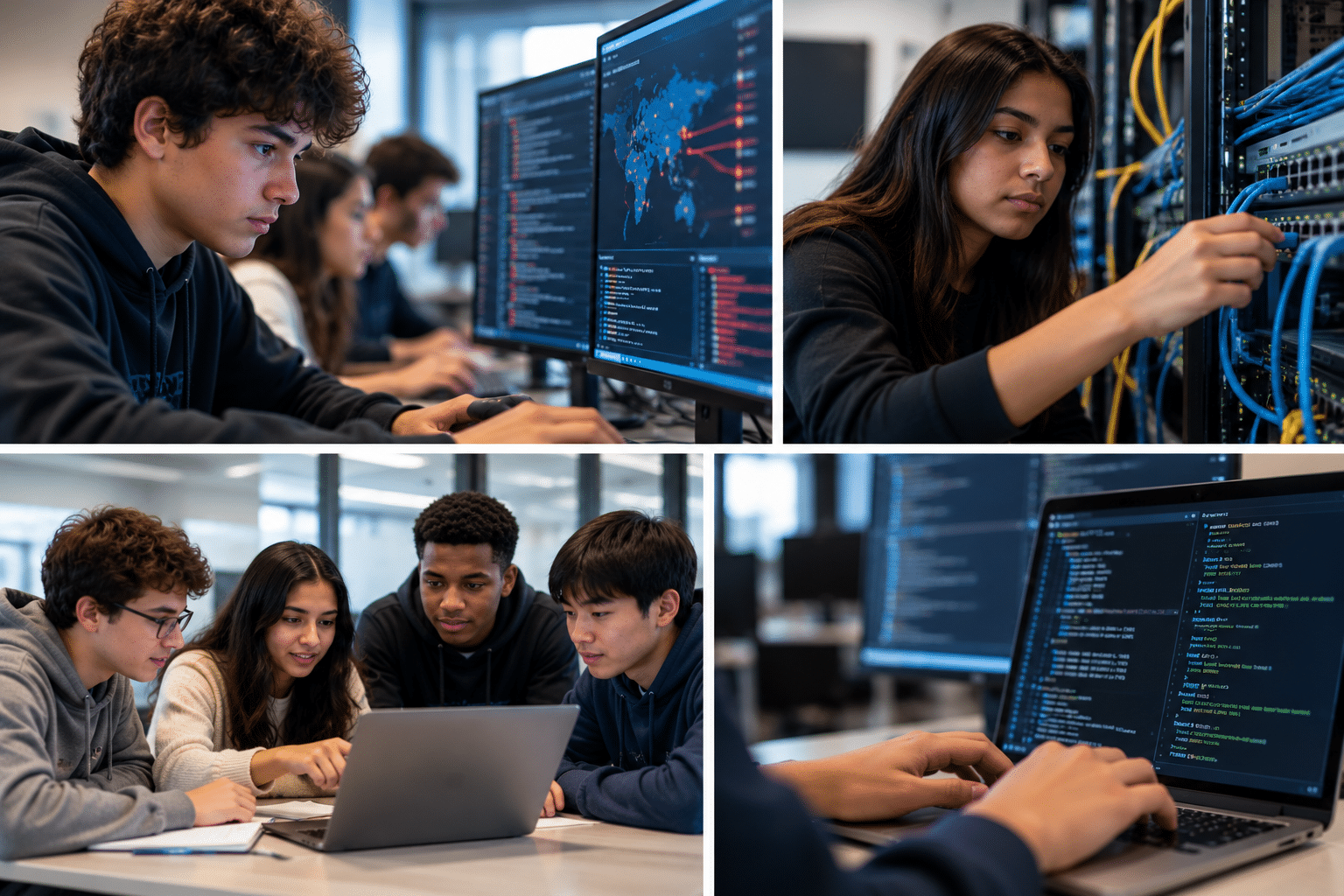

AI Is Expanding What Cybersecurity Teams Can Do
For years, cybersecurity teams have struggled with one major challenge: scale. Modern organizations manage cloud systems, enormous networks, connected devices, and software infrastructure. Human teams alone often cannot manually monitor every system, identify every weakness, or respond to threats fast enough. This is where AI-assisted cybersecurity systems are beginning to play a larger role. Systems like Claude Mythos demonstrate how AI can help:- Analyze massive codebases faster
- Detect unusual system behavior earlier
- Simulate potential attack scenarios
- Identify weaknesses before bad actors find them
- Reduce repetitive investigation tasks
- Assist cybersecurity teams with technical analysis
The Skills Students Will Need Are Changing
As AI becomes more integrated into cybersecurity workflows, technical careers are evolving beyond traditional IT support or basic network administration. Future cybersecurity professionals may need experience with:- AI-assisted security analysis
- Data interpretation
- Automation workflows
- Cloud infrastructure
- Ethical AI systems
- Threat modeling
- Digital forensics
- System monitoring and response
AI Cybersecurity Careers Are Expanding Across Industries
One important takeaway from the Mythos conversation is that cybersecurity is no longer isolated to tech companies. Industries actively investing in AI-assisted cybersecurity include:- Healthcare
- Transportation
- Manufacturing
- Energy
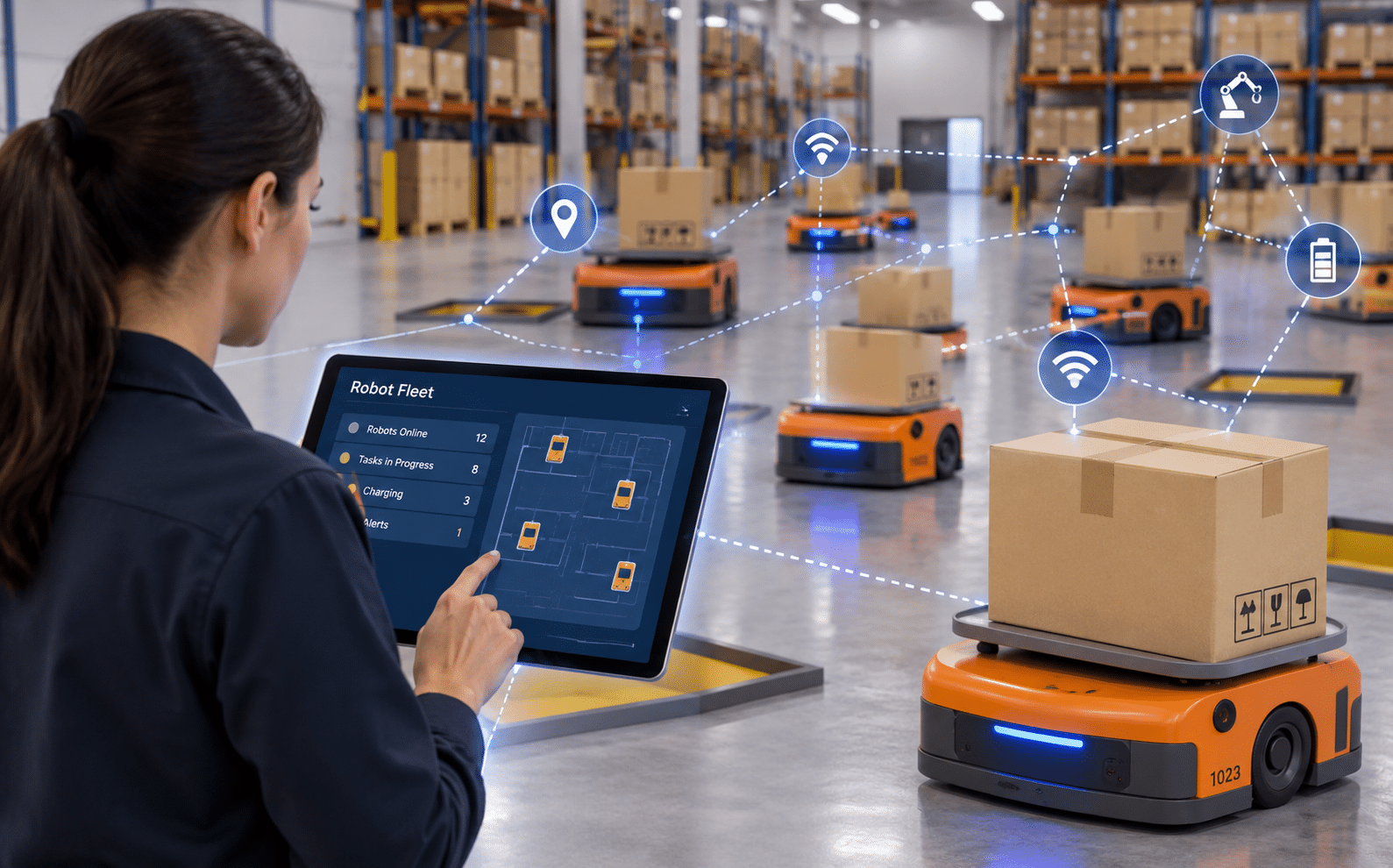
- Logistics
- Finance
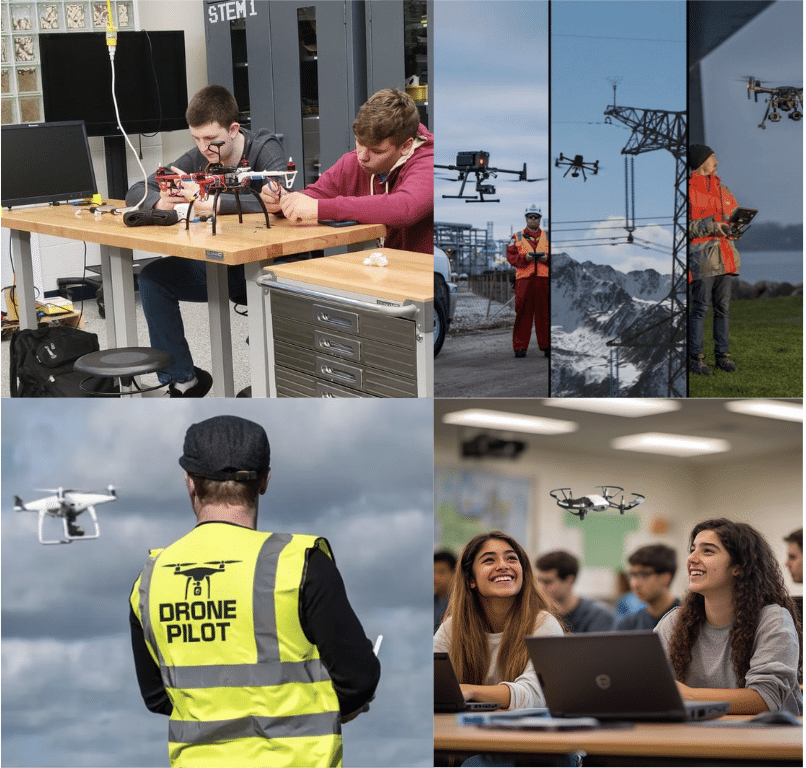
- Aviation
- Government infrastructure
- Retail and e-commerce
Why Hands-On Cybersecurity Education Matters
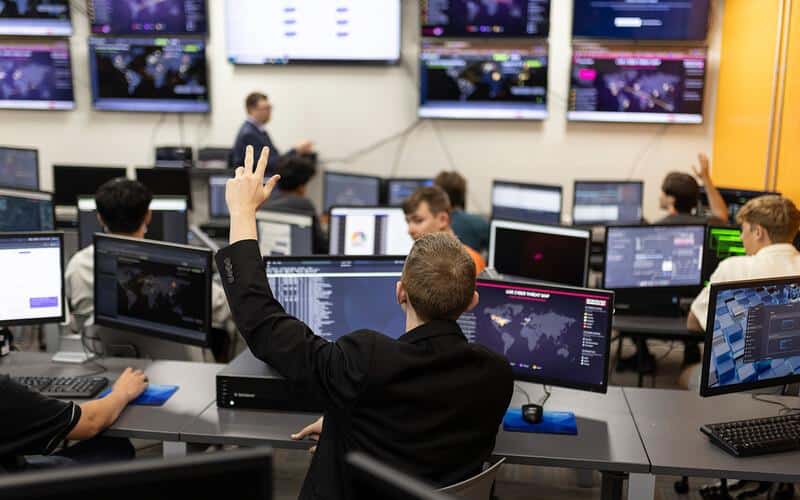
The rise of AI-assisted cybersecurity also reinforces the importance of practical, hands-on learning experiences. Students learn cybersecurity concepts more effectively when they can:- Explore network simulations
- Analyze security scenarios
- Understand system vulnerabilities
- Practice troubleshooting
- Work through collaborative technical challenges
- Build confidence using modern tools and workflows
Building Cybersecurity Pathways with LocoRobo
At LocoRobo, we help schools build cybersecurity pathways designed for modern STEM and CTE programs. From middle school career exploration to advanced high school certification preparation, LocoRobo helps educators create structured pathways that align with today’s evolving cybersecurity landscape. Explore LocoRobo Cybersecurity Solutions to learn more about bringing cybersecurity education into your CTE and STEM programs.Frequently Asked Questions
Why should schools introduce cybersecurity concepts earlier in STEM and CTE programs?
Cybersecurity is becoming connected to AI, automation, networking, and modern technology systems across many industries. Introducing these concepts earlier helps students build foundational technical skills and explore career pathways before high school graduation.
How can schools teach cybersecurity through hands-on learning?
Hands-on cybersecurity learning can include network simulations, troubleshooting activities, threat analysis exercises, collaborative problem-solving, and real-world technical scenarios. These experiences help students better understand how cybersecurity applies to modern systems and industries.
What kinds of careers are connected to AI-assisted cybersecurity?
AI-assisted cybersecurity is creating opportunities across healthcare, aviation, manufacturing, logistics, finance, energy, and IT. Students interested in networking, AI, robotics, programming, or data systems may all find pathways into cybersecurity-related careers.
How does LocoRobo support cybersecurity pathway development?
LocoRobo helps schools build structured cybersecurity pathways through hands-on curriculum, certification preparation, career exploration, teacher support, and classroom-ready tools aligned to modern STEM and CTE programs.