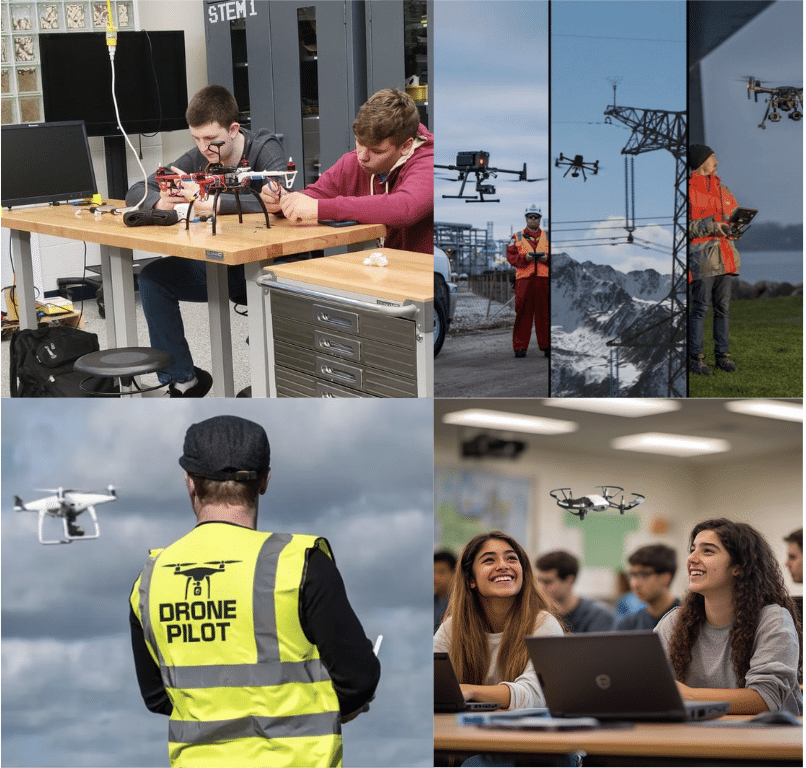

Agriculture is moving toward a more data-driven model, and drones are becoming a central part of that shift. What started as aerial imaging has evolved into full-scale systems that help farmers manage resources, monitor crops, and make faster decisions in the field.
A recent market report highlights how quickly this space is growing. The global drone agriculture market is expected to reach $15.24 billion by 2032, driven by advances in sensors, automation, and data analysis.
What is Changing in Agriculture
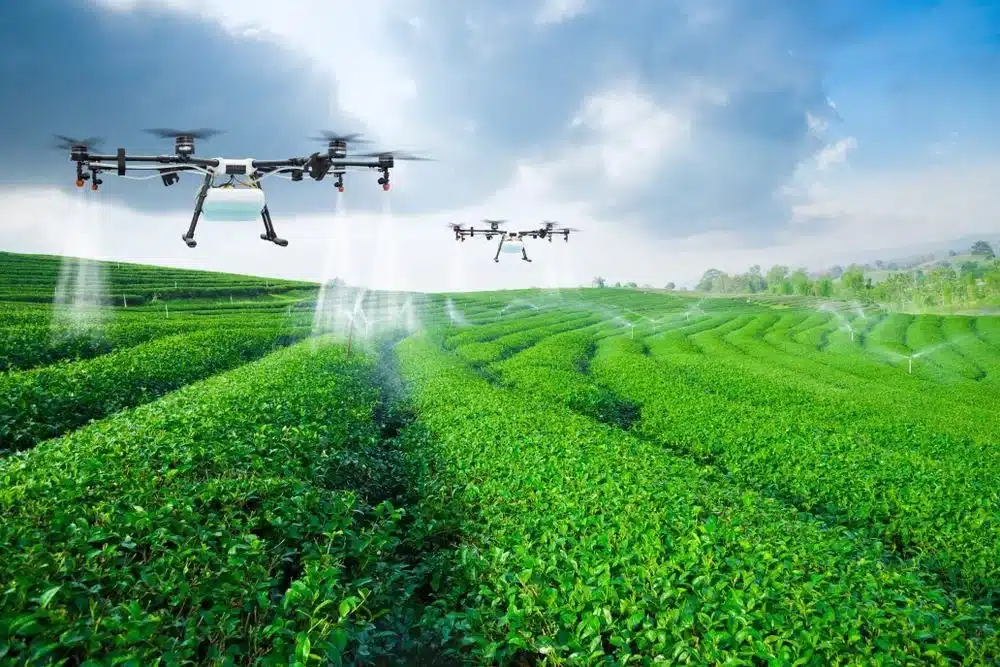
Drones are now a part of a larger system that connects hardware, software, and analytics. Here is how they are being used today:- Crop Monitoring Drones capture high-resolution images to detect plant health issues early. This helps farmers respond before problems spread.
- Irrigation Management Data collected from drones helps identify dry zones and optimize water usage.
- Field Mapping Detailed aerial maps allow for better planning, especially in large or uneven terrains.
- Targeted Spraying Instead of treating entire fields, drones can focus on specific areas, reducing waste and cost.
The Role of Technology Integration
One of the biggest shifts is how different technologies are working together.- Automation Drones can now follow pre-programmed routes and complete tasks with minimal human input.
- Sensors + AI Improved sensors collect more accurate data, while AI helps interpret it quickly.
- Data Platforms Information from drones is integrated into farm management systems, supporting faster decisions.
Why Adoption Is Increasing
Several factors are driving adoption across farms of all sizes:- Flexible business models Drone services and data-as-a-service options make it easier for smaller farms to access advanced tools.
- Modular systems Drones can be customized with different sensors and payloads depending on the task.
- Platform diversity Different drone types serve different needs, from long-range monitoring to close-up inspections.
- Regulatory progress Expanding permissions, such as beyond visual line of sight (BVLOS), are opening new use cases.
What This Means for Students
The same technologies used in agriculture are directly relevant to STEM education. Students learning with drones in education are exposed to:- Sensor integration
- Data collection and analysis
- Automation and mission planning
- Real-world problem solving
Bringing This Into the Classroom with LocoRobo
LocoRobo’s educational drone kits are designed to bring these real-world applications into structured learning environments. With LocoRobo’s drone programs, students move beyond basic flight into:- Data collection and visualization
- Coding and autonomous navigation
- Mission-based problem solving
- Industry-aligned projects across grade levels
Frequently Asked Questions
How are drones used in agriculture today?
Drones are used for crop monitoring, mapping, irrigation analysis, and targeted spraying. They help farmers make faster and more accurate decisions.
Why is the drone agriculture market growing so quickly?
Advances in sensors, AI, and automation, along with more flexible service models, are making drone technology easier to adopt across farms.
Do students need coding experience to start learning with drones?
No. Many programs Like LocoRobo start with basic concepts and gradually introduce coding, allowing students to build skills over time.
What skills do students gain from drone-based learning?
Students learn data analysis, programming, sensor integration, and problem solving, all of which are relevant to modern STEM career exploration.
How can schools implement a drone program effectively?
The most effective drone programs include structured curriculum, teacher training, and ongoing support. Platforms like LocoRobo provide all of these in one system.