

Artificial intelligence has moved far beyond experimentation. In 2026, AI is becoming foundational infrastructure across industries. Organizations are no longer asking whether they should use AI. Instead, they are focused on how to apply it effectively to reduce costs, improve operations, and uncover new opportunities.
Recent global surveys examining enterprise AI adoption show that companies across finance, retail, telecommunications, healthcare, and manufacturing are scaling AI programs and seeing measurable results. The findings highlight a clear pattern: AI is helping organizations increase productivity, generate revenue, and streamline operations.
AI Adoption Is Scaling Across Industries
Enterprise AI adoption is accelerating rapidly. According to NVIDIA’s annual “State of AI” reports, 64% of organizations are actively using AI in their operations, while another 28% are evaluating AI initiatives. Only a small percentage report having no plans to adopt AI.
This shift reflects a broader transition from experimental AI pilots to large-scale deployments. Companies are increasingly embedding AI into everyday workflows, using it to analyze data, support decision-making, and automate tasks.
Larger organizations tend to lead adoption because they have greater resources to invest in AI engineers, data infrastructure, and specialized tools. More than three-quarters of large companies report active AI usage, showing how quickly the technology is becoming a standard part of business operations.
AI Is Improving Productivity Across the Workforce
One of the most immediate impacts of AI adoption is improved productivity. Across industries, organizations report that AI helps employees complete complex tasks faster and with greater accuracy.
Survey data shows that the top goals for AI deployment include:
- Creating operational efficiencies
- Identifying new business opportunities
- Improving employee productivity
More than half of organizations say productivity improvements are one of the most noticeable benefits of AI implementation.
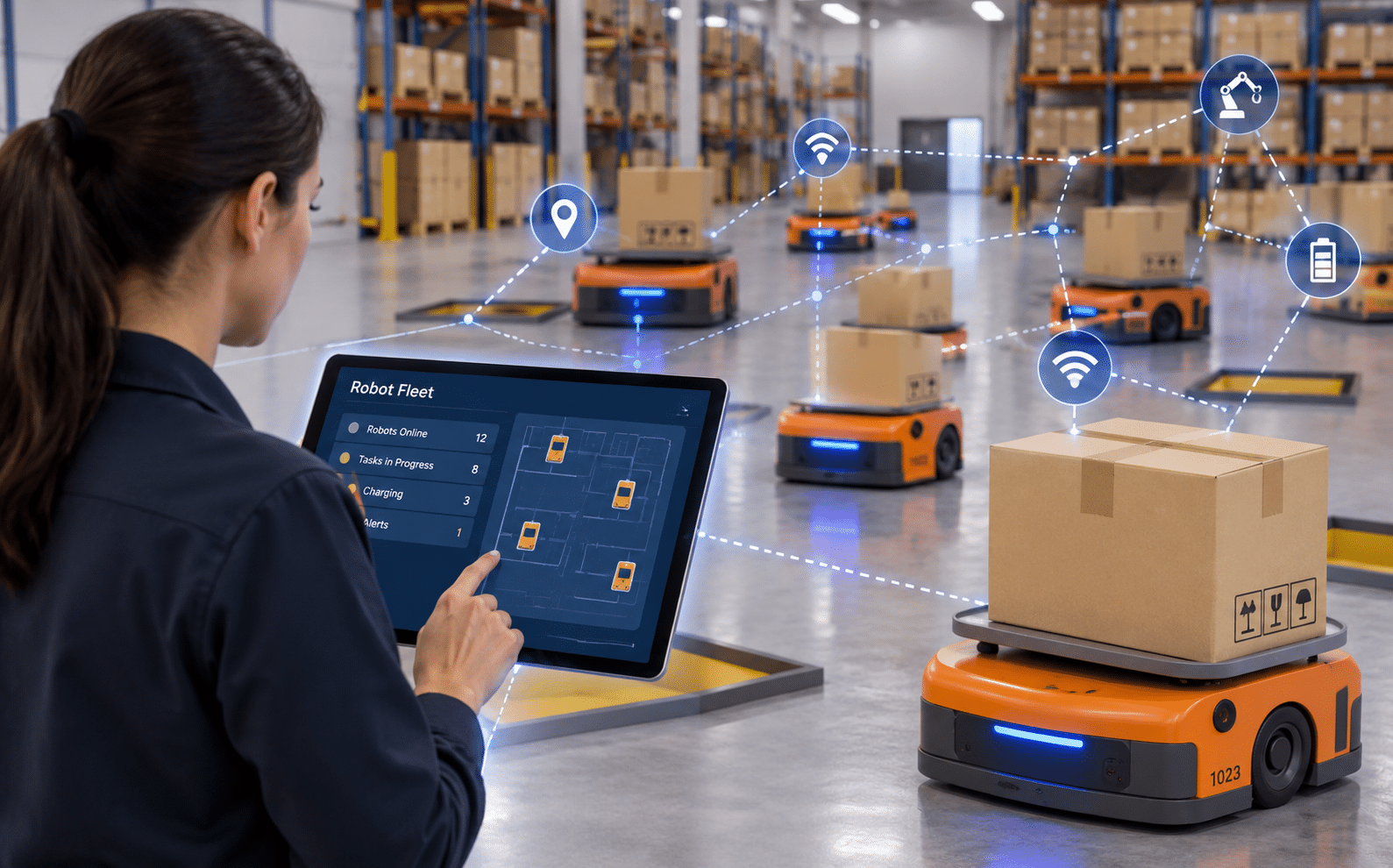
These gains appear in many forms. Financial analysts can process large volumes of market data more quickly. Telecommunications companies use AI to monitor networks and detect anomalies automatically. Manufacturing teams apply AI models to optimize production lines and reduce downtime.
In many cases, AI does not replace workers. Instead, it augments their capabilities by handling repetitive analysis and providing insights that humans can act upon.
Manufacturing Is Seeing Major Gains from AI
Manufacturing has emerged as one of the sectors experiencing the strongest productivity improvements from AI.
For example, companies are building digital twins of factories and supply chains. These detailed simulations allow organizations to model real-world systems and test operational changes before implementing them physically.
PepsiCo has used this approach by creating AI-driven digital replicas of manufacturing facilities. These simulations allow engineers to analyze production workflows and identify potential issues before they occur.
Early results include:
- Up to 20% improvements in production throughput
- 10–15% reductions in capital expenditures
- Nearly 100% validation of design changes before deployment
By predicting bottlenecks and optimizing processes, AI helps manufacturers operate more efficiently while lowering operational risk.
AI Is Increasing Revenue While Reducing Costs
Beyond productivity improvements, many organizations are seeing direct financial benefits from AI adoption.
Industry surveys show that 88% of companies report increased annual revenue from AI, while 87% say AI has helped reduce operational costs.
Revenue gains often come from better product recommendations, improved customer experiences, and more efficient service delivery. Cost reductions typically result from automation, predictive maintenance, and optimized logistics.
Retail organizations provide a clear example. Some companies now use AI-powered digital twins of retail stores to analyze layouts, inventory flows, and operational efficiency. These models allow teams to test improvements virtually before implementing them across physical locations.
Such approaches can significantly reduce operational expenses while improving customer service and product availability.
The Rise of AI Agents
Another emerging trend shaping 2026 is the growth of AI agents. These systems go beyond traditional automation by performing complex tasks autonomously.
AI agents can:
- Analyze information
- Execute actions based on high-level objectives
- Plan multi-step processes
Organizations are beginning to deploy these systems across multiple functions, including customer service, software development, legal analysis, and healthcare support.
In healthcare settings, AI assistants are helping clinicians analyze patient data and manage documentation. Some systems have reduced documentation errors by more than half while significantly lowering the administrative workload for medical staff.
These technologies represent a new phase in enterprise AI adoption, where intelligent systems act as collaborators rather than simple tools.
AI Investment Is Continuing to Grow
As organizations see clear returns from AI initiatives, investment in AI infrastructure continues to increase.
Nearly 86% of companies expect their AI budgets to grow in 2026, with many planning significant increases to support additional use cases and infrastructure development.
Most of this investment is focused on three priorities:
- Improving existing AI workflows
- Expanding computing infrastructure and data systems
- Discovering new AI applications
These investments signal that AI adoption is still in the early stages of a longer transformation across industries.
The Biggest Challenge: A Shortage of AI Expertise
Despite strong momentum, organizations still face several barriers when implementing AI systems.
The two most commonly cited challenges are:
- Finding skilled AI professionals to build and maintain systems
- Managing and preparing data for AI models
A shortage of data scientists, AI engineers, and technical specialists continues to slow adoption in some sectors. As demand for these skills grows, education systems will play an increasingly important role in preparing students for AI-related careers.
Preparing the Next Generation for an AI-Driven Economy
The rapid expansion of AI across industries highlights a critical challenge: developing the next generation of AI-literate students.
As AI becomes integrated into fields ranging from finance and healthcare to manufacturing and telecommunications, students need opportunities to understand how intelligent systems work and how they are applied in real-world settings.
This is where AI education programs play an important role.
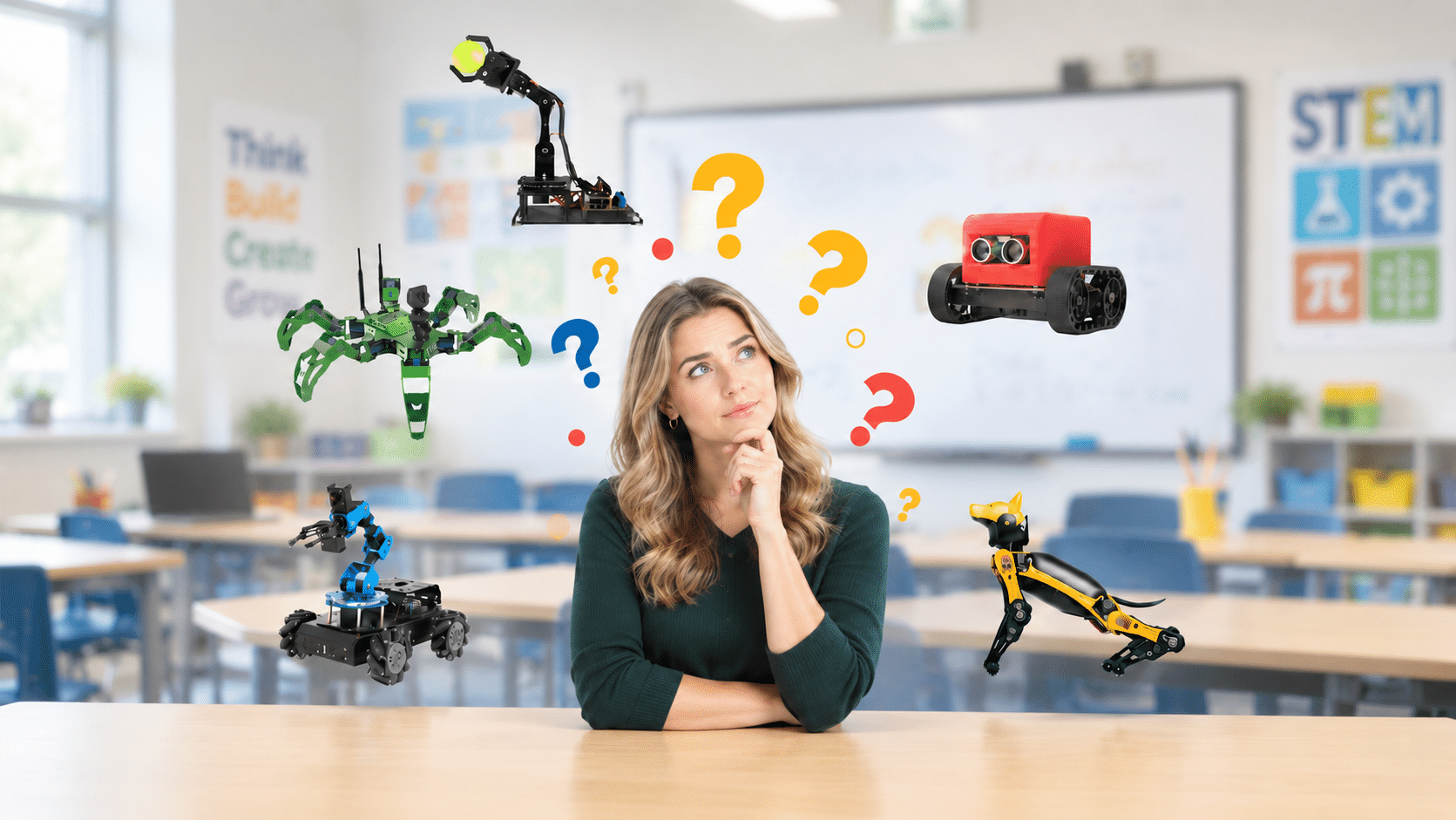
LocoRobo provides AI education solutions designed specifically for K–12 classrooms, helping schools introduce students to key AI concepts through hands-on learning. Students explore topics such as data analysis, machine learning, and intelligent automation while working with robotics and coding tools.
These experiences help students build the foundational knowledge needed to understand and work with the technologies shaping modern industries.
If your school is exploring ways to introduce artificial intelligence into STEM or computer science programs, learn more about LocoRobo’s AI solutions.
By bringing AI into the classroom, educators can help students develop the skills needed to navigate a world where intelligent systems play an increasingly central role.
Frequently Asked Questions
How are companies using AI to increase revenue and productivity?
Companies use AI to analyze large datasets, automate repetitive tasks, and improve decision-making. AI systems can identify patterns in customer behavior, improve financial forecasting, optimize supply chains, and automate operational workflows. These improvements help businesses operate more efficiently while uncovering new opportunities for growth, making AI one of the most widely adopted technologies across industries.
Which industries are seeing the biggest impact from artificial intelligence?
Artificial intelligence is driving major improvements in industries such as healthcare, manufacturing, finance, telecommunications, and retail. In manufacturing, AI helps optimize production through predictive analytics and digital twins. Healthcare organizations use AI to analyze medical data and improve diagnostics. Retail companies use AI to improve inventory management, logistics, and customer recommendations. As AI technology advances, adoption continues to expand across nearly every sector.
Why is AI education becoming important in K–12 schools?
Artificial intelligence is becoming a core technology across many careers, including software development, healthcare, robotics, finance, and engineering. Introducing AI concepts in K–12 education helps students understand how intelligent systems work, how data is used to train models, and how automation affects real-world industries. Early exposure to AI helps students build critical thinking, computational thinking, and problem-solving skills that will be valuable in many future careers.
Do teachers need AI or coding experience to teach AI in the classroom?
No. Many modern AI education platforms like LocoRobo are designed for educators with little or no coding background. Structured curriculum, guided lessons, and hands-on activities help teachers introduce AI concepts step by step. Students can explore topics such as machine learning, automation, and robotics through practical projects that make AI concepts easier to understand without requiring advanced programming experience.