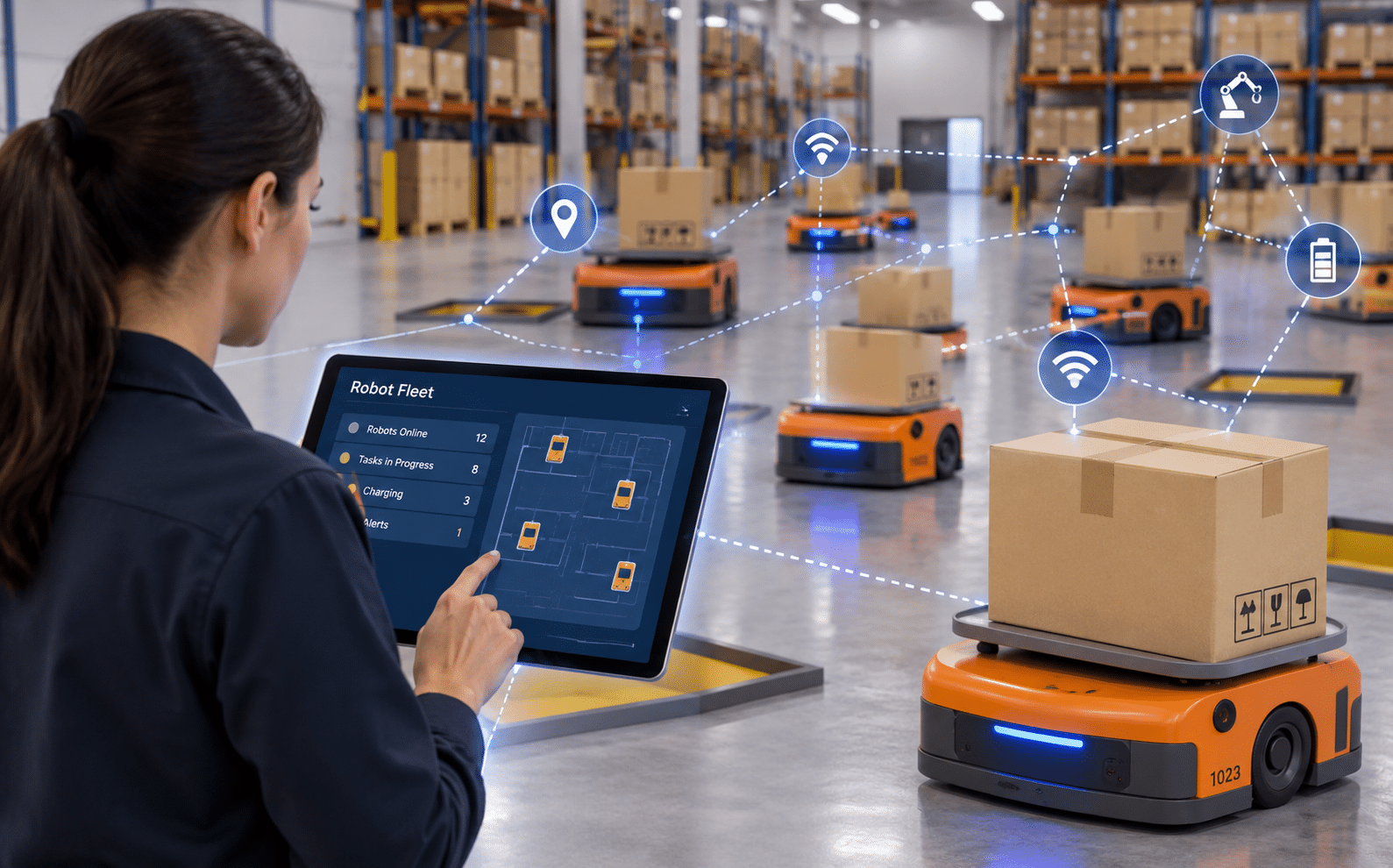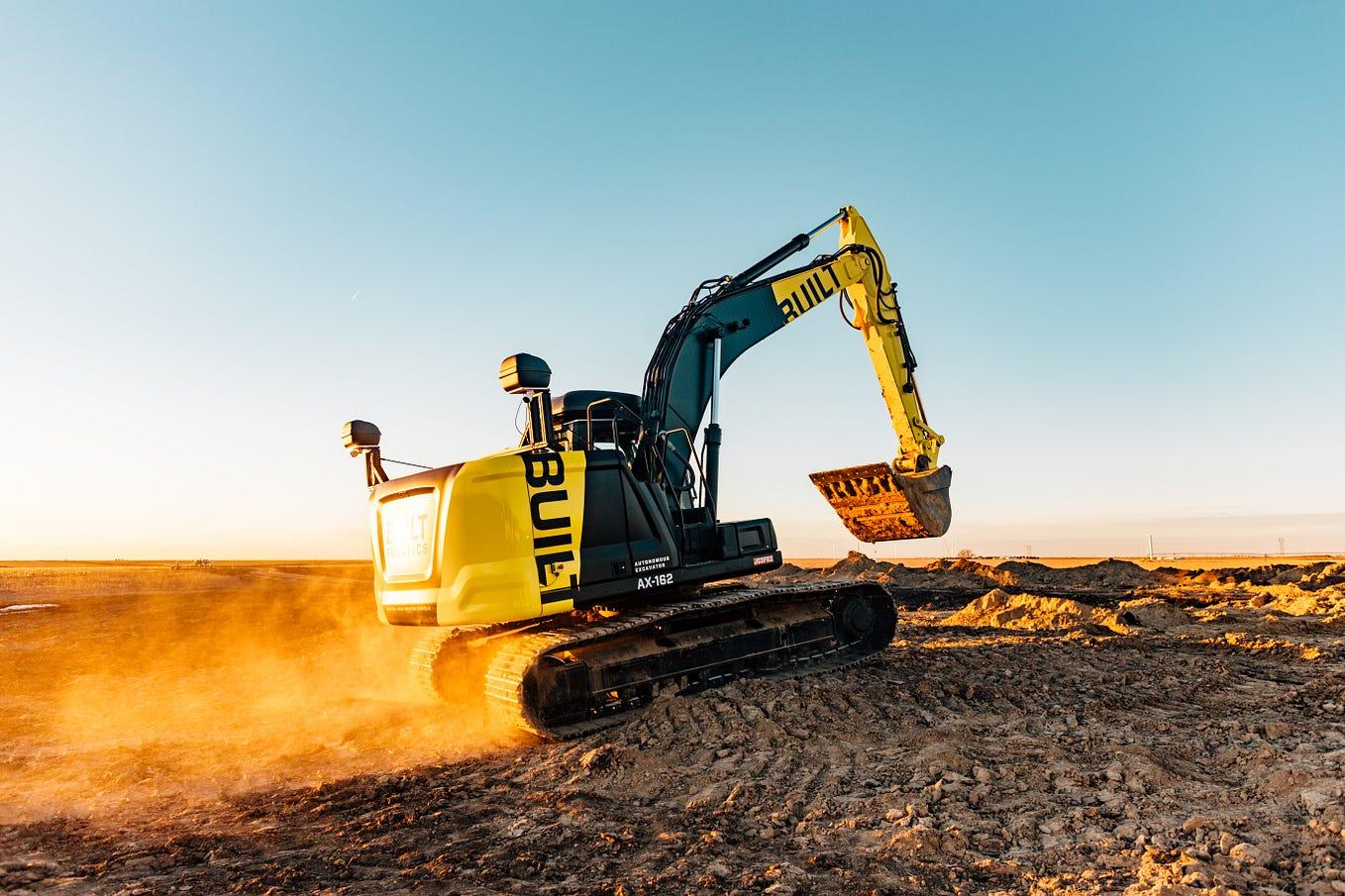


From personalized recommendations on streaming platforms to autonomous vehicles and advanced medical diagnostics, artificial intelligence is rapidly reshaping the global workforce. Headlines tout an “AI job boom,” with projections showing millions of new roles emerging in fields like robotics, machine learning, data science, and AI ethics. But how real is this boom—and more importantly, how can schools prepare students for it?
The Data Behind the Boom
The numbers are compelling. The U.S. Bureau of Labor Statistics projects a 35% growth in data science jobs through 2032 (source: https://www.bls.gov/ooh/math/data-scientists.htm), much faster than the average for all occupations. LinkedIn’s Emerging Jobs Report consistently ranks AI-related roles, such as machine learning engineers, AI specialists, and robotics engineers, among the fastest-growing.
Industries ranging from finance and transportation to manufacturing and education are actively integrating AI to improve efficiency and innovation. This shift is transforming current roles. Professionals in logistics, marketing, and customer service are increasingly expected to work alongside AI tools, requiring new hybrid skill sets.
The Reality Check: Who’s Hiring and What Are They Looking For?
While opportunities are growing, the demand is often for candidates with interdisciplinary skills—those who think with AI and work with humans. Employers seek individuals who can code, analyze data, and think critically about how AI impacts people, systems, and society. This means soft skills like communication, ethical reasoning, and creativity are just as essential as technical proficiency.
What Should K–12 Schools Do Now?
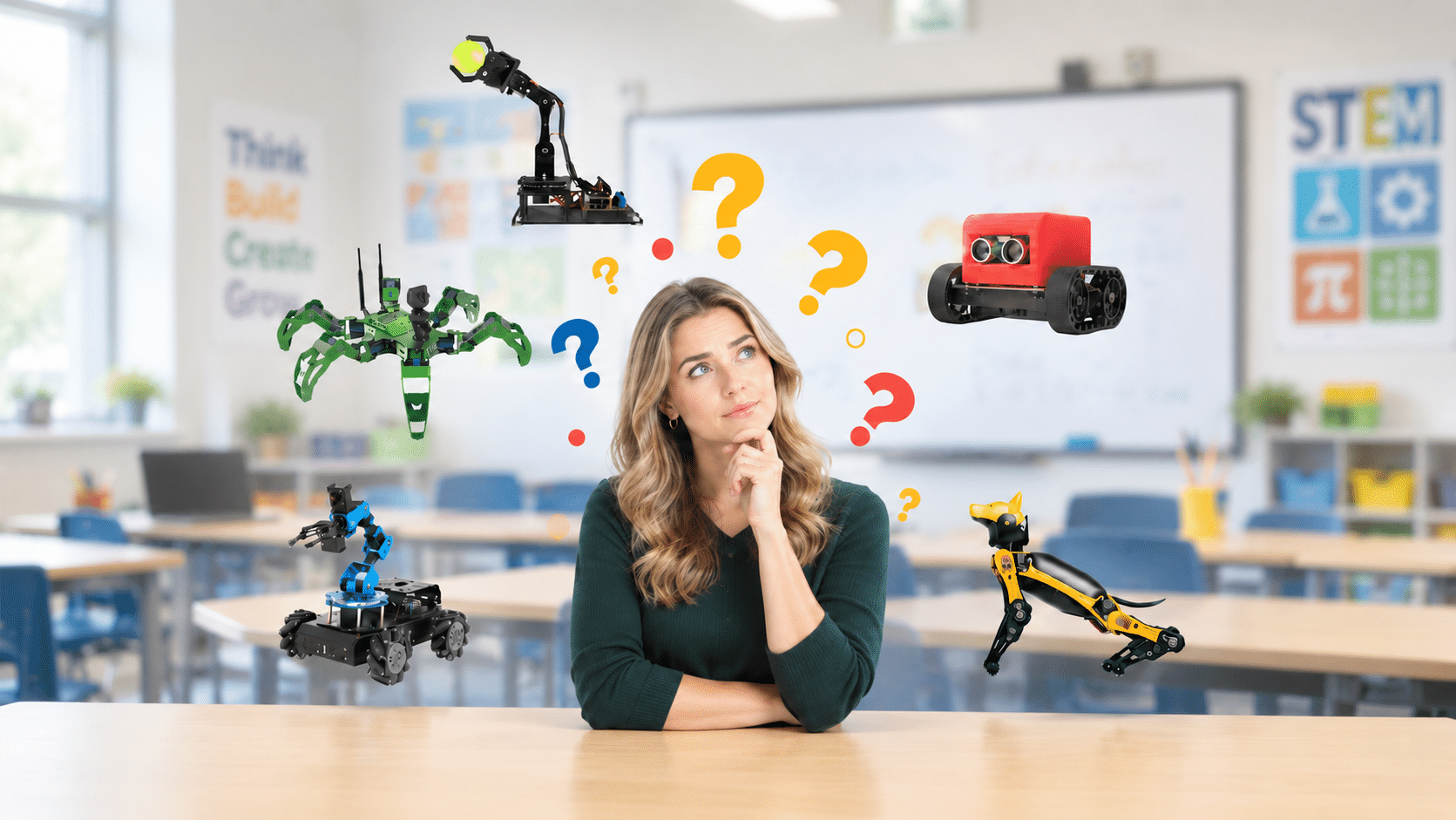
To keep pace with the evolving landscape, schools must rethink how they approach STEM and computer science. Here are three steps they can take:
- Integrate AI Early and Often
Introduce foundational AI concepts as early as elementary school. Help students understand what AI is, how it works, and how it’s used in everyday life. Use hands-on lessons that demystify algorithms, data patterns, and simple machine learning models. - Teach AI as a Tool, Not a Threat
AI shouldn’t be framed as a competitor but as a collaborator. Help students build confidence using tools like GitHub Copilot, ChatGPT, and image generators. Focus on how AI can support creativity, speed up tasks, and enhance learning. - Build Career Awareness Through Projects
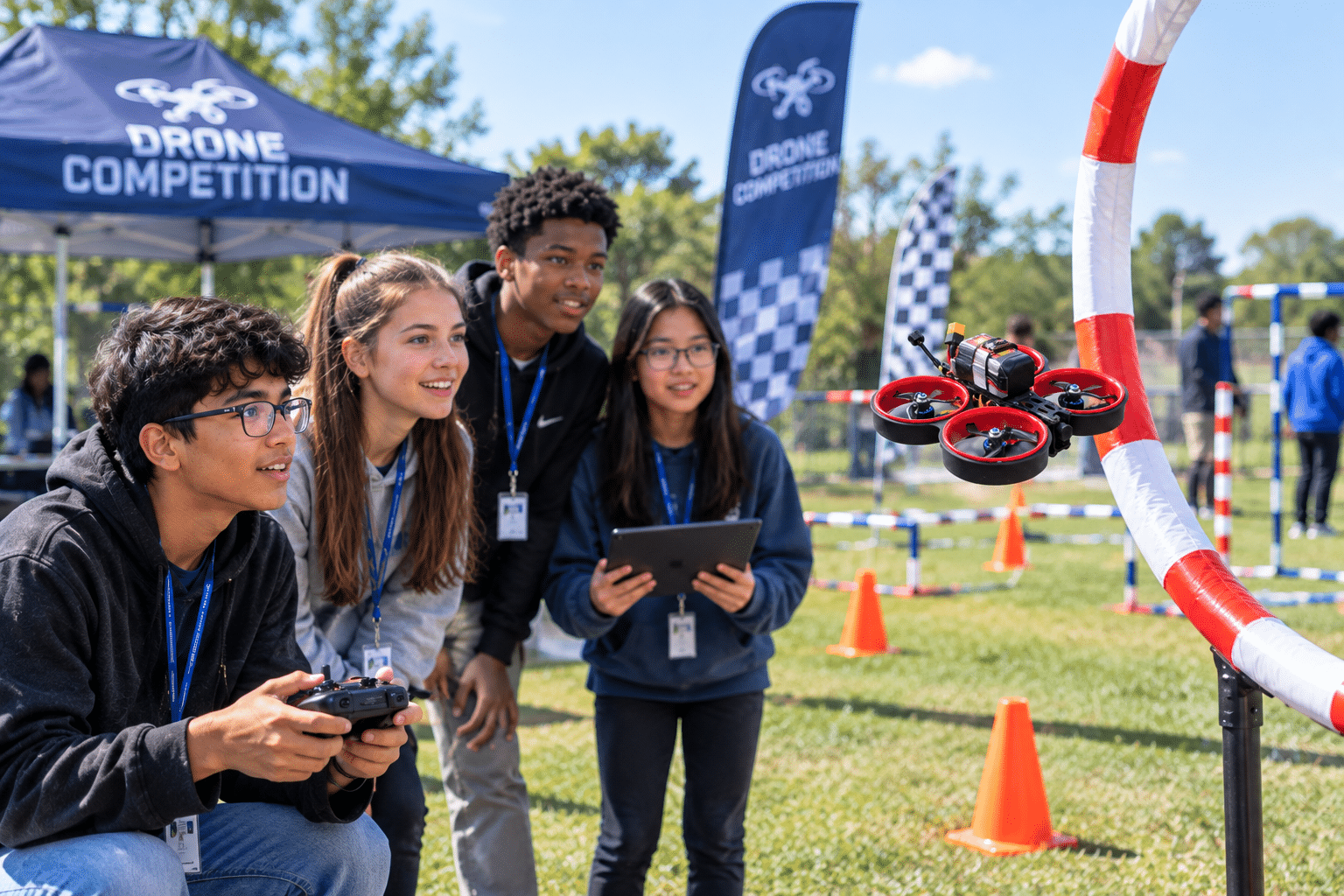
Let students experience how AI applies across different fields—robotics, healthcare, agriculture, and cybersecurity. Project-based learning helps them see real-world relevance while developing practical skills like problem-solving and teamwork.
Bringing AI Education to Your Classroom with LocoRobo
LocoRobo makes it easier for schools to respond to the AI boom with confidence. LocoRobo’s AI learning pathway covers everything from core concepts and ethical AI to prompt engineering, Python coding with AI assistance, and robotics. With hands-on AI curriculum, accessible tools, and comprehensive educator support, we help schools equip students for success in an AI-powered world.