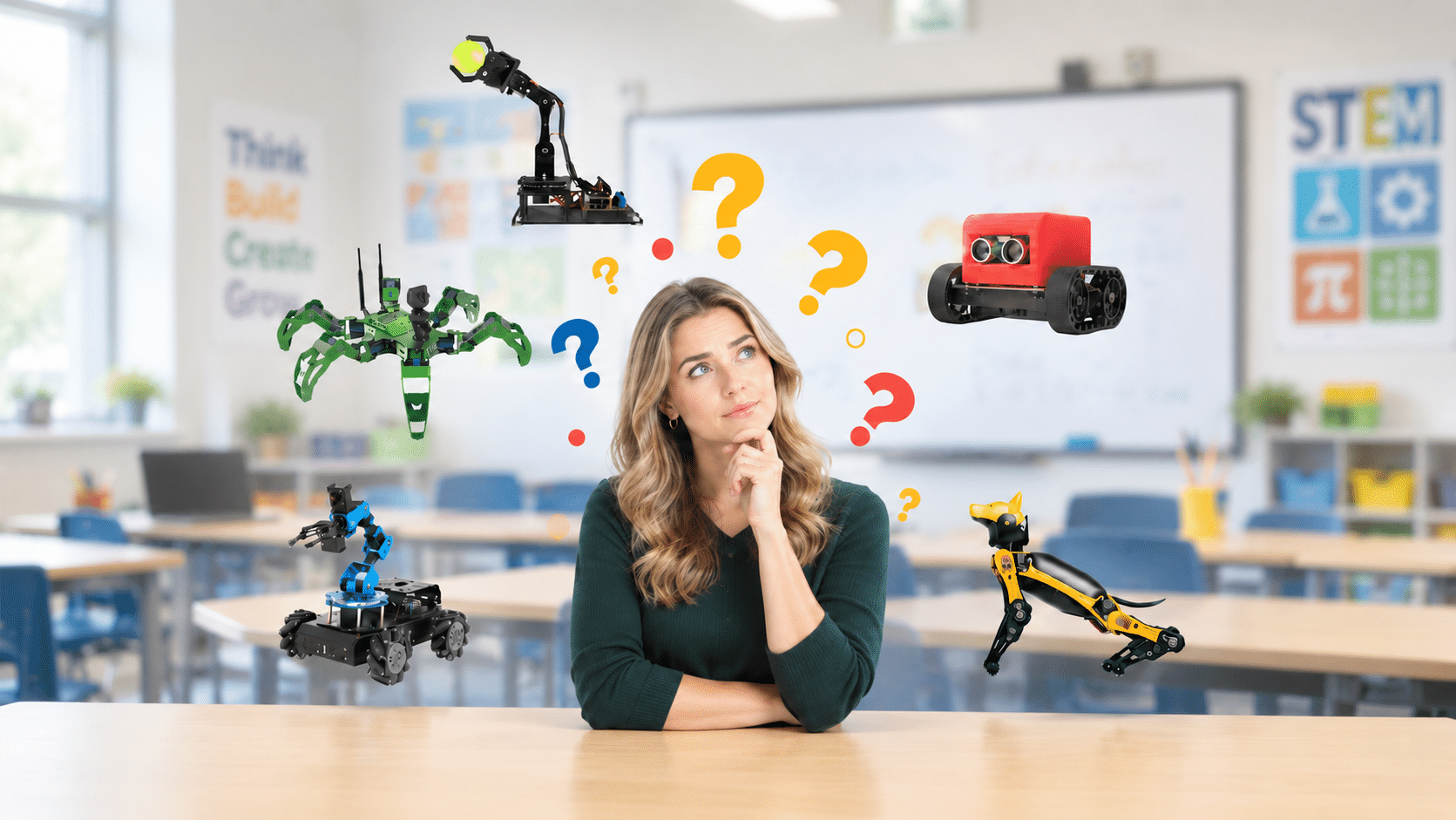


Consider a student who sees “robotics technician” on a career list.
What does that actually mean to them?
Probably not much until they have programmed a robot, worked with sensors, diagnosed why a system is not behaving as expected, or seen how similar technologies are used in manufacturing and logistics.
The same applies to careers involving drones, artificial intelligence, cybersecurity, engineering, IT, advanced manufacturing, and other technical fields.
Career exploration becomes more meaningful when students can connect a career to something they have actually experienced.
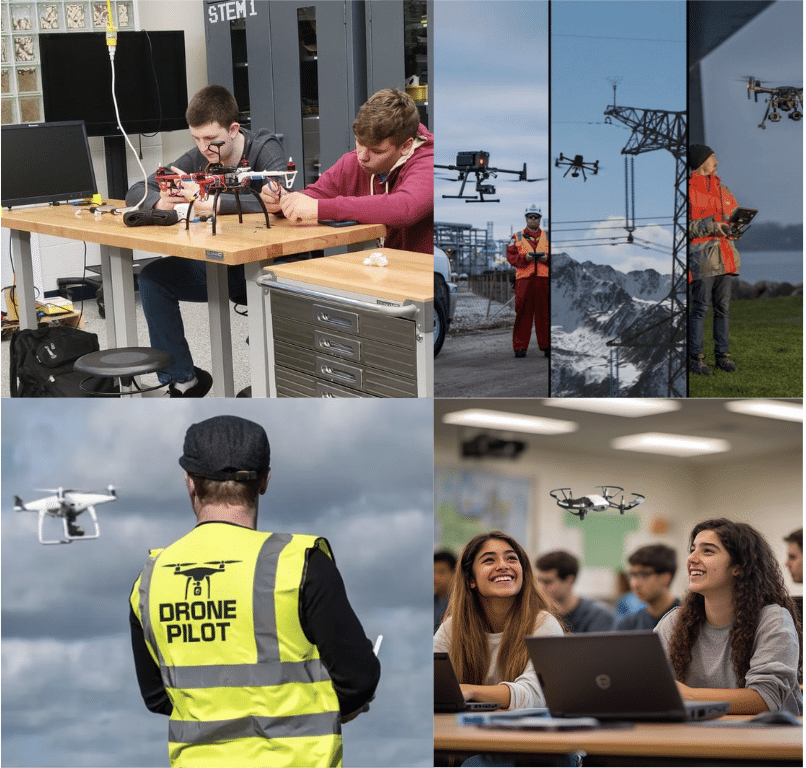
Instead of simply telling a student that drone technology is used in industries such as agriculture, construction, infrastructure inspection, mapping, and environmental monitoring, give them an opportunity to plan a mission, program a flight, collect data, and understand why someone in one of those industries would use a drone.
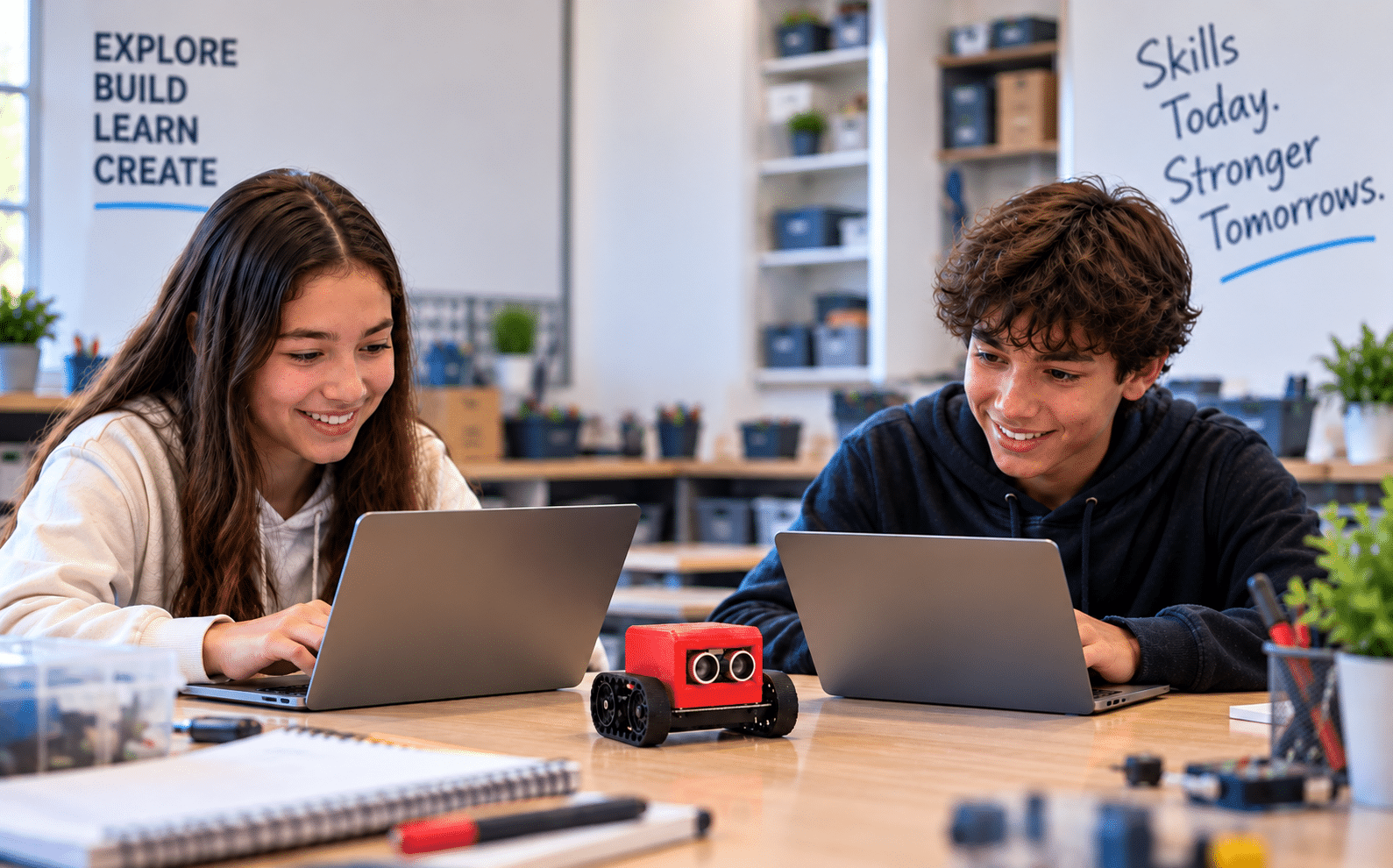
Instead of describing automation, let students program a robotic arm or autonomous rover.
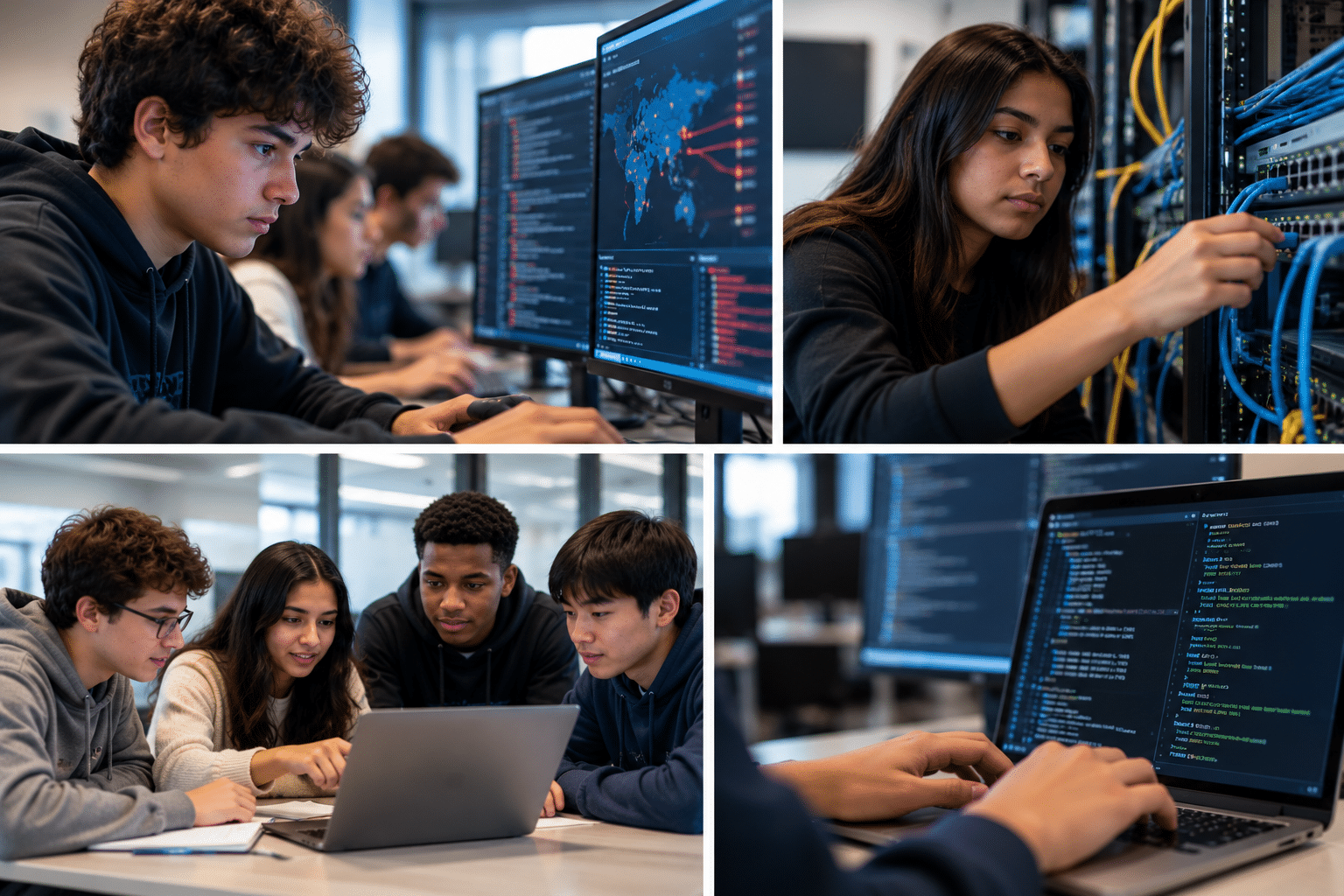
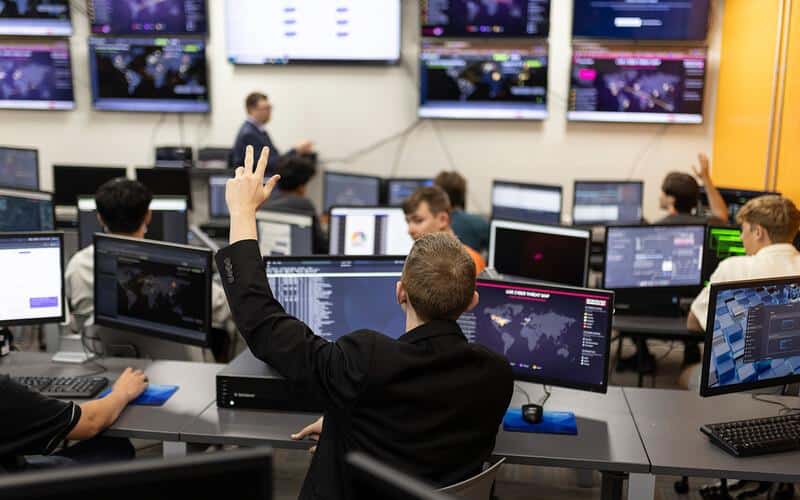
Instead of explaining cybersecurity careers through a presentation, let students investigate networks, identify vulnerabilities, and work through realistic security challenges.
The career becomes easier to understand because the student has experienced part of the work.
Start With Experiences, Then Make the Career Connection
There is an important difference between asking:
“Which career interests you?”
and asking:
“What kinds of problems do you enjoy solving?”
The second question gives students somewhere to start.
A student may discover that they enjoy troubleshooting hardware. Another may prefer programming. Someone else might enjoy analyzing data, leading a team, designing systems, flying drones, working with machines, or solving problems visually.
Those interests can lead in many directions.
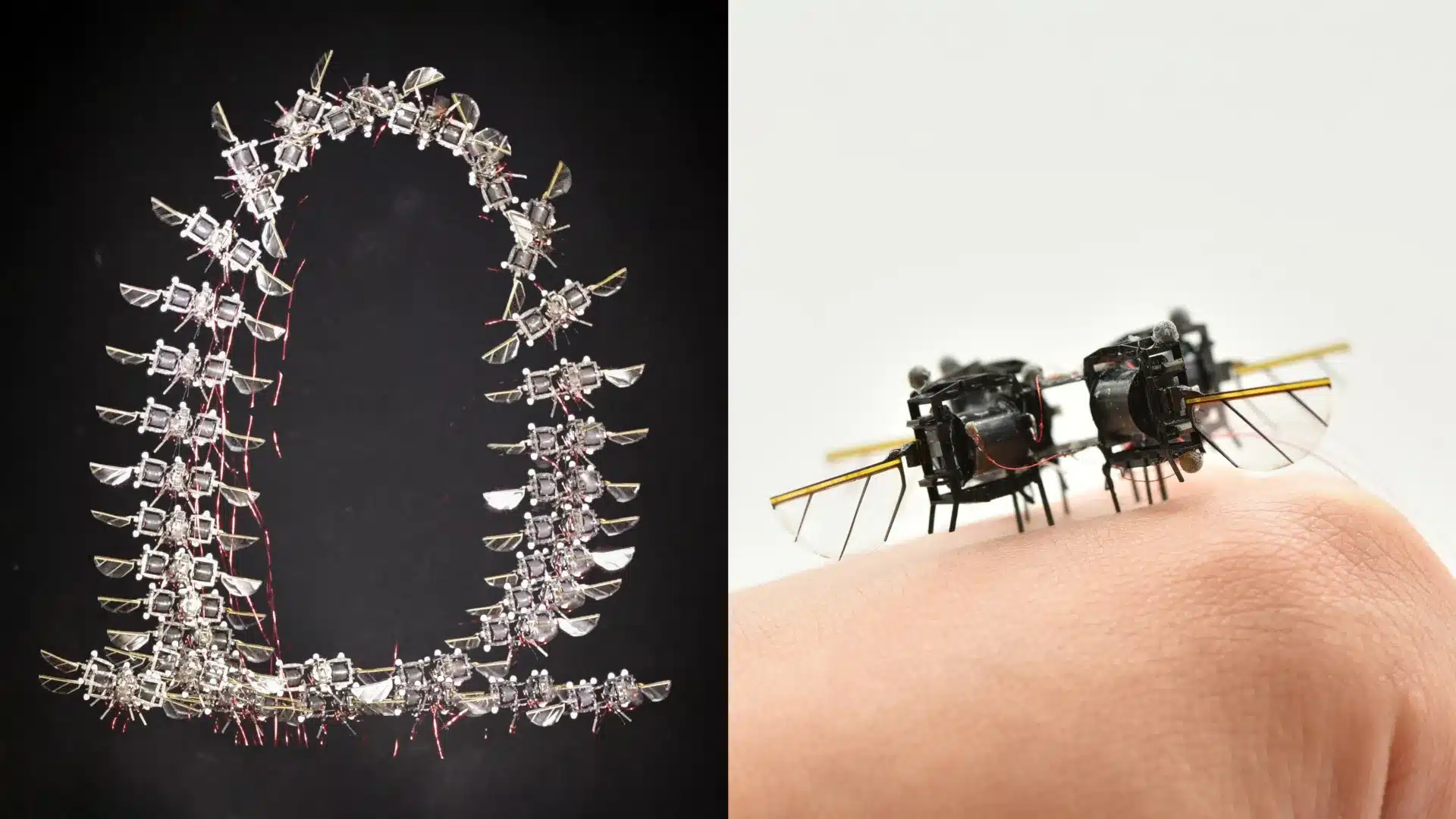
Robotics, for example, connects programming, electronics, engineering, AI, sensors, automation, and mechanical systems. Those skills appear across manufacturing, logistics, healthcare, agriculture, automotive technology, research, and other industries.
A student does not have to decide, “I want to be a robotics engineer,” before learning robotics.
They can start by discovering, “I like figuring out how machines work.”
The Careers Are Changing Anyway
There is another problem with asking students to choose a career too early: the job they are choosing today may look very different by the time they enter it.
The tools people use, the skills employers expect, and even the responsibilities within familiar occupations continue to change.
That makes it difficult to prepare students by working backward from a job title alone.
Career readiness should help students build a foundation they can carry from one opportunity to another. They need to know how to learn a new tool, approach an unfamiliar problem, work with others, test an idea, troubleshoot when something goes wrong, and keep learning when the technology changes.
The goal is not to prepare students for one version of one career. It is to prepare them to keep growing as the work changes.
Career Exploration Should Be Built Into STEM and CTE
STEM career exploration is sometimes treated as something separate from technical education.
Students complete a career interest survey, research a few occupations, make a presentation, and move on.
But career exploration can happen while students are learning.
A robotics project can introduce automation and advanced manufacturing.
A drone mapping project can connect to surveying, construction, agriculture, environmental science, and infrastructure.
A cybersecurity lab can introduce IT, threat analysis, networking, and security operations.
An AI project can connect to applications in engineering, business, data science, healthcare, manufacturing, and robotics.
An esports program can expose students to broadcasting, IT, digital media, networking, event management, marketing, and team operations.
LocoRobo’s own approach to CTE connects technical learning with structured skill progression, career exploration, real-world problem-solving, certifications, and applied projects.
Career readiness becomes part of what students are doing rather than a separate conversation about what they might do someday.
Give Students More Than One Way to Explore
Not every student discovers an interest in the same way.
Some students need to build something.
Some need to see technology operating in a realistic environment.
Some want to compete.
Others may benefit from experiencing a workplace or occupation before committing to a longer technical pathway.
That is why schools benefit from offering different entry points into career exploration.
Hands-on robotics, drones, AI, cybersecurity, computer science, and esports can give students direct experience with technologies used across industries.
Immersive career exploration can widen that exposure even further. LocoRobo’s VR career exploration program, for example, includes simulations across skilled trades, technology and engineering, manufacturing, fabrication, environmental careers, and infrastructure. Students can explore areas such as welding, HVAC, automotive technology, robotics, cybersecurity, IT support, electronics, maintenance, civil engineering, and precision agriculture in the classroom.
The goal is not to convince every student to pursue a technical career.
The goal is to help students make better-informed decisions about what they might want to explore next.
Career Readiness Should Grow With the Student
Career readiness should not look the same at every grade level.
For younger students, the goal is exposure. Give them opportunities to build, code, fly, experiment, troubleshoot, and discover what catches their attention. They do not need to know where every experience will lead.
As students get older, those early interests can become more focused. A student who enjoys flying drones can begin exploring autonomous flight, aviation, mapping, and eventually FAA Part 107 preparation. An interest in robotics can grow into work with sensors, robotic arms, hexapod robots, computer vision, AI, and automation. Early cybersecurity activities can lead to networking, security labs, and industry certification preparation.
The progression is important: exposure creates interest, interest leads to deeper learning, and deeper learning can become career preparation.
Students should have room to discover what interests them before they are expected to decide where it will take them.
How LocoRobo Connects Learning to Real-World Careers
At LocoRobo, career readiness is not limited to telling students which STEM careers exist.
We help schools give students opportunities for STEM career exploration through experiences in the technologies, problems, and skills connected to those careers.
LocoRobo STEM and CTE programs span robotics, drones, AI, cybersecurity, computer science, esports, VR career exploration, engineering, automation, and industry certification pathways. Our programs combine classroom-ready technology, STEM curriculum, professional development, career exploration, and ongoing educator support.
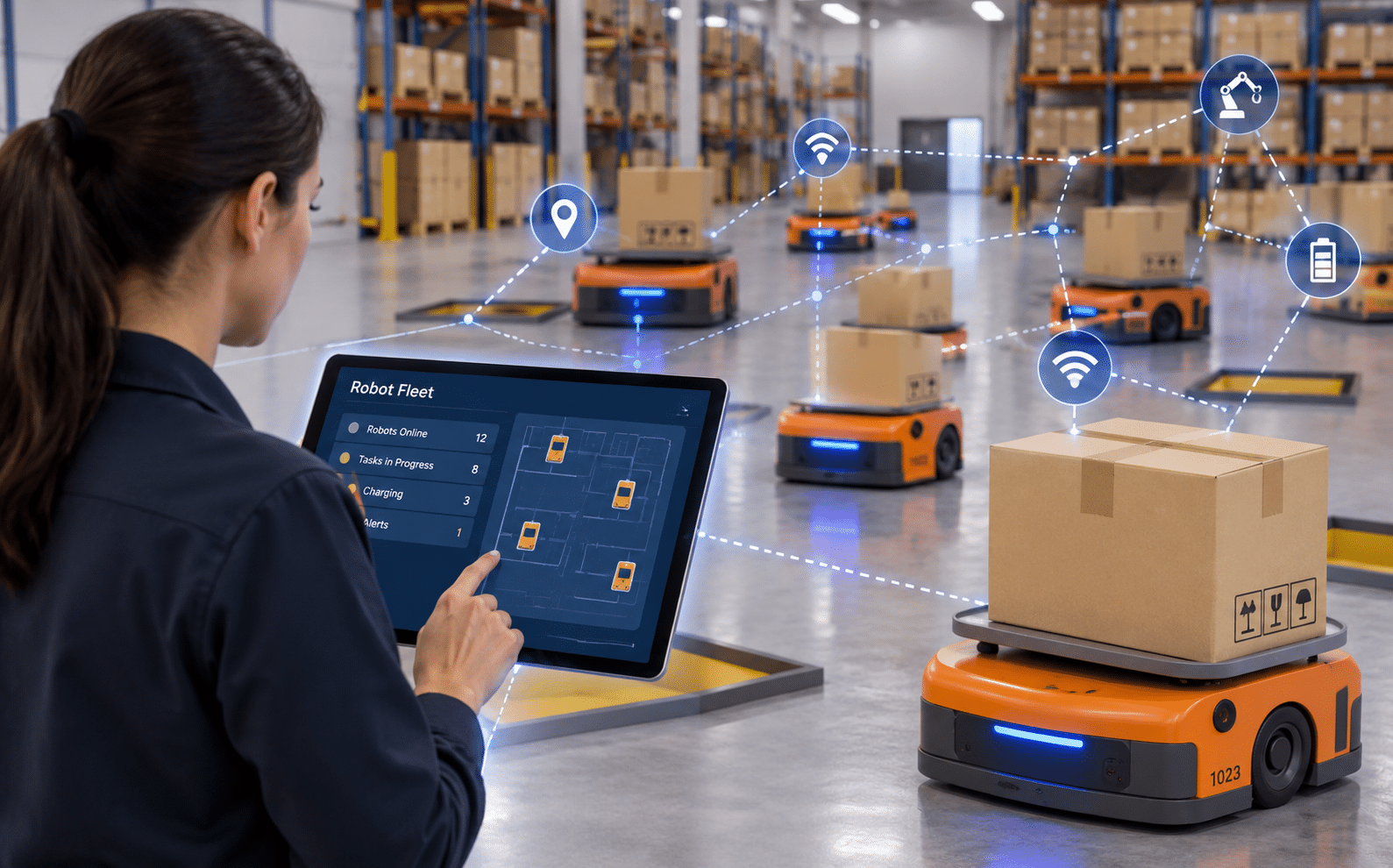
Students might program autonomous robots and connect their work to manufacturing and logistics. They might use drones while exploring aviation, mapping, inspection, or environmental applications. They might work through cybersecurity challenges connected to IT careers or explore AI alongside data, automation, robotics, and computer vision.
For older students, those experiences can lead toward more focused coursework and certifications, including pathways connected to FAA Part 107, AI, IT, networking, and cybersecurity.
The technology is the bridge between what students learn in school and what that learning can become outside the classroom.
Don’t Ask Students to Pick a Future They Have Not Experienced Yet
Students should know what career options are available to them. But career readiness should not begin with asking them to choose from a list.
It should begin with opportunities to explore.
Let students solve problems, try new technologies, discover what holds their attention, and recognize the kinds of work they enjoy. Then help them connect those experiences to electives, CTE pathways, certifications, further education, and careers they may not have considered before.
The goal is not for every student to leave school with one career already chosen.
It is for students to better understand their interests, their options, and what they might want to explore next.
Help Students Explore What Comes Next
LocoRobo’s Career Exploration Toolkit helps schools and districts build career-connected learning into STEM and CTE across grades K–12.
The free toolkit includes classroom activities, student reflection tools, and a planning framework to help students explore their interests, understand real career options, and make more informed choices about electives, pathways, and extracurricular programs.
Request the Free Career Exploration Toolkit.