

n CTE, not all programs deliver the same outcomes. Some offer a series of instructional modules that check the curriculum box, but fail to connect students to real opportunities. Others go deeper, integrating certification pathways, career relevance, and hands-on learning that builds the skills employers are actually looking for.
So what separates a curriculum-only CTE program from one that truly prepares students for the future?
Let’s break it down.
Curriculum Is the Starting Line, Not the Finish Line
A quality CTE program needs a curriculum. But not just any curriculum. It should be:
- Standards-aligned
- Scaffolded across grade levels
- Designed for classroom implementation (with or without teacher expertise)
- Measurable in student outcomes
Yet a strong curriculum alone doesn’t guarantee career readiness. Students might learn the “what” but miss the “why”, and more importantly, the “how.”
CTE programs that stop here often leave students asking: What does this have to do with a real job?
Career-Ready Programs Bridge the Gap Between Learning and Doing
True career readiness connects the dots between what students learn and how they apply it in industry-relevant ways.
- Industry Certifications
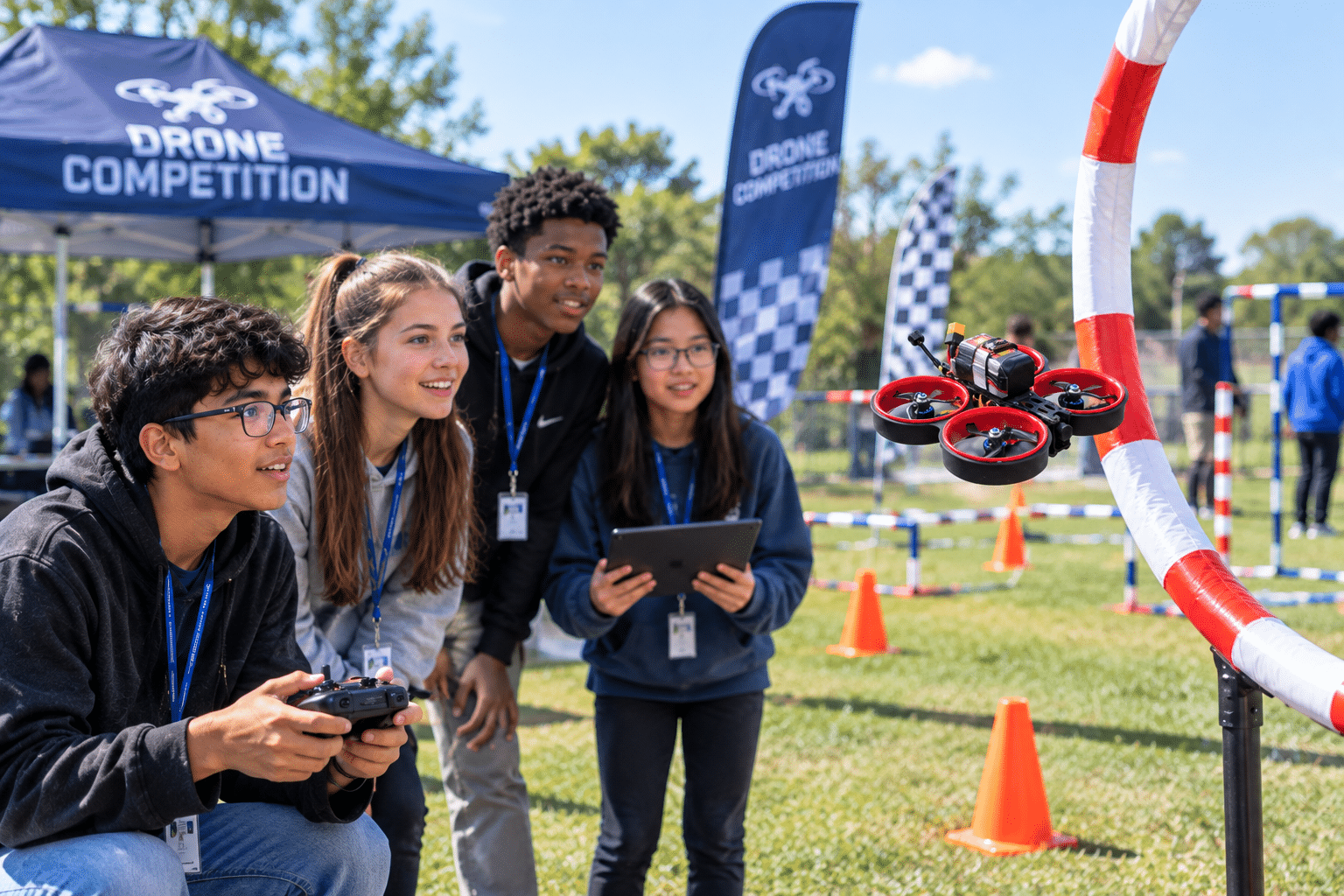
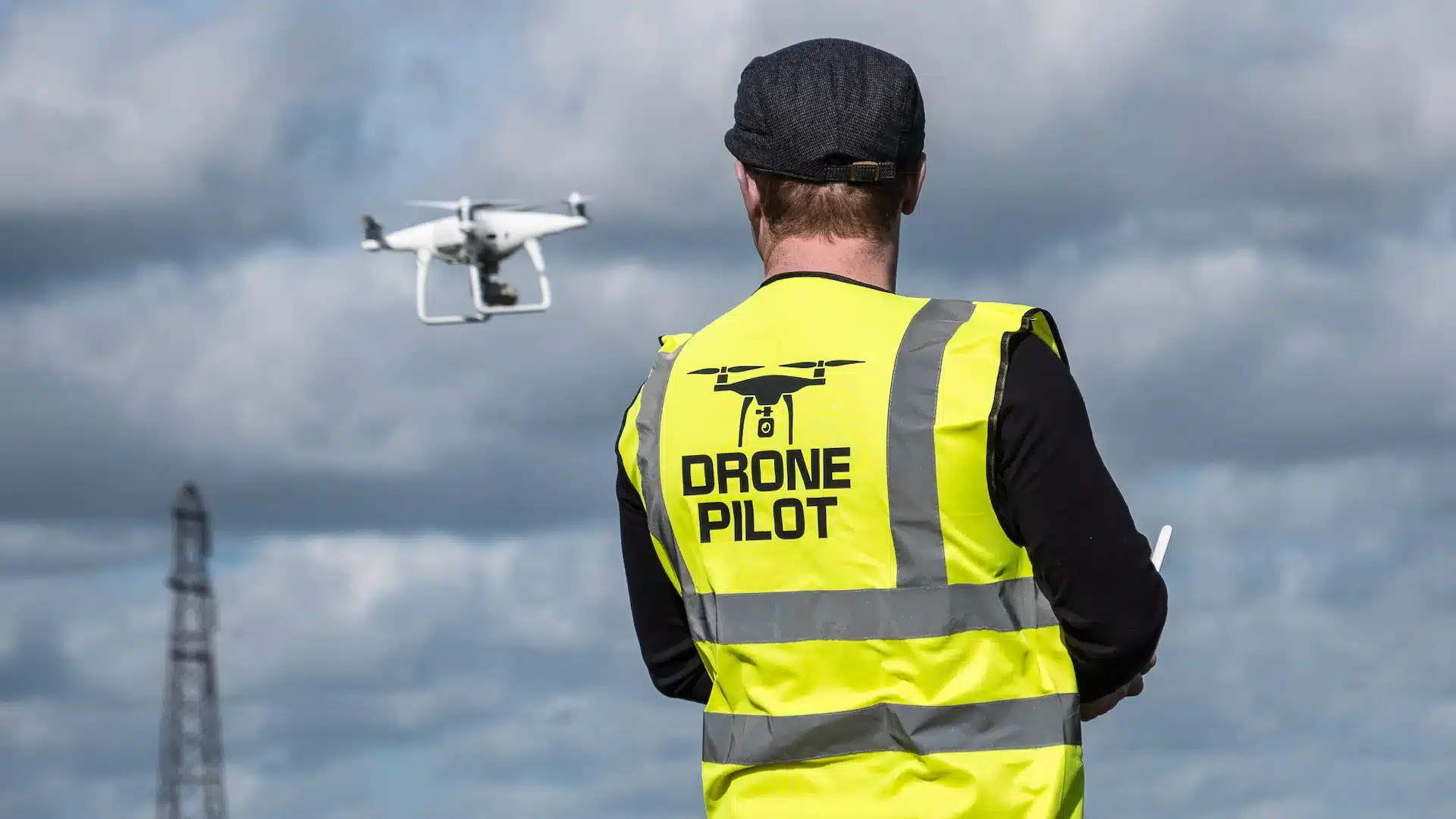
Credentials like Certiport’s AI Foundations, CompTIA’s Cybersecurity certifications, and FAA Part 107 for drones. - Hands-On, Project-Based Learning
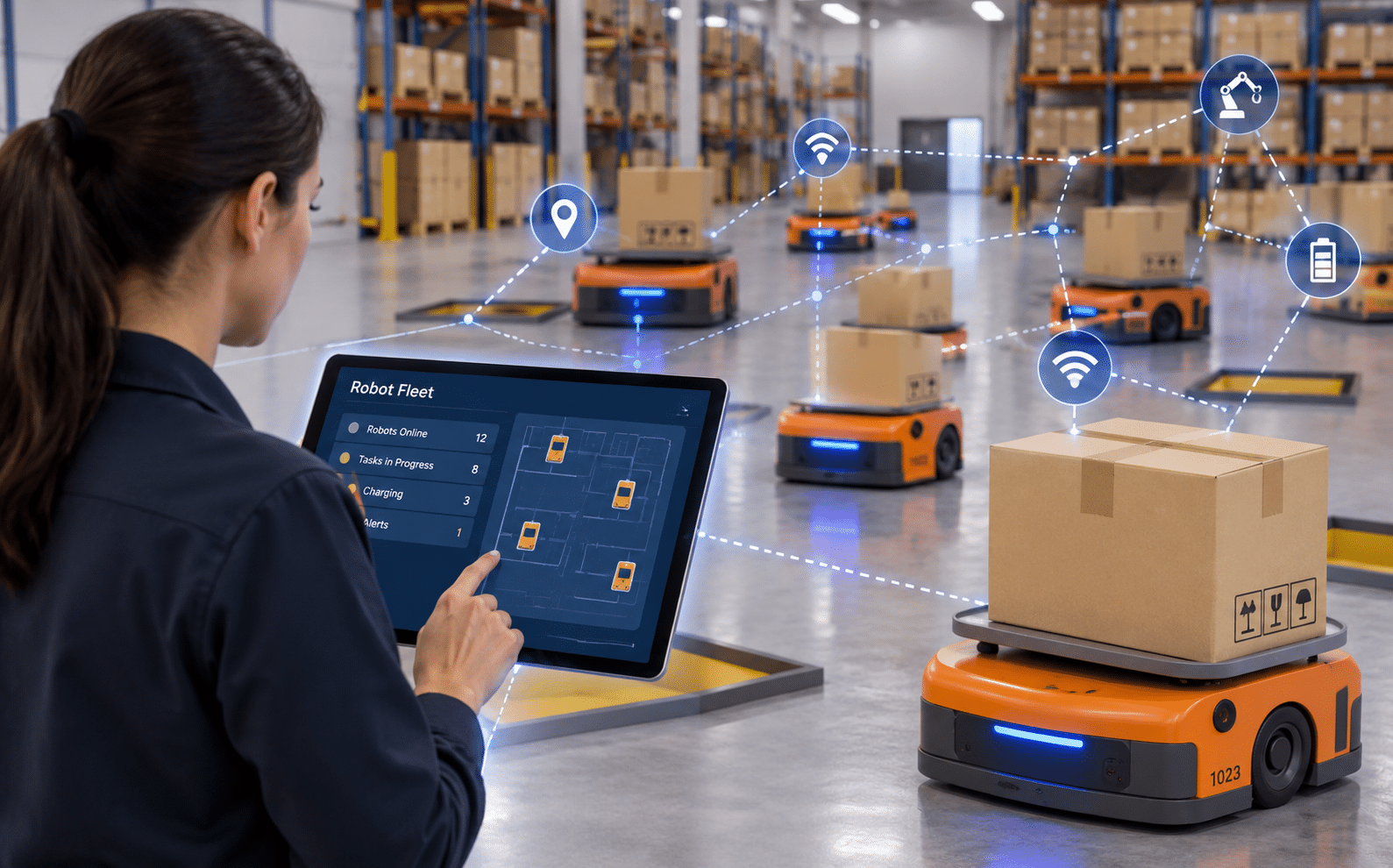
Whether students are coding a robot for autonomous delivery, programming a drone for aerial mapping, or designing an esports broadcast, they are doing the work. - Progression Pathways
The best programs offer more than a one-year elective. They grow with students from middle school exploration to high school specialization and postsecondary alignment. - Workplace Skills, Not Just Technical Skills
Career-ready programs embed collaboration, communication, critical thinking, and time management into the learning experience.
Where Many Programs Fall Short
CTE implementation often struggles in three key areas:
- Lack of teacher support: Teachers are asked to lead programs without adequate training or prep time.
- Technology without context: Flashy tools with no curriculum or career link leave students underprepared.
- Disconnection from careers: Students complete modules but don’t see a pathway forward.
What Schools Need to Succeed
At LocoRobo, we have seen what works in schools across the country. Programs that succeed do the following:
- Start with teacher-friendly tools and training
- Keep students engaged with hands-on learning
- Build pathways across AI, drones, cybersecurity, robotics, and esports
- Include industry certifications and practical applications
- Align to funding frameworks like Perkins V and Title IV
Let’s Build It Together
If your district is looking to go beyond curriculum-only solutions and build a CTE program that prepares students for STEM-based careers of the 2030s and 2040s, LocoRobo is here to help.
Whether you need a single course or a multi-year pathway, we will help you design a program that works for your teachers, your students, and your long-term goals. Explore our CTE Planning Toolkit.