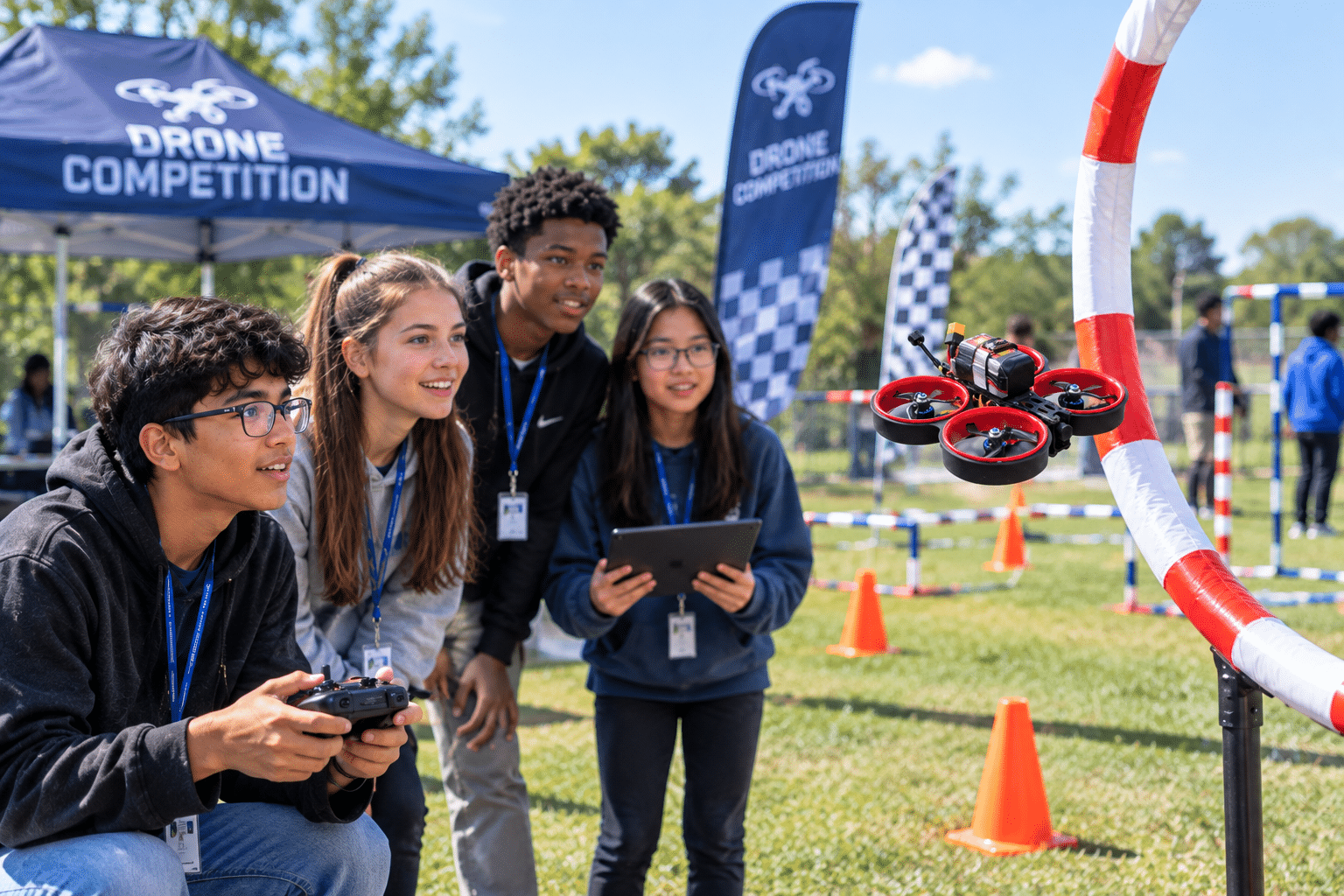


Hands-on learning has long been the foundation of CTE and STEM education. From welding labs to drone repair benches, these environments allow students to build skills through real-world practice. Yet as schools face growing enrollment, limited resources, and evolving career pathways, educators are searching for ways to make hands-on learning more accessible, safe, and efficient.
That’s where Virtual Reality comes in. When thoughtfully integrated, VR enhances traditional training. By simulating authentic career environments, VR gives every student the opportunity to experiment, explore, and gain confidence before stepping into a live lab or workshop.
A Safe, Scalable Bridge to Real-World Skills
In technical education, access to equipment and space often limits how many students can practice at once. A single automotive bay, HVAC unit, or drone setup can only serve a few learners at a time. VR eliminates these physical constraints, every student can have their own workstation, their own tools, and their own learning pace.
For instance, in LocoRobo’s Automotive Technician simulation, learners inspect virtual engines, use digital tools like wrenches and jacks, and identify system components in a zero-risk setting. These experiences prepare them for real maintenance work by building procedural understanding and familiarity before they ever touch a tool.
From Passive Learning to Active Exploration
Traditional classroom methods like textbooks, videos, and lectures can explain what a technician or engineer does but VR lets students experience it. Immersive simulations shift learners from observers to active participants, fostering engagement and critical thinking.
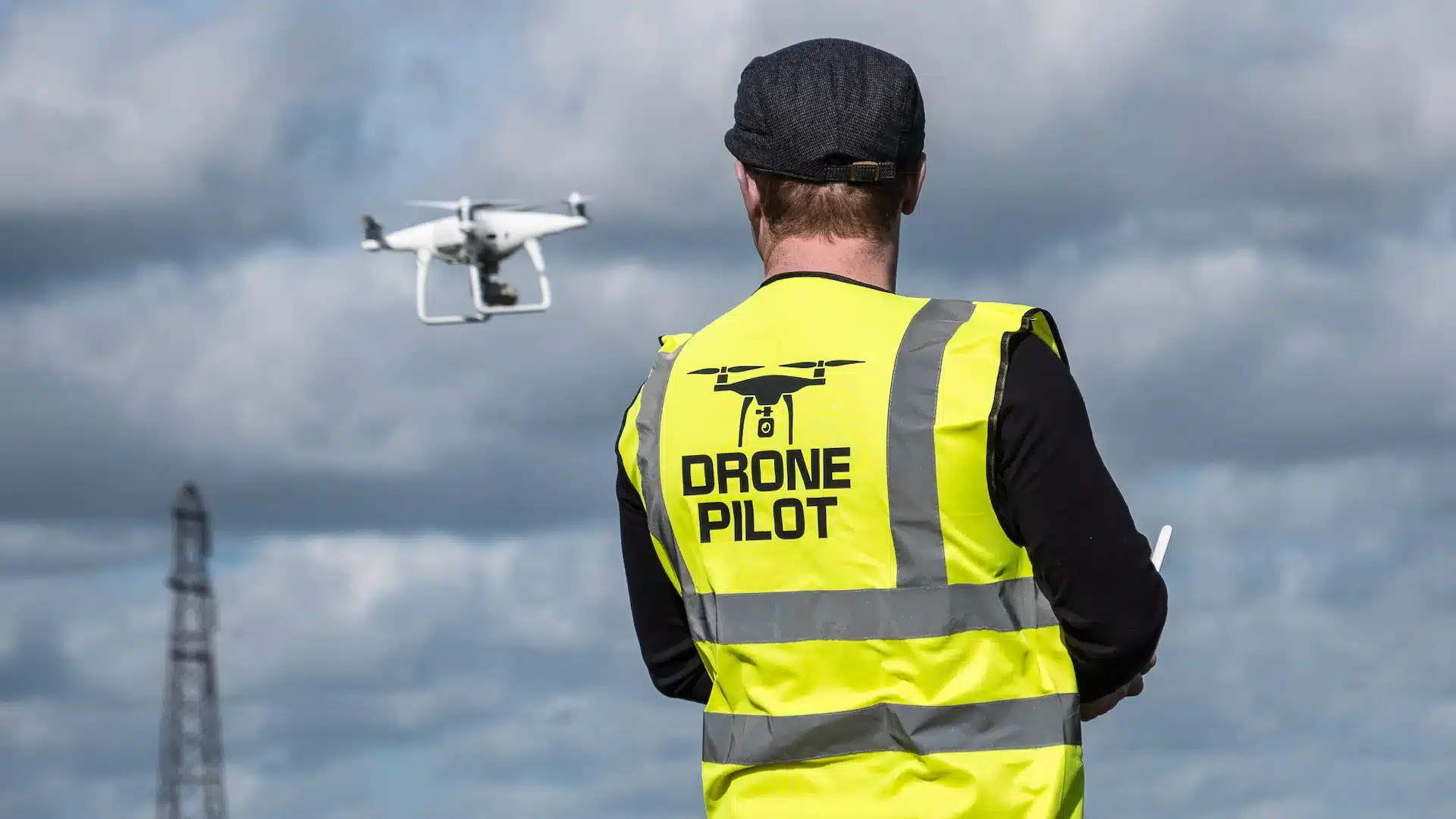
Through LocoRobo’s Drone Technician module, for example, students don a headset and explore tasks like diagnosing issues, testing circuits, and replacing propellers. Instead of simply reading about drone maintenance, they get a glimpse into what it feels like to be in that role.
Hands-On Learning Without Barriers
Not every school has the facilities for welding bays or robotics labs. Virtual Reality helps democratize access to hands-on VR experiences, giving students in rural or under-resourced districts a chance to explore STEM career pathways.
From precision agriculture to civil engineering, LocoRobo’s VR simulations allow students to safely explore over 20+ career fields, developing technical understanding, problem-solving skills, and career awareness in one accessible platform.
The Perfect Companion to Hands-On Training
When paired with physical lab work, VR enhances comprehension, boosts safety awareness, and shortens the learning curve. Students gain the “freedom to fail” in a risk-free environment, making mistakes virtually before facing real materials or equipment.
By the time they step into a physical lab, learners are more confident, better prepared, and ready to apply what they have already practiced in simulation.
Bringing It All Together
Virtual Reality training supplements, not replaces, hands-on learning. It creates a more complete educational model. One that combines visual, tactile,and experiential learning to prepare students for real-world careers.
With LocoRobo’s VR Career Exploration students gain exposure to a wide range of in-demand careers, from Drone Technician and HVAC Specialist to Cybersecurity Analyst and Civil Engineer, through immersive simulations that bring real-world roles to life. Each experience provides a window into what it’s like to work in that field, helping students understand job environments, responsibilities, and required skills before they commit to a career path.
Explore LocoRobo’s Virtual reality in education to see how immersive VR experiences can prepare your students for success in tomorrow’s workforce.