

For middle and high school students, career thinking does not start at graduation; rather, it begins when they can connect classroom learning to the real world. The earlier students explore different career paths, the better equipped they are to make informed choices about their futures.
At LocoRobo, we believe in building that bridge through hands-on learning, immersive technology, and experiences that mirror real-world challenges. Here are five ways educators can ignite career curiosity while building in-demand skills. Here are five practical ways to spark career curiosity in your students.
1. Hands-on Learning
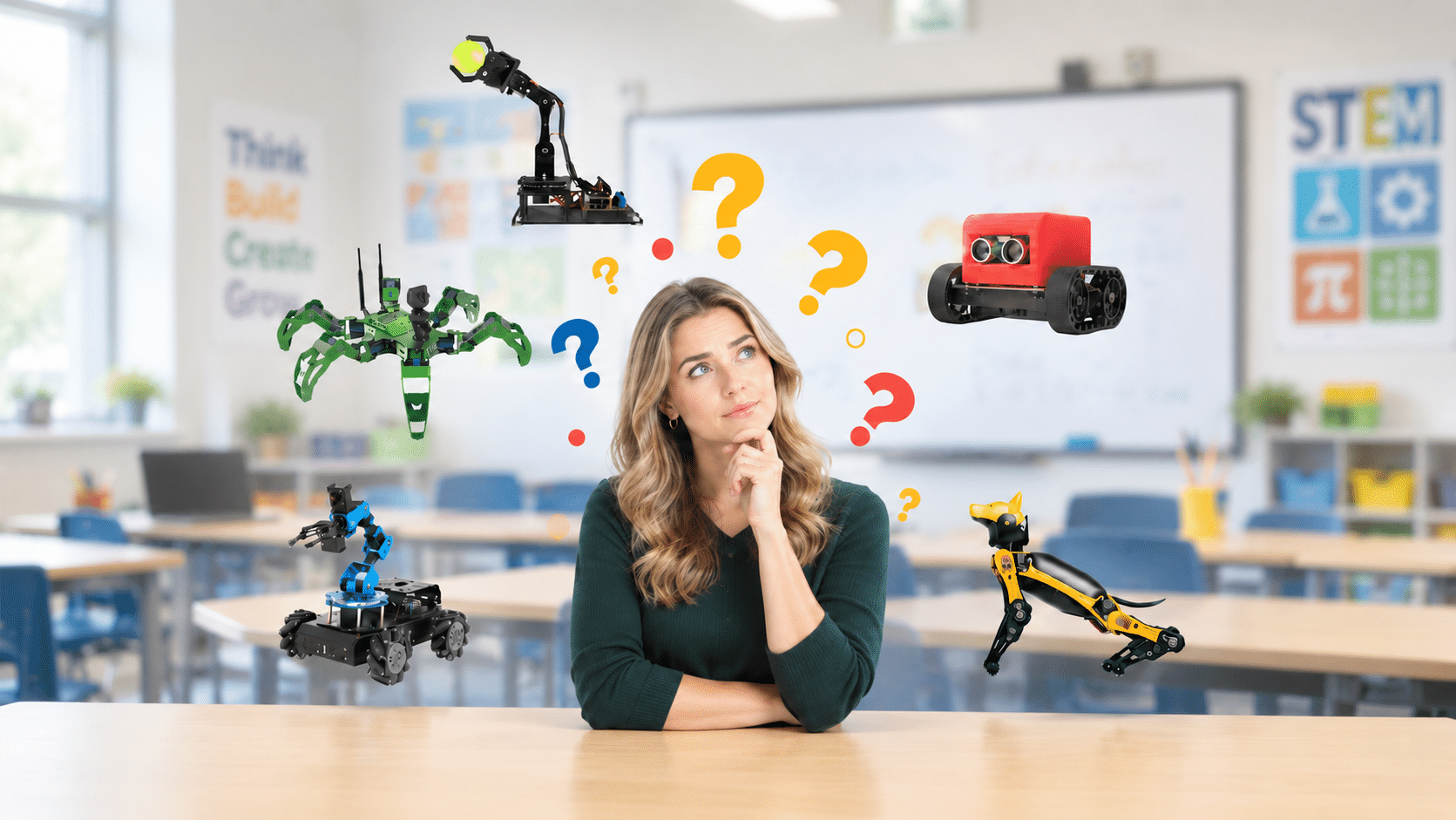
When students see how classroom concepts apply to real industries, their interest grows. Integrating hands-on learning, from coding a drone flight path to programming a robotic arm, shows how math, science, and problem-solving come alive outside textbooks. LocoRobo’s STEM curriculum is designed to help educators bridge these connections, making every project a window into potential career paths in engineering, AI, and beyond.
2. Real-World Skills for Tomorrow’s Careers
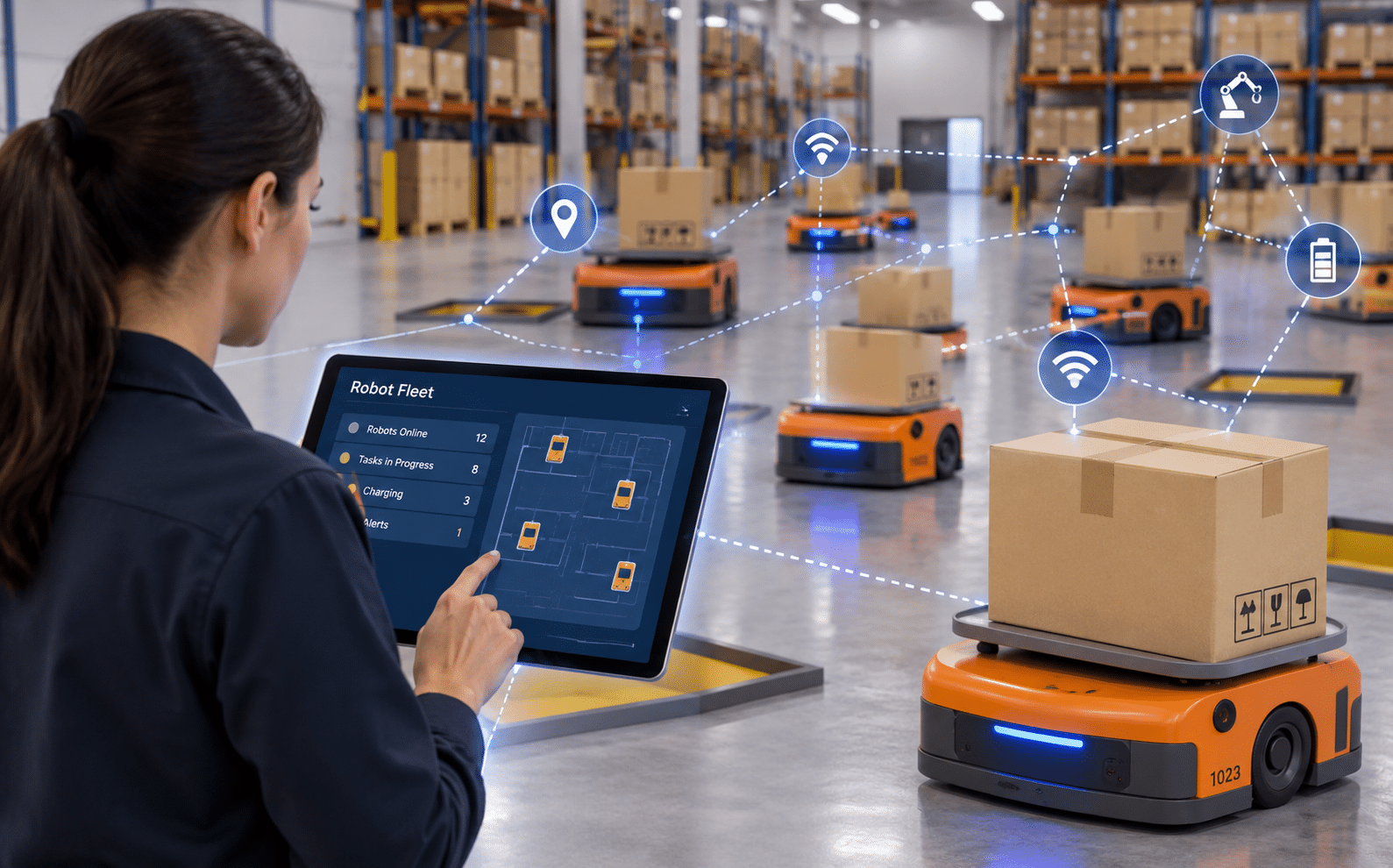
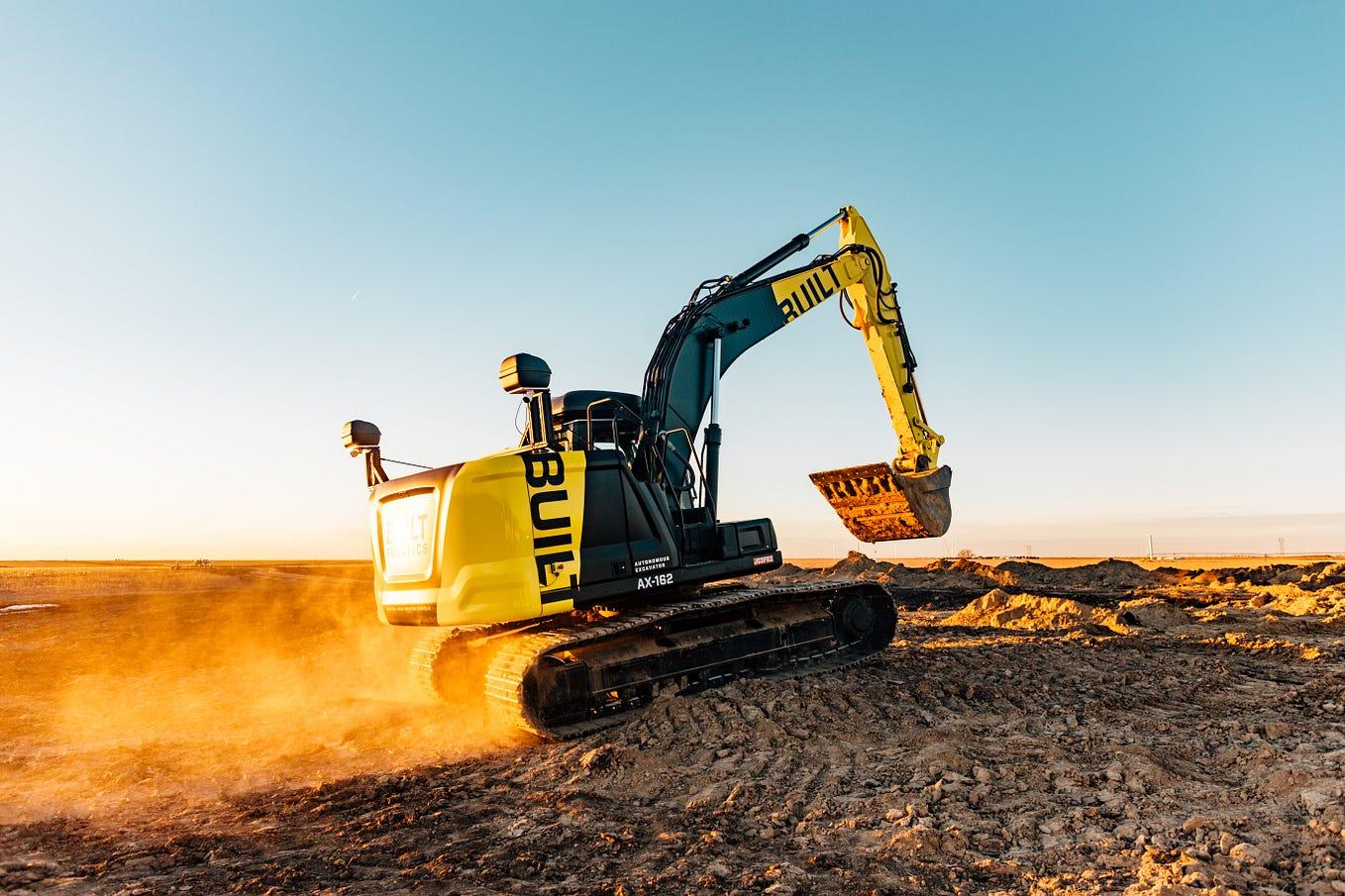
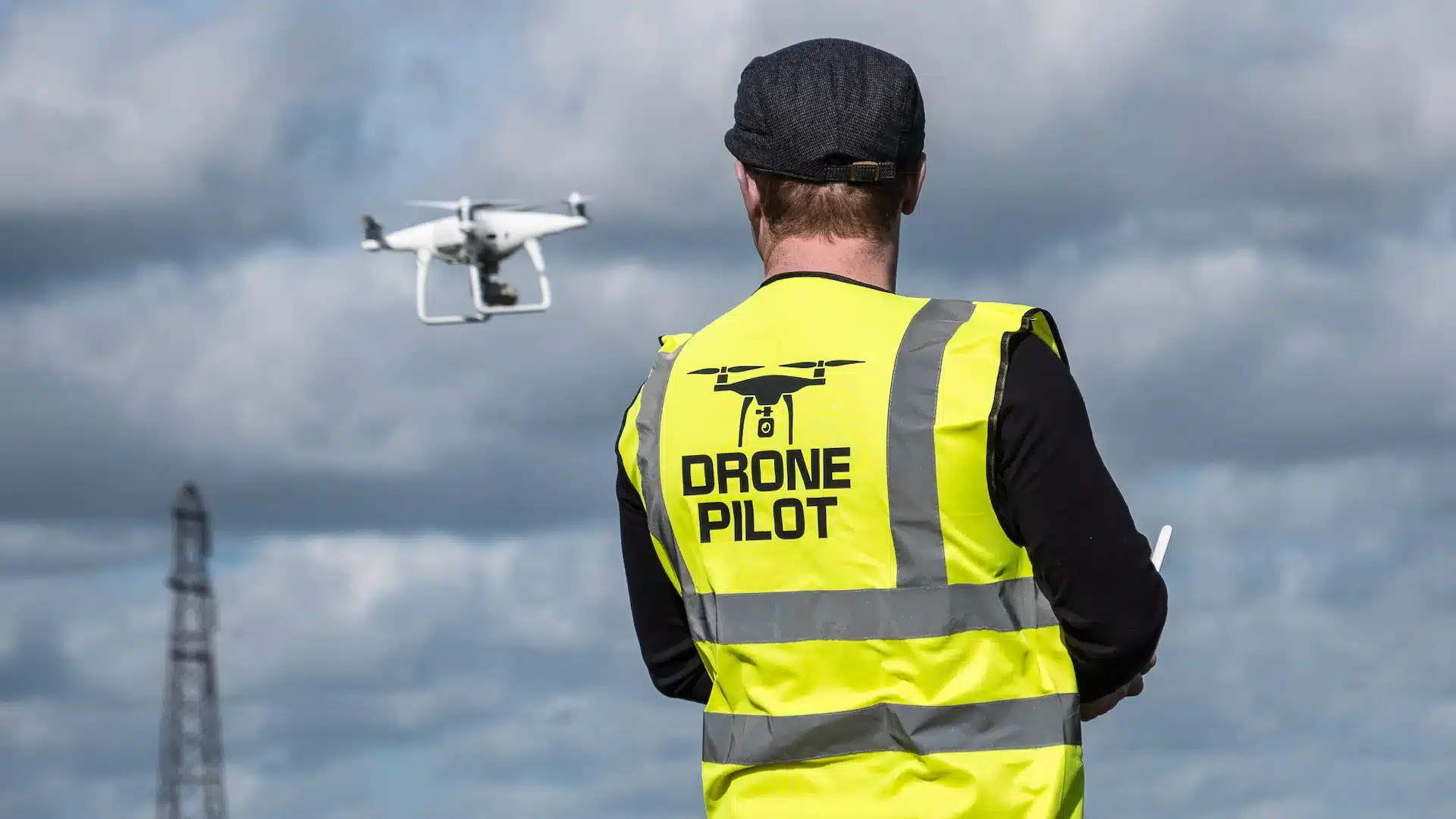
Emerging fields like drones, robotics, AI, esports, and cybersecurity open doors to a wide range of high-demand careers. Giving students early exposure to these tools builds technical skills and also helps them envision roles in industries like game development, environmental science, or network security. Even short activities such as mapping with drones or navigating a hexapod through a maze can spark lasting interest.
3. Offer Project-Based Learning Experiences
Career curiosity grows when students have ownership over their work. Project-based learning allows them to collaborate with peers, solve authentic challenges, and see tangible results. For example, students might design an autonomous maze-navigating robot using LocoXtreme that uses ultrasonic sensors for collision avoidance, or choreograph a synchronized light-and-sound “robot dance” coded entirely in Python. Students could also test an AI-powered chatbot for school event management, or create a machine learning model to analyze environmental data collected from drone flights with LocoRobo’s AI curriculum. These projects mirror real-world problem solving and help students connect classroom skills to meaningful career paths.
4. Highlight Career Pathways and Role Models
Students benefit from understanding how skills progress into careers. Show clear learning pathways, from beginner coding in middle school to industry certifications in high school, and share stories of professionals who work in these fields. Guest speakers, virtual industry tours, and alumni success stories can make career goals feel achievable.
5. Encourage Exploration Through Clubs and Competitions
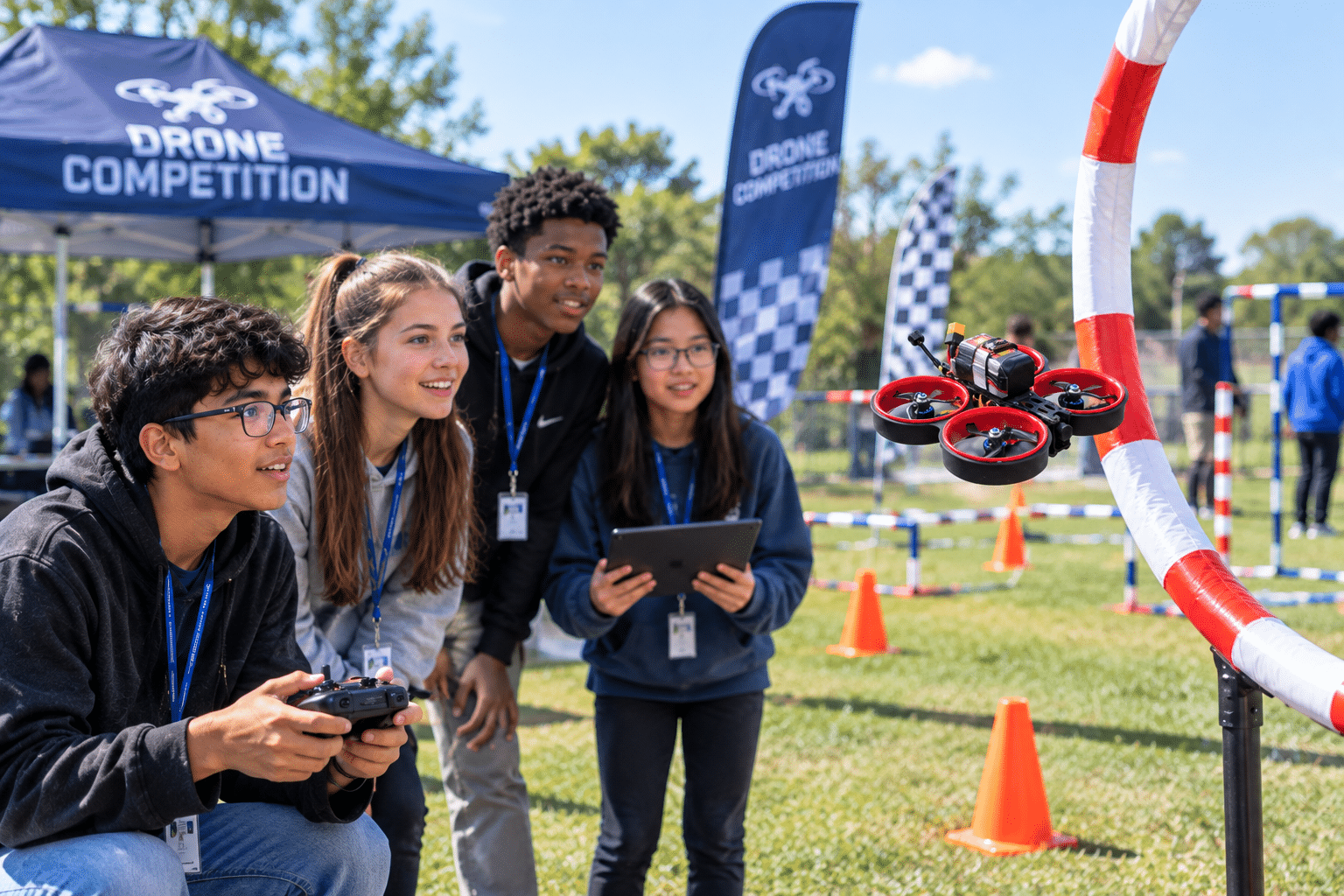
After-school programs and competitions create safe spaces for students to experiment with interests. For example drone racing challenges such as TryDrones, robotics clubs, esports tournaments, and cybersecurity challenges give students hands-on practice while building leadership, teamwork, and resilience. These experiences also help them discover passions they might not uncover in regular classes.
Career curiosity is about giving students opportunities to explore. By combining real-world technologies, hands-on projects, clear pathways, and engaging curriculum, educators can help students connect their skills to meaningful future possibilities.
With LocoRobo’s STEM curriculum kits, educators can integrate drones, robotics, AI, esports, and cybersecurity into learning experiences that prepare students for the careers of tomorrow. Request our CTE Planning Matrix: Match Programs to STEM-Based Career Interests to see how LocoRobo’s offerings align with high-demand careers and help you build a pathway from classroom skills to workforce readiness.