

For the first time, a surgical robot has autonomously performed a key phase of a gallbladder removal, without direct human control. Developed by researchers at Johns Hopkins University, the Surgical Robot Transformer-Hierarchy (SRT-H) marks a significant milestone in autonomous robotics, showing how machines can learn, adapt, and execute complex procedures with remarkable precision.
How the SRT-H Learned Like a Language Model
The Johns Hopkins team trained the SRT-H using a machine-learning approach similar to that used by large language models such as ChatGPT. Instead of learning to predict words, however, the robot learned surgical motions by analyzing video recordings of real procedures. Through this data-driven learning process, it gained the ability to identify patterns, refine techniques, and respond to spoken instructions similar to a surgical assistant following commands in real time.
When asked to “move the left arm one centimeter,” or “grasp the neck of the gallbladder,” the robot could execute precise adjustments. Its performance demonstrated mechanical accuracy as well as contextual understanding, adapting to each variation during simulated operations on lifelike patient models.
A Shift Toward Autonomous Decision-Making
Traditional surgical robots rely entirely on human control through sophisticated joysticks and camera systems. These systems enhance precision but still depend on a surgeon’s direct input. The SRT-H moves beyond that boundary. It executes commands, interprets them, plans actions, and self-corrects when conditions change.
In earlier experiments, Johns Hopkins’ Smart Tissue Autonomous Robot (STAR) performed laparoscopic surgery on animals under controlled conditions. But with SRT-H, the robot learned to handle unpredictable situations, altered anatomy, different starting positions, or obscured visuals, and still completed the task successfully.
As study coordinator Axel Krieger noted, this progress represents a turning point: robots are learning to function in “the often chaotic and unpredictable reality of actual patient care.”
What This Means for the Future of Robotics and Education
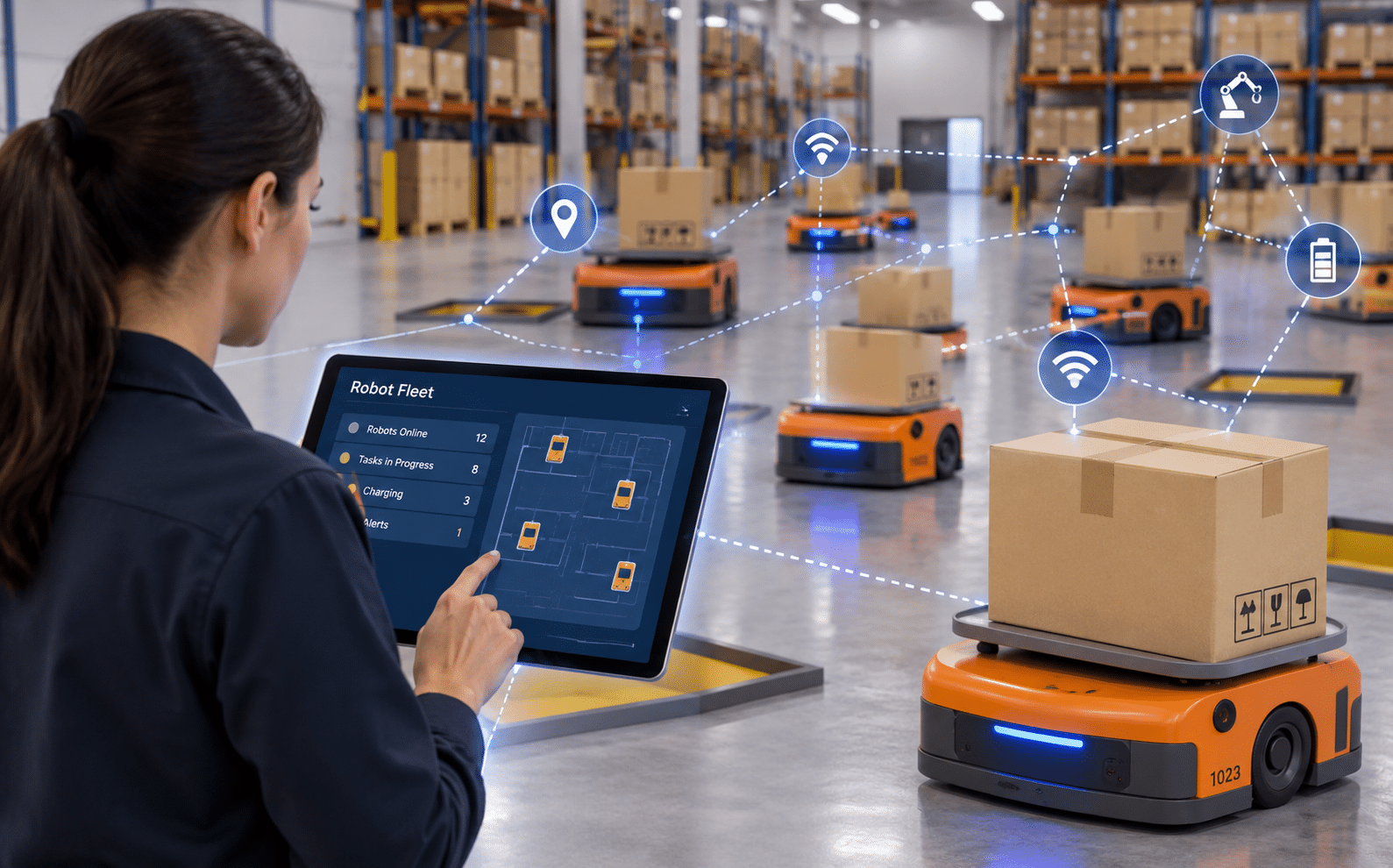
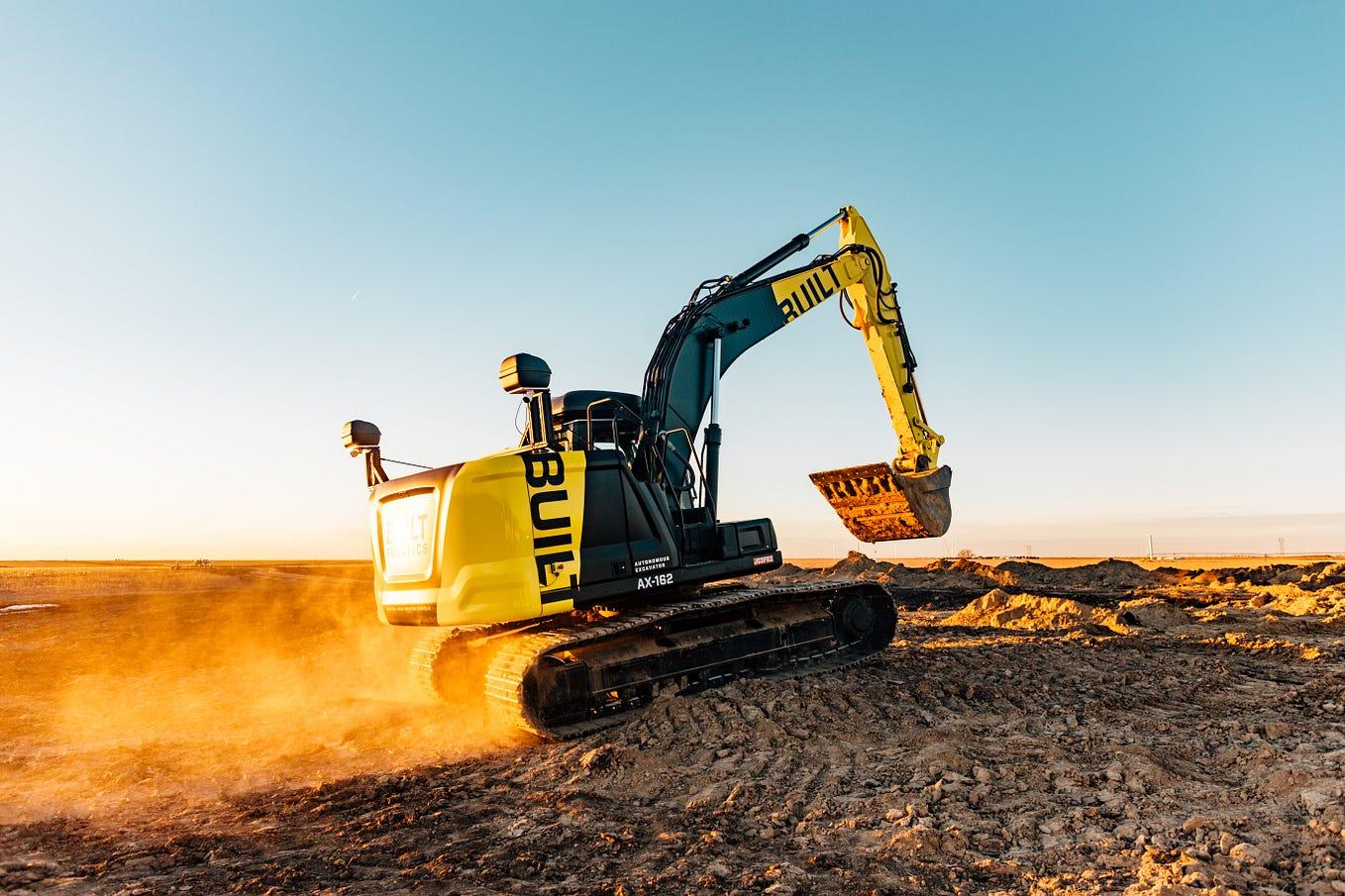
Although fully autonomous surgery is still years away, this development signals how artificial intelligence and robotics are converging to create adaptive systems that can learn from experience. The same principles apply across many industries, including education, logistics, and manufacturing.
For students, this moment demonstrates how AI-enabled robotics will shape the next generation of engineering and healthcare innovations. Teaching robotics in schools today is about preparing learners to design, code, and manage intelligent systems capable of decision-making and problem-solving in real-world environments.
Bringing Autonomous Learning to the Classroom
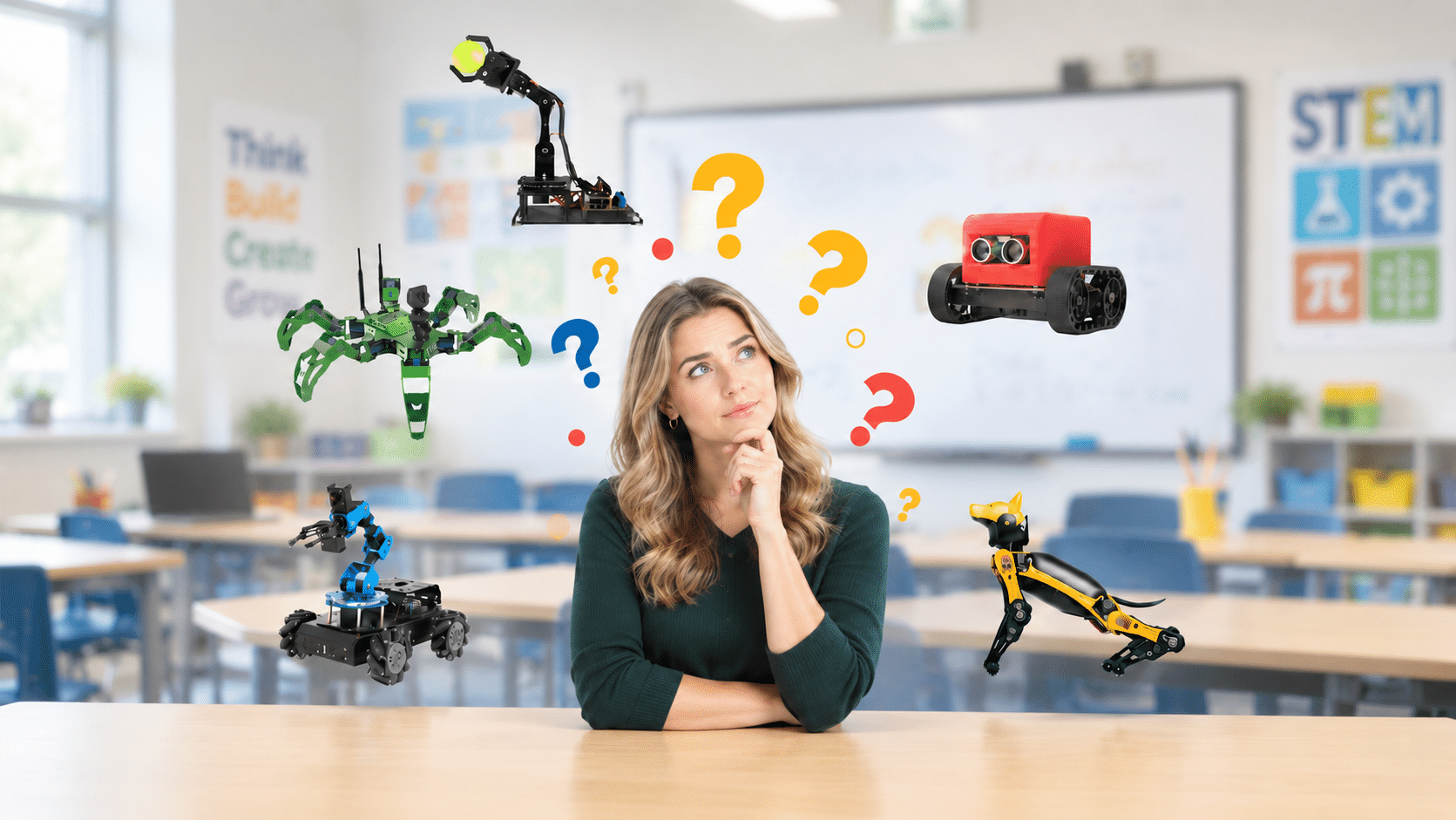
Just as autonomous robots like Johns Hopkins’ SRT-H are reshaping the operating room, LocoRobo’s AI and robotics solutions help students understand how intelligent machines learn, adapt, and solve real-world problems.
Through hands-on codable robotics kits and standards-aligned curriculum, K–12 learners explore the same foundational principles driving breakthroughs in AI and automation.
For high school students ready to go deeper, LocoAI: Advanced AI Tools for High School Students introduces the next level of learning. This course empowers students to apply AI concepts in robotics, computer vision, neural networks, and automation while coding in Python.
Designed for seamless classroom integration, LocoRobo’s robotics and AI curriculum empowers teachers to bring coding, robotics, and AI learning to every grade level, building pathways to future-ready skills. Discover now.