
EverythingTeachers shape more than academic skills. They shape how students handle challenges, approach problems, and make sense of the world. When students learn to question, test, revise, and keep going, they begin developing the habits that define a strong STEM mindset. This mindset is shaped by the learning environment, the experiences students are given, and the guidance of the teacher standing in front of them.
At LocoRobo, we often say that behind every confident learner is a teacher who first sparked that curiosity. These Teacher Champions play a key role in helping students see themselves as capable thinkers who can take on challenges and grow through hands-on learning.
What a STEM Mindset Really Means
A STEM mindset combines persistence, curiosity, and reasoned decision-making. Students learn to:
- Ask questions and test ideas
- Try different methods when the first one does not work
- Use evidence instead of guesses
- Reflect on mistakes without feeling discouraged
- Break big problems into smaller steps that they can manage
This mindset helps students look beyond getting the “right answer.” Instead, they focus on the process. They learn that progress often happens through small adjustments that lead to deeper understanding.
How Teachers Model a STEM Way of Thinking
Students notice how their teachers approach challenges. When educators think aloud, share their reasoning, or adjust their approach mid-lesson, students see that problem-solving is an active process.
Teachers model a STEM education mindset when they:
- Use inquiry-based learning that starts with a real question
- Encourage students to pause, review, and try again
- Celebrate effort and reasoning instead of speed
- Share moments when they also refine or rethink something
- Guide students to see early attempts as opportunities
When educators create environments where curiosity is supported and mistakes are part of learning, it shows students that problem-solving is something anyone can grow through practice.
Helping Students Build Confidence Through Hands-On Exploration
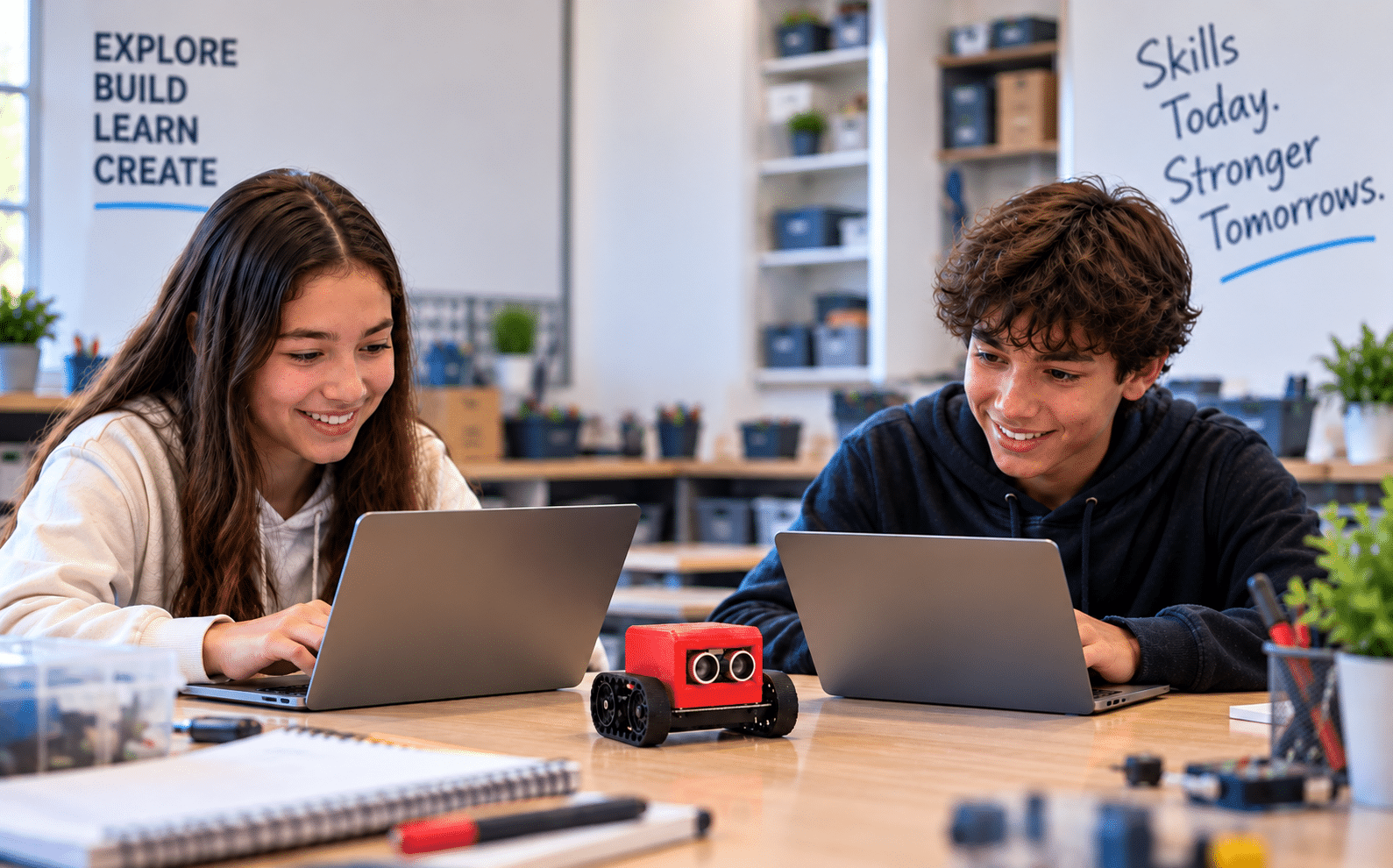
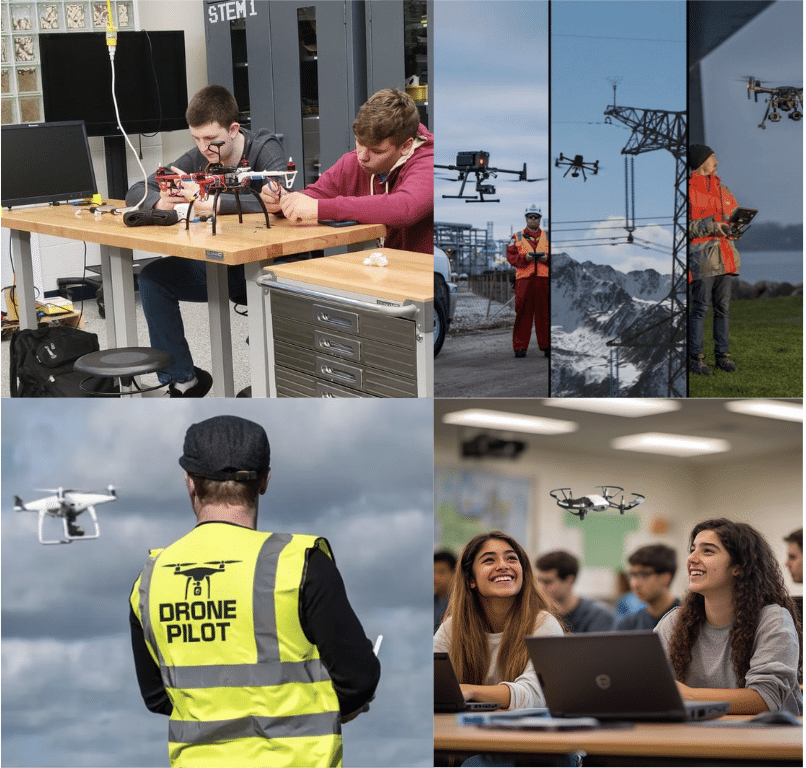
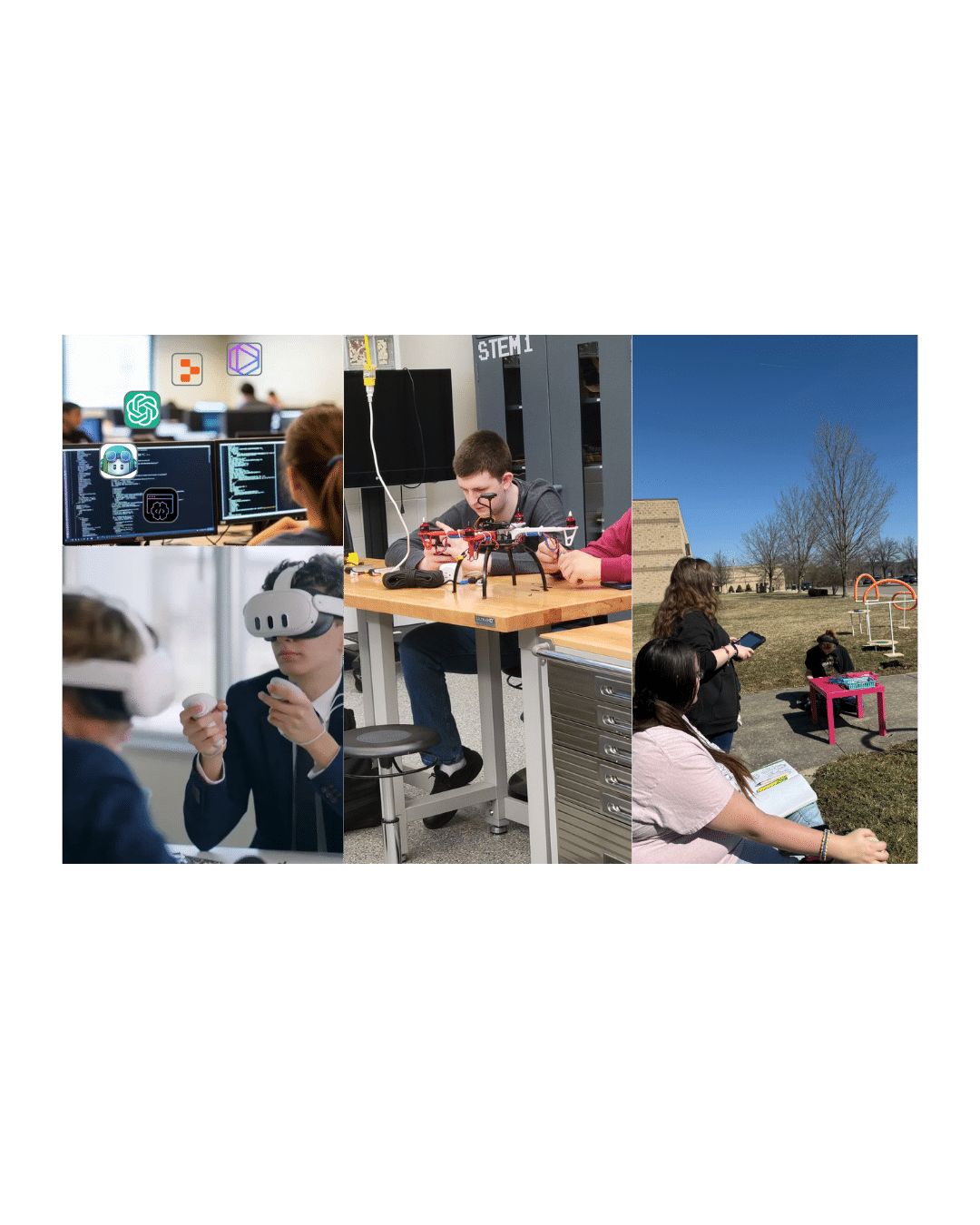
Hands-on learning helps students practice STEM thinking in meaningful ways. Whether they are programming a robot, coding a drone flight path, or building a simple circuit, the process engages them on multiple levels. They see the immediate results of their decisions, and they modify their choices in real time.
Connecting Classroom Thinking to Real Experiences
One of the strongest ways to build a STEM mindset is to help students see how their thinking applies to real situations. They can collect data, observe patterns, and create solutions that mirror what scientists and engineers do in the world. These experiences show students that their thinking matters. When they solve problems with purpose, they grow both their skills and their beliefs about their own abilities.
Normalize Iteration and Productive Struggle
A STEM mindset depends on resilience. Students learn more when they work through setbacks than when everything functions on the first try. When teachers treat errors as part of the learning cycle, students begin to view mistakes as information rather than failure. This shift helps students build the confidence they need to keep going. A supportive teacher who praises effort and improvement gives students the courage to stay with a problem longer.
Give Students Ownership Over Their Process
Choice builds confidence. When students decide how to approach a task, what tools to use, or how to test their ideas, they feel responsible for the outcome. Teachers can create small moments of ownership through design challenges, coding tasks, engineering builds, or data investigations. These experiences help students think like problem-solvers and develop the habits that define a STEM mindset.
The Lasting Impact of a STEM Mindset
Every student who grows into a confident thinker often points to the teacher who believed in them first. Teacher Champions are not defined by the tools they use. They are defined by the way they guide students through questions, discoveries, and breakthroughs. They help students trust the learning process. They also set the tone that curiosity is welcome, persistence is expected, and every student is capable of meaningful progress. The STEM mindset is nurtured by the steady influence of teachers who model patience, problem-solving, and a belief in what students can achieve.
How Teachers Nurture a STEM Mindset in the Classroom
LocoRobo supports educators with hands-on K12 robotics, drone curriculum, AI, and STEM programs designed to strengthen problem-solving and deepen engagement. Our STEM curriculum kits make it simple for teachers to bring real projects into the classroom while building confidence in students through STEM career exploration and discovery.
Everything we create is designed to help educators guide students through meaningful STEM learning, from structured curriculum to teacher-friendly training.
Explore how LocoRobo can support your classroom and help you nurture confident, capable problem solvers.