

Education continues to evolve as new tools, teaching models, and technologies redefine how students learn and apply knowledge. One of the most important distinctions in learning theory, passive vs. active learning shapes how effectively students retain information, think critically, and prepare for real-world problem solving.
Understanding Active and Passive Learning
Both passive and active learning have roles in education, but their impact on engagement and skill development can differ greatly.
Passive learning occurs when students receive information through lectures, readings, or videos. The process is teacher-centered, efficient for content delivery, and useful for introducing new material. However, it often limits students to observation rather than participation, leading to lower retention and engagement.
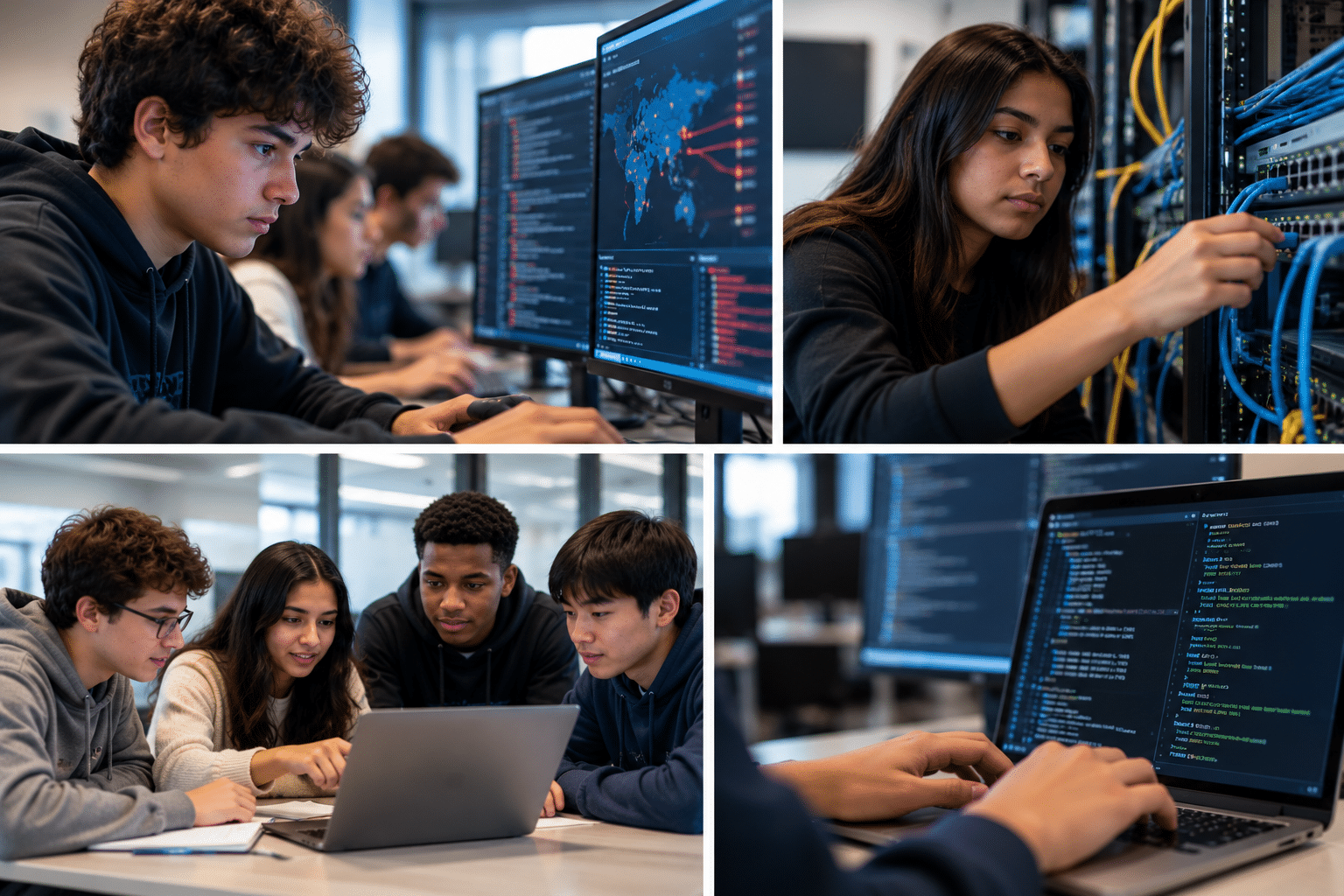
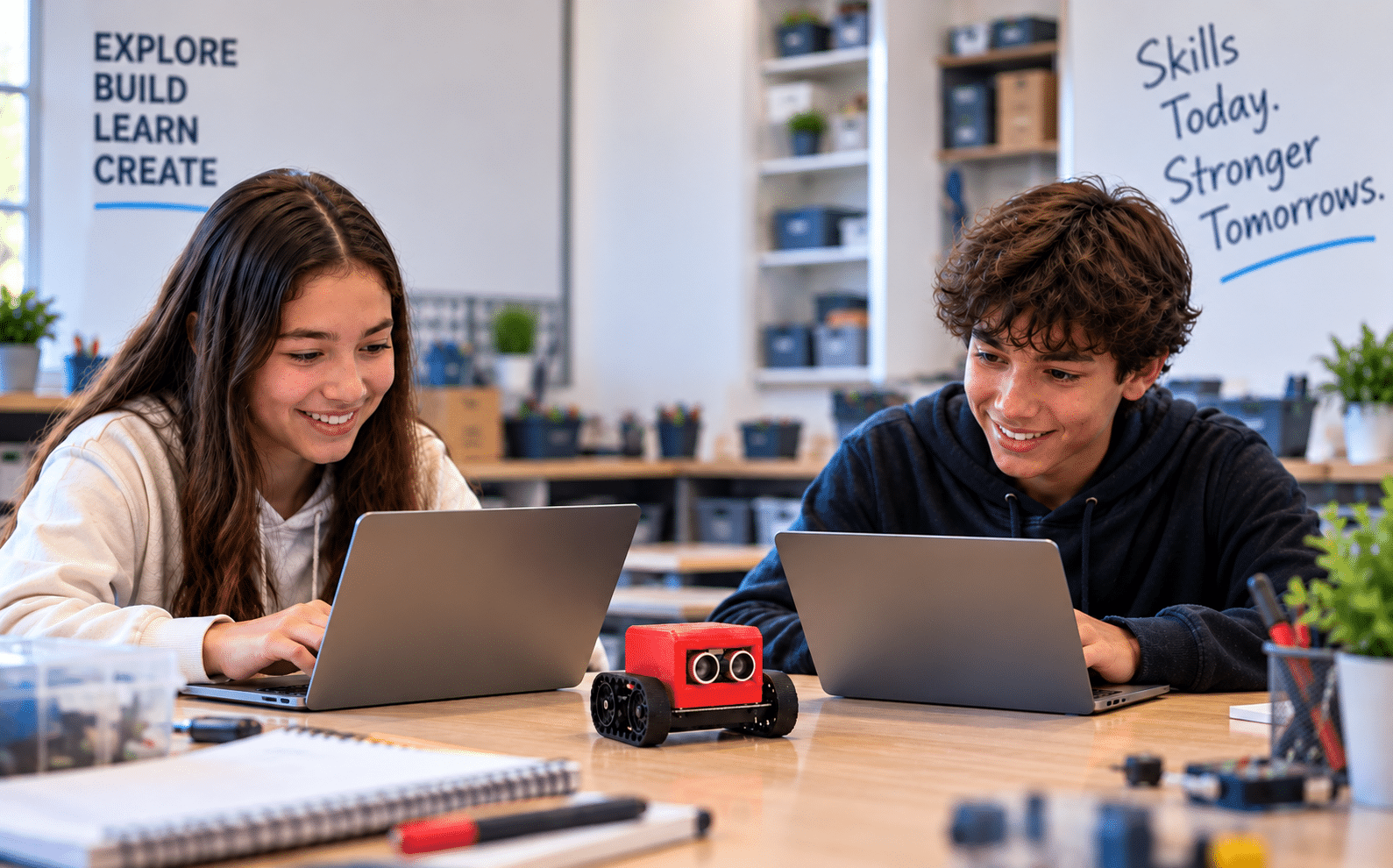
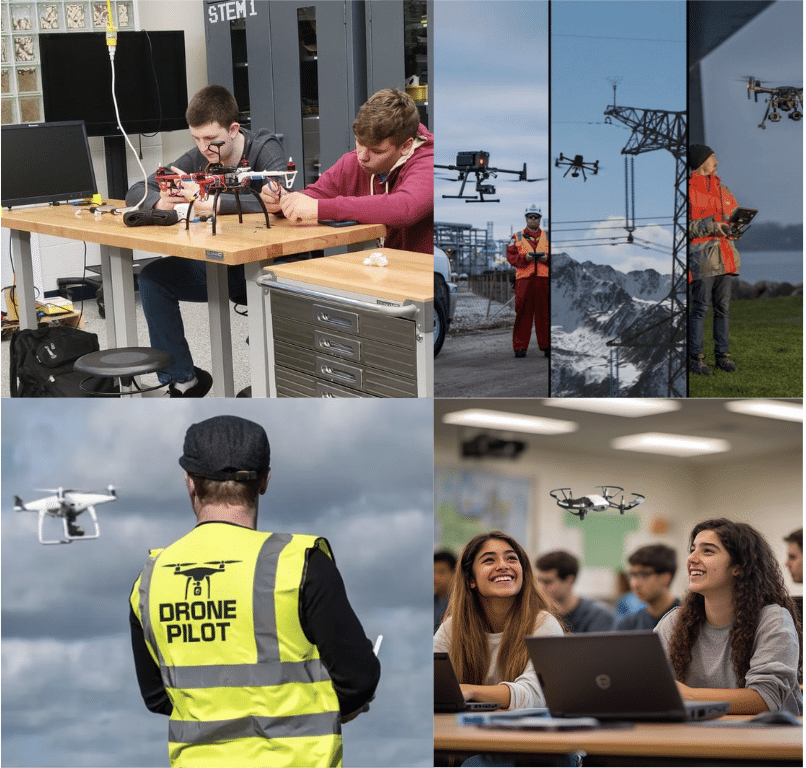
Active learning, by contrast, involves students directly in the process. Whether they are coding a robot, analyzing data, or programming a drone, learners must apply their understanding to complete tasks. This hands-on approach develops critical thinking, communication, and collaboration, skills essential for success beyond the classroom.
As Dr. Keith Lyle, a learning sciences researcher, puts it: “The key to success and enjoyment during learning is allowing the learner to actively engage with, rather than passively receive, new knowledge.”
How Technology Bridges the Two
Modern educational technology bridges passive and active learning, offering tools that both inform and immerse.
- Passive learning tools like digital textbooks, video lectures, and podcasts give students flexible access to foundational knowledge.
- Active learning tools, from virtual reality simulations to programmable drones and interactive coding platforms, take that knowledge further, allowing students to practice concepts, test hypotheses, and see real-time outcomes.
Studies show that students learn and retain more when they interact with material through simulation or creation rather than simply consuming it. For instance, VR-based learning environments can simulate complex systems or environments, helping students visualize and practice real-world scenarios safely and effectively.
Building Essential Skills Through Active Learning
When learners engage actively through technology-driven experiences, they build skills that extend far beyond academic knowledge:
- Problem-Solving: Experimenting with variables in a robotics simulation or drone flight builds resilience and critical thinking.
- Confidence: Seeing immediate results from their own actions, whether flying or coding a drone, or programming a robot, reinforces self-efficacy and motivation.
Collaboration: Team-based activities, such as esports tournaments or drone competitions, encourage peer learning and communication. - Adaptability: Real-time feedback from AI-powered learning tools teaches students to adjust and refine their approach.
The Power of Blended Learning
While active learning offers significant benefits, the best classrooms often blend both methods. A blended learning approach introduces concepts through lectures or digital content, then transitions to interactive practice. This balance allows students to absorb foundational knowledge and then reinforce it through experimentation.
For example, a student might first watch a video explaining how a drone stabilizes its flight (passive learning), then use a coding platform to modify the drone’s flight path (active learning). This mix deepens comprehension and promotes long-term retention.
How LocoRobo Makes Learning Active
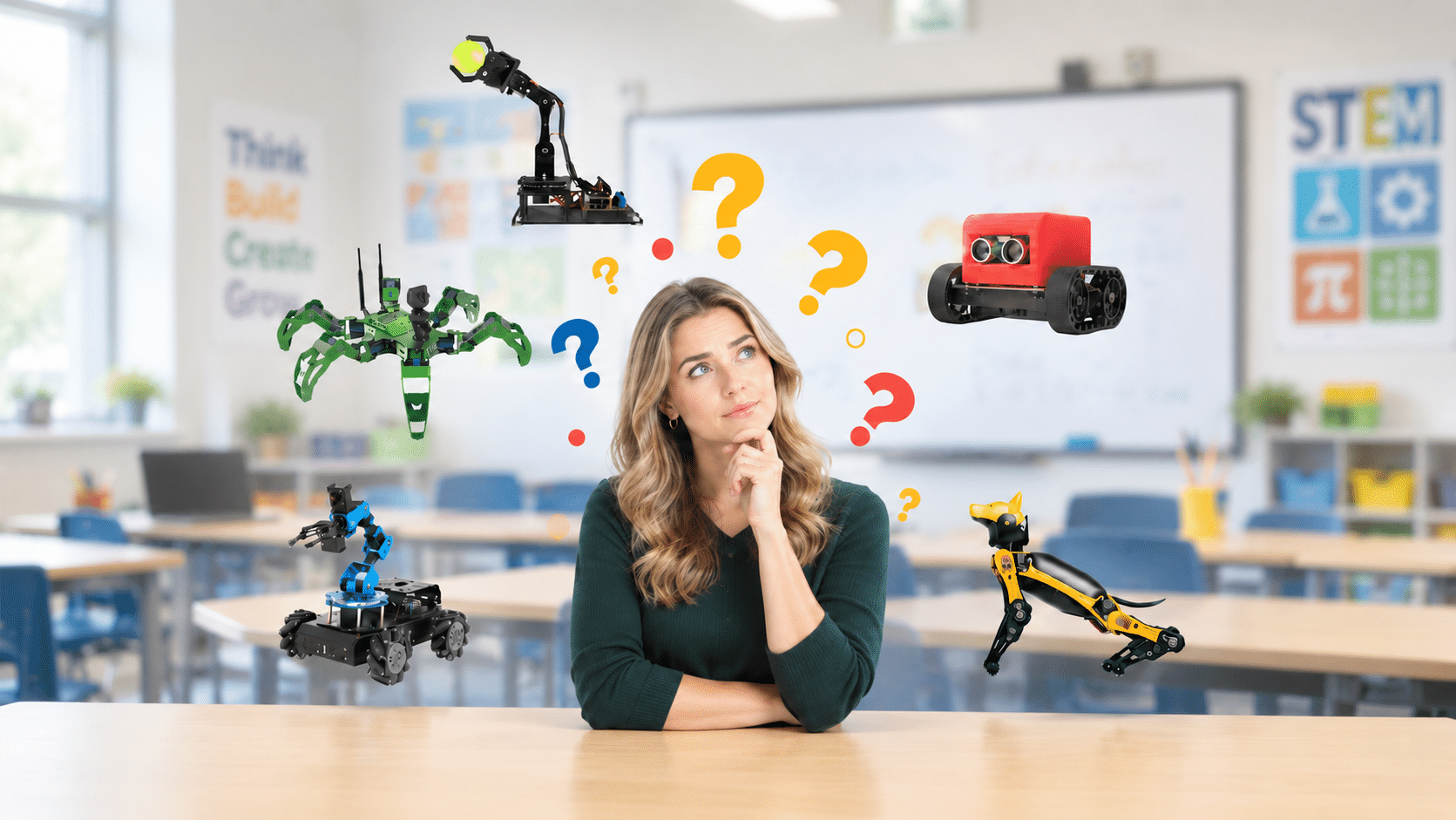
At LocoRobo, active learning is at the heart of every program. Our hands-on STEM solutions engage students in meaningful exploration, where learning, coding, and creativity intersect.
Through these interactive tools, students move from passive observers to active creators, developing essential learning skills that prepare them for future academic and career success.
Explore how active learning can thrive in your classroom. Request a demo today.