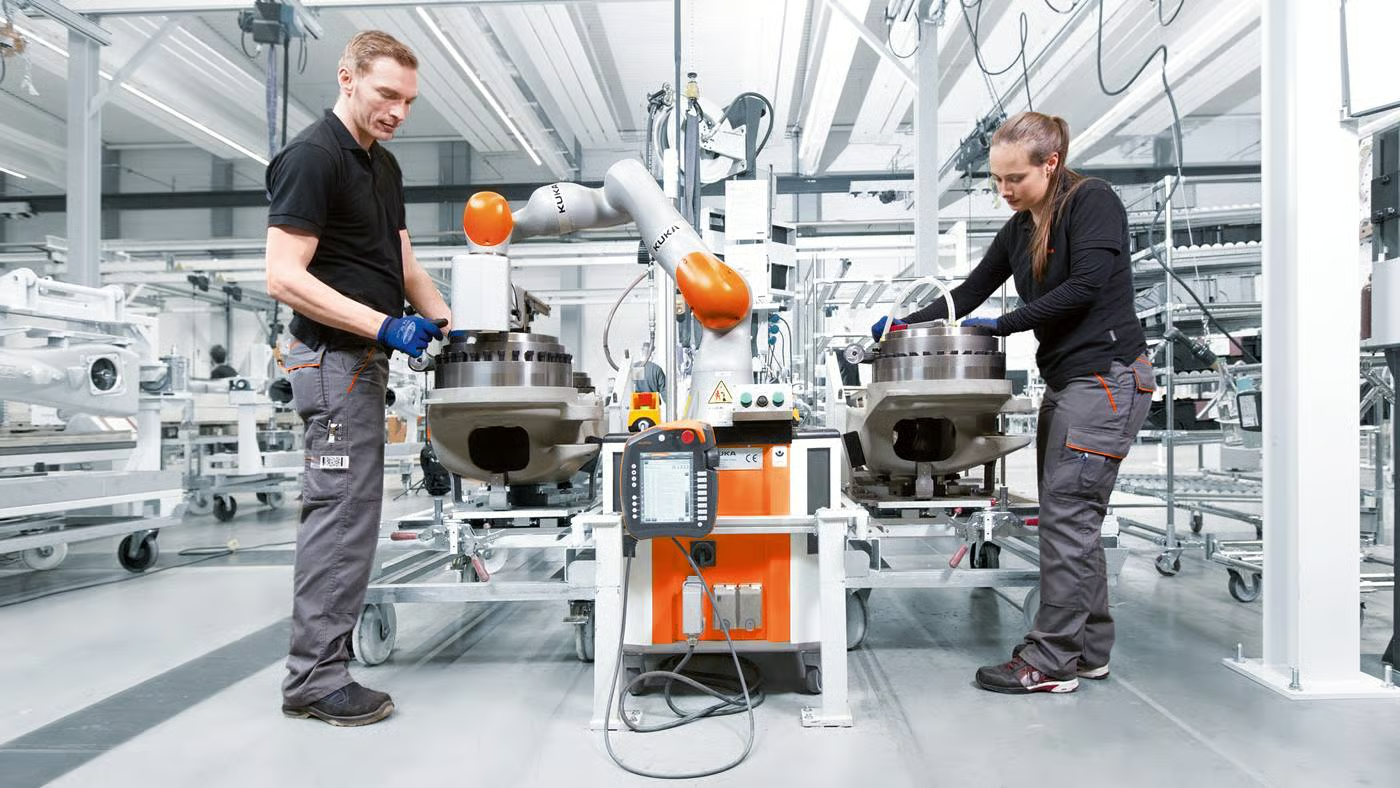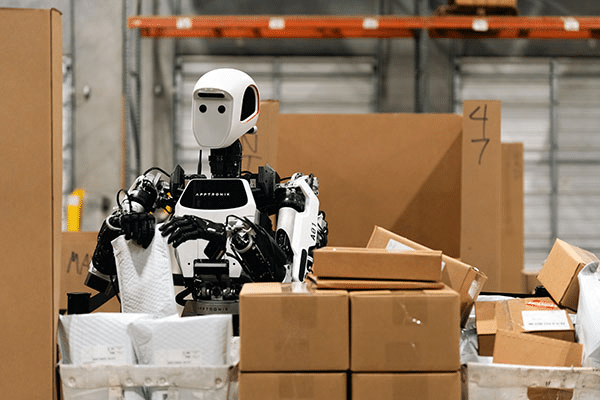


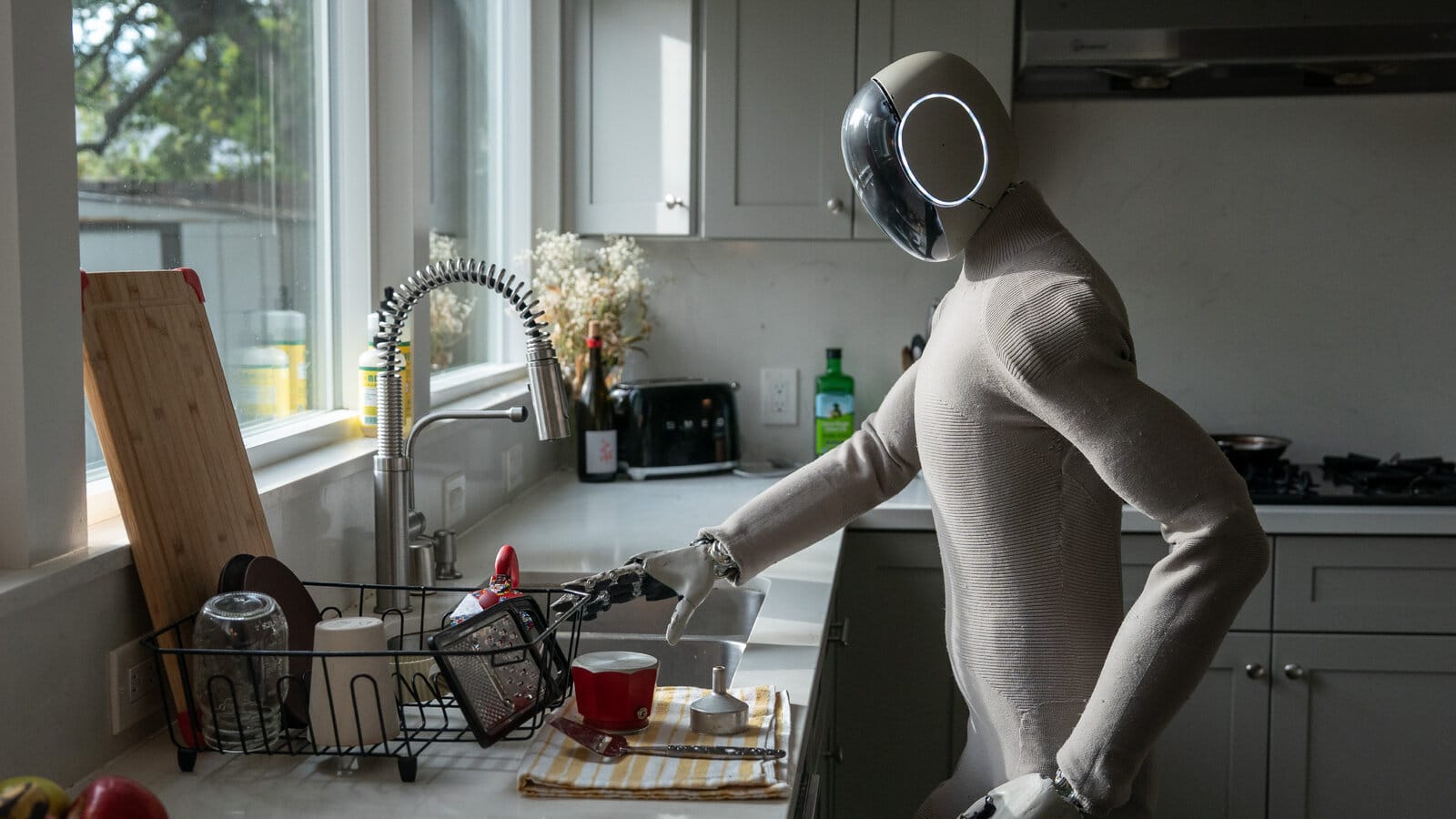
Robotics systems have long succeeded in structured environments where every movement, object, and process is carefully controlled. Factory robots repeat the same tasks thousands of times with precision because the environment around them rarely changes.
Homes are different.
A typical household contains cluttered spaces, moving people, changing lighting conditions, objects placed in unexpected locations, and tasks that require reasoning rather than repetition. Even simple activities for humans, like putting dishes away or cleaning a kitchen counter, involve constant decision-making.
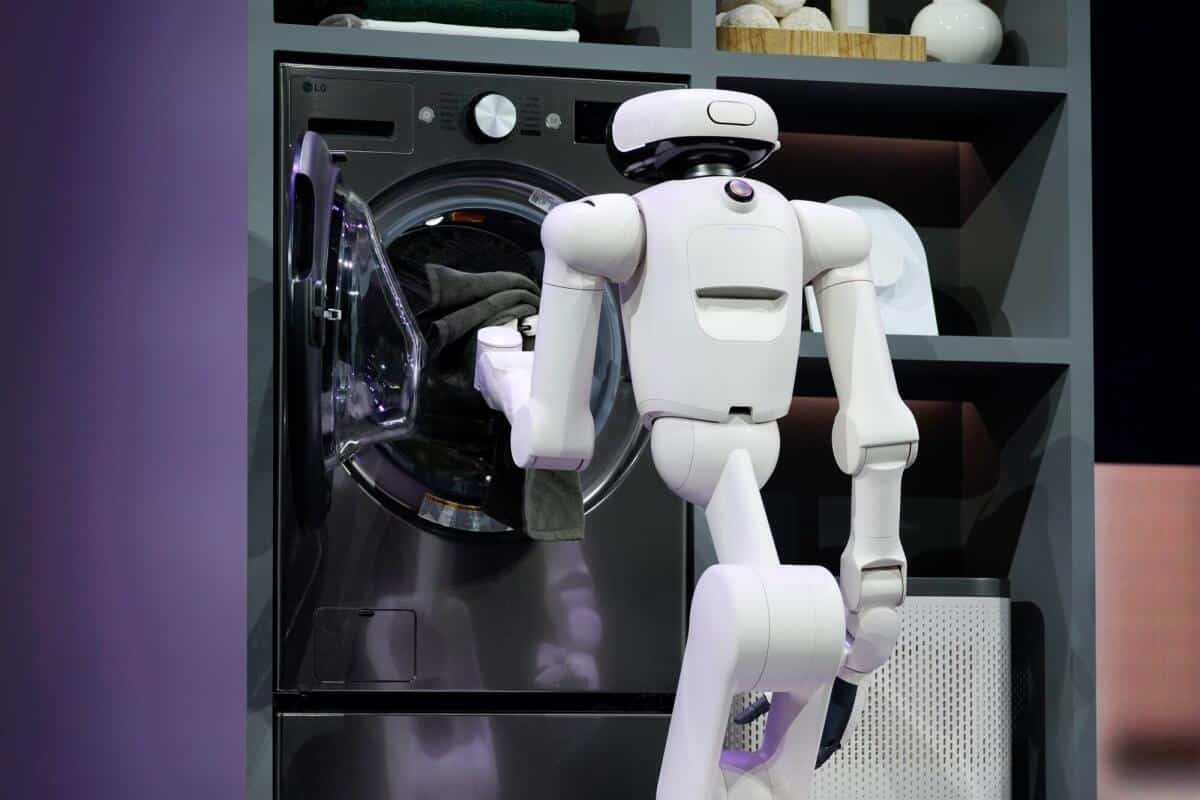
Researchers at the University of Maryland are now working to solve these challenges through a major robotics initiative focused on AI-driven household robotics systems powered by Nvidia technology.
The project aims to help robots operate more effectively in unpredictable real-world environments while improving their ability to reason, adapt, and complete multi-step tasks autonomously.
Why Household Robotics Is So Difficult
For robotics systems, homes represent one of the most challenging environments possible.
Industrial robots often work with:
- Fixed positions
- Controlled lighting
- Predictable movements
- Identical objects
- Limited variables
Homes introduce the opposite:
- Objects constantly move
- Humans interrupt workflows
- Rooms change throughout the day
- Tasks vary significantly
- Objects differ in shape, size, texture, and placement
A robot loading a dishwasher may need to:
- Recognize glass, plastic, and metal items
- Understand where each item belongs
- Avoid collisions
- Adjust to missing or misplaced objects
- Re-plan actions if something changes mid-task
This level of adaptability requires far more than basic automation.
Building “Foundation Models” for Robotics
At the center of the University of Maryland project is the development of robotics foundation models.
These are large-scale AI systems designed to combine:
- Perception
- Planning
- Motion control
- Reasoning
- Decision-making
Instead of programming a robot for one narrowly defined task, foundation models aim to help robots transfer knowledge across multiple environments and activities.
This is an important shift in robotics development.
Rather than teaching a robot only how to complete one action repeatedly, researchers are working toward systems capable of understanding broader concepts and applying them to unfamiliar situations.
For example, a robot that learns how to organize one kitchen may eventually adapt those skills to completely different home layouts.
HomeGraph: Helping Robots Understand Their Environment
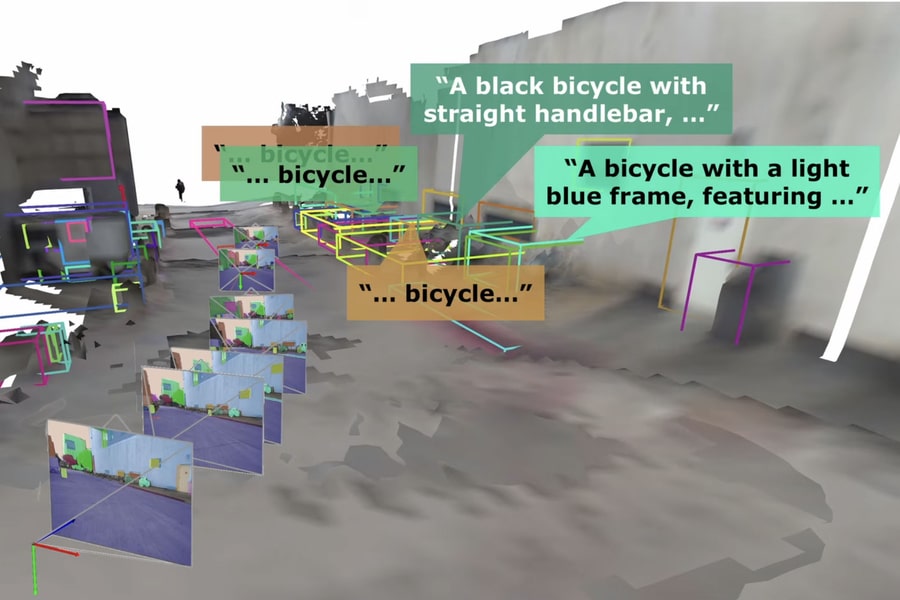
One of the most important parts of the project is a framework called HomeGraph.
HomeGraph helps robots create structured internal representations of household spaces using:
- Spatial relationships
- Motion understanding
- Object placement
- Tool interactions
- Task sequencing
The framework combines scene graphs and motion-based learning to help robots understand concepts such as:
- “Inside”
- “On top of”
- “Behind”
- “Next to”
- “Near the sink”
This allows robots to create multi-step action plans while continuously updating decisions as conditions change.
If a robot encounters an obstacle, HomeGraph may allow it to revise its strategy in real time rather than restarting the task entirely.
Simulation Is Accelerating Robotics Training
Training robots in real homes is expensive, slow, and difficult to scale.
To address this, the Maryland research team is using Nvidia Isaac, a robotics simulation platform that creates photorealistic virtual environments.
These simulations allow robots to:
- Practice millions of task variations
- Learn from synthetic data
- Test rare scenarios safely
- Improve decision-making
- Generalize skills across environments
To reduce the amount of physical trial-and-error required for training, simulation has become increasingly important in robotics.
The more environments a robot experiences virtually, the more adaptable it may become when operating in real-world settings.
AI and Natural Language Commands
Researchers are also exploring how large language models and vision-language models can improve human-robot interaction.
Instead of issuing rigid commands, users may eventually communicate with robots using natural language.
Commands such as:
- “Put away the groceries”
- “Clean up the kitchen after dinner”
- “Organize the living room”
could be translated into structured robotic action plans.
This requires the programmable robot to:
- Interpret human intent
- Break large goals into smaller tasks
- Understand objects and environments
- Adjust actions dynamically
These developments represent a growing connection between robotics and generative AI systems.
What This Means for the Future of Robotics
The implications extend far beyond household automation.
Research like this may eventually influence:
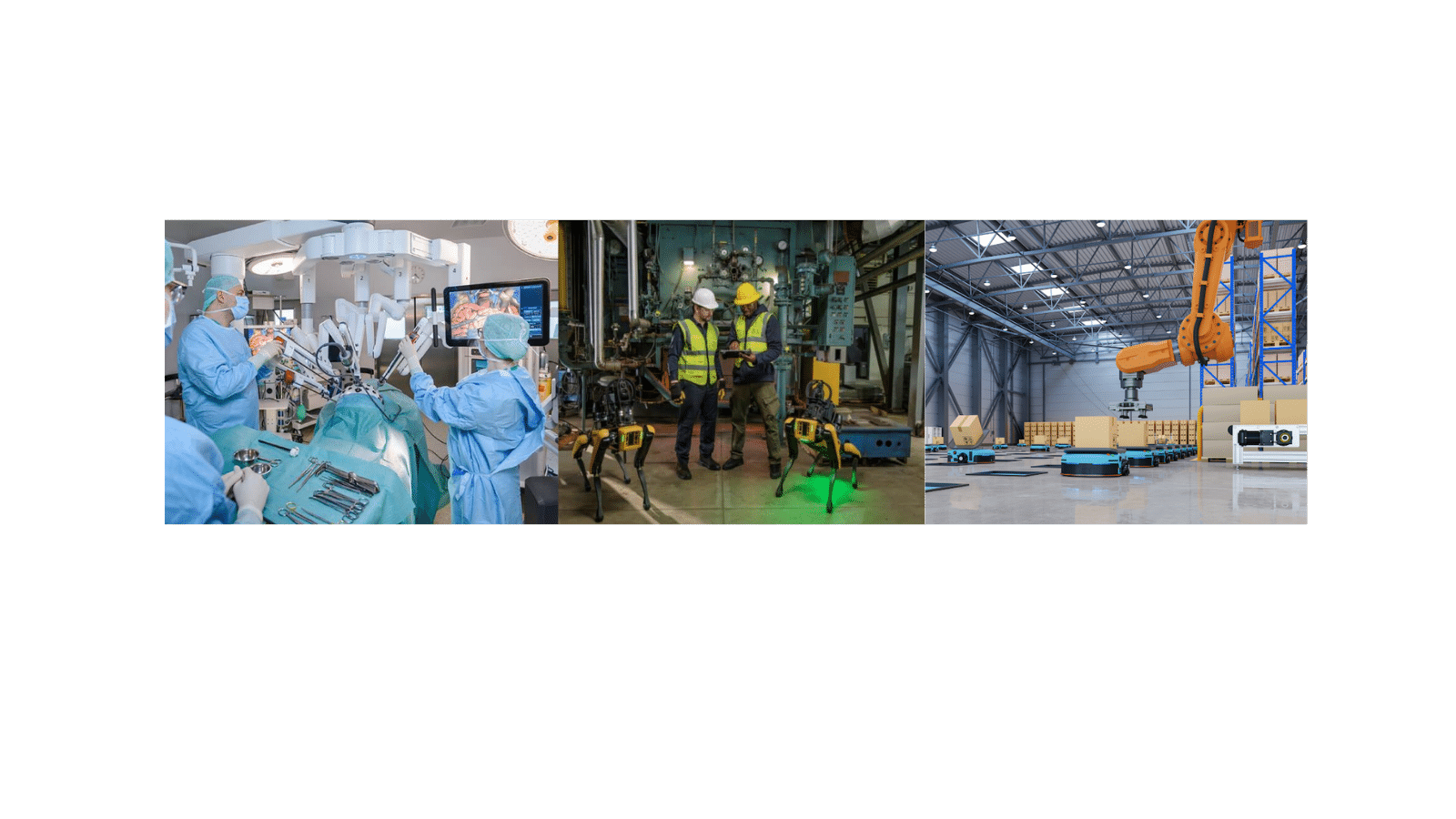
- Elder care robotics
- Hospital support systems
- Rehabilitation assistance
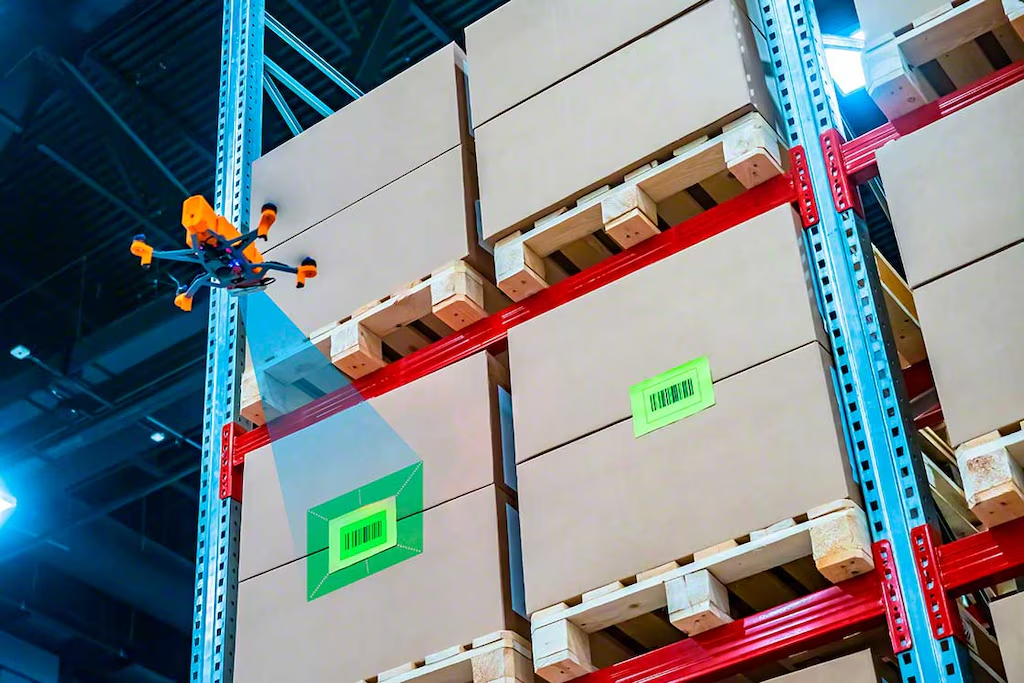
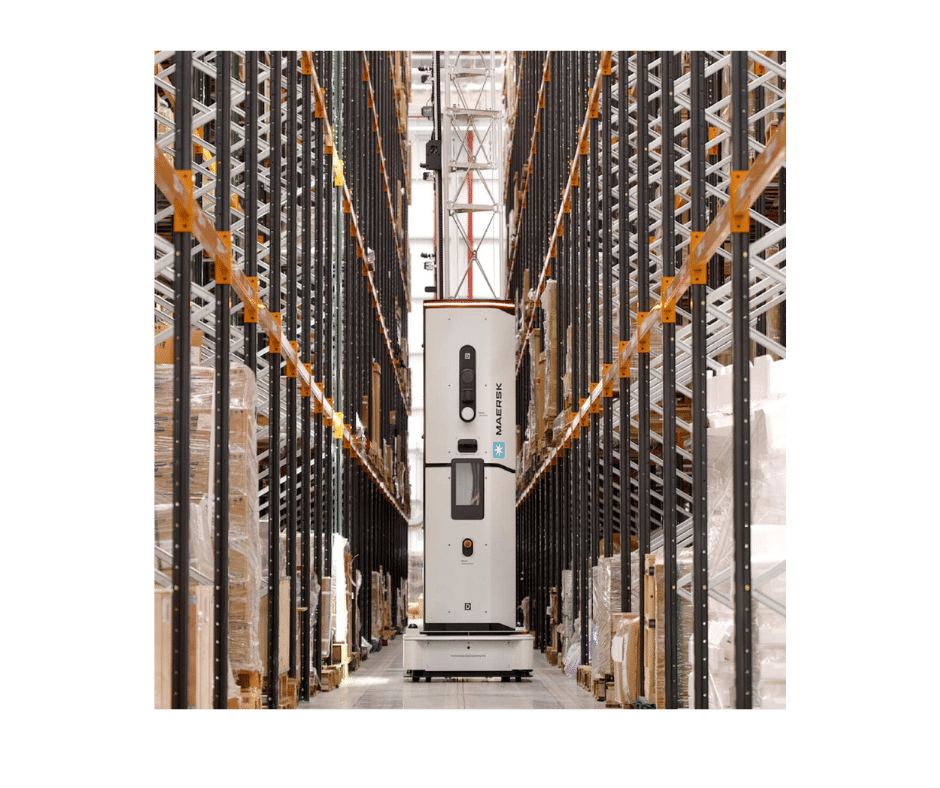
- Warehouse automation
- Autonomous service systems
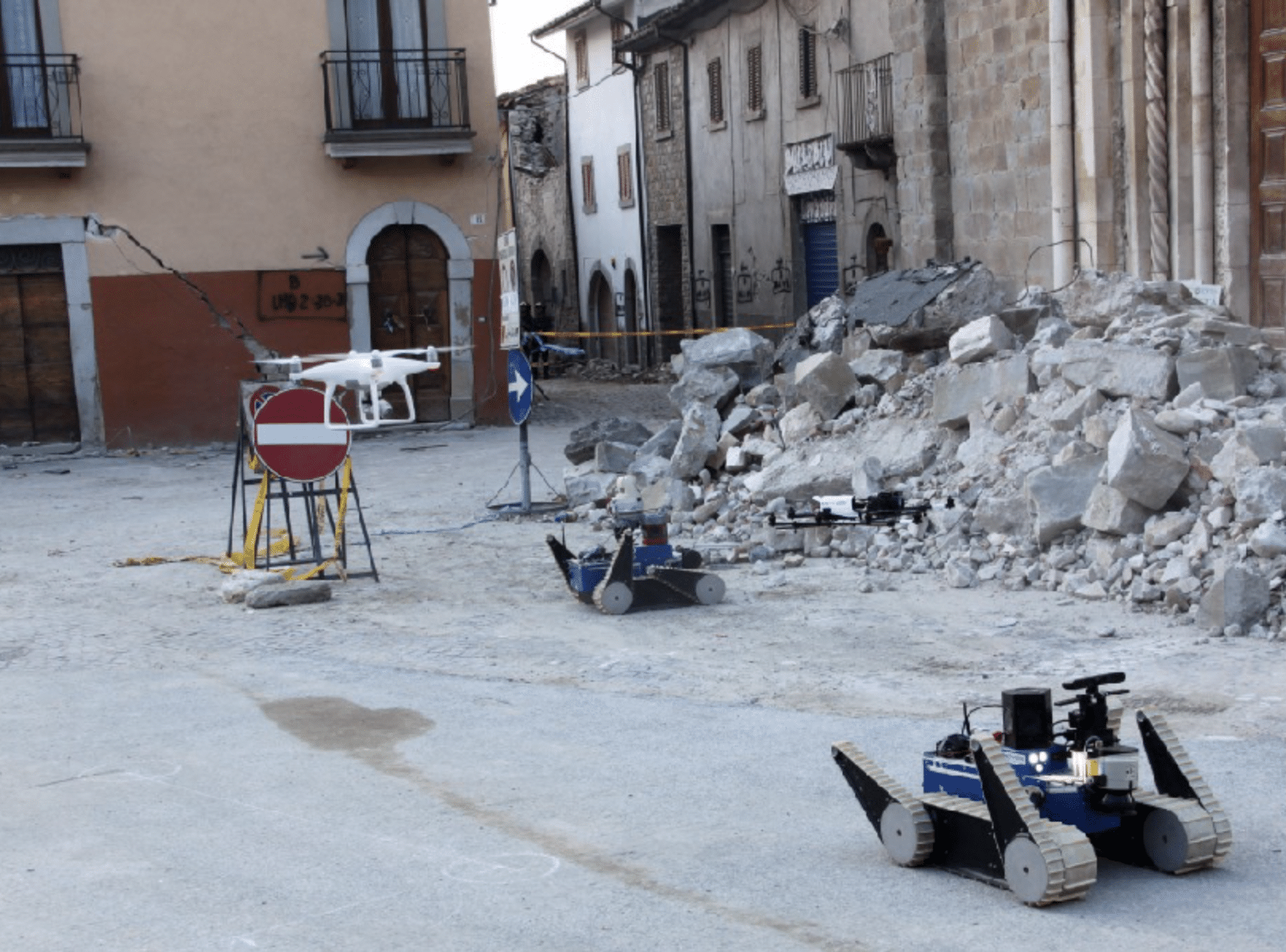
- Disaster response robotics
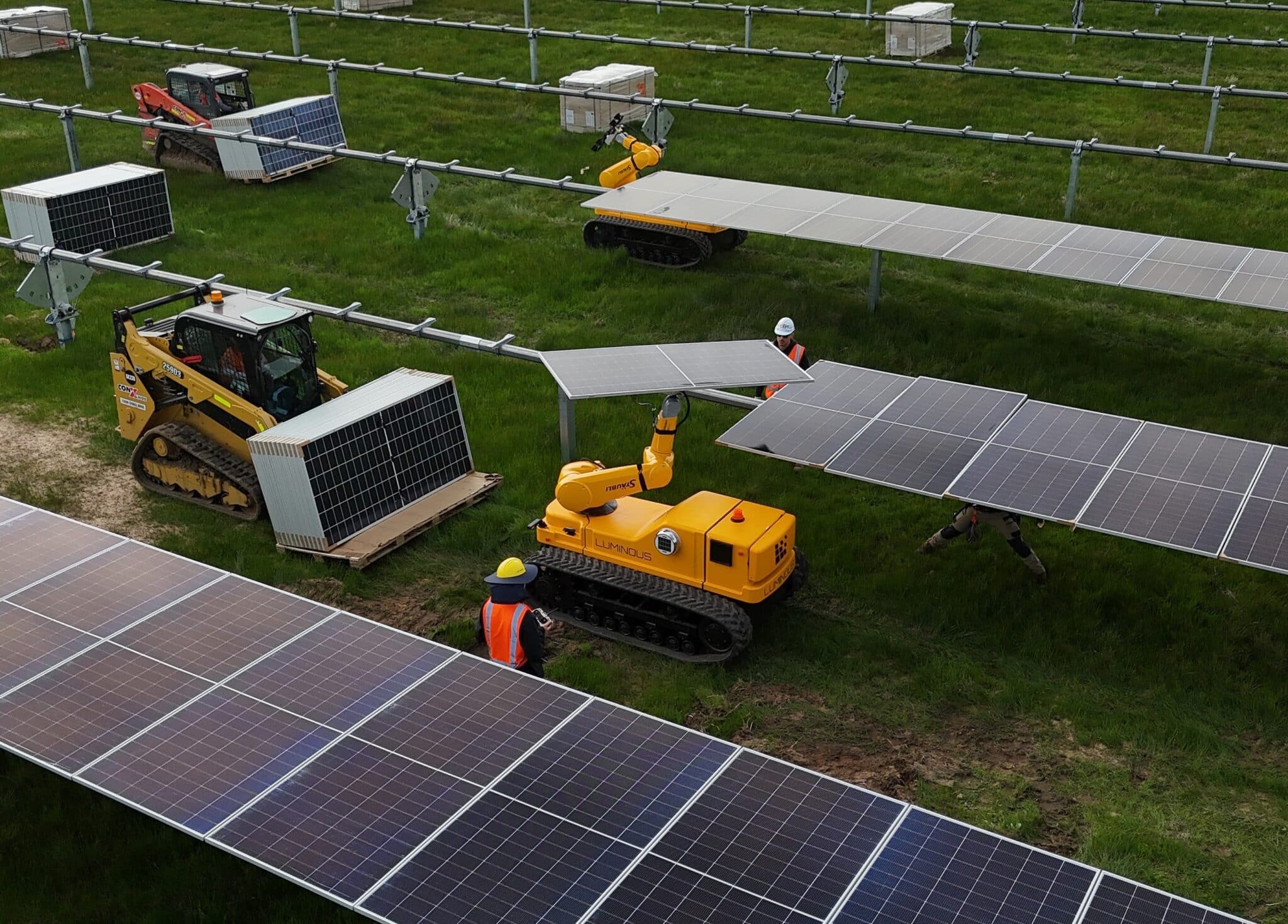
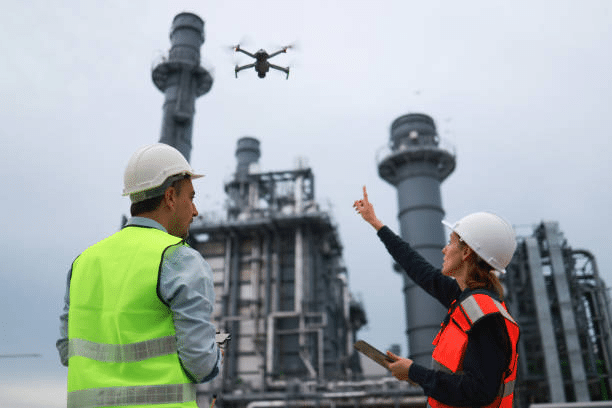
Robots operating in unpredictable environments need far greater flexibility than traditional industrial systems. Projects like the University of Maryland initiative are helping advance the AI infrastructure needed for these next-generation robotics applications.
The work also highlights how robotics is increasingly becoming a combination of:
- Artificial intelligence
- Data systems
- Computer vision
- Simulation
- Motion planning
- Human-computer interaction
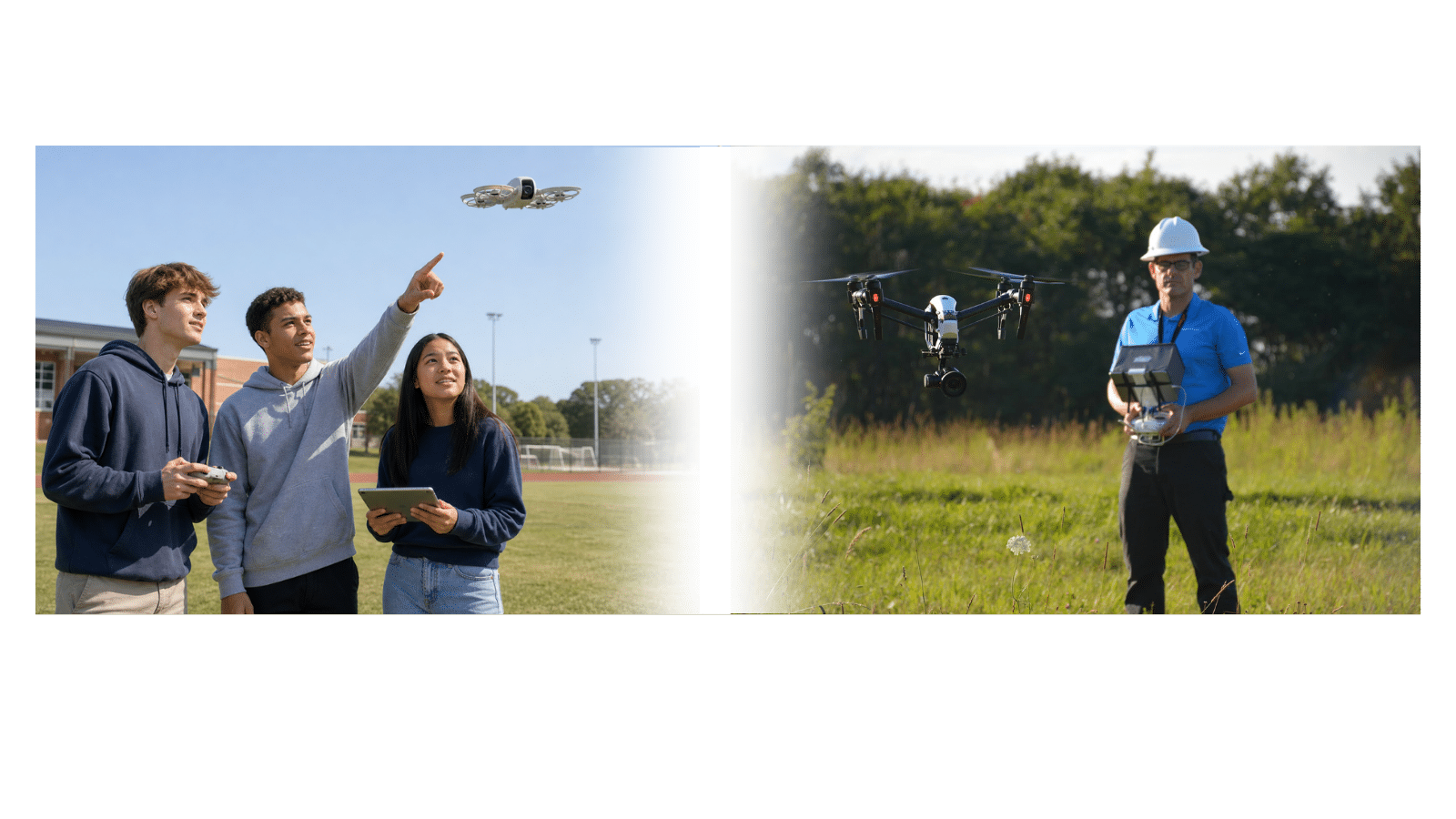
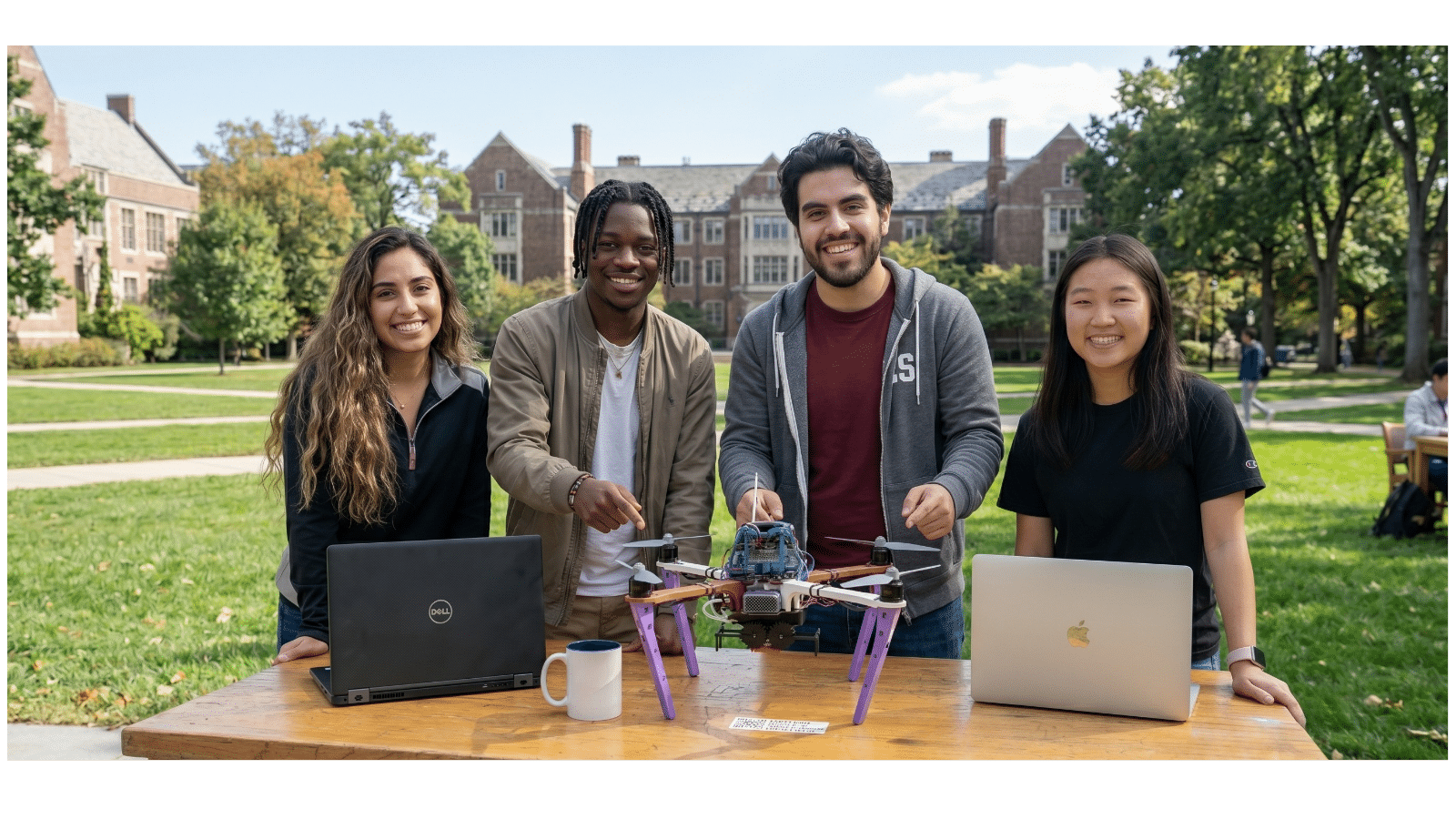
For students exploring robotics, AI, and computer science pathways, these developments show how interdisciplinary modern robotics has become.
Bringing Robotics Learning Into the Classroom
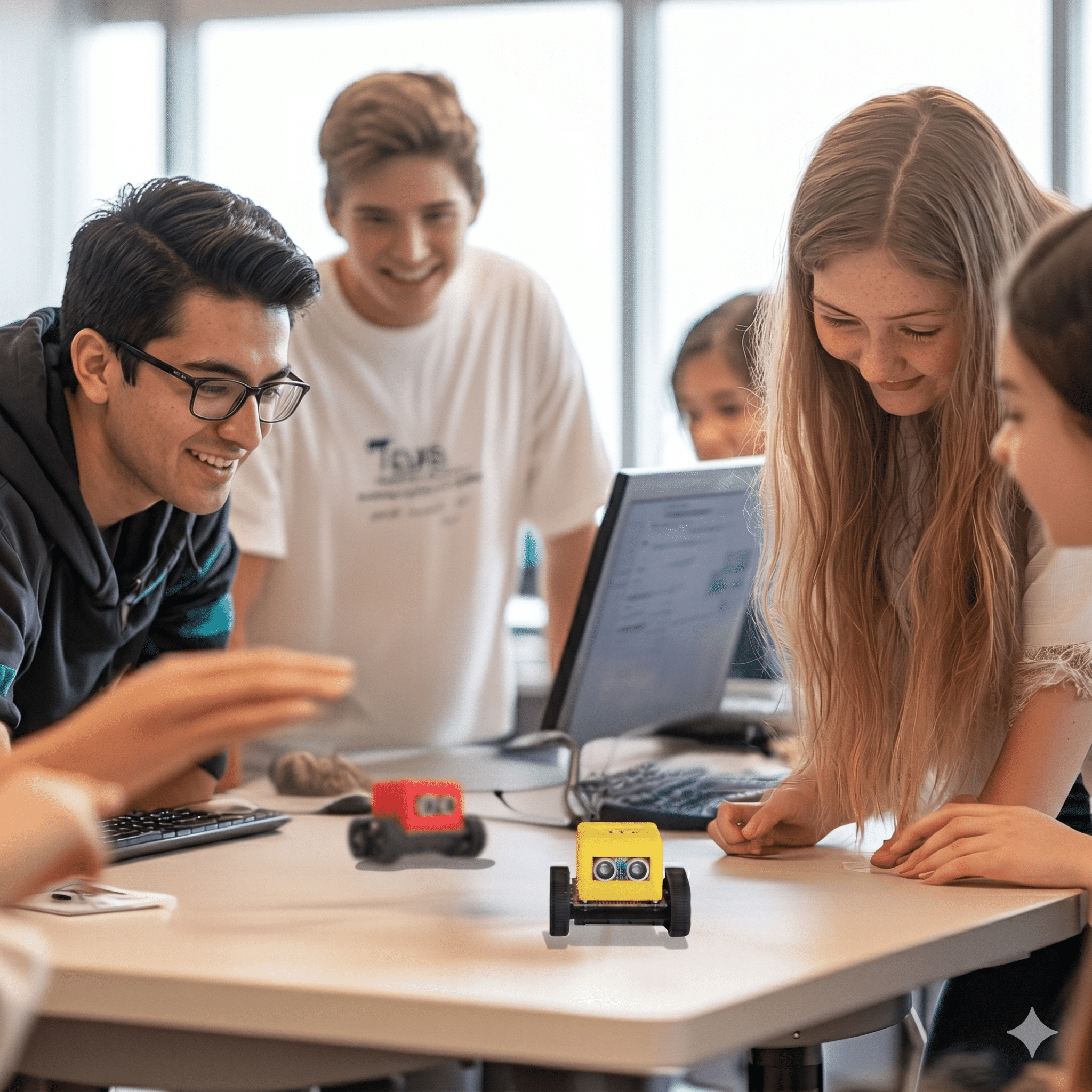
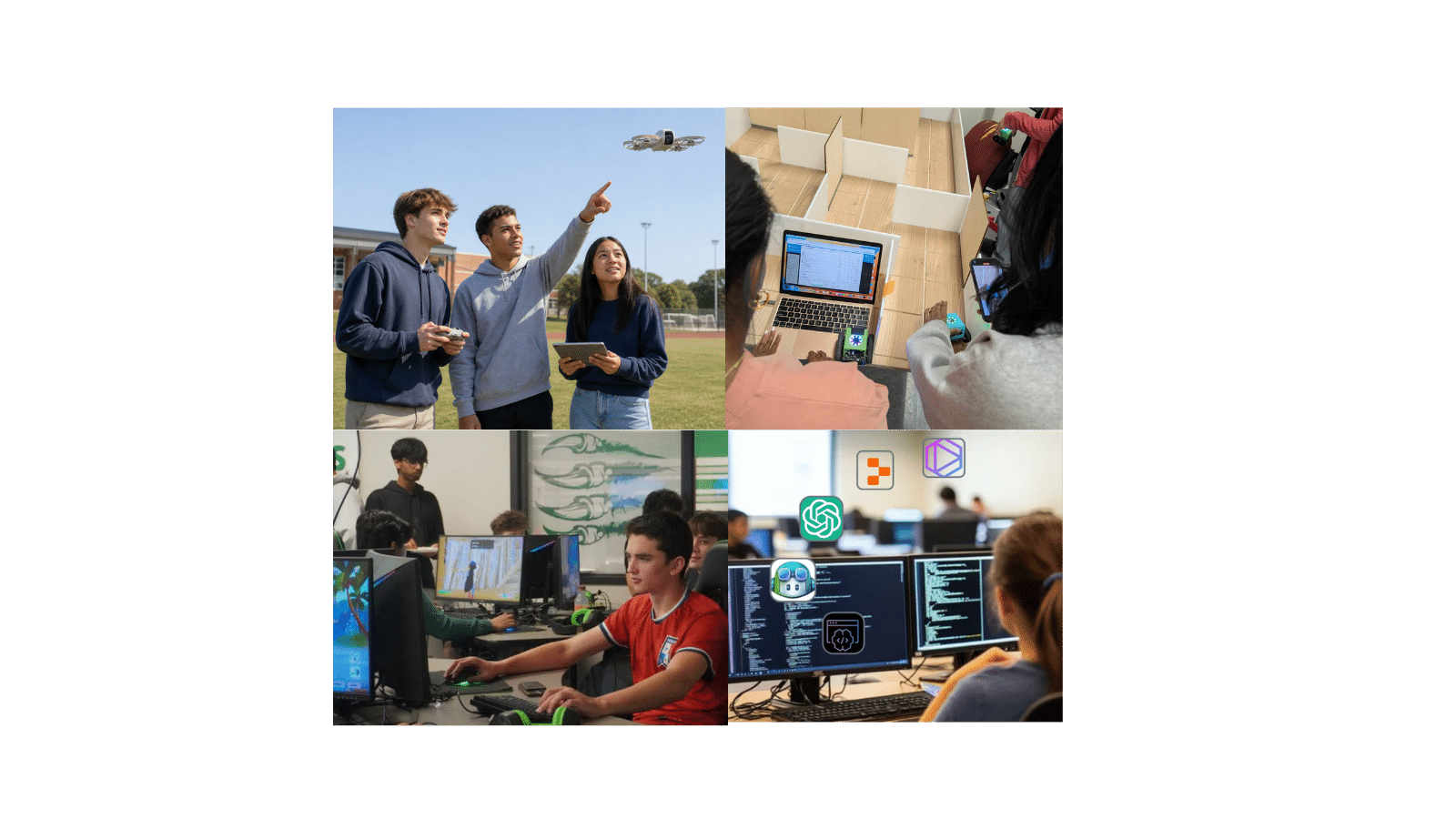
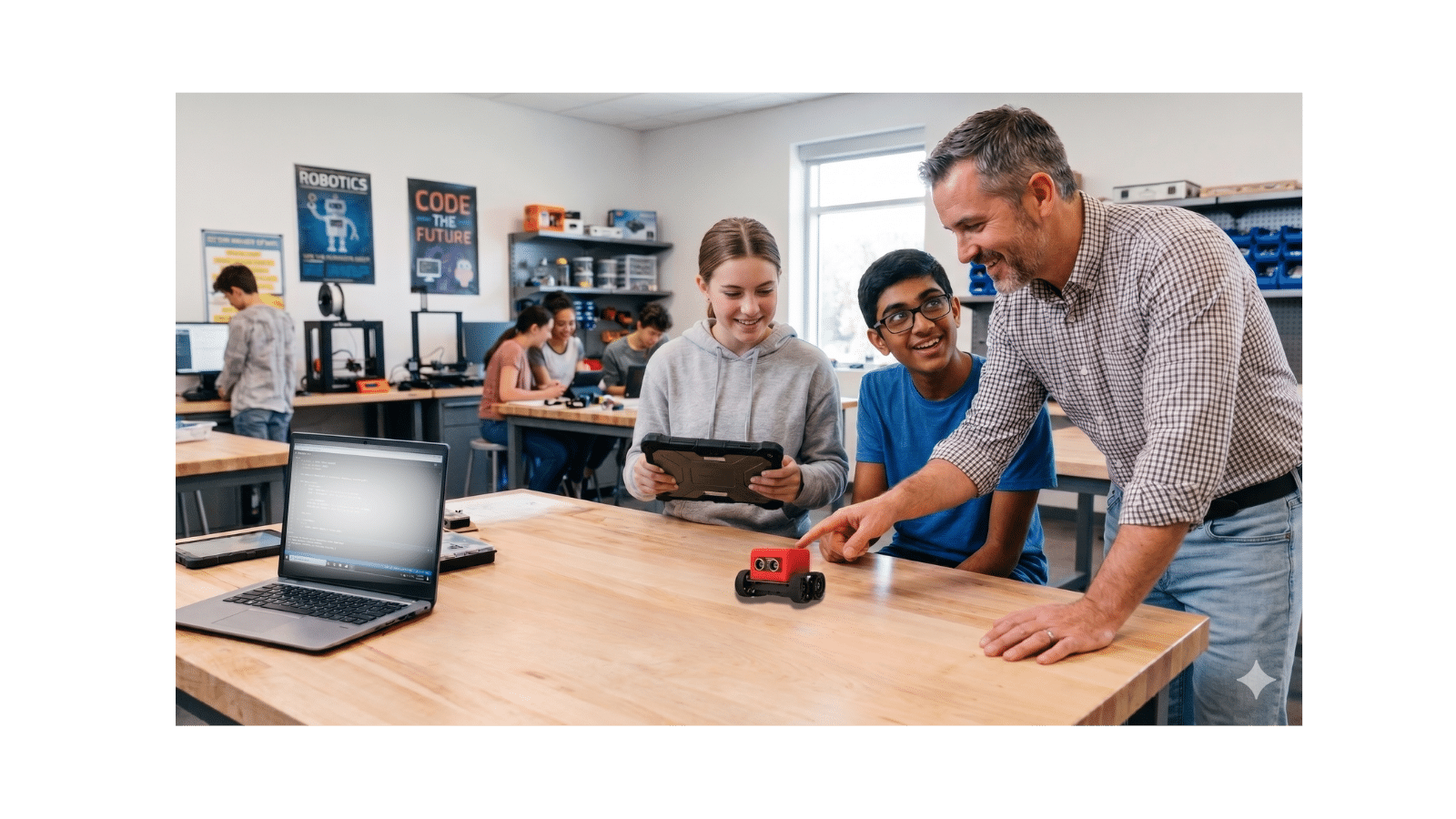
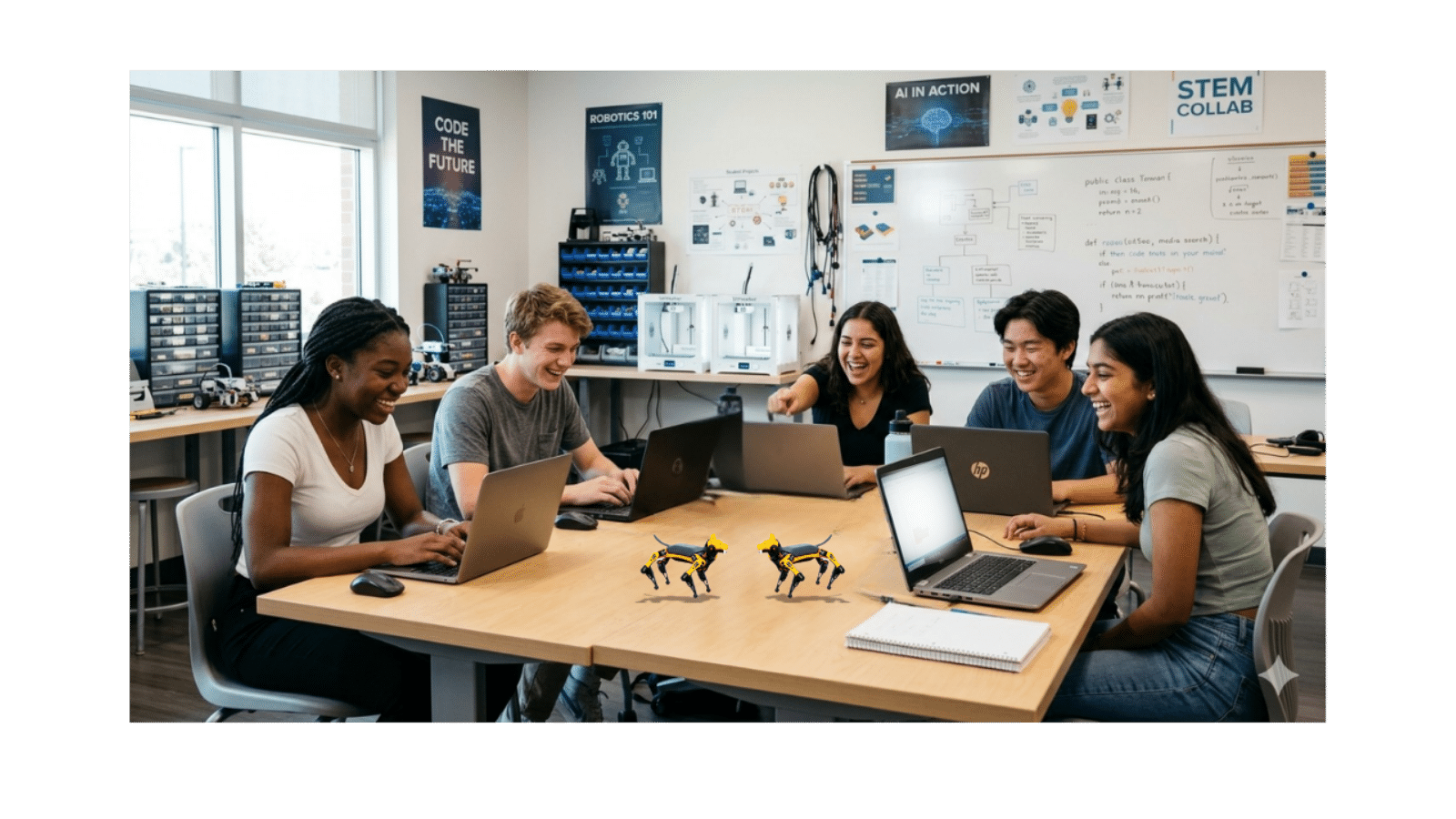
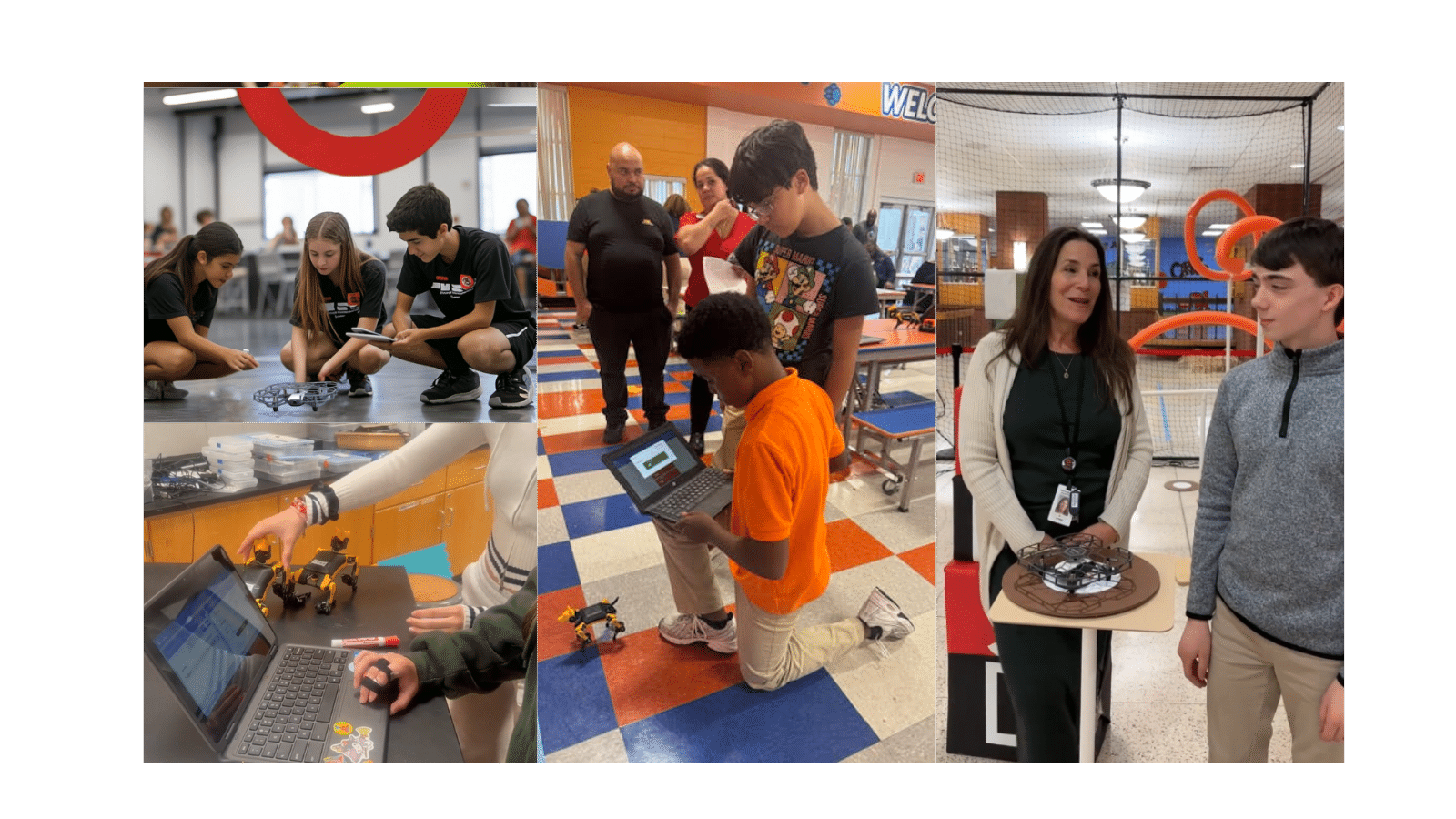
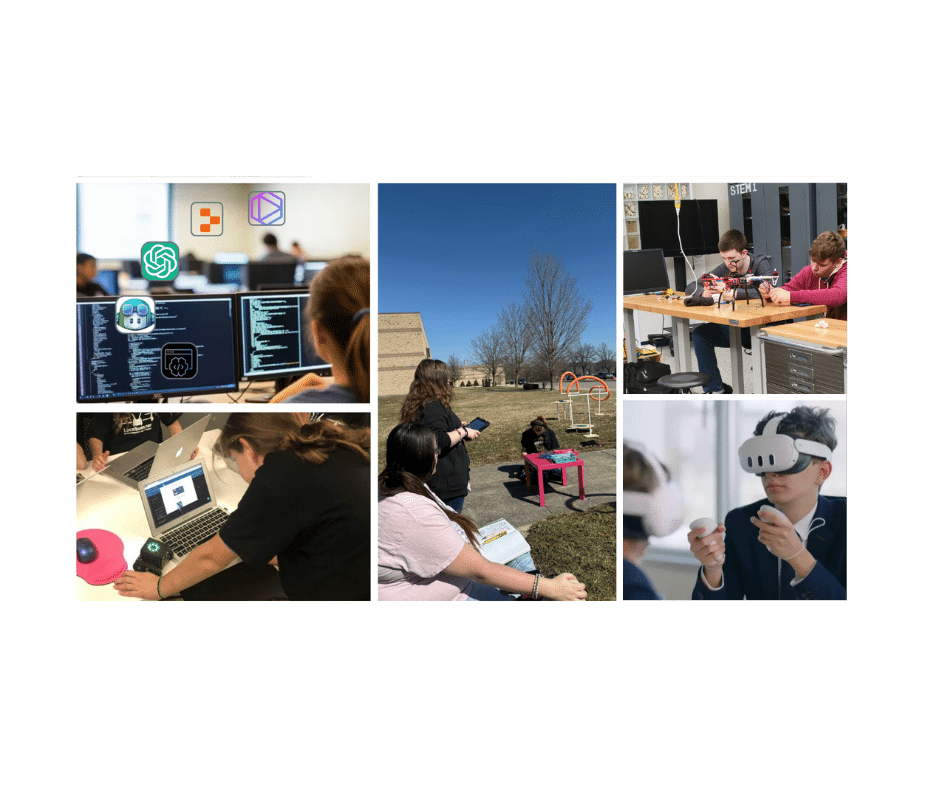
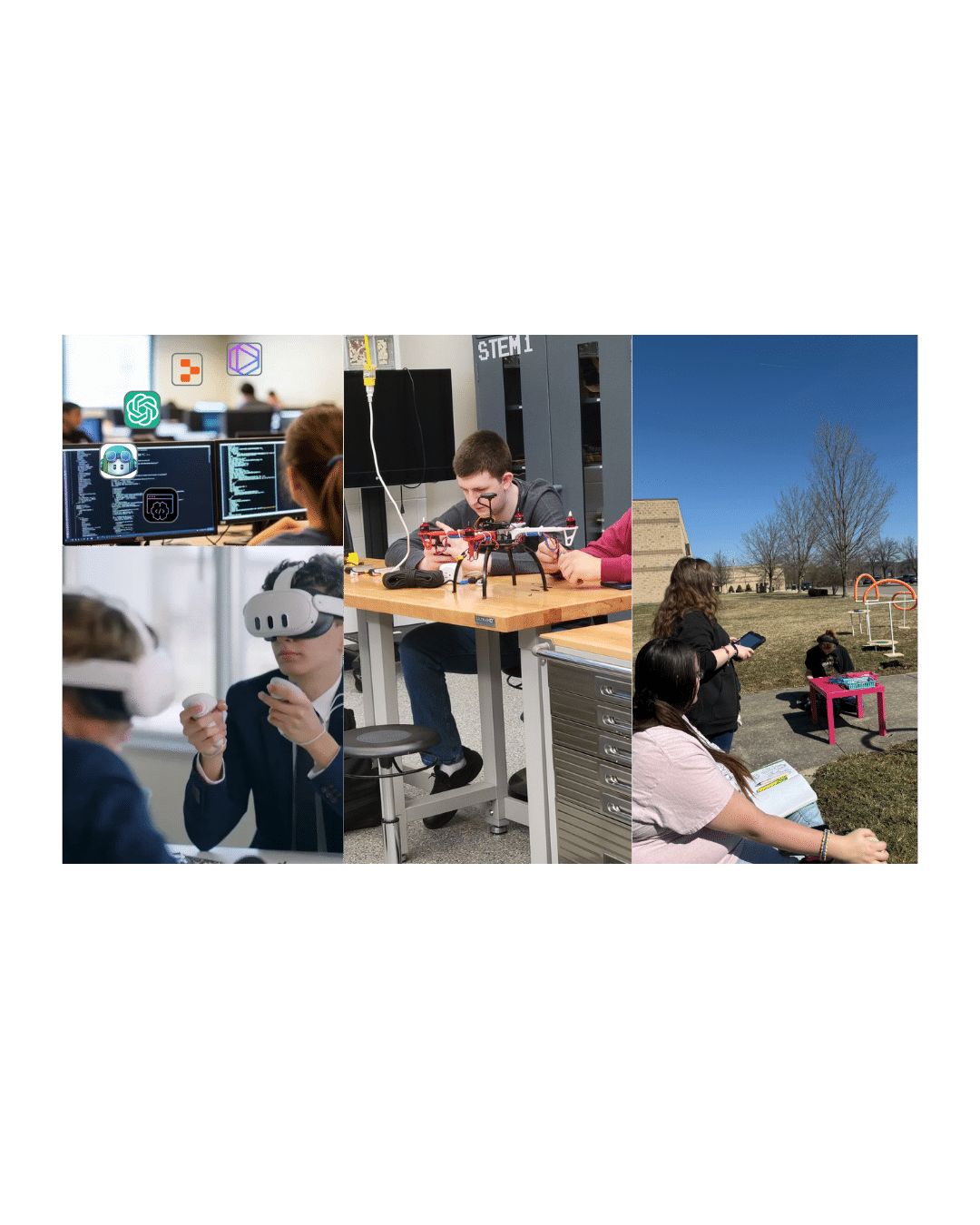
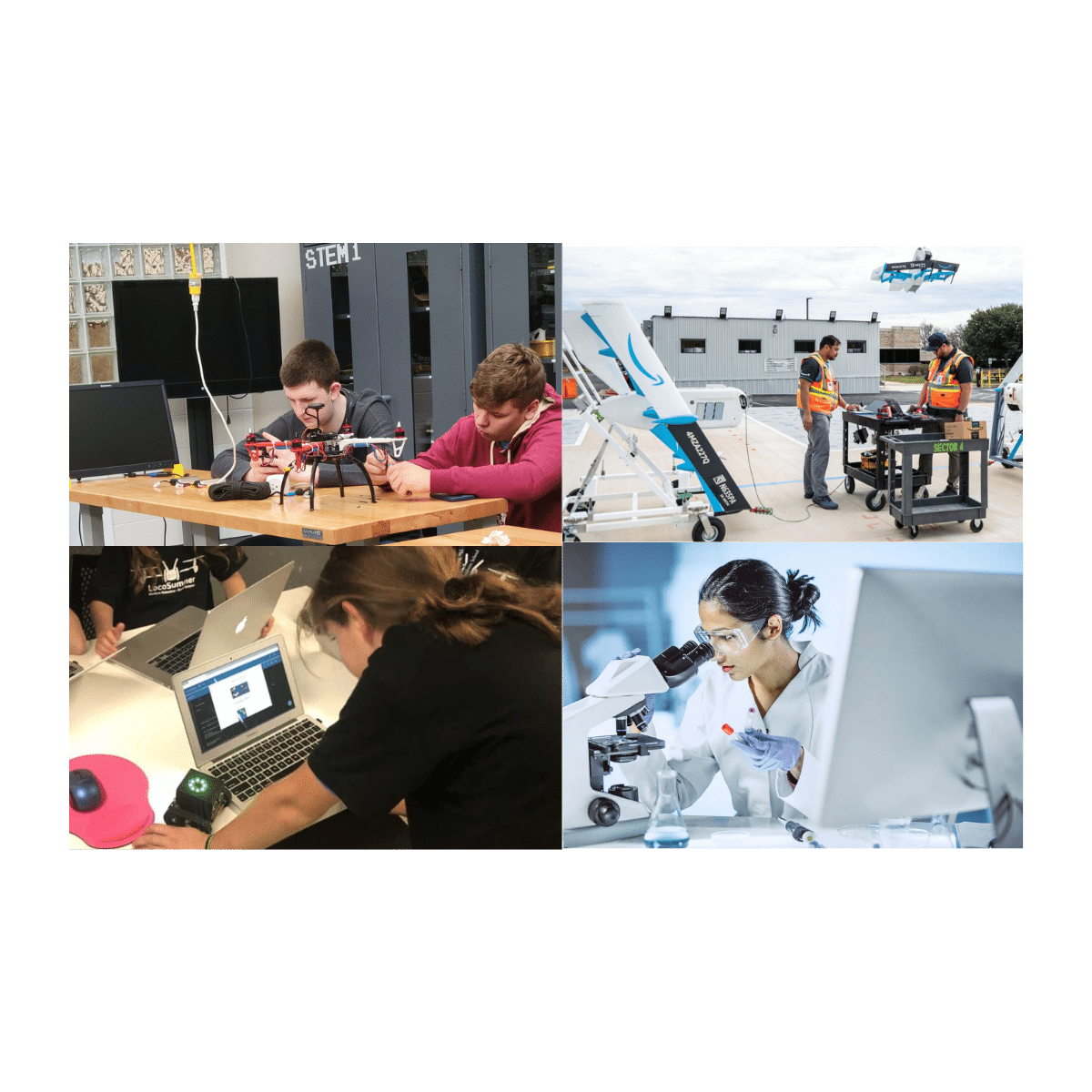
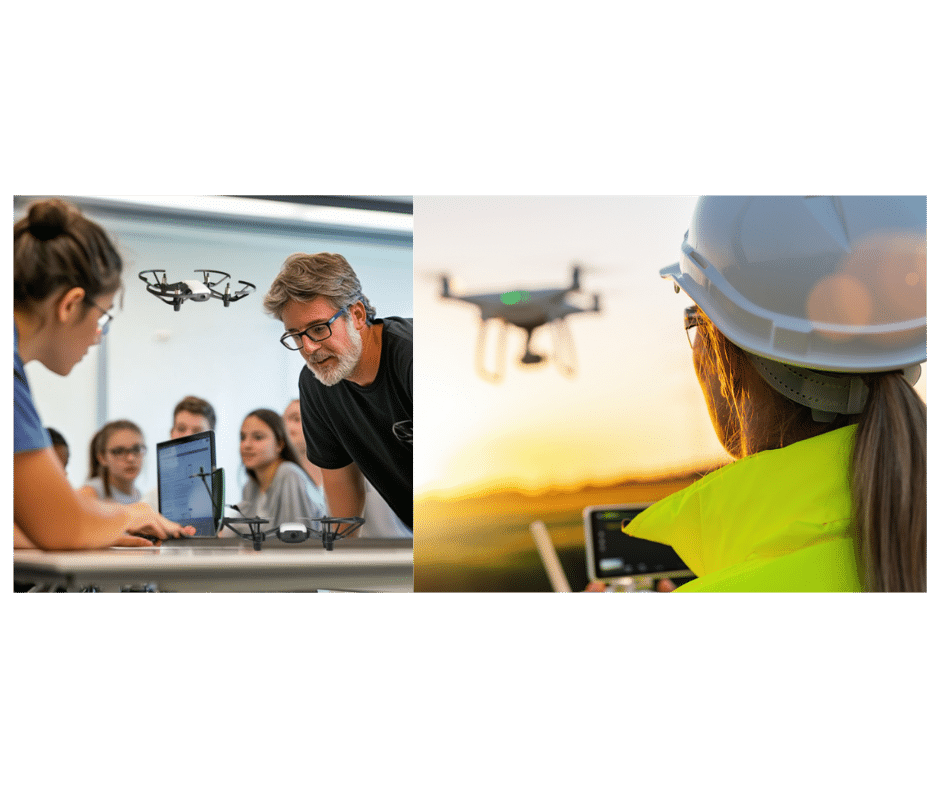
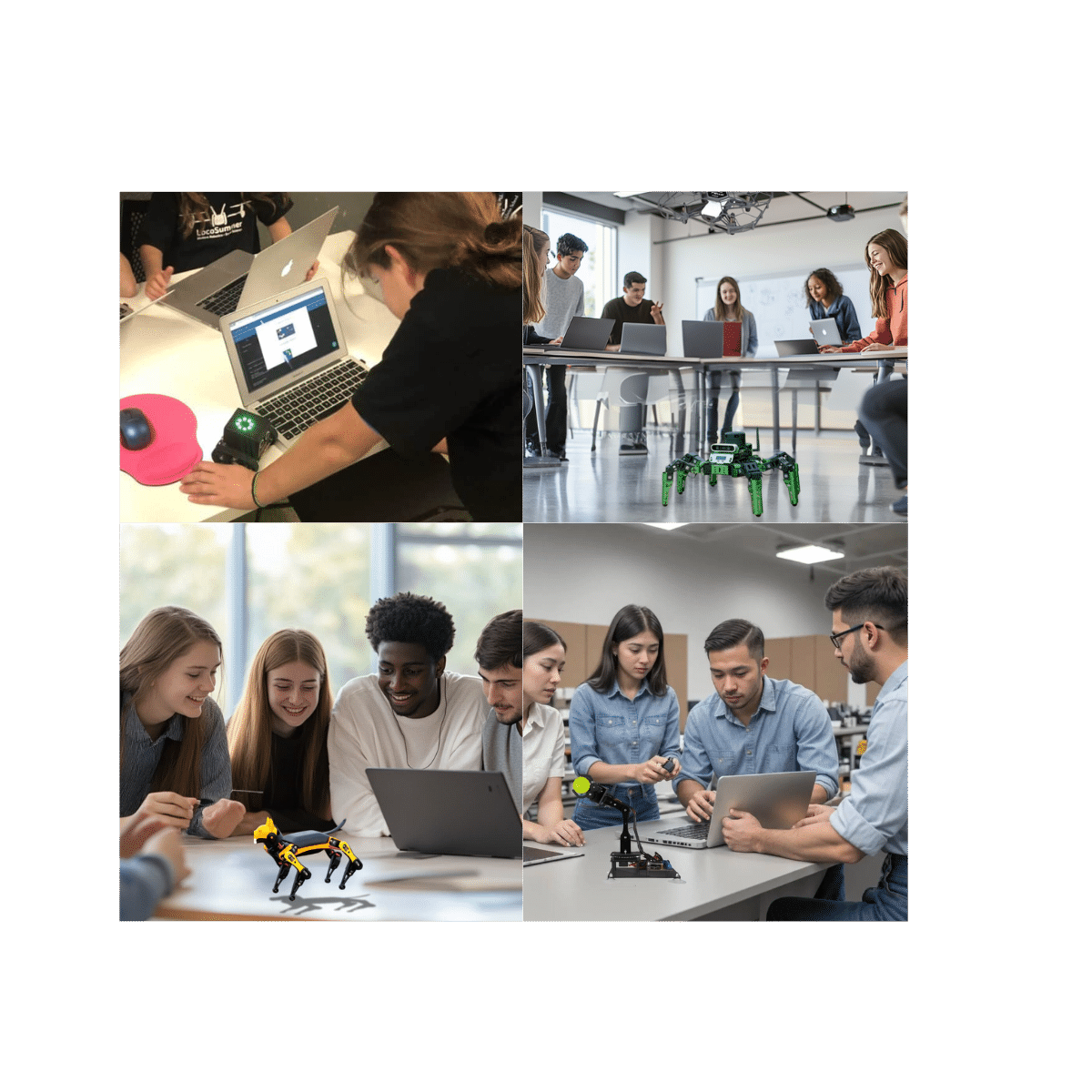
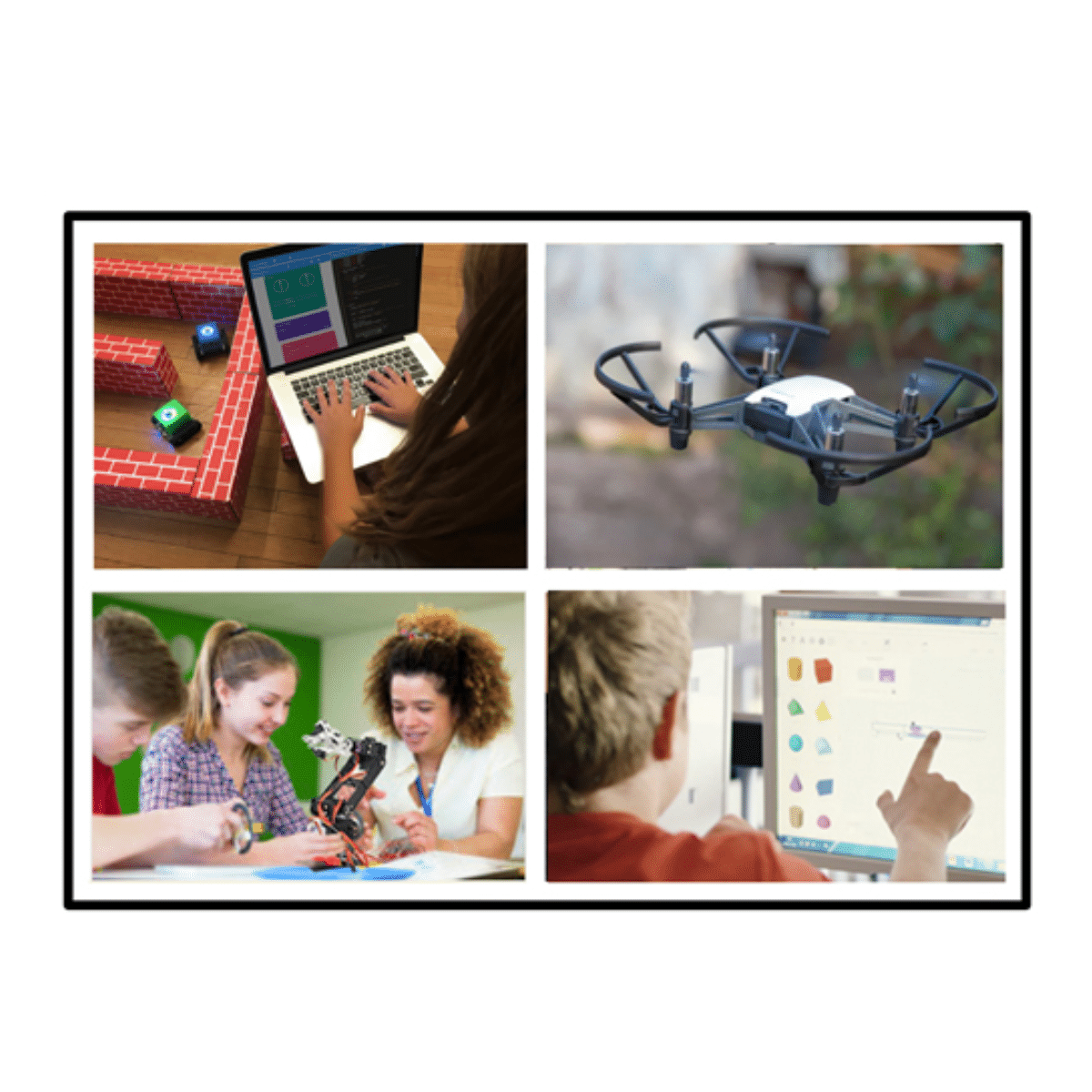
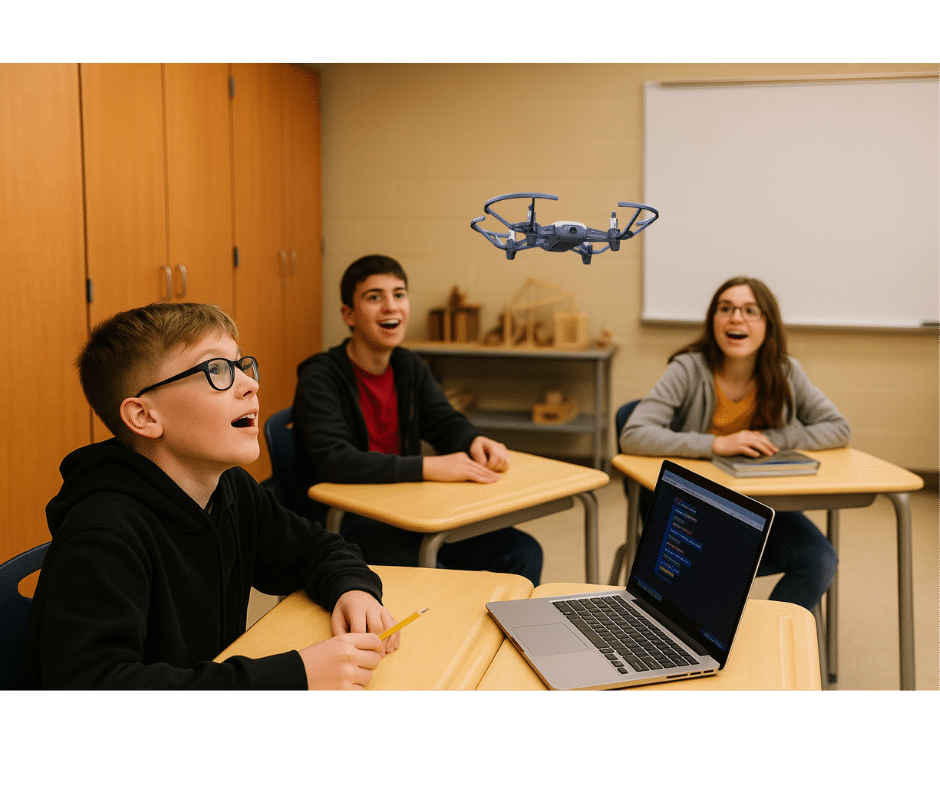
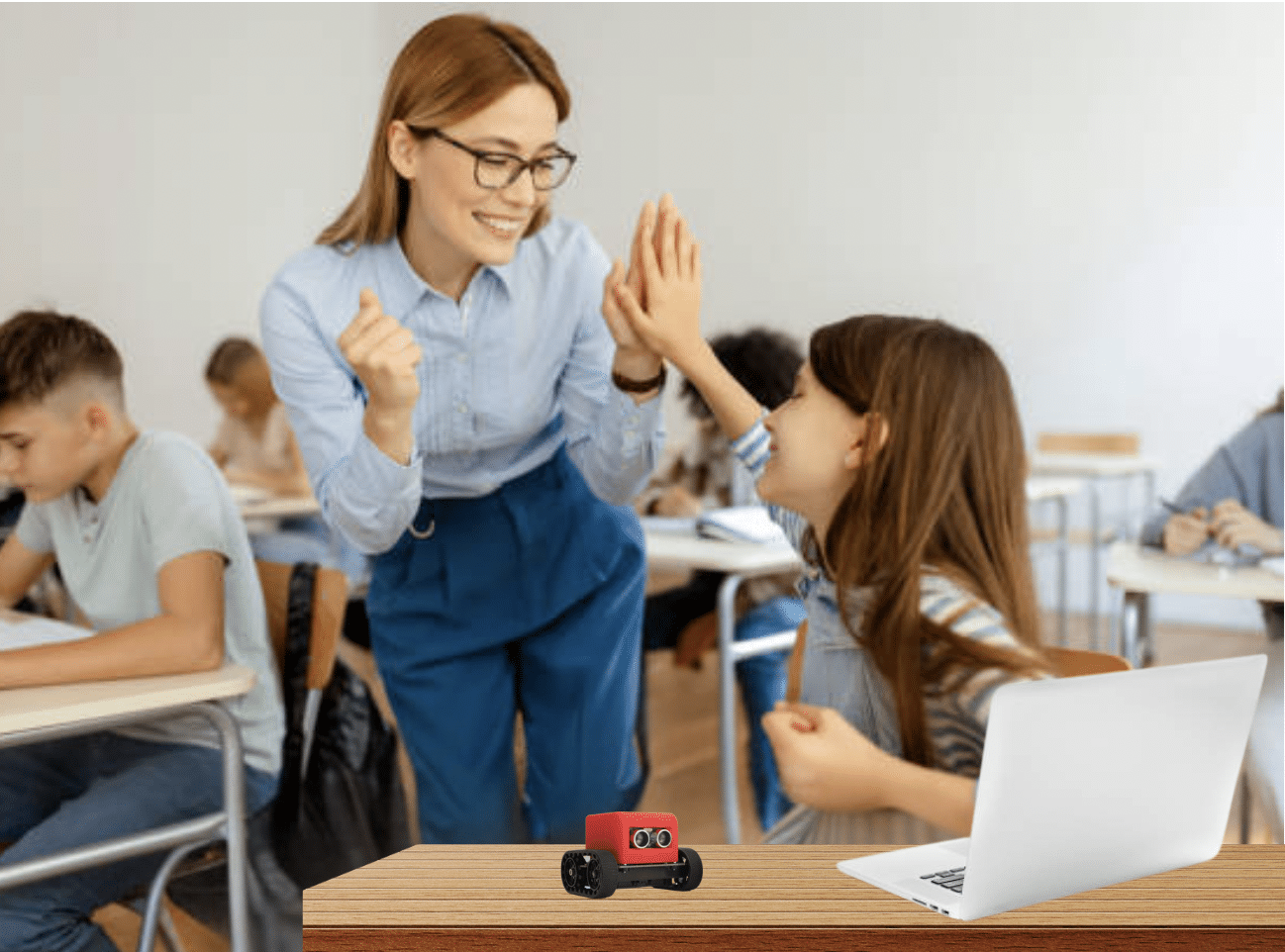
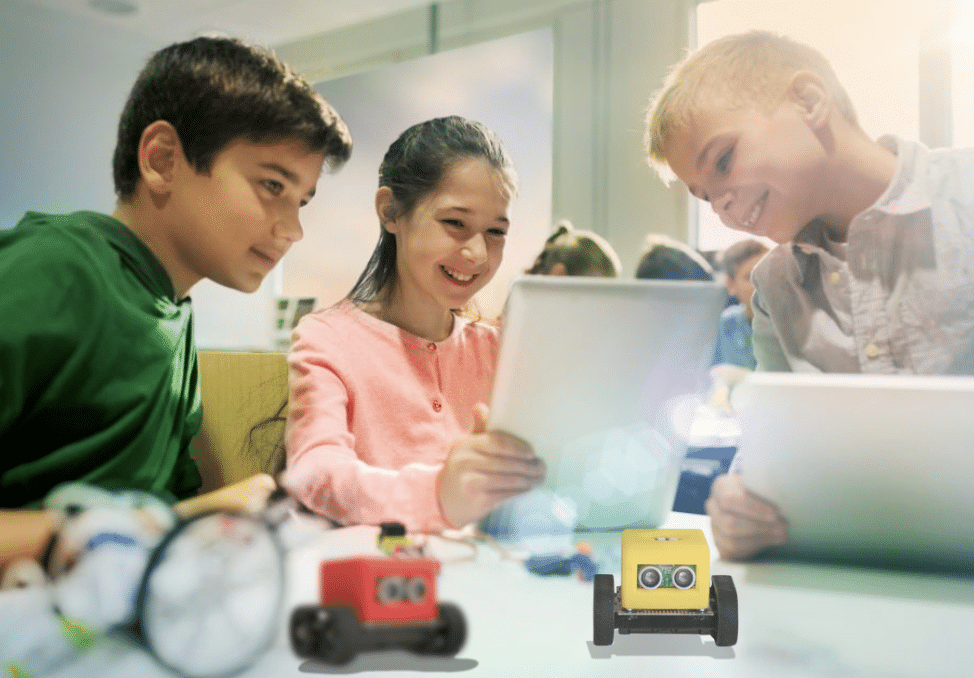
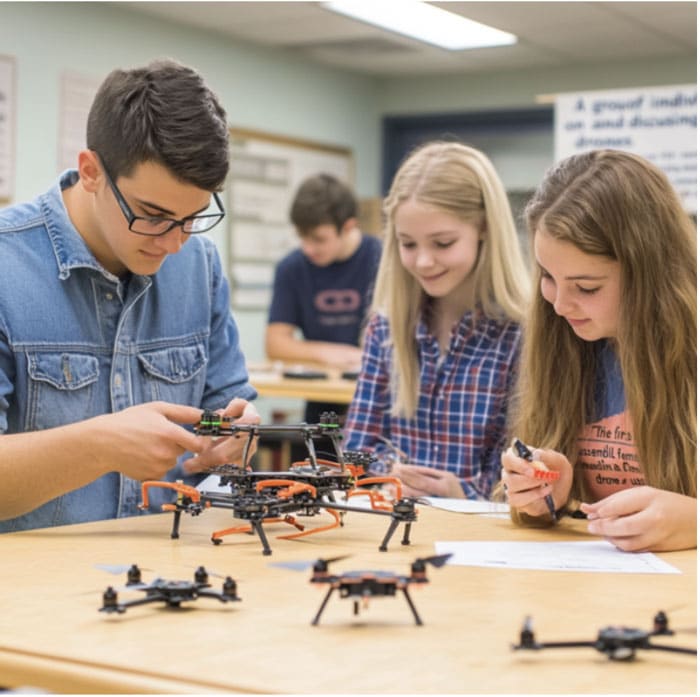
As robotics systems become more advanced, students benefit from learning through hands-on platforms that connect coding, sensors, automation, AI, and real-world problem-solving.
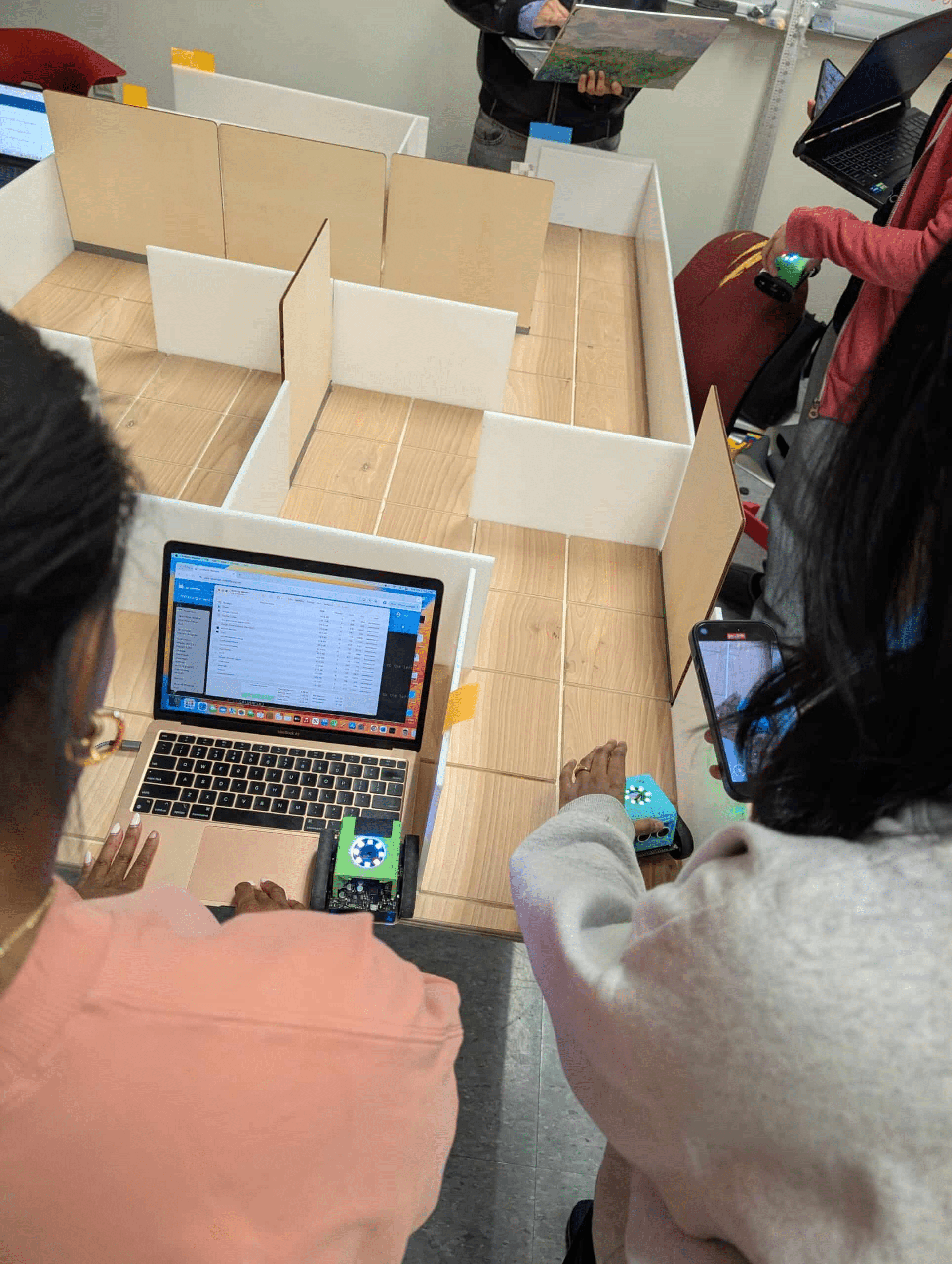
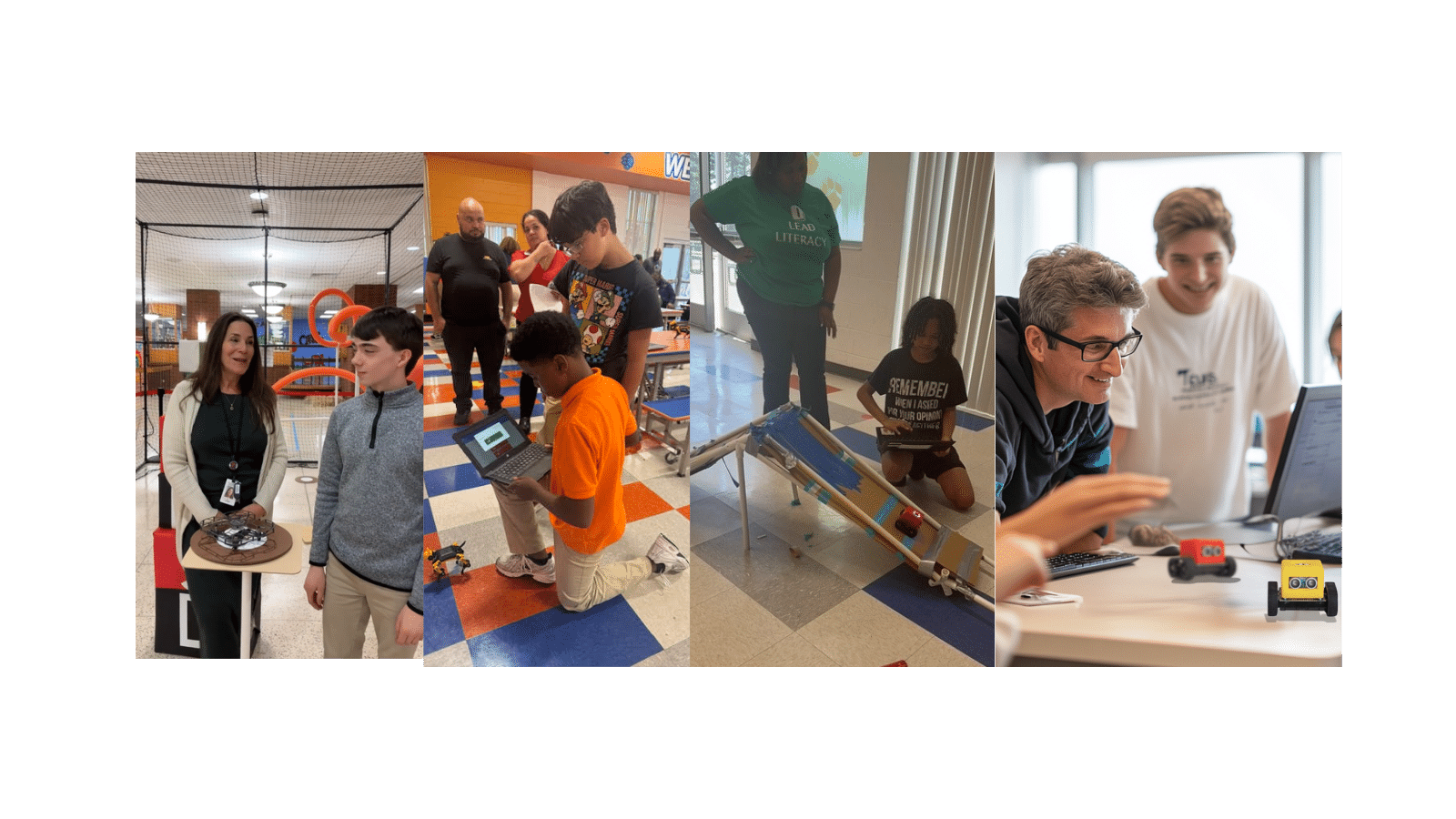
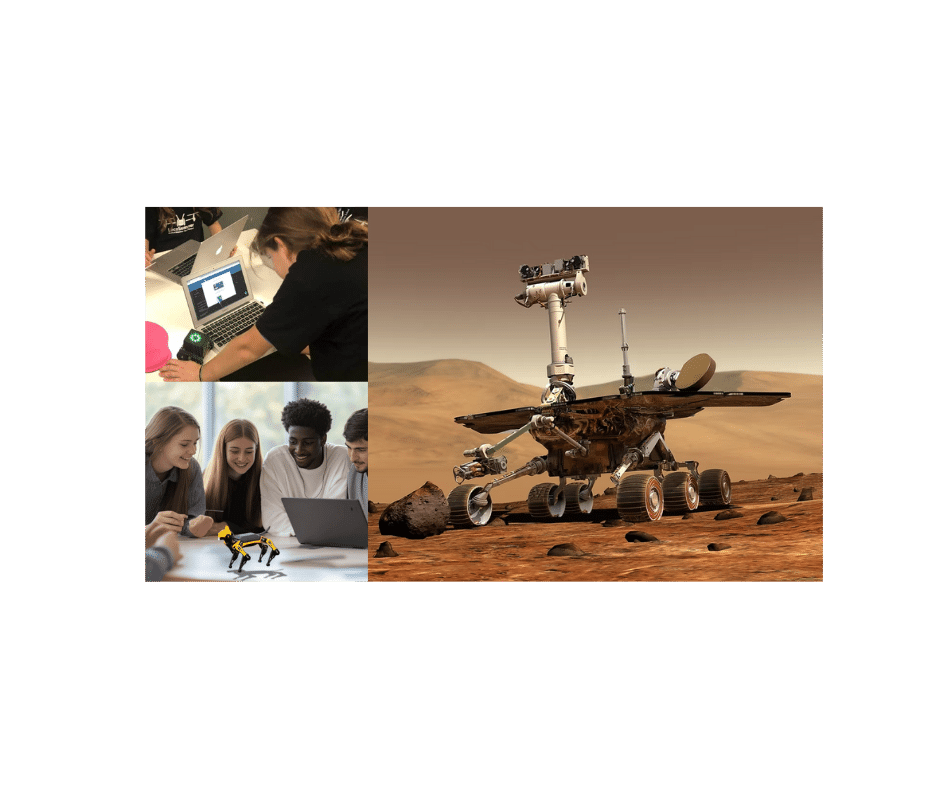
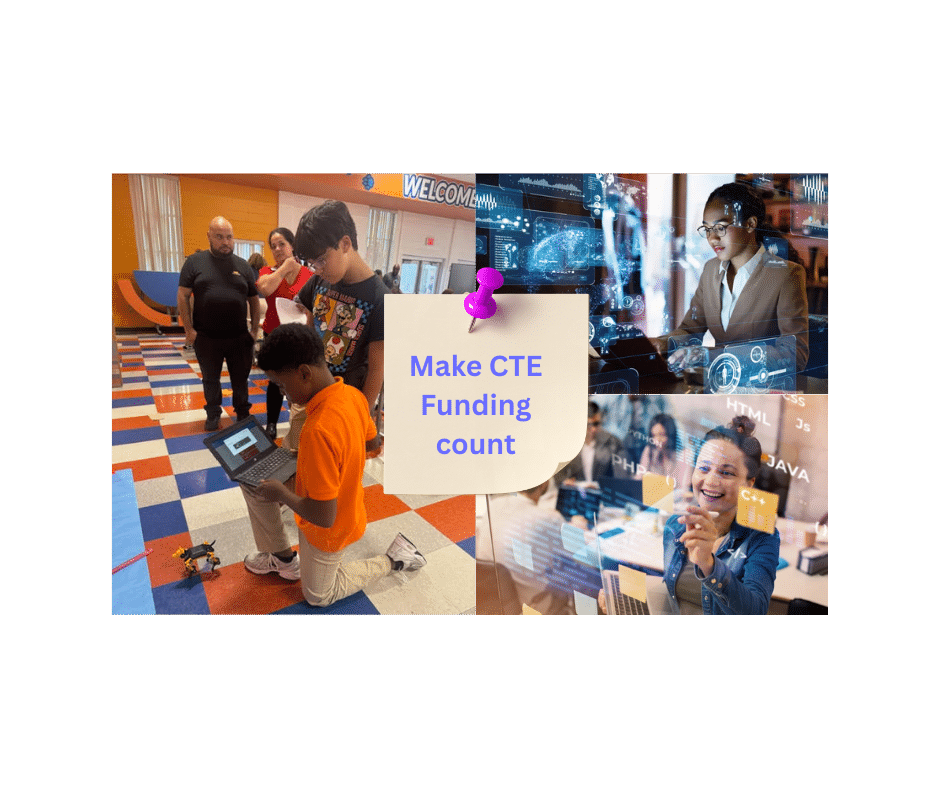
LocoRobo helps schools introduce robotics in the classroom with classroom-ready systems designed for STEM, computer science, and CTE pathways. Students can explore K12 robotics concepts including autonomous movement, sensors, navigation, coding, AI integration, and systems thinking using hands-on STEM robotics kits.
With structured robotics curriculum, classroom-friendly software, and teacher support, schools can build robotics programs that help students understand how modern intelligent systems are designed, programmed, and applied across industries.