
How Drones Are Reducing Risk in Dangerous Environments
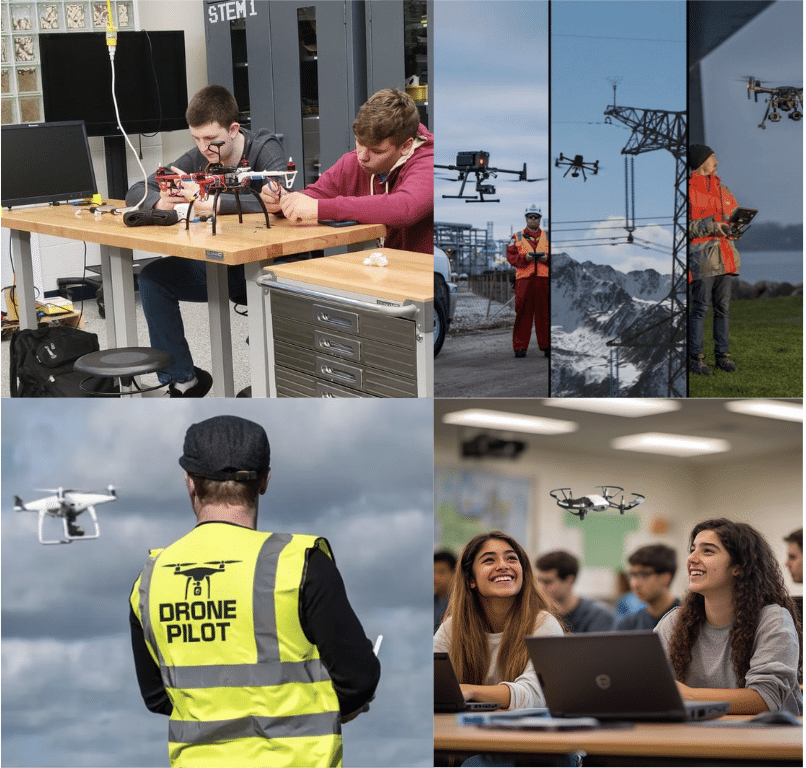
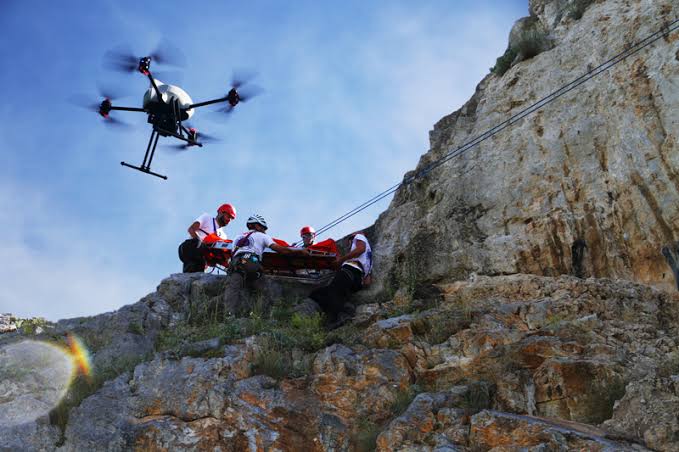
According to recent research, companies are deploying drones to monitor for leaks, inspect elevated equipment, assess structural integrity, and evaluate environments that may expose workers to toxic fumes, fire hazards, radiation, or structural collapse. For example, chemical manufacturing facilities use drones to inspect equipment and identify potential problems before failures occur. Emergency response teams have used drones to survey collapsed buildings after earthquakes and identify heat sources during wildfires. Because drones can fly, hover, and maneuver through confined spaces, they significantly reduce the need for workers to enter potentially life-threatening environments.The Technologies Making Smart Drones Smarter
Modern industrial drones function as multi-sensor intelligence platforms capable of collecting and analyzing environmental data in real time.Thermal Imaging
One of the most common applications is thermal imaging. Thermal sensors help detect heat anomalies that may indicate overheating motors, electrical failures, or structural stress before catastrophic breakdowns occur. The same technology has been used during wildfire response efforts to identify hotspots and locate survivors through body heat detection.Gas Detection Sensors
In oil, chemical, and gas industries, drones equipped with gas sensors can detect methane, carbon monoxide, sulfur dioxide, and volatile organic compounds. Instead of exposing personnel to hazardous substances, drones can assess air quality remotely and provide immediate feedback on environmental conditions.LiDAR Mapping
LiDAR, or Light Detection and Ranging, uses laser pulses to generate highly detailed 3D maps. These systems are particularly valuable in low-visibility environments and have been used for inspecting bridges, pipelines, underground mines, and other structures where human access may be dangerous.AI and Autonomous Navigation
Perhaps most exciting is the growing role of artificial intelligence. AI-powered drones can navigate autonomously, recognize hazards such as cracks or heat leaks, and optimize inspection routes without constant human control. Inspection data can also feed predictive maintenance systems that help organizations identify problems before they escalate into major failures.Drones and Robots: Different Tools, Shared Goals
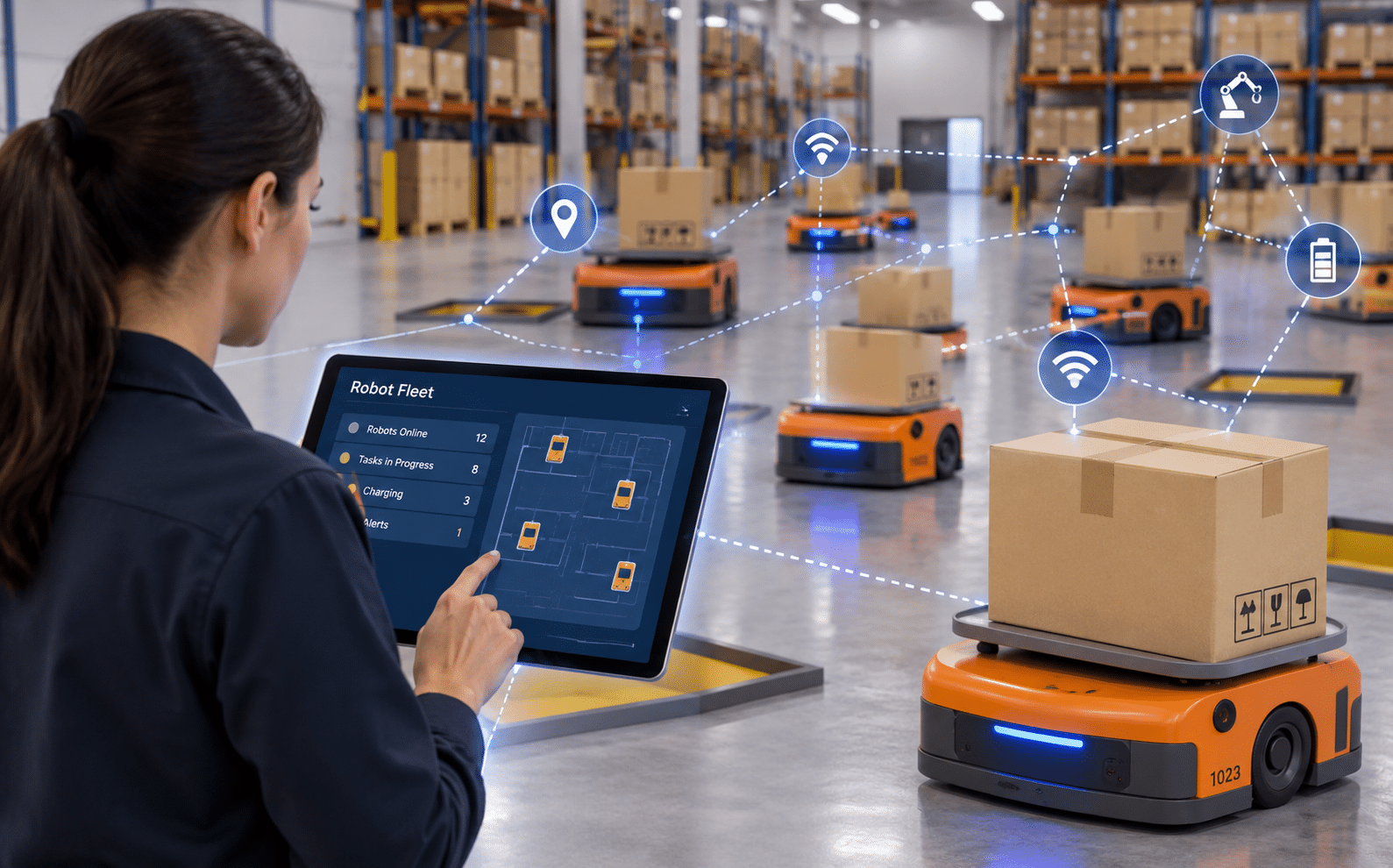
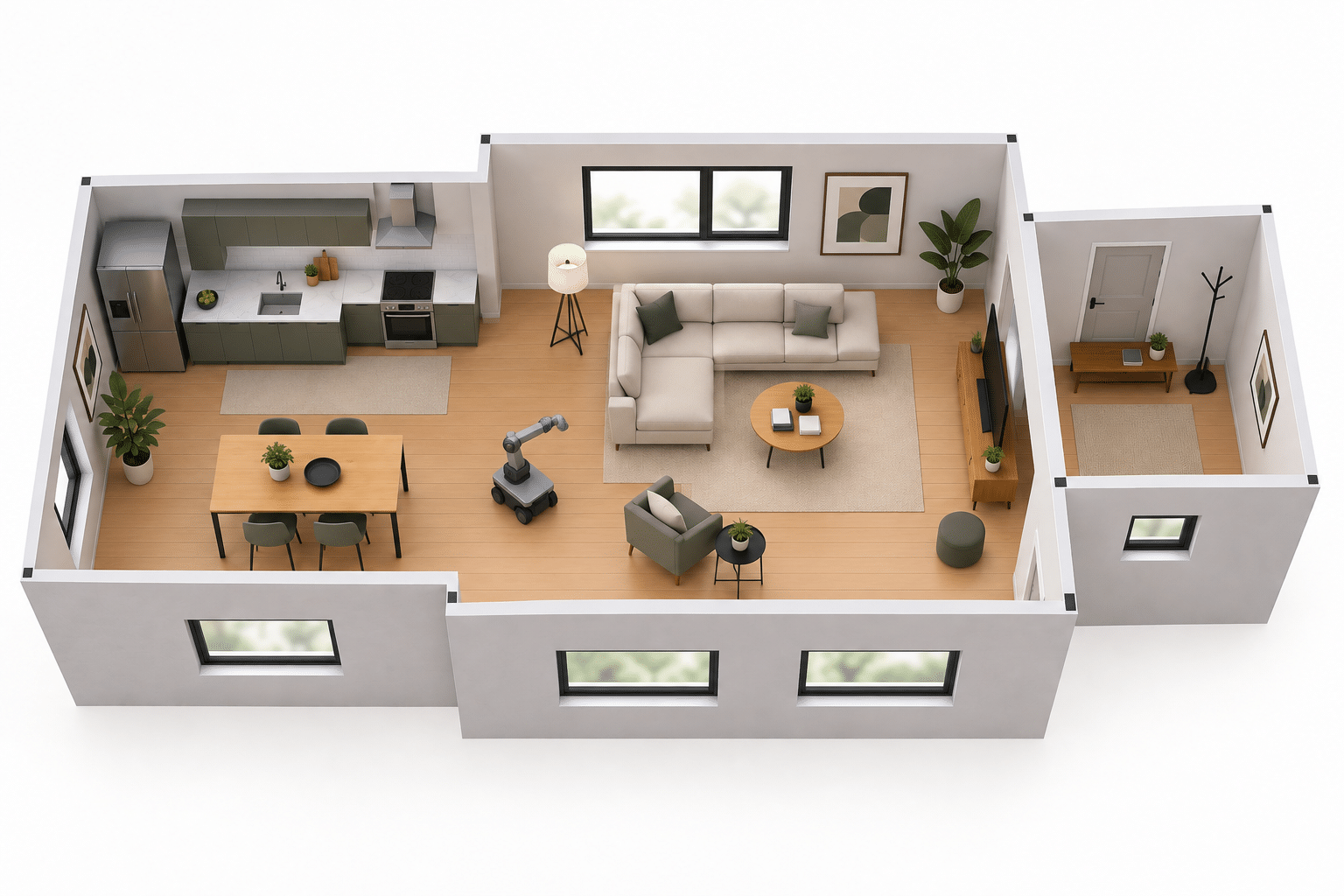
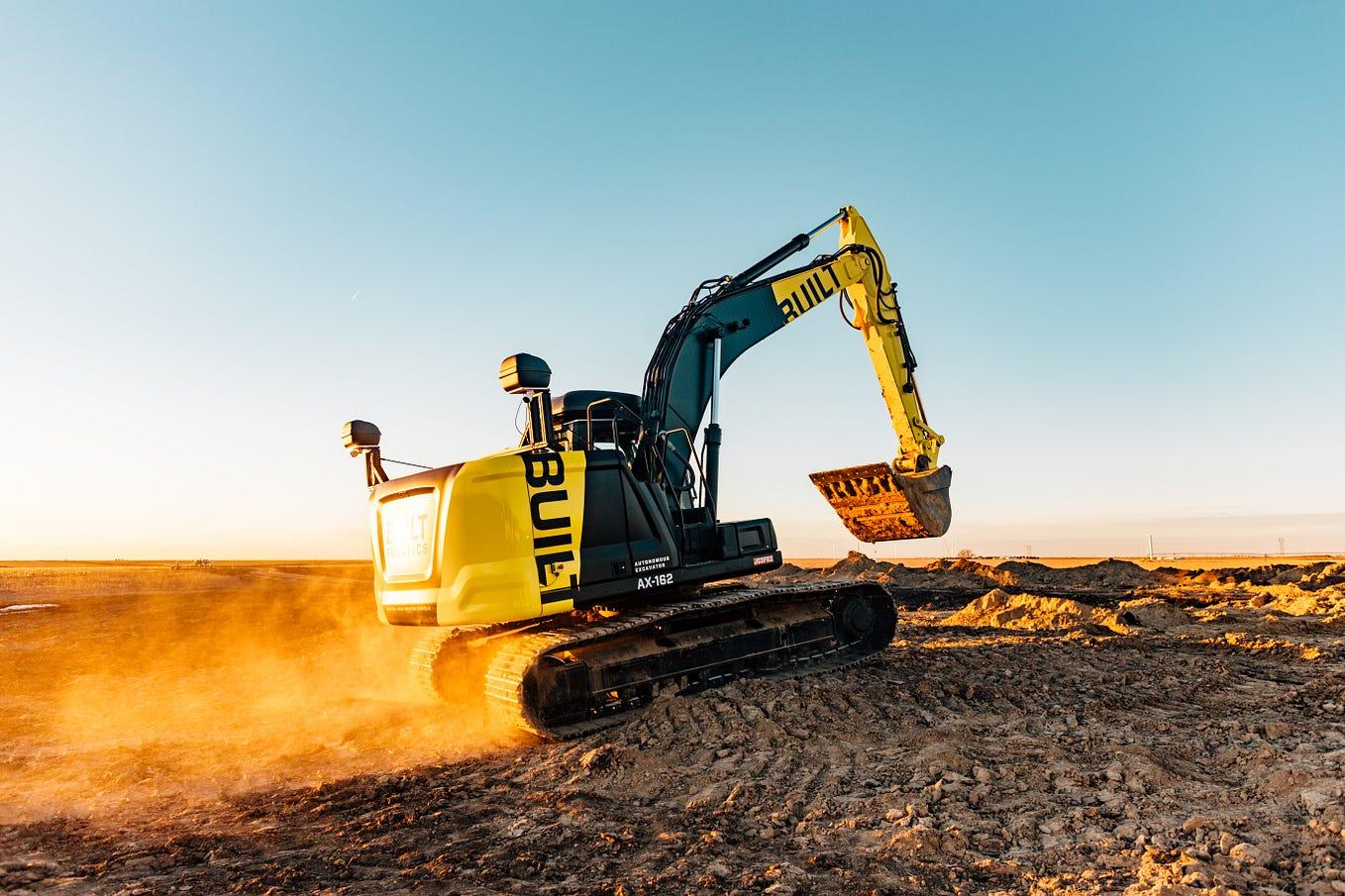
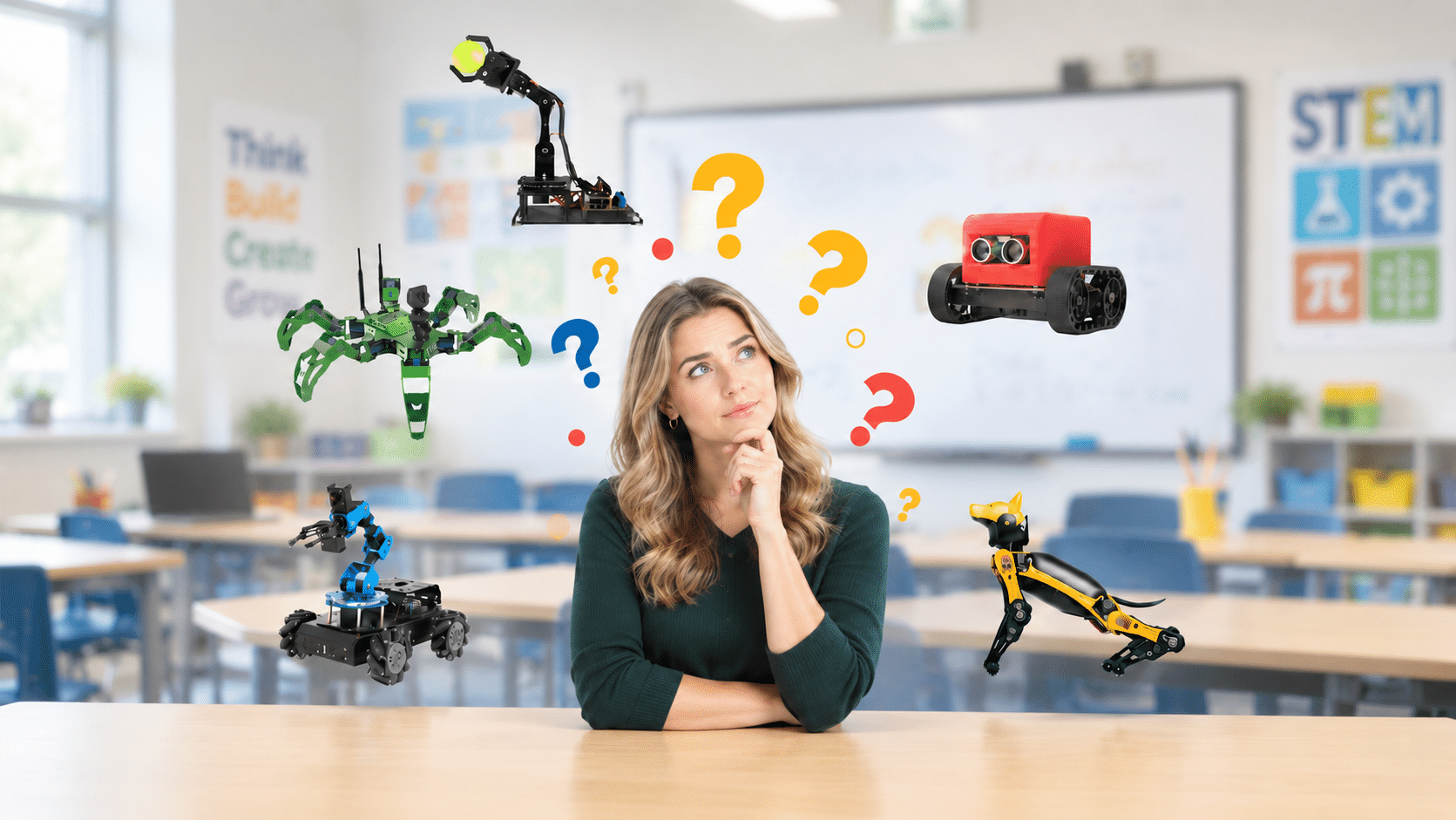
While drones are increasingly being used to inspect hazardous environments from above, robots often take on dangerous tasks on the ground. Both technologies aim to accomplish the same objective: reducing human exposure to unnecessary risk while improving situational awareness and decision-making. These systems extend human capabilities. People still interpret findings, make judgment calls, collaborate with teams, and determine the best course of action. Technology supports the work. Humans remain central to it.What Does This Mean for Education?
Students entering today’s classrooms will graduate into workplaces where drones, AI, and robotics are increasingly woven into daily operations. The careers affected extend far beyond aviation. Future engineers may use drones to inspect infrastructure. Environmental scientists may monitor ecosystems using aerial sensors. Emergency responders may rely on autonomous systems during disaster situations. Manufacturing technicians may work alongside robotic inspection platforms. The question for schools becomes clear: How do we prepare students for careers shaped by these technologies before they encounter them in the workplace?Bringing Real-World Applications Into the Classroom
Drone education gives students an opportunity to explore the same concepts industries use every day. Students can investigate how sensors collect data, learn the principles of autonomous navigation, practice coding flight behaviors, and understand the importance of safety procedures and responsible operation. These experiences help students build skills in:- Critical thinking
- Computational thinking
- Problem-solving
- Engineering design
- Collaboration
- Data analysis
- Ethical decision-making
Preparing Students for the Future of Work
At LocoRobo, we believe students learn best when they can connect classroom concepts to authentic challenges. Through hands-on drone learning, coding activities, drone competitions, and career-connected learning opportunities, educators can introduce students to technology in the classroom that are reshaping industries around the world. Whether students are building foundational flight skills, exploring autonomous systems through coding, participating in drone competitions, or preparing for FAA Part 107 certification, they gain insight into how emerging technologies solve real problems with LocoRobo’s educational drone kits. The goal is to help them understand how drones, AI, and robotics are being used to make workplaces safer, improve decision-making, and create new possibilities across industries. The students learning these skills today may become the engineers designing tomorrow’s inspection systems, the technicians maintaining autonomous fleets, or the innovators developing new ways to protect people in hazardous environments. Preparing them for that future starts in the classroom.Frequently Asked Questions
How are drones used in hazardous work environments?
Drones inspect dangerous locations such as chemical plants, oil refineries, disaster zones, mines, and nuclear facilities. Equipped with cameras and sensors, they collect critical data without putting workers at risk.
What technologies make industrial drones effective for workplace safety?
Industrial drones use thermal imaging, LiDAR, gas detection sensors, AI-powered navigation, and high-resolution cameras to identify hazards, monitor infrastructure, and support predictive maintenance.
Why are drones important for STEM education?
Drone education helps students develop coding, engineering, problem-solving, data analysis, and computational thinking skills while learning how drones solve real-world challenges across industries.
How does LocoRobo prepare students for careers using drones?
LocoRobo provides hands-on drone kits, coding curriculum, autonomous flight activities, drone competitions, and FAA Part 107 preparation that connect classroom learning to real careers in engineering, aviation, manufacturing, and public safety.