

Artificial intelligence is changing how work gets done across nearly every industry. Companies are automating customer support, analyzing data faster, generating code with AI assistants, and reducing repetitive office tasks that once required large teams.
At the same time, headlines about tech layoffs continue to grow. Software companies that expanded rapidly over the last decade are now restructuring teams, reducing hiring, and rethinking which roles are still necessary as AI tools become more capable.
But while some digital workflows are becoming more automated, one thing is becoming increasingly clear:
The future does not belong to software alone.
Human skills like troubleshooting unpredictable problems, working with physical equipment, adapting when systems fail, collaborating in teams, making judgment calls in real environments, and connecting software to real-world outcomes are becoming more valuable.
The Shift Happening Across the Workforce
For years, many students were told that learning software alone guaranteed long-term career stability. Coding bootcamps exploded. App development became a major focus. Entire industries centered around digital products and online services.
Now the landscape is shifting.
AI tools can already:
- Generate functional code
- Build websites
- Analyze spreadsheets
- Write documentation
- Assist with debugging
- Create reports and summaries
- Automate repetitive office tasks
This does not mean software development disappears. Skilled engineers will still be essential.
But it does mean that basic software-only skills are becoming easier to automate or augment with AI systems.
Companies increasingly need employees who can connect software with the physical world.
Physical Automation Still Requires Humans
Robots do not maintain themselves.
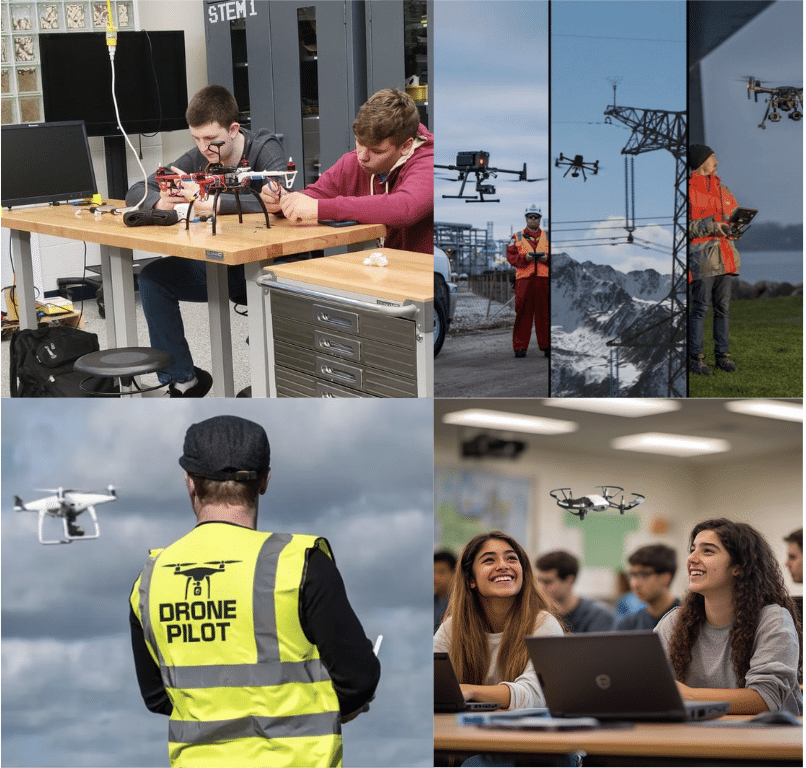
Drones still need pilots, operators, programmers, inspectors, and technicians.
Factories still require engineers who understand mechanical systems, sensors, automation workflows, and troubleshooting.
Autonomous systems still rely on people to:
- Configure hardware
- Test systems in real environments
- Maintain equipment
- Analyze physical performance
- Manage safety procedures
- Integrate sensors and communication systems
- Diagnose failures
- Adapt systems to changing conditions
Even advanced AI systems struggle when operating outside controlled environments.
The physical world is unpredictable and constantly changing.
Humans remain essential because real-world systems require judgment, adaptability, creativity, and hands-on technical understanding.
AI is increasing the demand for Technical Problem-Solvers
Ironically, the growth of AI may increase demand for careers connected to robotics, automation, engineering, drones, and advanced manufacturing.
Companies are no longer just looking for workers who can complete repetitive digital tasks. Increasingly, they need lean knowledge workers: people who can adapt quickly, learn continuously, solve problems independently, and use AI as a tool rather than rely on it as a replacement for thinking.
As industries automate more processes, the value shifts toward people who can:
- Troubleshoot systems when automation fails
- Interpret AI-generated outputs critically
- Adapt to changing technologies and workflows
- Connect software to real-world operations
- Learn new tools quickly without constant retraining
- Make decisions in unpredictable environments
- Collaborate across technical disciplines
- Combine hands-on technical skills with analytical thinking
This is especially important in fields connected to:
- Robotics
- Autonomous systems
- Drones
- Advanced manufacturing
- Smart infrastructure
- Machine vision
- Sensor systems
- AI-assisted automation
- Networking and cybersecurity
These industries still depend heavily on human judgment because physical environments constantly change. AI can assist with analysis and automation, but people are still needed to manage systems, evaluate edge cases, solve unexpected problems, and keep operations running safely and efficiently.
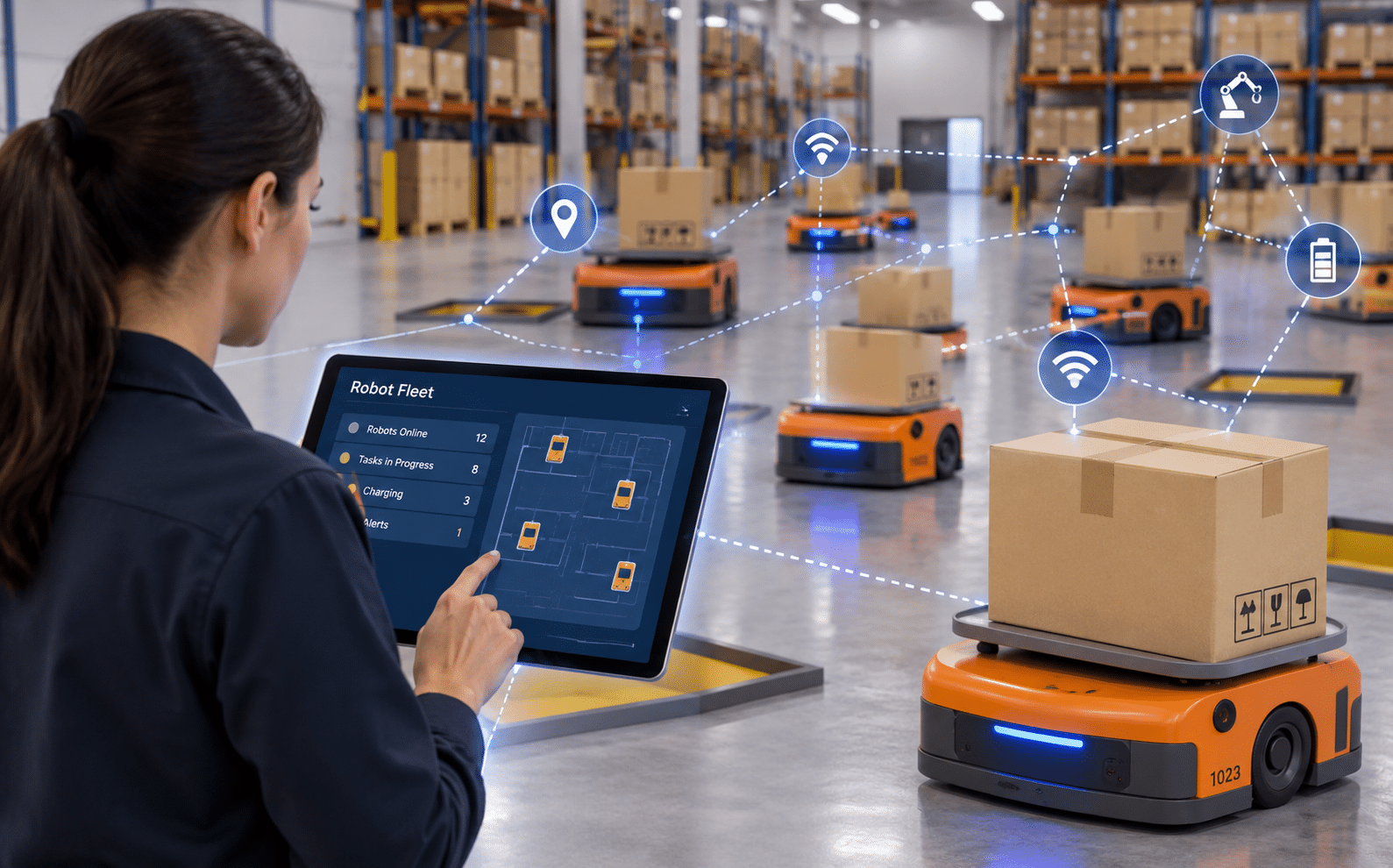
This shift is already visible across industries like logistics, warehousing, agriculture, manufacturing, caviation, onstruction, infrastructure inspection, healthcare robotics, and smart transportation.
Why Hands-On Learning Matters More Than Ever
This shift has major implications for education.
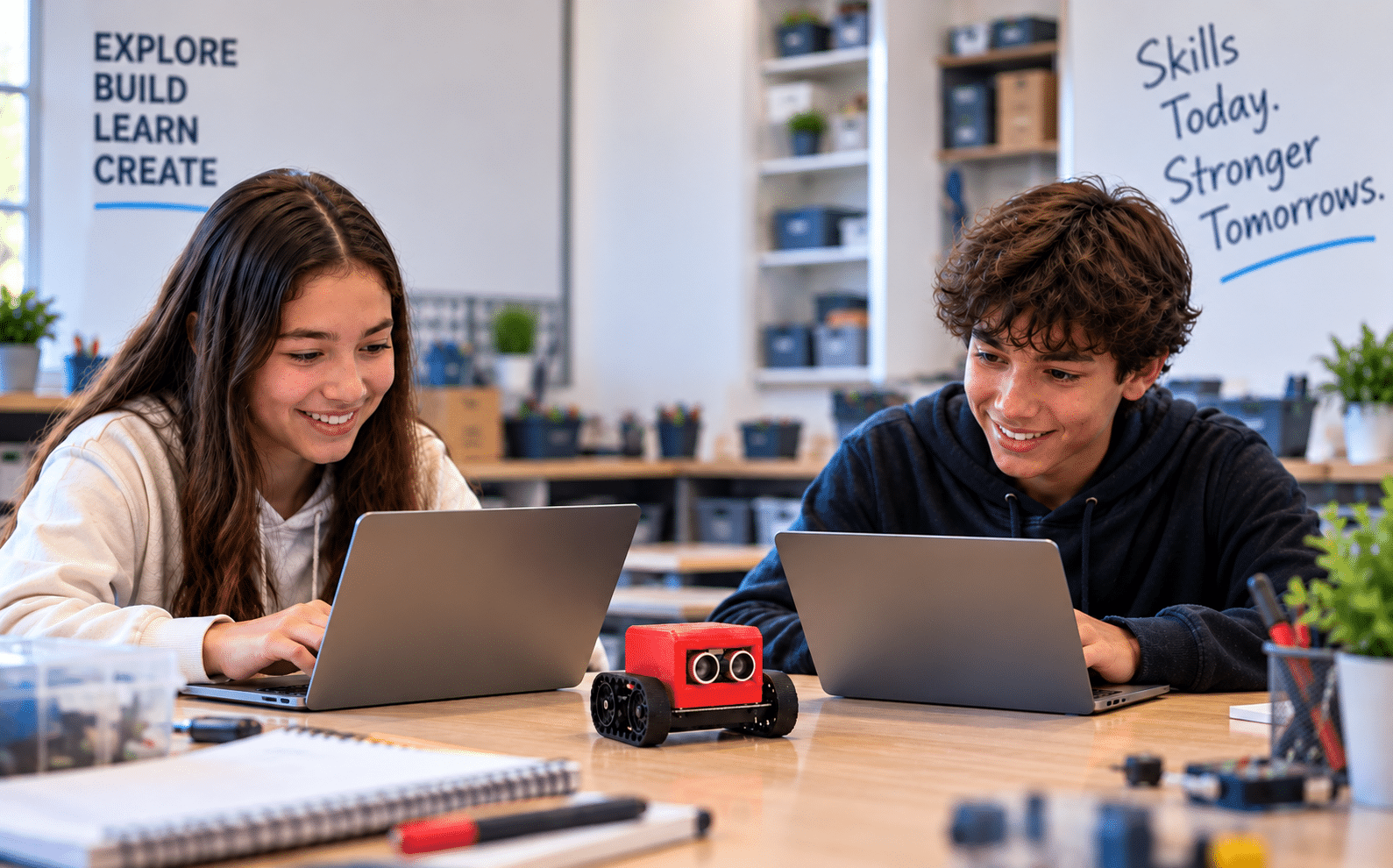
Students need more than passive exposure to technology. They need opportunities to physically interact with systems, troubleshoot problems, and understand how digital tools connect to real-world applications.
Hands-on STEM learning helps students:
- Understand how systems behave in real environments
- Learn teamwork and communication
- Build persistence through troubleshooting
- Connect abstract coding concepts to physical outcomes
- Develop technical confidence
- Explore engineering and automation pathways early
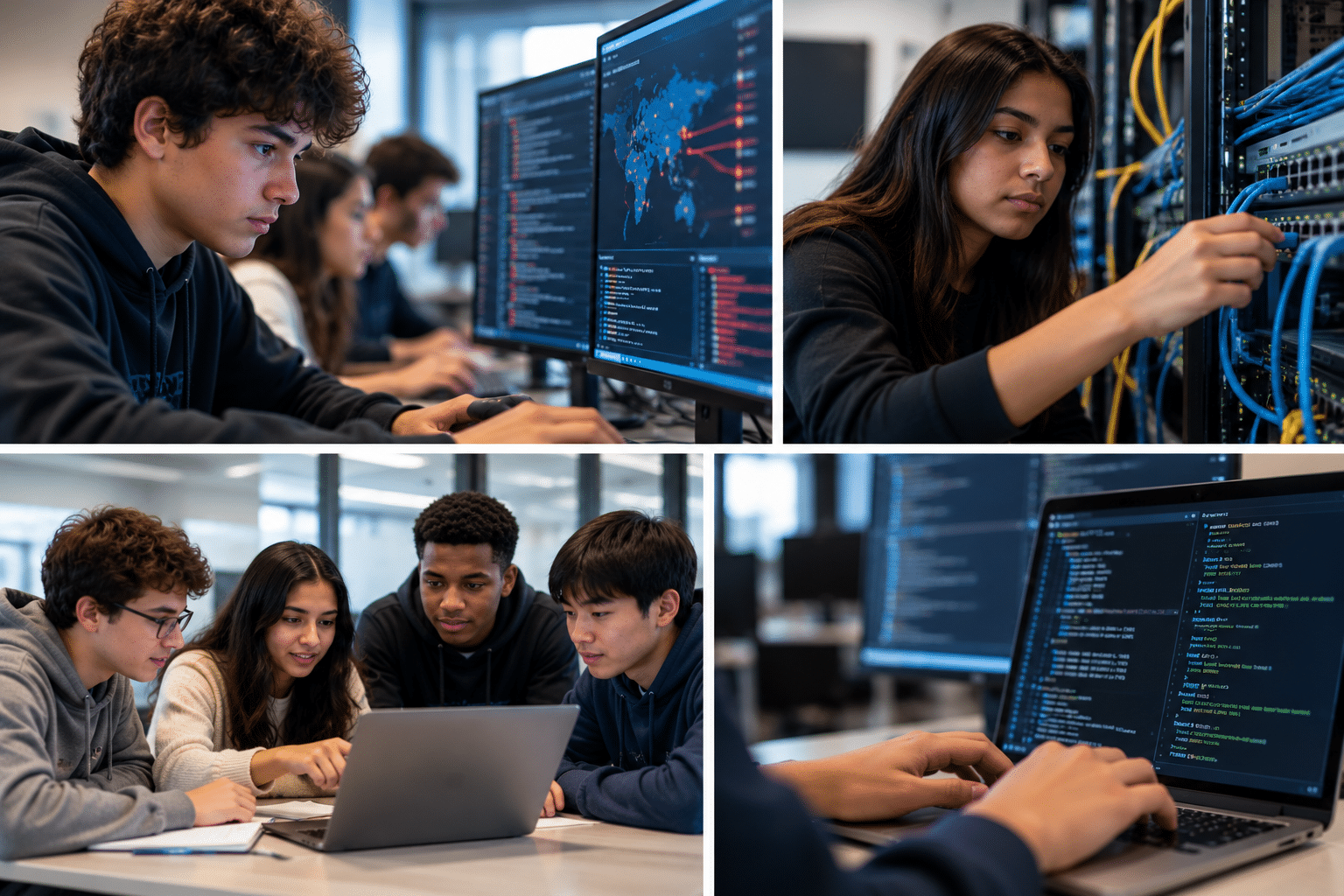
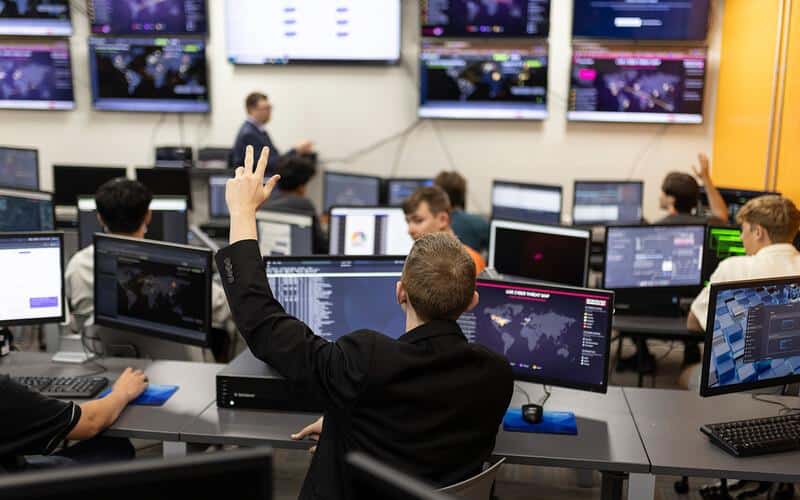
This is one reason robotics, drones, AI, cybersecurity, and automation systems are becoming more important in K–12 STEM and CTE programs.
Students are learning how technology interacts with the physical world.
The Most Valuable Skills May Be Hybrid Skills
The strongest future STEM career pathways may belong to students who can bridge multiple disciplines.
For example:
- A drone operator who understands data analysis
- A robotics student who understands AI-assisted automation
- A cybersecurity student who understands connected devices and industrial systems
- A programmer who can also work with sensors, hardware, and autonomous systems
The future workforce is likely to reward adaptability and cross-disciplinary thinking.
People who understand how to apply technology in physical environments are much harder to replace.
Preparing Students for a Changing Workforce
Technology is not eliminating human value. It is changing where human value matters most.
As automation grows, the ability to build, operate, troubleshoot, adapt, and manage real-world systems becomes increasingly important.
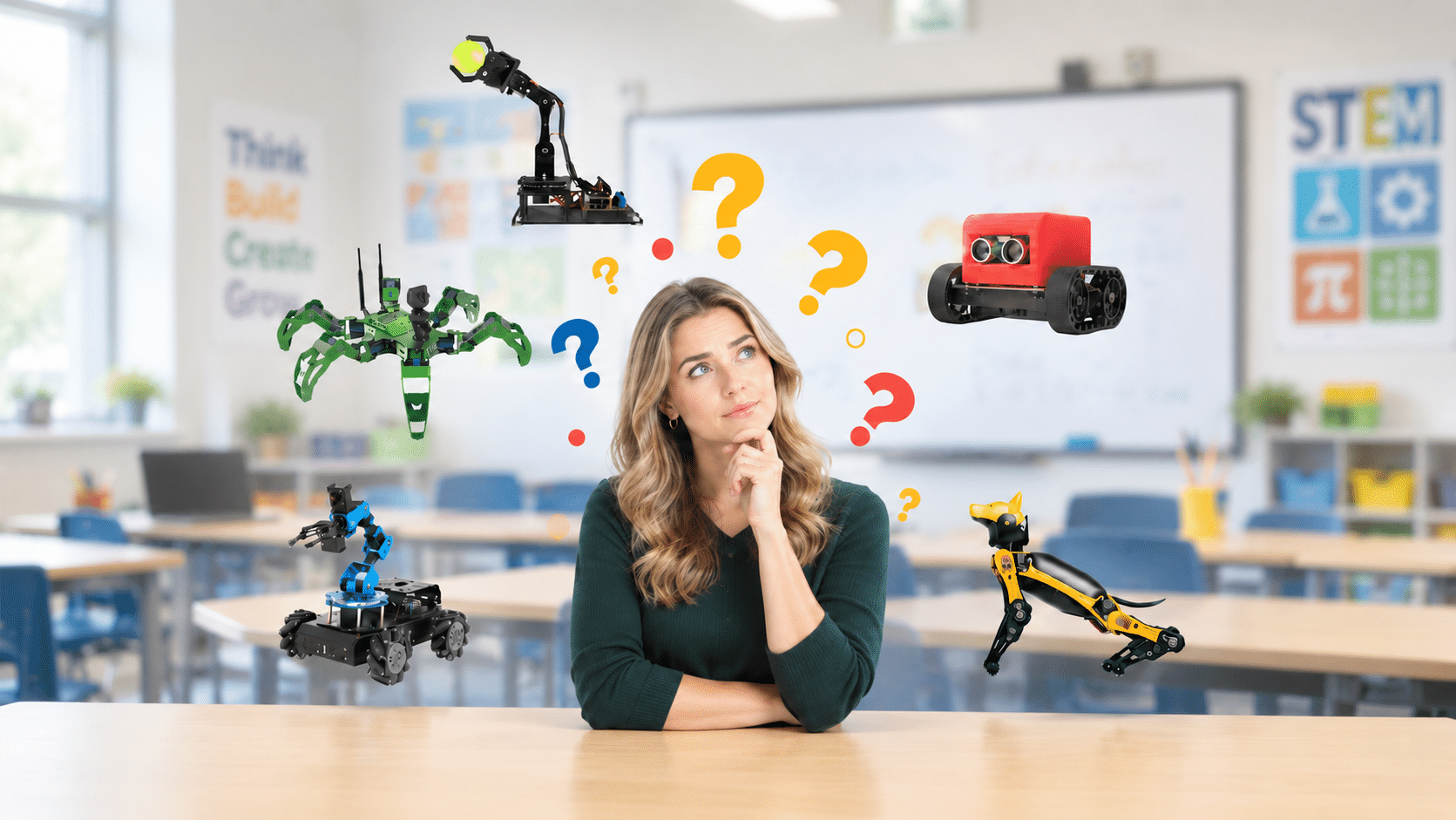
That is why modern CTE and STEM programs are moving toward hands-on learning experiences connected to robotics, drones, AI, automation, and engineering systems.
LocoRobo helps schools build these kinds of learning environments through hands-on STEM education solutions, robotics, drone, AI, cybersecurity, and automation pathways that connect classroom learning to real technical applications and future career opportunities.