
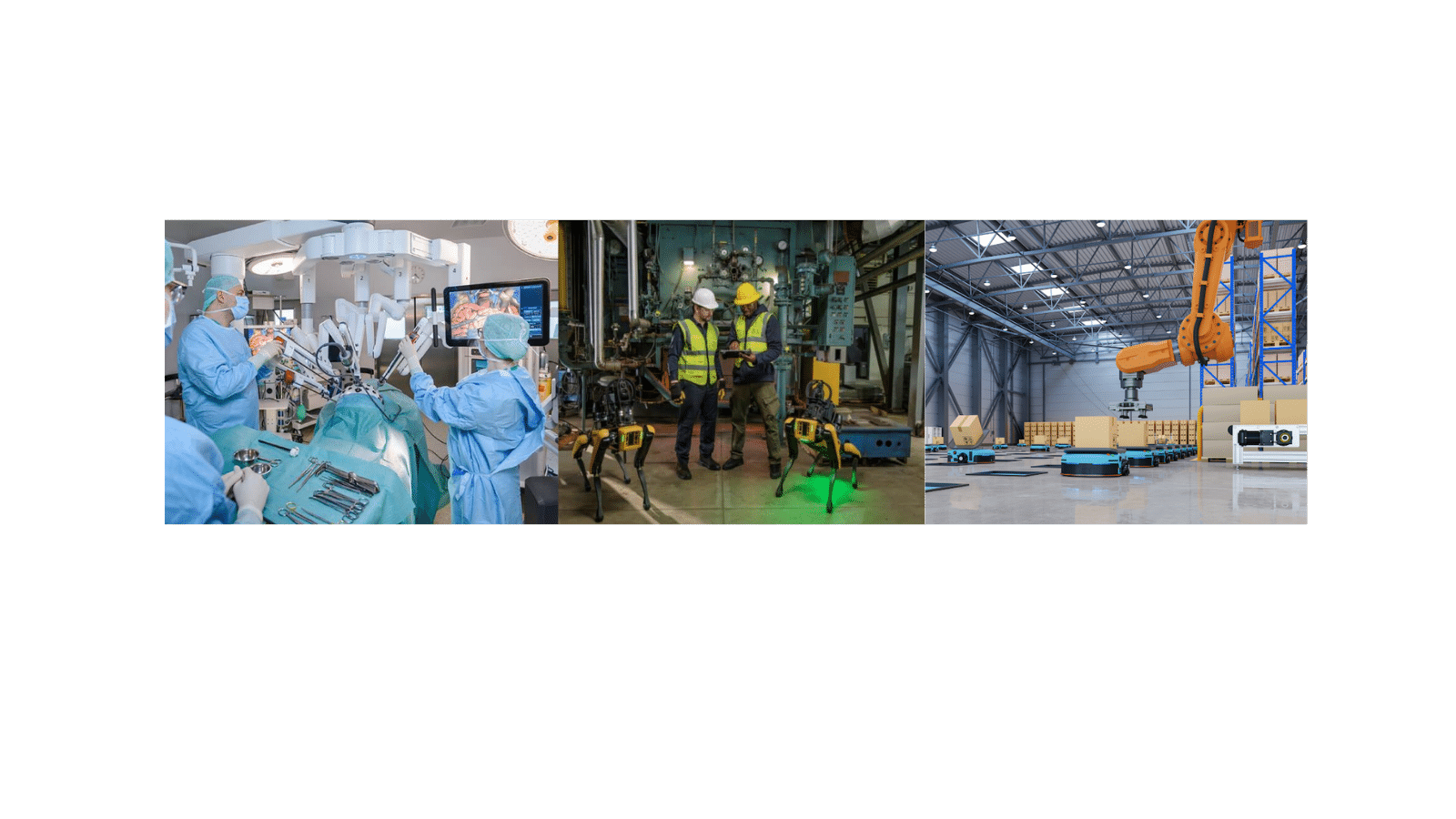
A new phase of AI development is emerging where intelligence moves beyond software and begins interacting directly with the physical world.
This shift is often referred to as Physical AI.
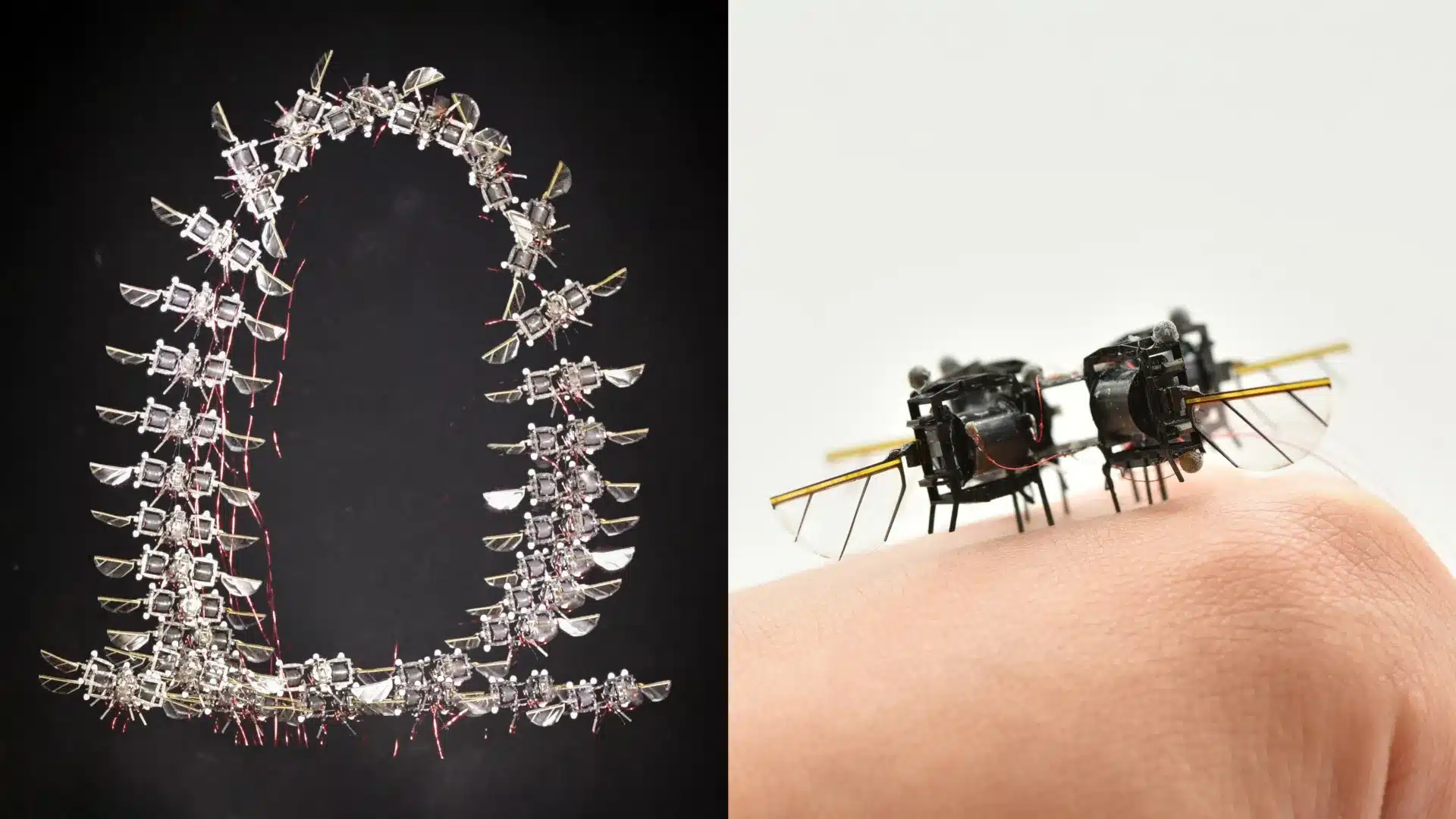
Physical AI combines artificial intelligence with sensors, robotics, automation systems, and real-world interaction. Instead of simply generating text or analyzing data, Physical AI systems can move, manipulate objects, navigate environments, collect information, and make decisions in real time.
From warehouses and hospitals to agriculture, manufacturing, logistics, and education, physical AI systems are beginning to reshape how humans work with intelligent machines.
What Is Physical AI?
Physical AI refers to AI systems that operate through physical machines capable of sensing, moving, and interacting with the environment around them.
These systems combine several technologies together:
- Artificial intelligence and machine learning
- Robotics hardware
- Sensors and perception systems
- Computer vision
- Autonomous navigation
- Real-time data processing
- Human-machine interaction
Unlike traditional software AI systems that remain entirely digital, Physical AI exists in the real world.
A chatbot can answer a question.
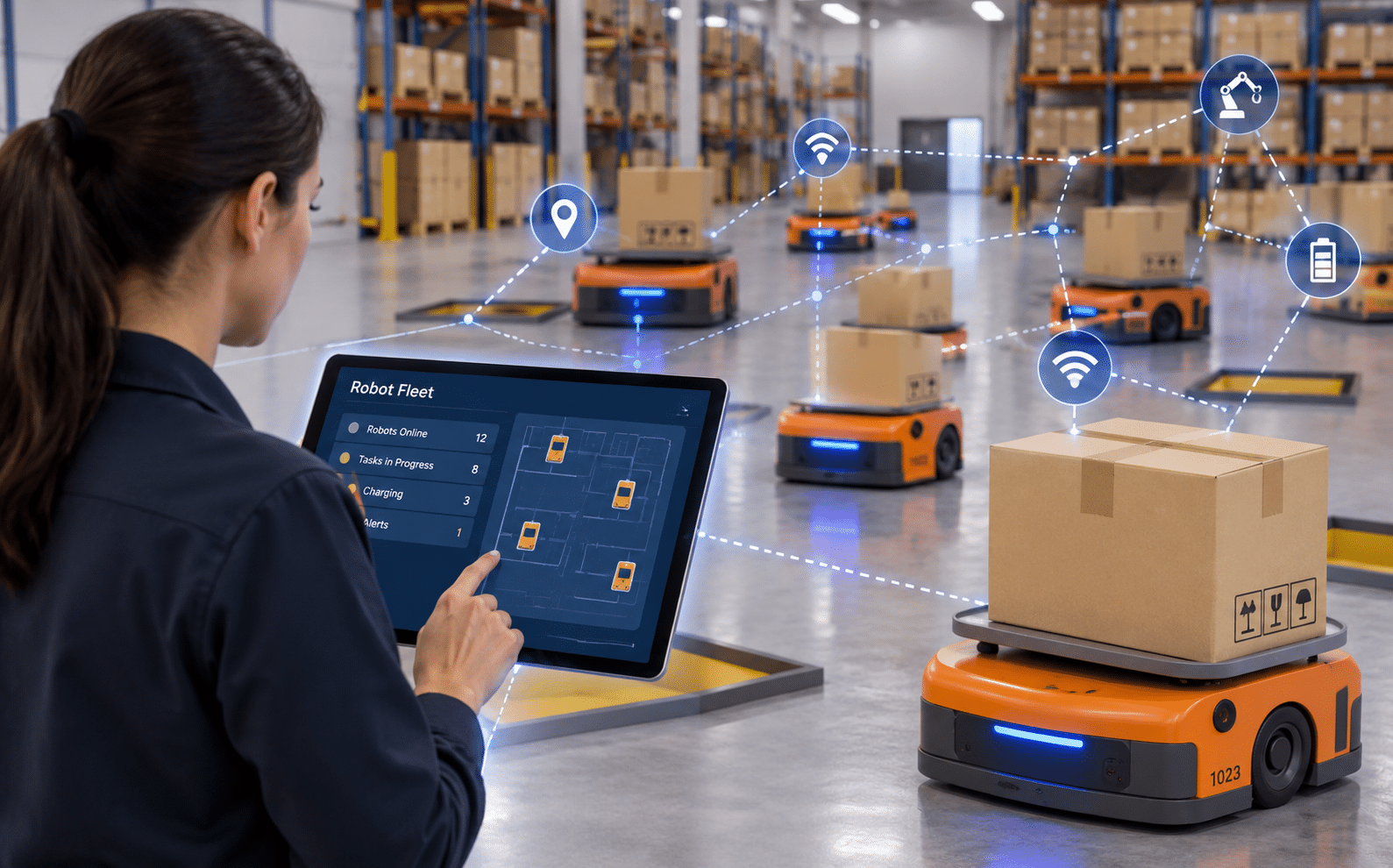
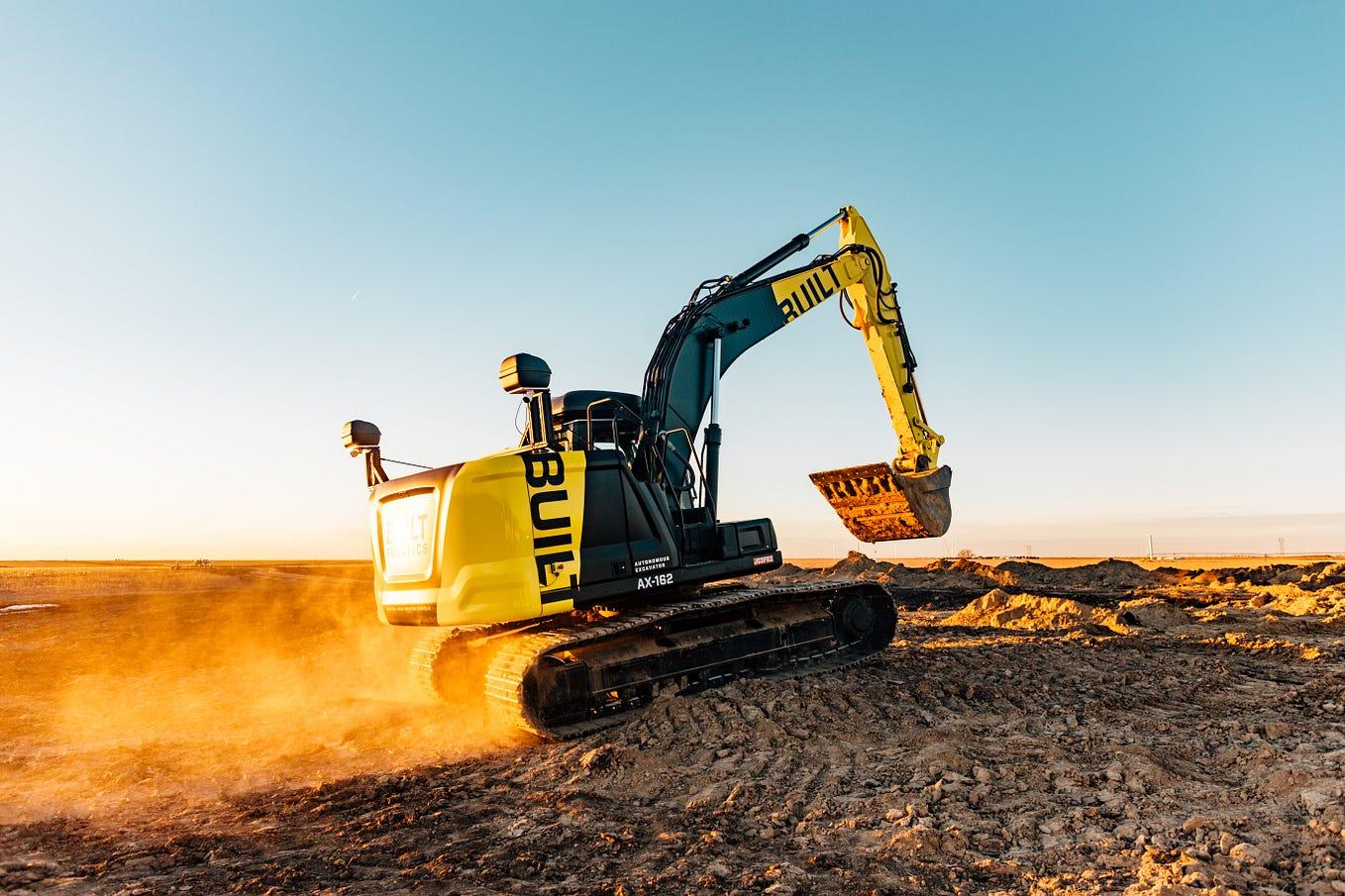
A Physical AI robot can inspect a warehouse, carry materials, navigate a construction site, identify damaged equipment, or assist a student learning robotics.
The difference is action.
Why Physical AI Is Growing So Quickly
Several major technology shifts are accelerating the growth of Physical AI systems.
Better AI Models
Recent advances in AI models have improved perception, reasoning, language understanding, and decision-making. These improvements allow robots to process more complex environments and adapt to changing situations.
Robots are becoming better at:
- Object recognition
- Human interaction
- Spatial awareness
- Motion planning
- Environmental mapping
- Task automation
Improvements in Sensors and Robotics Hardware
Modern robots now have access to lower-cost cameras, LiDAR systems, GPS systems, depth sensors, and onboard processors powerful enough to run AI models directly on the device.
This allows robots to make decisions in real time without relying entirely on cloud systems.
Demand for Automation
Industries facing labor shortages, safety concerns, and operational inefficiencies are investing heavily in robotics and autonomous systems.
Physical AI is already being used for:
- Warehouse automation
- Agricultural monitoring
- Infrastructure inspection
- Drone mapping
- Manufacturing assistance
- Autonomous delivery systems
- Healthcare robotics
- Smart transportation systems
AI Needs a Physical Interface
Physical AI changes that by giving AI systems the ability to:
- Observe environments
- Move through spaces
- Interact with objects
- Collect live data
- Respond dynamically
This is why robotics is becoming such a major focus in AI development.
Humanoid Robots Are Only One Part of the Story
Much of the public conversation around Physical AI focuses on humanoid robots. Companies are showcasing robots that walk, carry objects, or mimic human movement.
But Physical AI extends far beyond humanoids.
Many of the most important systems are:
- Quadruped robots
- Autonomous drones
- Robotic arms
- Industrial inspection robots
- Warehouse robots
- Mobile mapping systems
- Agricultural robotics platforms
Different environments require different robotic forms.
A quadruped robot may navigate rough terrain more effectively than a humanoid.
A drone may inspect infrastructure faster than a wheeled robot.
A robotic arm may handle repetitive manufacturing tasks with greater precision.
The future of Physical AI will likely involve many specialized robotic systems working together.
Physical AI Is Changing Workforce Skills
As AI becomes more connected to robotics and automation, workforce needs are also shifting.
Industries increasingly need people who understand:
- Robotics systems
- Sensor integration
- AI-assisted automation
- Autonomous navigation
- Computer vision
- Embedded computing
- Data collection from physical systems
- Human-machine collaboration
This is creating growing demand for technical problem-solvers who can work alongside intelligent systems rather than compete against them.
Across industries, robots are becoming extensions of human capability.
AI-powered systems can inspect dangerous environments, process massive amounts of sensor data, automate repetitive workflows, and operate continuously with speed and precision. But even the most advanced robotic systems still depend on human insight, judgment, and decision-making.
Humans continue to provide:
- Creativity and innovation
- Ethical decision-making
- Strategic thinking
- Adaptability in unpredictable situations
- Systems-level problem-solving
- Communication and leadership
This creates a new kind of workforce partnership.
Instead of humans competing against machines, industries are increasingly relying on people who can direct, manage, improve, and collaborate with intelligent systems.
The future workforce may be defined by how effectively humans and intelligent machines can work together to solve real-world problems.
Why Physical AI Matters for Education
As Physical AI continues expanding across industries, schools are beginning to place greater focus on robotics, automation, AI, and hands-on engineering experiences that connect technology to real-world systems.
Students are increasingly interacting with technologies that can sense environments, process data, make decisions, and perform physical tasks.
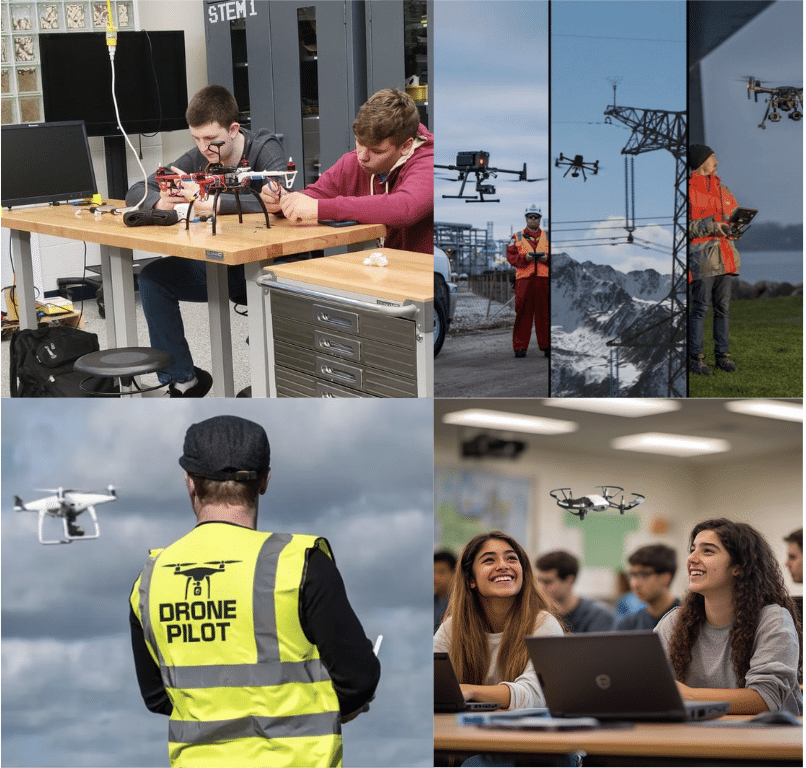
When students program a robot, autonomous vehicles, or drones, they begin connecting AI concepts to movement, sensing, engineering, and decision-making.
This creates opportunities for hands-on learning in:
- Robotics
- Artificial intelligence
- Computer science
- Automation
- Engineering
- Data science
- Autonomous systems
Physical AI also helps students develop broader technical skills such as:
- Problem-solving
- Team collaboration
- Systems thinking
- Iteration and testing
- Real-world debugging
- Technical communication
These experiences mirror the kinds of workflows students may encounter in future STEM and CTE careers.
Preparing Students for the Physical AI Era
As robotics and AI continue converging, exposure to physical computing systems may become increasingly important for students entering future STEM pathways.
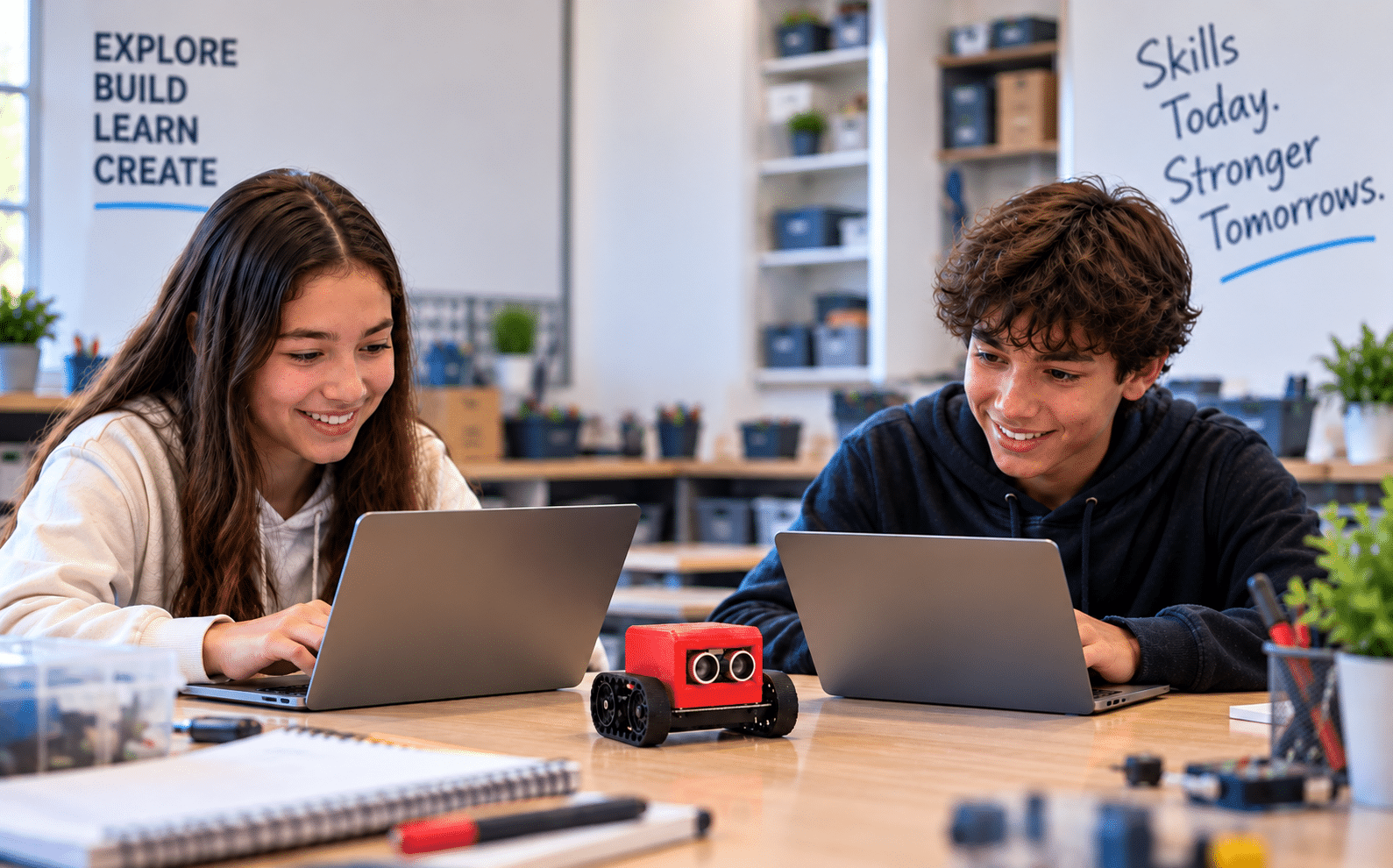
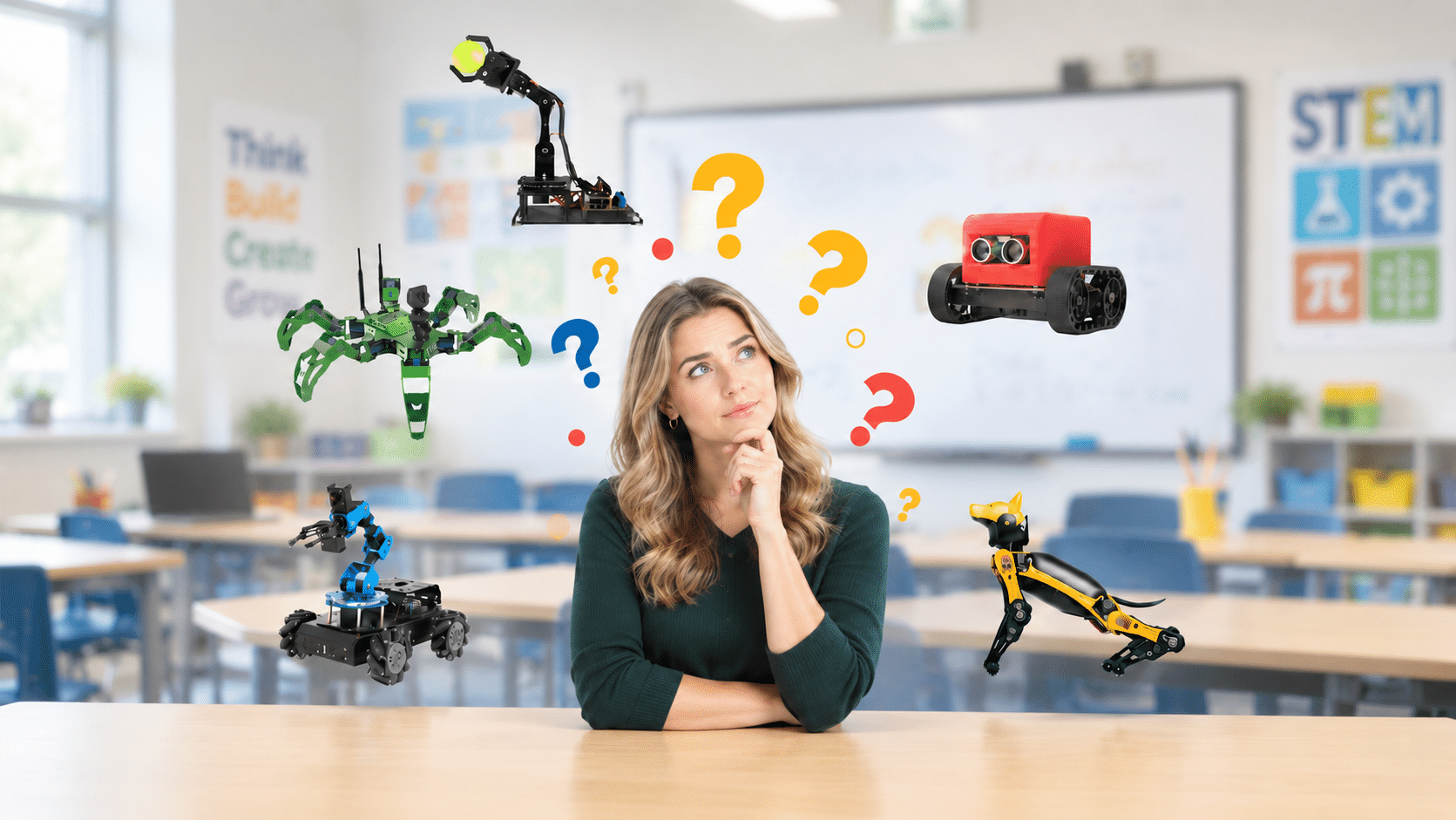
At LocoRobo, students can explore robotics in the classroom, AI, autonomous systems, and hands-on engineering through classroom-ready platforms designed for STEM and CTE education.
By combining STEM robotics, AI, sensors, coding, and real-world problem-solving, students gain experience with many of the same concepts driving the rise of Physical AI across modern industries.