
We have all done it. You put your keys, wallet, or phone somewhere, only to spend the next ten minutes trying to remember where you left them.
Now imagine asking a robot, “Where did I leave my keys?” and getting an instant, accurate answer.
That idea may sound futuristic, but researchers at MIT are bringing it much closer to reality. They have developed a new artificial intelligence framework that gives robots something surprisingly human: long-term spatial memory.
Instead of simply recognizing objects, robots can now remember what they saw, where they saw it, and even when they saw it, making them far more useful in homes, workplaces, schools, and beyond.
Teaching Robots to Remember
Today’s robots are excellent at navigating spaces, performing repetitive tasks, and recognizing objects. However, they typically struggle to remember environments over long periods.
For example, a robot may detect a toolbox in a workshop today, but tomorrow it has no meaningful memory of where it was or how to find it again.
MIT’s new framework, called Describe Anything, Anywhere, at Any Moment (DAAAM), changes that.
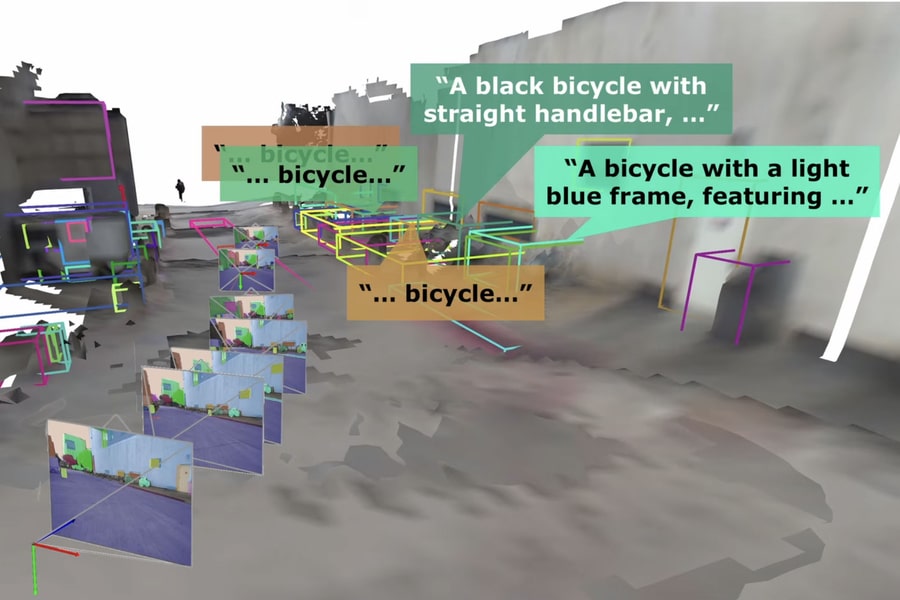
Instead of creating only a navigation map, DAAAM builds a detailed memory of an environment by combining:
- 3D mapping
- Large language models (LLMs)
- Computer vision
- Rich descriptions of objects and locations
This allows robots to answer natural language questions much like a human assistant.
Questions such as:
- “Where did I leave my backpack?”
- “Where is the sculpture near the engineering building?”
- “Which bicycle had the flat tire?”
- “Find the component we were assembling yesterday.”
Rather than searching blindly, the robot recalls its previous observations and retrieves the information in seconds.
More Than Just Object Detection
Traditional AI vision systems identify objects like:
- Chair
- Table
- Bicycle
- Laptop
DAAAM goes much further.
As the robot explores an environment, it records contextual information about everything it encounters.
Instead of remembering only “bicycle,” it may remember:
- A red bicycle
- Parked outside the engineering building
- Flat front tire
- Next to five other bicycles
- Seen yesterday afternoon
This richer understanding allows the robot to reason about locations much more like people do.
Turning Maps Into Memories
Most robotic maps are designed for navigation.
They answer questions like:
- Where is the doorway?
- Where can I drive?
- How do I avoid obstacles?
MIT’s approach transforms these maps into searchable memories.
The researchers describe this as creating a language-based map, allowing robots to search using everyday language instead of coordinates.
Rather than requiring precise GPS locations, someone can simply ask:
“Where is the red toolbox?”
or
“Where did we leave the project yesterday?”
The robot searches its memory instead of starting from scratch.
Real-Time Memory at Scale
One of the biggest technical challenges was speed.
A robot moving through a building may encounter hundreds of objects every minute. Describing every object individually would be too slow for practical use.
The MIT team solved this by grouping nearby objects together and selecting only the most useful viewpoints for detailed analysis.
This optimization allows the robot to build memories up to 10 times faster than previous approaches while operating in real time.
The result is a system that can continuously learn about large environments without slowing down.
Why This Matters for Robotics
Robots with long-term memory become significantly more capable.
Instead of simply following programmed instructions, they can assist people in dynamic environments by remembering past events and locations.
Potential applications include:
Manufacturing
A worker could ask:
“Bring me the component we started assembling yesterday.”
The robot remembers exactly where it was left.
Hospitals
Medical robots could remember where equipment was last used or stored.
Warehouses
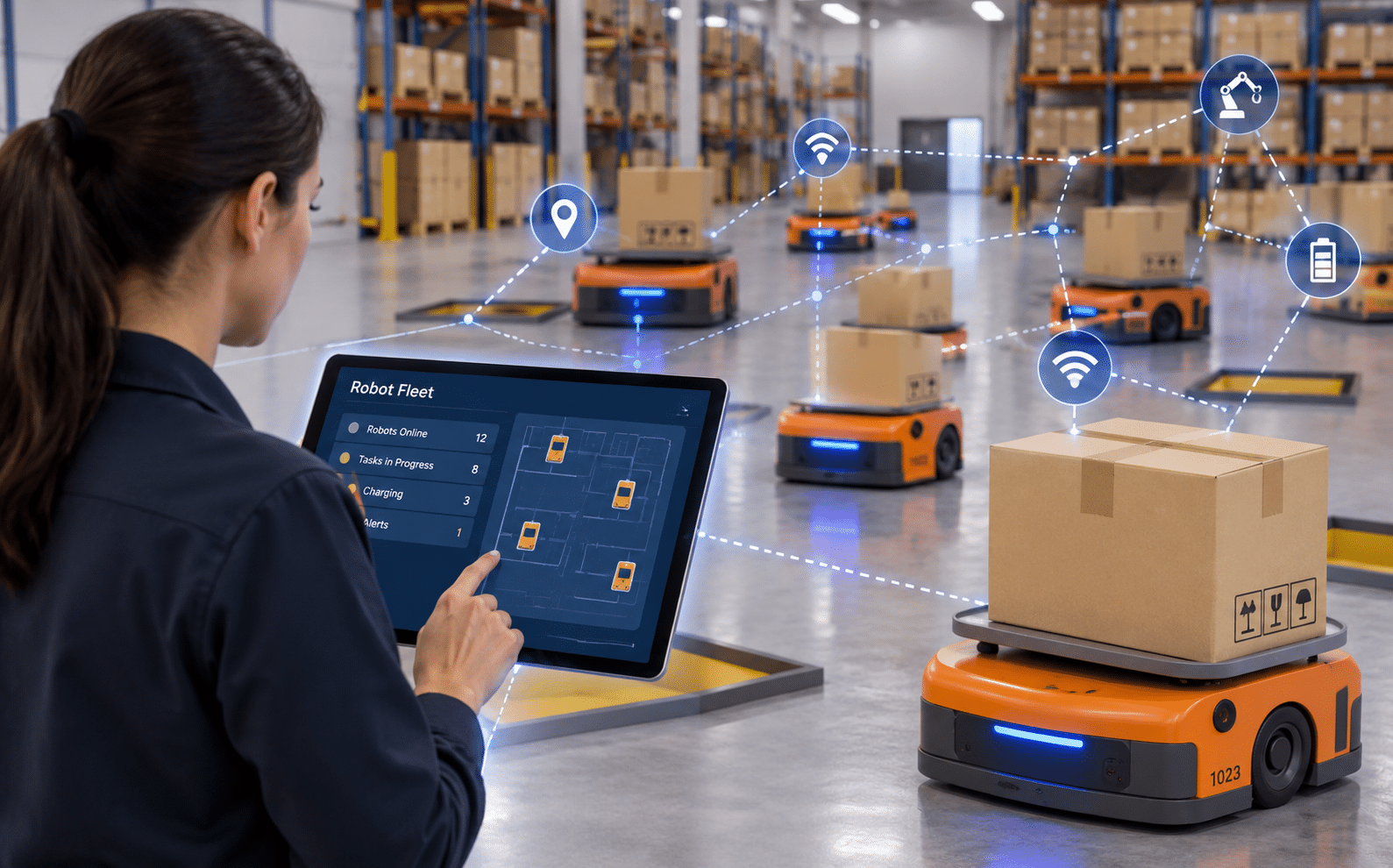
Autonomous robots could quickly locate inventory without rescanning every shelf.
Smart Buildings
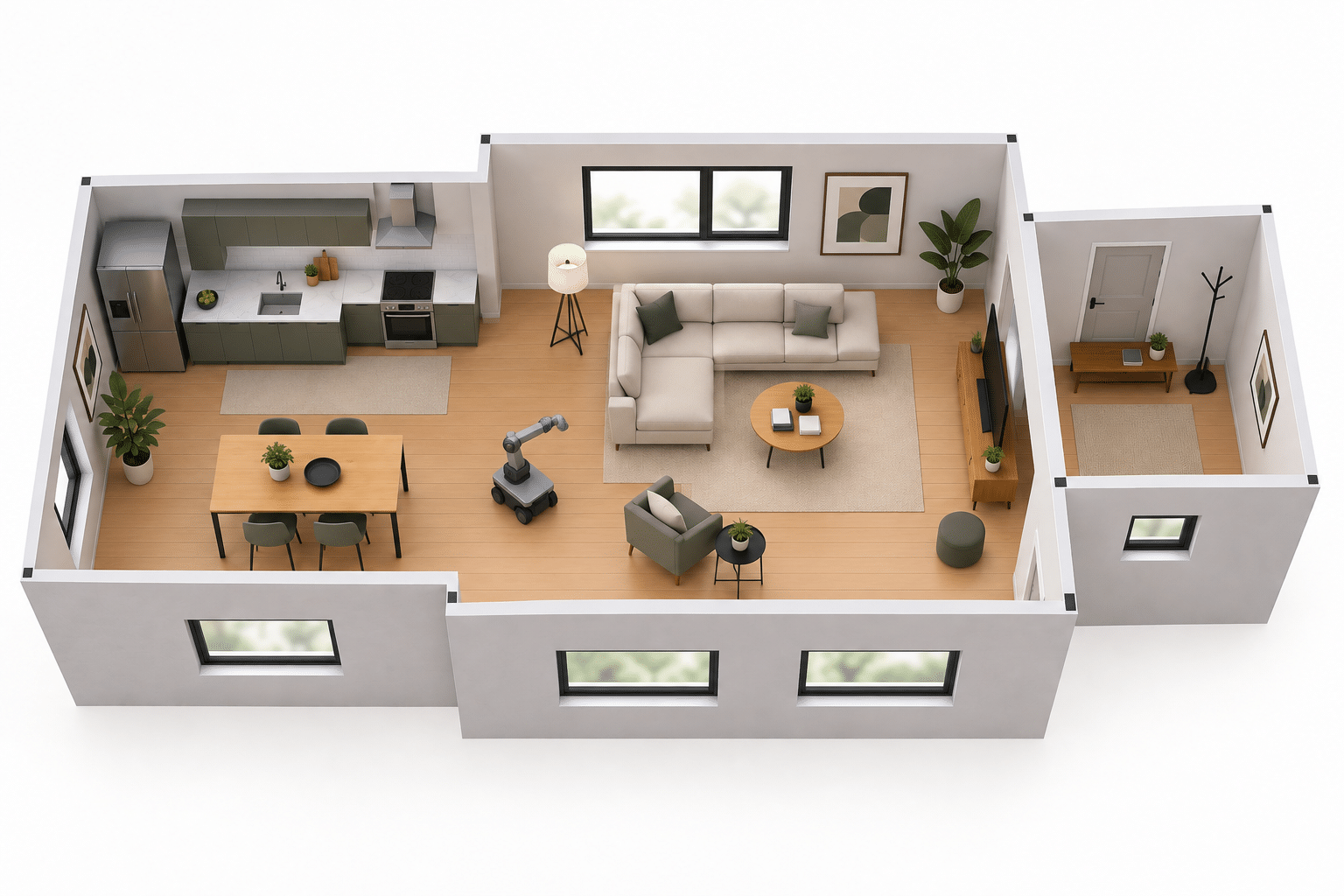
Service robots could help occupants locate misplaced items or monitor changing environments.
Augmented Reality
Maintenance workers wearing AR glasses could receive contextual information about equipment they inspected earlier.
AI That Understands the Real World
Large language models have become incredibly good at answering questions.
However, they usually rely on information from documents or previous conversations.
This research connects language models to the physical world.
Instead of answering questions about internet knowledge, AI can answer questions about places it has actually seen.
In other words, the robot develops its own experiences and memories.
This represents an important step toward more intelligent robotic assistants that understand both language and their surroundings.
What This Means for Students
Advances like DAAAM highlight how robotics is evolving beyond movement and automation.
Modern robots increasingly combine:
- Artificial intelligence
- Mapping
- Machine learning
- Computer vision
- Natural language processing
- Autonomous decision-making
These are exactly the technologies shaping careers across industries including manufacturing, logistics, aerospace, healthcare, agriculture, and autonomous transportation.
Helping students understand how robots perceive, remember, and interact with the world prepares them for careers where AI and robotics work together.
The next generation of engineers will not simply build robots that move. They will build robots that observe, learn, remember, and collaborate with people.
Bringing AI and Robotics Into the Classroom
At LocoRobo, students apply these technologies through hands-on projects that connect classroom concepts with real-world applications.
Our AI education ecosystem introduces students to machine learning, prompt engineering, computer vision, Python programming, and responsible AI through engaging, classroom-ready lessons.
Combined with our robotics platforms, students can program a robot, explore autonomous navigation, work with sensors and AI-powered perception, and understand how modern robotic systems make decisions based on the world around them.
As innovations like MIT’s DAAAM continue to advance robotics, today’s students will be the ones designing the intelligent machines of tomorrow. LocoRobo helps schools build those skills through complete instructional systems that combine technology, AI and robotics curriculum, educator training, and ongoing implementation support.