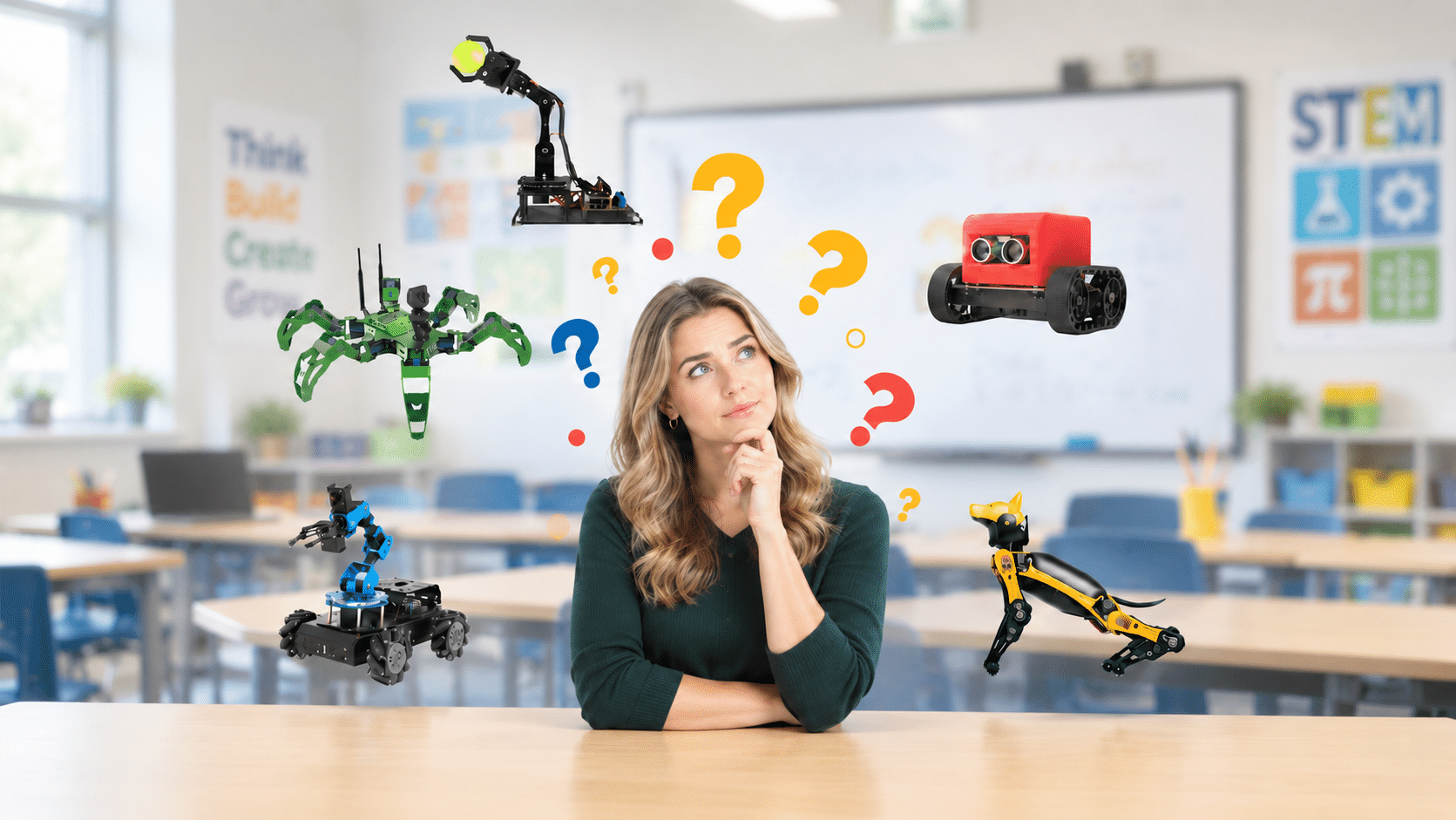

Many schools start STEM programs with strong intentions. A robotics kit is purchased. A drone program launches. A coding platform gets introduced during a computer science unit.
But over time, these programs often become disconnected.
One teacher runs robotics. Another teaches coding. Drones are used once a semester. STEM career exploration happens separately. Students move from one activity to another without a clear understanding of how the skills connect.
A fully integrated STEM ecosystem solves this problem by creating alignment between technology, STEM curriculum, teacher support, and long-term student progression.
The goal is building a structured learning environment where skills connect, pathways progress, and students can continuously apply what they learn across different technologies and subjects.
STEM Is Stronger When Systems Work Together
A STEM ecosystem is not built around a single product or isolated classroom activity.
It combines:
- Hardware students can actively use
- Professional development for teachers
- Software platforms that simplify instruction
- STEM curriculum aligned to learning outcomes
- Career-connected learning experiences
- Cross-disciplinary applications across STEM and CTE
- Progression from beginner to advanced concepts
When these pieces work together, schools spend less time troubleshooting disconnected programs and more time creating meaningful learning experiences.
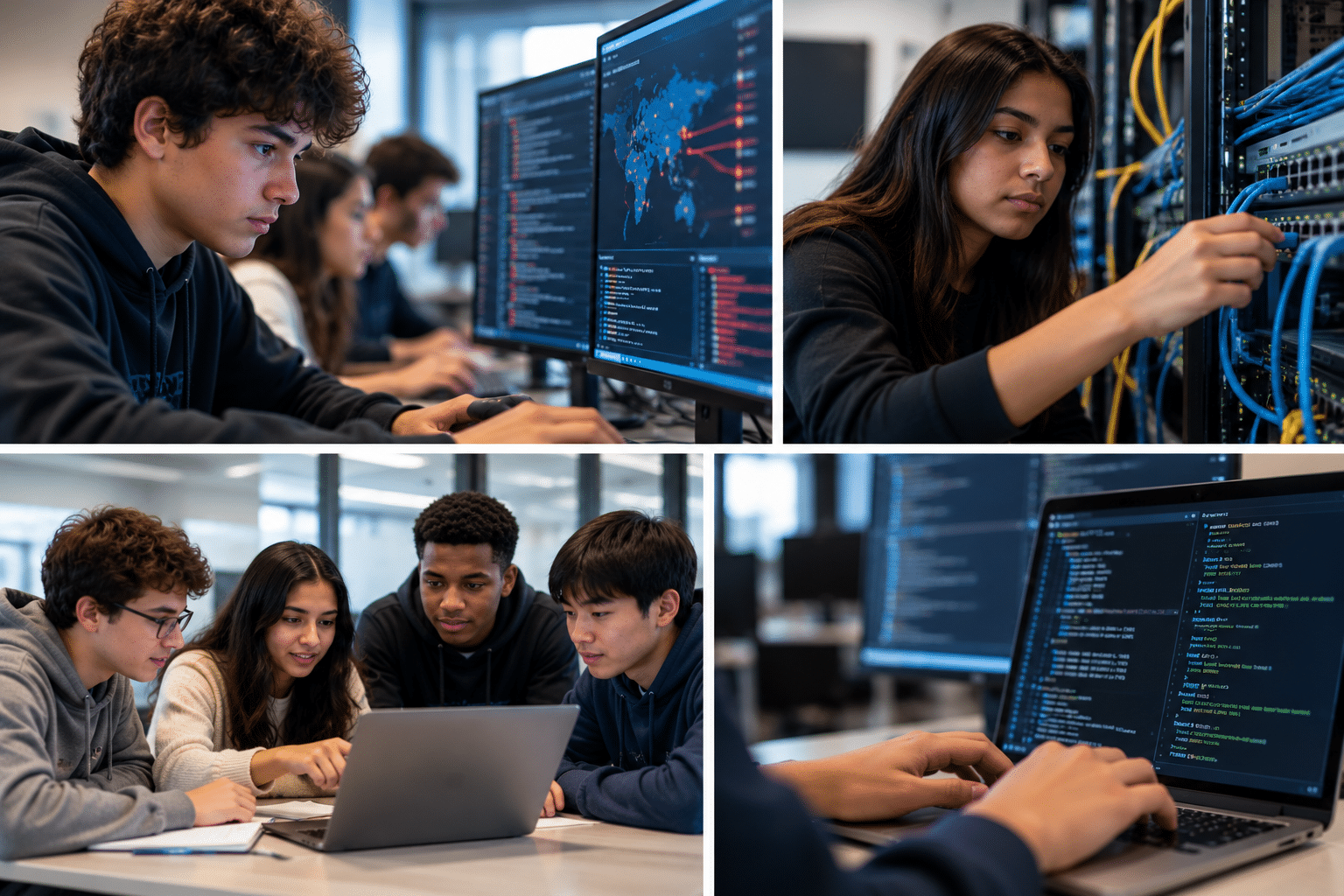
Students begin to see how coding applies to robotics, how AI connects to automation, how drones connect to data collection and engineering and how cybersecurity relates to networking and computer systems.
Learning becomes more connected and easier to build on year after year.
Students Need Progression, Not Random Activities
One of the biggest differences between isolated STEM tools and a true ecosystem is progression.
A strong STEM ecosystem creates structured pathways where students steadily build new skills over time.
For example:
- Elementary students may begin with visual coding and basic robotics movement
- Middle school students may move into sensors, automation, and drone flight concepts
- High school students may work with AI systems, Python programming, cybersecurity frameworks, autonomous navigation, or FAA-aligned drone curriculum
Each stage builds confidence while preparing students for more advanced concepts later.
This progression also helps teachers plan more effectively because instruction no longer starts from scratch every year.
Teachers Need Systems That Fit Classrooms
Many STEM programs fail because implementation becomes too difficult to sustain.
Teachers already manage:
- Mixed student skill levels
- Limited planning time
- Device and connectivity challenges
- Curriculum pacing requirements
- Classroom management during hands-on activities
A STEM ecosystem should reduce these barriers. That means:
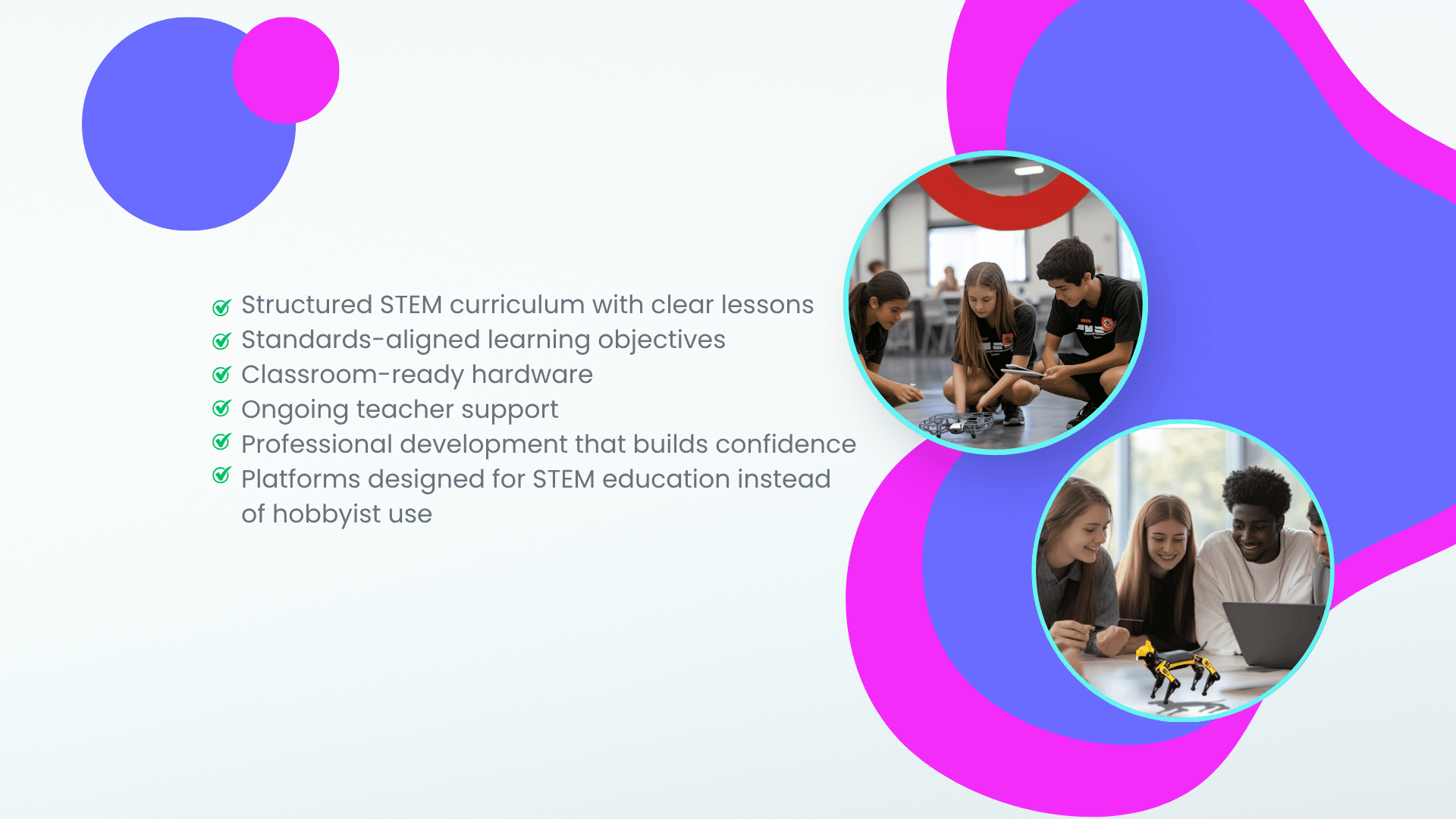
- Structured STEM curriculum with clear lessons
- Standards-aligned learning objectives
- Classroom-ready hardware
- Ongoing teacher support
- Professional development that builds confidence
- Platforms designed for STEM education instead of hobbyist use
The strongest STEM ecosystems support teachers just as much as students.
A STEM Ecosystem Should Grow With Your Program
Most successful STEM programs expand gradually:
- Starting after-school programs or clubs
- Adding a single elective
- Expanding into district-wide initiatives
- Building multi-year pathways tied to STEM and CTE goals
A strong ecosystem allows schools to scale without constantly replacing tools, retraining staff from scratch, or rebuilding curriculum structures.
When platforms, curriculum, and support systems work together, schools can grow programs more sustainably over time.
What the LocoRobo STEM Ecosystem Looks Like
At LocoRobo, we approach STEM education as a connected ecosystem.
Our ecosystem combines:
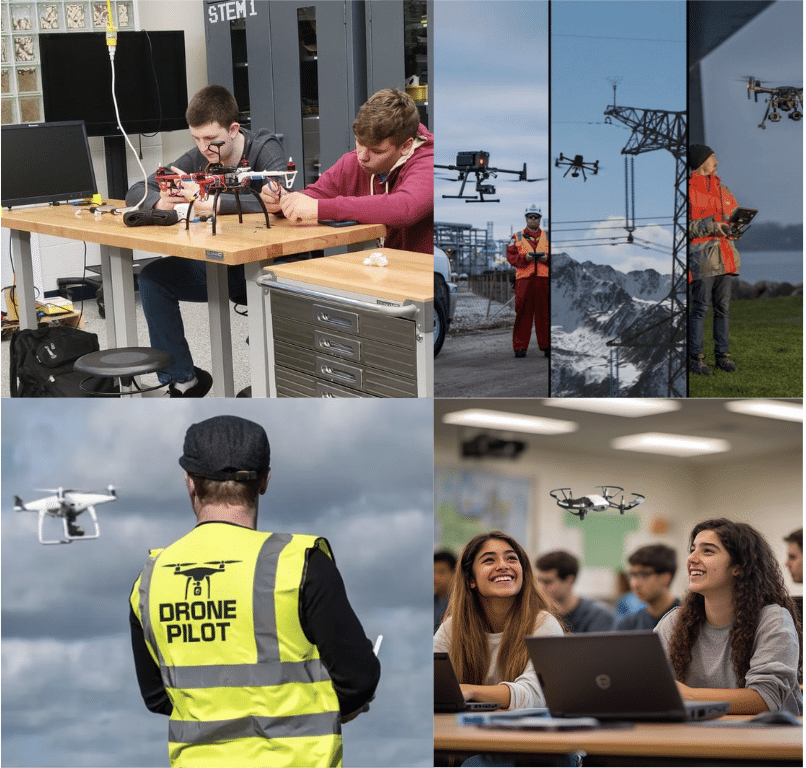
- Drone programs for coding, flight, mapping, and career exploration
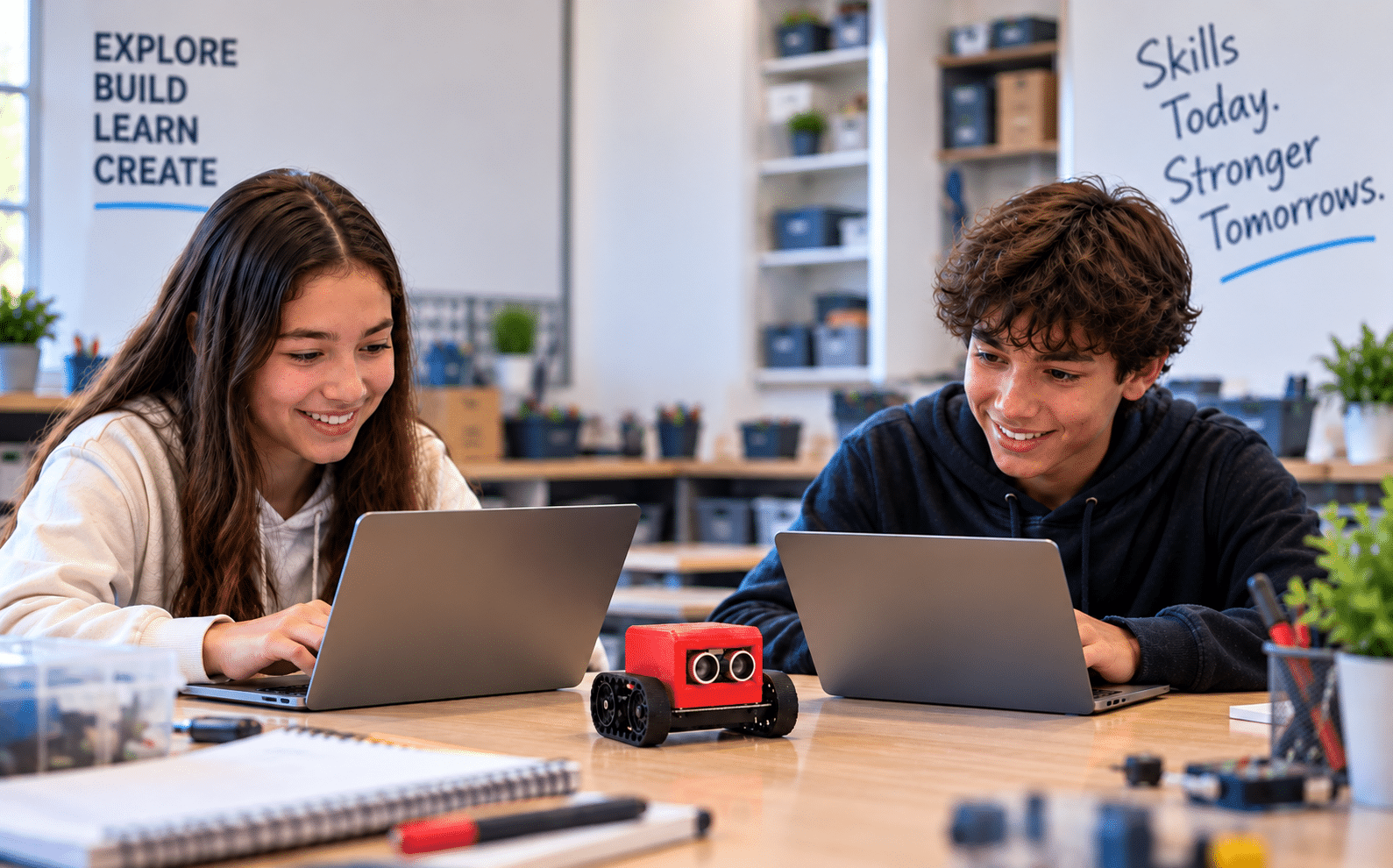
- K12 Robotics platforms for hands-on engineering and automation
- AI curriculum focused on practical classroom implementation
- Cybersecurity education with industry certification alignment
- Esports programs focused on teamwork, strategy, communication, and digital career pathways
- VR career exploration experiences
Programs are designed to work together so schools can build long-term STEM and CTE pathways instead of isolated activities.
Explore LocoRobo K-12 STEM Solutions to see how integrated STEM ecosystems can support your classrooms, pathways, and long-term program goals.