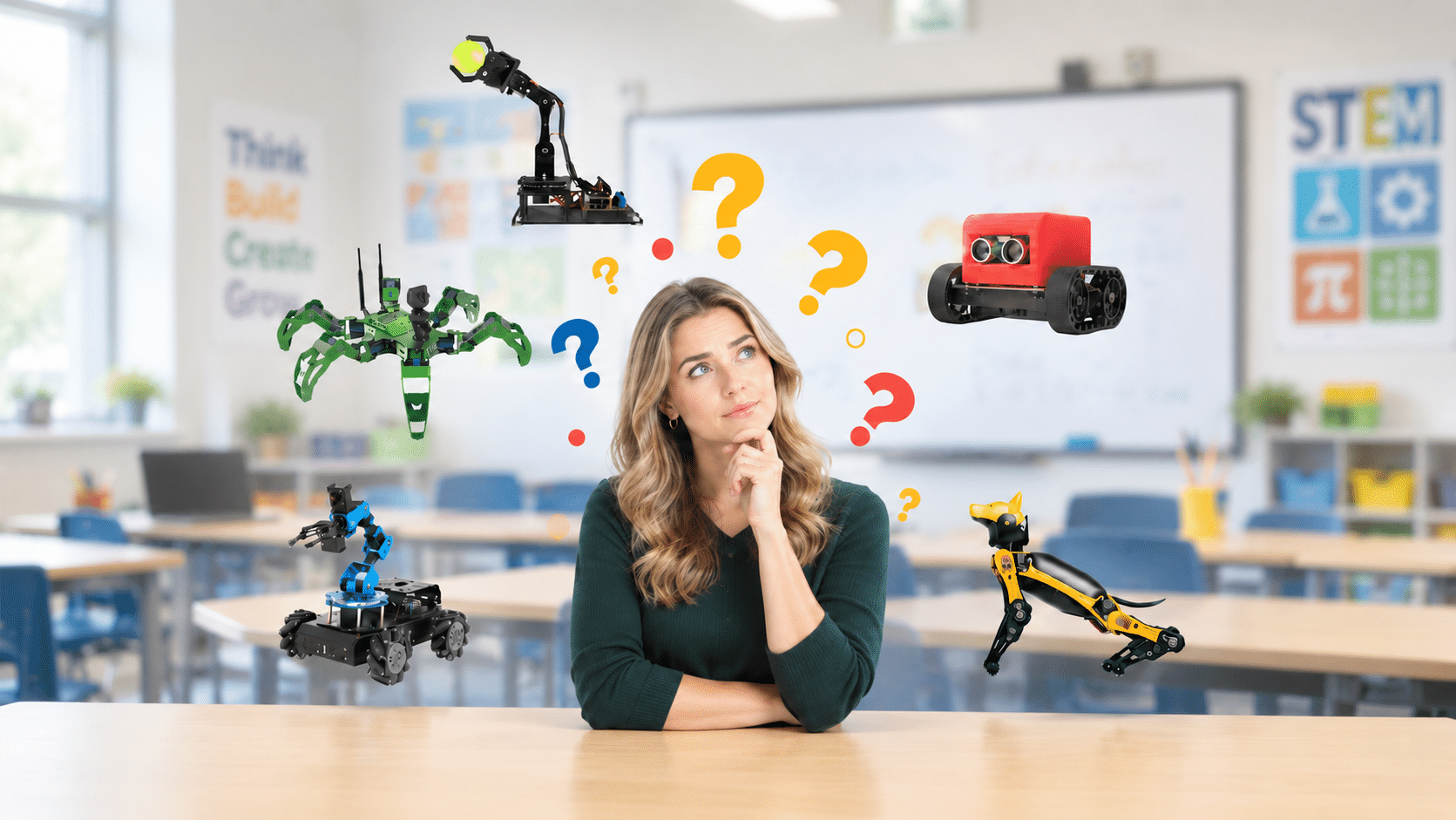

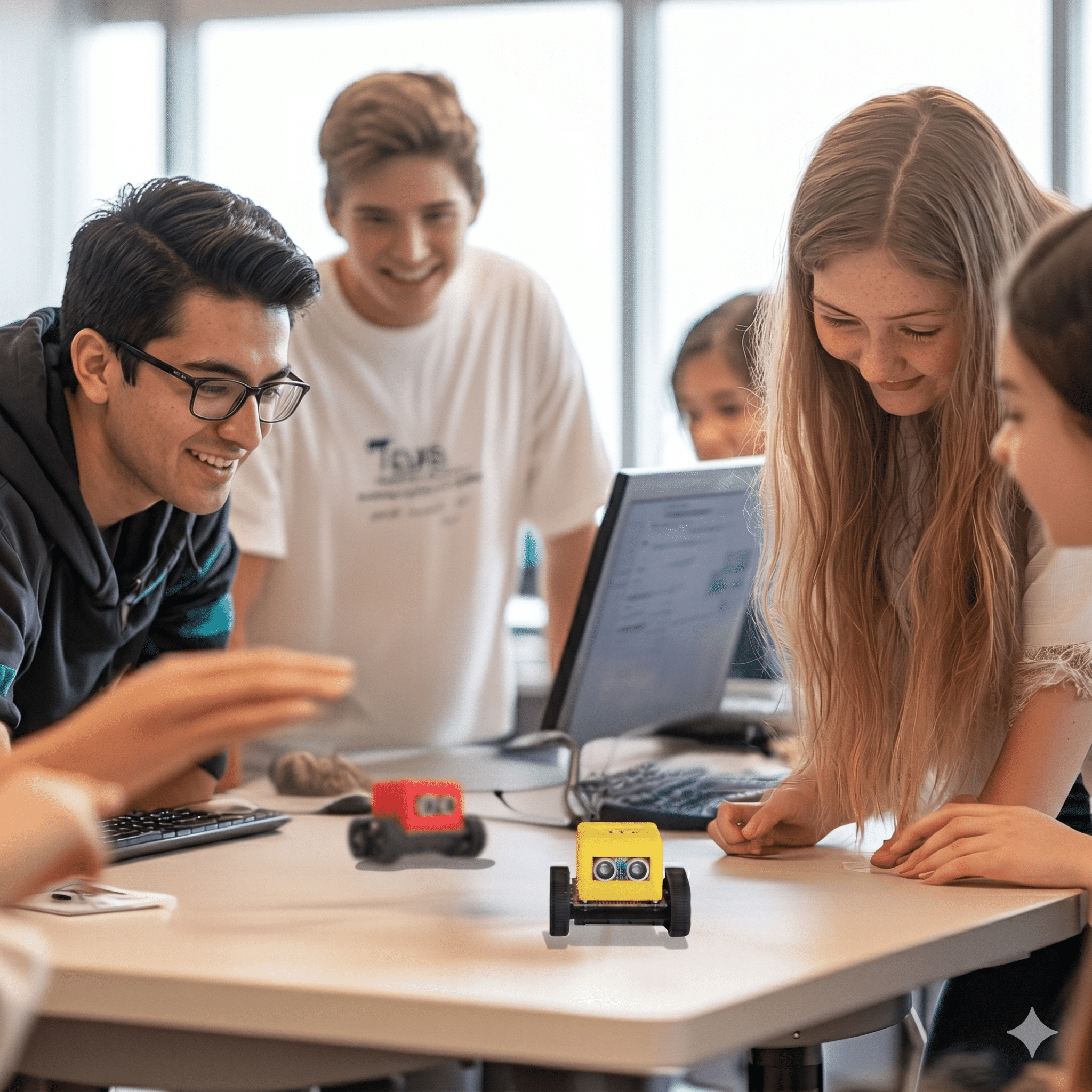
Every classroom is filled with students who learn differently.
Some students absorb information by reading. Others need to build, test, move, and experiment before concepts truly click. Teachers work hard to meet these diverse learning needs, but finding activities that engage every student can be challenging.
This is where robotics makes a meaningful difference.
Robotics gives teachers a practical way to connect with students through hands-on learning, collaboration, and real-world problem-solving. Rather than replacing traditional instruction, robotics creates new opportunities for meaningful conversations, deeper engagement, and stronger classroom relationships.
Why Student Engagement Matters
Students are more likely to participate when learning feels relevant and interactive.
Research shows that active learning improves knowledge retention, participation, and problem-solving skills. Robotics naturally supports this approach by giving students something tangible to design, build, code, and improve.
Instead of asking, “Will this be on the test?”
Students begin asking:
- Why is my robot not moving?
- What happens if we change the code?
- How can we improve this design?
- Can we solve this another way?
These questions open the door for genuine teacher-student interaction.
Teachers Become Learning Coaches
Traditional instruction often places teachers at the front of the classroom delivering information.
Robotics shifts that dynamic.
Teachers spend more time:
- Guiding investigations
- Helping students troubleshoot
- Asking thoughtful questions
- Encouraging collaboration
- Celebrating progress instead of only correct answers
This creates a classroom where students feel supported.
Teachers become facilitators who help students discover answers rather than simply providing them.
Robotics Encourages Every Student to Participate
One of the biggest strengths of robotics is that it brings together multiple skill sets.
Within a single robotics project, students may take on different roles:
- Programmer
- Builder
- Researcher
- Designer
- Project manager
- Tester
- Presenter
Students who may not typically raise their hand during a lecture often become highly engaged when working with robotics.
Everyone has an opportunity to contribute.
This inclusive environment helps teachers connect with students whose strengths may not always be visible through traditional classroom activities.
Learning Through Productive Failure
One of the most valuable lessons robotics teaches is that mistakes are part of learning.
Students debug code, redesign components, adjust sensors, and test repeatedly before finding a successful solution.
These moments create valuable teaching opportunities.
Instead of correcting mistakes immediately, teachers can ask:
- What do you notice?
- What could you test next?
- Why do you think that happened?
These conversations help students develop critical thinking, resilience, and confidence while strengthening teacher-student communication.
Collaboration Builds Classroom Community
Most real-world engineering projects are team efforts.
Robotics classrooms naturally encourage students to work together by:
- Sharing ideas
- Dividing responsibilities
- Testing solutions
- Providing constructive feedback
- Solving problems as a group
Teachers become active participants in these discussions, helping teams navigate challenges while building positive classroom relationships.
Students learn to communicate, listen, and support one another rather than working in isolation.
Robotics Creates Authentic Conversations
Many classroom discussions revolve around finding the correct answer.
Robotics changes the conversation.
Teachers can ask open-ended questions such as:
- Why did you choose this approach?
- Can you explain your thinking?
- How could you improve your design?
- What would happen if the robot encountered a new obstacle?
These discussions help teachers better understand how students think, allowing them to provide more personalized guidance.
Students also become more comfortable explaining their reasoning and asking questions.
Connecting Classroom Learning to the Real World
Students often ask why they are learning certain concepts.
Robotics in the classroom provides immediate answers by connecting classroom lessons to careers and everyday technology.
Students discover how robotics is used in:
- Manufacturing
- Agriculture
- Healthcare
- Logistics
- Environmental monitoring
- Space exploration
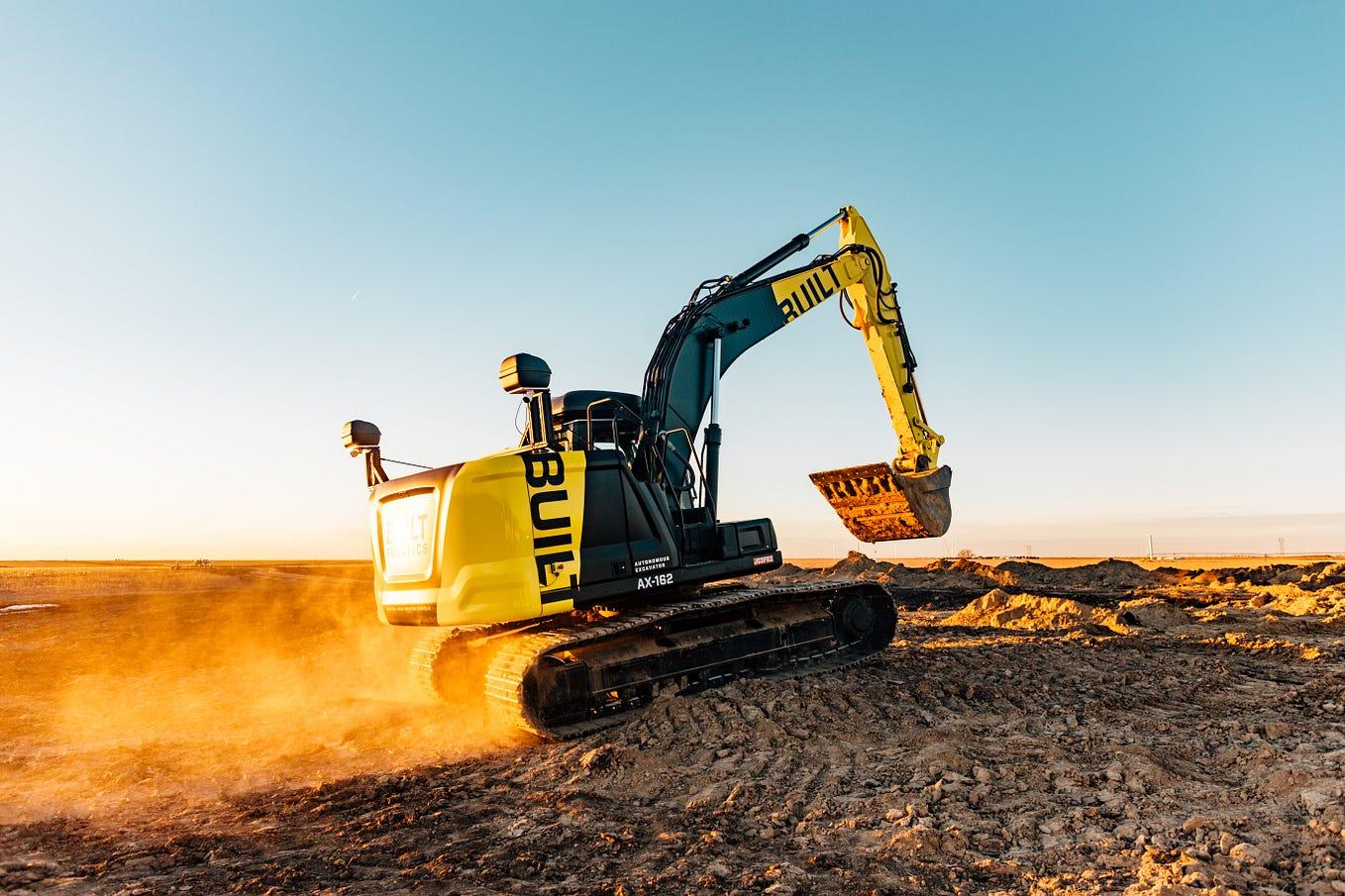
- Autonomous transportation
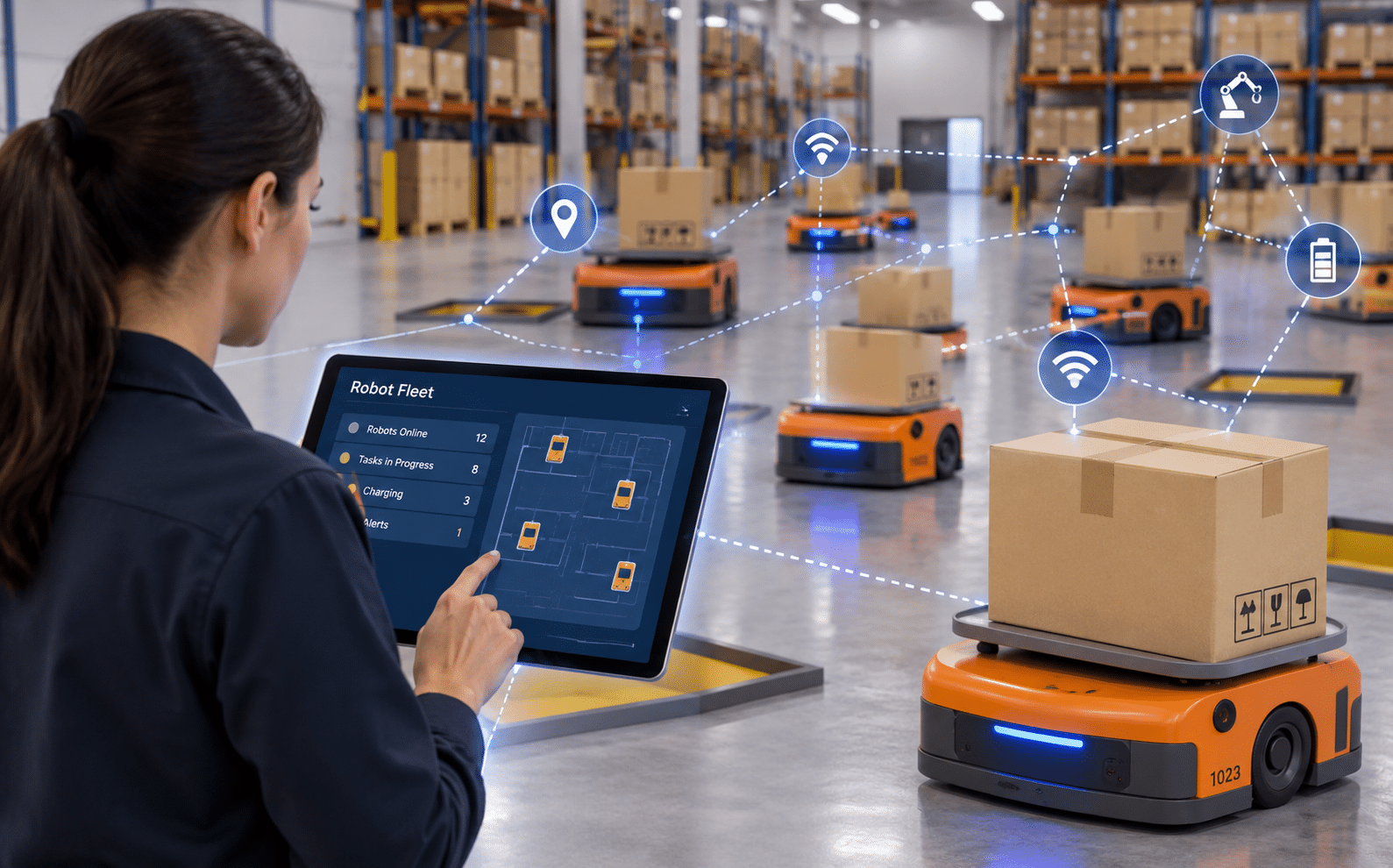
- Warehouse automation
When students see real-world applications, learning becomes more meaningful, and teachers can connect academic concepts to future career opportunities.
Building Confidence One Project at a Time
Completing a robotics challenge gives students a visible sense of accomplishment.
A robot that completes a task represents:
- Problem-solving
- Teamwork
- Persistence
- Creativity
- Technical skills
Teachers witness this growth firsthand, creating opportunities to celebrate effort as much as achievement.
These positive experiences help build stronger relationships and encourage students to take on increasingly complex challenges.
Helping Teachers Teach With Confidence
Successful robotics programs depend on more than just hardware.
Teachers need robotics curriculum, classroom-ready lessons, professional development, and ongoing support to confidently integrate robotics into everyday instruction.
When educators have the right resources, they can spend less time troubleshooting technology and more time engaging with students.
Bring Meaningful Robotics Learning to Your Classroom
LocoRobo’s STEM robotics ecosystem helps schools create engaging, hands-on STEM experiences that strengthen connections between teachers and students. With standards-aligned K12 robotics curriculum, classroom-ready robotics kits for grades 3-12, coding pathways from block-based programming to Python, professional development, and ongoing educator support, LocoRobo makes it easy to bring robotics into everyday instruction. Whether you are launching a new STEM program or expanding an existing one, LocoRobo provides the tools and guidance to help every student learn, collaborate, and grow through robotics.