

Why Start CTE in Middle School?
CTE at the middle school level is about exposure. Students get the chance to:- Explore CTE career pathways before committing to them
- Connect subjects like math and science to practical applications
- Build foundational skills in teamwork, problem-solving, and technology
- Stay more engaged through hands-on learning experiences
Step 1: Start with Clear Goals
Before selecting tools or a CTE curriculum, define what success looks like. Ask:- Are you introducing students to multiple career pathways or focusing on a specific area like engineering or computer science?
- How will this connect to your high school CTE offerings?
- Will this be part of a required course, an elective, or an after-school program?
Step 2: Choose the Right Pathways for Middle School
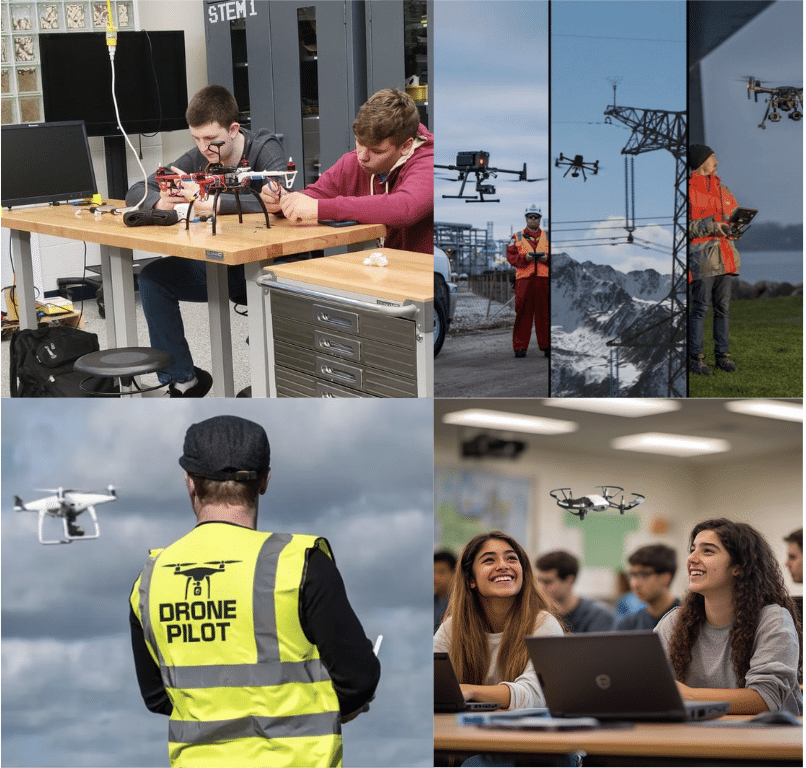
At this stage, breadth matters more than depth. Focus on CTE pathways that are flexible, engaging, and easy to integrate across subjects. Common starting points include:- Drones and aerial technology
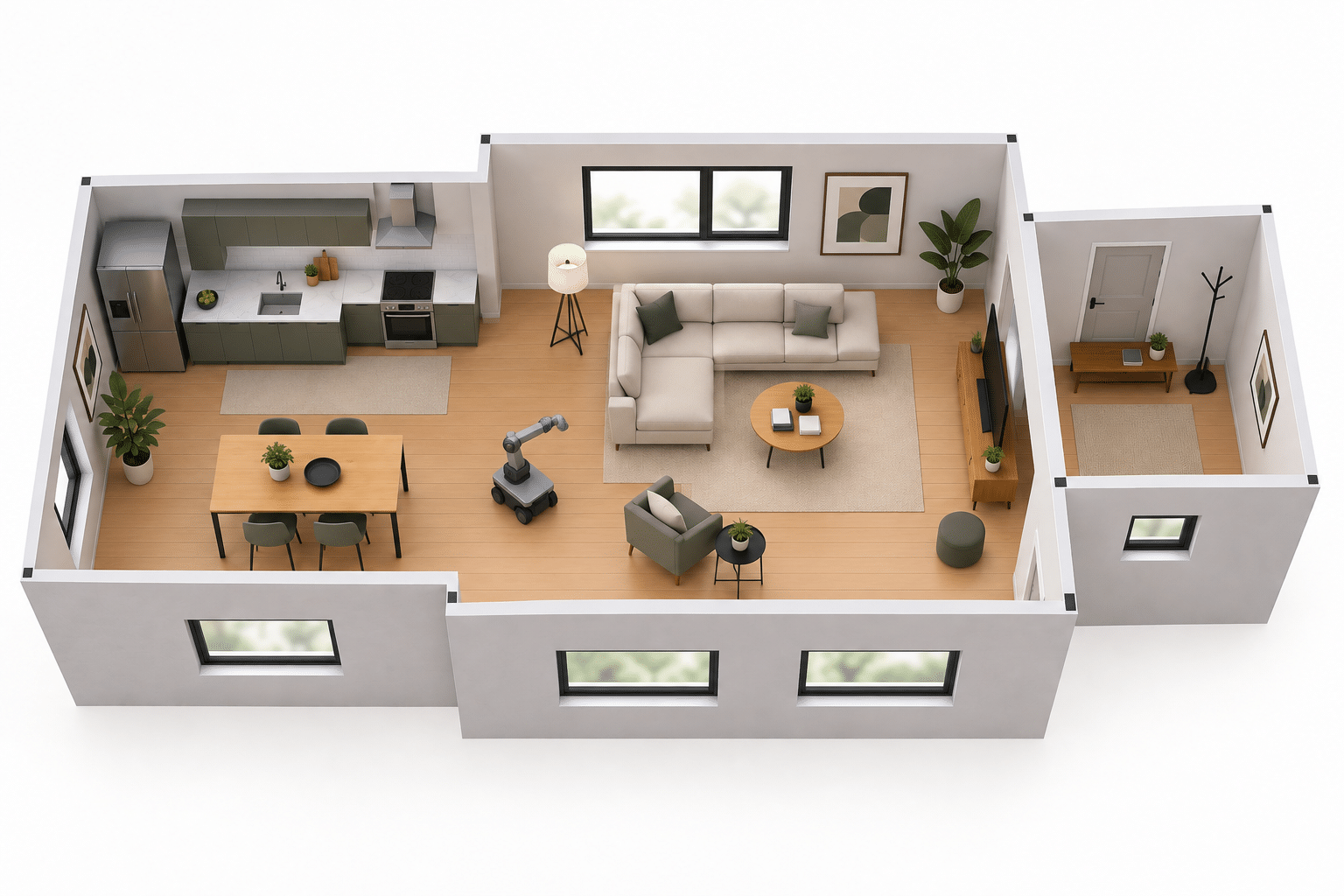
- Robotics and automation
- Artificial intelligence fundamentals
- Cybersecurity basics
- Engineering design and problem-solving
Step 3: Build Around Hands-On Learning
Middle school students learn best by doing. A strong CTE program should include:- Project-based lessons that require students to build, test, and iterate
- Opportunities for students to present and explain their work
- Collaborative challenges that mirror real-world problem-solving
Step 4: Align with Standards and CTE Frameworks
To make the program sustainable, it needs to align with recognized CTE standards and frameworks already used at the state and national level. This typically includes: State CTE Standards (Perkins V-aligned) Most states structure their CTE programs under Perkins V, which requires:- Clearly defined career pathways
- Measurable student outcomes (technical + employability skills)
- Alignment between middle school exposure and high school programs
- Reporting on participation, completion, and skill development
- Information Technology
- Engineering and Technology
- Advanced Manufacturing
- Career pathways
- Knowledge and skill statements
- Progression from exploration to specialization
- Coding, automation, and systems thinking (AI, robotics)
- Data analysis and problem-solving
- Network and cybersecurity fundamentals
- Use of industry-relevant tools and workflows
- Collaboration and teamwork
- Critical thinking and problem-solving
- Communication and presentation
- Career awareness and decision-making
- CSTA (Computer Science Teachers Association) standards
- NGSS (Next Generation Science Standards)
- State-specific STEM frameworks
- Easier approval from administrators
- Stronger justification for funding and grants
- Clear progression into high school pathways
Step 5: Make It Easy for Teachers to Implement
One of the biggest barriers to launching a CTE program is teacher capacity. Teachers need:- Ready-to-use lesson plans
- Minimal setup time
- Clear pacing guides
- Ongoing supportAn assumption many schools make is that teachers will build everything from scratch. In reality, that leads to inconsistent implementation or burnout.
Step 6: Start Small and Scale Gradually
You do not need a full pathway on day one. A practical approach:- Start with one grade level or pilot class
- Gather feedback from teachers and students
- Refine the structure and content
- Expand to additional grades over time
Step 7: Connect Middle School to High School Pathways
Middle school CTE should not exist in isolation. It should lead somewhere. Create clear connections to:- High school CTE courses and certifications
- Career exploration opportunities
- Advanced STEM and CS pathways
Build a Program That Lasts
Launching a middle school CTE program is about creating a structured pathway that grows with students and supports teachers along the way. The most effective programs:- Align with standards
- Start with clear goals
- Focus on hands-on learning
- Support teachers with implementation
- Scale over time
Plan Your Middle School CTE Program with LocoRobo
LocoRobo helps schools design and implement middle school CTE programs with a complete, structured approach. Schools get:- Hands-on CTE and STEM pathways across drones, robotics, and AI
- Standards-aligned curriculum designed for grades 6–8
- Teacher training and ongoing support
- Flexible implementation for electives, core classes, or after-school programs
- Clear progression into high school pathways
Frequently Asked Questions
What is the best grade level to introduce CTE in middle school?
Most schools start in grades 6–8, with grade 6 or 7 being ideal for introduction. This gives students enough time to explore different pathways before entering high school and helps build a stronger transition into advanced CTE programs.
What equipment is needed to start a middle school CTE program?
It depends on the pathways you choose, but most CTE programs start with tools like robotics kits, drones, or computer-based platforms for AI and cybersecurity. Many schools use structured solutions like LocoRobo, which combine hardware, curriculum, and teacher support to simplify implementation instead of piecing together separate tools.
How can schools fund a middle school CTE program?
Schools often use a mix of funding sources, including Perkins V, Title IV, district budgets, and local grants. Having a clear plan, aligned curriculum, and defined outcomes makes it easier to justify funding and secure approvals. Request our Funding Guide to learn more.