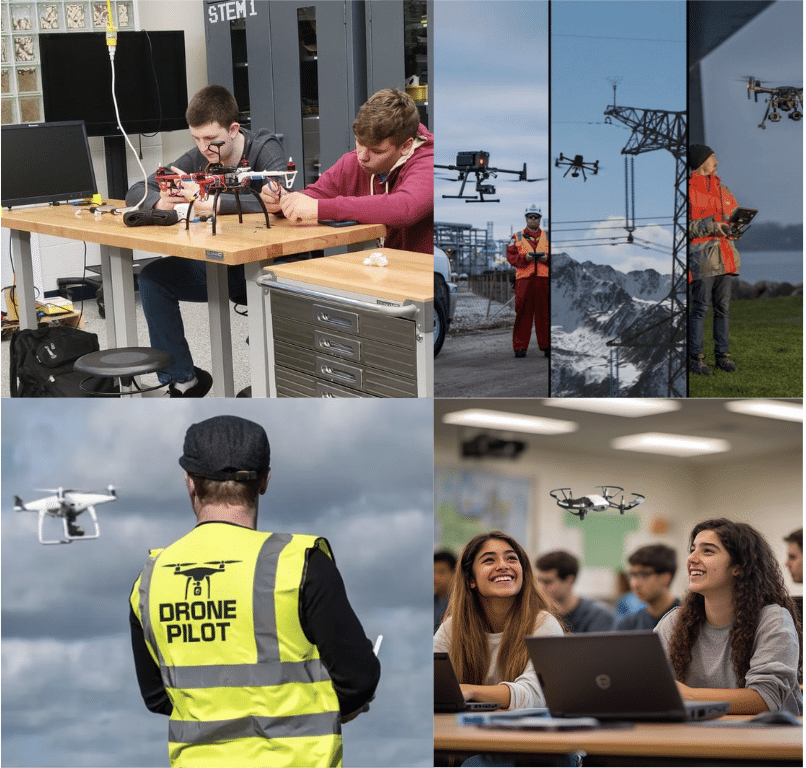

Drone footage appears everywhere, yet few realize that drones are used to monitor crops, inspect bridges, map disaster zones, and support scientific research.
Robotics is often associated with science fiction, even though automation is already reshaping manufacturing, healthcare, logistics, and many other industries.
The Shift From Consumer to Operator
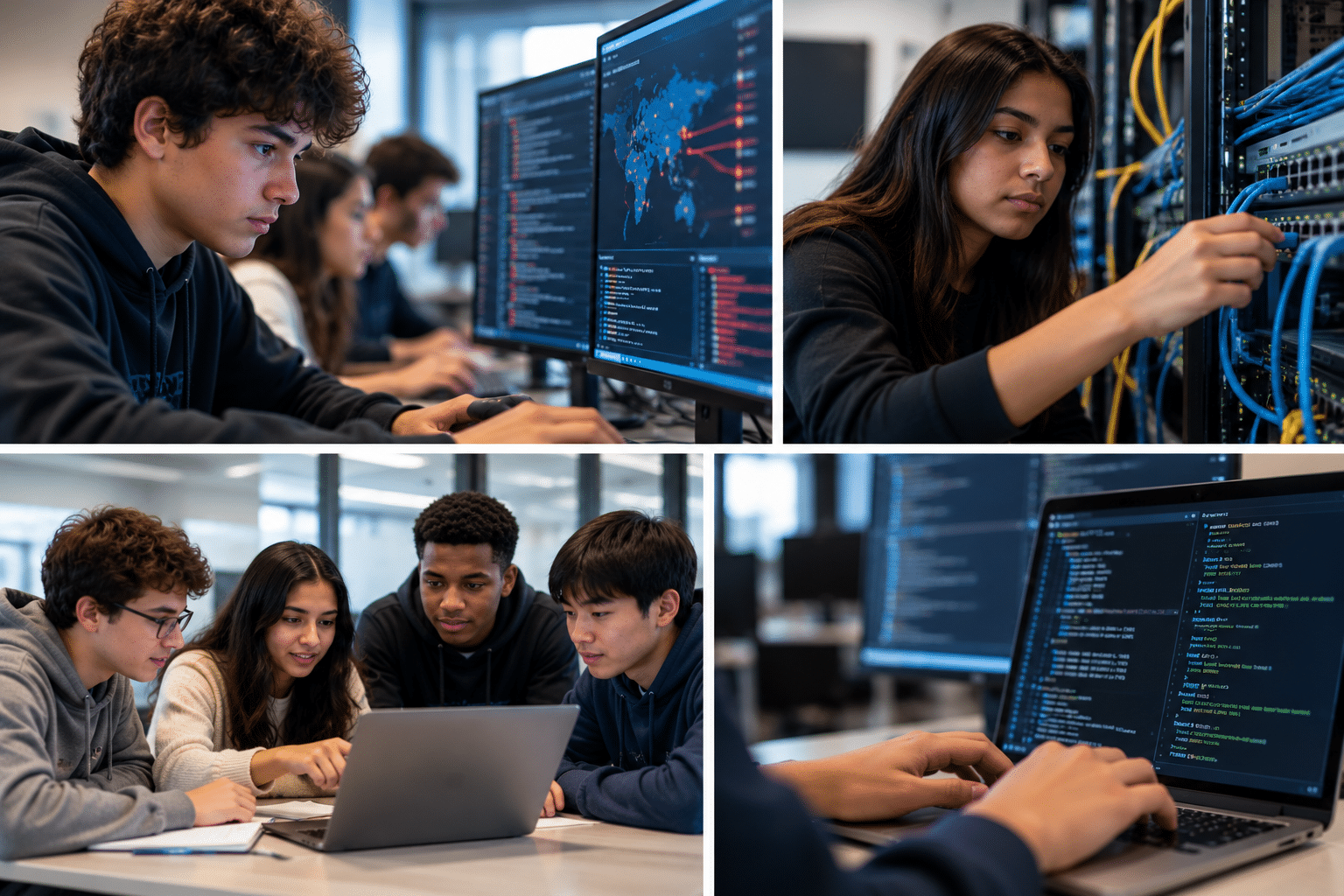
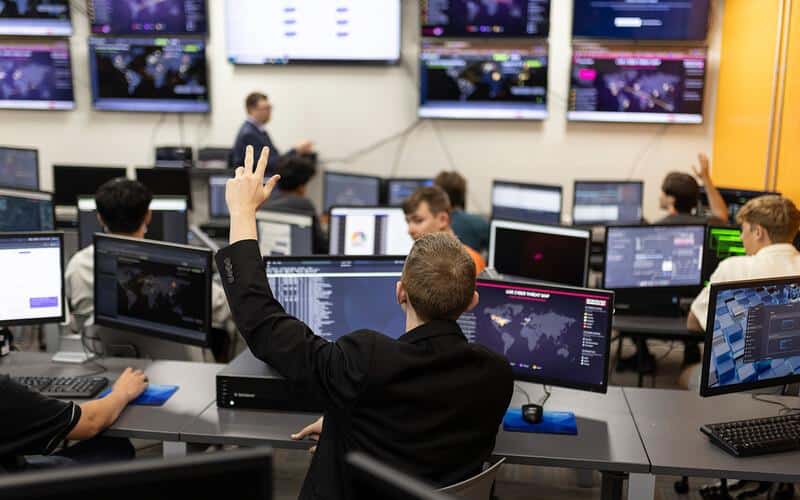
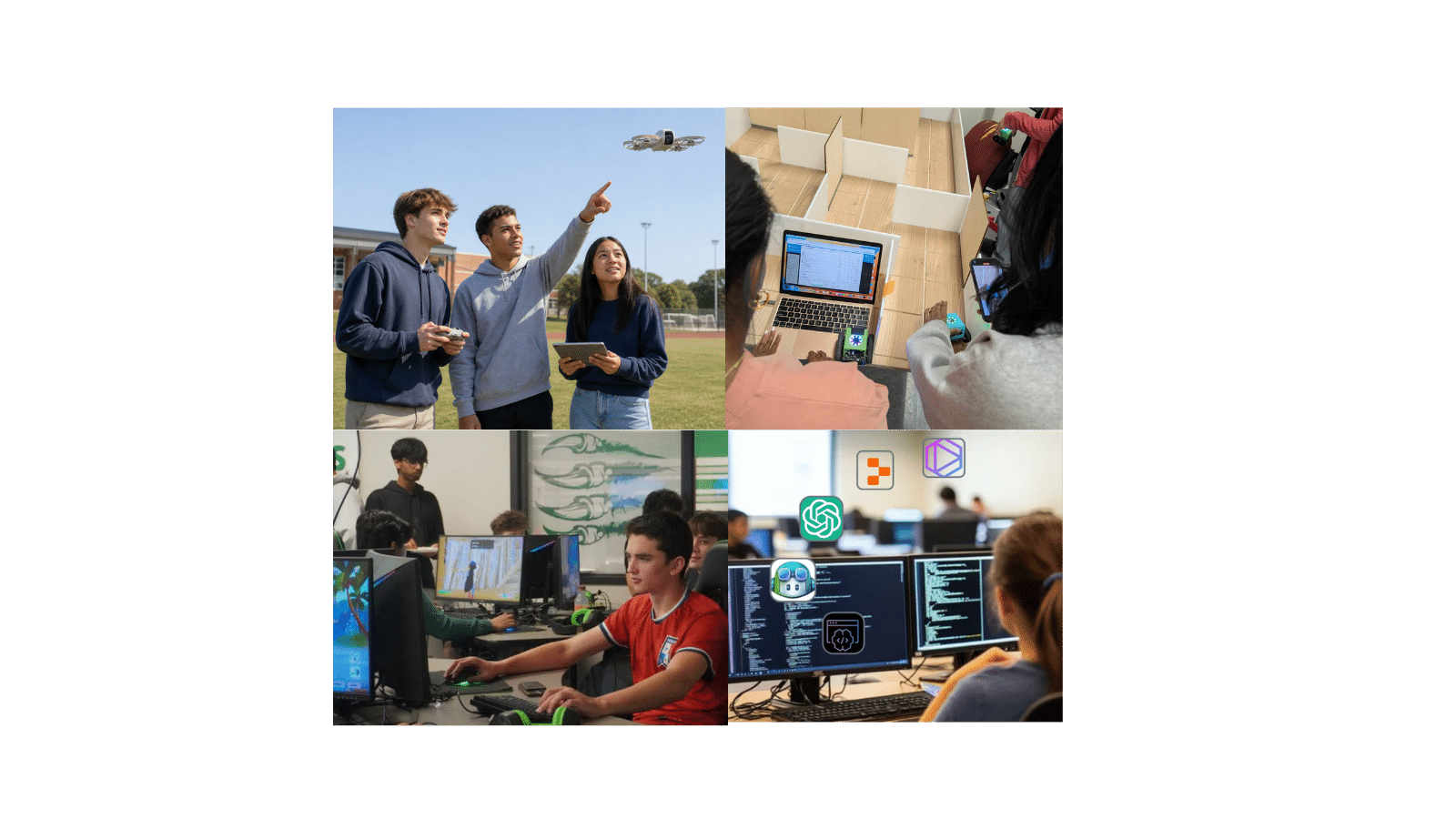
Something powerful happens when students stop being observers and become participants. A student who has only used AI to ask a chatbot homework questions may begin experimenting with image generation, voice synthesis, data visualization, and writing assistants.Someone who has only seen drones in videos can start preparing for a drone competition, practicing flight skills, and programming autonomous missions.
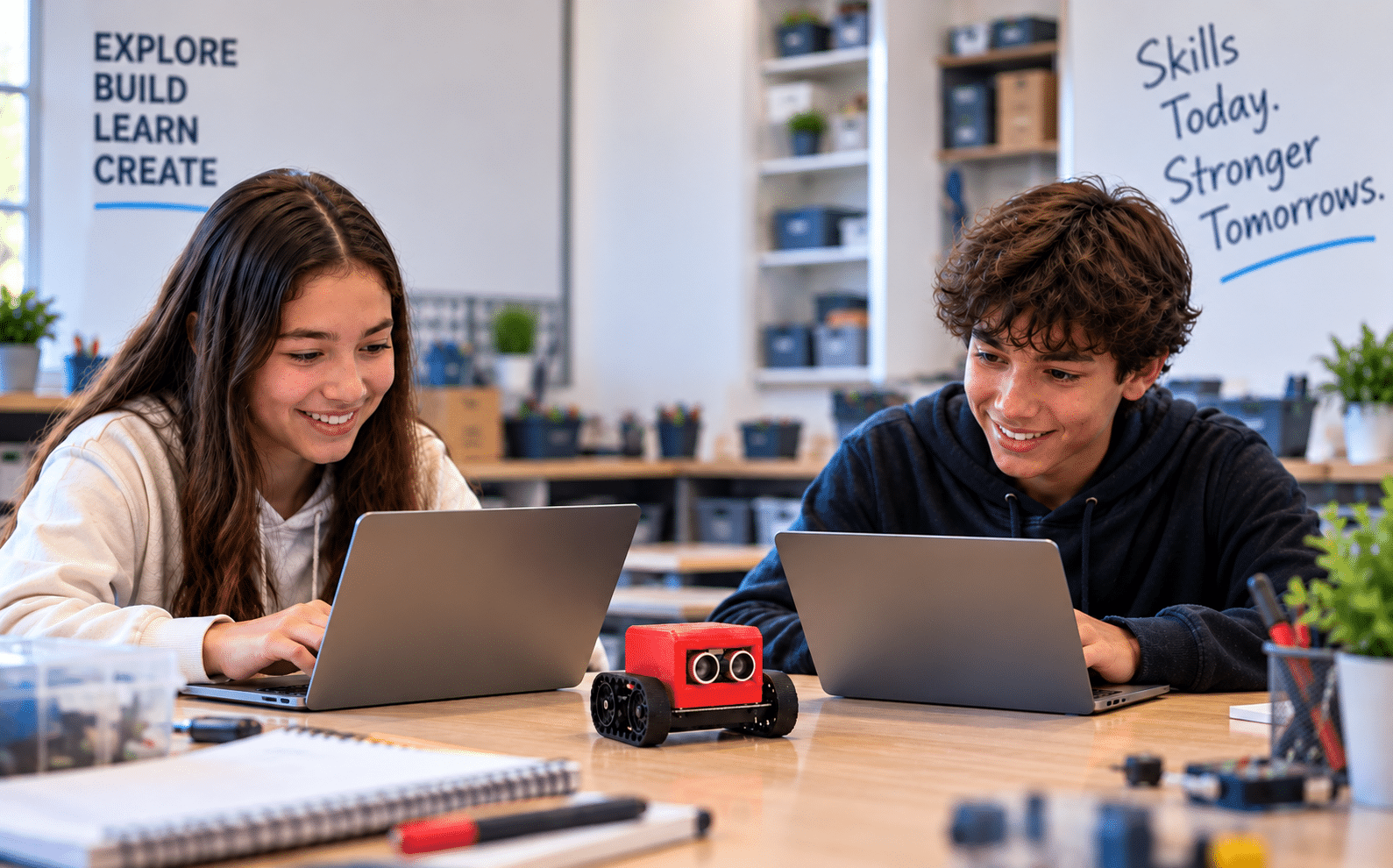
Another student might begin programming a robot to navigate obstacles, complete tasks, and adapt when things do not go as planned. The technology itself matters. But the mindset shift matters even more. Students stop asking: “What does this technology do?” And begin asking: “Why was it designed this way?” “How can I make it work?” Those questions are where possibility begins.
Exposure Creates Opportunity
For many students, STEM career exploration happens too late. By the time they begin thinking seriously about future careers, they may have already ruled out entire industries. Hands-on experiences make invisible careers visible. Students begin to understand the people behind these technologies and the problems they are solving. More importantly, they begin to see themselves among them.Why Hands-On Learning Matters
Career posters can spark curiosity. Guest speakers can introduce possibilities. Videos can provide inspiration. But operating technology creates understanding. Students remember what it felt like to troubleshoot code that finally worked. They also remember the excitement of a successful flight mission.Working with classmates to solve open-ended challenges becomes another memorable experience.
Along the way, students discover that technology is built, tested, improved, and guided by people. People who were once students themselves. Those experiences build confidence. And confidence often becomes ambition.
Helping Students See What They Could Become
At LocoRobo, we believe STEM education is about preparing students to shape technology. Through hands-on robotics, drone, and AI experiences, students move from passive consumers to active operators. They build technical skills while developing curiosity, communication, resilience, and problem-solving abilities that extend far beyond the classroom. Students can design and program a drone to tackle authentic challenges. They can explore how drones are used across industries while learning coding, flight principles, and autonomous operations. They can investigate how AI systems work, how data influences decisions, and why human judgment still matters. These experiences help students connect classroom learning to careers they may never have considered.Frequently Asked Questions
Why is hands-on STEM education important?
Hands-on STEM education helps students apply classroom concepts through real-world projects, building technical skills, confidence, and problem-solving abilities that prepare them for future careers.
How does operating technology help students learn?
When students program robots, fly drones, or work with AI tools, they develop a deeper understanding of how technology works instead of simply using it. This encourages critical thinking and creativity.
How do drones, robotics, and AI support career exploration?
Hands-on experiences introduce students to careers in engineering, aviation, manufacturing, computer science, healthcare, environmental science, and other industries where emerging technologies are widely used.
How does LocoRobo help students become technology creators instead of consumers?
LocoRobo provides hands-on robotics, drone, and AI programs that teach coding, engineering, autonomous systems, and problem-solving through real-world activities, helping students build skills for future STEM careers.