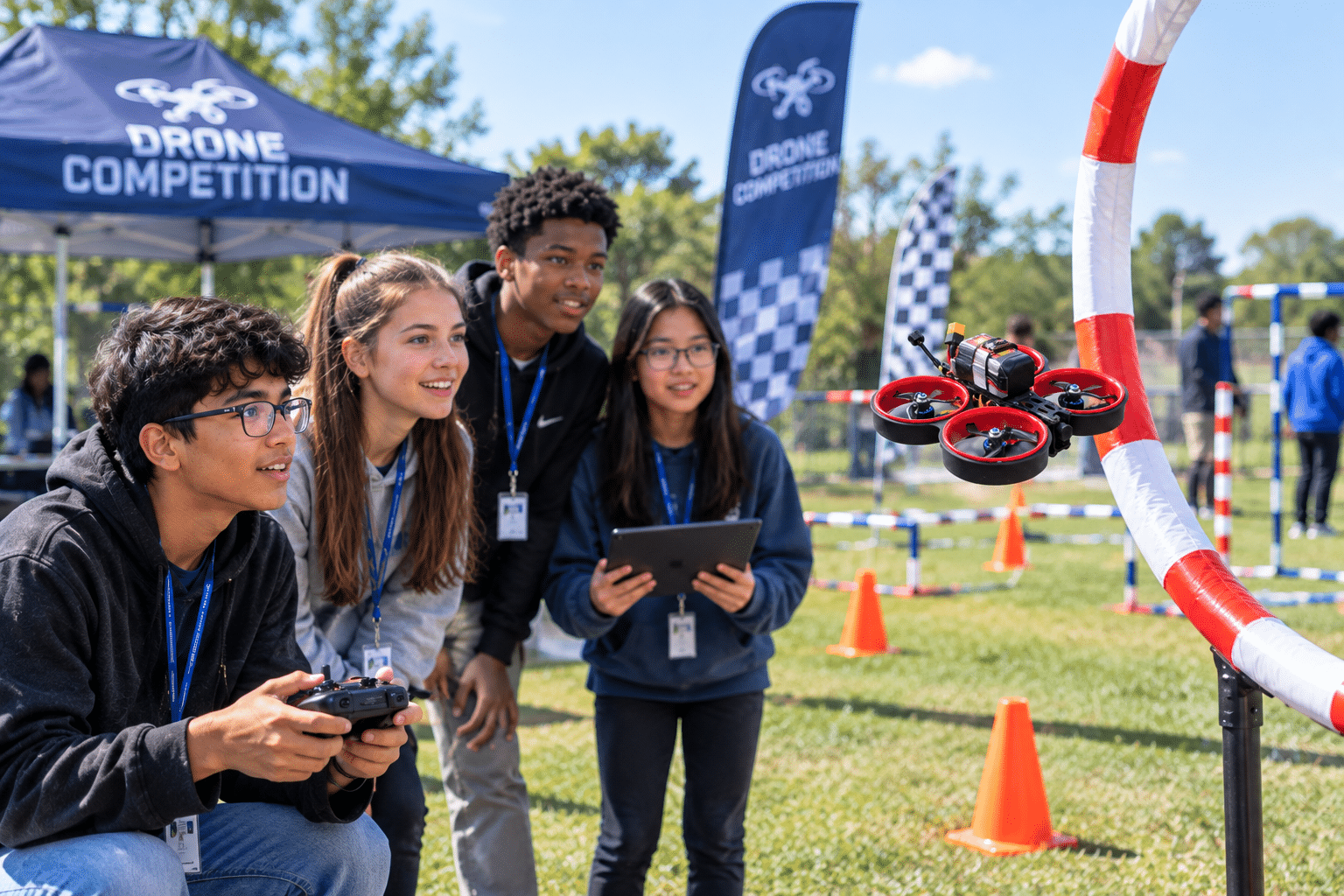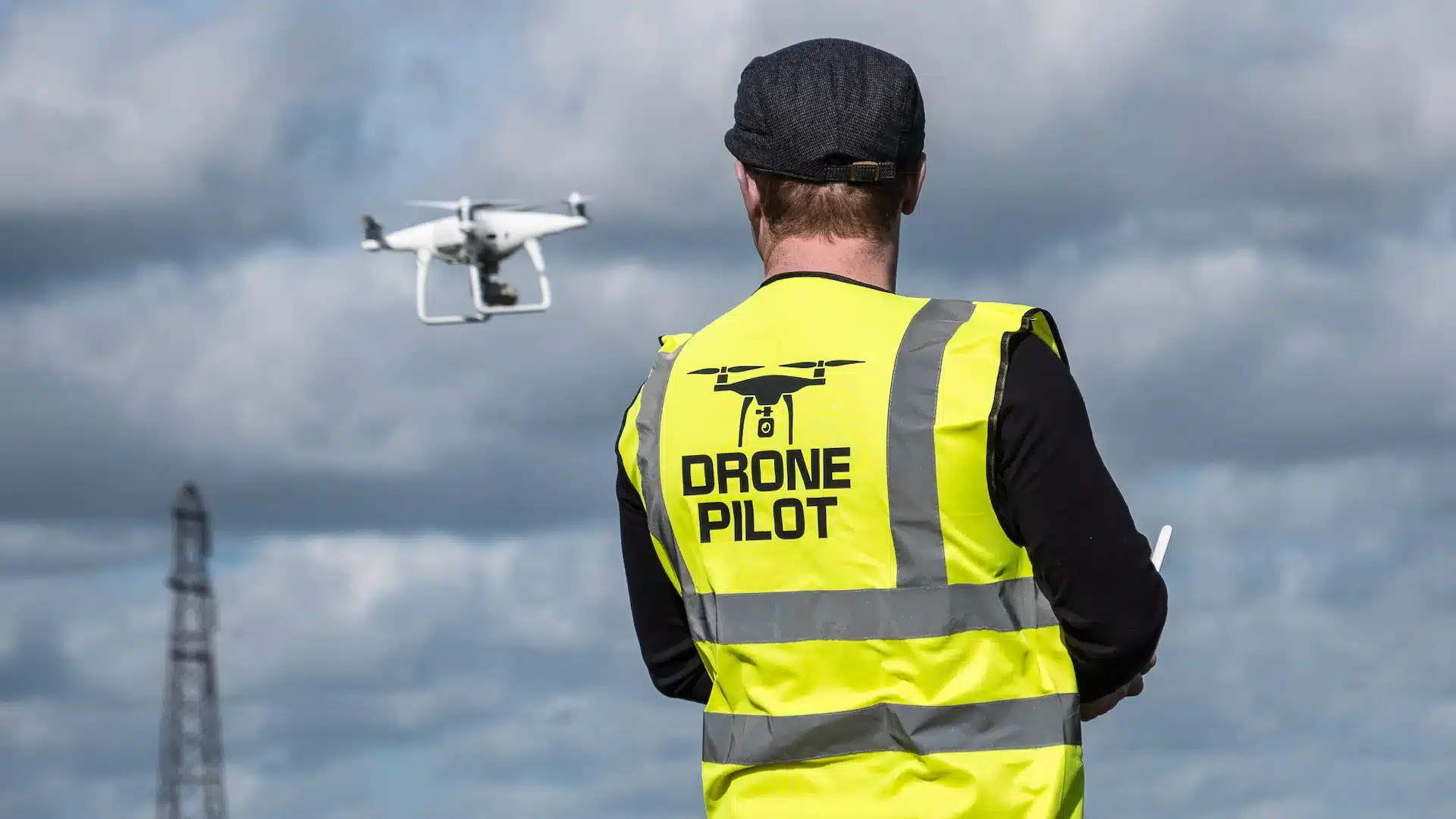

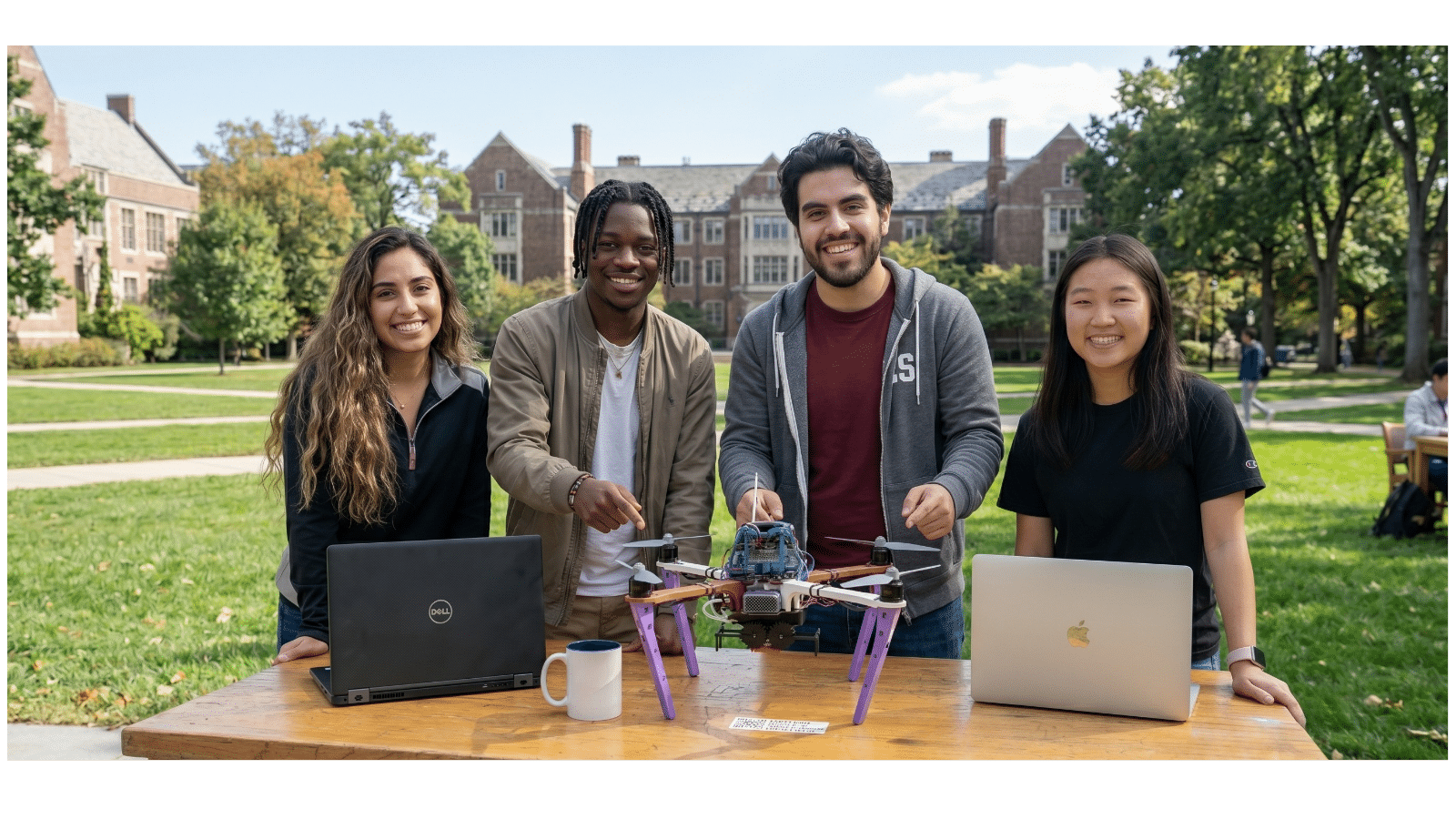
STEM education is at its best when students move beyond theory and start building, testing, and solving real problems. Few classroom experiences combine those elements as effectively as programming drones.
Drone programming brings together engineering, coding, mathematics, physics, and problem-solving in a way that is interactive and engaging. Instead of watching technology in action, students become the people controlling it.
As schools continue expanding Computer Science and STEM programs, drones have become one of the most effective tools for helping students develop technical skills while staying excited about learning.
Why Drones Make Programming More Engaging
For many students, learning to code can feel abstract. They write lines of code, run a program, and see text appear on a screen. While valuable, it can be difficult to connect that experience to the real world.
Programming a drone changes everything.
Every command has a visible outcome. Students immediately see the results of their work as the drone:
- Takes off
- Flies through a programmed route
- Avoids obstacles
- Collects sensor data
- Completes a challenge
This instant feedback makes debugging more meaningful and helps students understand how software controls physical systems.
Programming Becomes Problem-Solving
Writing code for drones involves much more than learning programming syntax.
Students learn to:
- Break large problems into smaller steps
- Think critically about efficiency and accuracy
- Design logical sequences
- Test and improve algorithms
- Analyze errors
Every successful flight is the result of planning, testing, and refining a solution, mirroring the engineering design process that students can use for STEM career exploration.
A Powerful Blend of STEM Subjects
Drone programming naturally connects multiple disciplines into one project.
Science
Students investigate:
- Flight principles
- Forces and motion
- Energy transfer
- Aerodynamics
- Environmental sensing
Technology
Students work with:
- Programming languages
- GPS
- Sensors
- Cameras
- Autonomous systems
Engineering
Students:
- Design missions
- Test hardware
- Optimize flight paths
- Improve system performance
Mathematics
Students apply:
- Angles
- Coordinates
- Speed
- Timing
- Distance calculations
- Data analysis
Instead of learning these concepts separately, students see how they work together in a complete system.
Students Learn Through Experimentation
One of the greatest advantages of programmable drone kits is that mistakes become valuable learning opportunities.
A flight may miss its target.
A turn may happen too early.
The drone may not complete the mission.
Rather than becoming discouraged, students investigate why it happened, modify their code, and try again.
This cycle of testing, analyzing, and improving builds resilience while reinforcing computational thinking.
Creativity Meets Coding
Drones for education is not limited to technical exercises.
Students can create projects such as:
- Automated obstacle courses
- Precision landing challenges
- Environmental monitoring missions
- Search-and-rescue simulations
- Agricultural mapping demonstrations
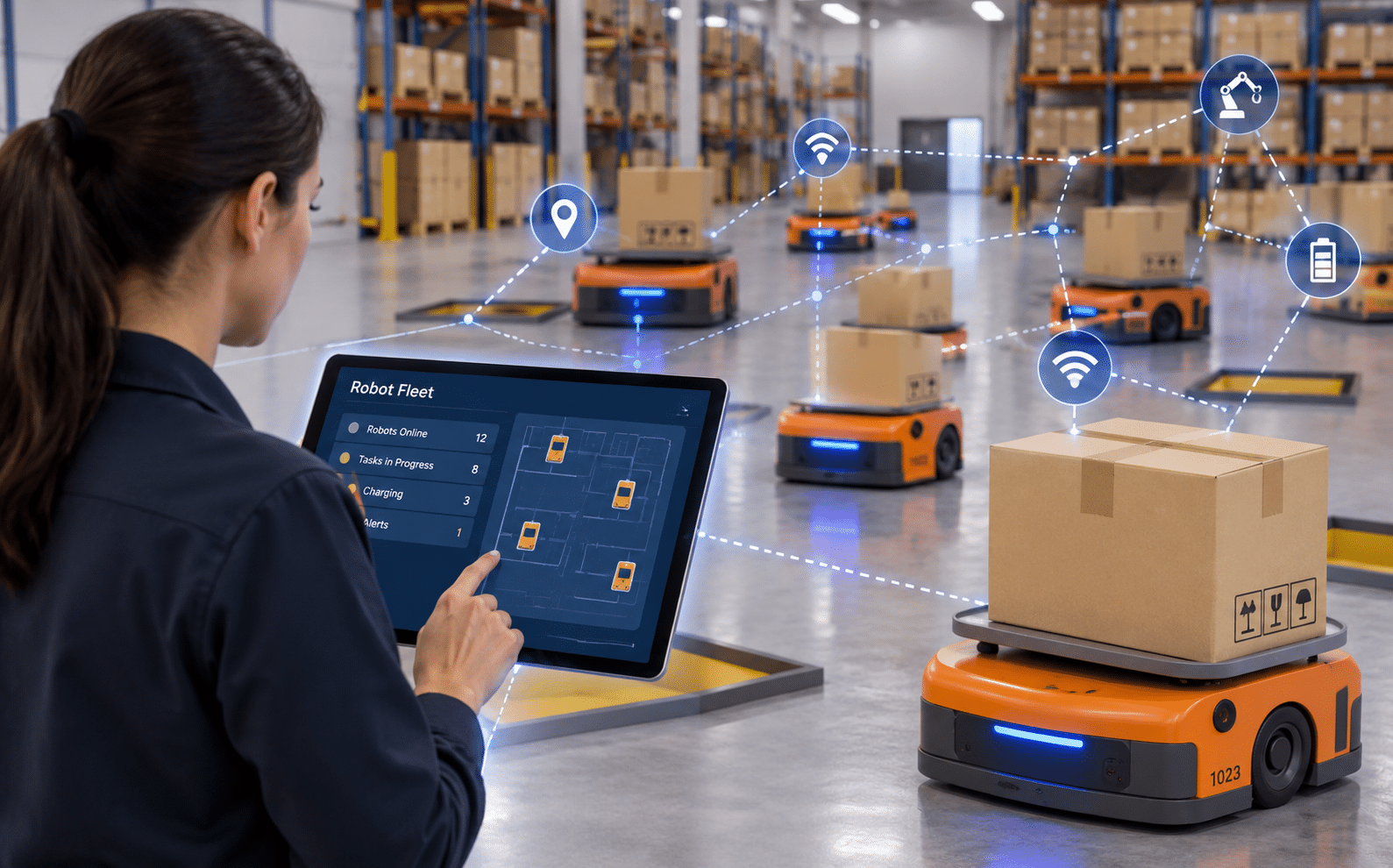
- Warehouse automation scenarios
These activities encourage creativity while helping students understand how drones are used across industries.
Building Skills for Future Careers
Drone technology is becoming increasingly important in industries including:
- Agriculture
- Construction
- Public safety
- Logistics
- Environmental science
- Infrastructure inspection
- Energy
- Media production
Many of these careers also rely heavily on automation, programming, artificial intelligence, and data analysis.
Learning to program drones introduces students to the technologies that power today’s autonomous systems while developing transferable coding and engineering skills.
Collaboration Is Part of Every Mission
Successful drone programming often requires teamwork.
Students collaborate to:
- Plan missions
- Divide programming tasks
- Test different solutions
- Analyze flight results
- Present findings
These collaborative experiences strengthen leadership, communication, and project management skills alongside technical knowledge.
Learning That Stays With Students
Research consistently shows that hands-on, project-based learning improves engagement and knowledge retention compared to passive instruction.
Programming drones allows students to actively apply concepts rather than simply memorizing them. Every flight becomes an opportunity to connect classroom learning with practical application.
The excitement of watching code control a real aircraft creates memorable learning experiences that often spark a deeper interest in STEM, computer science, and engineering.
Bringing Drone Programming to Your Classroom
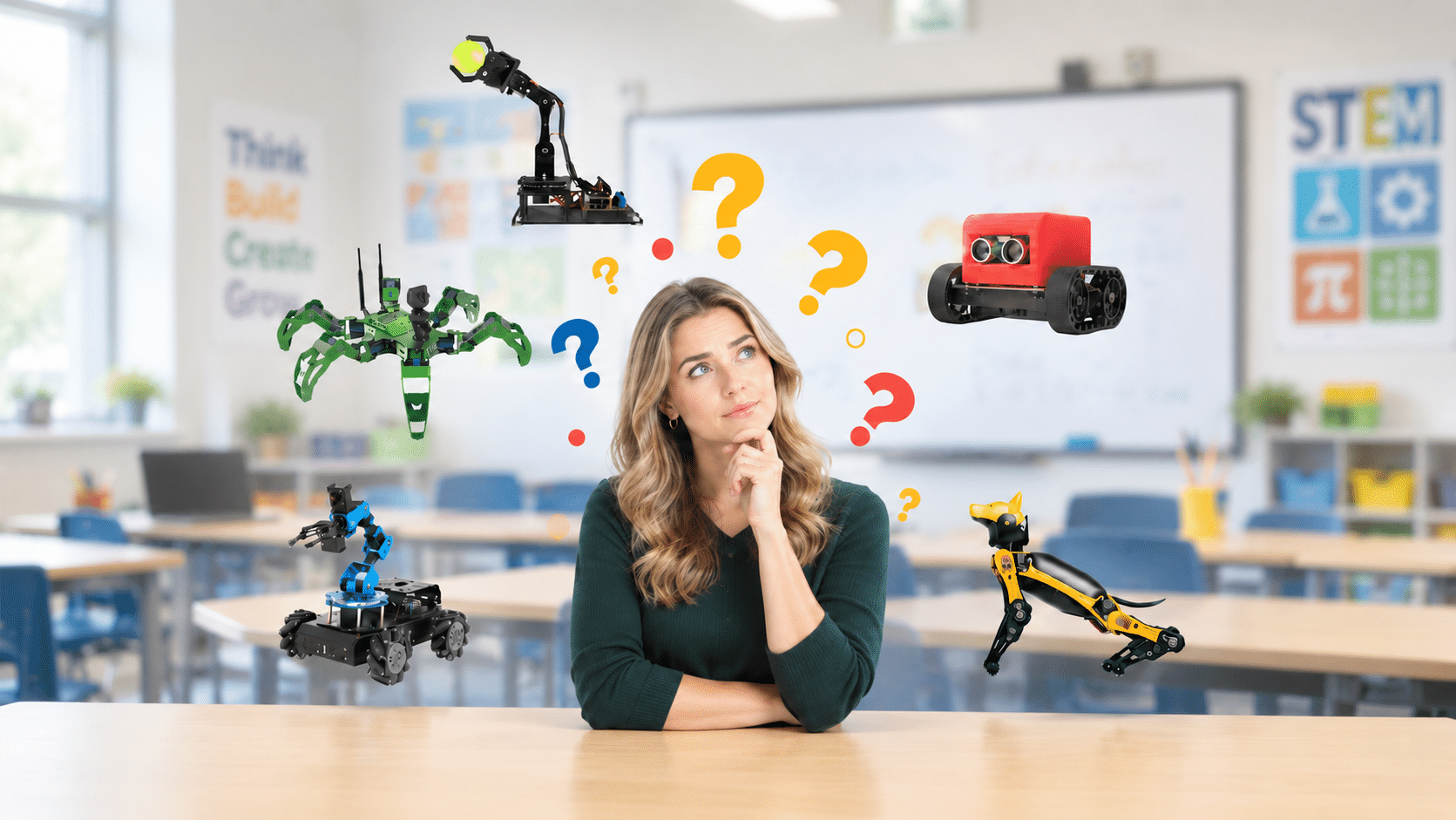
Creating a successful drone STEM program requires more than just purchasing drones. Educators need age-appropriate hardware, structured drone curriculum, coding activities, classroom management tools, and ongoing support that make implementation practical and sustainable.
LocoRobo provides a complete drone education ecosystem designed for K-12 classrooms. Our drone solutions include classroom-ready drone kits, standards-aligned curriculum, block-based and Python programming drone pathways, teacher resources, and professional development that help schools confidently integrate drone programming into STEM, Computer Science, and CTE programs. Whether students are taking their first flight or exploring autonomous missions and FAA career pathways, LocoRobo gives educators everything they need to deliver engaging, hands-on drone learning that prepares students for the future.