

Today, robotics is helping surgeons perform highly precise medical procedures, improving accuracy, efficiency, and patient outcomes. One of the latest milestones comes from dental robotics, where Neocis recently announced that its Yomi robotic platform has successfully supported more than 100,000 osteotomies, marking a significant achievement for robot-assisted surgery.
While this milestone highlights how robotics is reshaping healthcare, it also offers an important lesson for educators. The technologies students learn today in K12 robotics classrooms are the same foundational skills driving innovation in manufacturing, medicine, logistics, and countless other industries.
A Major Milestone for Robotic Surgery
Neocis’ Yomi platform has become the first FDA-cleared robotic system for dental implant surgery in the United States. By combining pre-operative planning, AI-powered imaging analysis, and real-time robotic guidance, the system helps clinicians perform implant procedures with greater precision.
The company also recently introduced Yomi S, its second-generation robotic platform featuring:
- A smaller, more flexible robotic system
- Improved dexterity and visibility
- AI-assisted surgical planning
- Real-time haptic guidance that helps surgeons stay aligned with their treatment plan
Rather than replacing the dentist, the robot works alongside the clinician by providing physical guidance and continuous feedback throughout the procedure.
This represents a growing trend across healthcare, where robots are becoming intelligent assistants that enhance human expertise instead of replacing it.
Why This Matters Beyond Dentistry
Although this story focuses on dental implants, the technologies behind Yomi are becoming standard across many industries.
Modern robotic systems combine multiple technologies, including:
- Robotics and automation
- Artificial intelligence
- Computer vision
- Motion control
- Sensors
- Precision mechanics
- Human-machine collaboration
Students who understand these technologies are preparing for careers that extend far beyond traditional engineering.
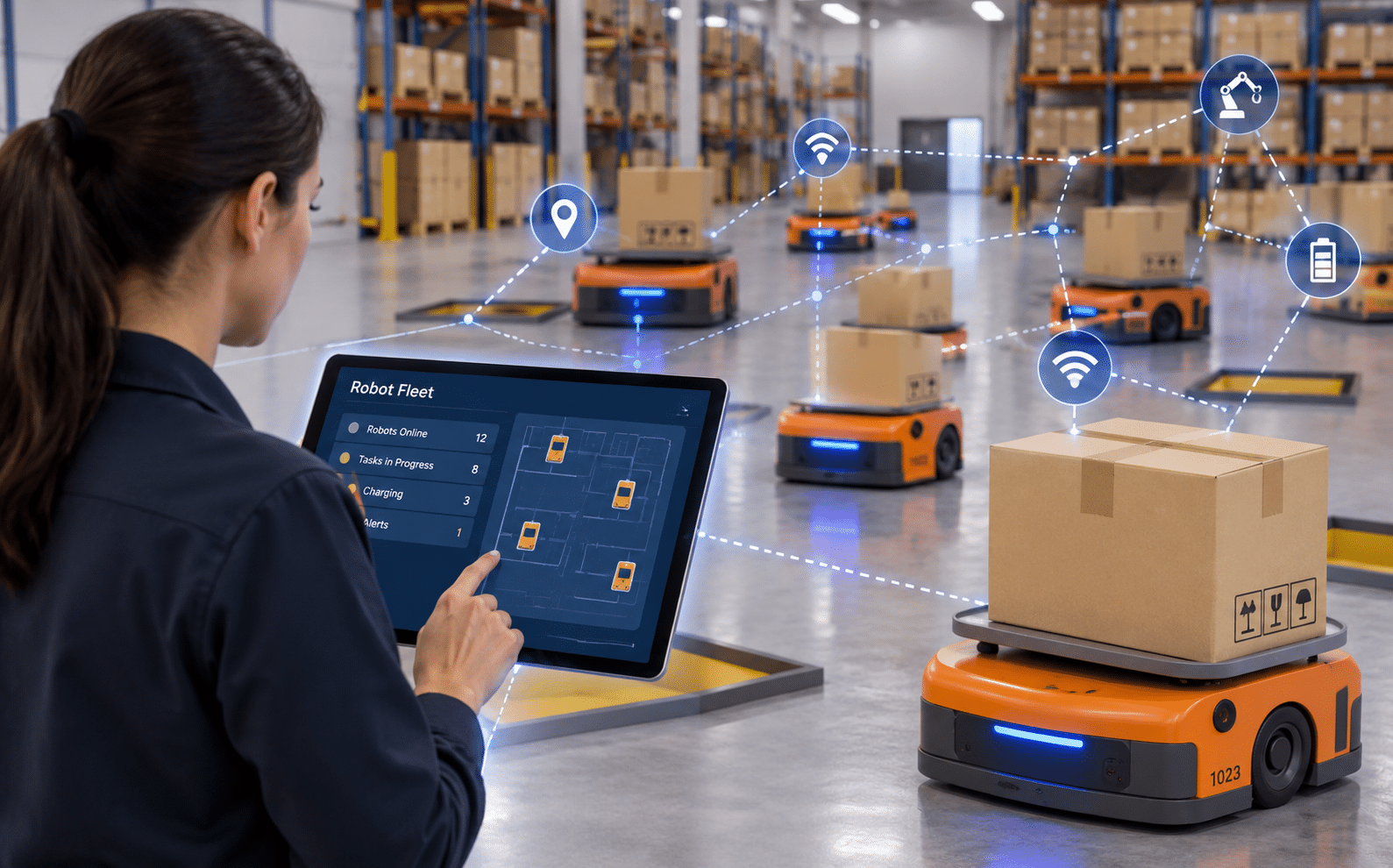
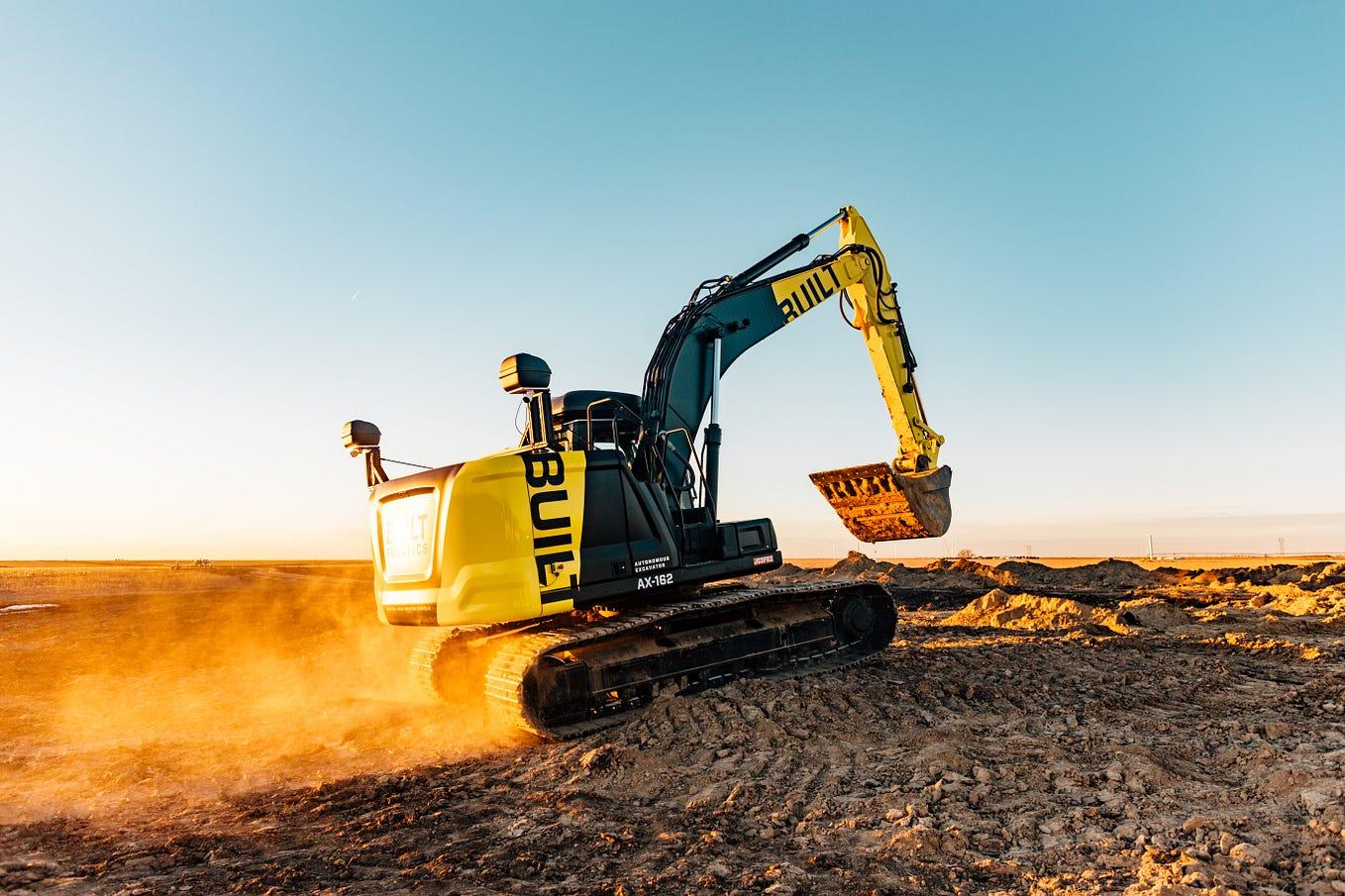
Healthcare robotics is one example. Similar systems are being used in manufacturing, pharmaceutical production, warehouse automation, agriculture, aerospace, and autonomous transportation.
AI Makes Modern Robots Smarter
One of the most interesting aspects of the Yomi platform is its use of AI during surgical planning.
The software automatically identifies critical anatomical structures from medical scans before surgery begins. This allows clinicians to create detailed treatment plans while reducing manual work.
This demonstrates how AI and robotics increasingly work together.
Instead of simply following programmed instructions, intelligent robotic systems can:
- Process visual information
- Assist with planning
- Analyze complex datasets
- Support human decision-making
- Improve accuracy during physical tasks
These are exactly the kinds of interdisciplinary skills students will encounter throughout future STEM careers.
Precision Matters in Robotics
Whether placing a dental implant or assembling electronics, precision is one of the defining characteristics of robotics.
Every movement must be carefully controlled.
Students often begin learning these concepts through simple robotic projects before progressing to more advanced automation systems involving:
- Multi-axis movement
- Motion planning
- Sensor integration
- Object manipulation
- Python programming
- Coordinate systems
- AI-assisted automation
Hands-on robotics allows students to experience these concepts firsthand instead of only reading about them in textbooks.
Human and Robot Collaboration Is the Future
One important takeaway from the Yomi platform is that the robot does not make decisions independently.
The clinician remains fully in control.
The robotic system provides guidance, consistency, and precision while the human brings judgment, expertise, and adaptability.
This collaborative model is becoming increasingly common across industries.
Future engineers, technicians, healthcare professionals, and automation specialists will need to understand how to work effectively with intelligent machines rather than compete against them.
Helping students build confidence with robotics today prepares them for workplaces where humans and robots operate as partners.
Bringing Automation into the Classroom
Stories like Neocis’ latest milestone demonstrate how quickly robotics continues to advance across healthcare and industry.
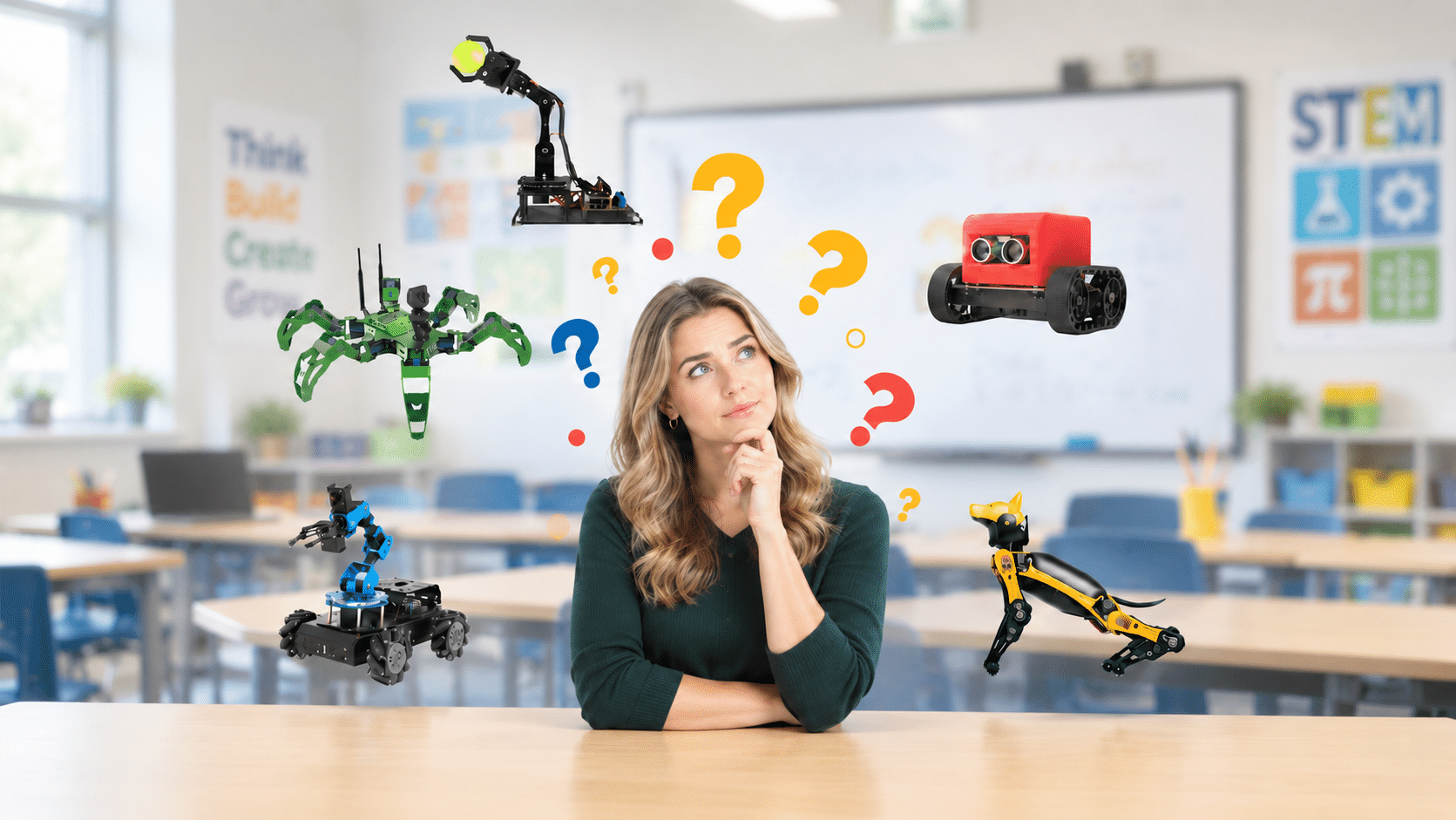
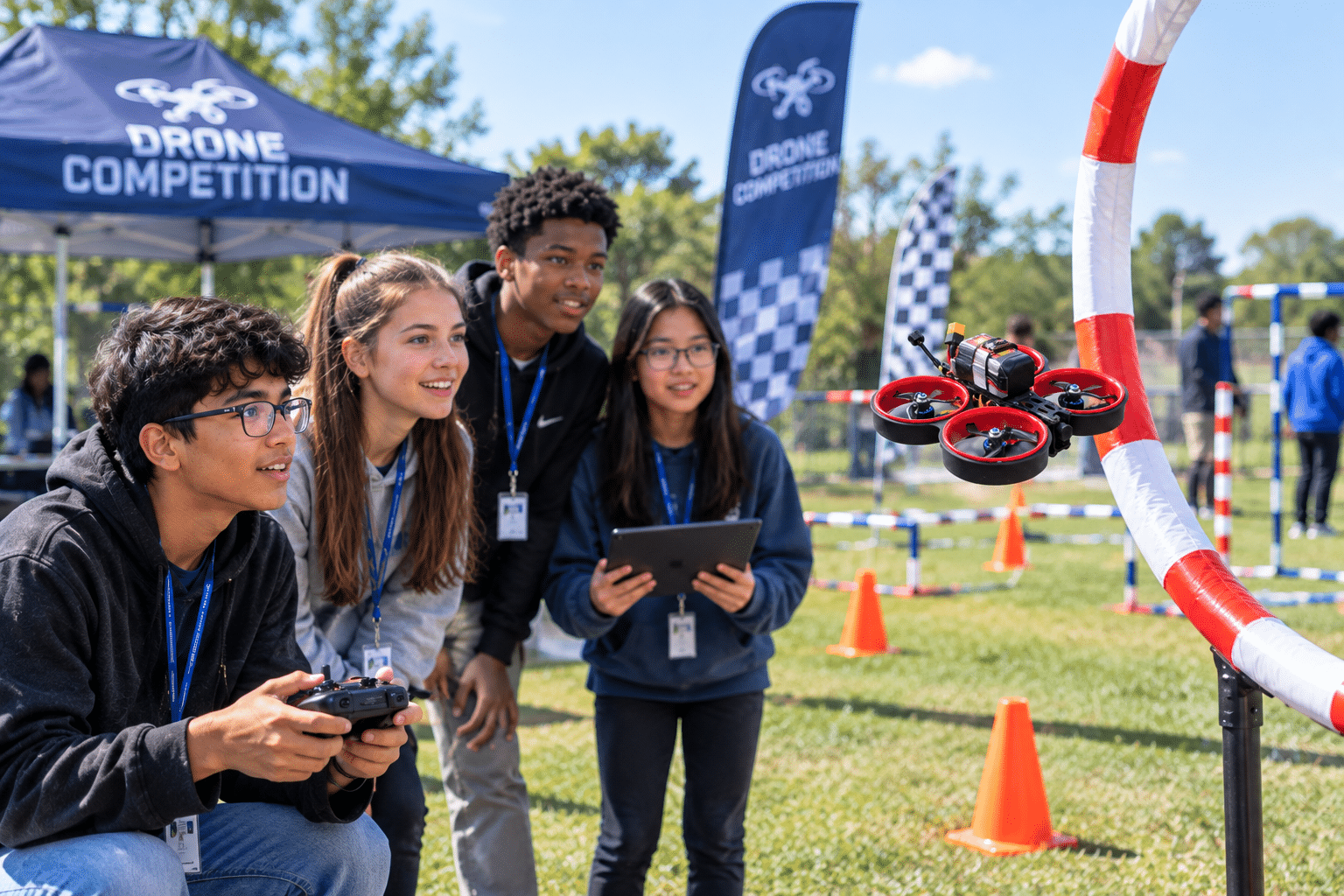
The best way for students to understand these technologies is through hands-on learning experiences that allow them to build, program, and control robotic systems themselves.
At LocoRobo, we help schools bring real-world automation and robotics into classrooms with LocoArm, our educational robotic arm designed for grades 6-12.
Students gain practical experience with:
- Python-controlled robotic motion
- Automated sorting and assembly
- Pick-and-place automation
- Precision mechanics and robotic arm control
- AI-integrated automation projects
- Real-world workflows inspired by logistics, healthcare, and advanced manufacturing
By working directly with STEM robotics kits, students develop the technical skills and problem-solving experience that prepare them for careers across robotics, engineering, AI, healthcare technology, and modern manufacturing.
As industries continue adopting intelligent robotic systems, giving students opportunities to learn these technologies today helps prepare them for the careers shaping tomorrow.