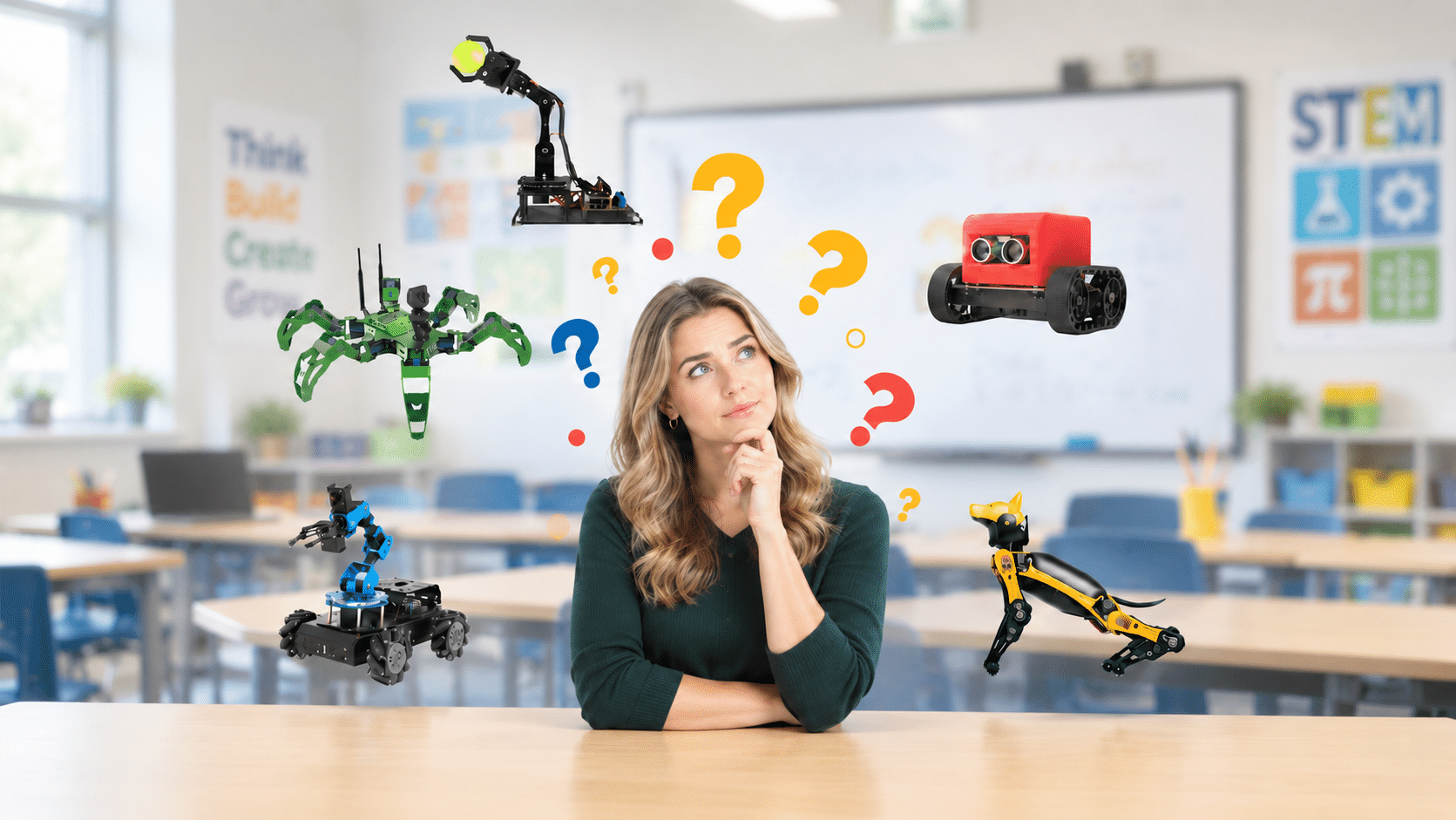


Image credit: @stem_ec on X
For decades, educators have been told to tailor instruction to students’ “learning styles”—visual, kinesthetic, auditory, and others to improve achievement. Yet study after study has shown that matching instruction to a student’s preferred learning style has virtually no effect on learning outcomes. A new paper by John Hattie and Tim O’Leary revisits this stubborn myth and explains why it remains so popular despite overwhelming evidence against it.
The Matching Hypothesis Doesn’t Hold Up
The core claim behind learning styles is the “matching hypothesis”: students learn better when taught in their preferred modality. But across four major meta-analyses, the effect size for this claim is nearly zero (d = 0.04). This finding is a clear debunking. In contrast, correlational studies that show modest links between learning preferences and achievement (r = 0.24) are often misinterpreted as proof of the matching hypothesis, even though they do not involve experimental testing or causal design.
Why the Myth Persists
The appeal of learning styles lies in its simplicity. It validates individual preferences and makes teaching feel more personalized. But as Hattie and O’Leary explain, the model confuses learning preferences with learning strategies, a much stronger predictor of achievement. Even worse, labeling students by style can lower expectations. Teachers tend to associate “visual learners” with high achievement and “kinesthetic learners” with lower potential, leading to academic tracking disguised as differentiation.
Recent research (Sun et al., 2023) shows that these labels influence how students are perceived by parents, teachers, and even peers, with hands-on learners being judged as less intelligent than visual ones. These assumptions can restrict opportunities, reinforce harmful stereotypes, and undermine student confidence.
A Methodological Mess
The learning styles literature has also been heavily criticized for inflated claims, weak design, and a lack of theoretical clarity. Meta-analyses often conflate correlational data with causal conclusions and include studies with tiny sample sizes, invalid measurement tools, or excessive commercial bias. Among the 2,500+ educational meta-analyses reviewed by Hattie, none show a body of research more riddled with error.
What Works Instead: Teaching Strategies, Not Styles
What actually improves learning? Teaching students how to choose, apply, and adjust strategies based on the task at hand. Research shows that effective learners are flexible and strategic, not locked into one modality. Approaches like multimedia learning theory, dual coding, and self-regulated learning offer far more evidence-based insights into how students learn and how teachers can support them.
The takeaway is simple: we don’t need to match instructions to styles. We need to teach students how to learn.
How LocoRobo Supports Real Learning
At LocoRobo, we build our STEM curriculum around research-backed strategies. Our STEM Solutions prioritise hands-on, adaptive learning experiences that help students develop real problem-solving skills. Through project-based learning with cutting-edge drones, robotics, and AI built for K-12 classrooms, students develop a deeper understanding through active engagement.
Backed by rigorous academic research and built for flexibility, LocoRobo’s pathways simplify STEM education while aligning with key standards. From introductory STEM to advanced AI, our curriculum fosters critical thinking, problem-solving, and innovation in every student. With an all-in-one approach combining hardware, software, curriculum, and teacher support, we empower educators to move beyond myths and focus on what works: strategy-based, cognitively engaging learning. Because every student can grow when learning is designed to challenge, not categorize.