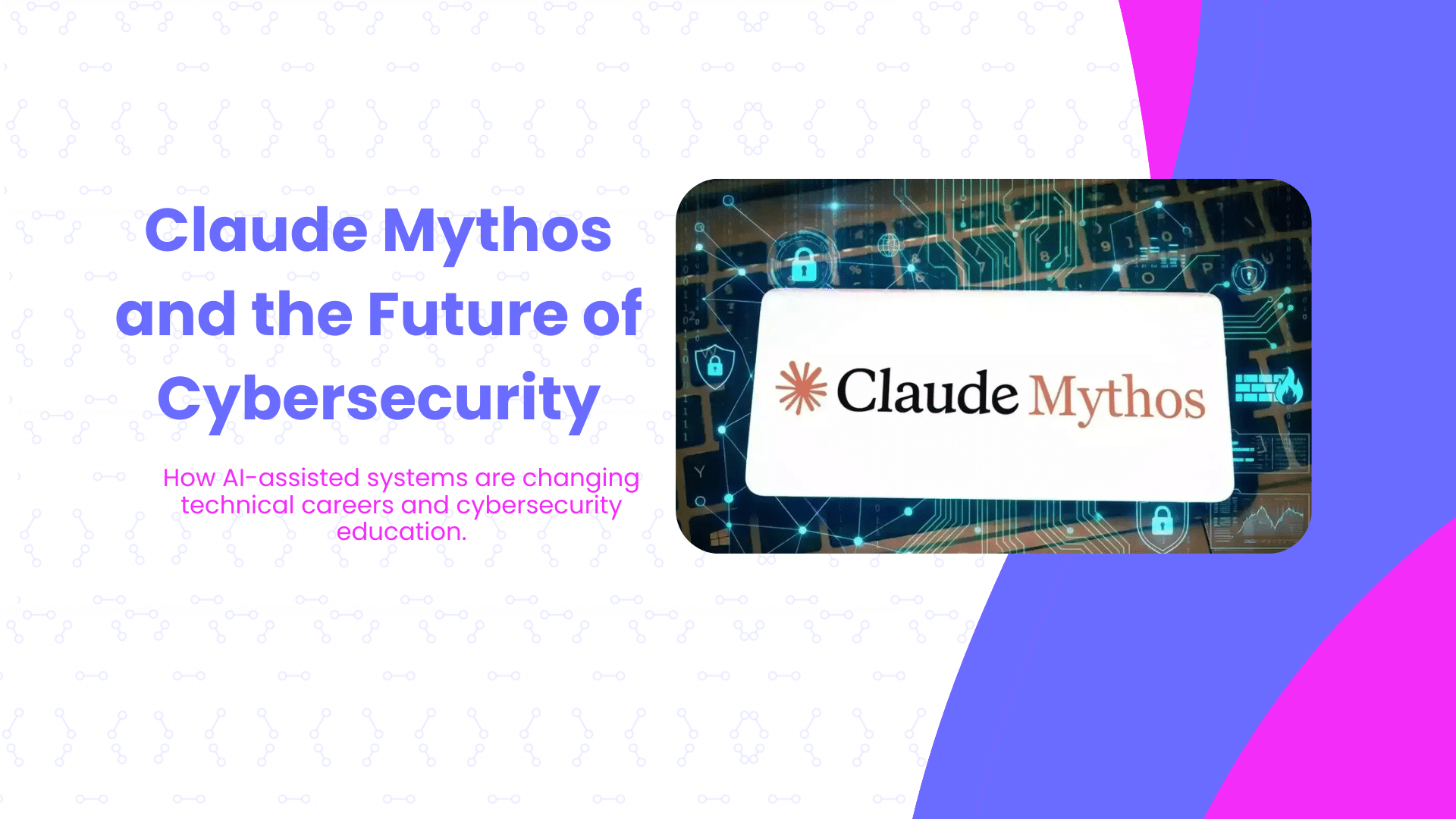


Artificial intelligence is changing cybersecurity faster than most organizations are prepared for. Anthropic’s Claude Mythos is one of the clearest examples yet of how advanced AI models are shifting from passive assistants into systems capable of actively analyzing infrastructure, discovering software vulnerabilities, and automating parts of offensive cybersecurity research.
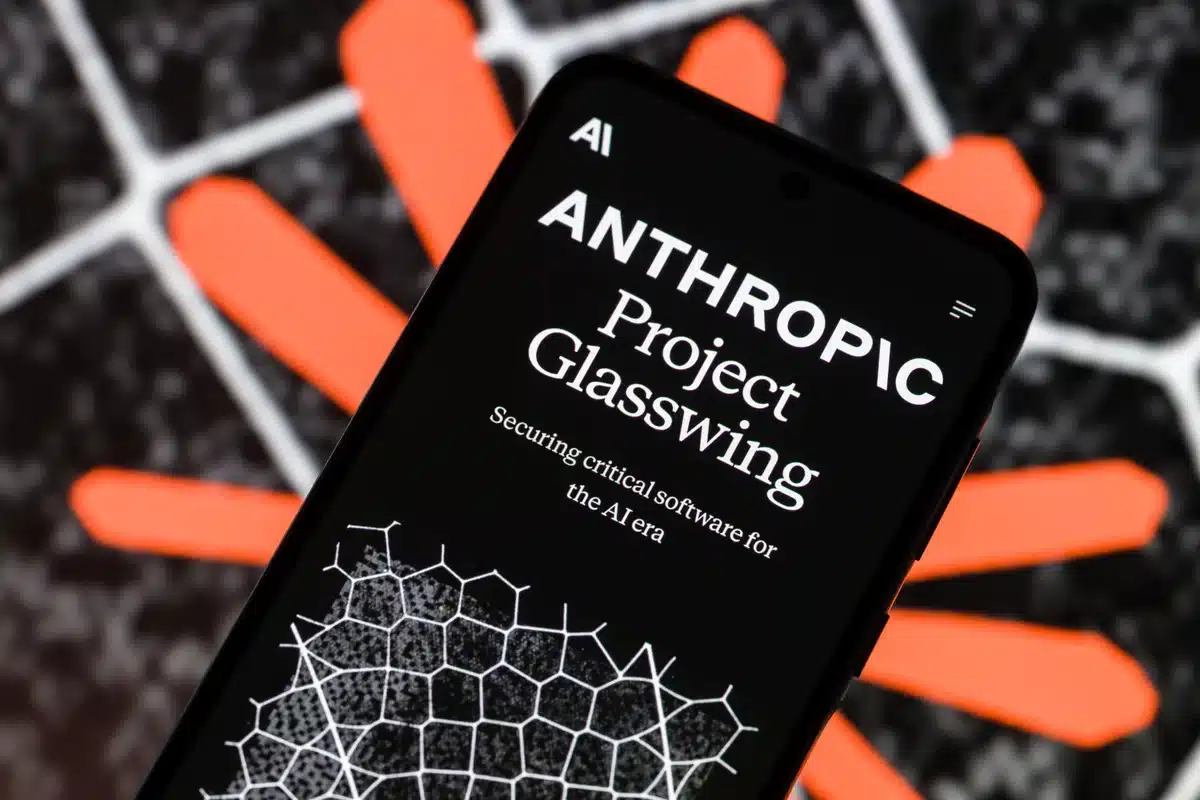
Unlike traditional cybersecurity tools that rely heavily on known threats and predefined signatures, Mythos was designed to work more like an autonomous software engineering system. According to reports, the model can identify previously unknown vulnerabilities, reconstruct code behavior, and chain together multiple weaknesses into larger attack paths. Because of these capabilities. Anthropic recently introduced Project Glasswing alongside Claude Mythos Preview, highlighting how advanced AI cybersecurity systems are becoming powerful enough to require controlled deployment environments.
The significance of Claude Mythos goes beyond a single AI model. It reflects a larger shift happening across the cybersecurity industry: AI is accelerating both defense and attack capabilities at the same time.
What Makes Claude Mythos Different?
Most AI cybersecurity tools today focus on detection, monitoring, or summarization. Claude Mythos appears to move much further by acting as an autonomous reasoning system capable of working through large-scale technical environments.
Some of the reported capabilities include:
- Discovering zero-day vulnerabilities
- Identifying hidden software flaws across large codebases
- Mapping systems and relationships automatically
- Testing multiple attack paths autonomously
- Reconstructing source code behavior from deployed software
- Iteratively retrying approaches until vulnerabilities are found
The model reportedly uses techniques such as native system tool integration, recursive self-correction, and autonomous agent workflows.
In practical terms, this means AI systems are beginning to perform tasks that once required highly specialized cybersecurity teams working for weeks or months.
Cybersecurity Is Becoming a Leadership Priority
One of the biggest takeaways from the Claude Mythos discussion is that cybersecurity is no longer viewed only as an IT issue.
Organizations increasingly treat cybersecurity as a business-wide operational priority because attacks now impact:
- Operations
- Finance
- Reputation
- Infrastructure
- Compliance
- Customer trust
- Long-term resilience
As AI tools continue advancing, cybersecurity education will likely become even more integrated into STEM, computer science, and CTE pathways.
Preparing Students for the AI Cybersecurity Landscape
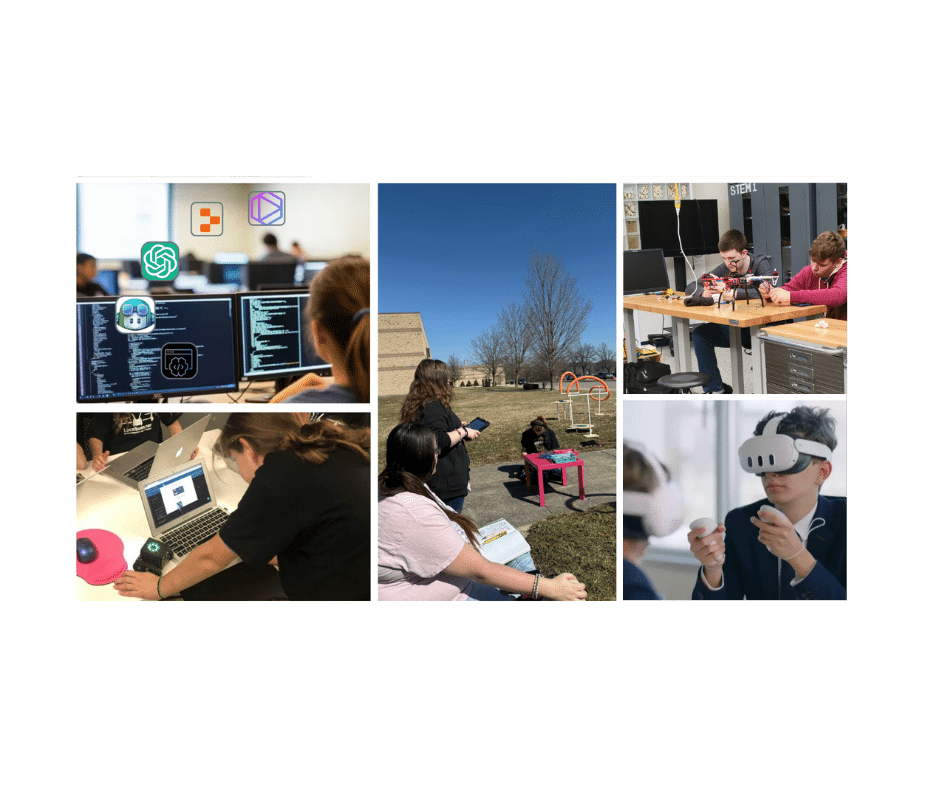
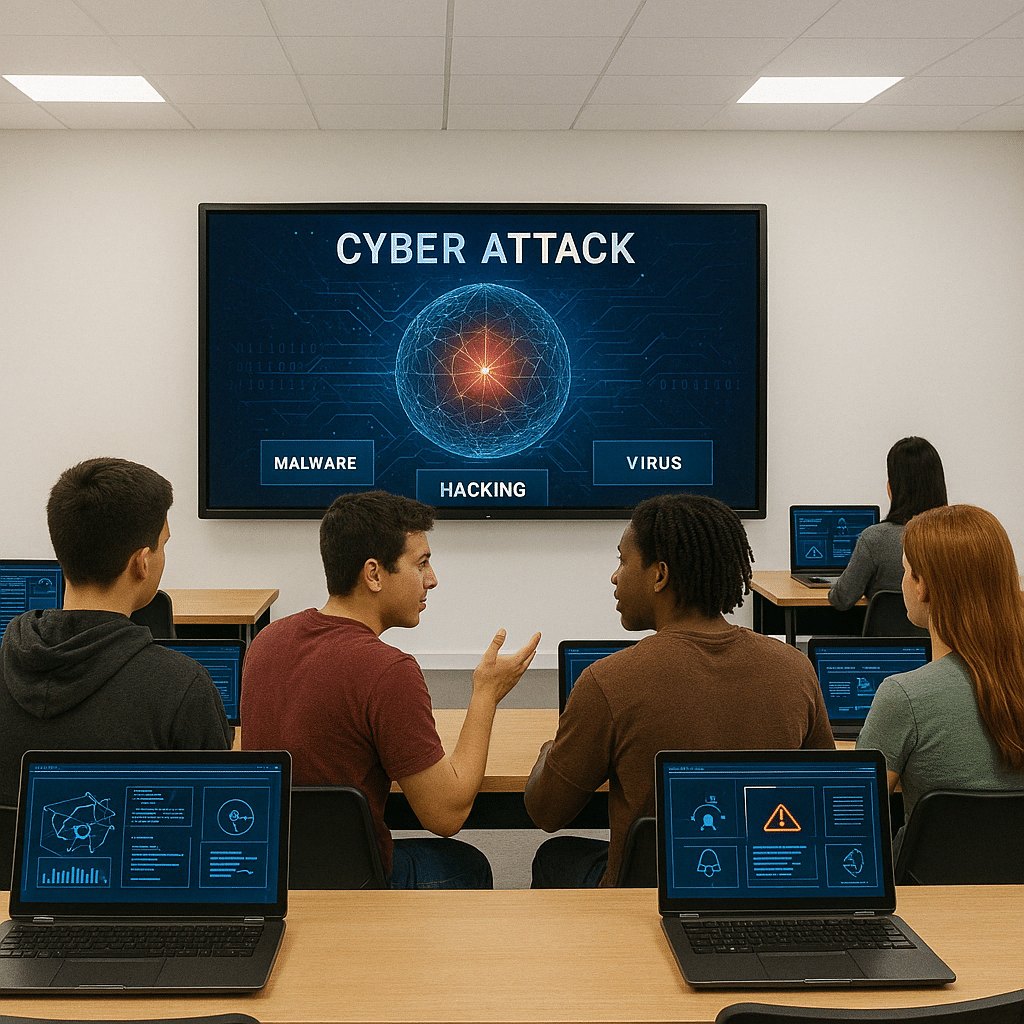
The rise of models like Claude Mythos also reinforces why cybersecurity education is becoming more important across STEM and CTE programs. As AI systems become more capable of analyzing software, identifying vulnerabilities, and automating technical tasks, students entering cybersecurity and IT careers will need stronger foundations in network security, threat analysis, digital safety, and system defense.
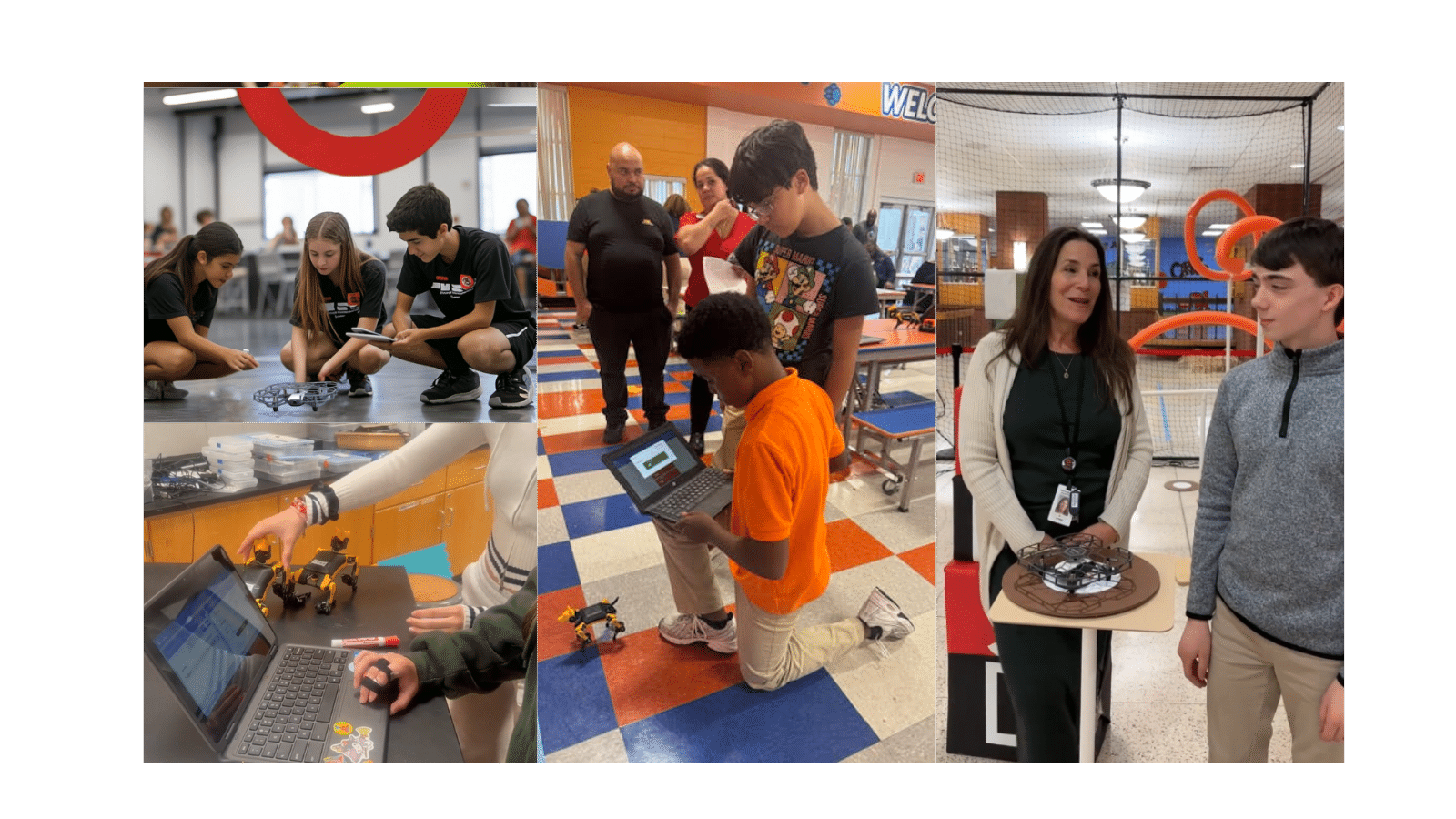
At LocoRobo, our cybersecurity pathways are designed to help students build practical skills through hands-on labs, simulations, certification preparation, and real-world cybersecurity concepts. From introductory digital safety and network security to advanced CompTIA and Certiport certification pathways, students gain exposure to the tools, workflows, and problem-solving approaches used in modern cybersecurity careers.
Explore LocoRobo Cybersecurity Solutions for education to learn more about bringing cybersecurity education into your STEM and CTE programs.