
Why Hardware Gets the Most Attention
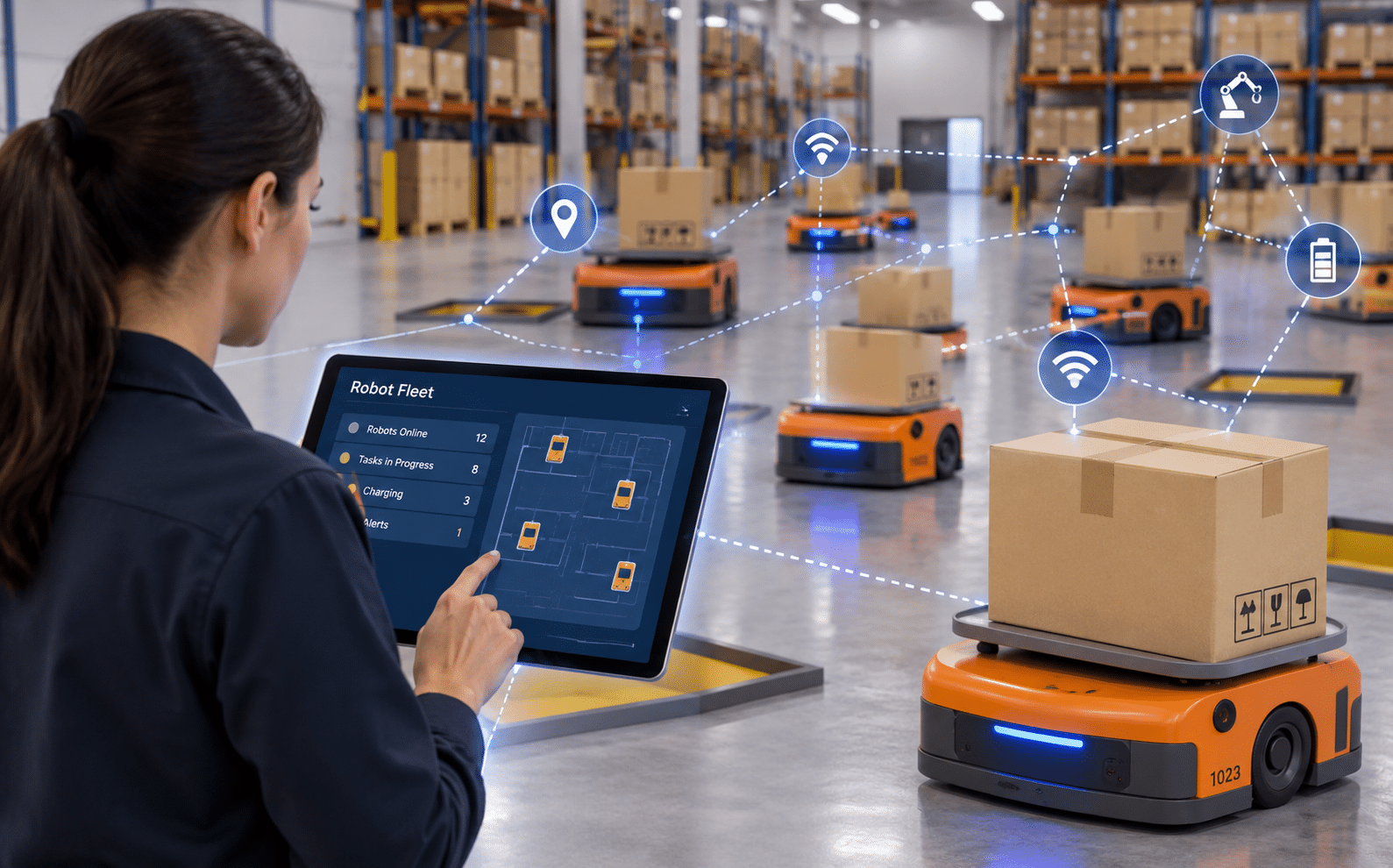
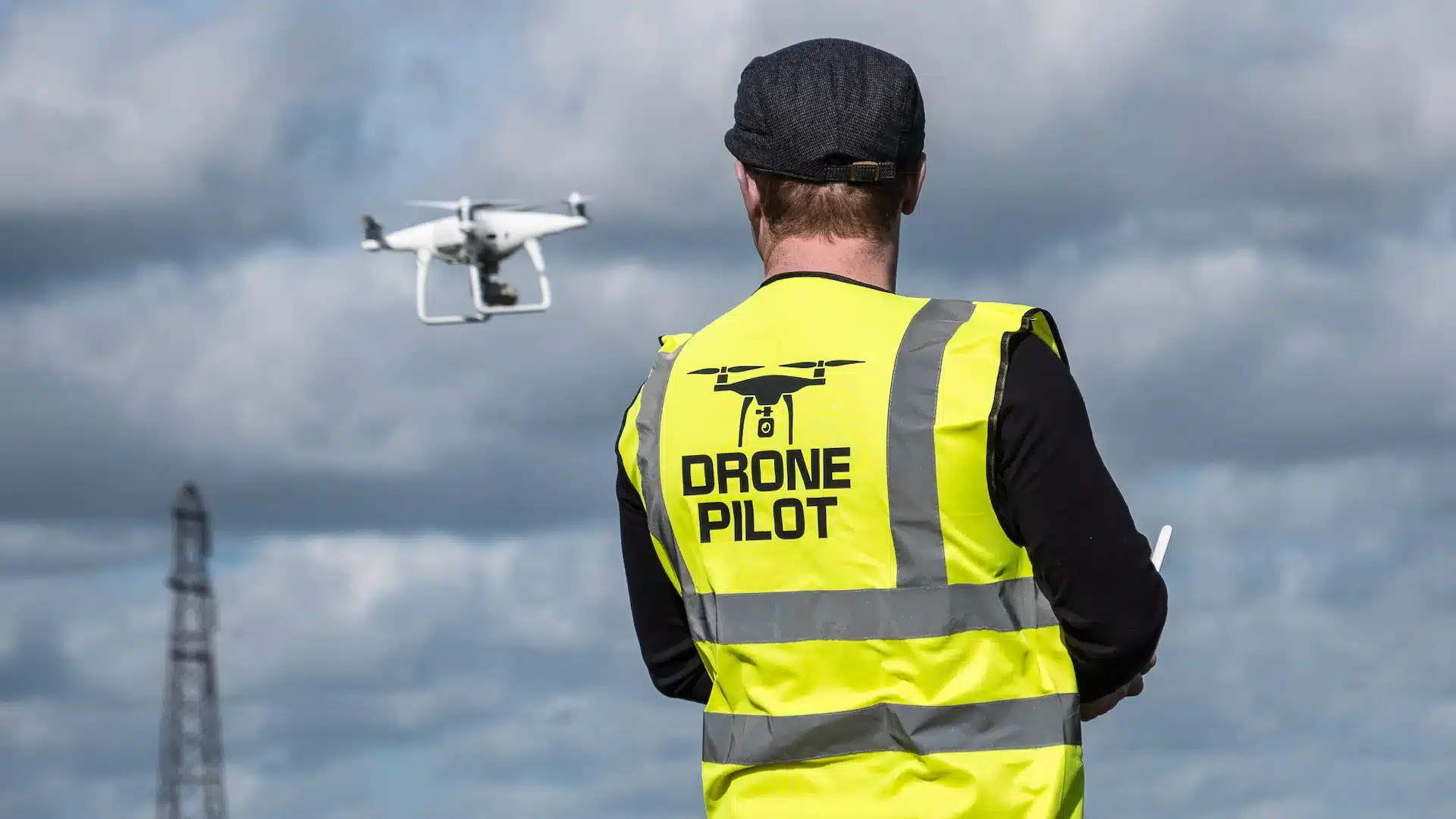
Hands-on technology creates immediate engagement. Students are naturally curious about coding drones, programming robots, or exploring VR simulations. Administrators also want visible tools that demonstrate innovation inside the classroom. Modern STEM hardware can introduce students to:- Coding and automation
- AI and data collection
- Engineering concepts
- Collaboration and problem-solving
- Career-connected technical skills
The Problem With Hardware-Only STEM Programs
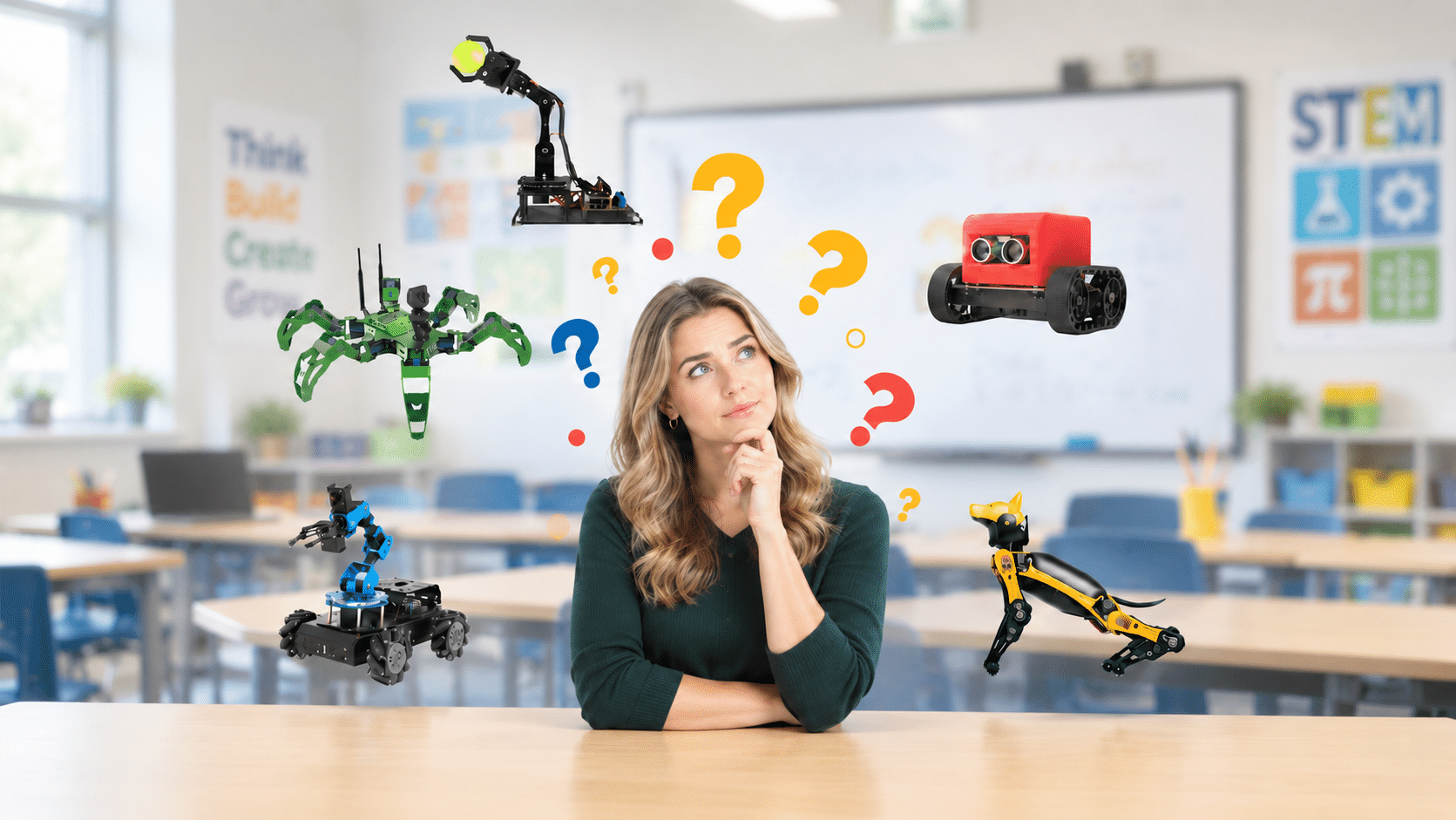
A drone kit does not automatically become a drone curriculum. Without structure, teachers often end up creating lessons themselves, troubleshooting technical issues during class, and trying to determine what students should actually learn from each activity. This creates common problems:Activities Feel Disconnected
Students complete projects, but there is no clear progression from beginner to advanced skills.Teachers Spend Too Much Time Planning
Instead of teaching, educators spend hours piecing together resources from YouTube videos, PDFs, and forums.Equipment Sits Unused
Schools may invest heavily in STEM tools that eventually stay in storage because implementation becomes too difficult.Programs Depend on One Teacher
When everything lives inside one educator’s personal lesson files, programs become difficult to sustain long-term.Limited or Inconsistent Support
When schools run into technical or classroom implementation challenges, delayed responses or lack of ongoing support can slow momentum quickly. This is where STEM curriculum, teacher training, and ongoing support become more important than the hardware itself.Why STEM Curriculum Often Matters More
A strong STEM curriculum kit gives structure to the technology. It answers questions like:- What should students learn first?
- How do skills progress across grade levels?
- What does a successful lesson actually look like?
- How does this connect to standards or CTE pathways?
- How can teachers assess learning outcomes?
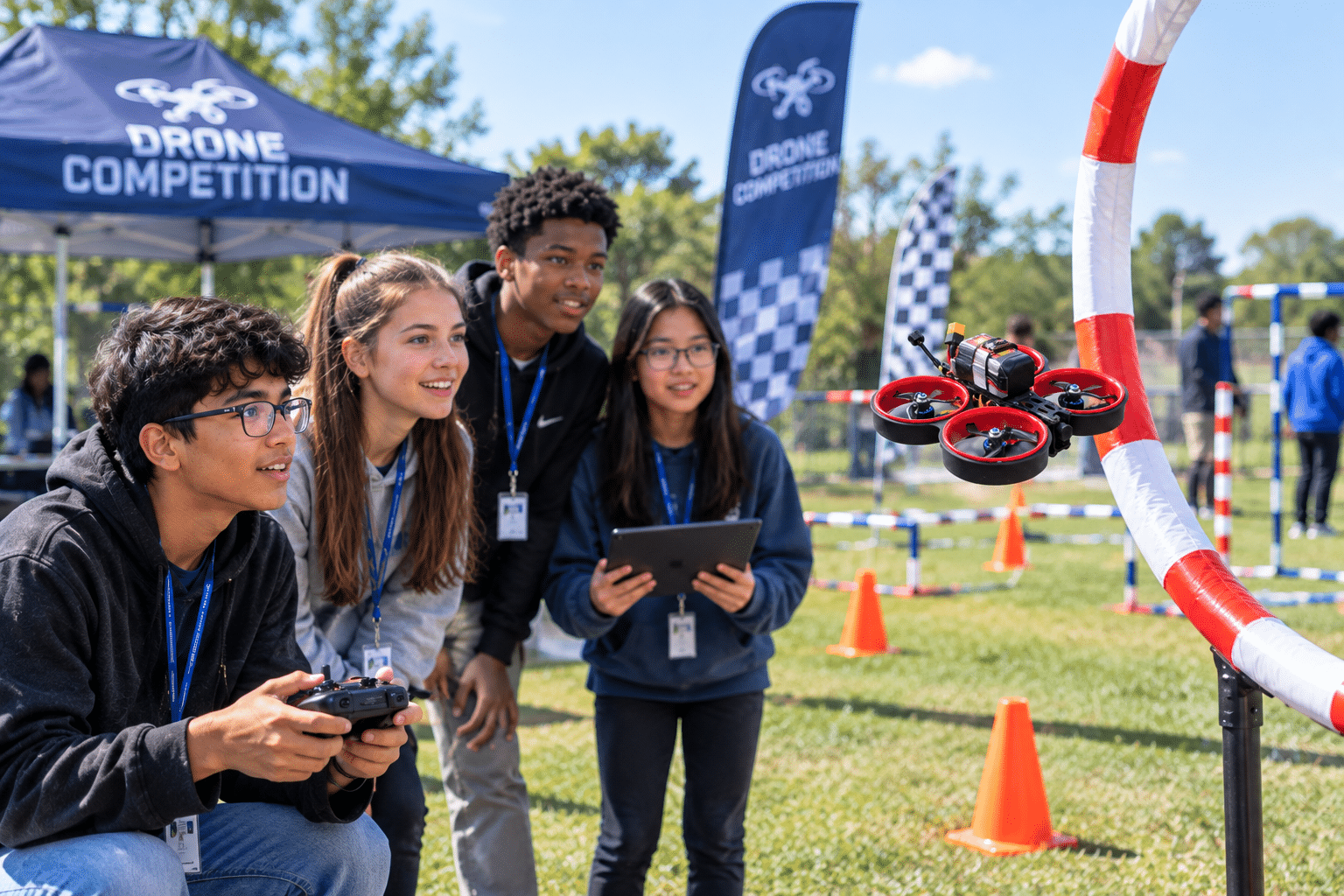
- Drones can teach programming, physics, mapping, and data collection
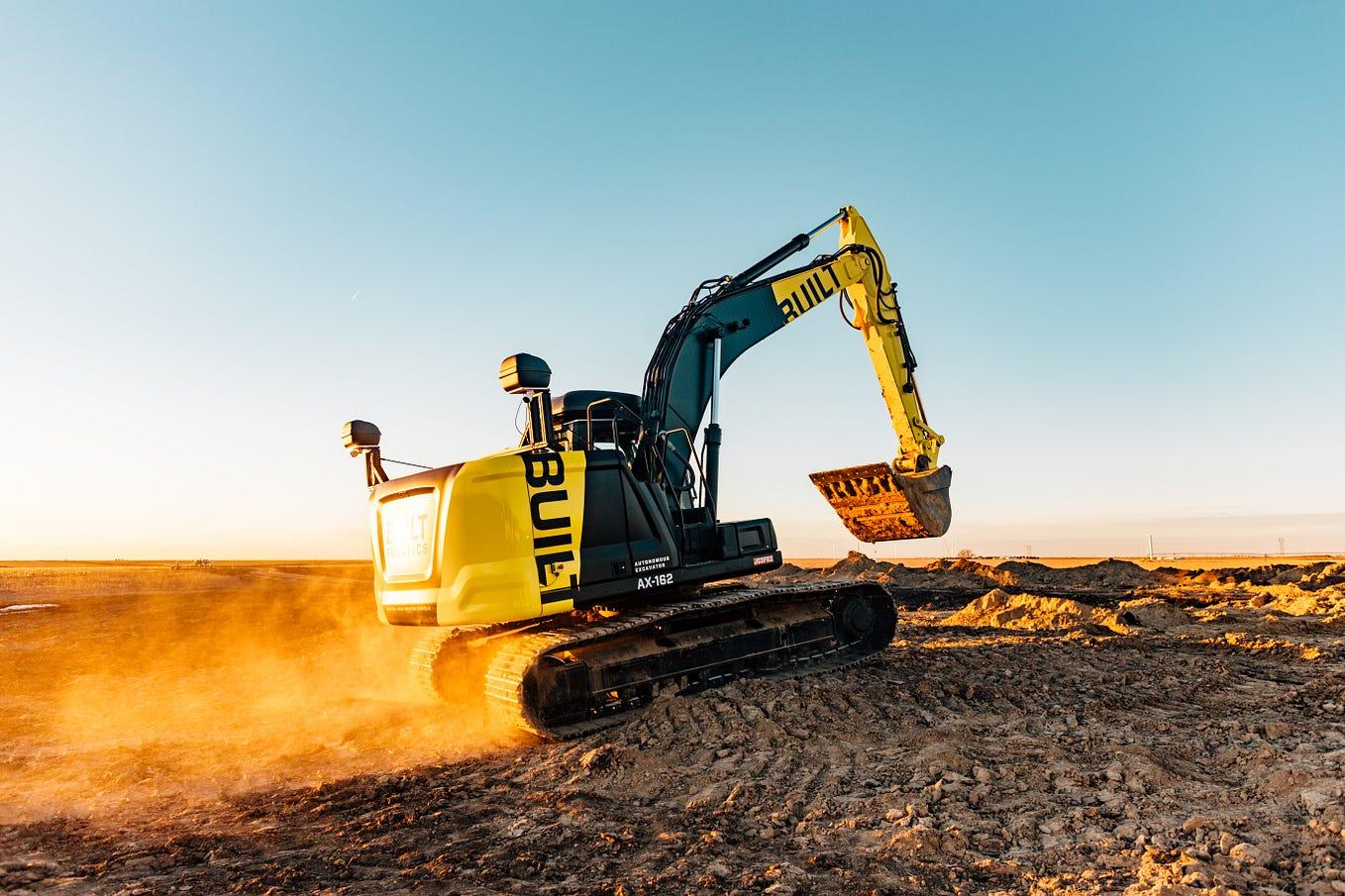
- Robotics can support systems thinking, automation, and engineering
- AI activities can introduce prompt engineering, ethics, and data analysis
- VR simulations can connect students to career exploration experiences
Why Teacher Training and Professional Development Matter
Even the best curriculum can fail if teachers do not feel supported. Many educators enter STEM or CTE programs with little to no knowledge. Some may have strong classroom management skills but limited experience with robotics, drones, AI, or cybersecurity tools. That is normal. The success of a STEM program often depends on whether teachers feel confident enough to use the technology consistently. Professional development helps schools bridge that gap by providing:- Classroom implementation guidance
- Technical onboarding
- Curriculum walkthroughs
- Troubleshooting strategies
- Lesson pacing support
So What Matters Most?
The real answer is balance. Hardware creates engagement. Curriculum creates structure. Training creates confidence. Support keeps programs sustainable. When one piece is missing, schools usually feel the impact quickly. A strong STEM program is built around an ecosystem that helps teachers manage instruction, maintain consistency, and keep students progressing over time.What Schools Should Look For in a STEM Partner
When evaluating STEM programs, schools should ask:- Is there a standards-aligned curriculum included?
- Is teacher training part of the implementation process?
- Is ongoing support available after purchase?
- Is the software classroom-friendly?
- Can the program scale across grade levels?
- Does the program support long-term pathway development?
Building Sustainable STEM Programs with LocoRobo
LocoRobo combines STEM curriculum, hardware, software, teacher training, and ongoing support into one structured ecosystem for K–12 classrooms. Our solutions include:- Standards-aligned STEM and CTE curriculum
- Drones, robotics, AI, VR, and cybersecurity solutions
- School-friendly software platforms
- Professional development and onboarding
- Support you can count on
- Curricular integration and pathway planning across grade levels
Frequently Asked Questions
What is more important in a STEM program: hardware or curriculum?
Both matter, but the STEM curriculum is often what determines whether a STEM program becomes sustainable. Hardware creates engagement, while curriculum provides structure, progression, and learning outcomes that teachers can consistently implement.
Why is teacher training important for STEM education?
Teacher training helps educators feel confident using STEM tools in the classroom. Professional development can reduce setup challenges, improve lesson pacing, and help teachers manage hands-on activities more effectively.
Can schools start a STEM program without experienced STEM teachers?
Yes. Many schools begin STEM and CTE programs with educators who are new to drones, robotics, AI, or cybersecurity. Structured curriculum, onboarding, and ongoing support can help teachers successfully run these programs without requiring advanced technical backgrounds.
How does LocoRobo support STEM implementation?
LocoRobo provides a complete STEM ecosystem that includes hardware, standards-aligned curriculum, school-friendly software, professional development, and ongoing support. This helps schools build programs that are easier for teachers to manage and expand across grade levels.