
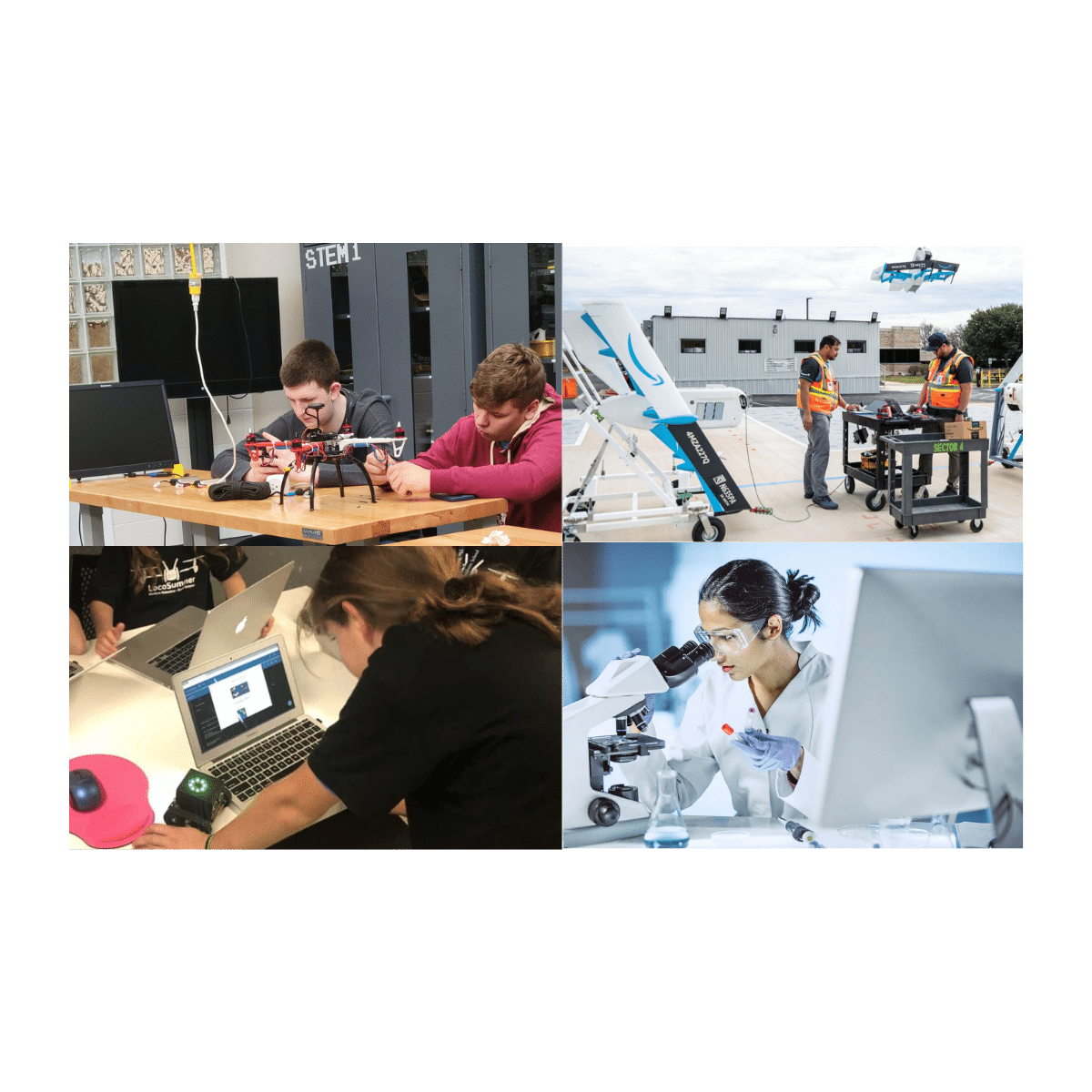
Helping students picture themselves in STEM is about giving them learning moments where they feel curious, capable, and confident. When students work with tools they can touch, test, and improve, they begin to understand that STEM learning is not reserved for a select few. It is something they can do.
Hands-on learning creates this shift. Instead of watching a concept unfold on a screen, students experience it through real actions. They try a solution, notice what works, and adjust their thinking. These small cycles of action and reflection shape how students view their abilities. Each completed task becomes evidence that they can solve problems and build something real.
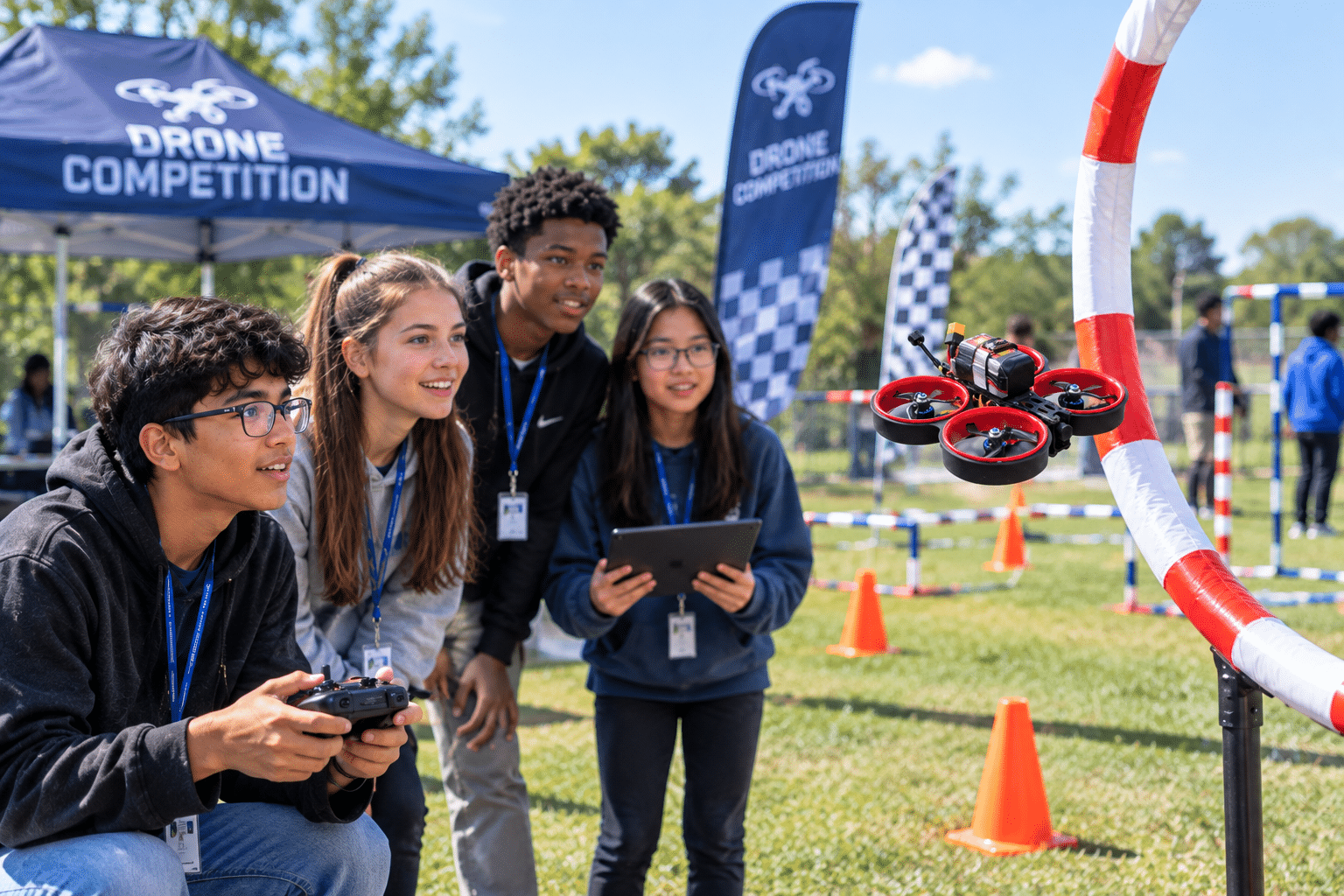
One of the key benefits of STEM education is the way hands-on activities help students build stronger connections to the subjects they study. A lesson on physics becomes clearer when students fly a drone and measure lift. A unit on mechanical design makes sense when students code a robot and watch it move. The learning feels grounded, which makes it easier for students to link classroom topics to future STEM careers.
Identity plays a major part in this process. When students feel ownership of their progress, they begin to view STEM as something within reach. They move from “I am not sure this is for me” to “I know how to do this and I want to learn more.” This mindset shift matters, especially for students who have not always seen themselves reflected in STEM spaces. Hands-on tasks level the field by focusing attention on effort, improvement, and real results.
Hands-On Learning Opens Doors to Real STEM Roles
When students see the impact of their work, they also begin to understand the types of roles they could pursue. Hands-on STEM learning prepares them for fields such as:
- Robotics technician
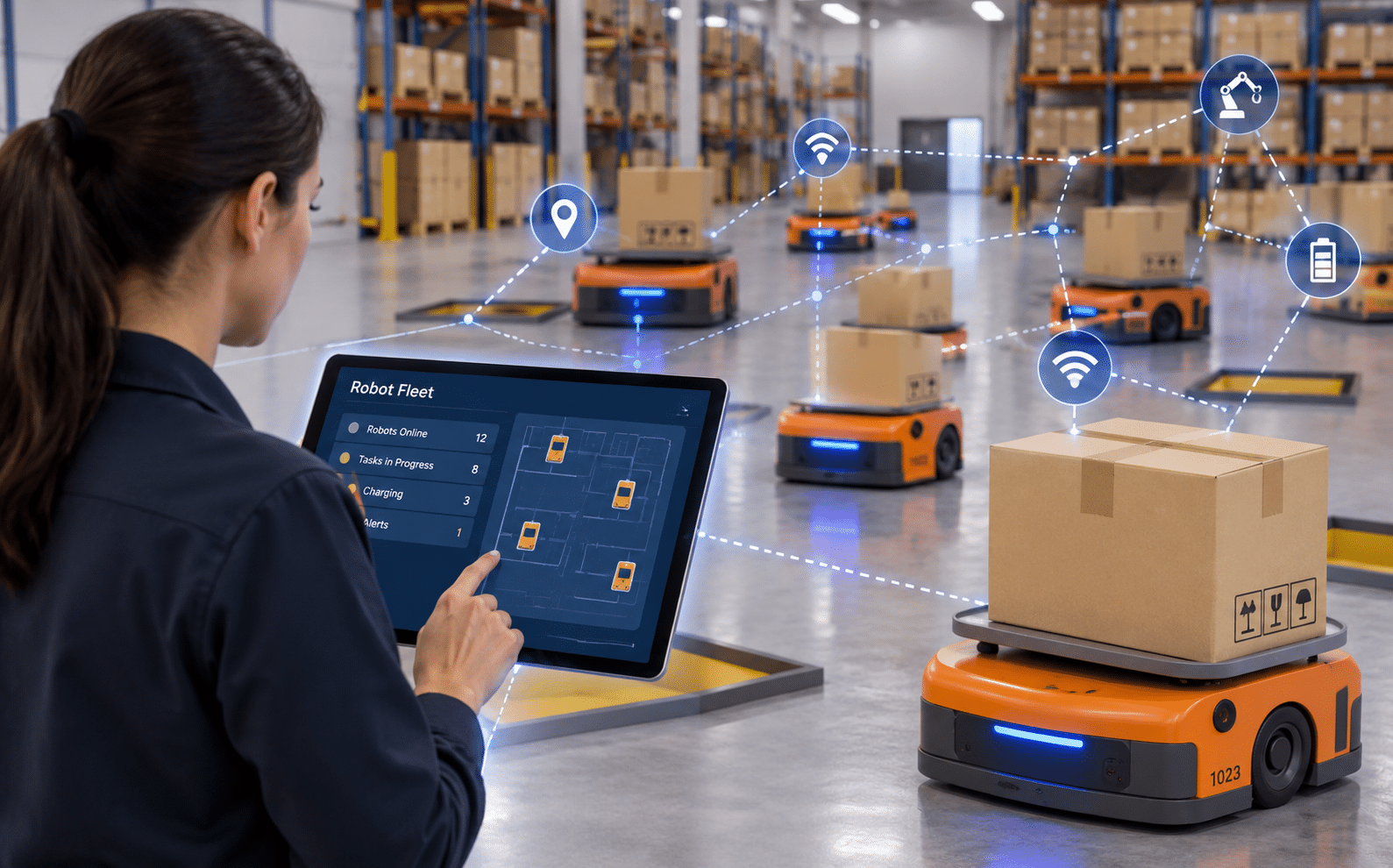
- AI and automation assistant
- Cybersecurity analyst
- Drone pilot and mapping technician
- Data technician or junior analyst
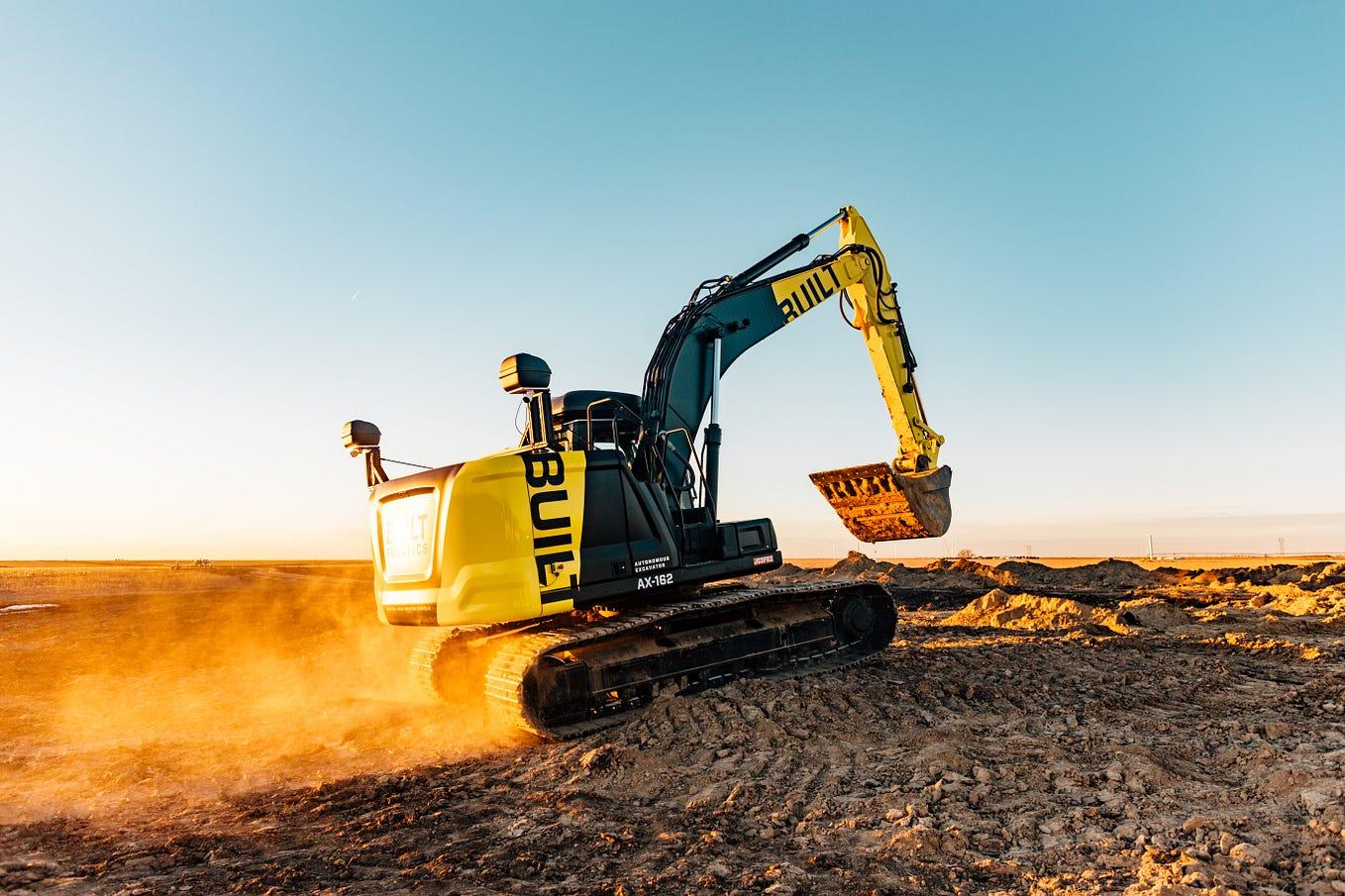
- Mechanical or electrical engineering roles
- Software and coding support roles
- Esports production and technical operations
These roles do not require students to picture themselves years into the future. Instead, they see how the skills they practice today connect to real work happening right now. This identity shift helps students believe that STEM careers are reachable and relevant to them.
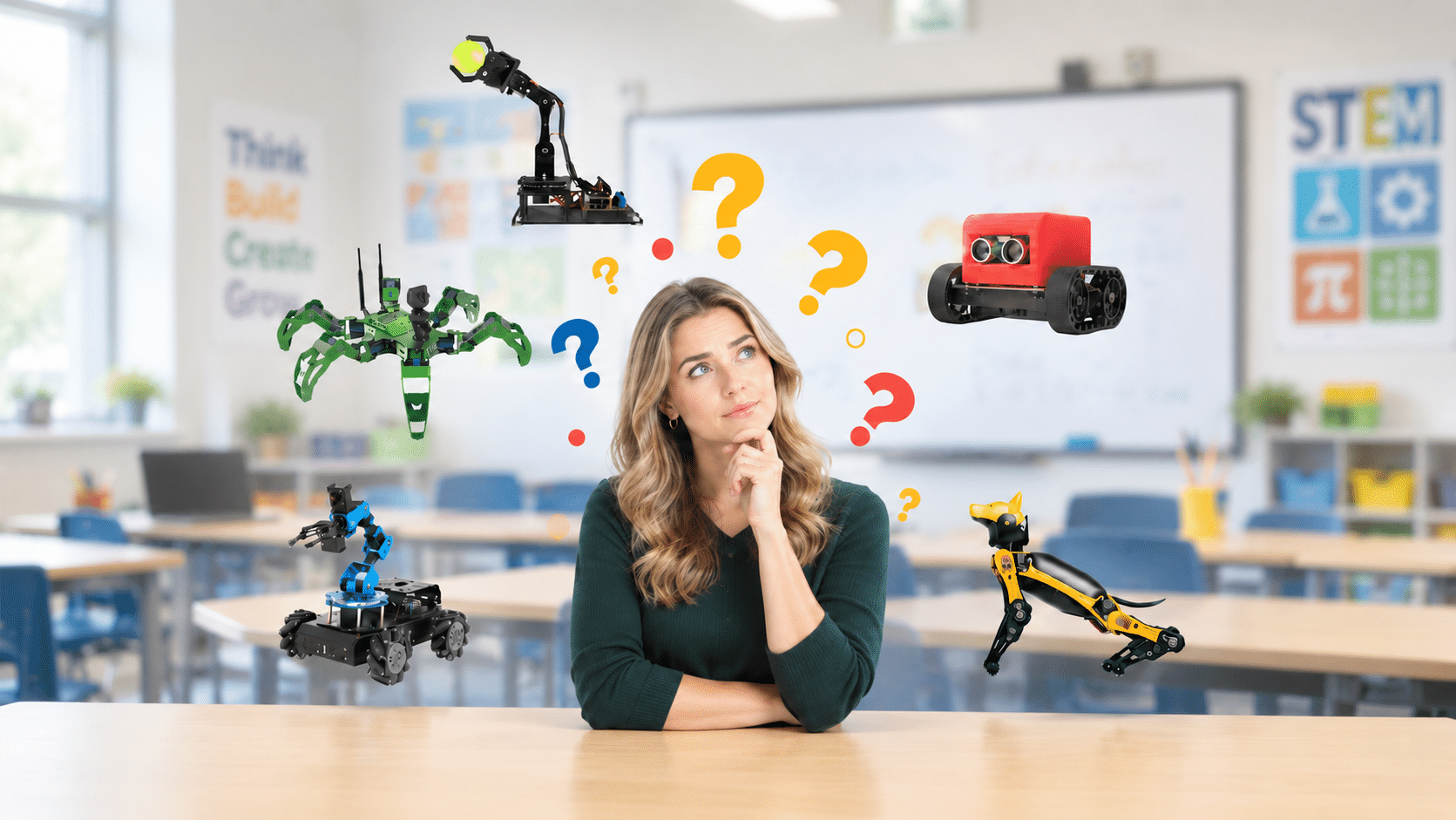
Teachers benefit as well. Hands-on learning allows them to create learning moments that support different learning needs. They can guide experimentation, highlight technical thinking, and help students build confidence through visible progress. Classrooms become places where students feel ready to explore, test ideas, and grow their skills.
How LocoRobo Supports Hands-on STEM Learning
LocoRobo provides hands-on STEM solutions in robotics, drones, AI, VR, and cybersecurity that help students see their potential in STEM. Our STEM kits include standards-aligned STEM curriculum, ready-to-use kits, teacher training, and real-world projects that help students build skills they can trust. Every product is designed to help educators create learning moments that strengthen confidence and connect STEM to meaningful roles.
Request our STEM Career Wall classroom poster to help students explore the many paths they can pursue.