
Engagement Starts With Hands-On Exploration
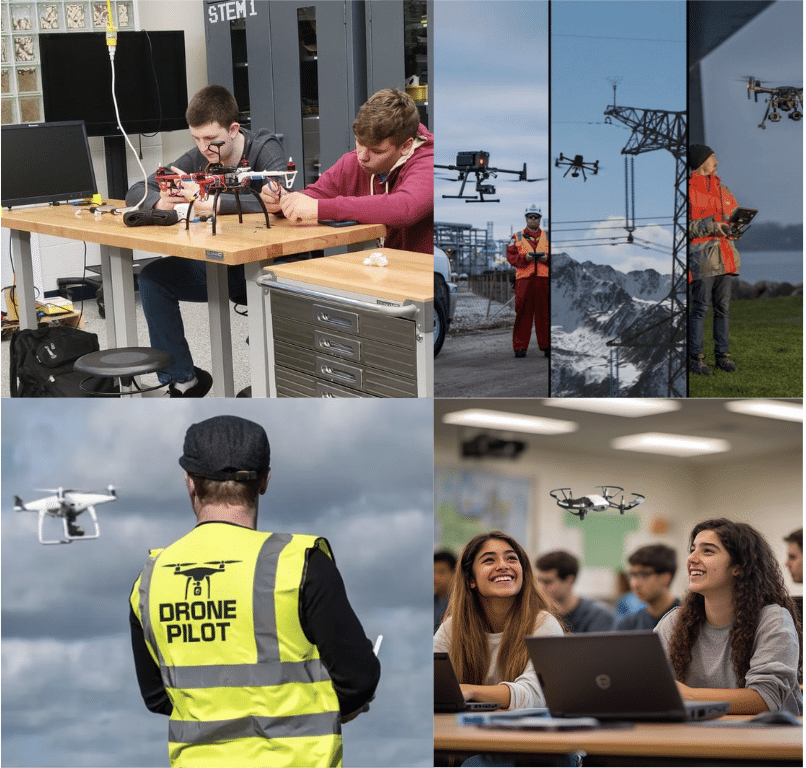
Many STEM teachers say the hardest part of teaching technical concepts is making them tangible. Abstract ideas like coding logic, flight physics, or sensor feedback can feel distant when presented only through lectures or textbooks. Drones change that dynamic. Students can see immediate results from their decisions. If a flight path fails, they adjust the code and try again. If the drone drifts, they investigate the cause. Every attempt becomes an opportunity to analyze, revise, and improve. Engineering teacher Kenneth Fisher describes this shift clearly in his classroom. “Students love working on and flying drones. It makes it fun to learn about so many different engineering concepts.” Through this kind of hands-on work, students move from passive learning to active experimentation.Collaboration Becomes a Natural Part of Learning
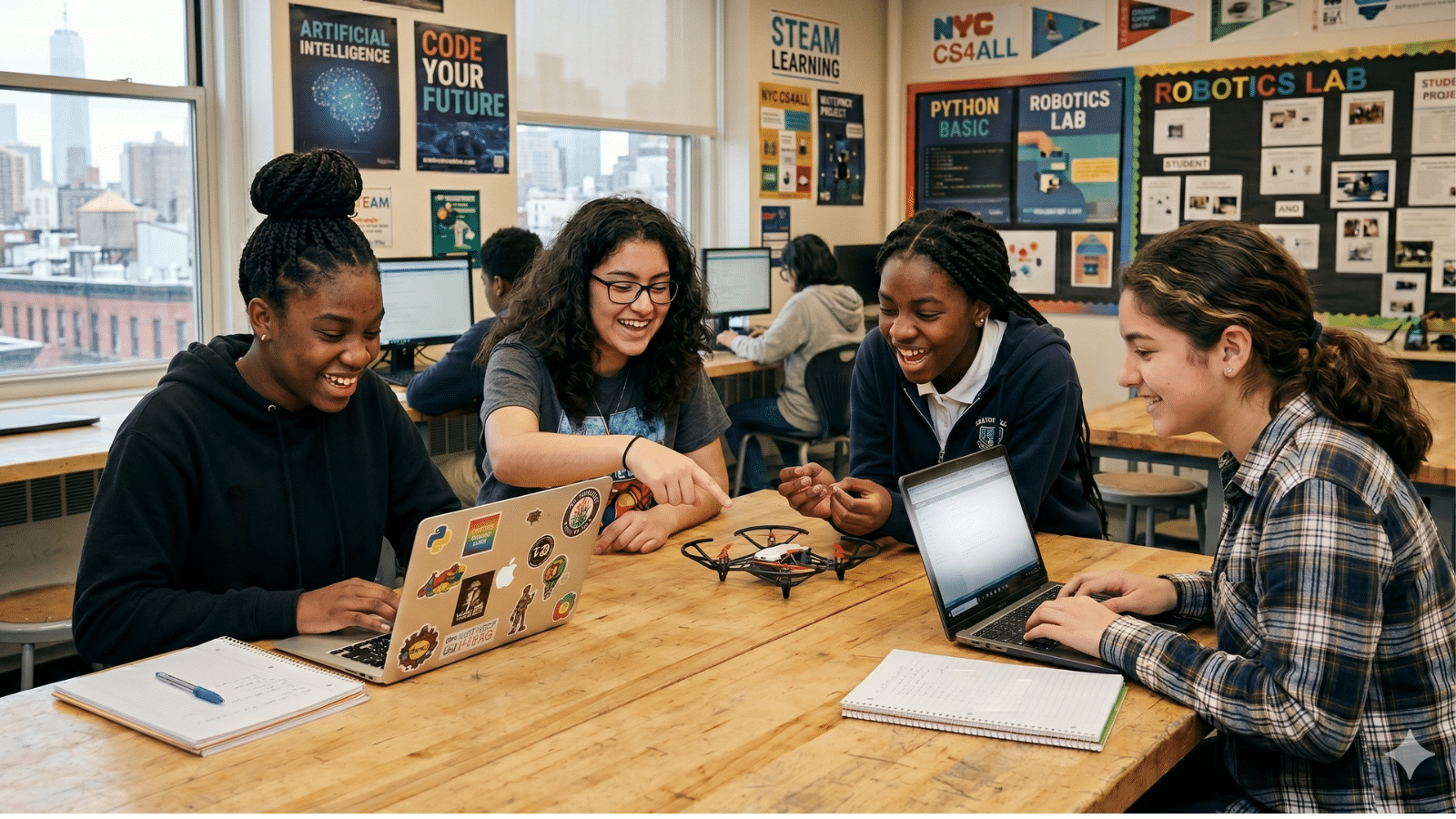
Another defining feature of drone classrooms is how often students work together to solve problems. Drone projects rarely succeed on the first attempt. Configurations require adjustment, flight paths need refinement, and unexpected variables often appear. Instead of seeing these as setbacks, students learn to treat them as engineering challenges. Students begin testing ideas together, sharing insights, and helping one another refine solutions.Confidence Grows Through Visible Results
One reason classrooms with educational drone kits maintain high engagement is the visible feedback students receive from their work. A block of code becomes a real movement. A flight plan becomes a successful maneuver. A troubleshooting effort results in a stable flight. These moments reinforce learning in ways that traditional instruction often cannot. CTE leader Patricia Dorsey observed that drones can also support students who struggle in more traditional programming environments. “It has been especially powerful to watch students who may struggle with traditional programming assessments experience success through drone-based projects. The technology allows students at all skill levels to contribute meaningfully, making collaboration one of the most effective uses of classroom drones.” Engagement tends to remain high throughout the learning process because students can see their work take flight almost immediately.Drone Classrooms Connect Learning to Real Careers
Another reason engagement remains high in drone programs is that students can clearly see the real-world relevance of what they are learning. Drone in education touches multiple industries, including:- Aerospace engineering
- Data analysis
- Infrastructure inspection
- Environmental monitoring
- Robotics and autonomous systems
Engagement Is Built Through the Right Learning Environment
Successful drone education programs rarely depend on the hardware alone. Engagement happens when several elements work together:- Hands-on tools students can experiment with
- Real-world applications that give learning meaning
- Structured curriculum that guides exploration
- Opportunities for collaboration and iteration
The Real Meaning of Engagement in a Drone Classroom
When educators talk about engagement, they often mean more than keeping students interested during class. Real engagement shows up when students:- Stay after class to keep experimenting
- Explain technical ideas with confidence
- Help classmates troubleshoot problems
- Begin imagining themselves in aviation, engineering, and technology careers
Frequently Asked Questions
How do drones improve student engagement in the classroom?
Drones improve engagement by turning abstract STEM concepts into hands-on learning experiments. Students can write code, test flight paths, and immediately see the results of their work. This active learning process encourages problem-solving, collaboration, and experimentation, which keeps students more involved than traditional lecture-based instruction.
What do students learn from drones in STEM education?
Drone learning help students explore a wide range of STEM concepts, including programming a drone, physics of flight, data analysis, engineering design, and troubleshooting. Students often learn how to code flight paths, analyze sensor data, and understand concepts like lift, drag, and navigation while working through real-world challenges.
Why are drones effective tools for hands-on STEM learning?
Drones are effective because they provide immediate feedback. When students adjust code or flight parameters, they can instantly see how those changes affect the drone’s movement. This trial-and-error process helps students develop critical thinking, teamwork, and engineering problem-solving skills.
Do teachers need prior drone experience to run a drone classroom program?
Most drone education programs such as LocoRobo’s drone program, are designed so teachers do not need prior drone or coding experience. Structured curriculum, guided lessons, and professional development resources help educators introduce drone activities step by step. Many schools start with beginner-friendly lessons and expand into more advanced coding and engineering projects over time.
How do drone programs connect students to real-world careers?
Drone technology is used in industries such as environmental monitoring, aviation, agriculture, construction, and data analysis. Classroom drone programs introduce students to the same concepts used in these fields, including flight systems, data collection, and automation. This exposure helps students understand how STEM skills apply to real-world careers.