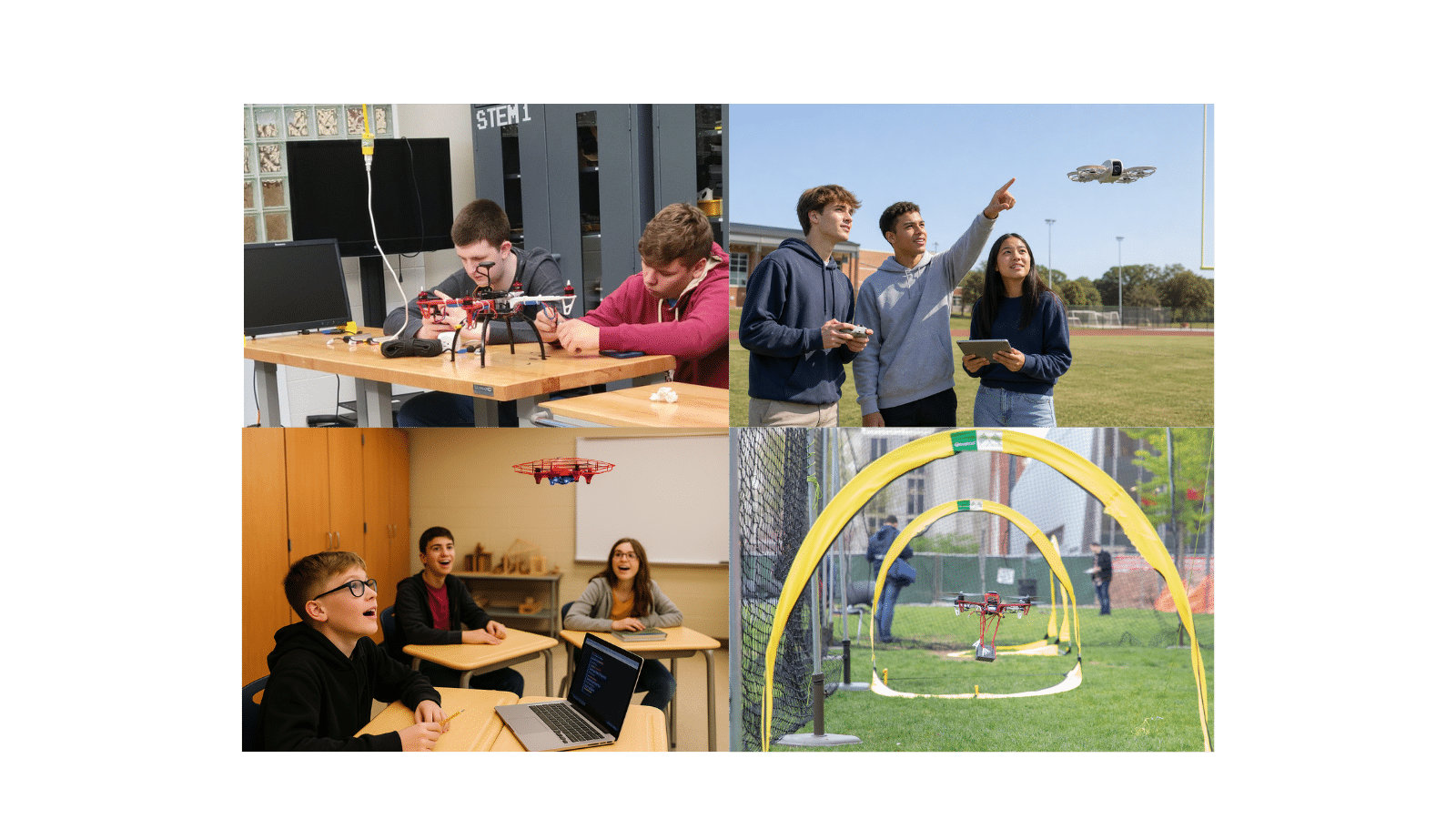


Many educators are curious about bringing drones or robotics into their classrooms, but the same concern often comes up first:
“I’m not a tech teacher. Can I still run a program like this?”
The short answer is yes.
In many schools, the teachers leading STEM programs did not start with a background in robotics, engineering, or computer science.
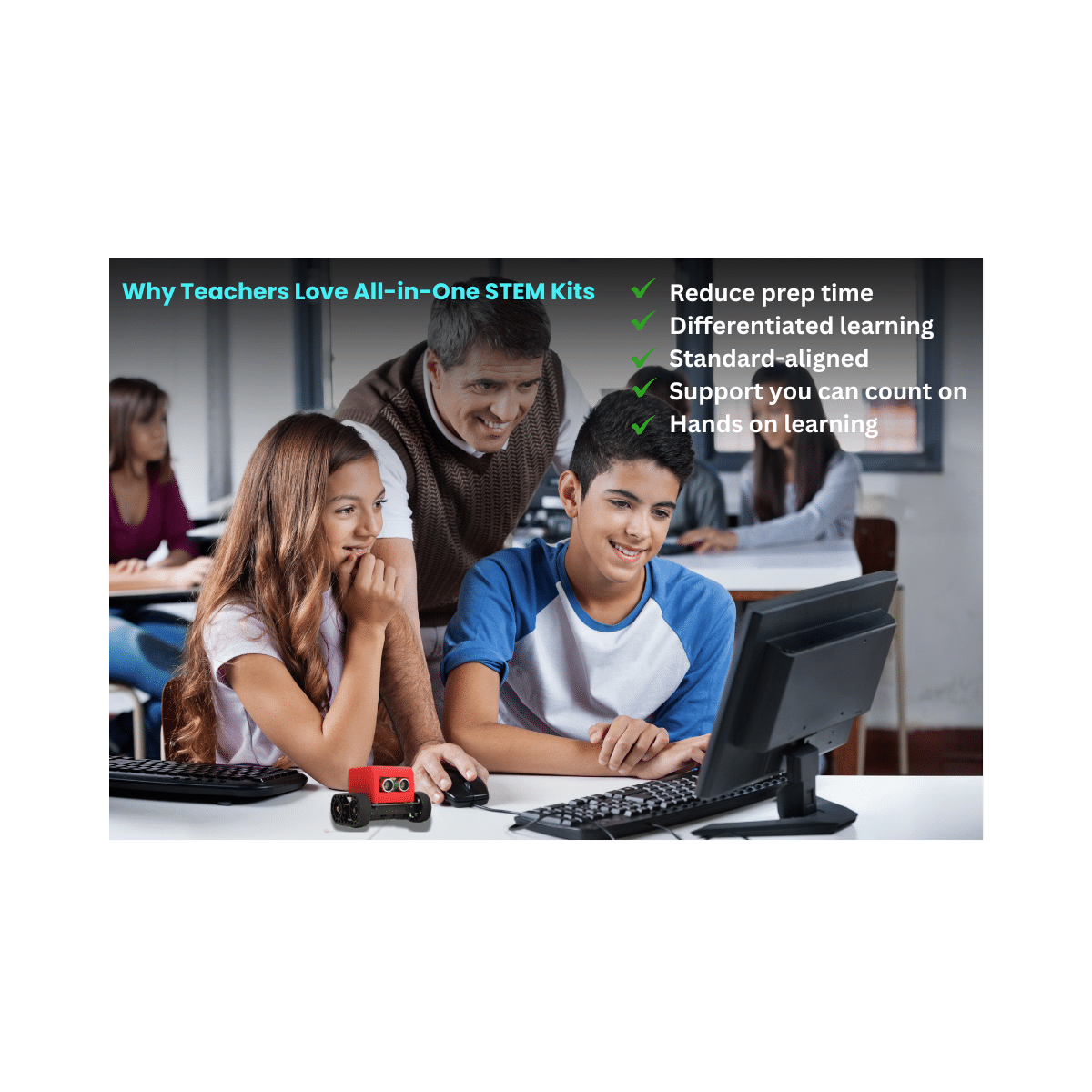
Drone and robotics programs are increasingly designed for classrooms where teachers do not need a technical background to get started. With the right tools and support, teachers can guide meaningful STEM experiences without needing to be technical specialists.
STEM Programs Are Designed for Teachers, Not Engineers
A common misconception is that robotics and drone programs require advanced technical knowledge to get started.
In practice, many classroom platforms are built specifically for educators who may be introducing these topics for the first time. Structured curriculum, guided lessons, and classroom-ready activities help teachers focus on facilitating learning rather than troubleshooting technology.
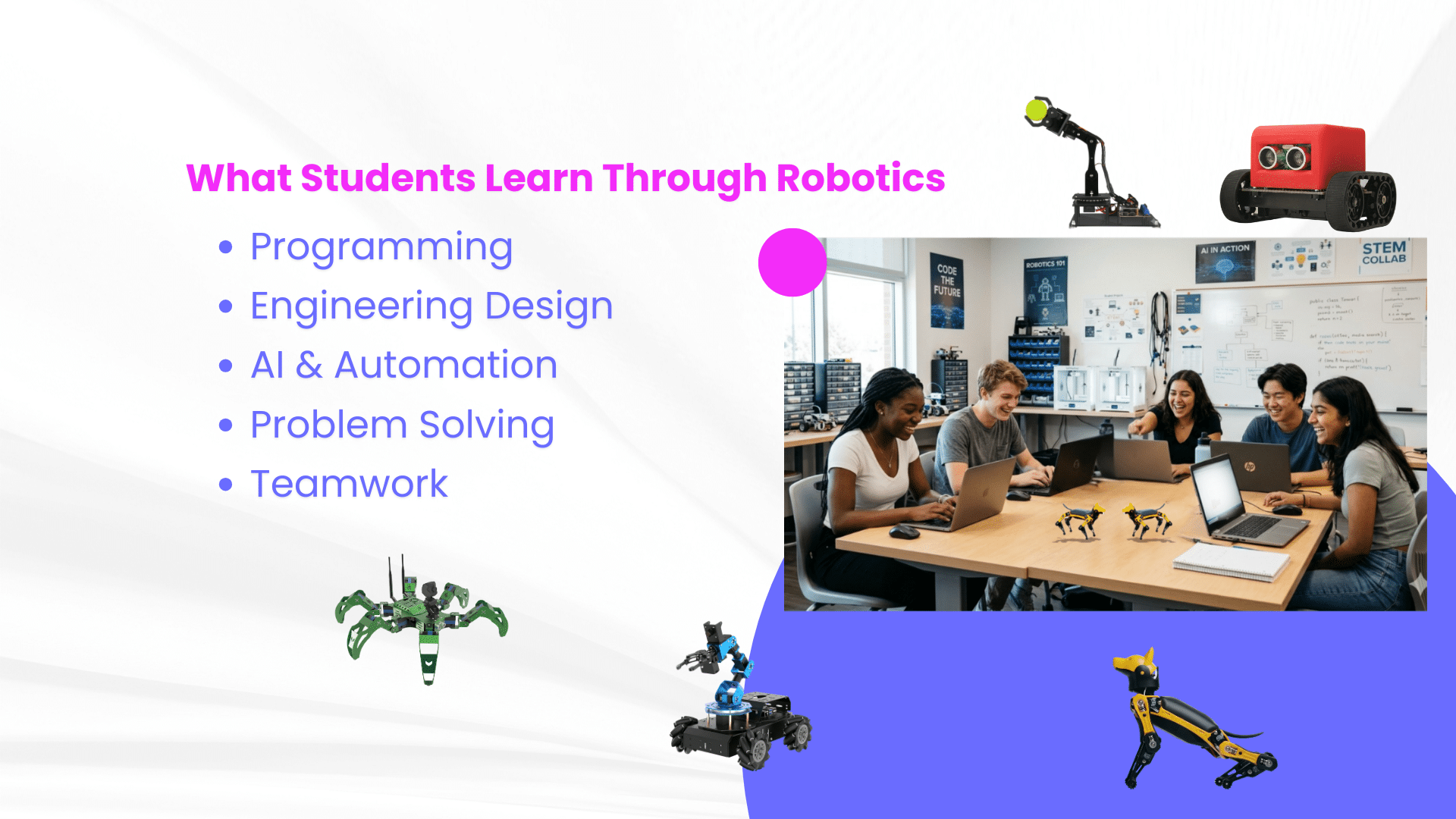
Students typically begin with foundational concepts such as:
- Basic coding logic
- Sensor interaction
- Movement and control systems
- Problem-solving through testing and iteration
These lessons build gradually, allowing both teachers and students to develop confidence as the program progresses.
Students Often Lead the Exploration
Another important reality is that students quickly become active problem-solvers in STEM environments.
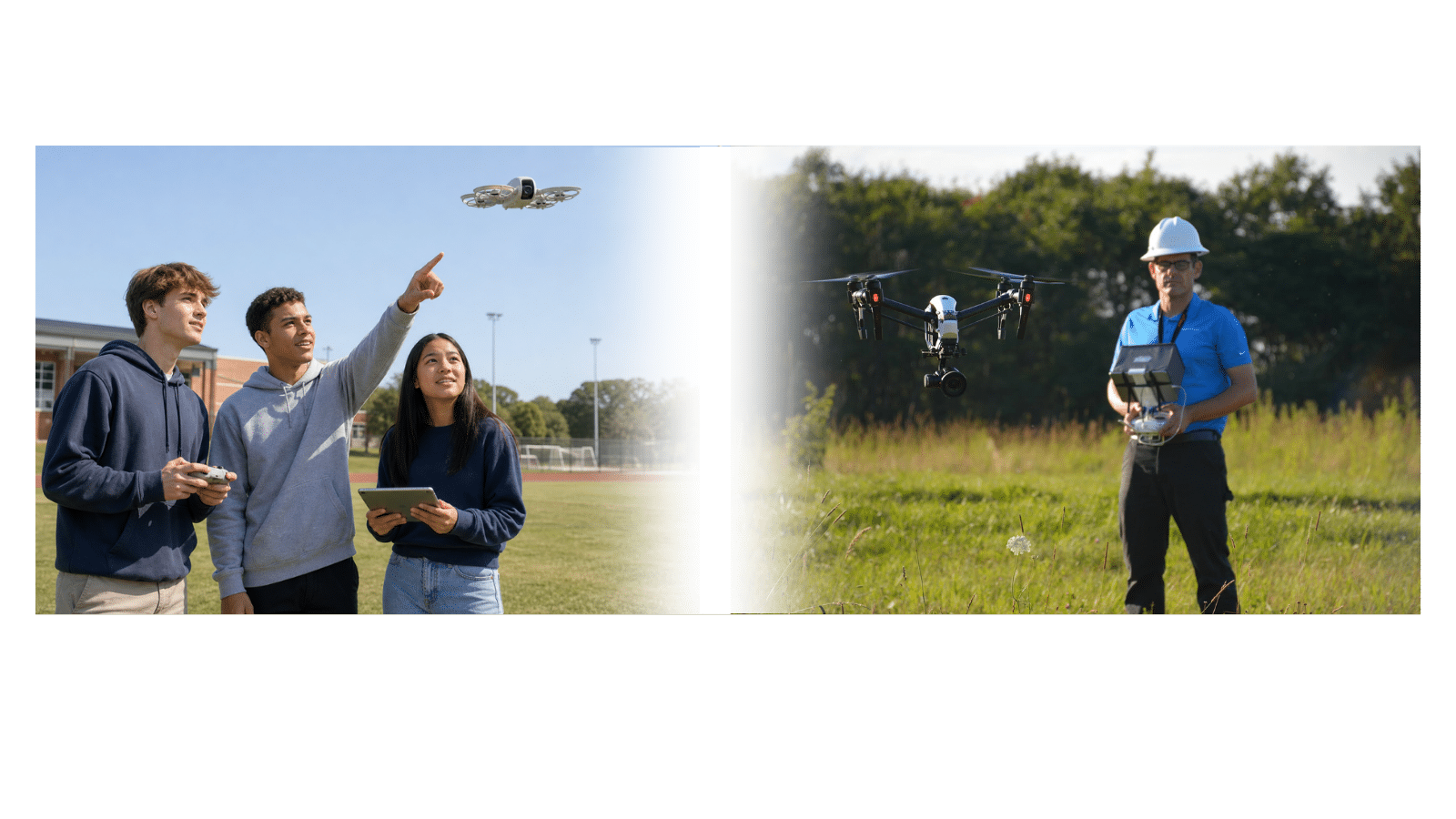
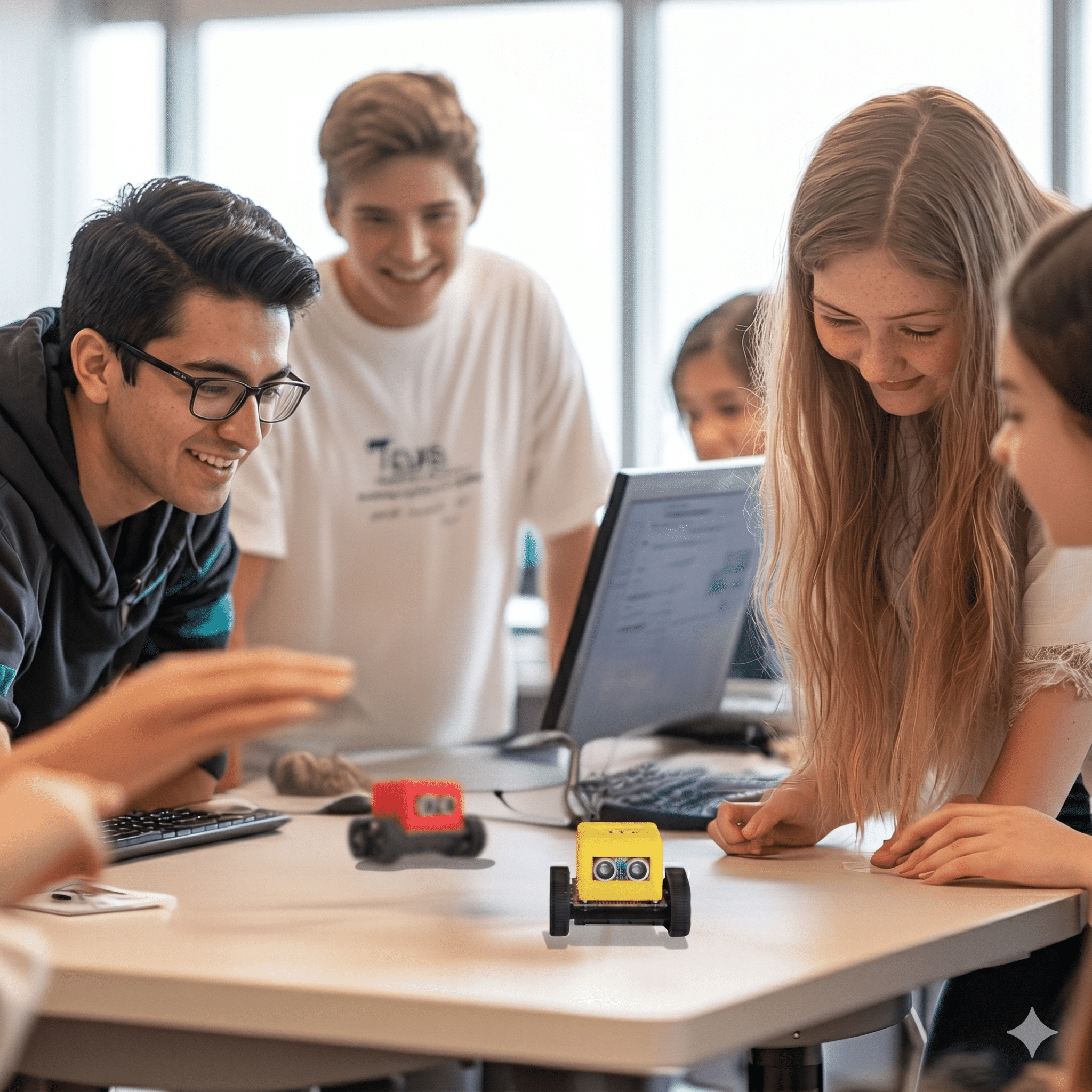
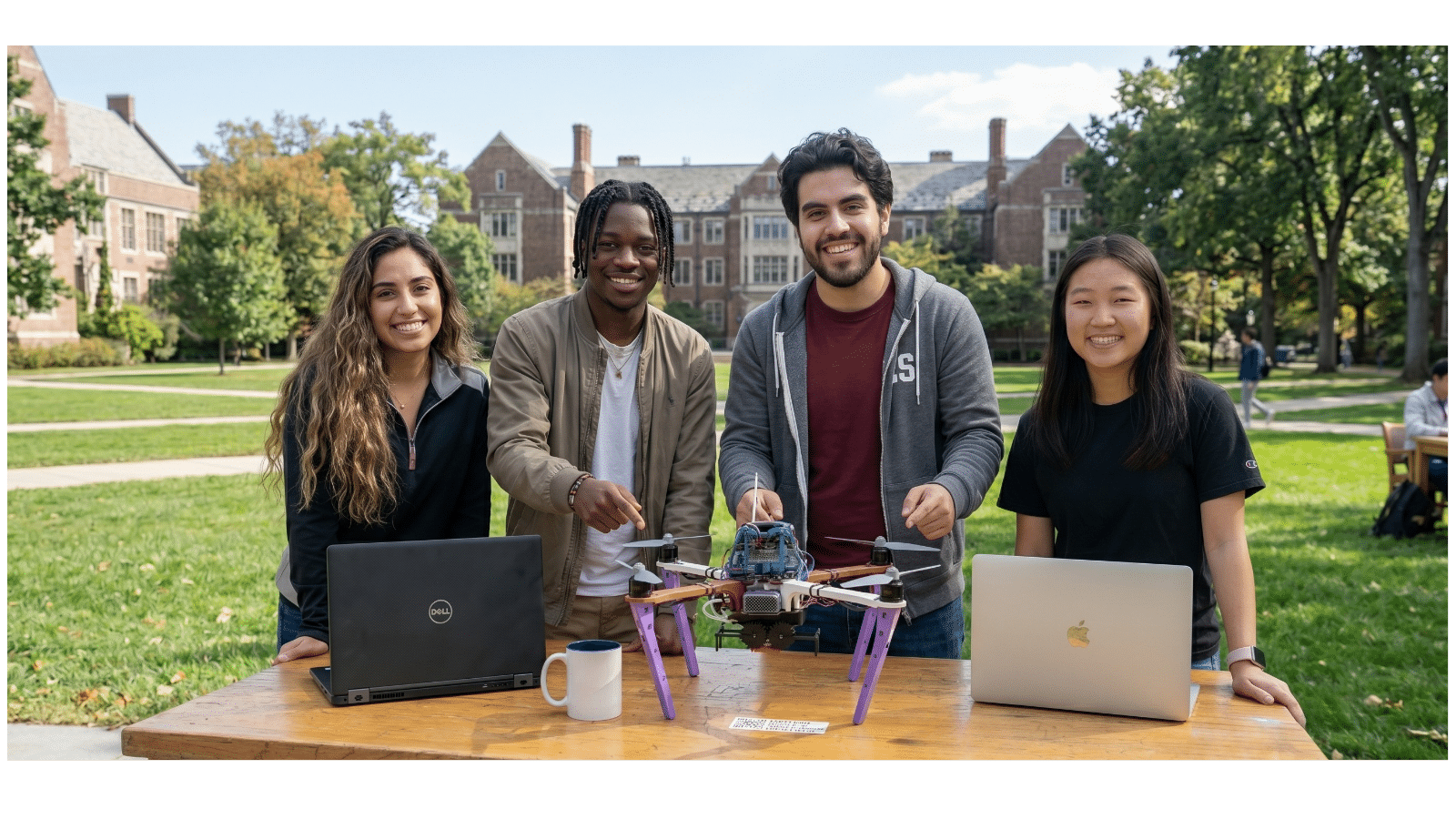
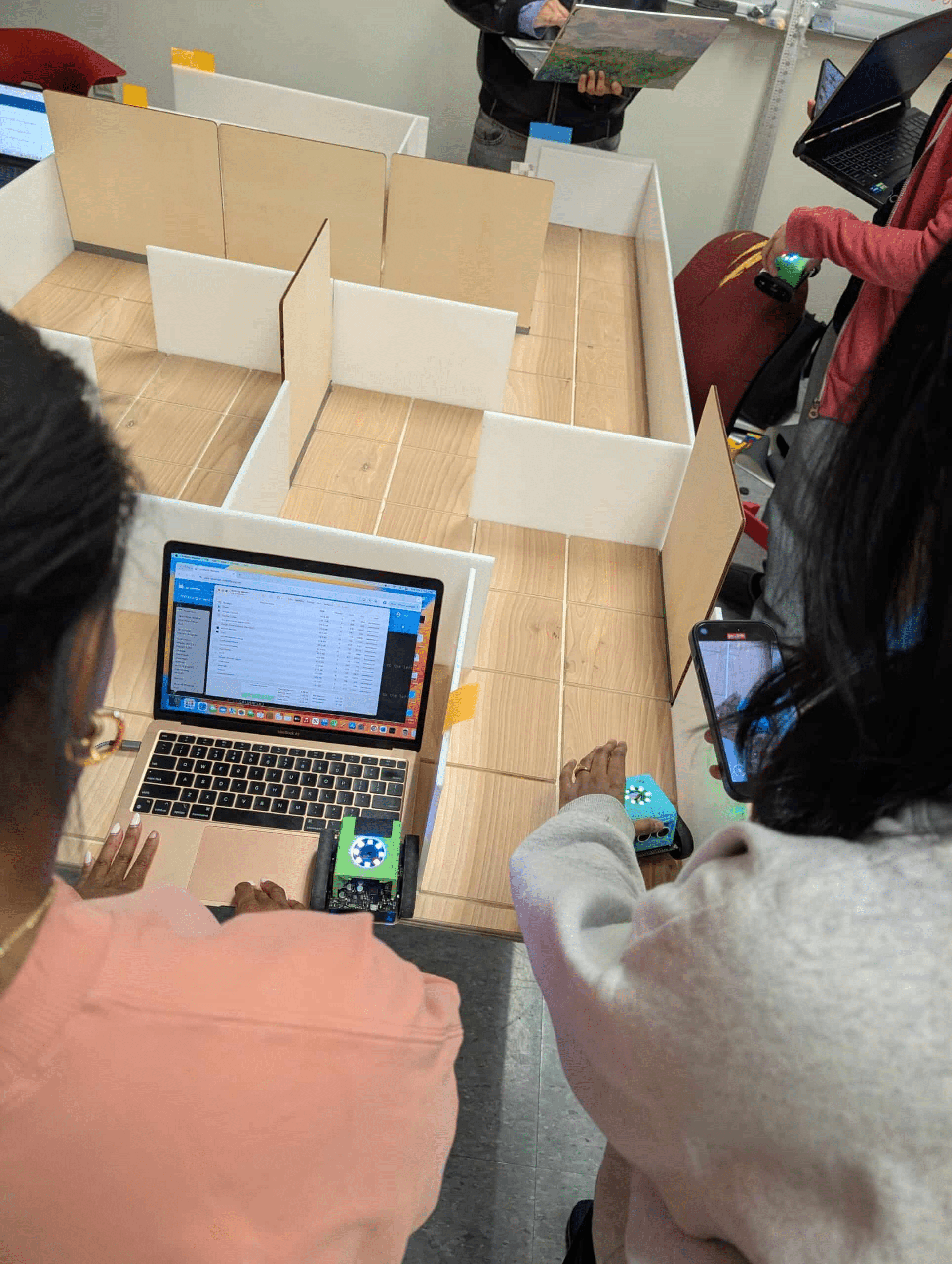
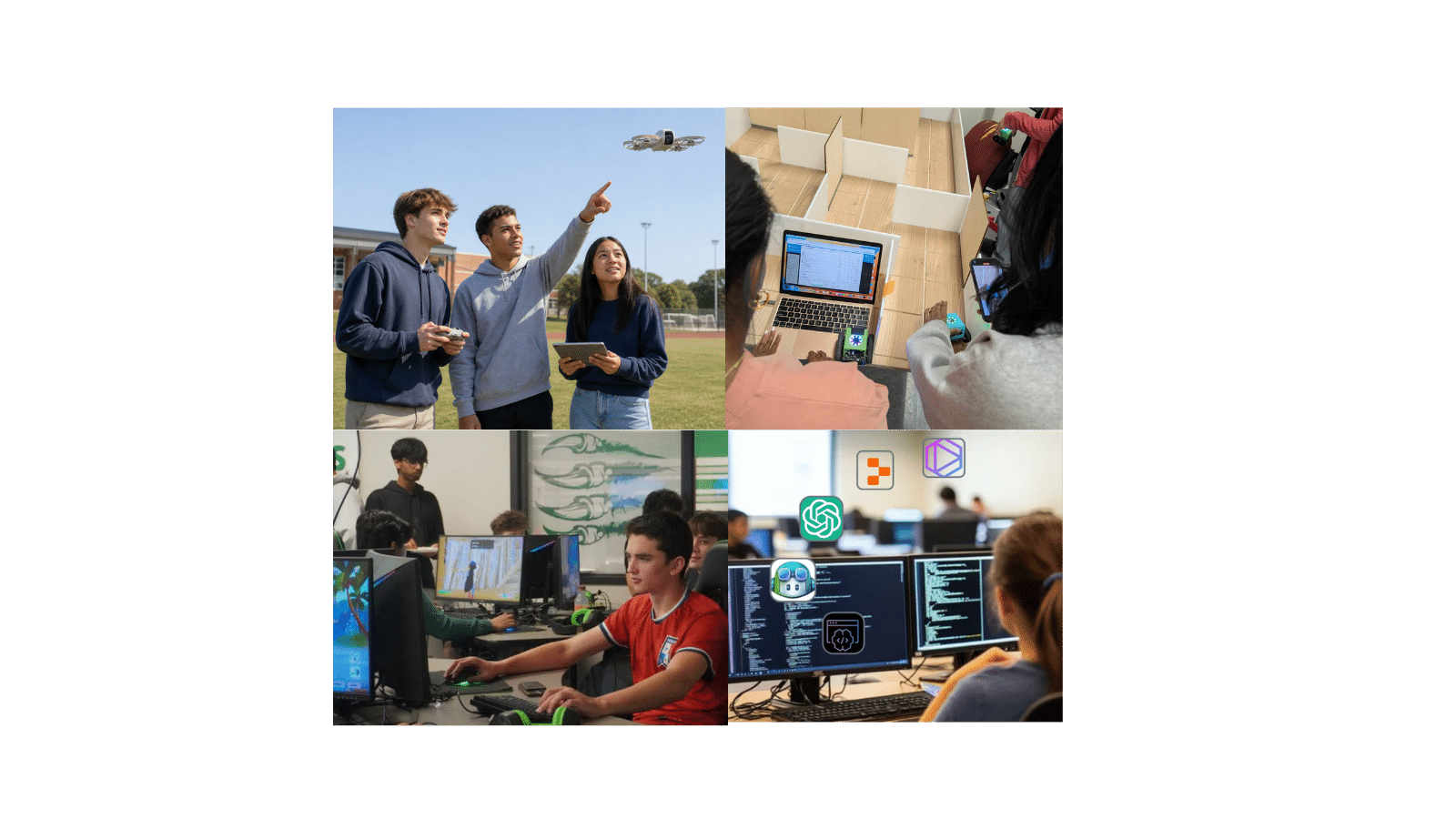
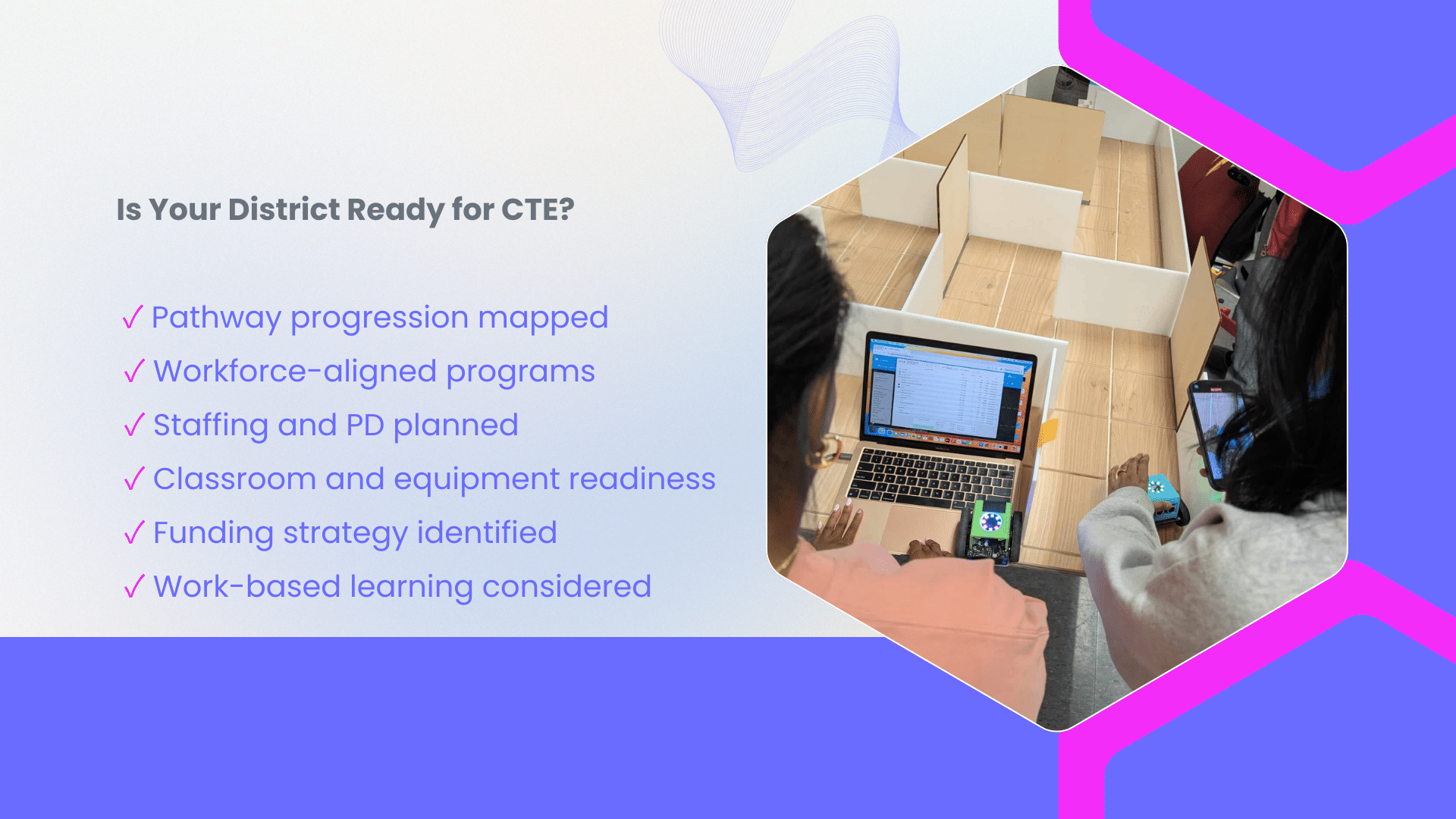
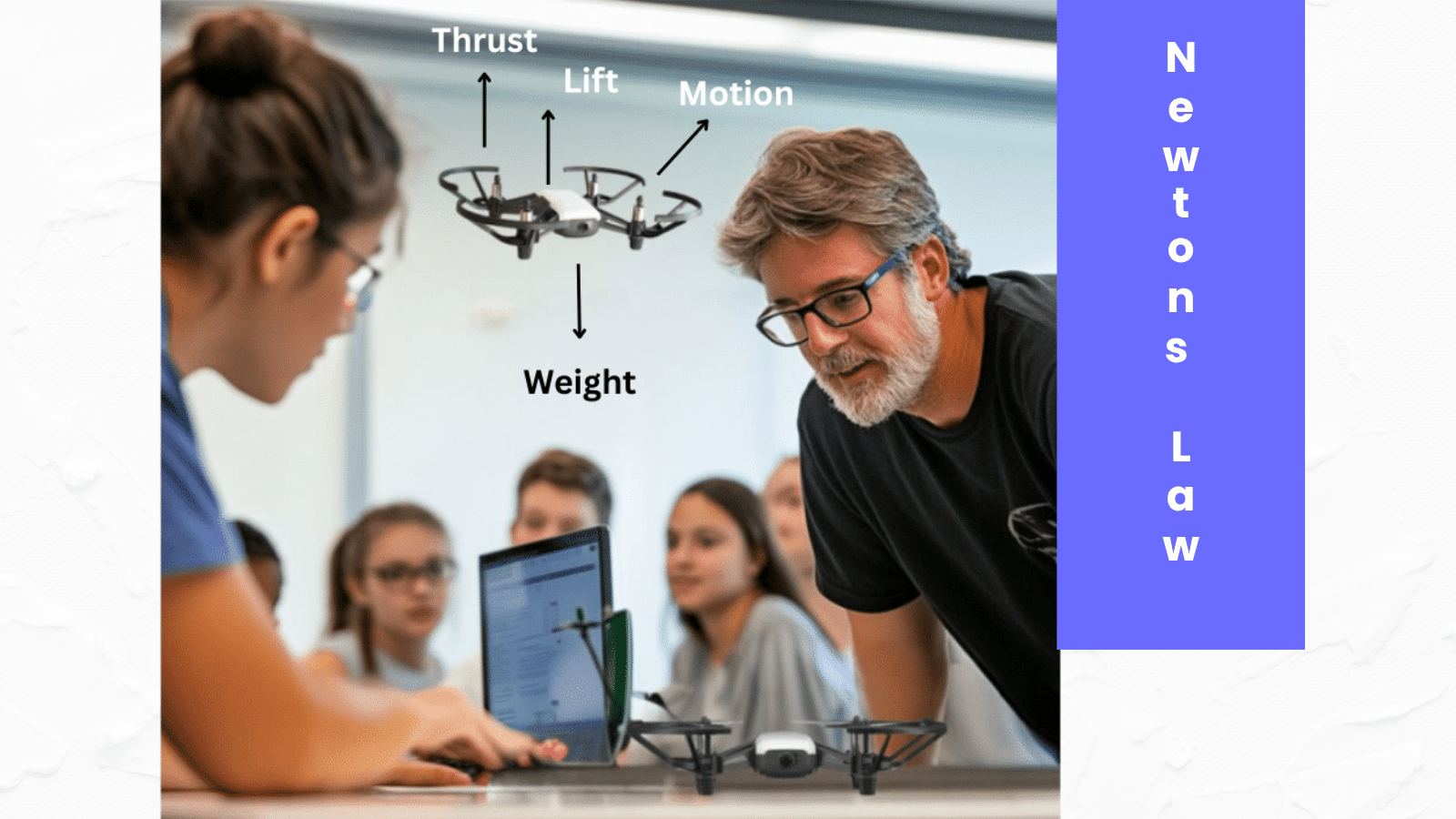
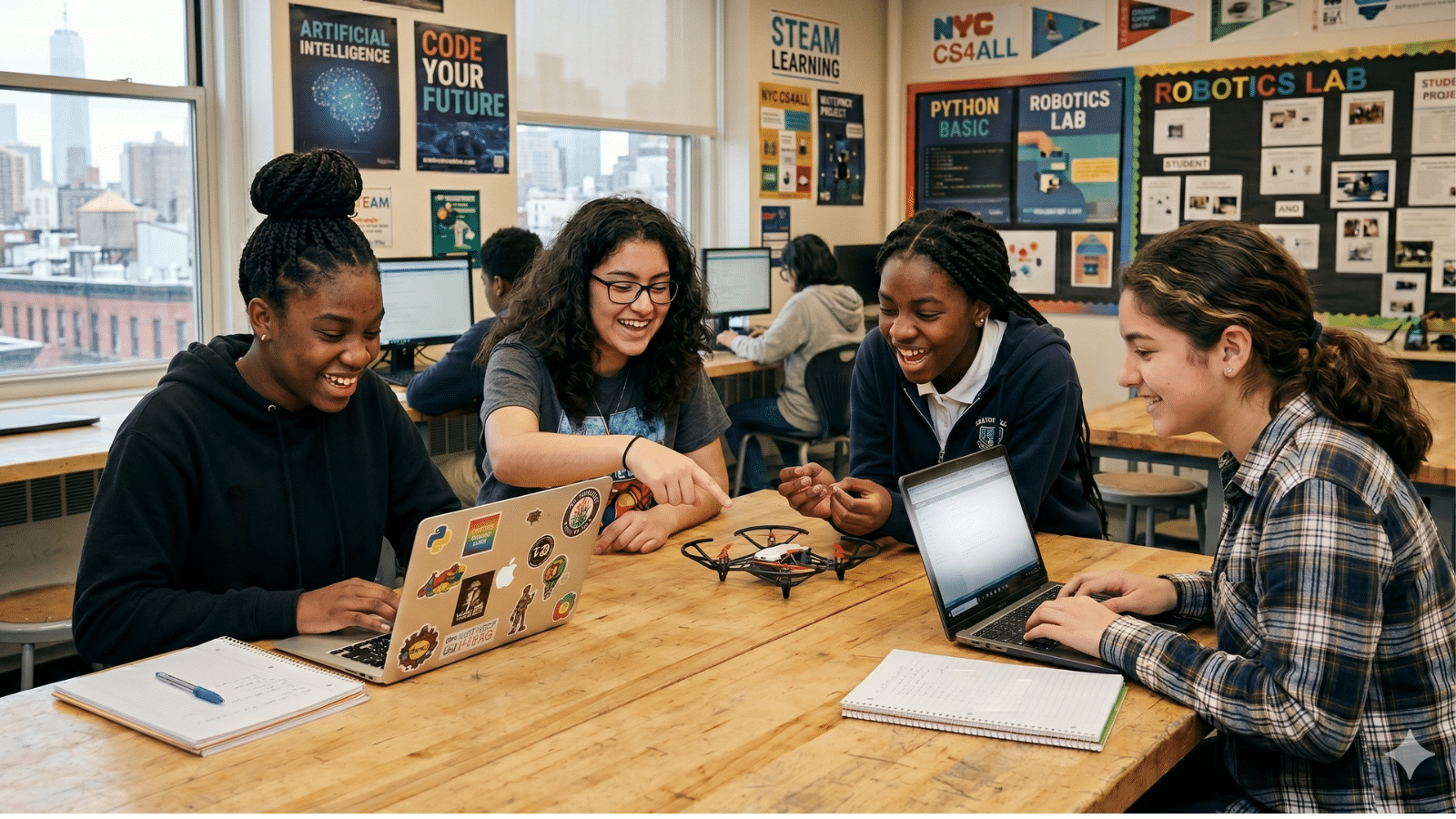
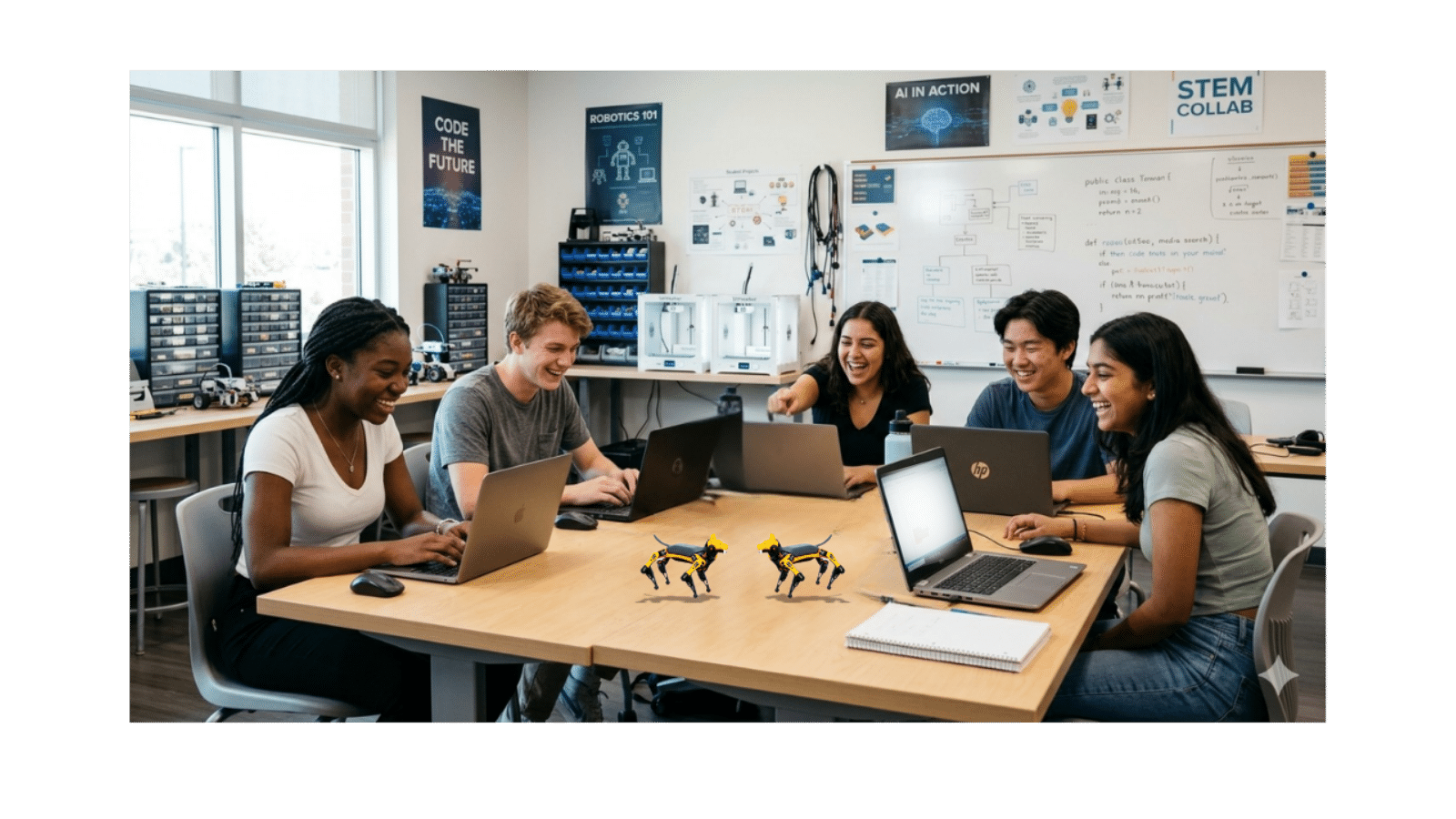
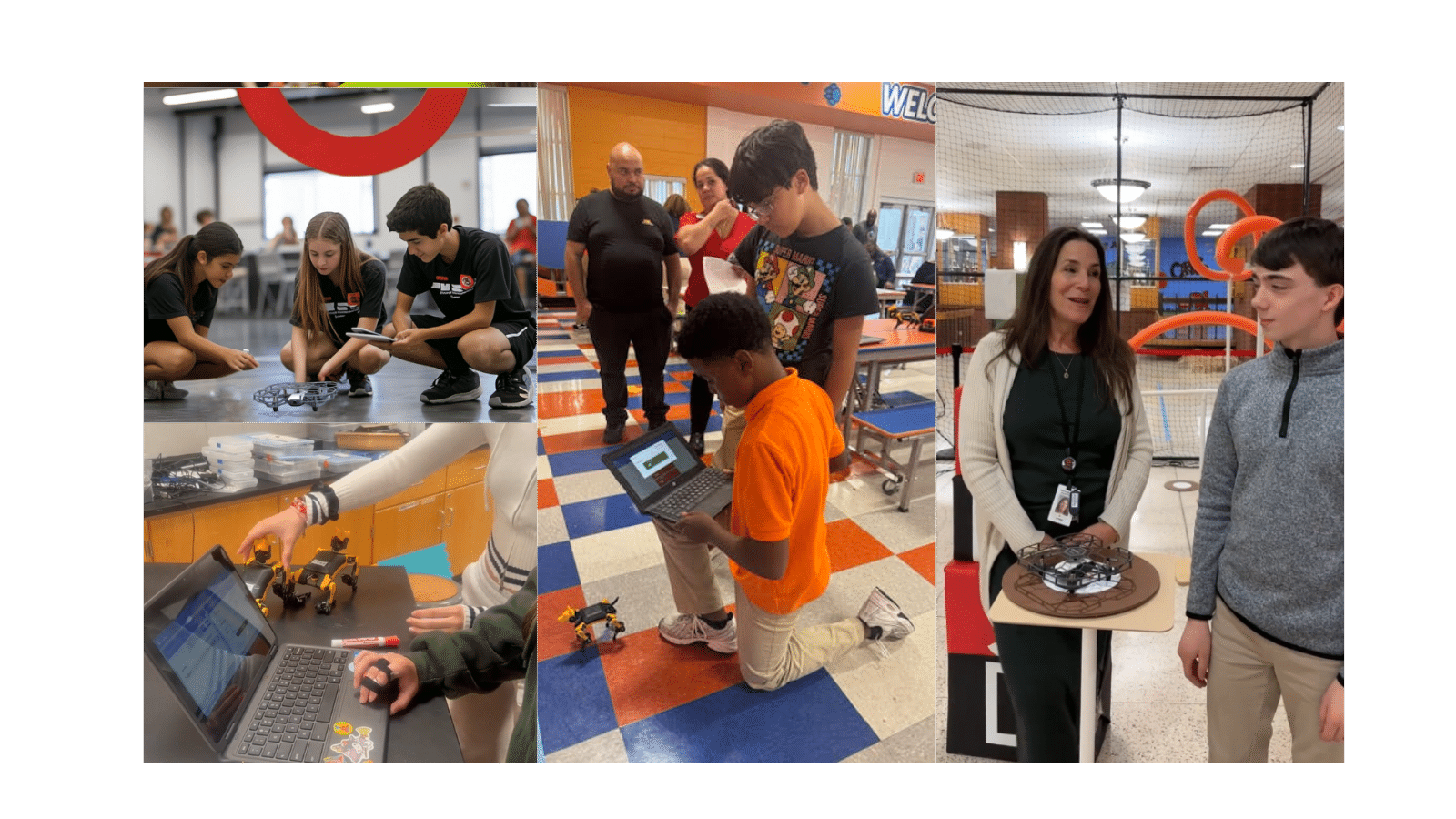
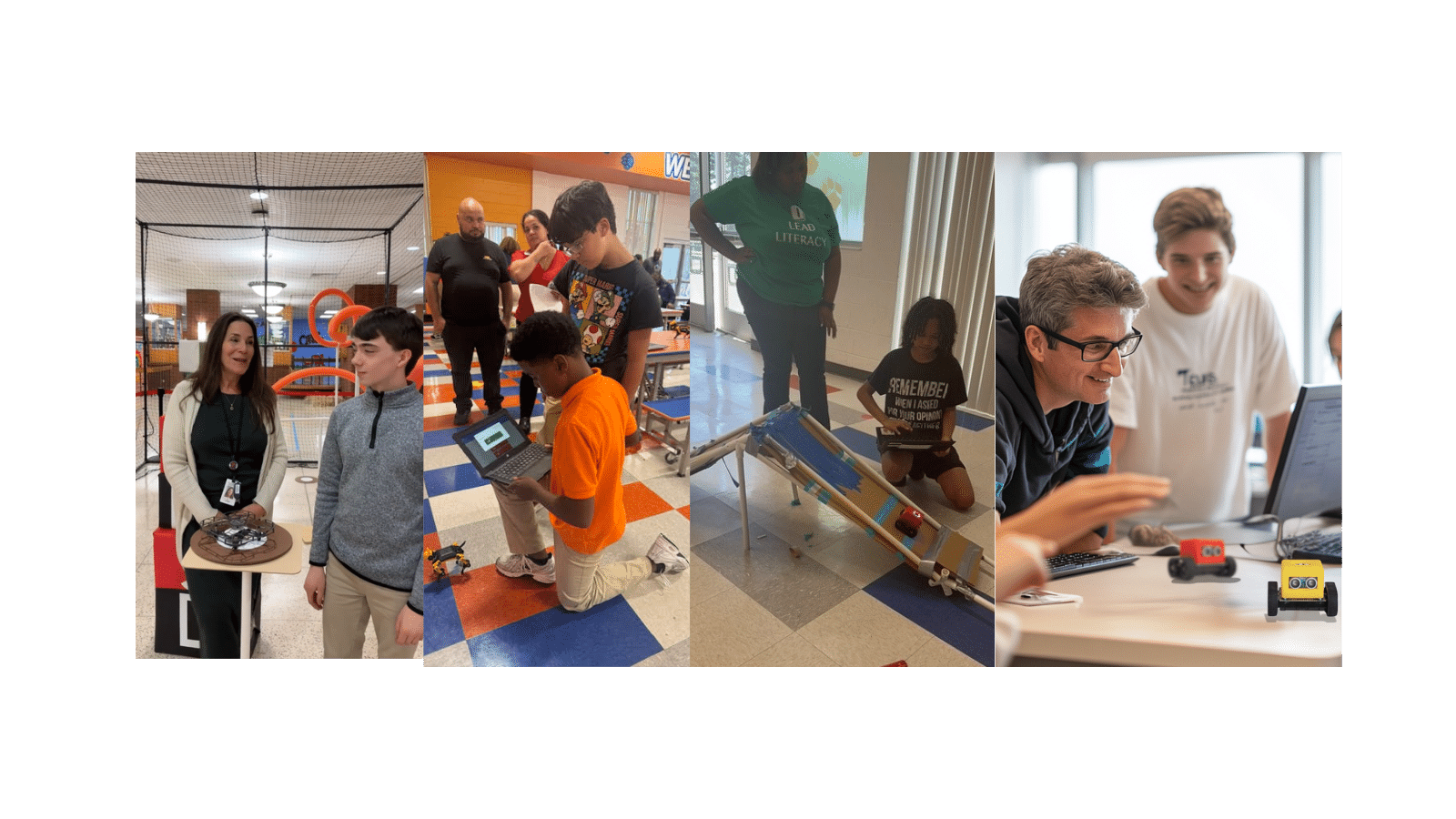
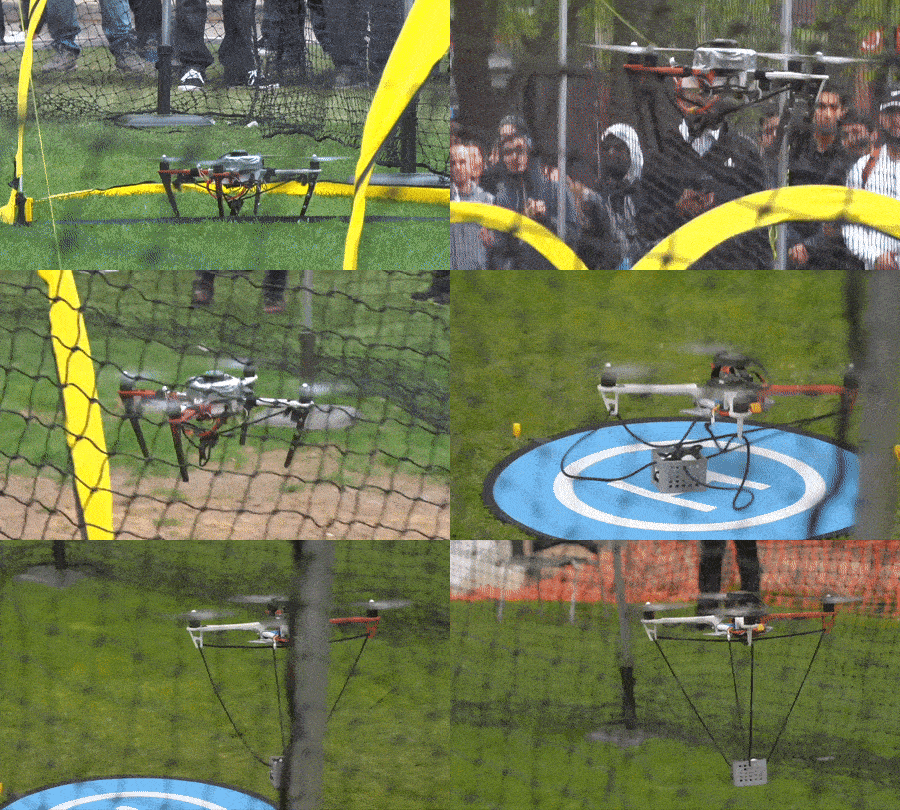
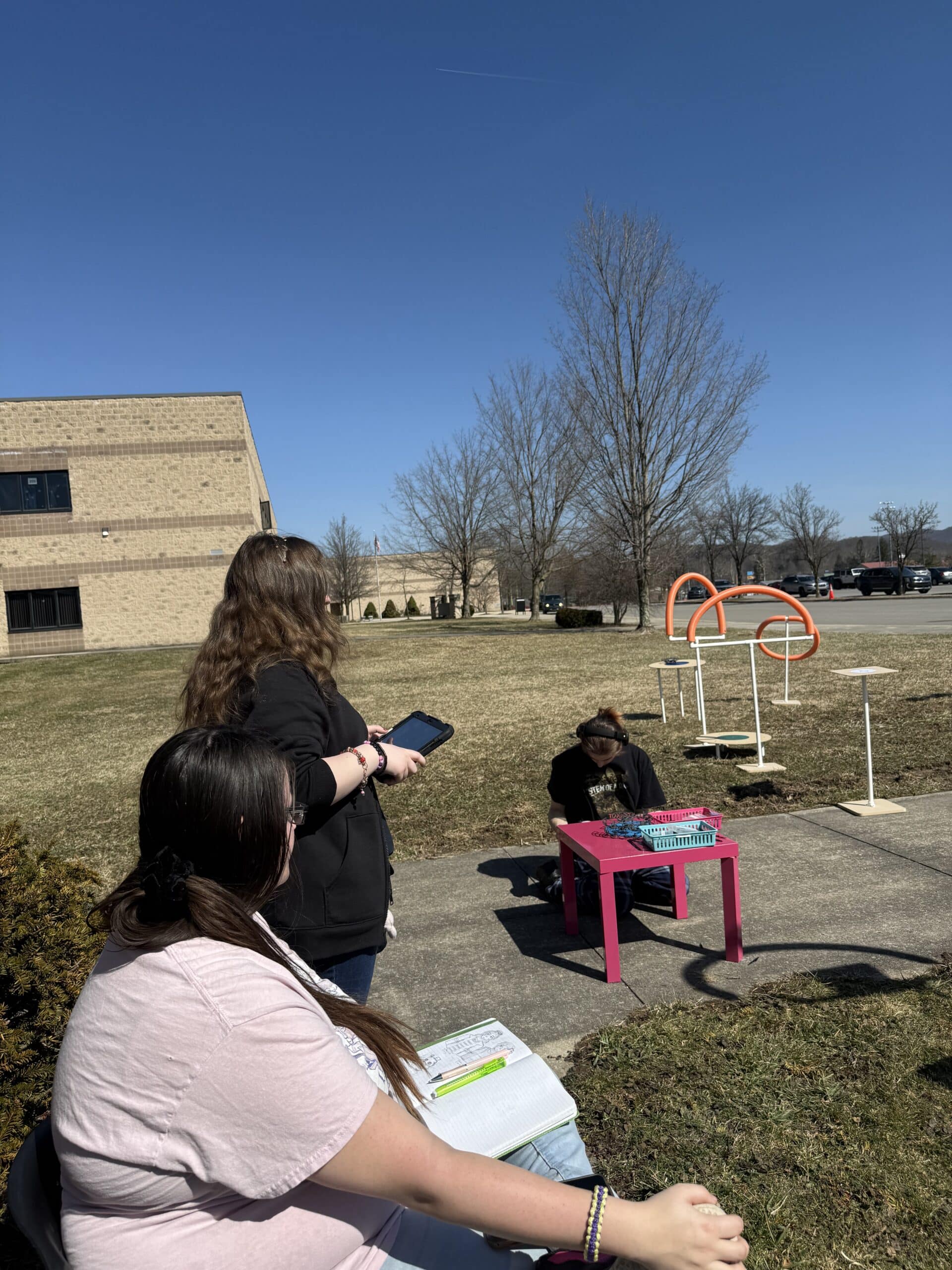
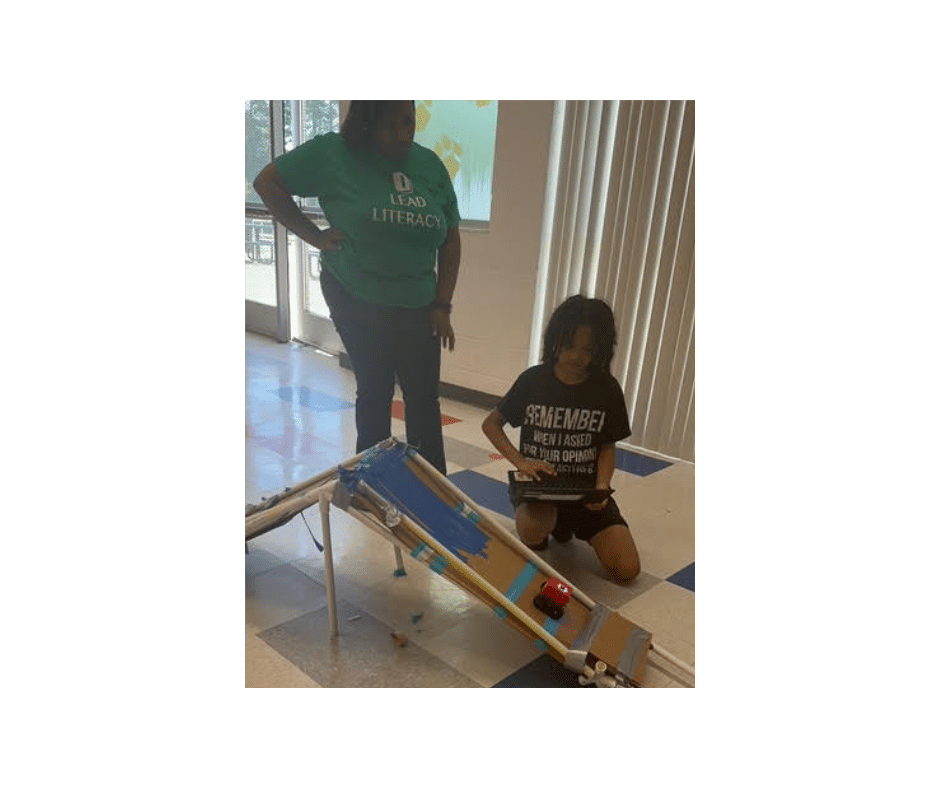
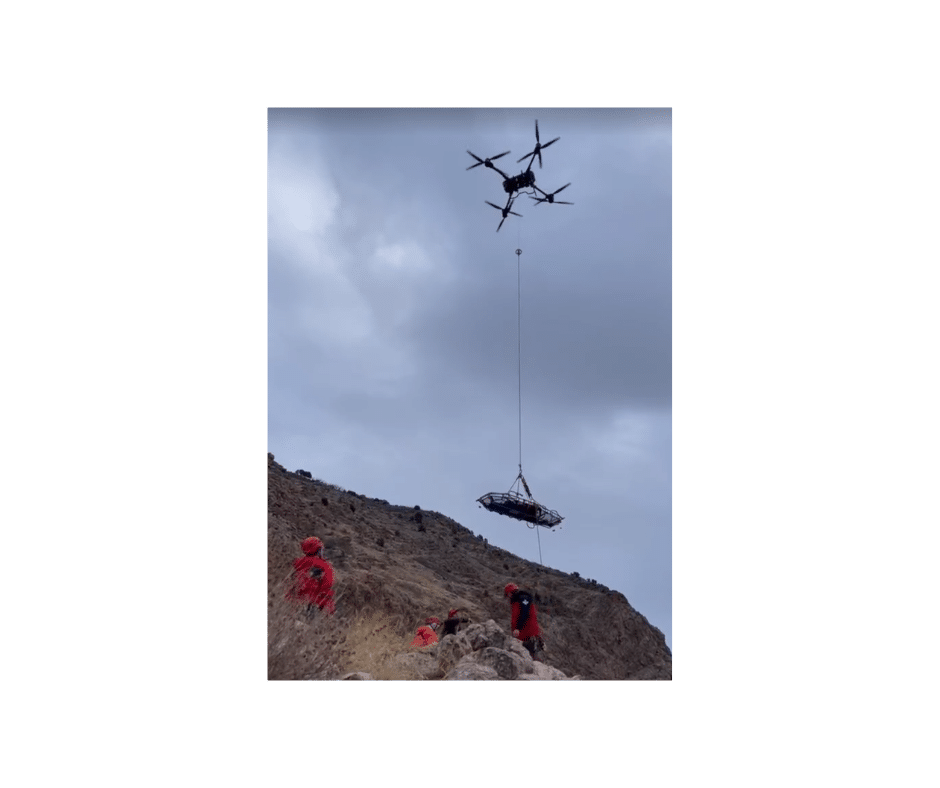
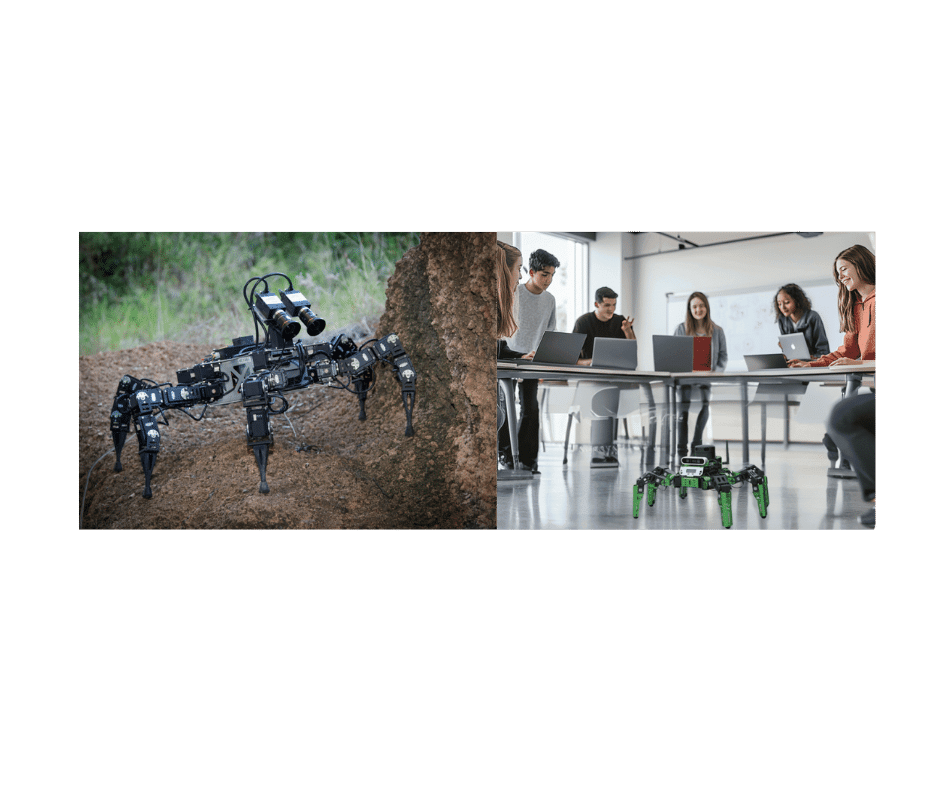
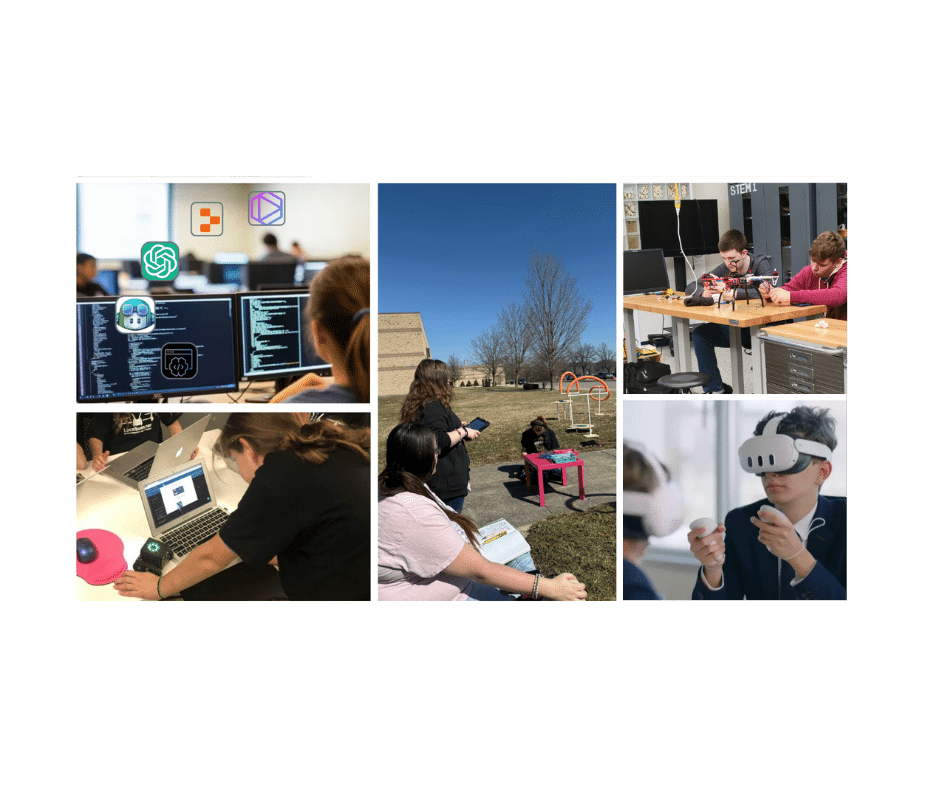
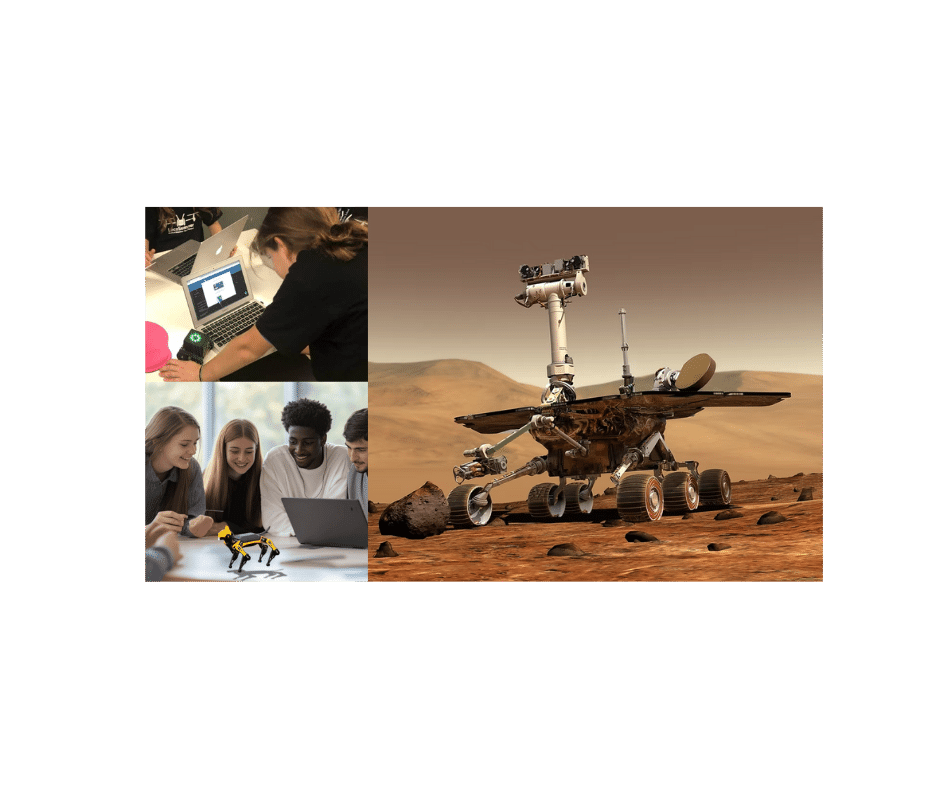
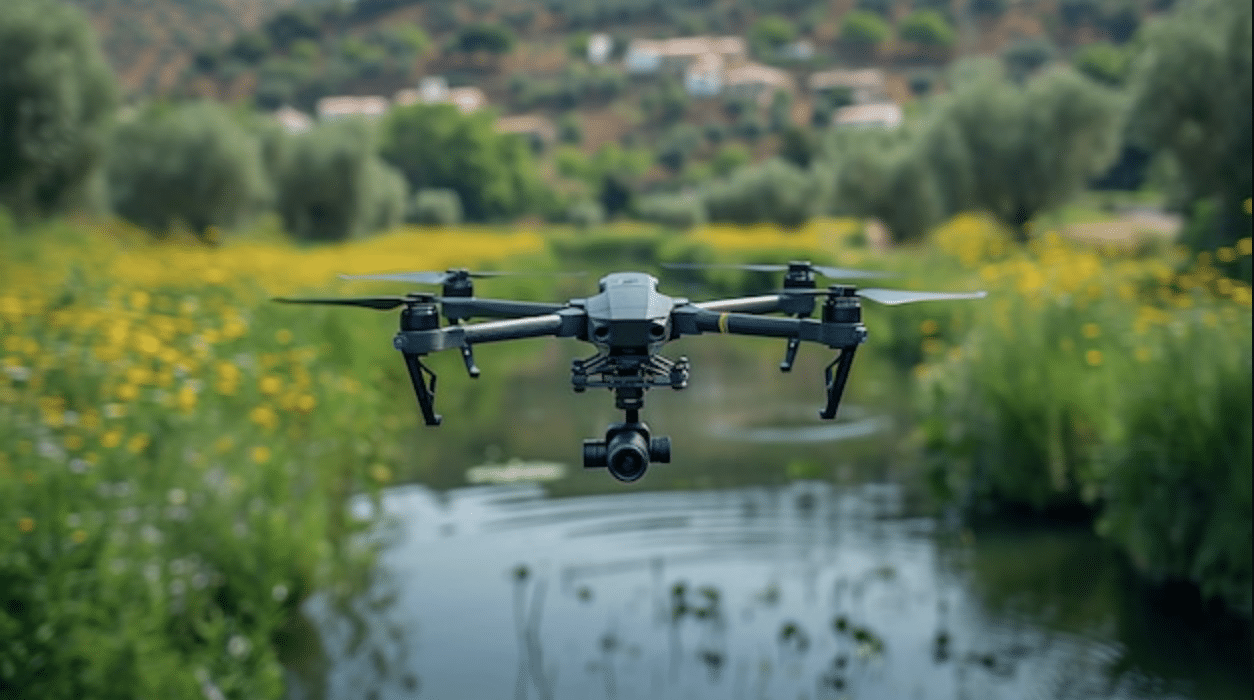
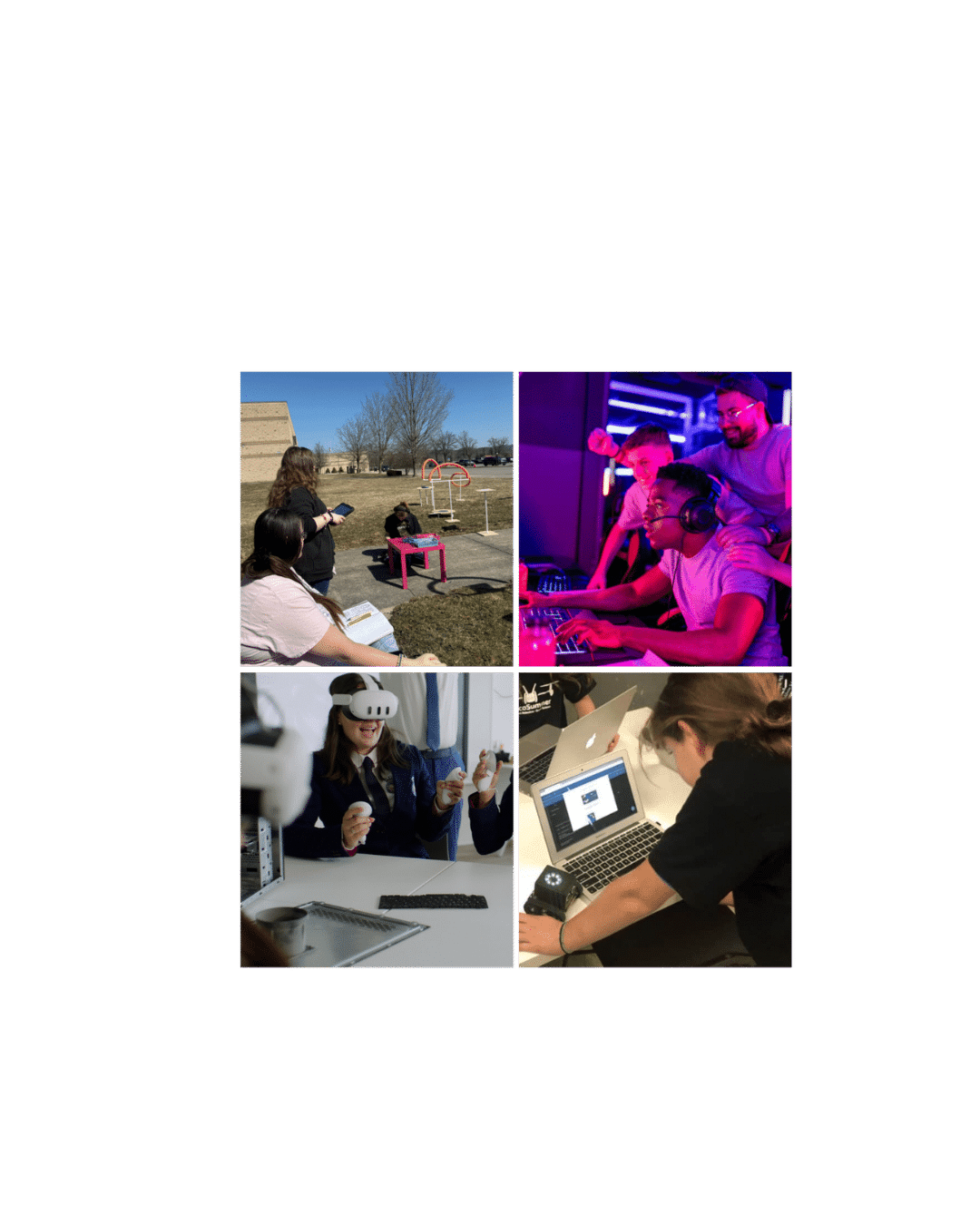
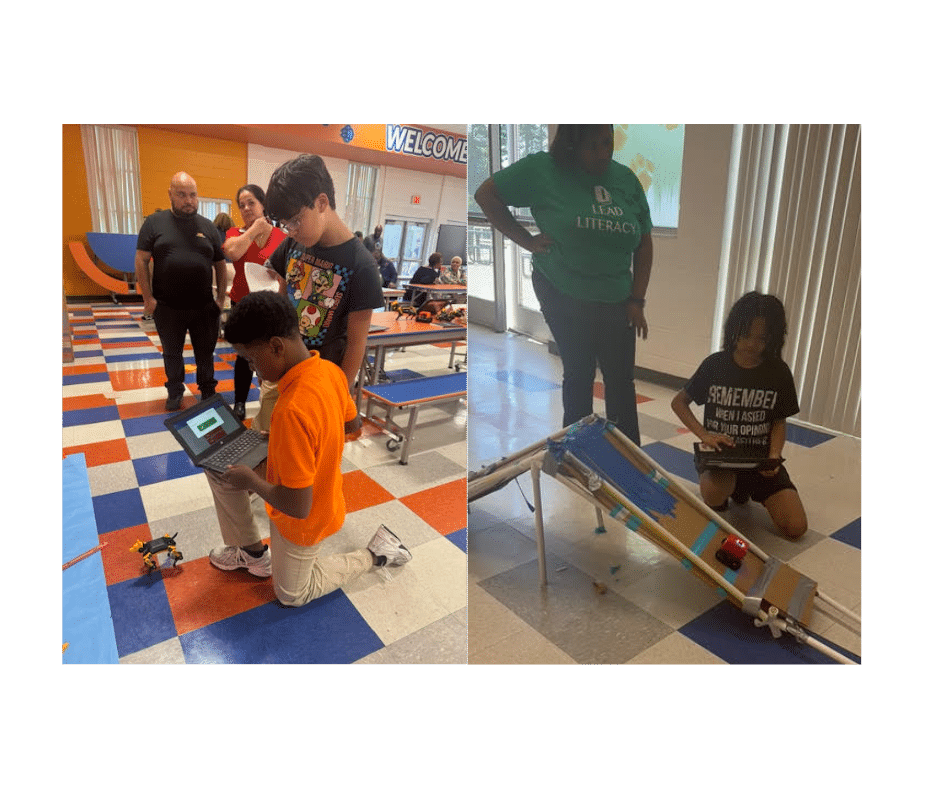
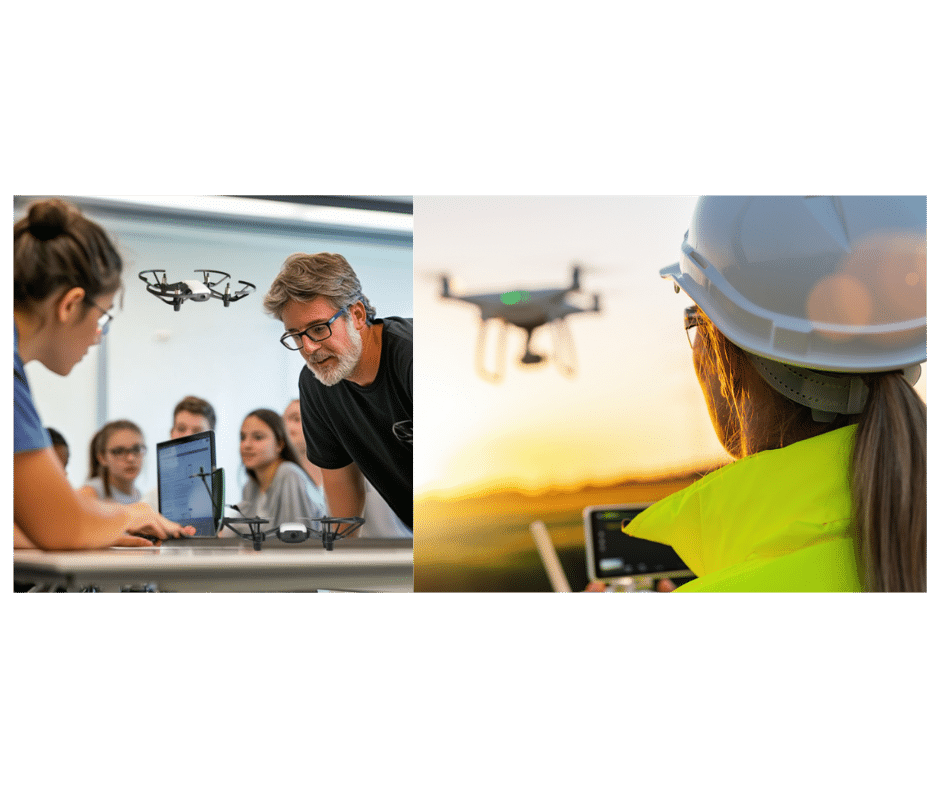
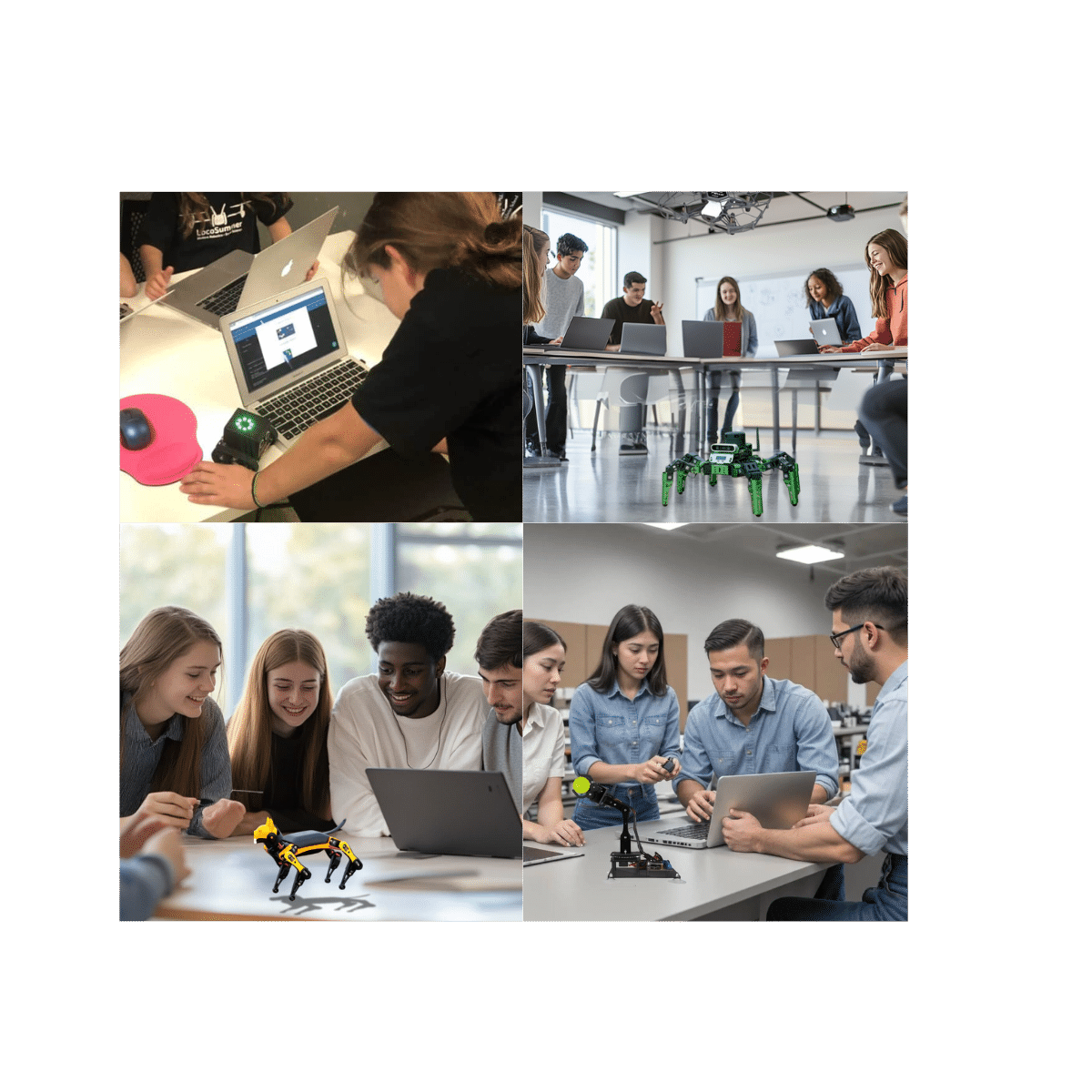
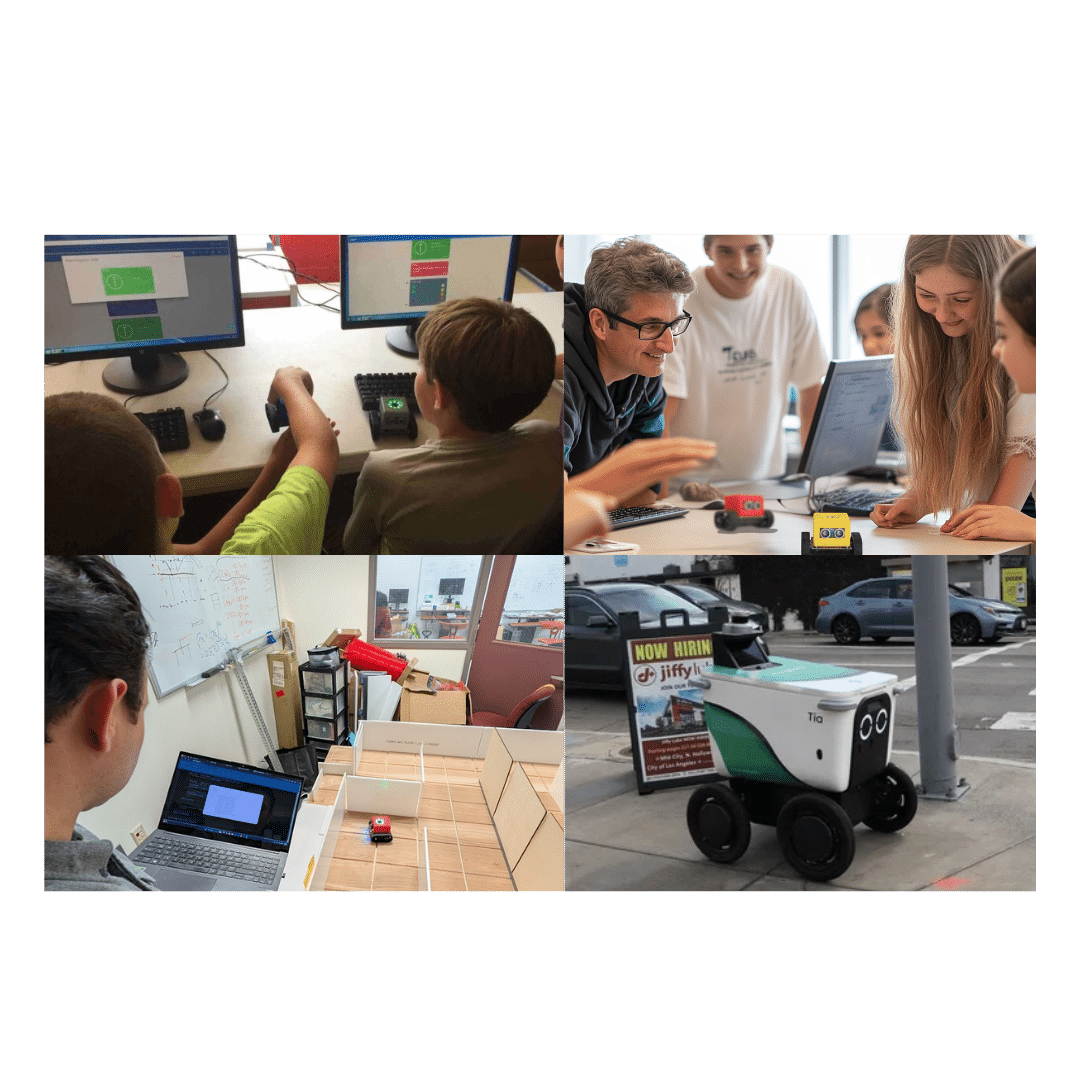
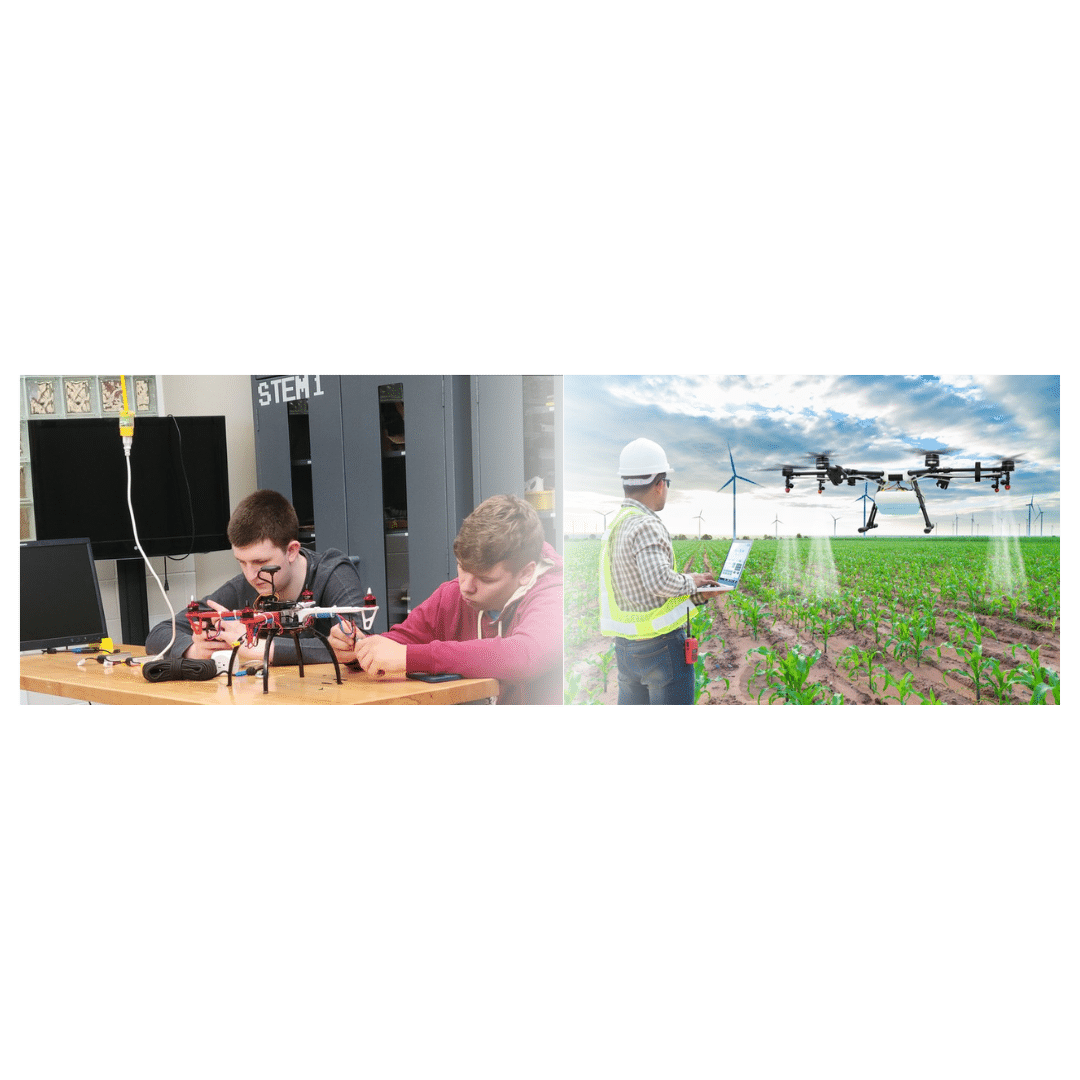
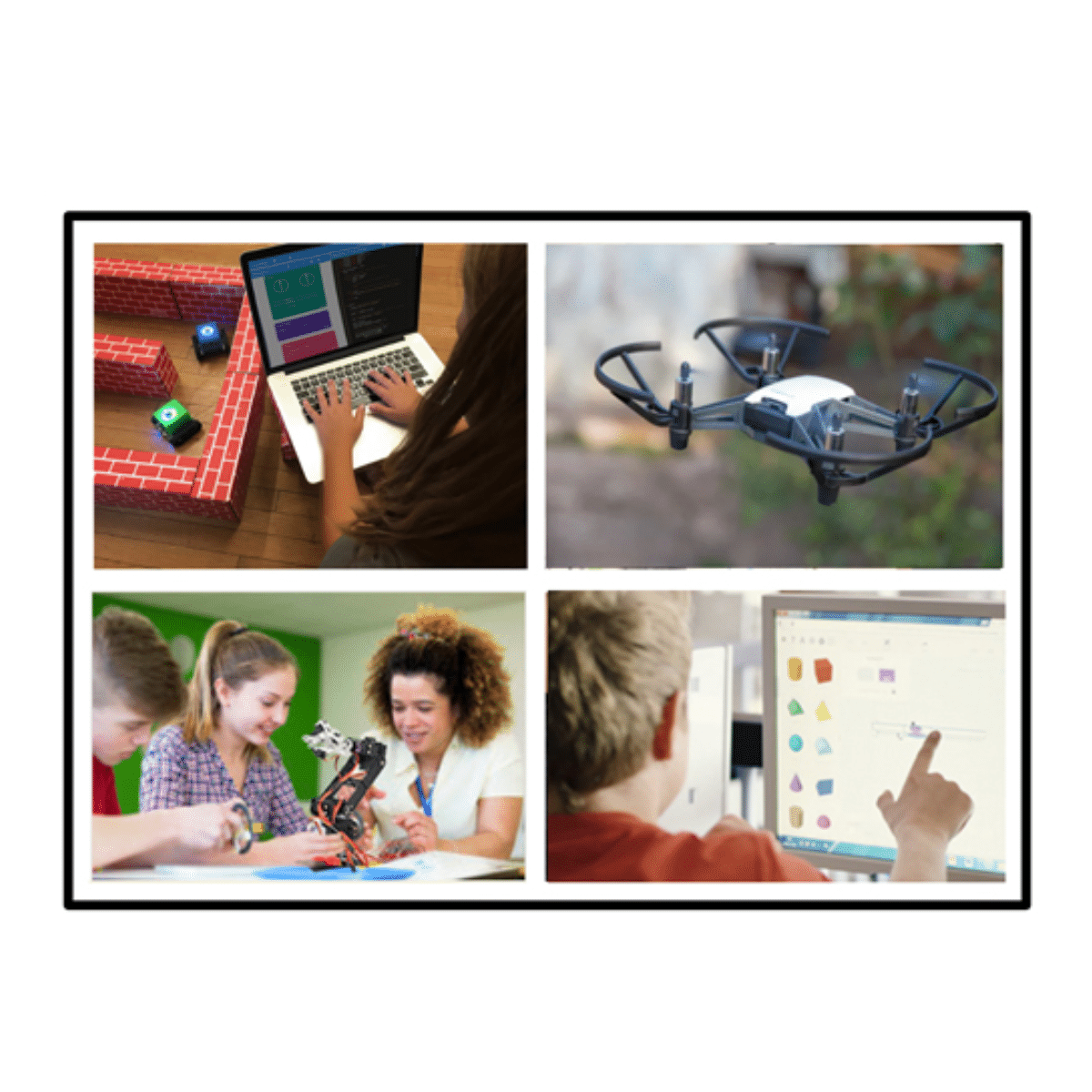
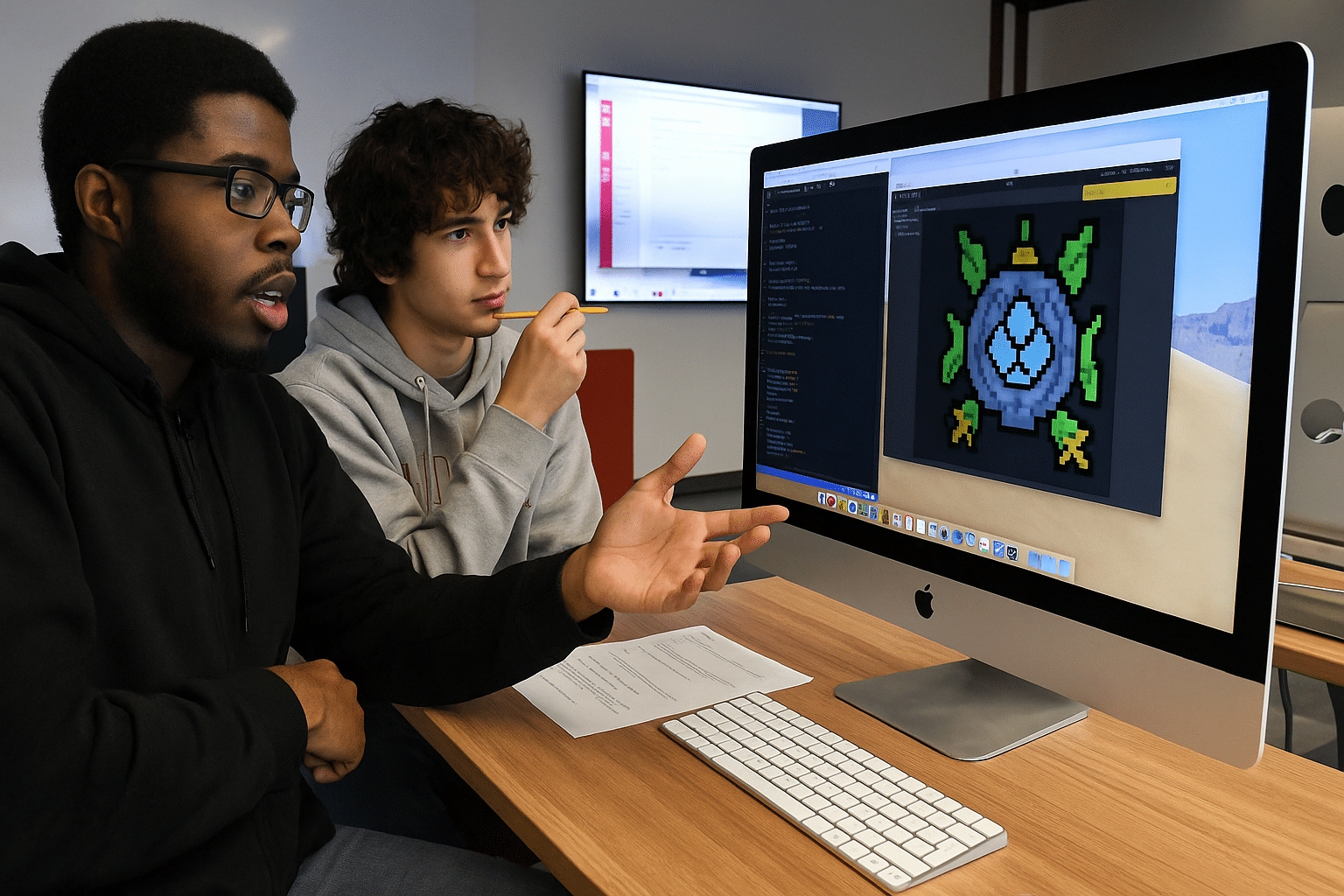
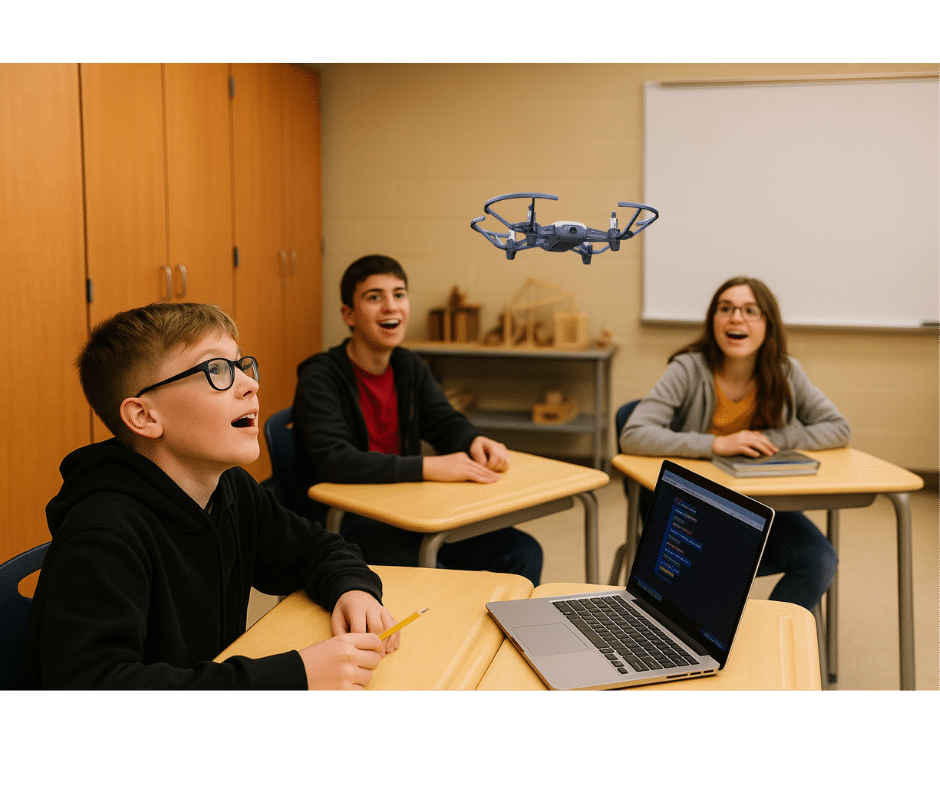
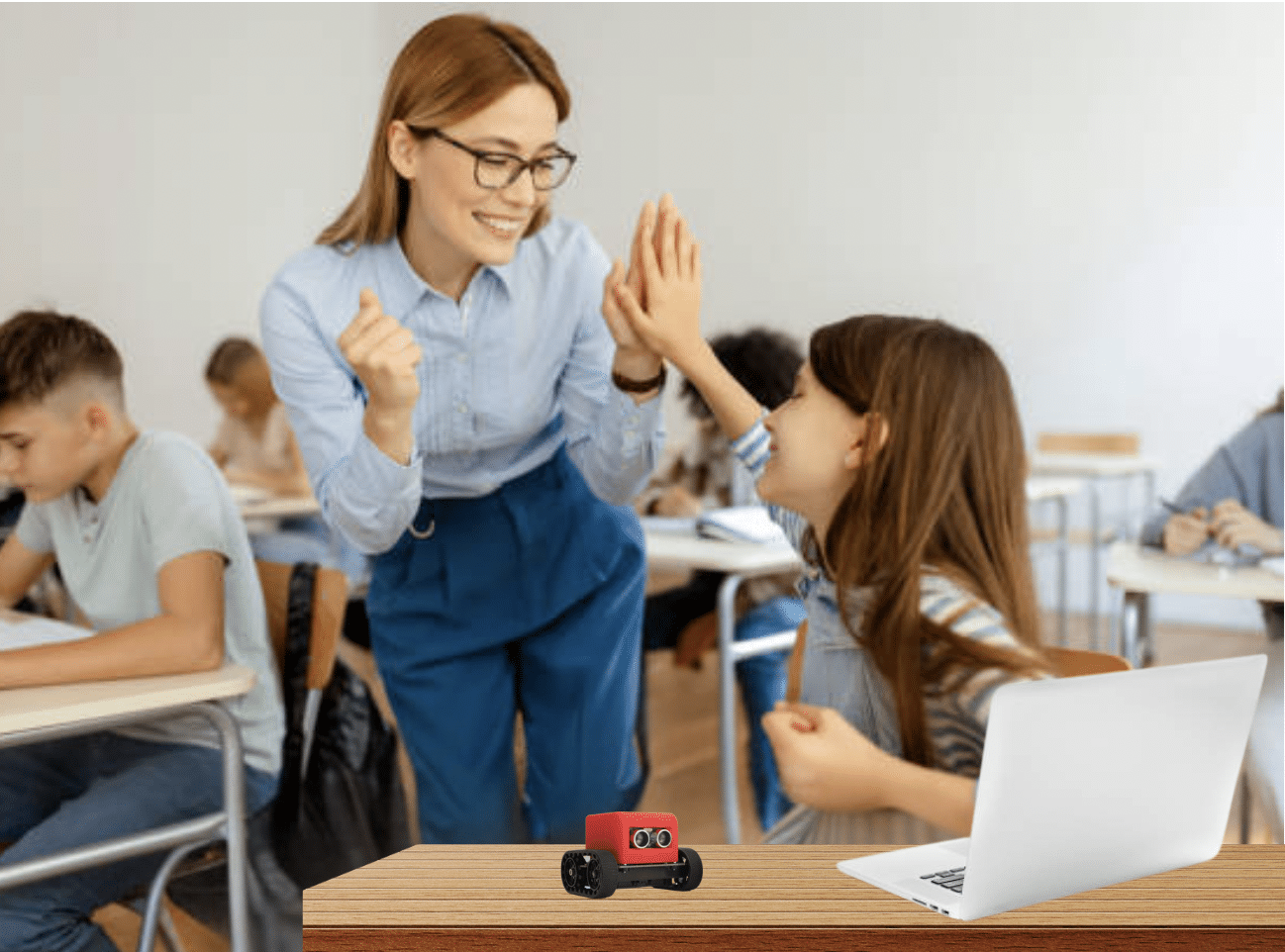
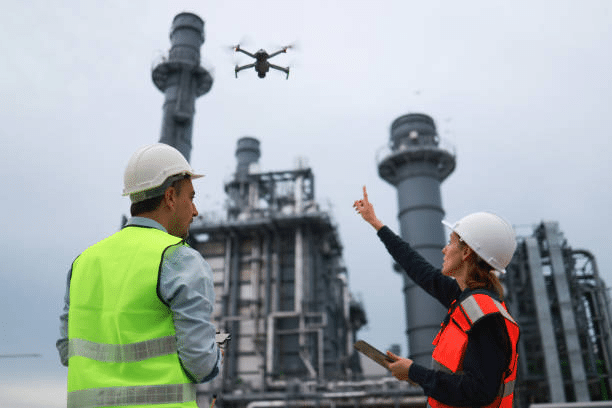
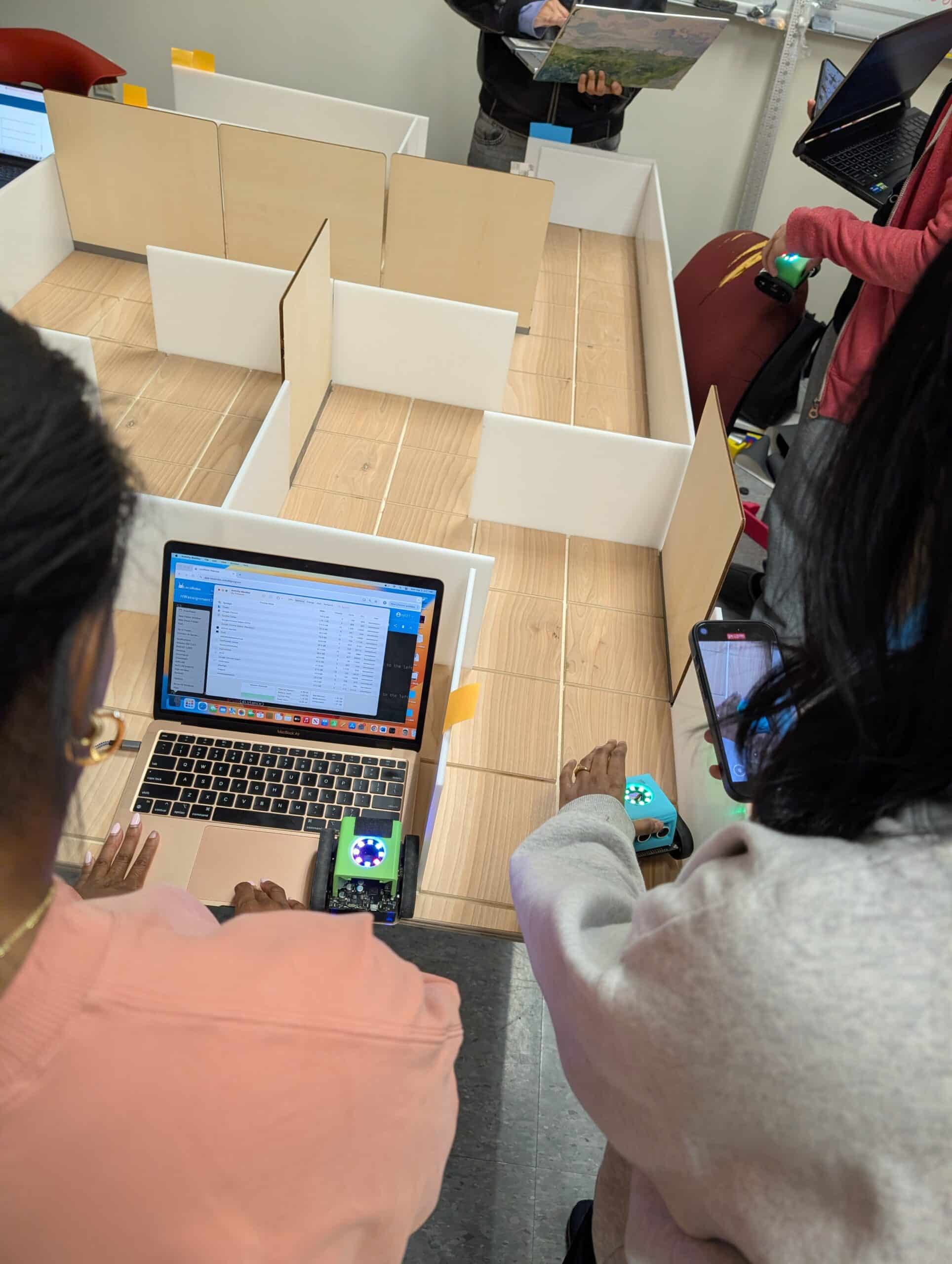
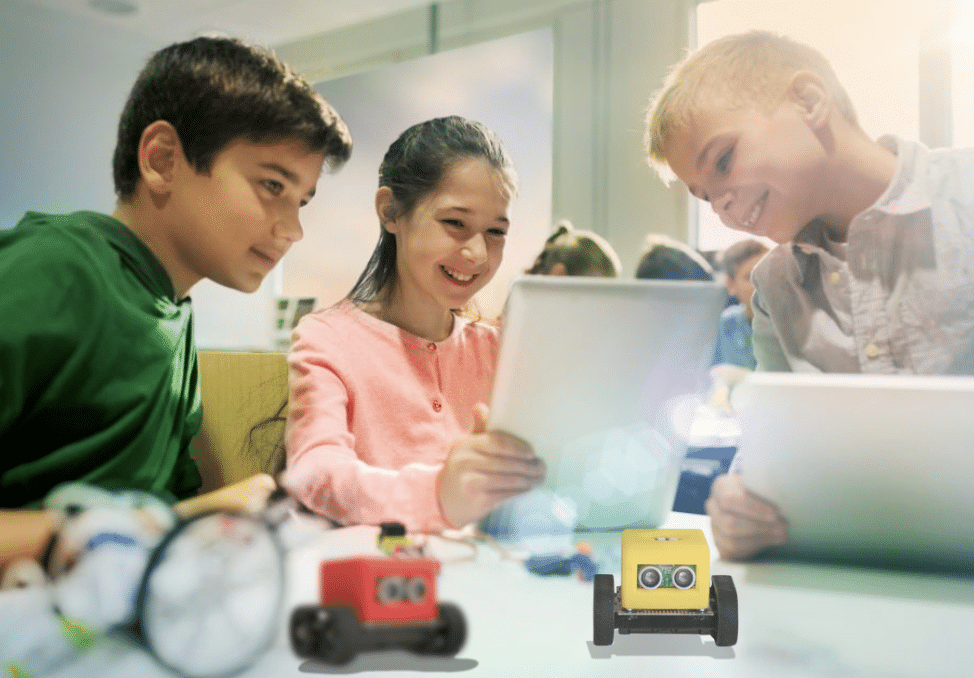
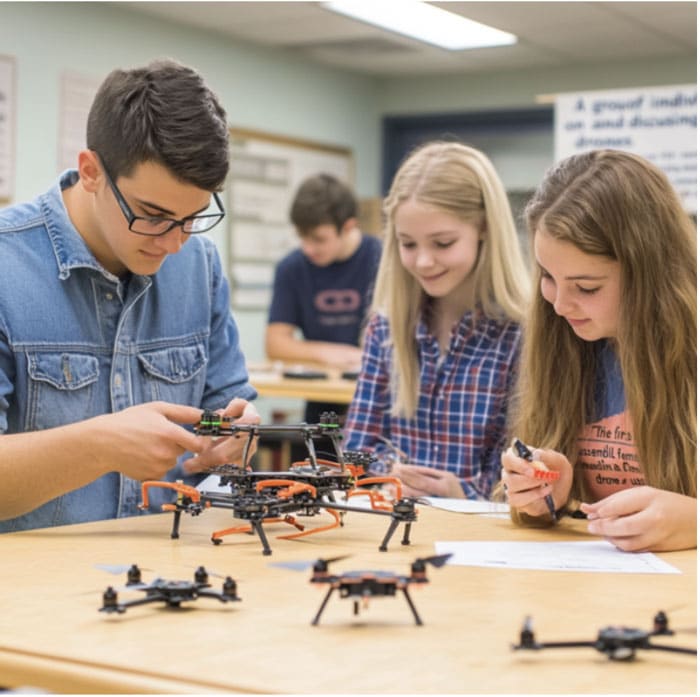
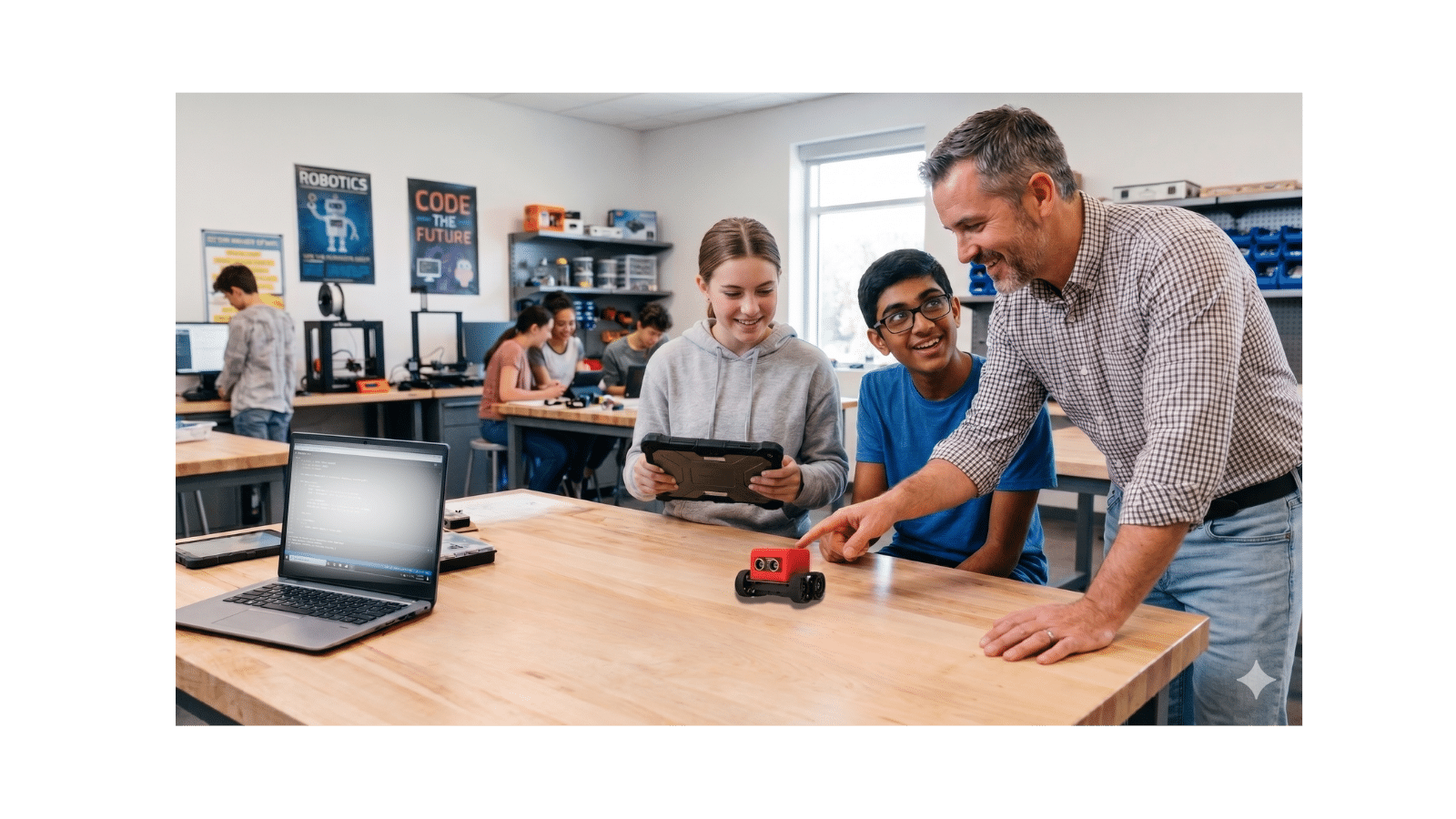
When students program a robot to navigate an obstacle course or code a drone flight pattern, the classroom naturally shifts toward experimentation and collaboration. Teachers guide the process, ask questions, and help students reflect on what worked and what did not.
This approach aligns with how engineering and computer science work in practice. Trial, error, and debugging are part of the learning process.
As one robotics educator explained:
“Almost 90% of coding is debugging. The key is helping students think through the problem instead of giving them the answer.”
In these environments, teachers do not need to have every solution ready. Instead, they create the structure that allows students to investigate and improve their ideas.
The Role of Curriculum and Implementation Support
One reason some schools hesitate to launch a STEM program is the fear that teachers will be left figuring everything out on their own.
Successful programs typically avoid this by providing:
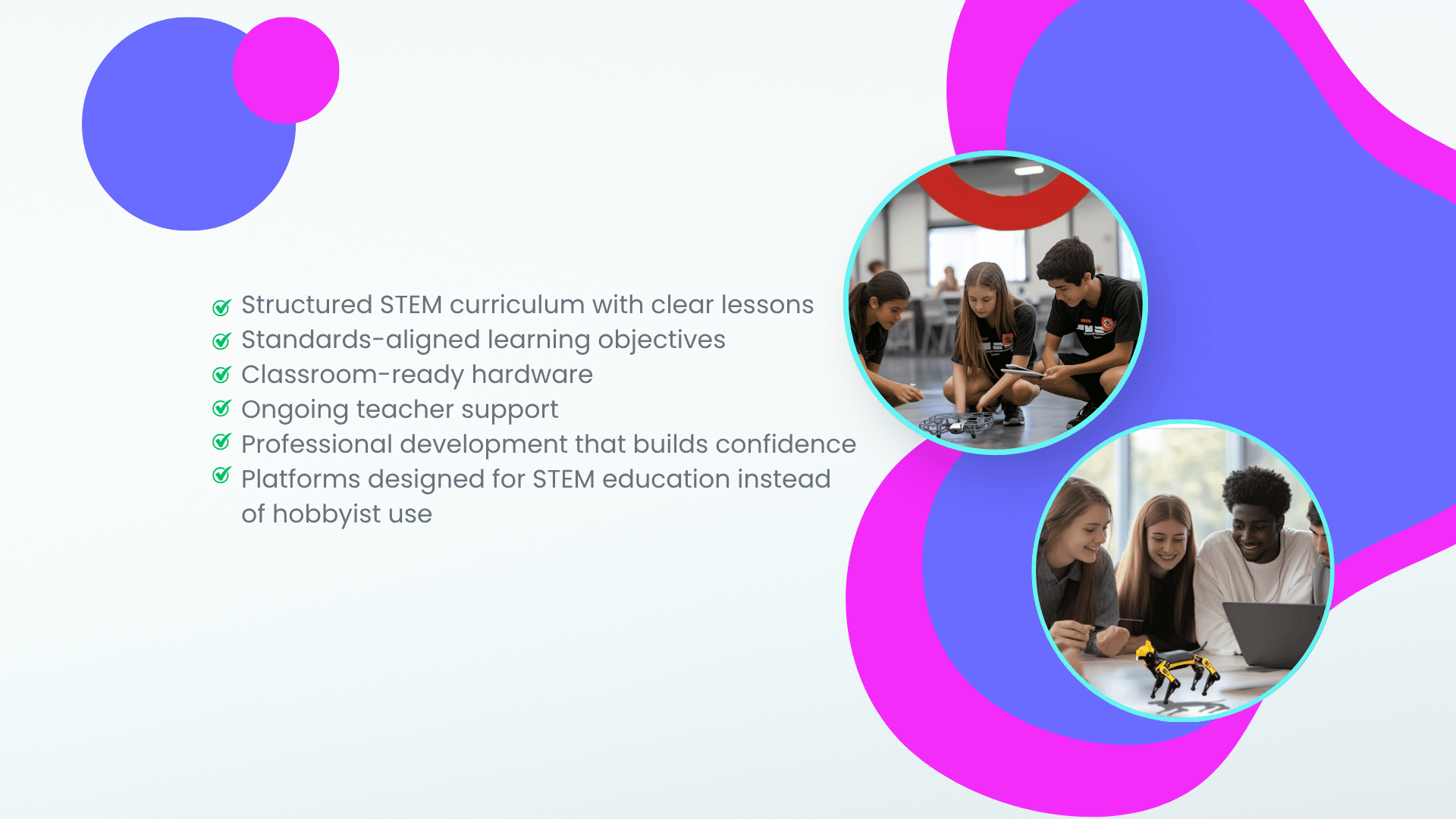
- Structured curriculum and lesson progression
- Classroom-ready projects and assessments
- Teacher training and implementation guidance
- Technical support when questions arise
With these elements in place, educators can focus on guiding student learning rather than building a program from scratch.
This support is especially valuable for teachers who are introducing robotics or drones for the first time.
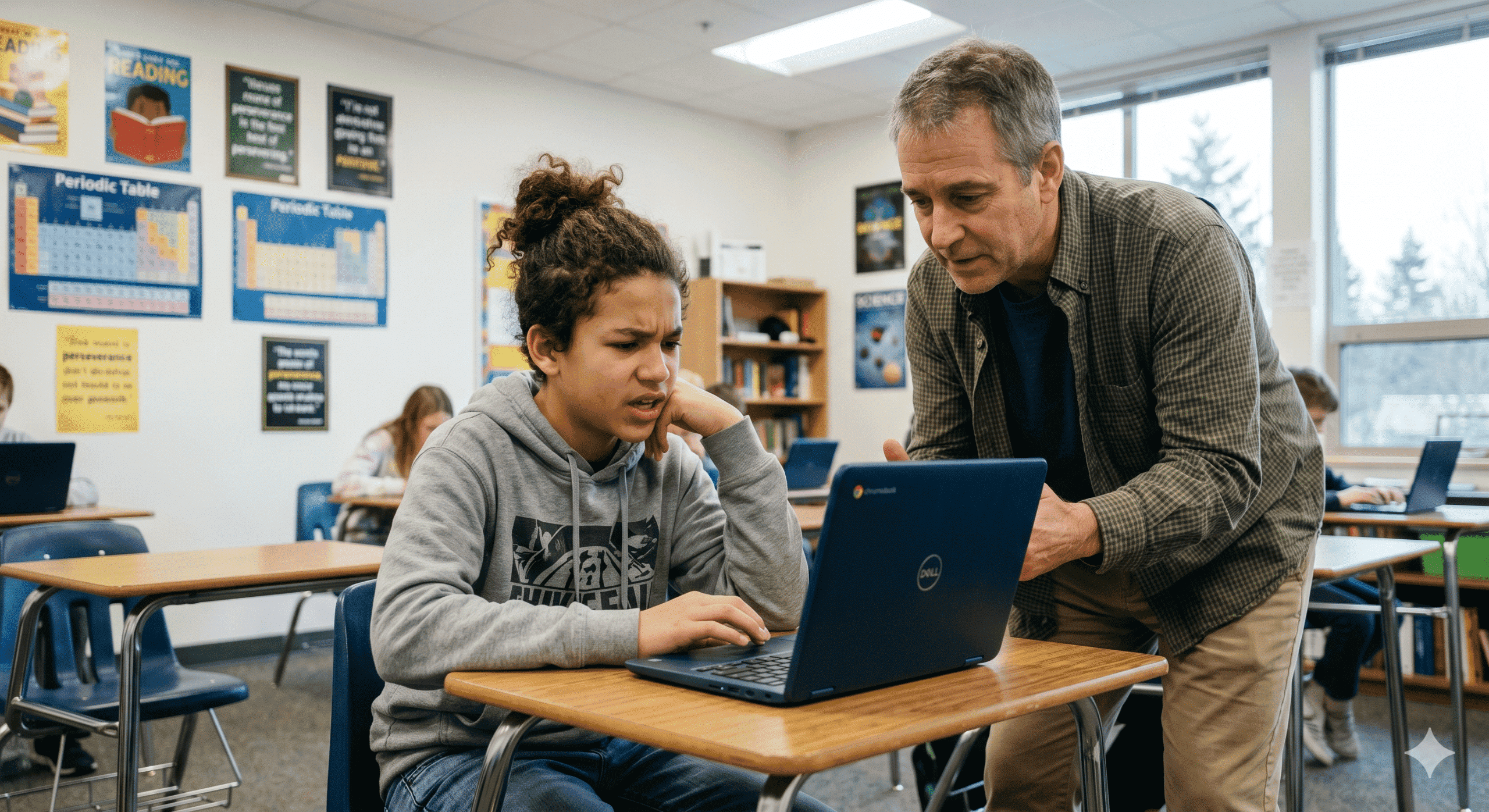
One technology teacher shared:
“In the beginning, I did not know Python coding or how to start working with the robots, but I reached out to LocoRobo tech support and they were wonderful. We spent a day going over the coding for the robots.”
— Technology Teacher, Cortez Middle School
She also explained how ongoing support helped when challenges came up in the classroom:
“LocoRobo has been great at helping me find solutions when I have problems with a robot. They even created code that allows me to recalibrate the robots to optimize their performance.”
Stories like this highlight an important point: teachers do not have to solve every technical challenge on their own. When support systems are in place, educators can focus on guiding student learning while knowing help is available when needed.
Drone and Robotics Programs Can Fit Many Classrooms
Another misconception is that these programs only belong in specialized engineering or computer science classes.
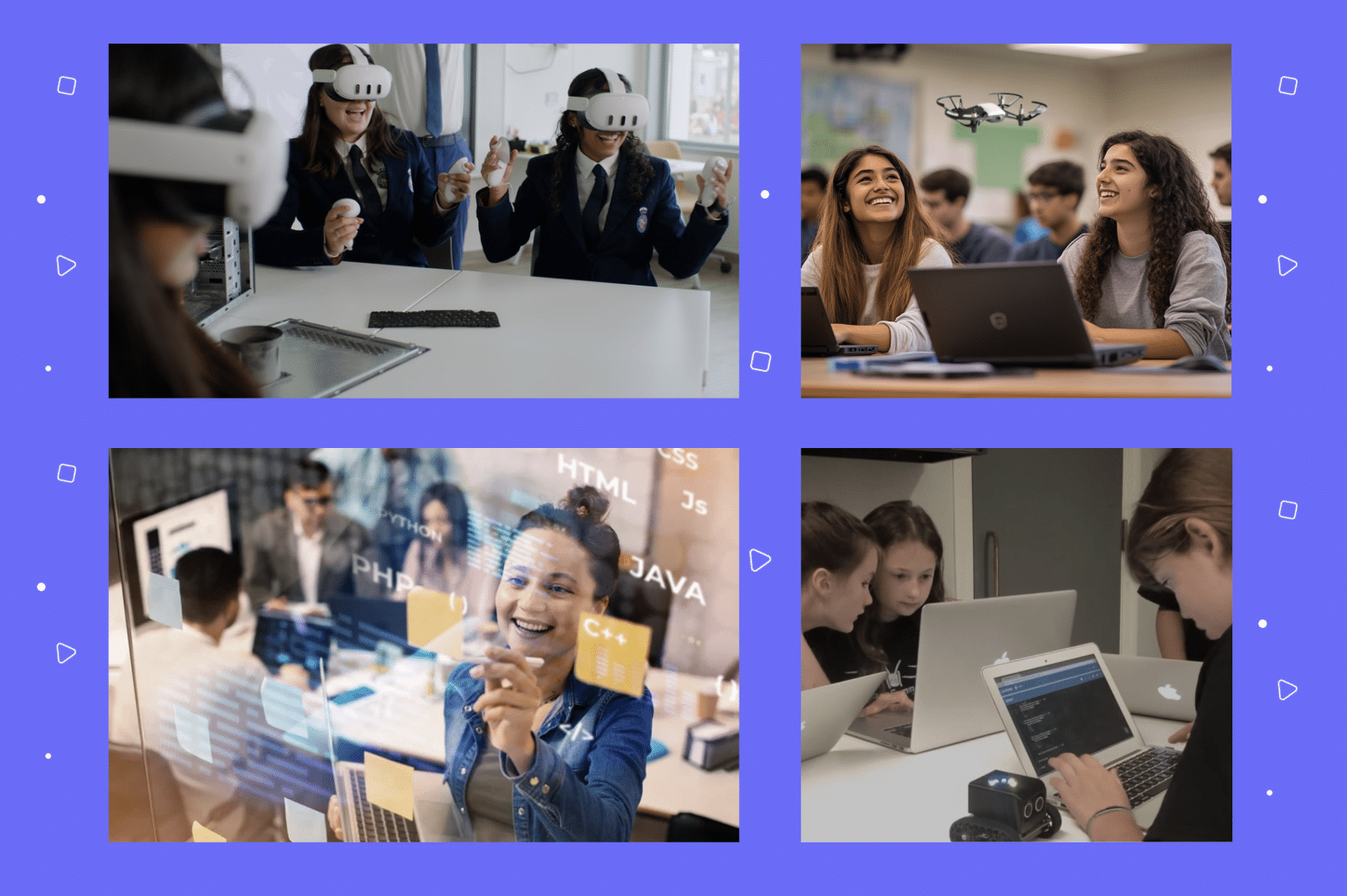
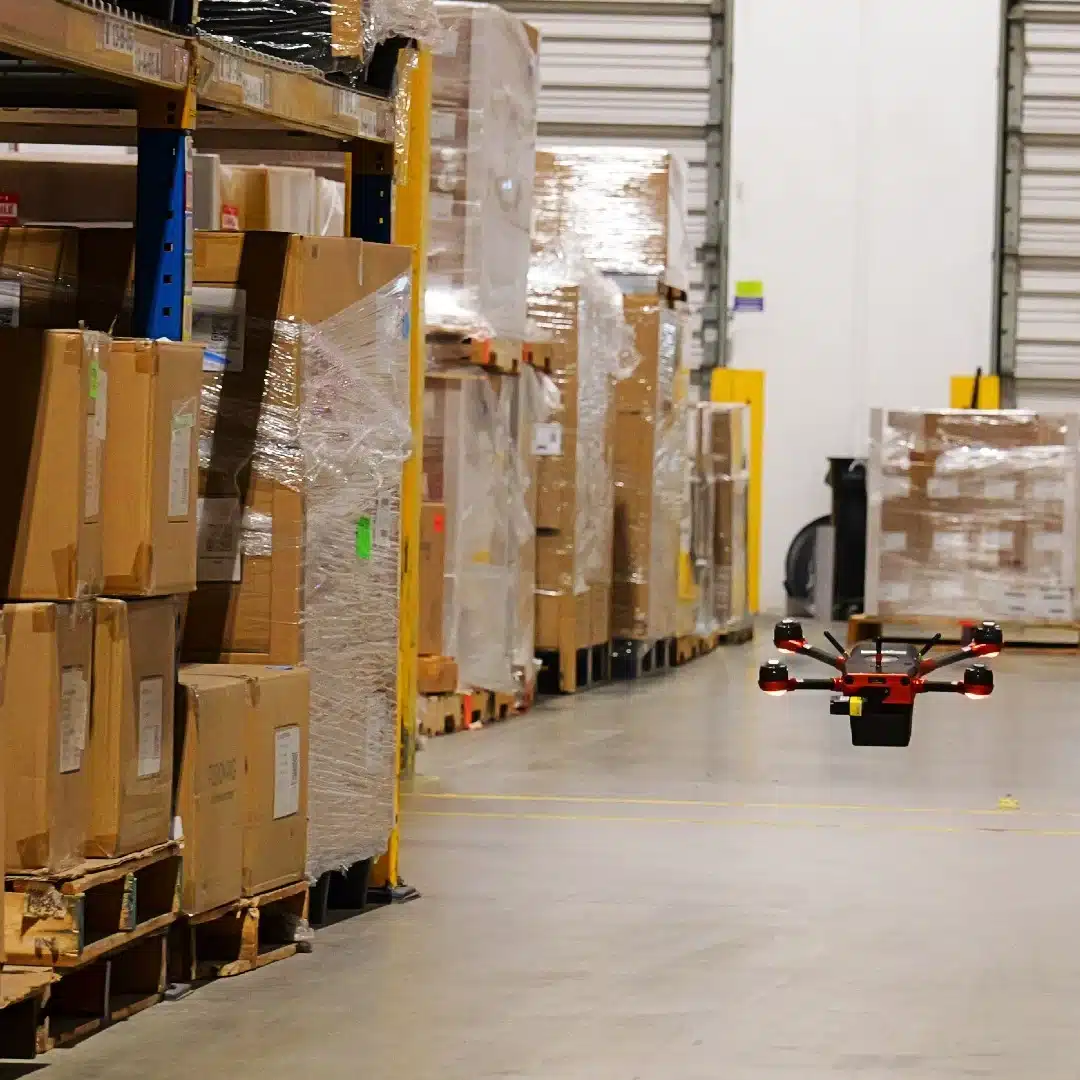
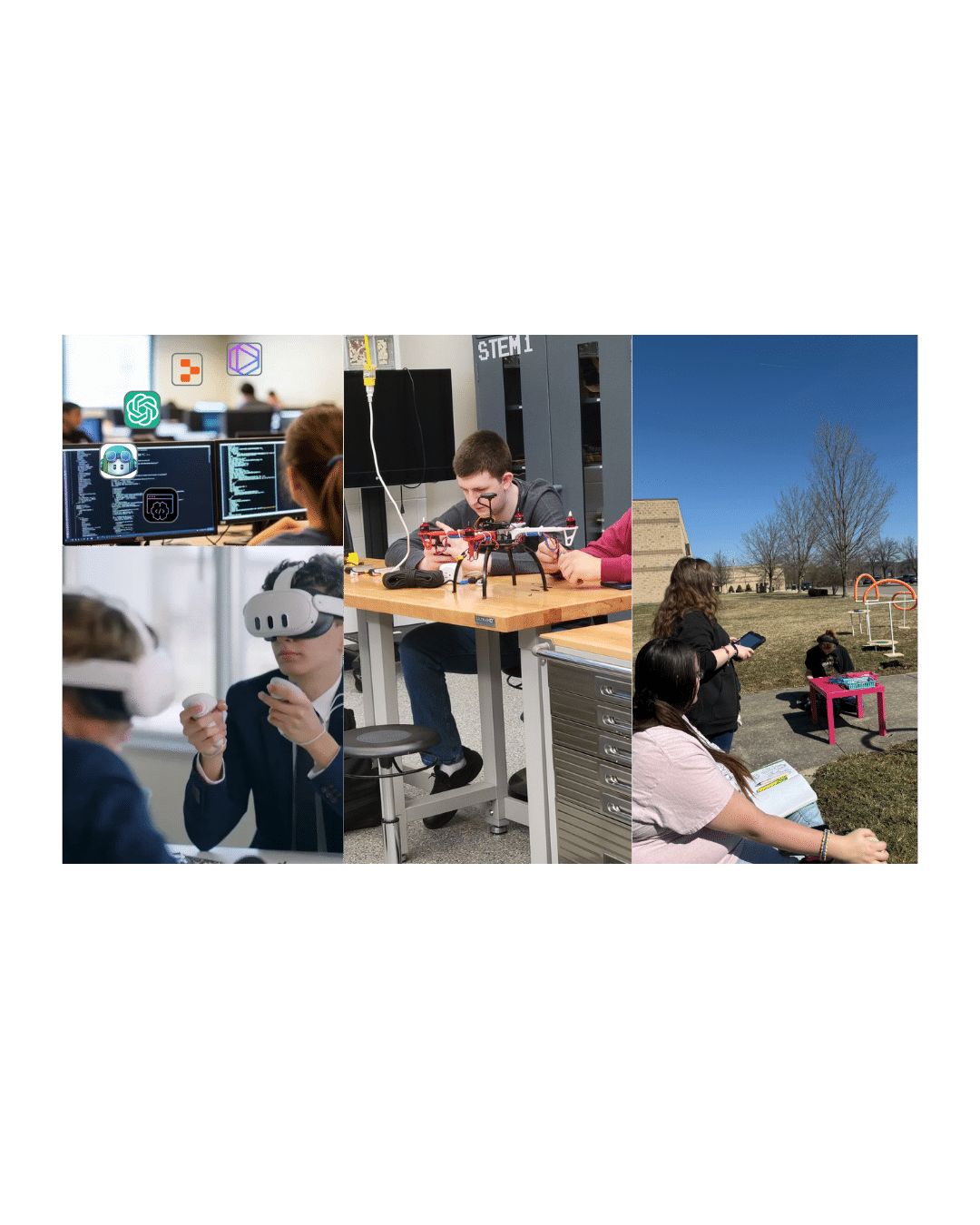
In reality, drones and robotics often appear in a wide range of learning environments, including:
- STEM or computer science courses
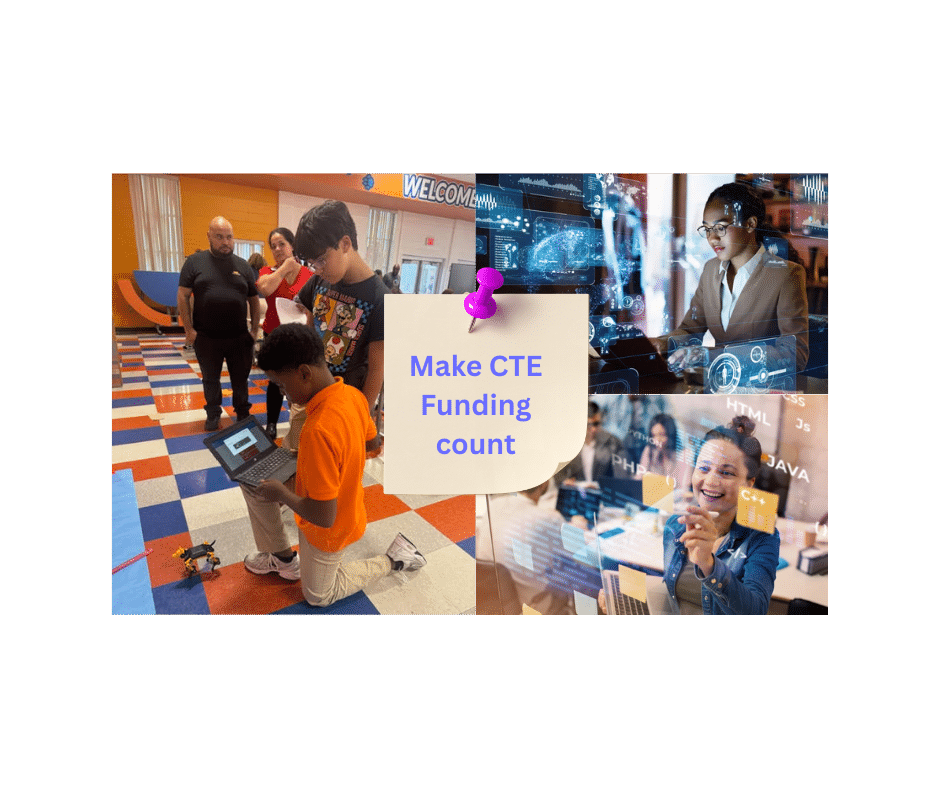
- Engineering and CTE pathways
- Clubs
- After-school programs
Many schools start small with a club or elective course and expand as student interest grows.
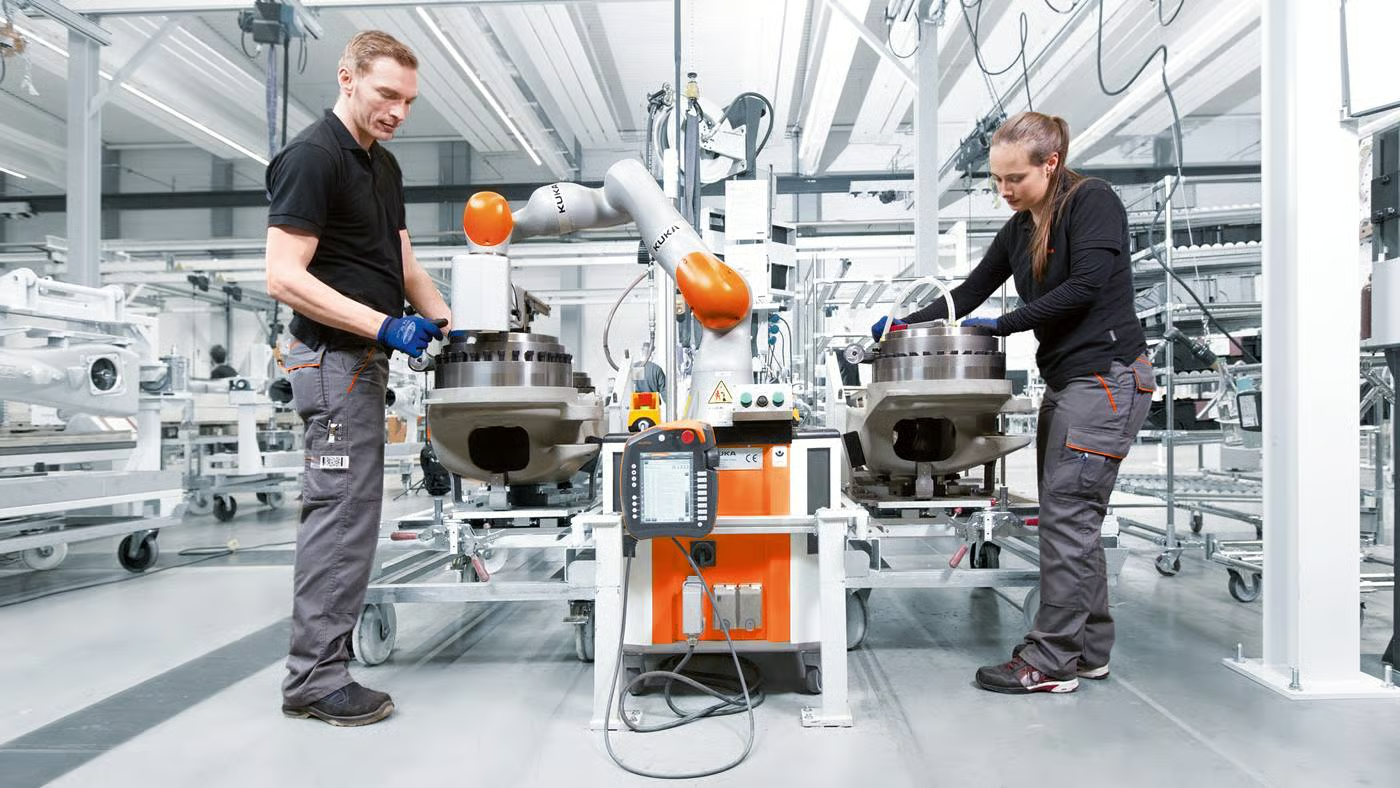
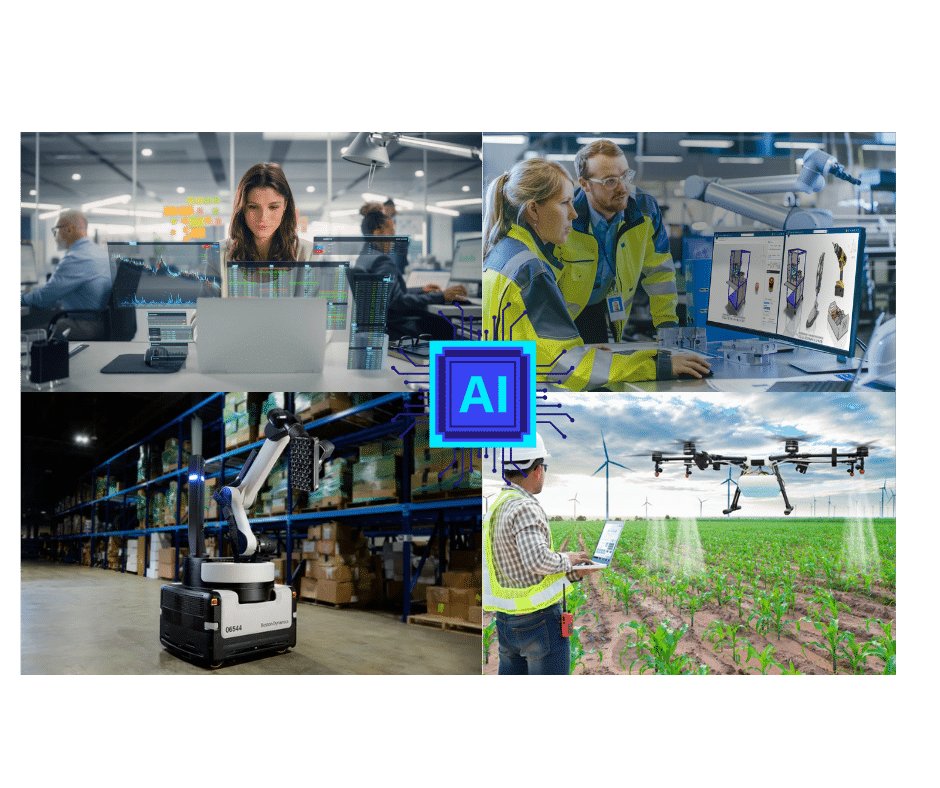
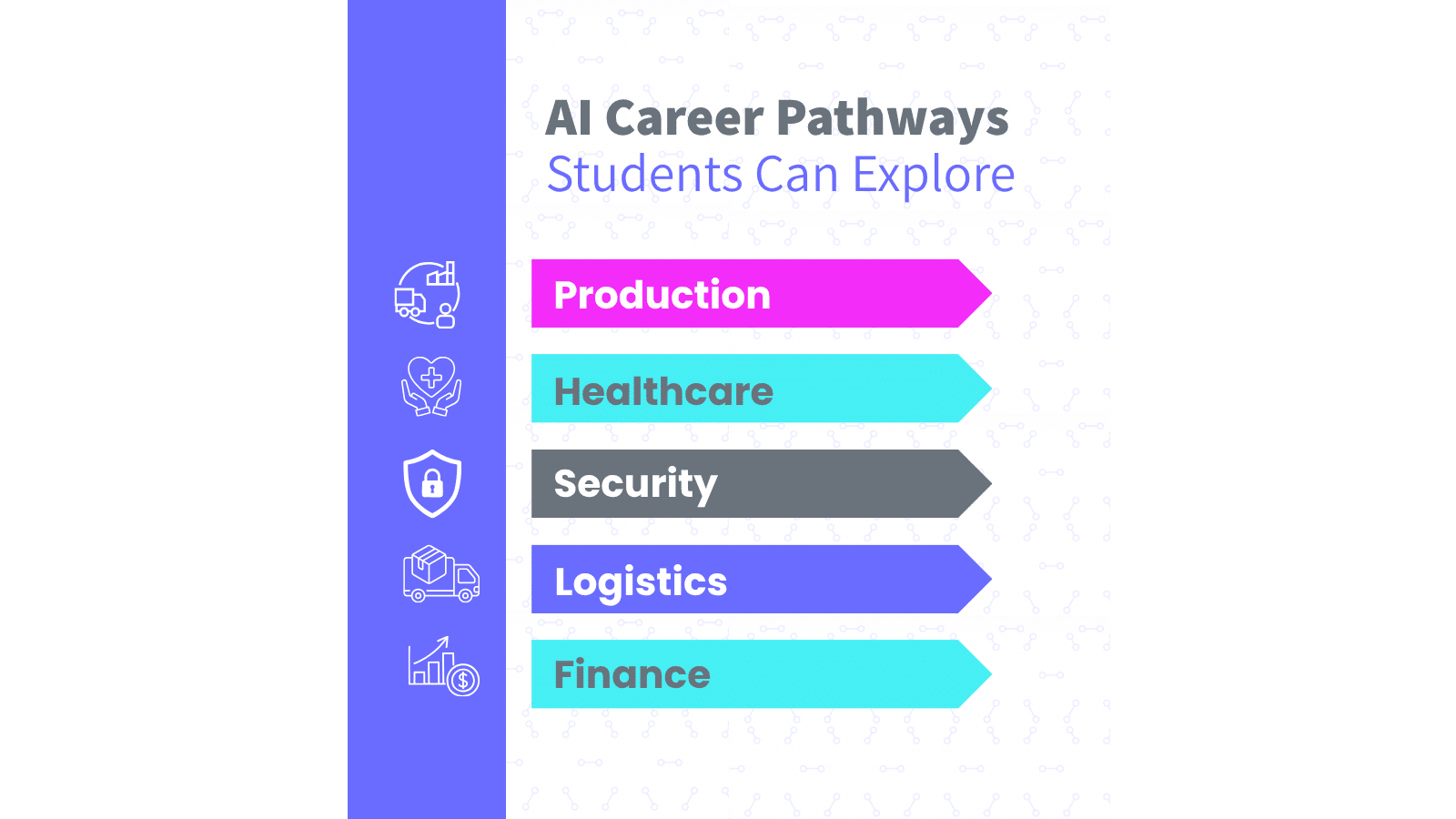
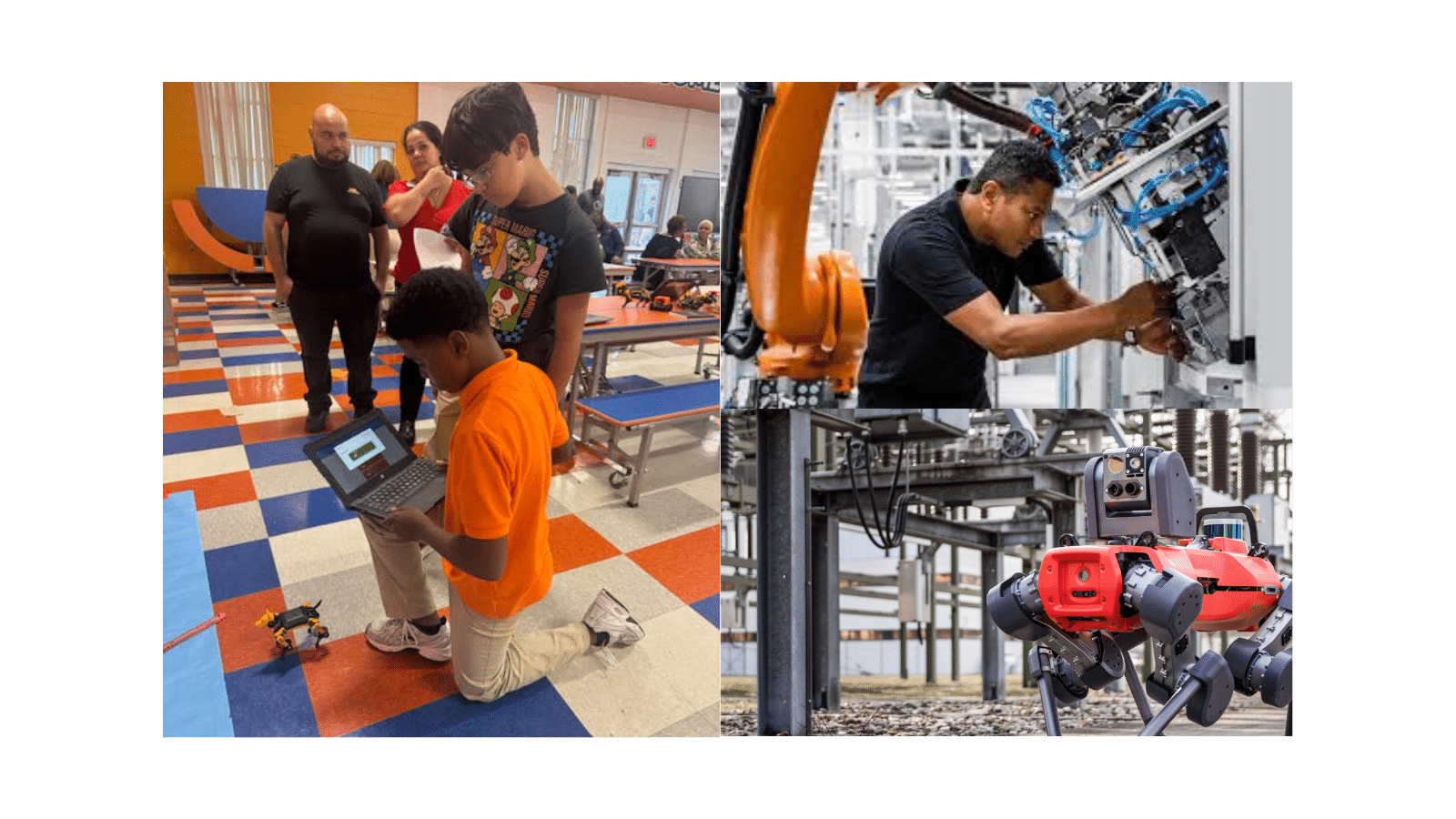
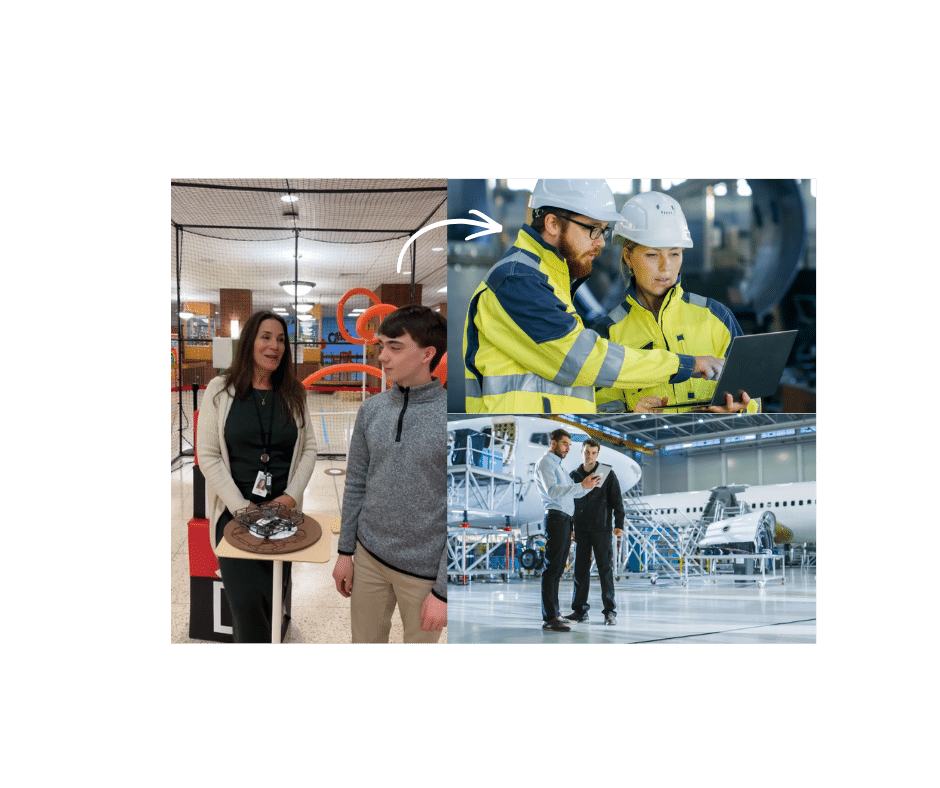
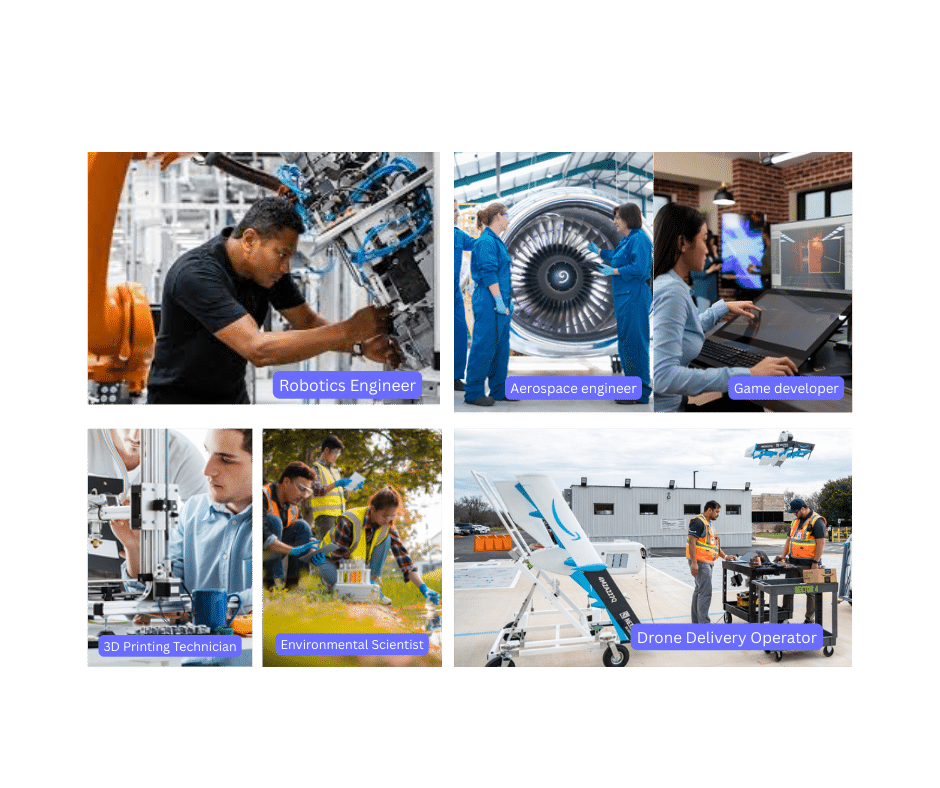
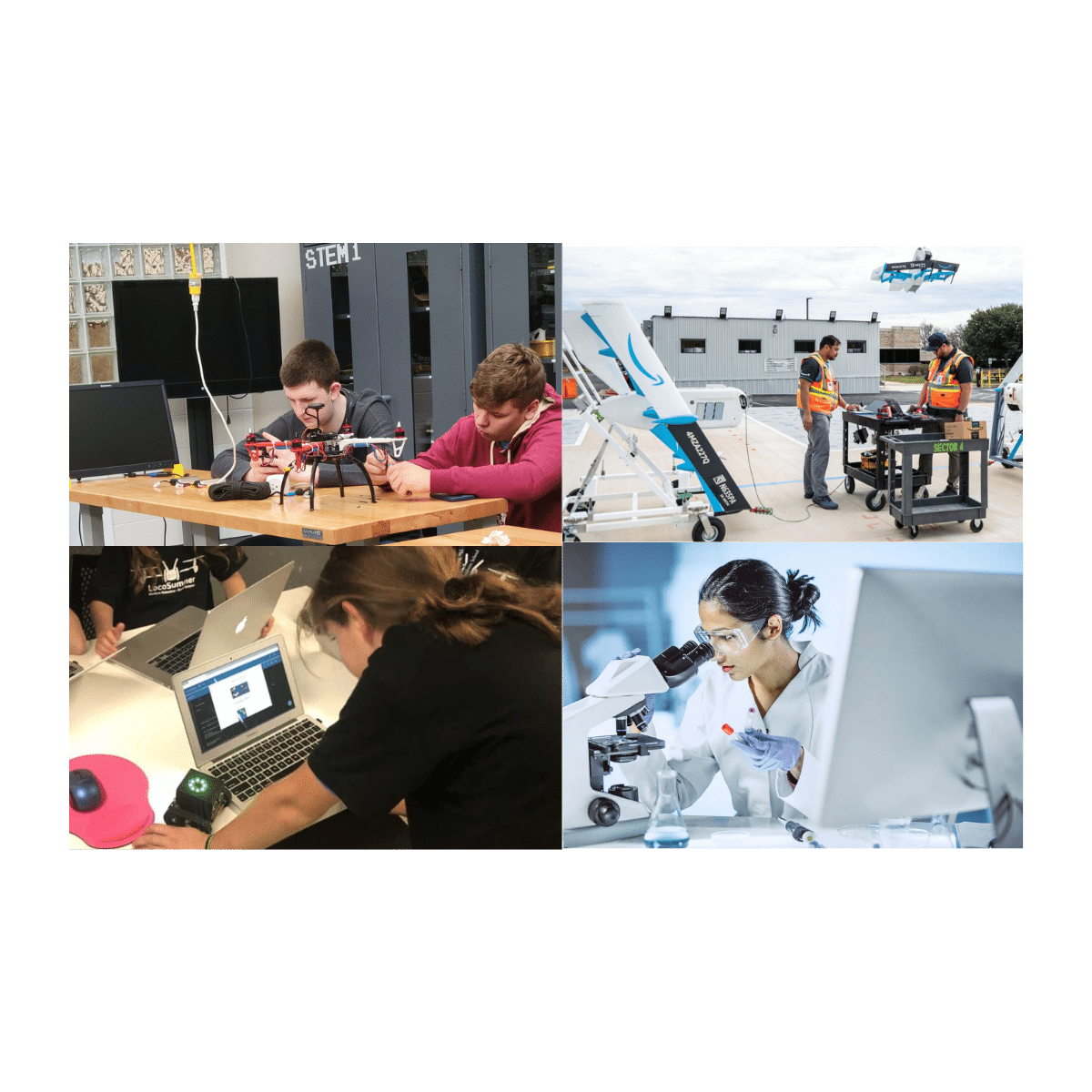
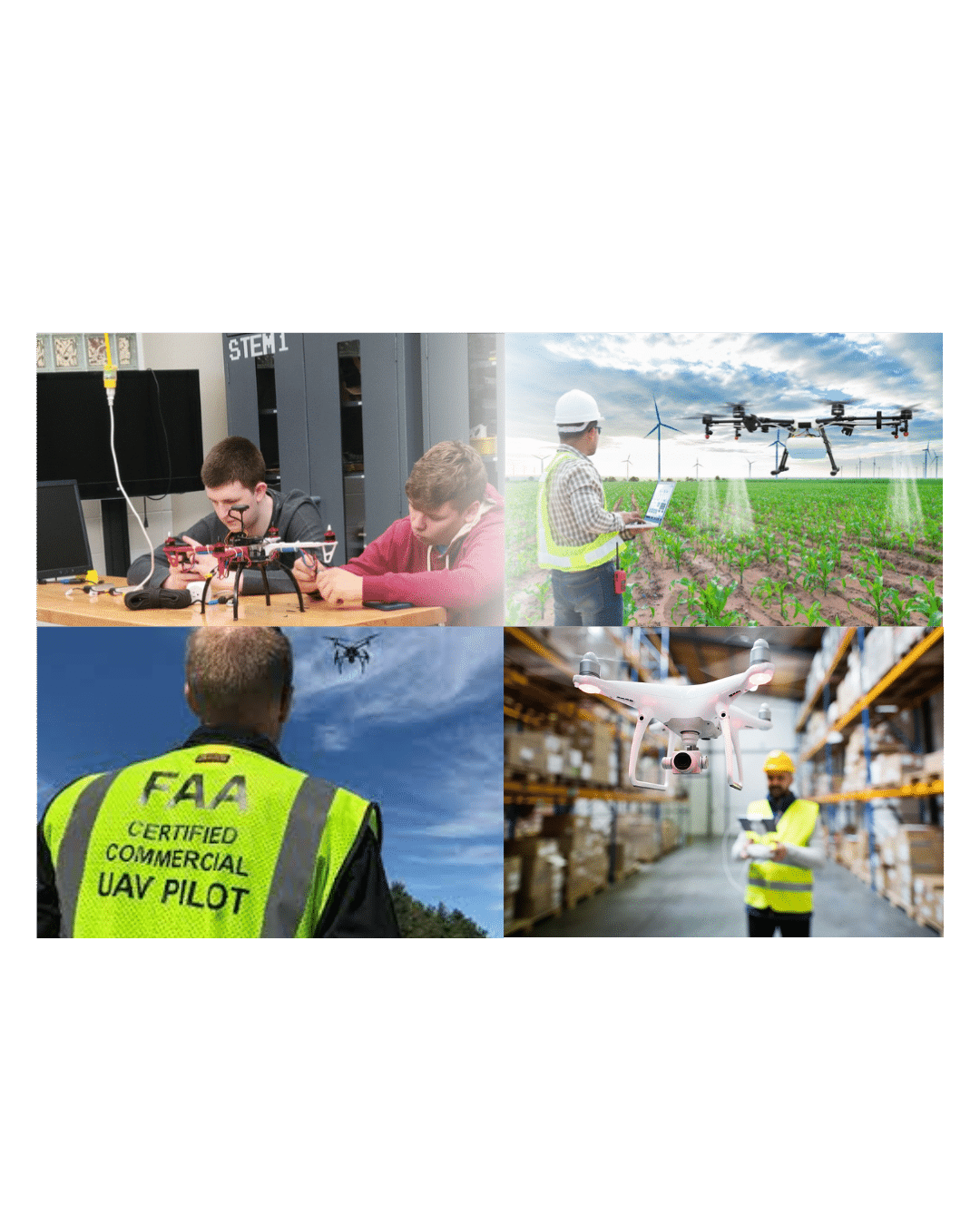
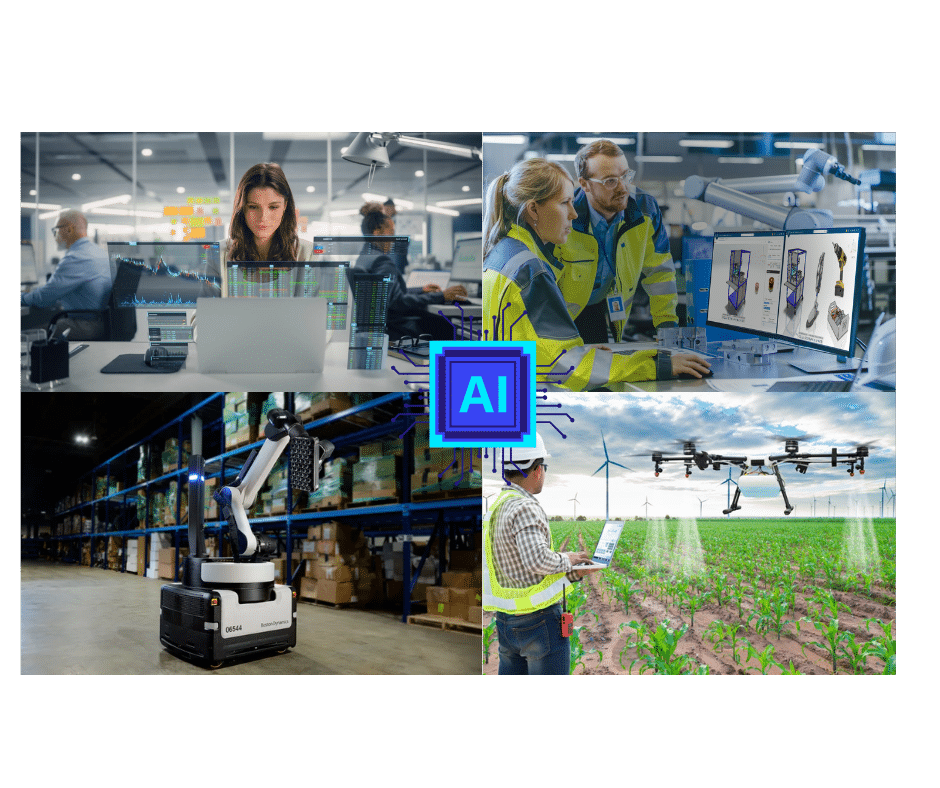
Over time, programs can evolve into full CTE or STEM pathways that connect classroom learning with real-world careers in engineering, automation, robotics, and data science.
Building Confidence Is the First Step
For educators considering a drone or robotics program, the most important step is simply getting started.
Teachers do not need to be experts in robotics, AI, or programming on day one. What matters more is creating an environment where students can explore technology, ask questions, and solve problems together.
With the right curriculum and support, many educators find that these programs become some of the most engaging experiences in their classrooms.
How LocoRobo Supports Educators
LocoRobo was designed to help schools introduce robotics and drone programs without requiring teachers to become technical specialists. Built by educators who understand classroom challenges, the platform allows teachers to focus on guiding students while the technology, curriculum, and support are already in place.
Every LocoRobo solution includes:
All-in-One Systems
Hardware, software, curriculum, and classroom projects designed to work together.
Structured Curriculum
Guided lessons that help students learn coding, robotics, and drone science step by step.
Ongoing Teacher Training and Support
Personalized guidance, professional development, and ongoing assistance when teachers need it.
Curricular Integration and Pathway Planning
We work as an extension of your team to align LocoRobo to your program’s goals, because we understand that no program is one-size-fits-all.
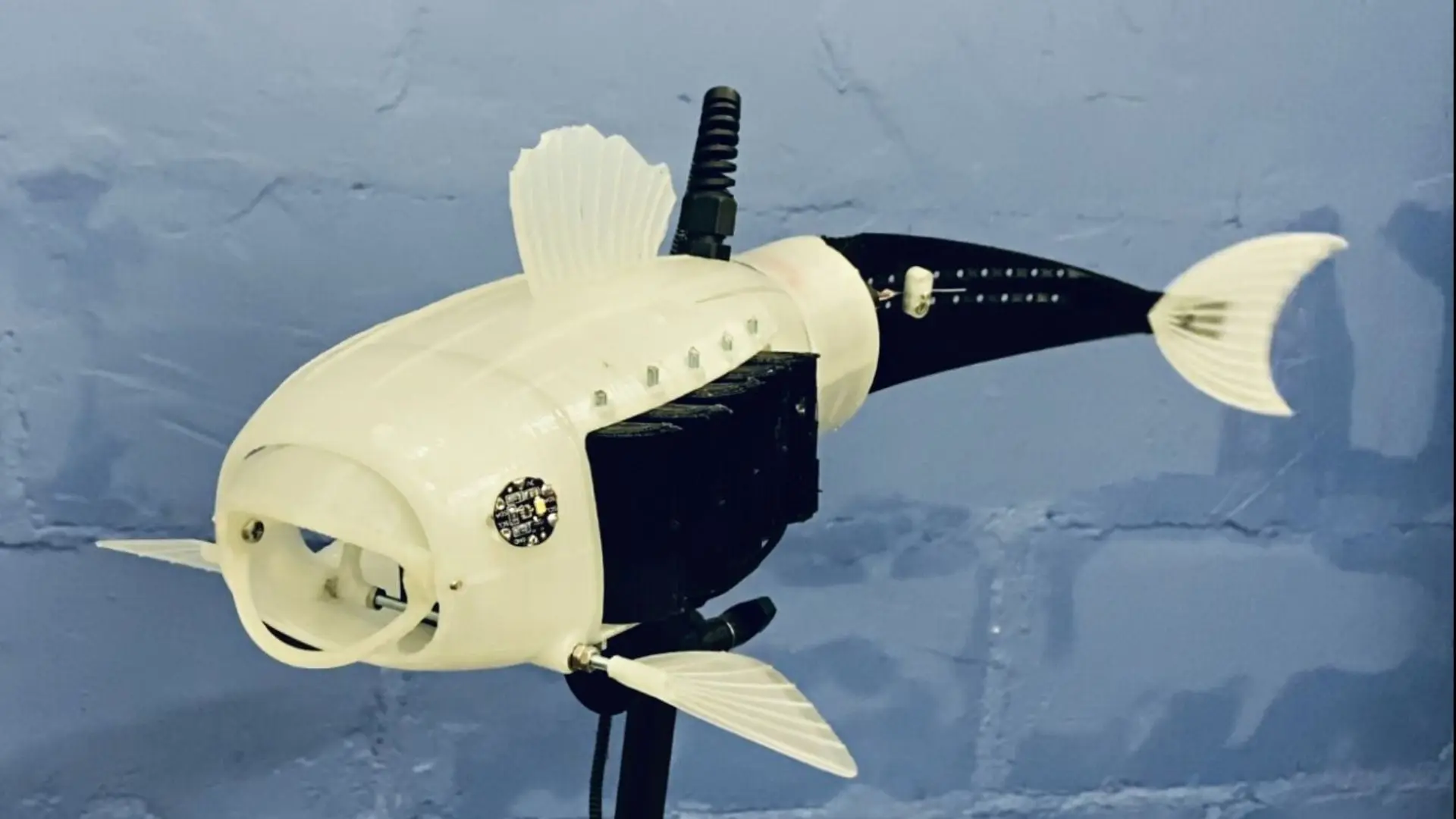
LocoRobo offers a range of STEM solutions, including drones, robotics systems, and AI learning tools, all designed to help educators run successful STEM programs with confidence.
If you are exploring how drones or robotics could fit into your classroom or school program, request a demo to see how LocoRobo supports teachers every step of the way.
Frequently Asked Questions
Do teachers need coding or engineering experience to run a robotics or drone program?
No. Many STEM programs are designed for educators without a technical background. With structured curriculum, guided lessons, and support, teachers can facilitate learning while students explore coding, robotics, and problem-solving at their own pace.
What do students actually learn from robotics and drone programs?
Students develop skills in coding, problem-solving, teamwork, and critical thinking. They also learn how sensors, movement systems, and automation work, which connects directly to real-world STEM and CTE careers.
How can schools successfully implement a robotics or drone program?
Successful programs typically include structured curriculum, classroom-ready projects, teacher training, and ongoing technical support. These elements help educators focus on teaching instead of building everything from scratch.
What support does LocoRobo provide for teachers starting a STEM program?
LocoRobo provides complete, classroom-ready systems that include hardware, software, structured curriculum, and ongoing teacher support. Schools also receive professional development and guidance to help align robotics or drone programs with their existing curriculum.
How do LocoRobo programs fit into existing school courses or clubs?
LocoRobo programs are flexible and can be used in STEM classes, CTE pathways, electives, or after-school clubs. Schools often start small and expand into full programs as student interest grows.