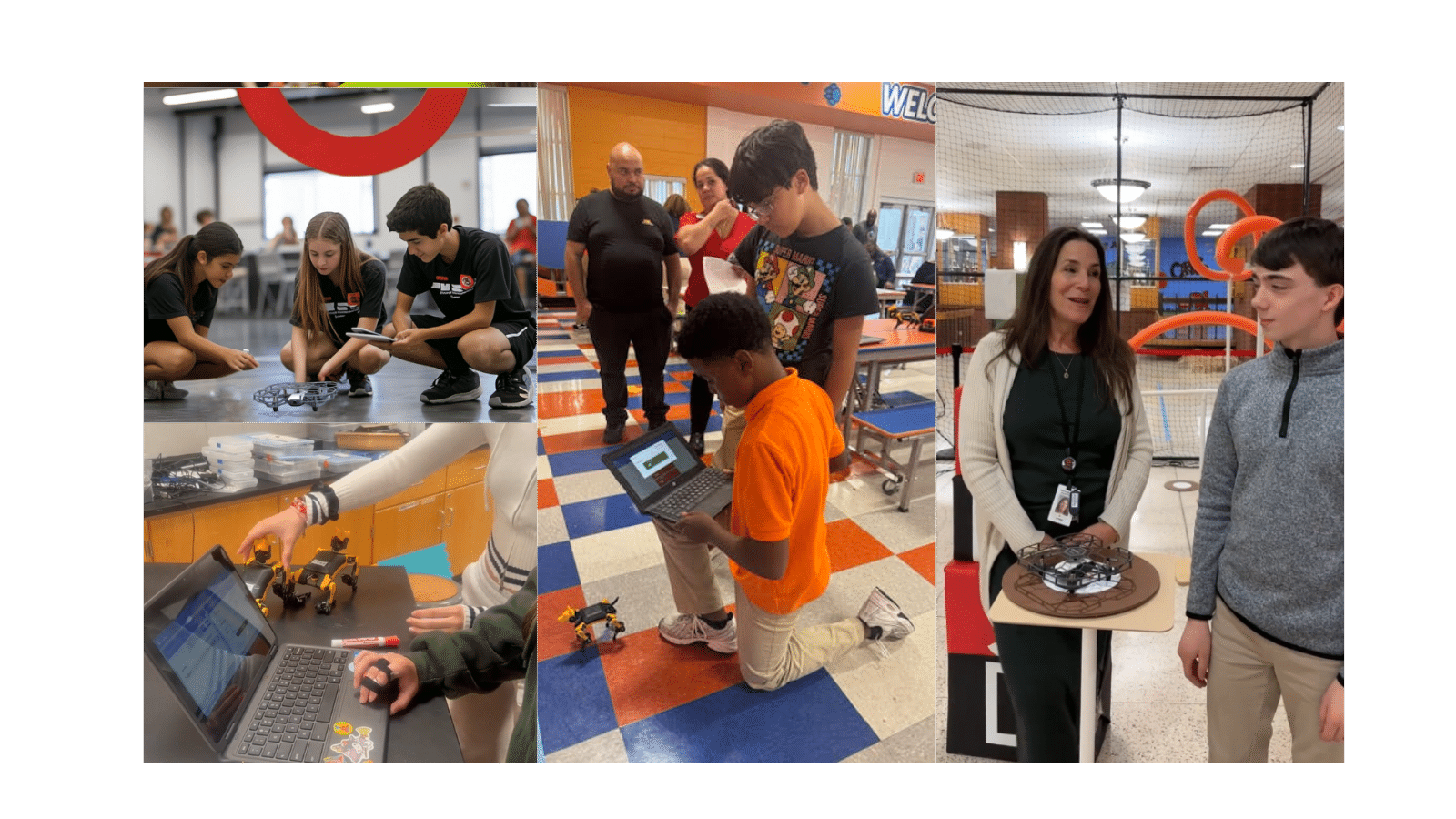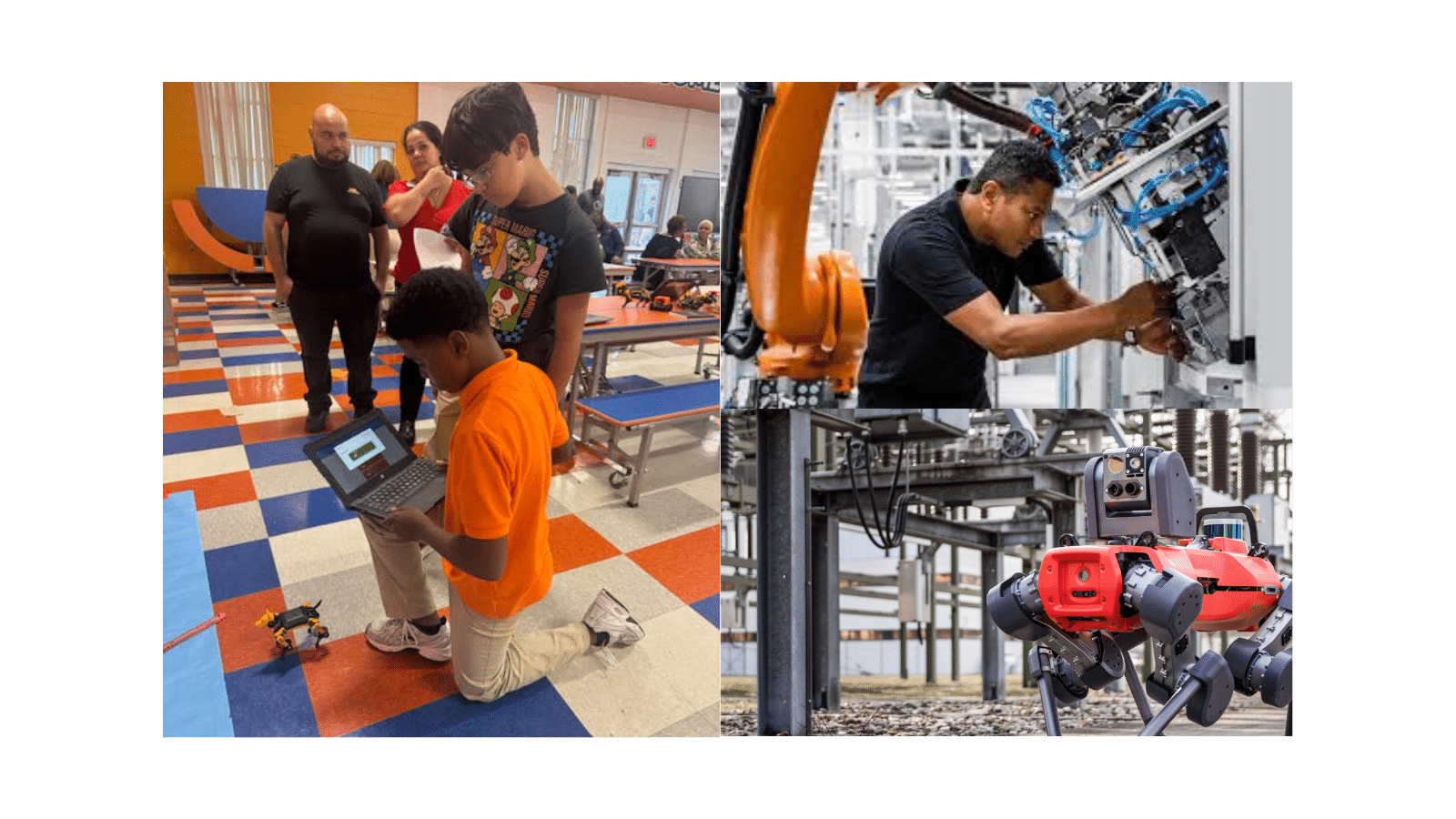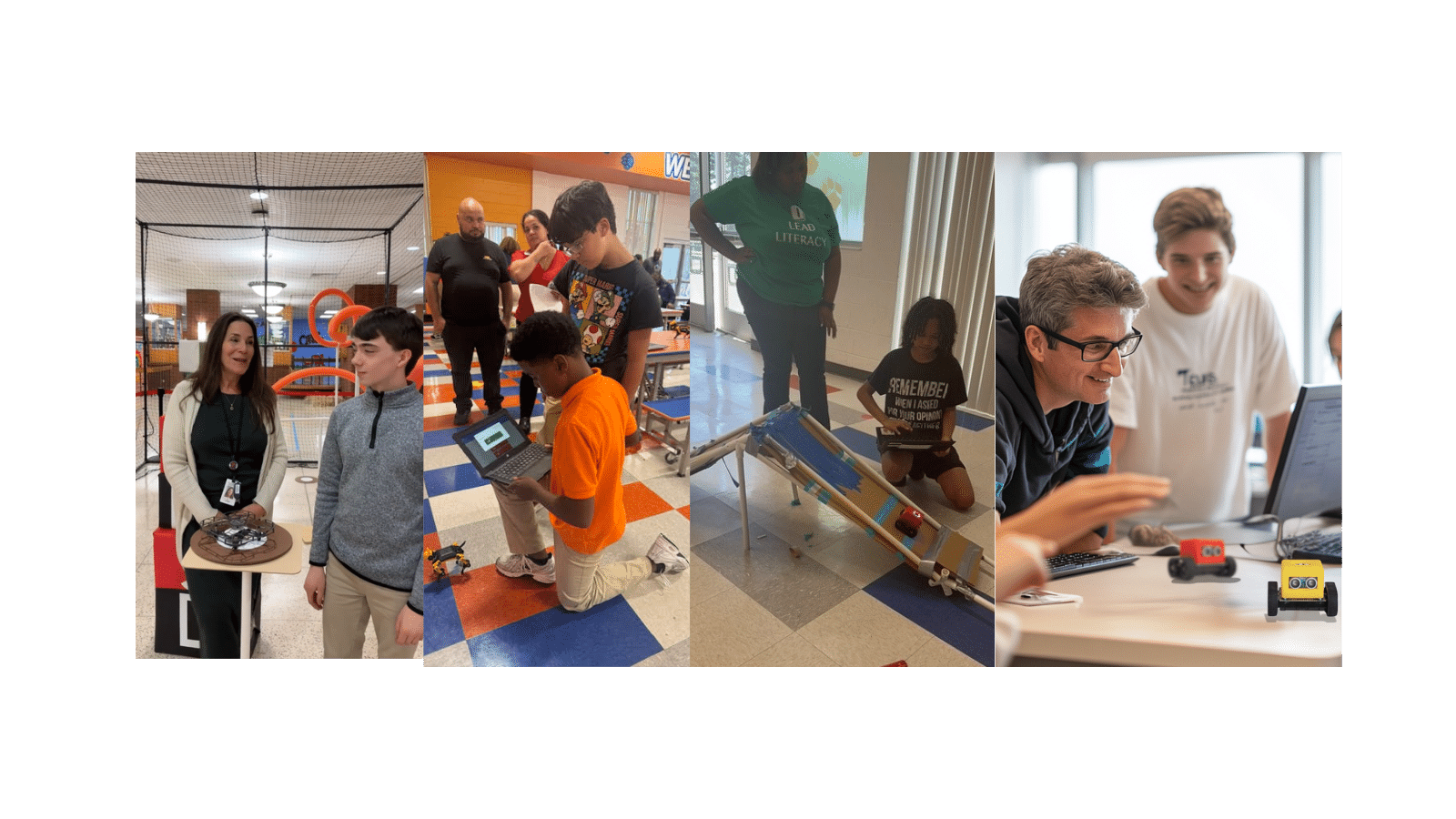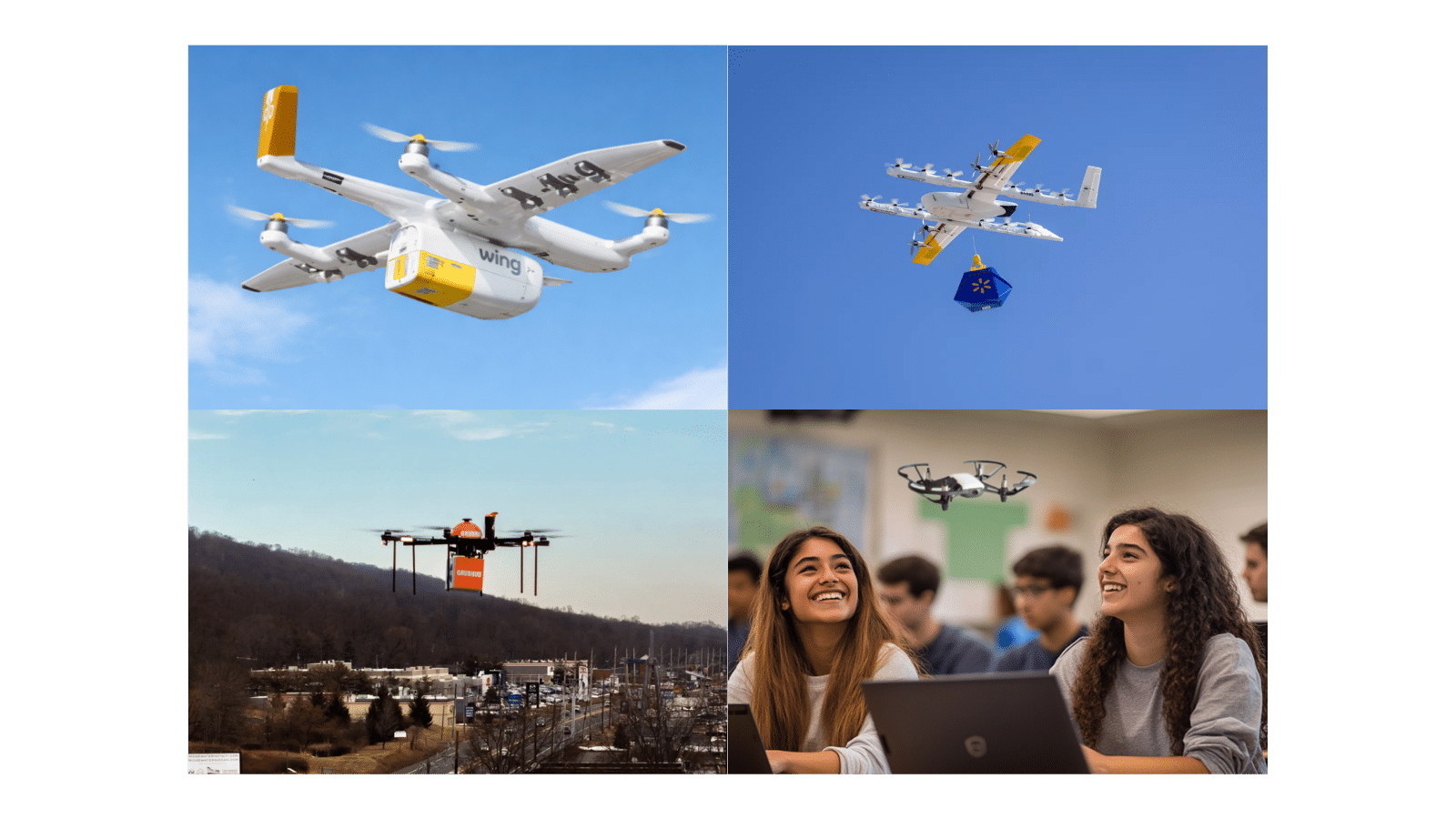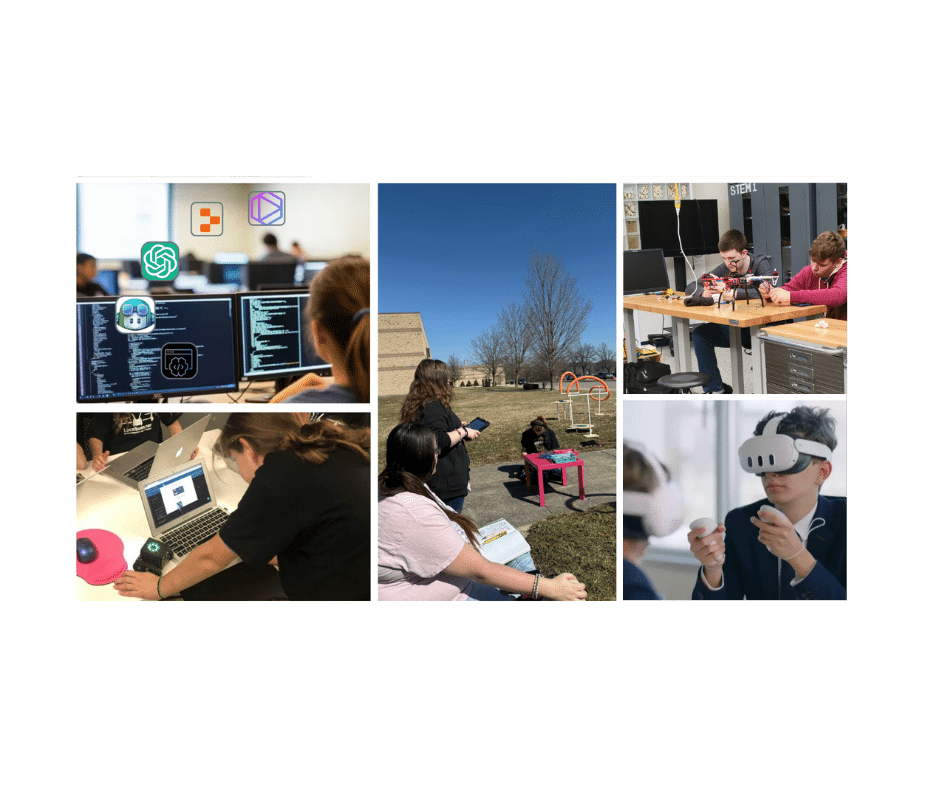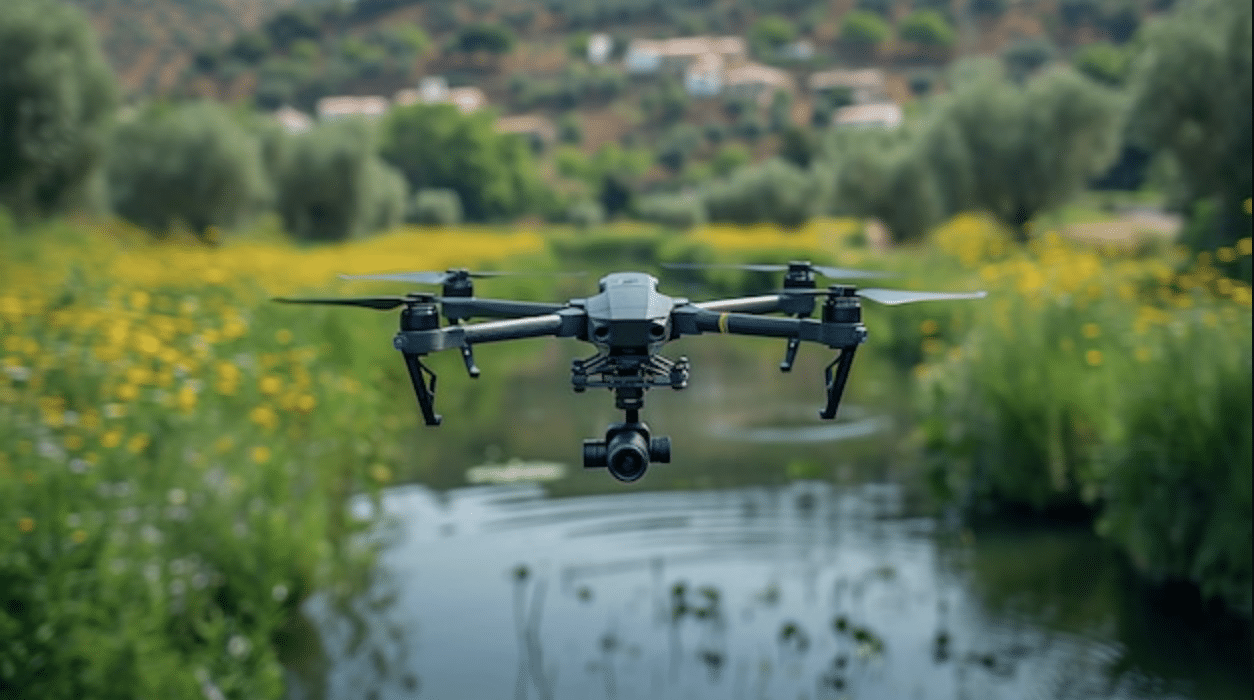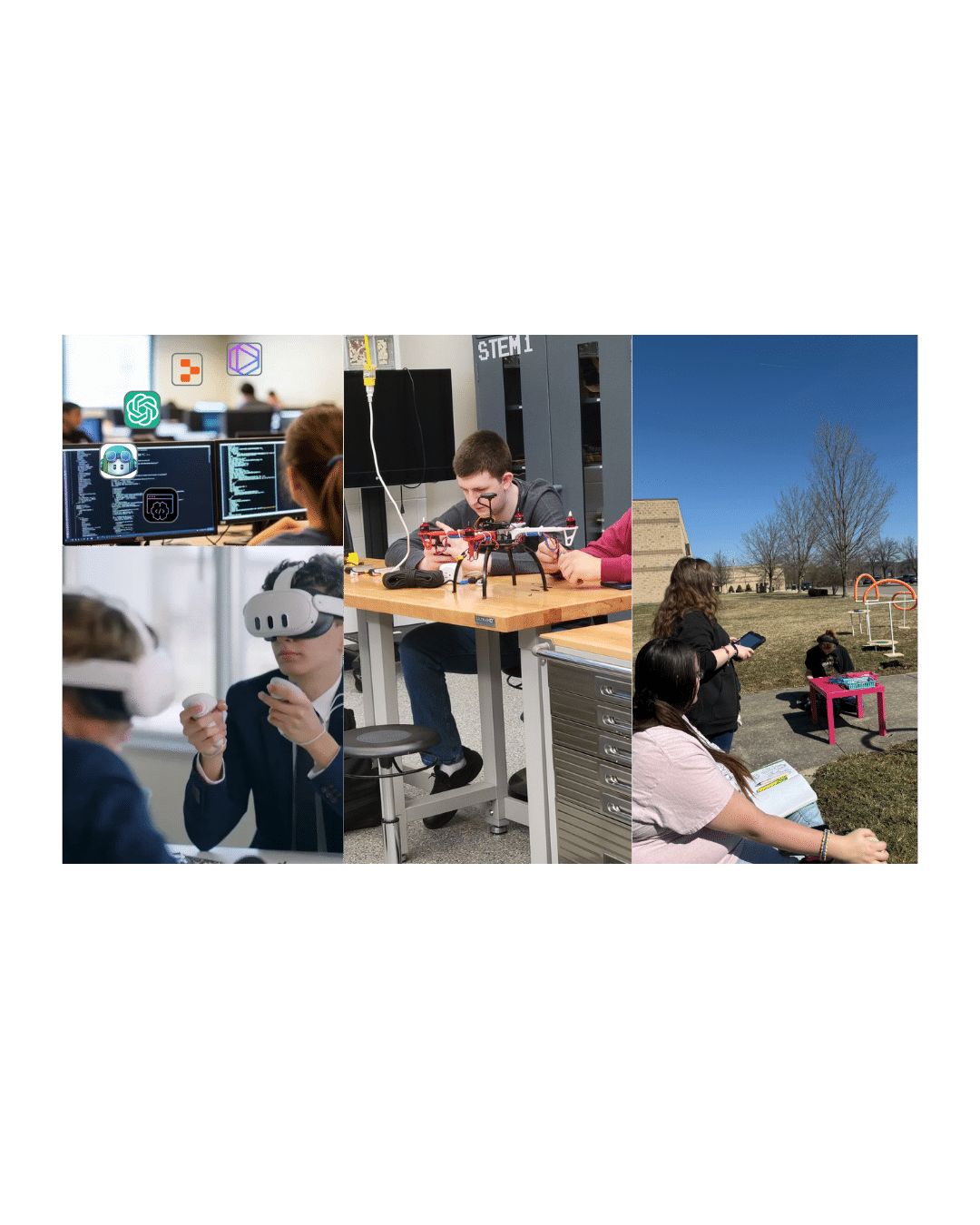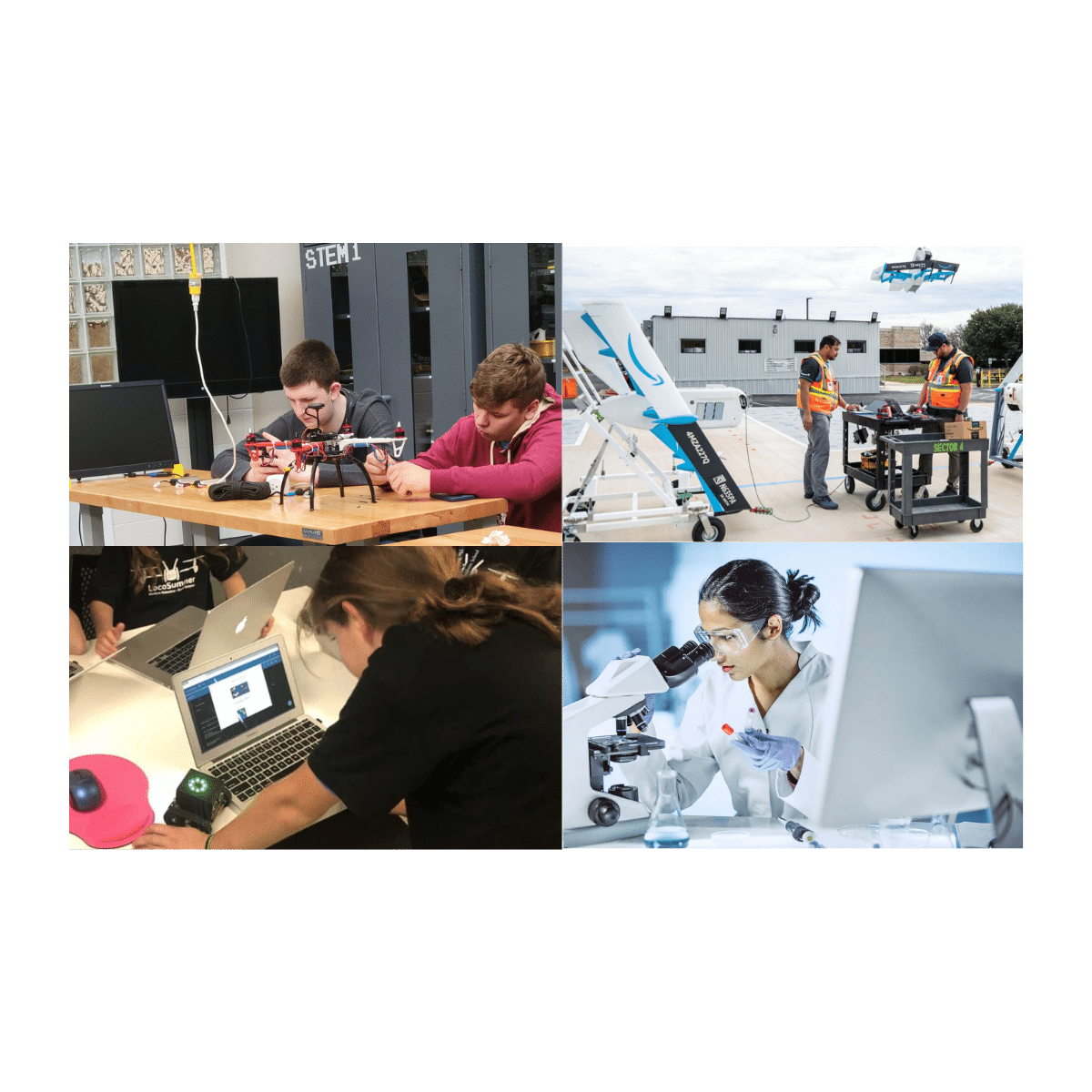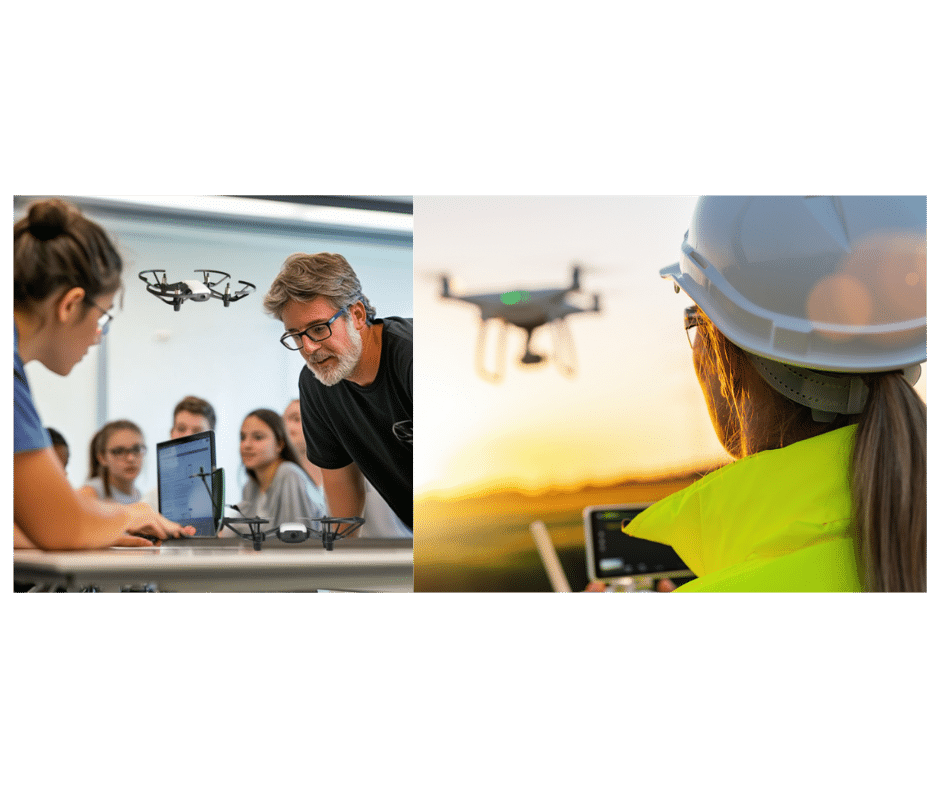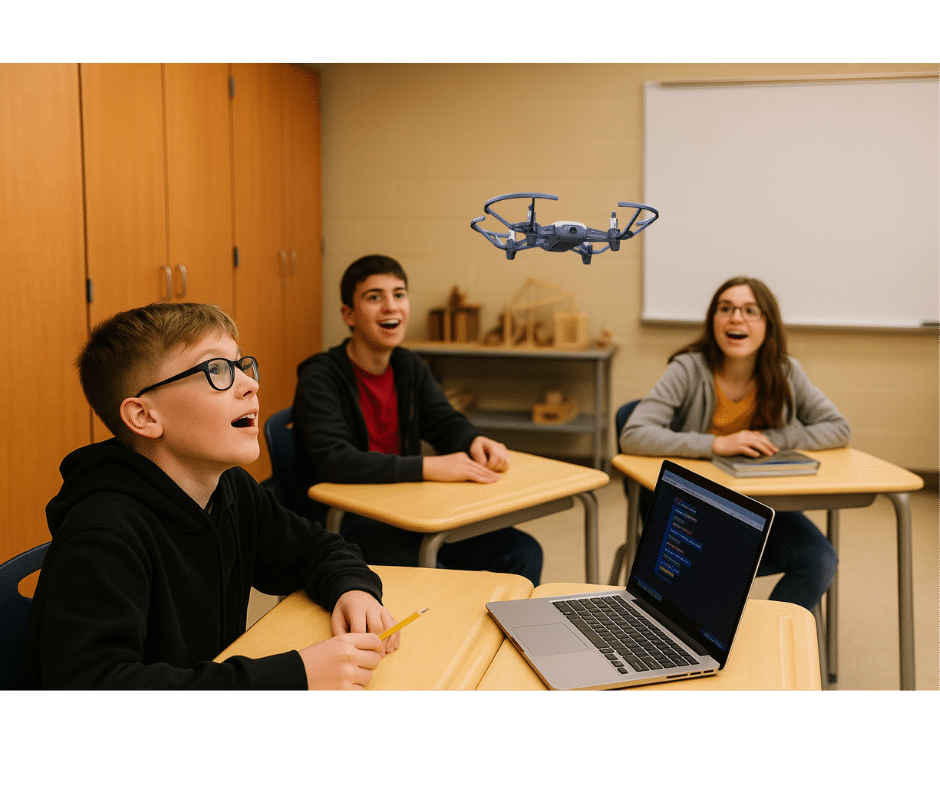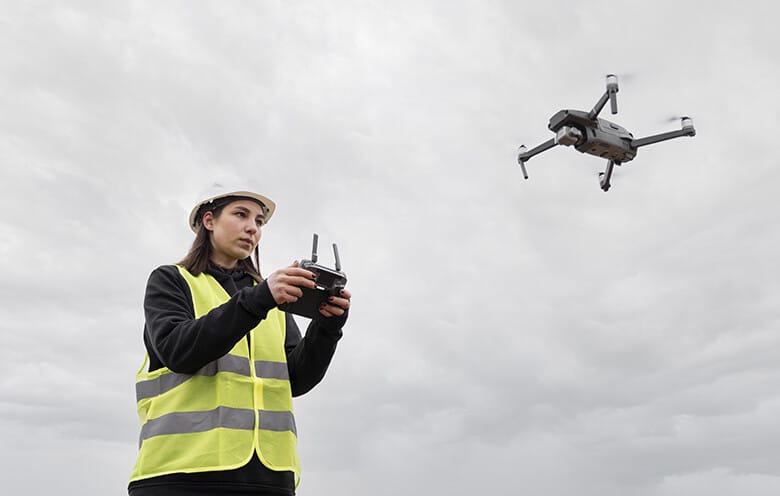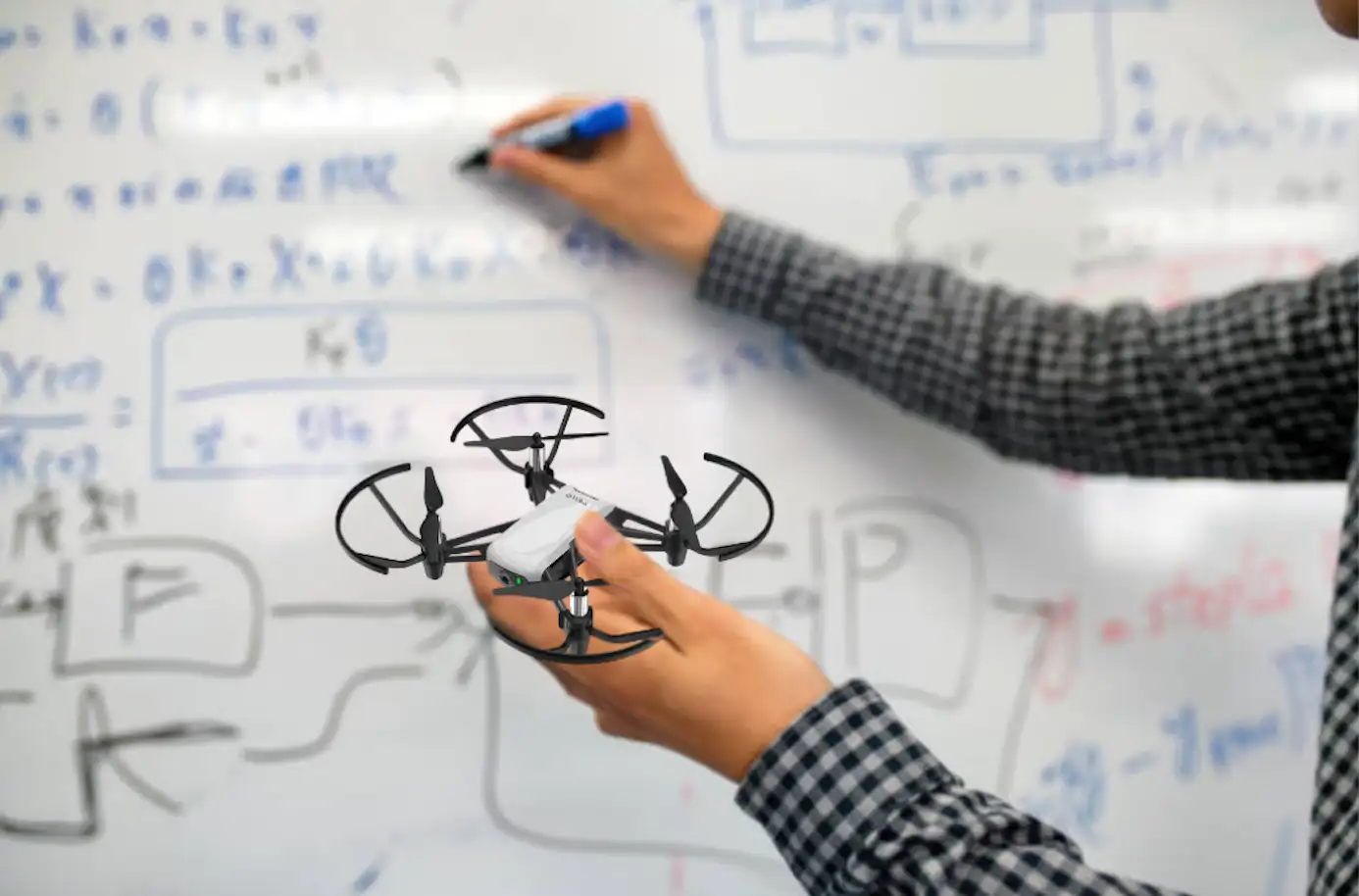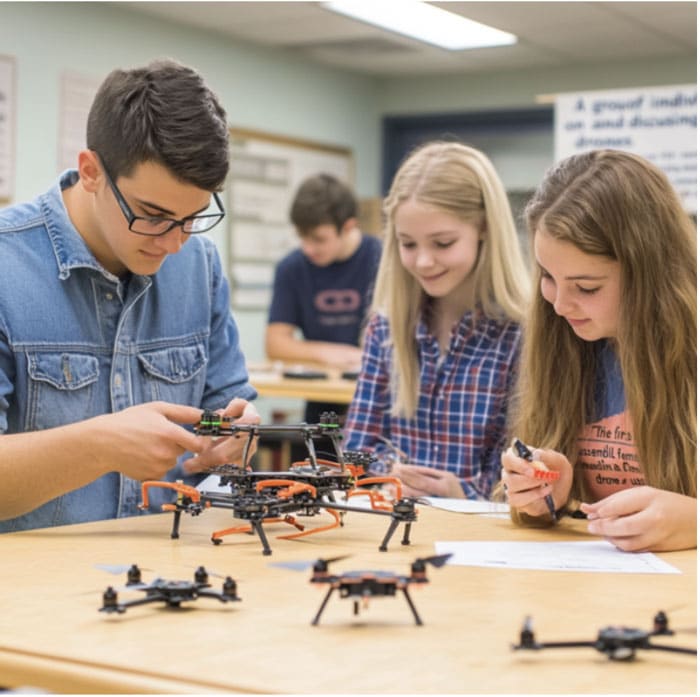


Drones have quickly become one of the most engaging tools for introducing students to programming. Unlike traditional coding exercises that remain on a screen, drones turn code into visible action. When a student writes a few lines of code and sees a drone take off, change direction, or complete a flight pattern, programming a drone becomes tangible.
For beginners, especially younger learners, this connection between code and real-world movement helps demystify programming and makes it easier to understand core concepts.
Why Drones Are an Effective Way to Teach Coding
Programming often feels abstract for beginners. Students are asked to learn structure, logic, and syntax before they see meaningful results. Drones change that learning process.
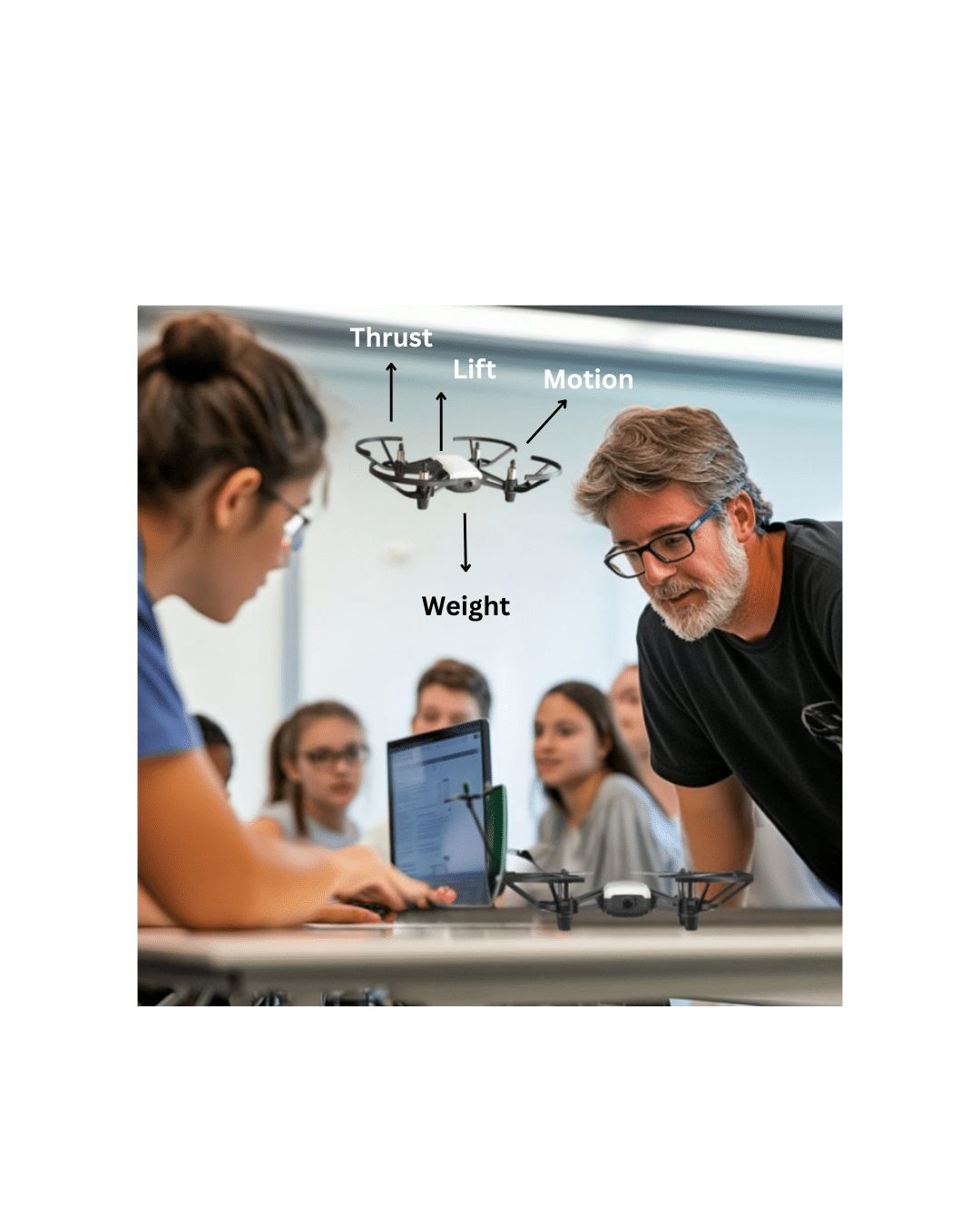
When students code a drone, they immediately see how their instructions control real movement. A single command can make a drone lift off, rotate, or travel to a specific position in space.
This feedback loop helps students grasp programming concepts faster because they can observe the outcome of their code in real time.
Drone programming also introduces spatial thinking. Students are planning motion in three dimensions, thinking about distance, direction, timing, and positioning.
These skills mirror the type of thinking used in autonomous systems, robotics, and engineering fields.
Programming Concepts Students Learn with Drones
Drone coding introduces many of the same programming concepts taught in traditional computer science courses.
Students begin with simple commands that control movement:
- Takeoff and landing
- Rotating or turning the drone
- Moving forward, backward, left, and right
- Hovering for a set period of time
As they progress, they start learning core programming structures.
Sequencing
Students write instructions in the correct order to create a flight path.
Variables
Students adjust distance, speed, or height by assigning values to variables.
Loops
Repeated movements allow students to create patterns such as squares, circles, or obstacle courses.
Conditionals
More advanced lessons allow students to program drones to respond to sensor data or conditions in the environment.
These concepts mirror the building blocks of programming used in languages such as Python and JavaScript.
From Simple Commands to Autonomous Flight
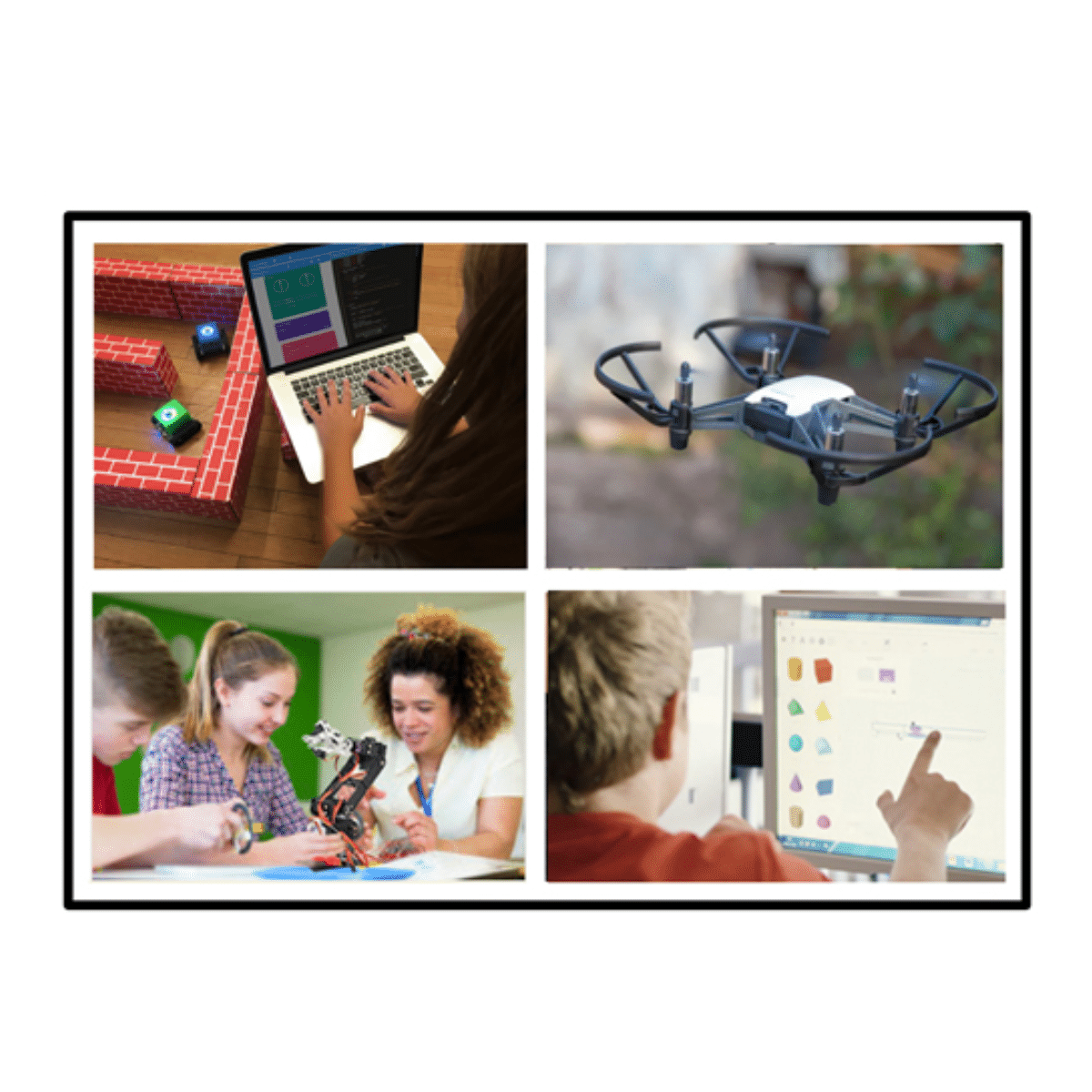
Beginner drone curriculum often starts with visual programming interfaces, where students drag and drop blocks that represent commands.
This approach removes the complexity of syntax while still teaching programming logic.
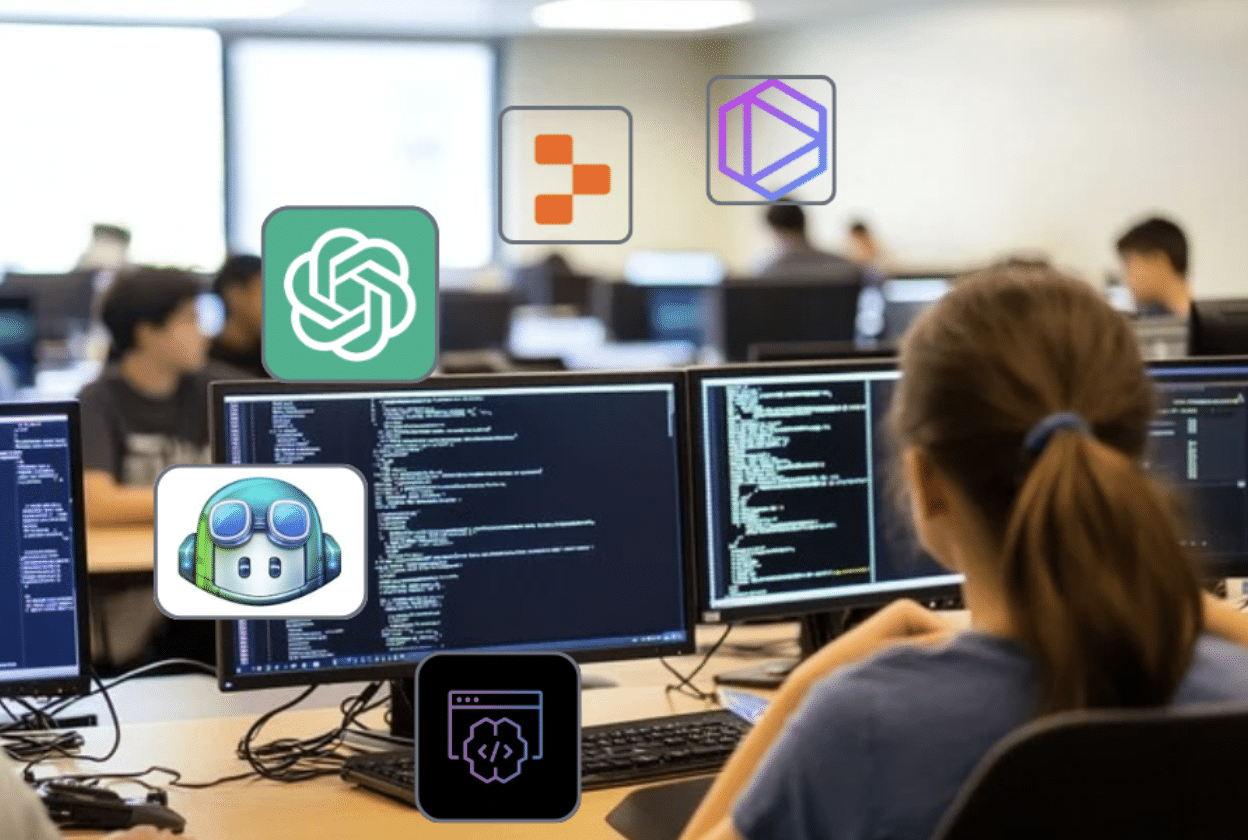
As students gain confidence, many platforms allow them to transition into text-based programming languages such as Python.
At this stage, students can begin writing scripts that control more advanced drone behaviors, including:
- Autonomous flight paths
- Sensor-based reactions
- Precision navigation
- Data collection during flight
This progression allows students to move from basic drone coding exercises to more sophisticated applications that resemble real-world drone systems.
Learning Through Flight Challenges and Projects
One of the most effective ways students learn programming is through project-based challenges.
Drone coding projects often include tasks such as:
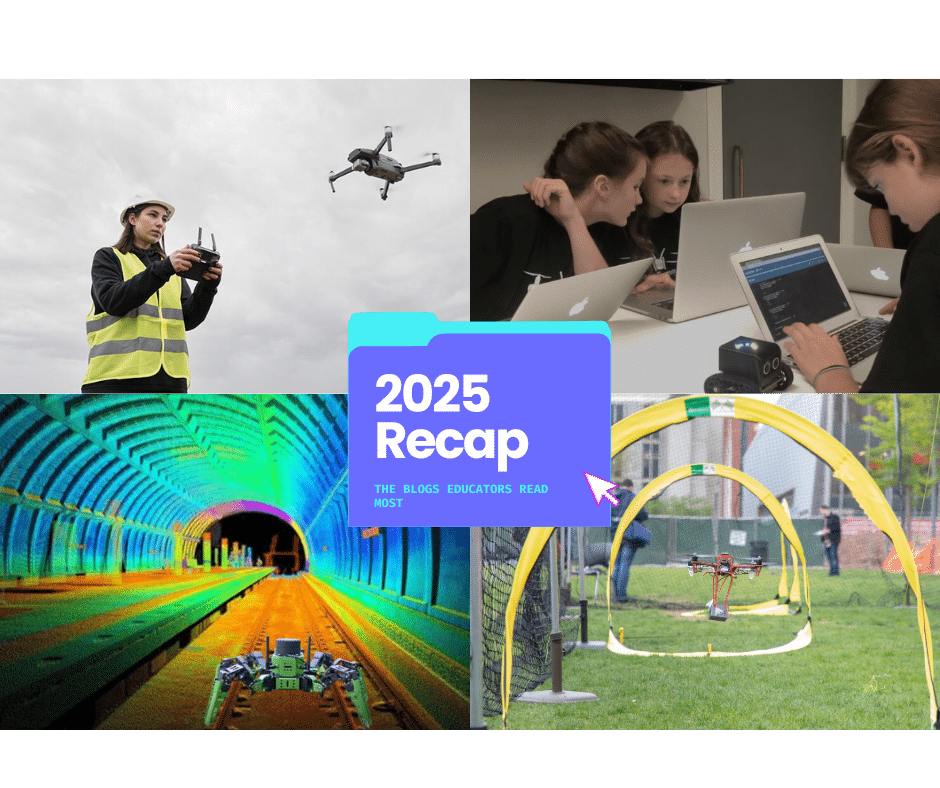
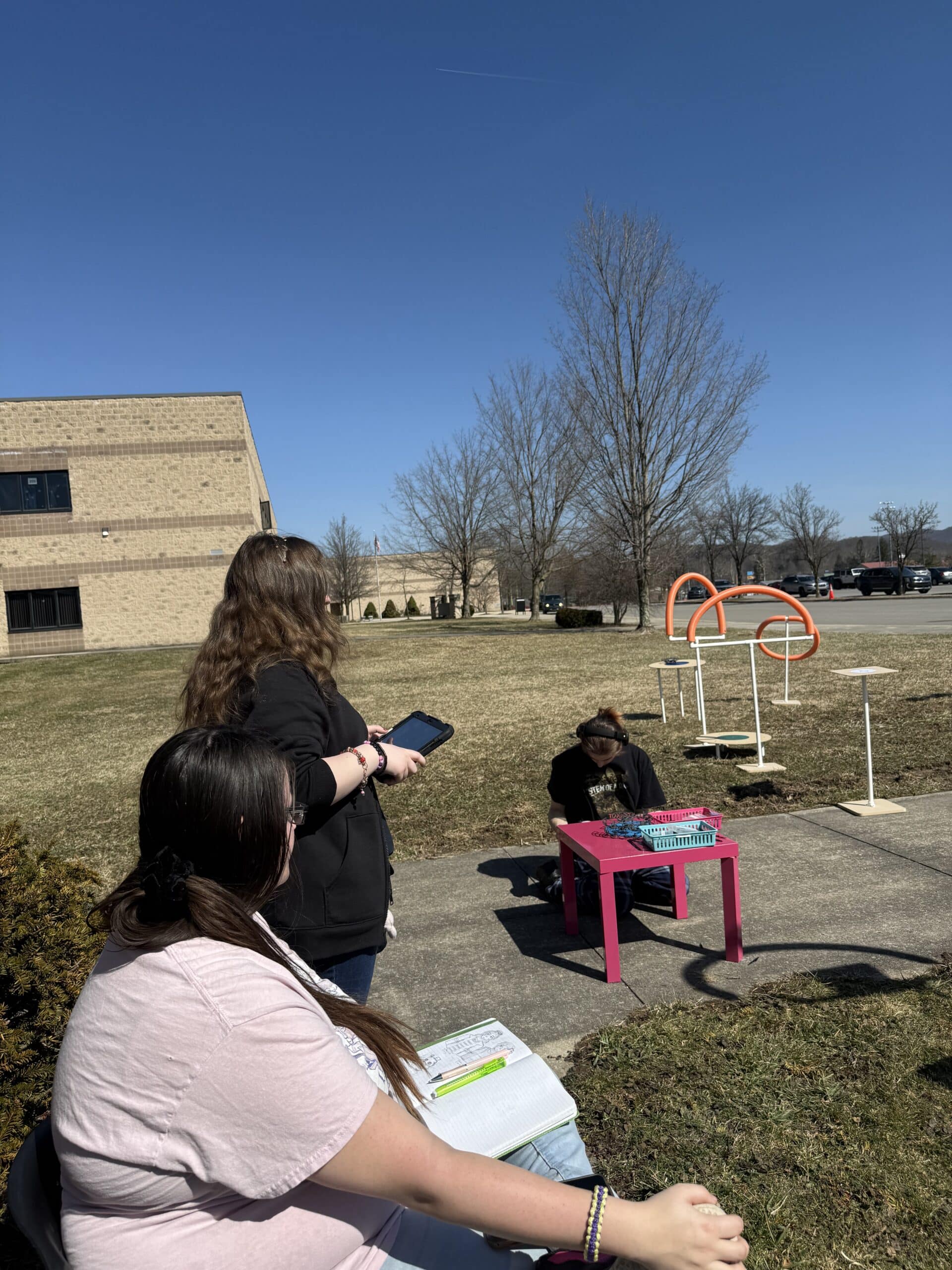
- Programming a drone to fly through an obstacle course
- Designing automated delivery routes
- Creating geometric flight patterns
- Mapping an area using programmed flight paths
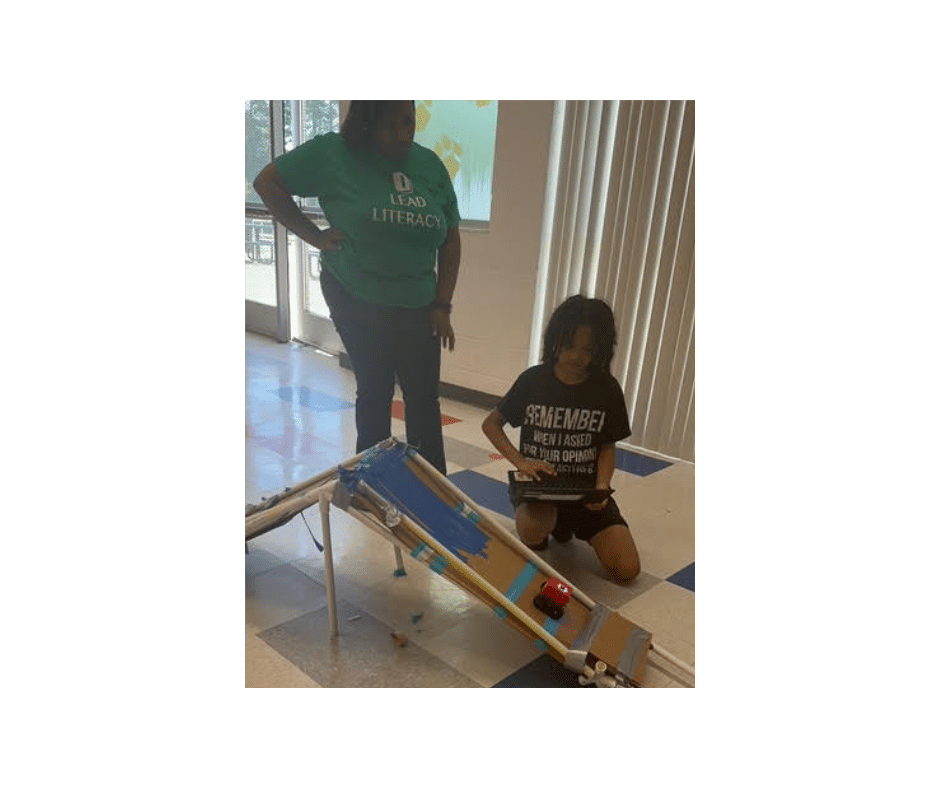
These activities encourage experimentation and problem-solving. Students quickly learn that coding requires testing, debugging, and improving their logic.
This process mirrors how engineers and programmers work in real-world technology development.
Preparing Students for a Growing Technology Field
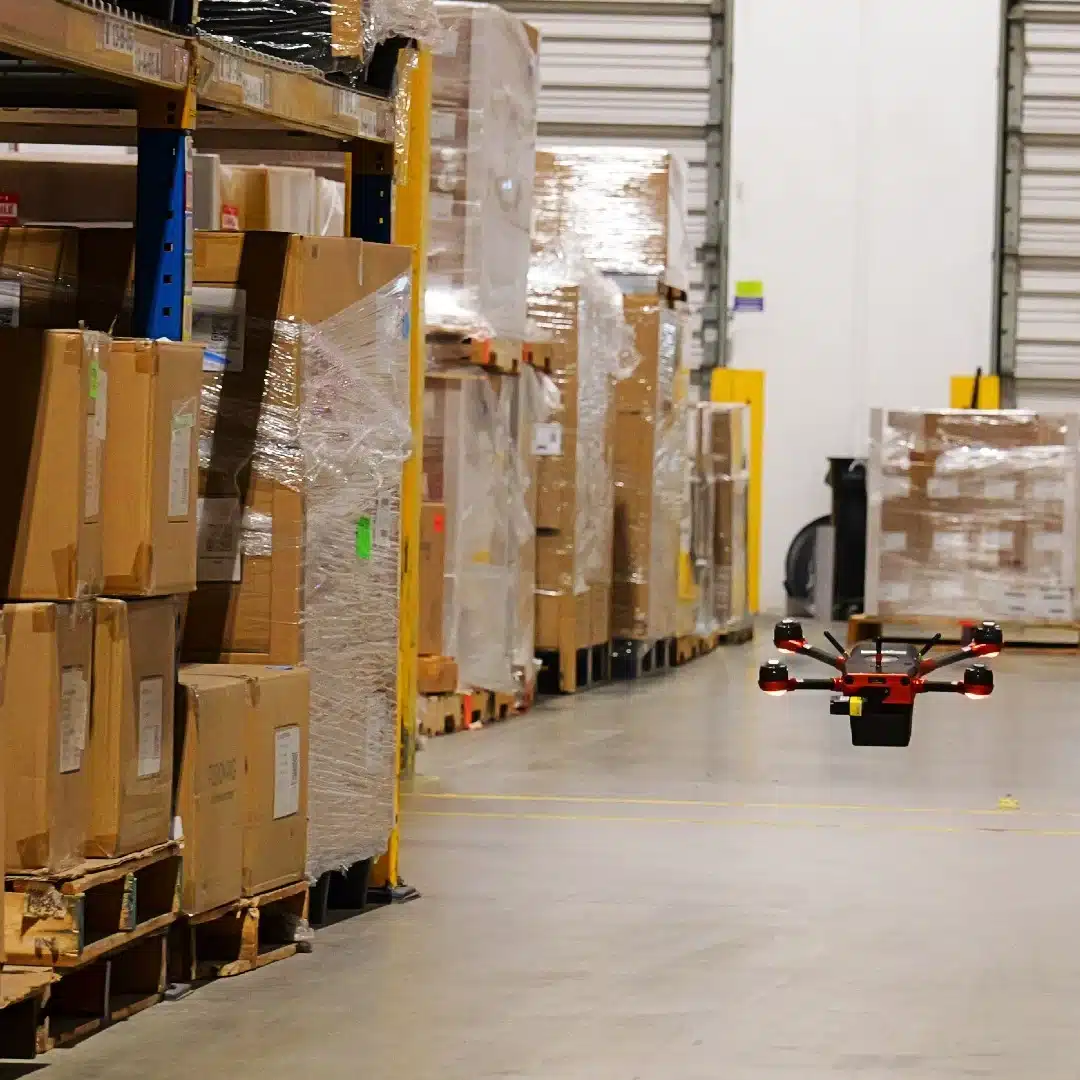
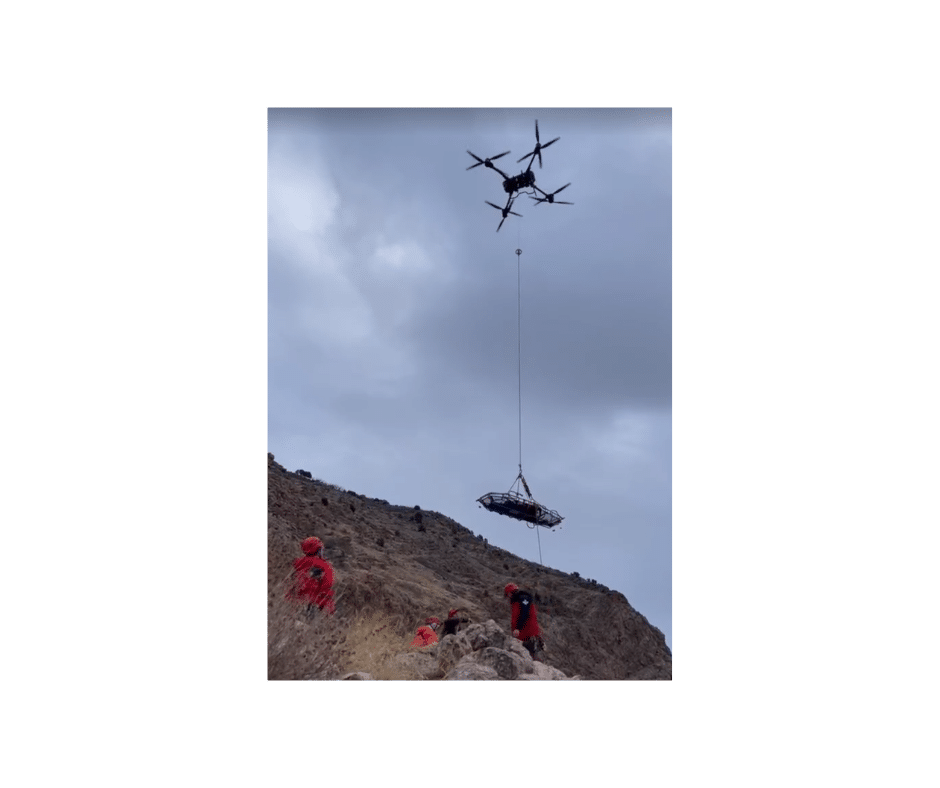
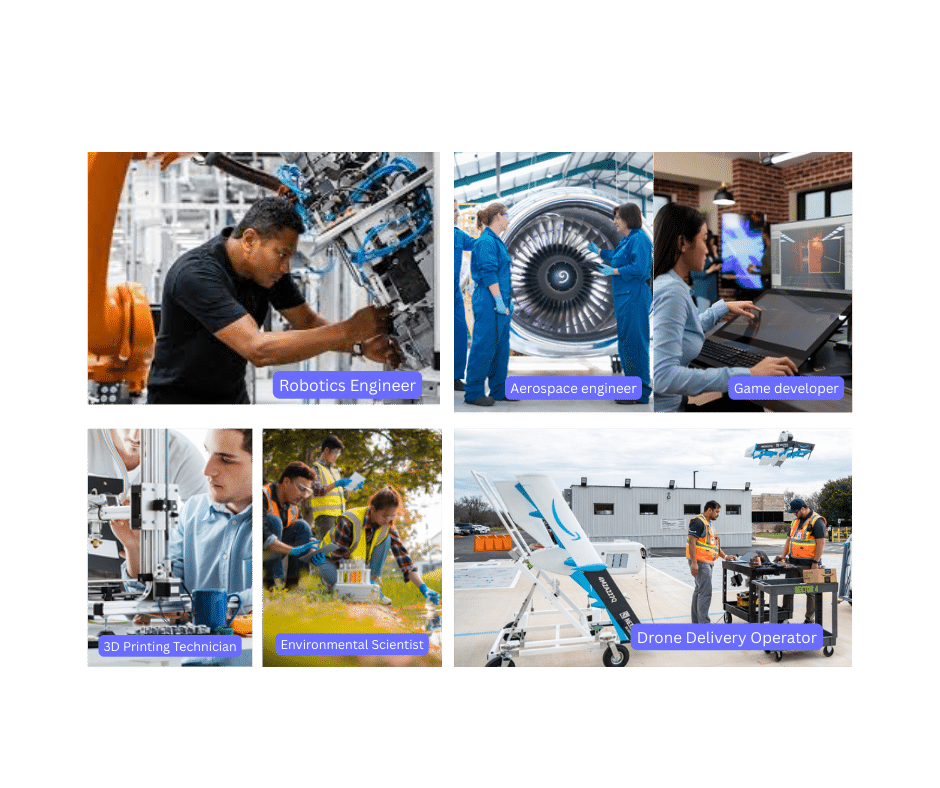
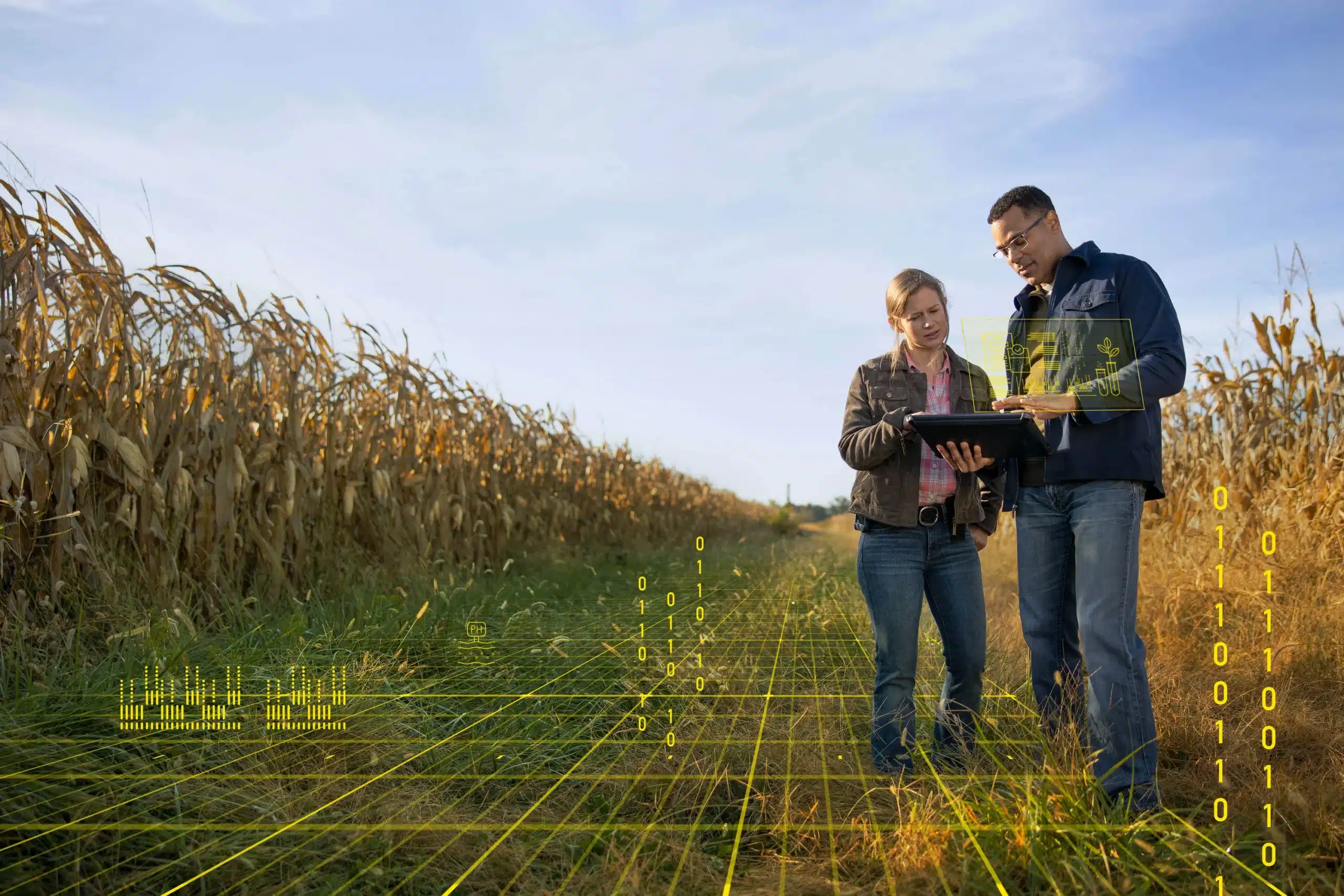
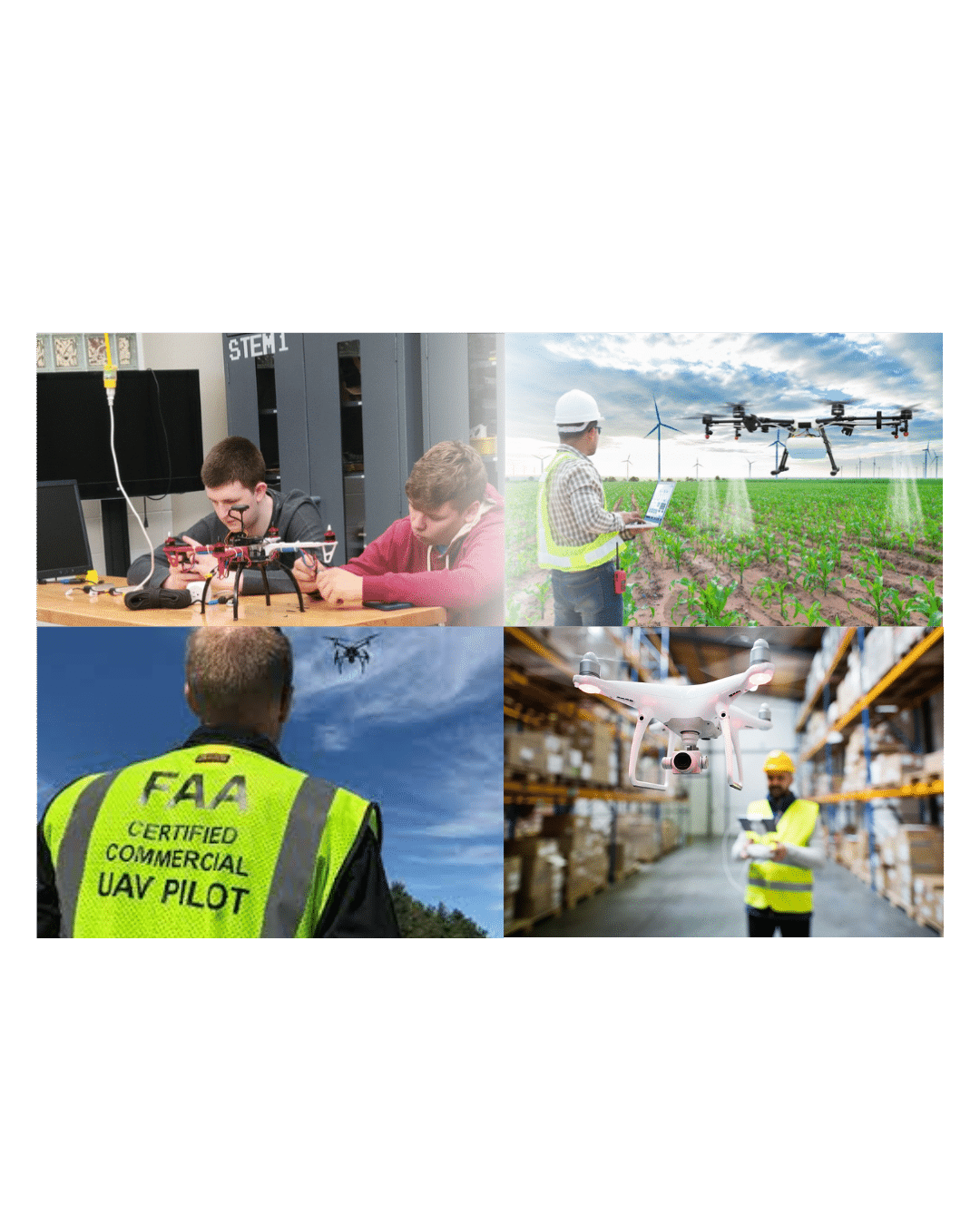
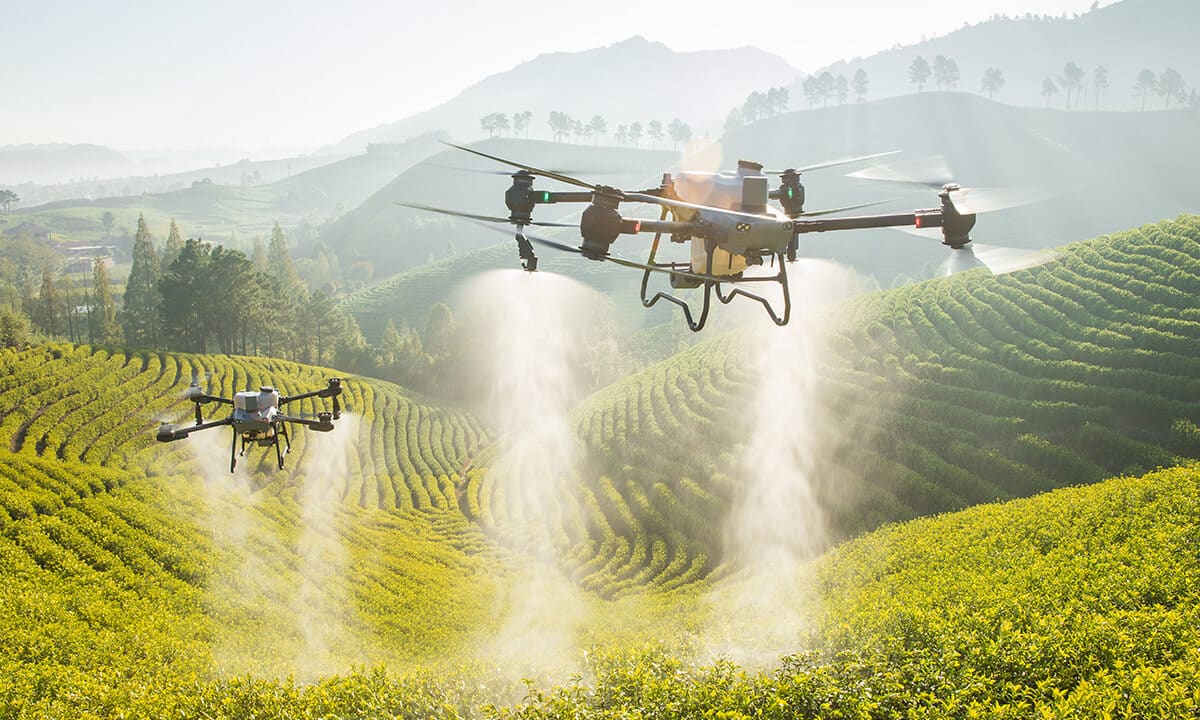
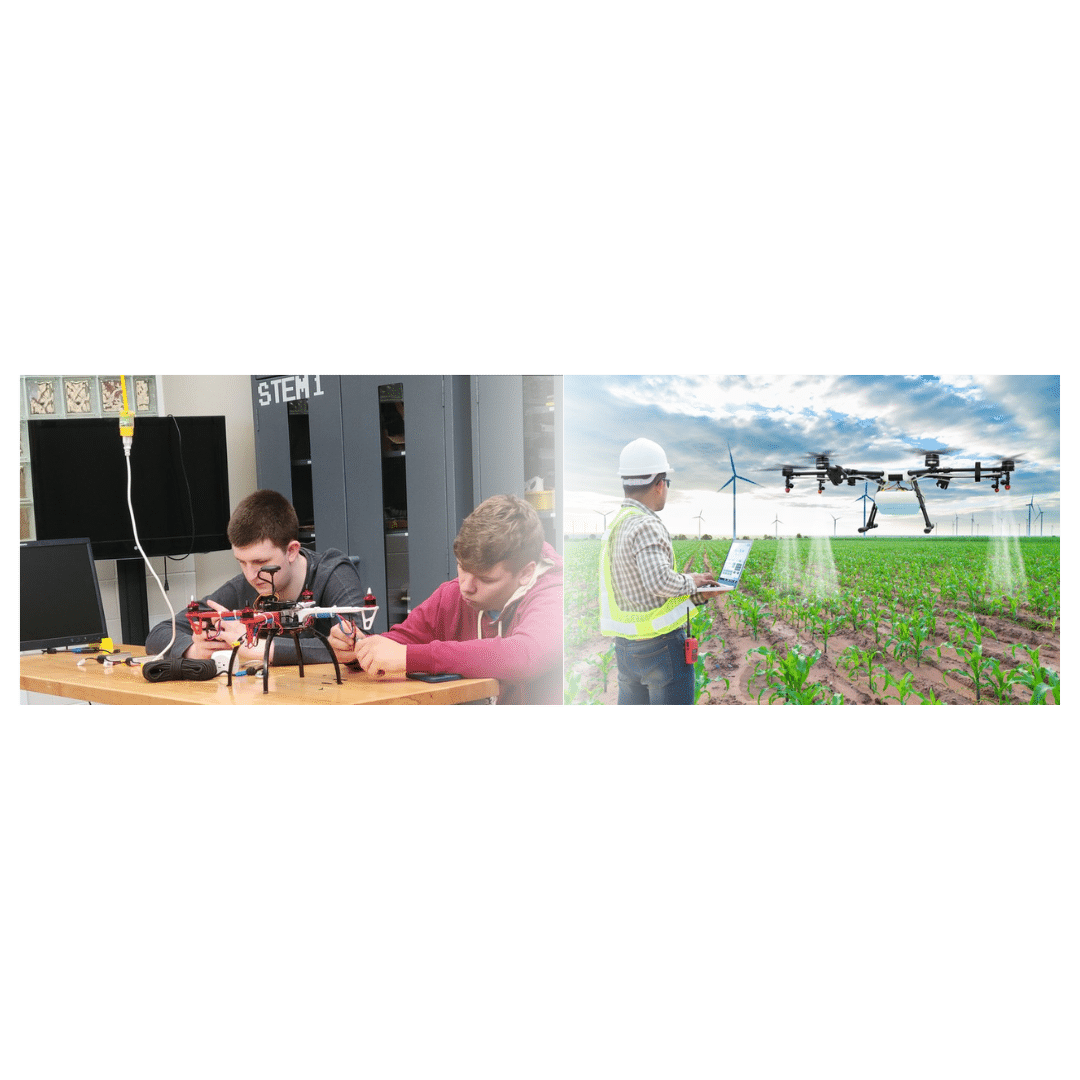
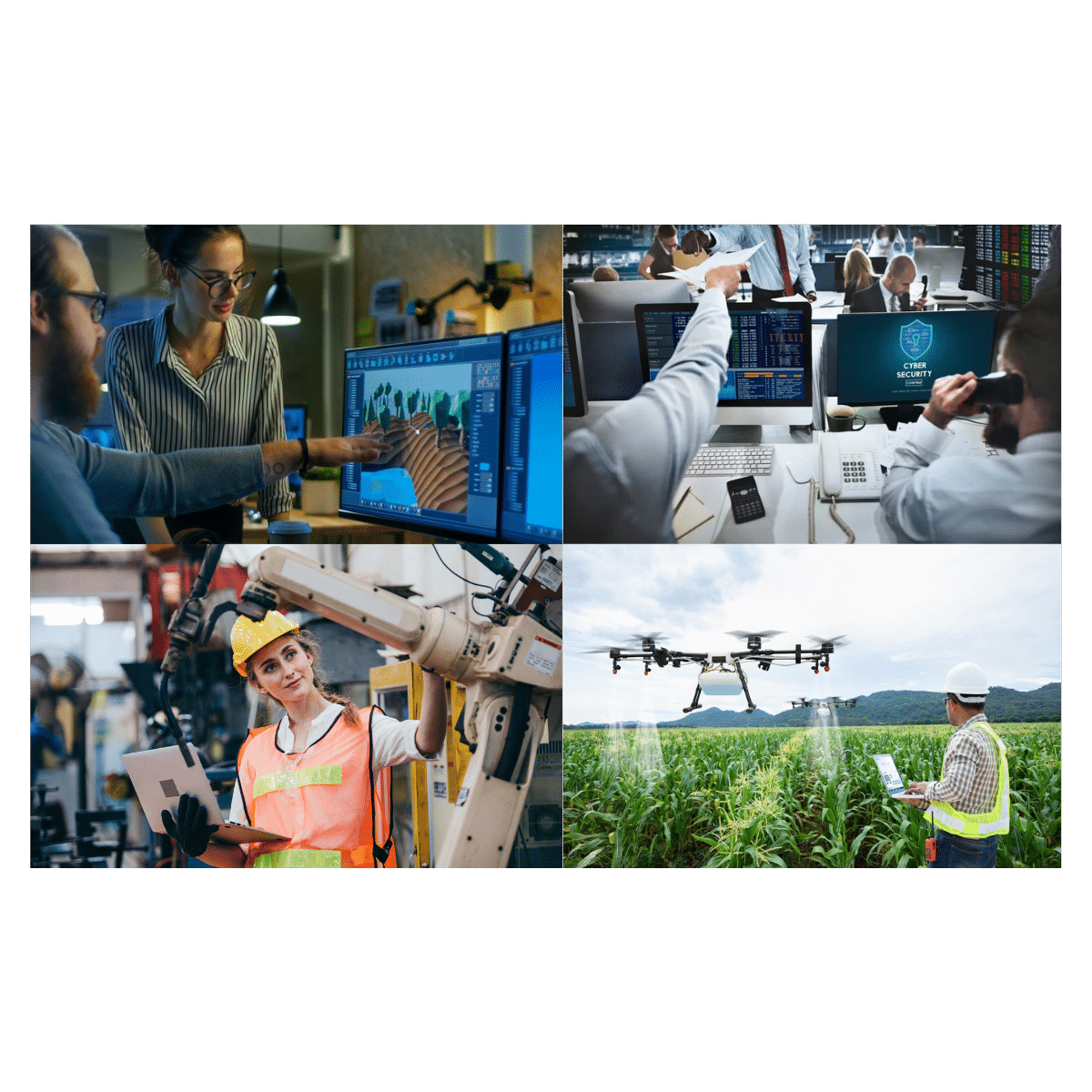
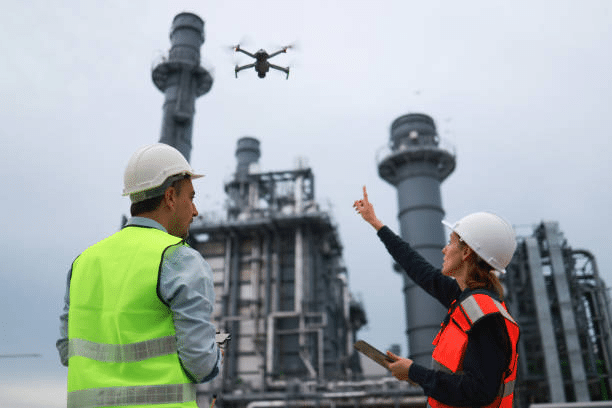
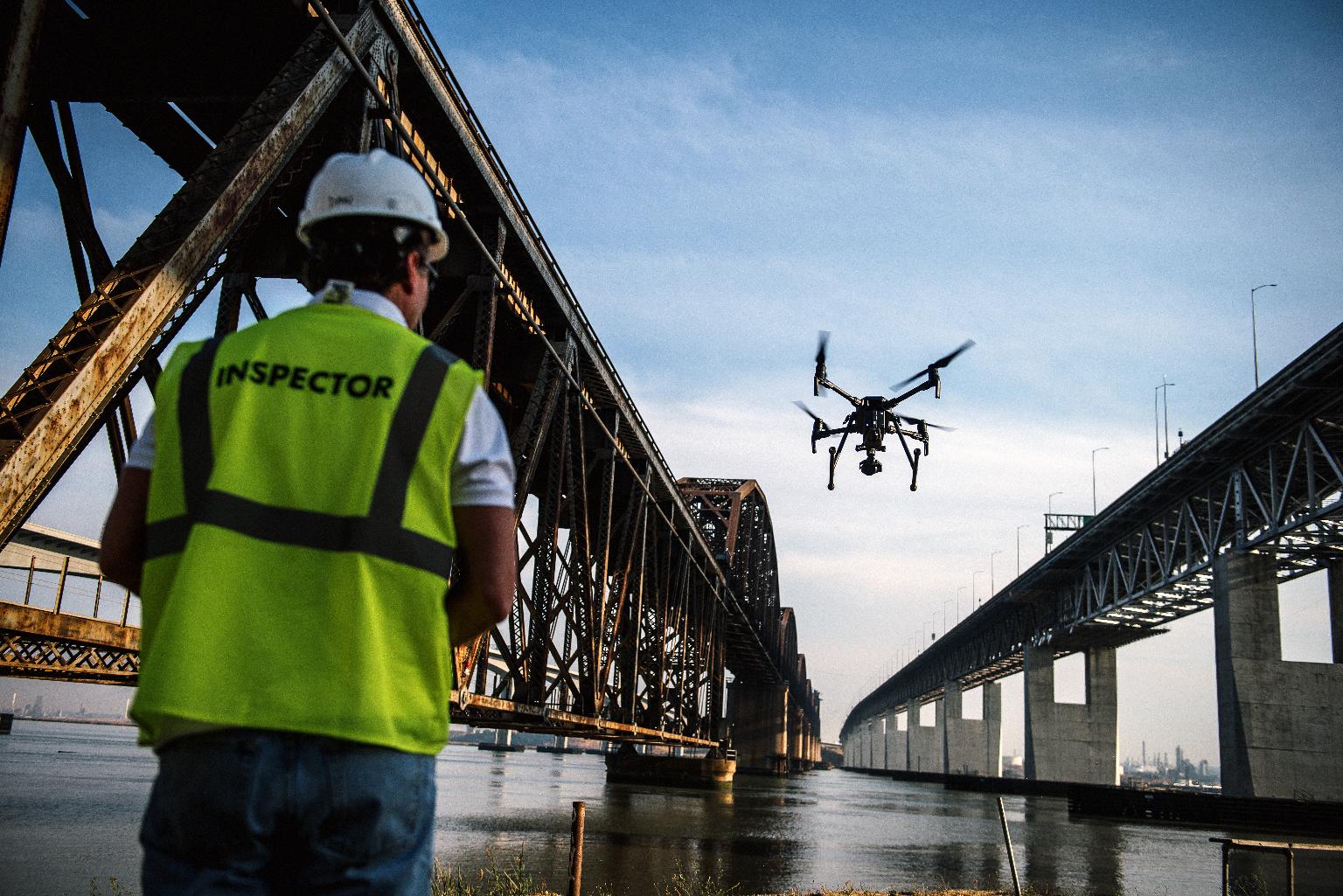
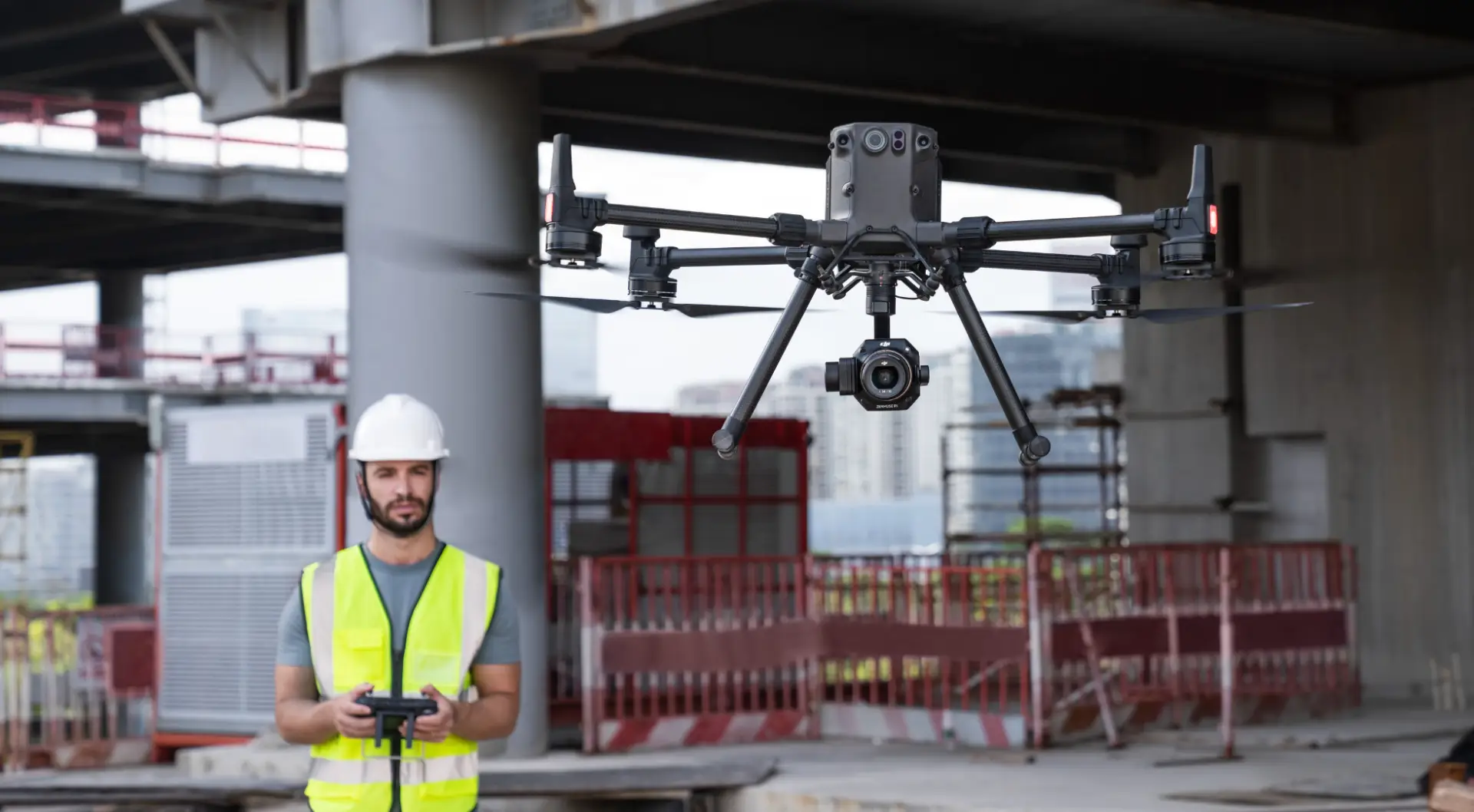
Drone technology is used across many industries today. Agriculture, filmmaking, construction, emergency response, infrastructure inspection, and environmental research all rely on drone systems.
Many of these applications depend on software that controls how drones move, collect data, and make decisions.
By learning drone programming early, students gain exposure to technologies that combine robotics, coding, and data analysis.
More importantly, they begin developing computational thinking skills that apply to many areas of science and technology.
Bring Drone Coding Into the Classroom with LocoRobo
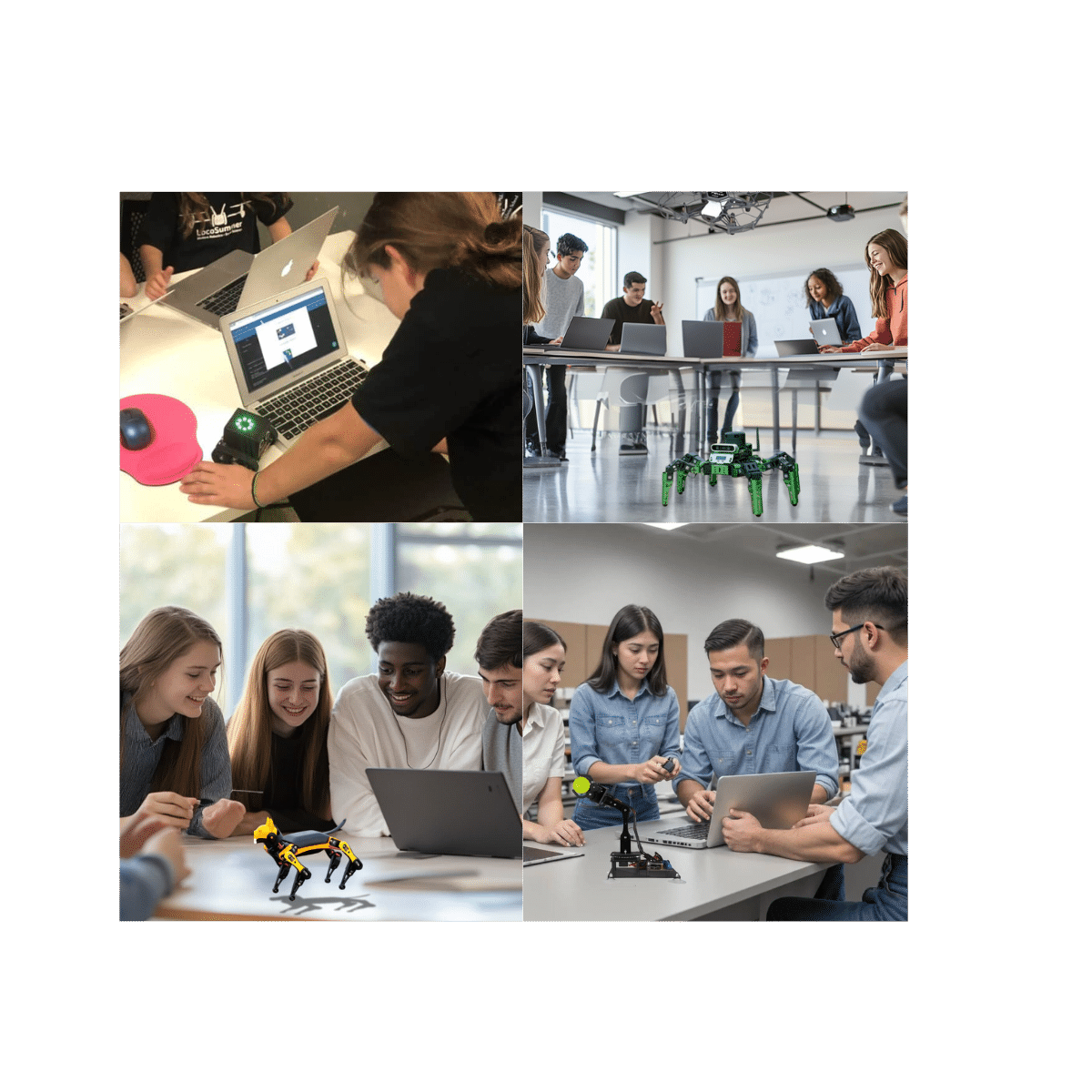
For schools looking to introduce programming through drones, LocoRobo provides a complete drone education solution designed for classrooms.
LocoRobo’s drone programs combine:
- Ready-to-teach drone coding curriculum
- Classroom-tested drone hardware
- Step-by-step drone programming lessons
- Teacher training and implementation support
Students can begin with beginner-friendly flight commands and progress toward more advanced coding projects that involve autonomous flight and real-world problem solving.
Whether educators are launching a new drone program or expanding an existing STEM program, LocoRobo helps make drone coding accessible and structured for students.
Explore LocoRobo’s drone solutions for schools: