
Robotics has become one of the most effective ways to build STEM robotics skills in K-12 classrooms. Instead of learning theory only from textbooks, students interact with robots that respond to code, sensors, and mechanical design.
K–12 robotics programs help students explore how technology works while developing practical skills used in computer science, engineering, and many technical careers. When students program robots and test them, they engage with the same types of challenges professionals solve in the real world.
Here are five ways robotics helps students build meaningful STEM skills.
1. Programming and Computational Thinking with Robotics
Robotics tangibly introduces coding. Students can immediately see how their code affects physical movement, sensors, and behavior.
For example, students may program a robot to:
- Navigate a maze
- Respond to obstacles in real time
- Follow a path using sensors
- Execute a sequence of movements
These activities help students learn key robotics programming concepts such as loops, conditional logic, variables, and debugging. More importantly, students begin developing computational thinking, the ability to break complex problems into manageable steps.
2. Engineering Design and Problem Solving
Robotics projects naturally follow the engineering design process. Students must plan, build, test, and refine their solutions.
A typical classroom robotics challenge might require students to:
- Code a robot that completes a specific task
- Test different programming strategies
- Evaluate performance and make improvements
Through this process, students learn that engineering involves iteration. Not every attempt works the first time. Testing and improving a solution becomes part of the learning experience.
3. Sensors, Data, and Real-World Robotics Systems
Robotics in the classroom introduces students to sensors that measure real-world conditions.
Students can explore technologies such as:
- Distance sensors
- Cameras
- Environmental sensors
- Motion detection
When students collect and analyze sensor data, they begin connecting robotics to broader STEM fields like physics, data science, and automation. This hands-on learning helps students understand how machines interact with their environment.
4. Teamwork and Collaboration
Many robotics activities are designed as group projects. Students must work together to design solutions, divide responsibilities, and troubleshoot problems.
Teams often organize roles such as:
- Programmer
- Mechanical designer
- Project manager
- Data analyst
Working together on robotics challenges helps students practice communication and collaboration, both essential skills in engineering and technology fields.
5. Connecting STEM Learning to Real-World Careers
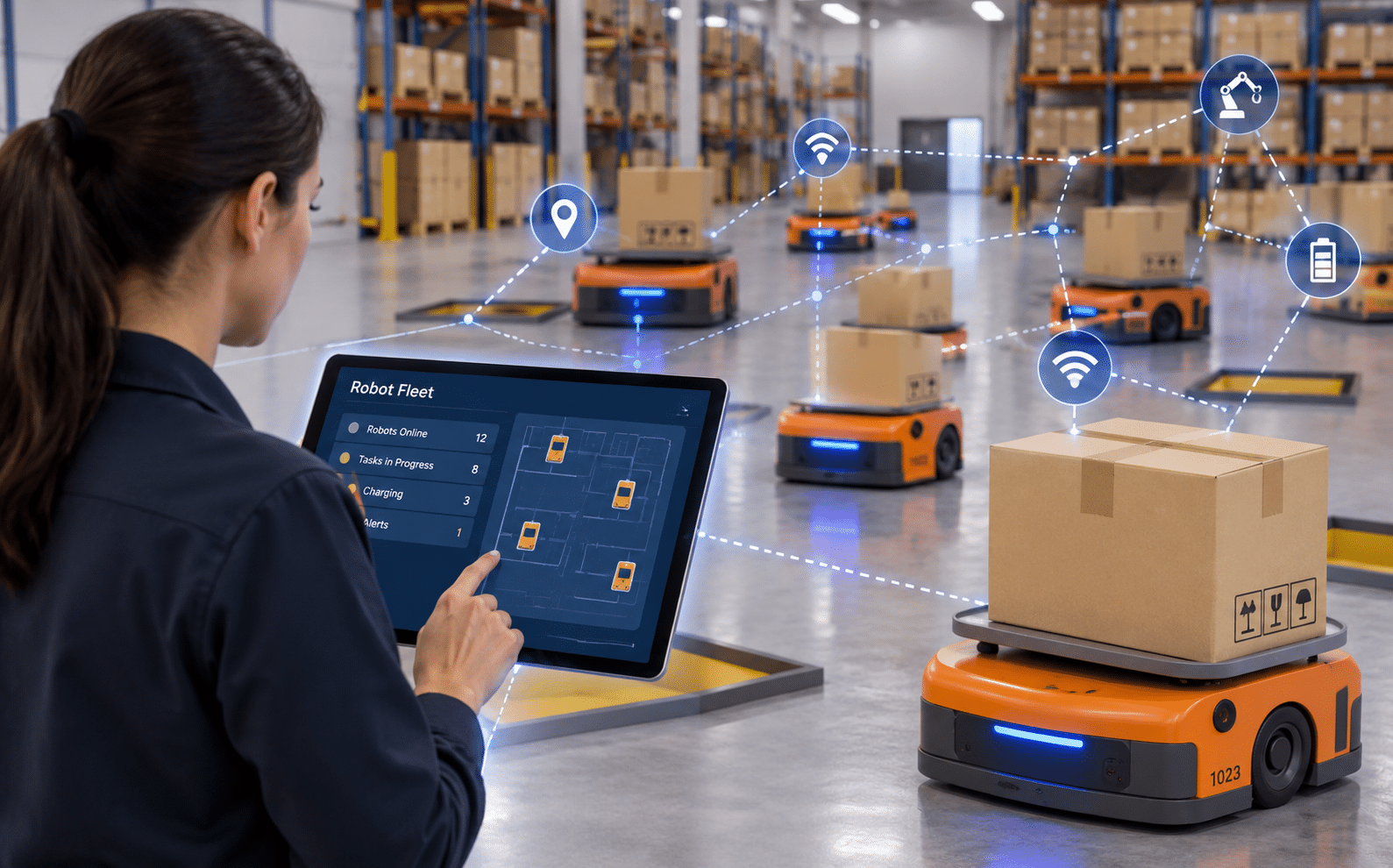
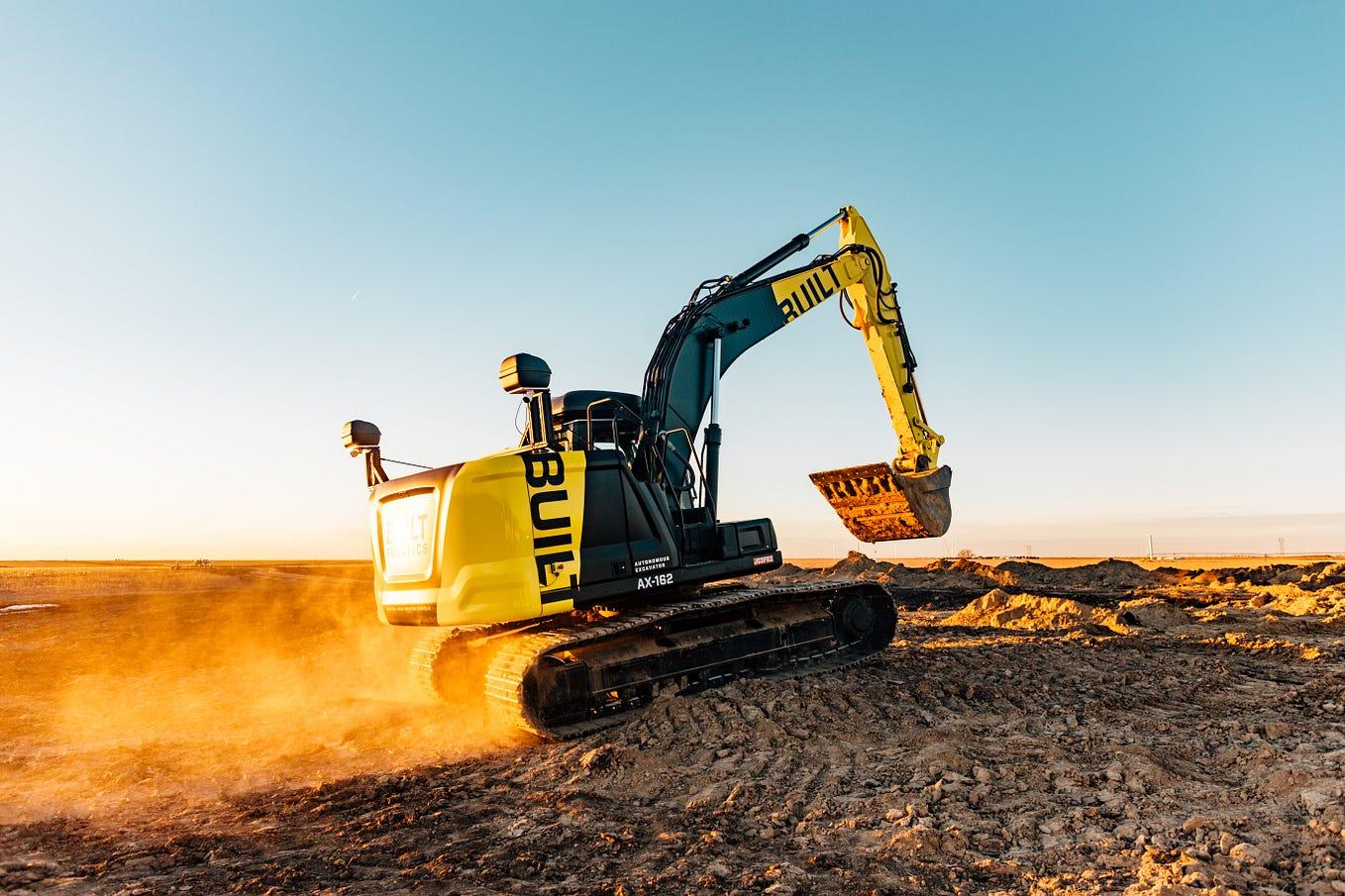
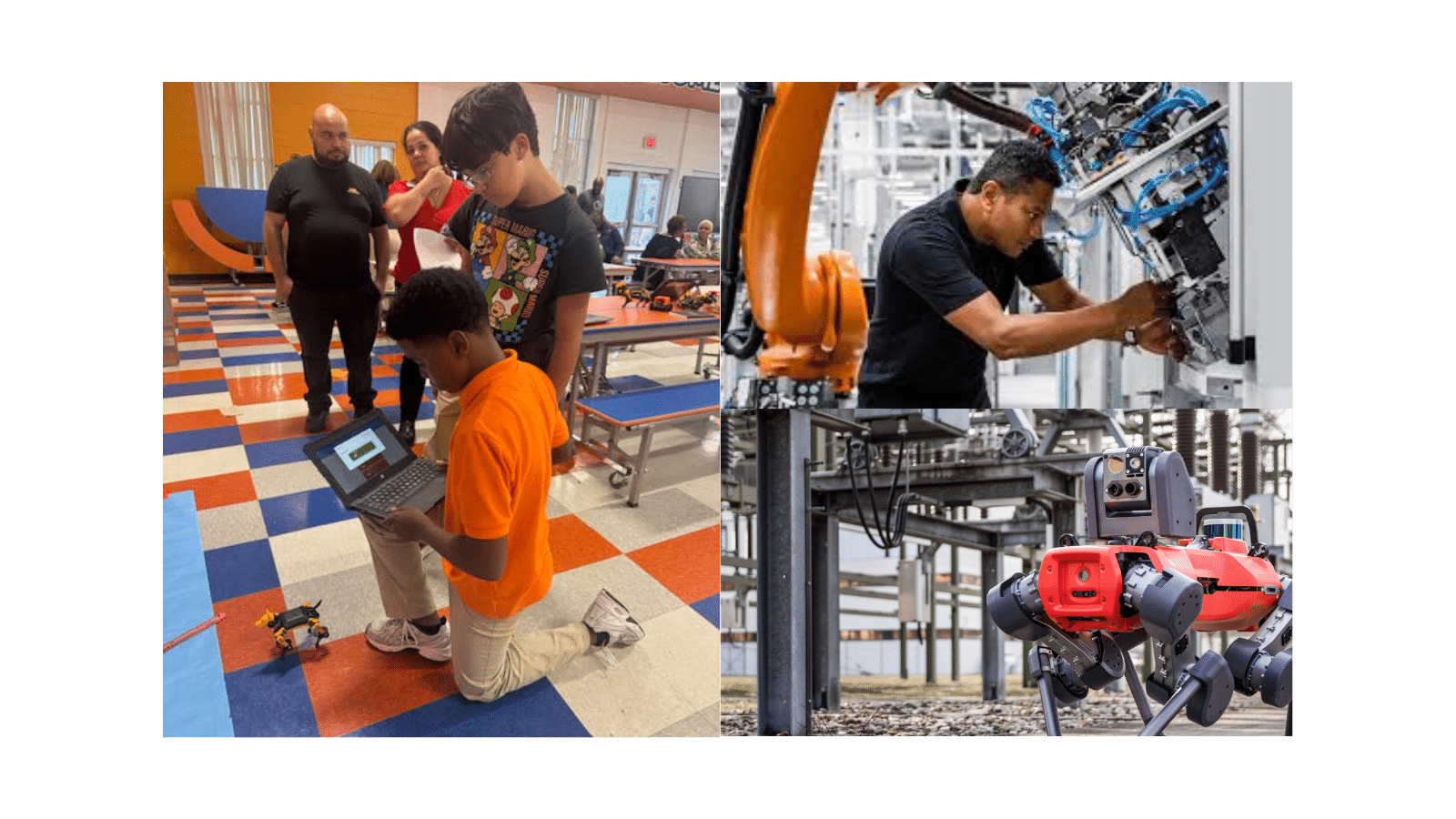
Robotics exposes students to technologies used across many industries. Autonomous systems, sensors, and automation are already shaping fields such as:
- Manufacturing
- Agriculture
- Healthcare
- Logistics
- Environmental monitoring
When students explore robotics in school, they gain early exposure to the types of systems used in modern workplaces. This helps them better understand how STEM subjects connect to real-world applications and future career opportunities.
Bringing Robotics Into the Classroom
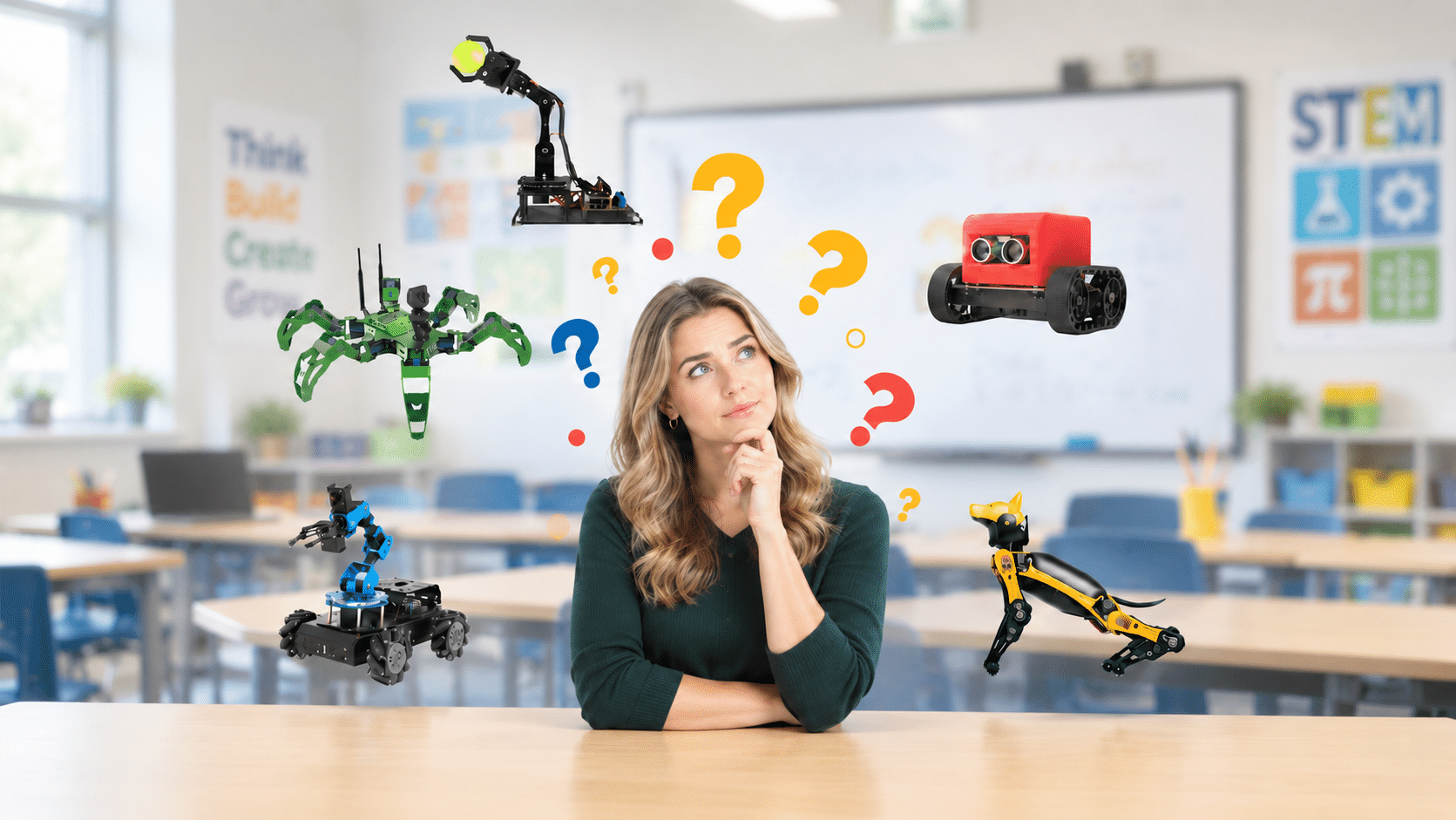
Robotics for STEM work best when schools have access to structured tools, curriculum, and classroom support. Teachers need STEM robotics kits that allow students to explore coding, engineering, and sensor systems without spending excessive time on setup.
LocoRobo’s robotics solutions are designed specifically for K-12 classrooms. Platforms such as LocoXtreme, LocoScout, LocoArm, and LocoHex combine robotics hardware, coding environments, and ready-to-teach curriculum that help educators introduce robotics in a structured way with support they can count on.
Schools use these platforms to build hands-on STEM programs where students can explore automation, robotics engineering, and real-world problem solving.
Learn more about how schools are introducing robotics into STEM classrooms.