
CTE has traditionally been associated with high school pathways. In Ohio, that is beginning to change. New state expectations are placing a stronger emphasis on career awareness and technical exposure earlier in a student’s education, including the middle school years.
For middle schools, this shift is not simply about adding a new class. It requires schools to rethink how students are introduced to technology, applied learning, and careers before they reach high school CTE programs.
Understanding what the 2026 Ohio CTE requirement means can help middle school leaders prepare their programs in a practical, sustainable way.
Why Ohio Is Expanding CTE Earlier
Ohio’s workforce strategy has increasingly focused on preparing students for technical careers, advanced manufacturing, computing, and emerging technologies. Many high school CTE programs already offer strong pathways, but state leaders recognized a challenge.
Students often enter high school without a clear understanding of:
- What CTE pathways exist
- Which programs they might want to pursue
- How technical careers connect to STEM subjects
Introducing career exploration earlier helps students make more informed choices when selecting high school pathways.
Middle schools therefore play a new role: helping students explore fields like engineering, robotics, computer science, aviation, and AI before they reach formal CTE programs.
What the Requirement Means for Middle School Programs
While specific implementation details may vary by district, the overall expectation is clear: students should gain structured exposure to career-connected learning before high school.
For many schools, this may involve introducing:
- Career awareness programs tied to technical fields
- Technology exploration courses
- STEM and engineering electives
- Project-based learning connected to real industries
This does not necessarily mean building a full CTE program at the middle school level. Instead, schools are encouraged to provide hands-on learning that introduce technical concepts and career pathways.
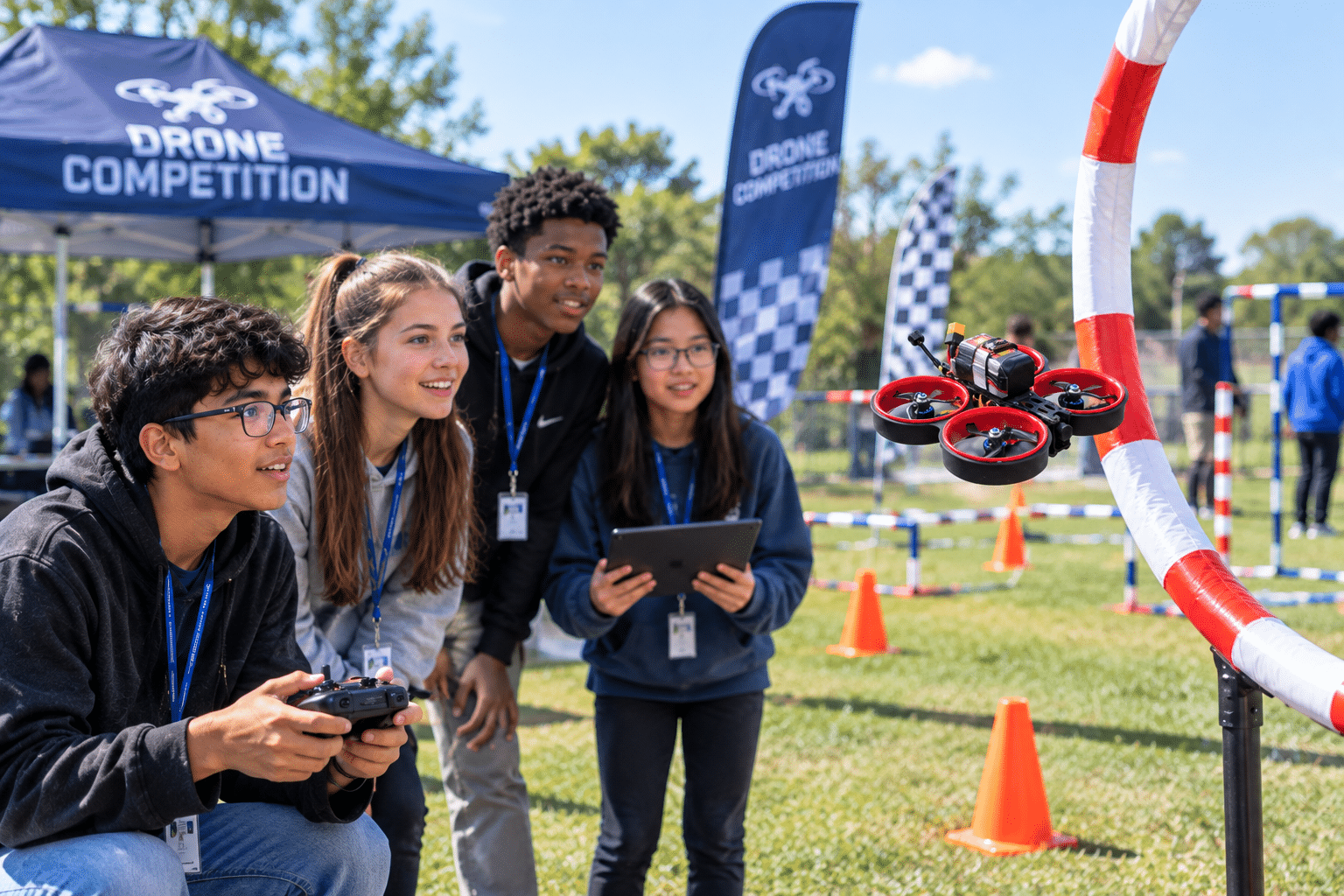
Programs that integrate drones, robotics, AI, and engineering challenges are increasingly used to support this type of exploration.
The Role of Hands-On Learning
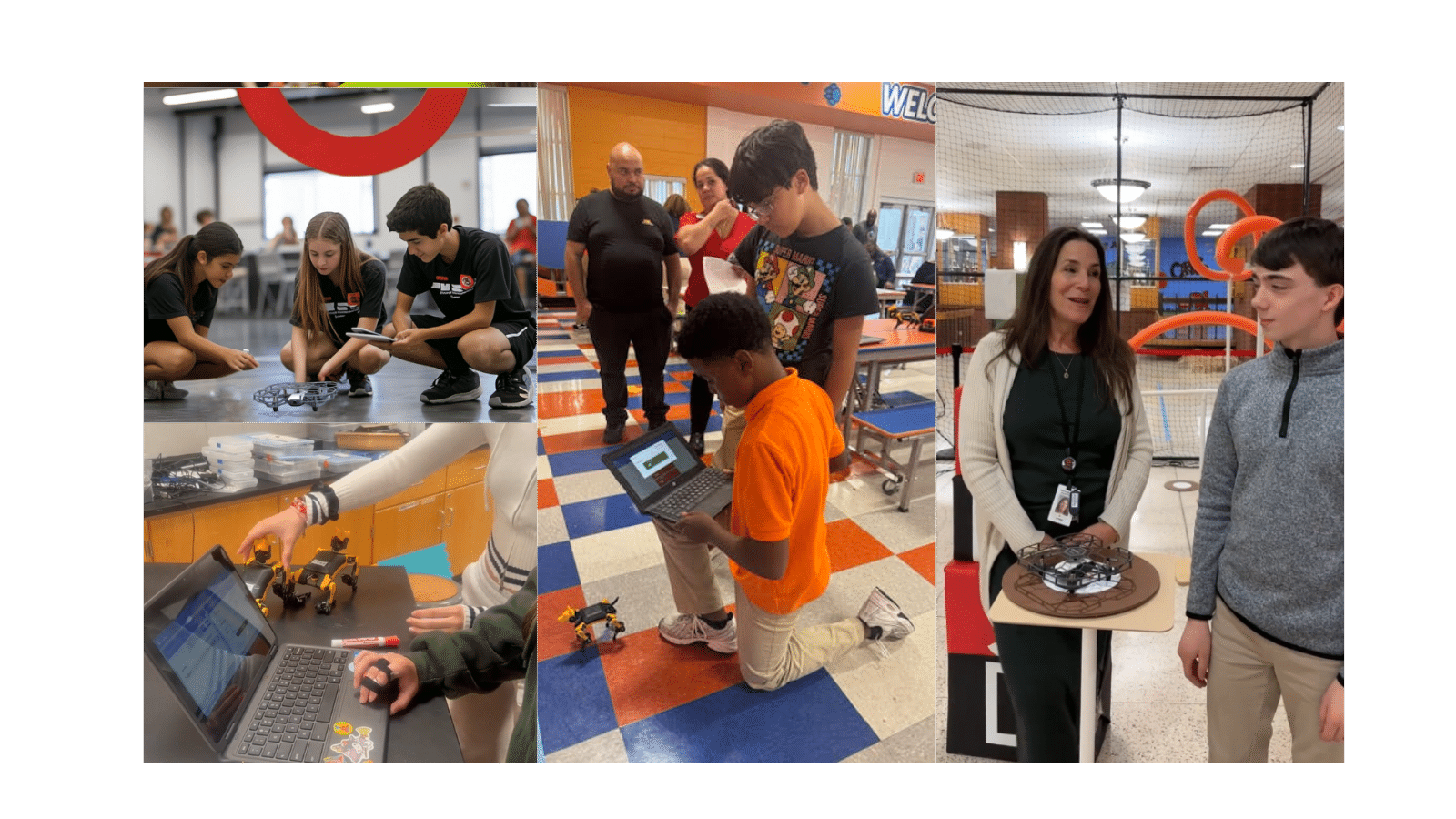
Middle school students learn best when they can experiment, build, and test ideas directly. This is one reason hands-on STEM programs are becoming a central part of early CTE exposure.
Rather than learning about technology through lectures alone, students can explore concepts through activities such as:
- Programming a robot to navigate a course
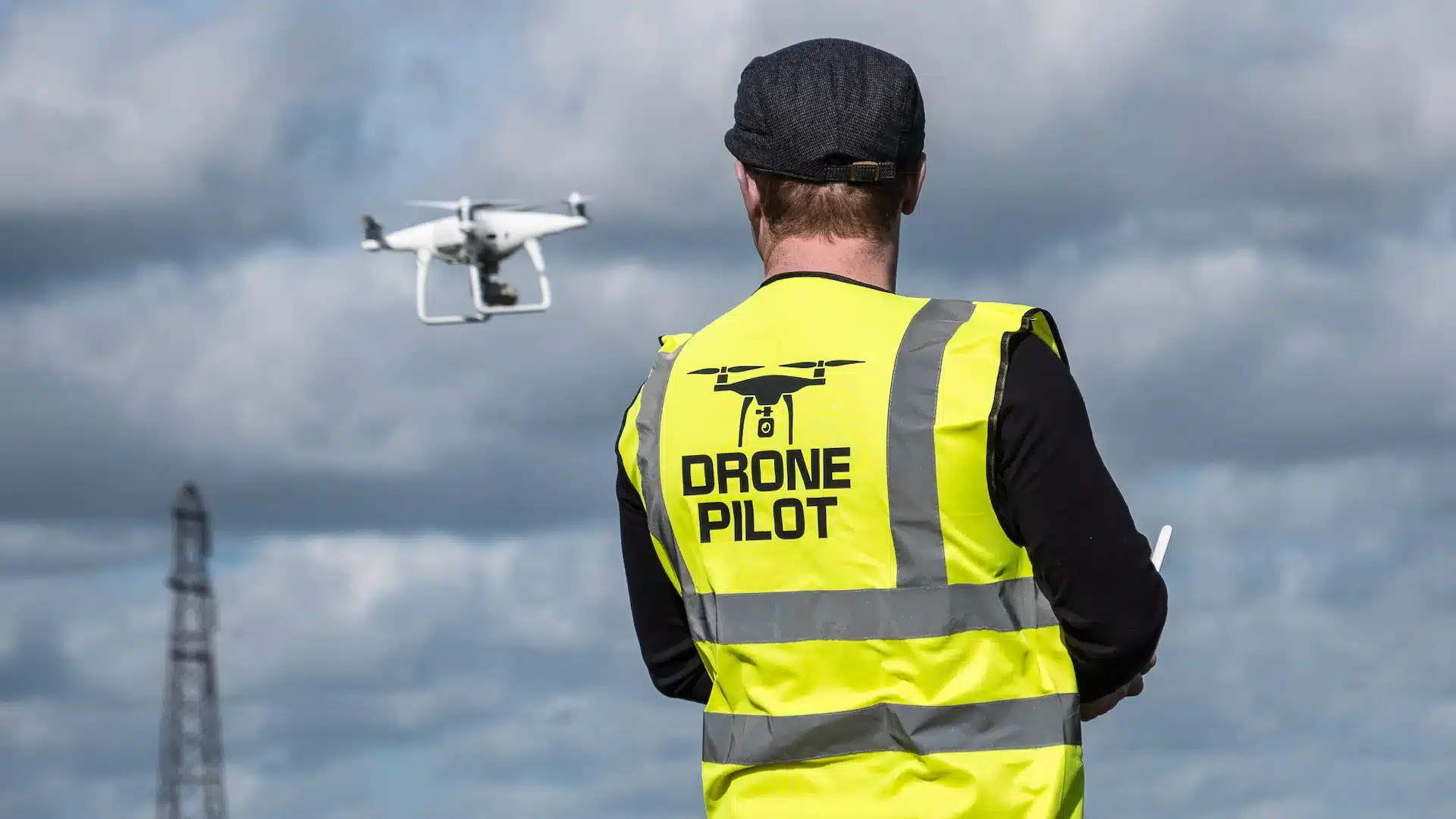
- Coding a drone to collect and analyze data
- Designing automated systems with sensors
- Building and testing engineering prototypes
These experiences help students connect classroom concepts in math, science, and computer science to real technical applications.
They also give students a better understanding of the types of careers that exist within modern STEM industries.
Preparing Students for High School CTE Pathways
One of the most important goals of early career exploration is helping students enter high school ready to choose a pathway that fits their interests.
When middle school programs introduce foundational skills in robotics, coding, and engineering, students arrive in high school CTE courses with greater confidence and curiosity.
Schools that introduce technology exploration earlier often see:
- Increased enrollment in high school CTE programs
- Stronger student engagement in STEM subjects
- More students pursuing technical career pathways
This early exposure can also help districts build a clearer pipeline from middle school exploration to high school specialization.
What Schools Should Consider When Planning
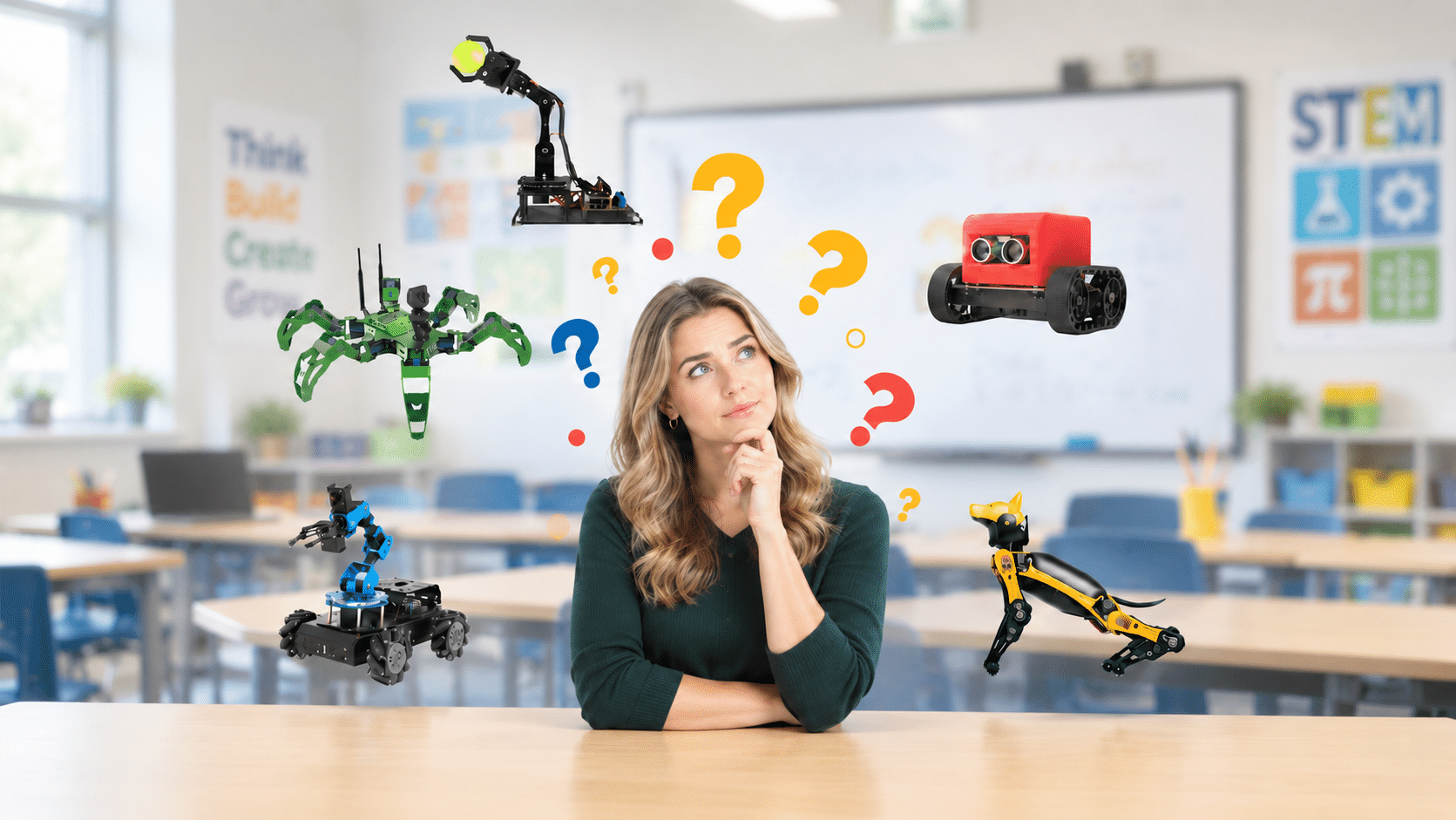
For administrators and teachers, the new expectations raise practical questions:
- What technologies should we introduce at the middle school level?
- How can programs be implemented without creating extra workload?
- How do we align middle school programs with high school CTE pathways?
- What resources and curriculum support will teachers need?
Successful programs usually focus on structured platforms that combine hardware, curriculum, and teacher support, allowing educators to introduce technical topics without needing to design an entire program from scratch and focusing on what they do best.
Planning early can help schools introduce programs that fit within existing STEM classes, electives, or exploratory technology courses.
How LocoRobo Helps Schools Build Early CTE Pathways
LocoRobo works with schools across the country to introduce hands-on STEM and CTE programs that connect robotics, drones, AI, and engineering to real-world careers.
These programs are designed to support middle school exploration as well as high school pathway development, helping districts create a structured progression from early exposure to advanced technical skills.
By combining robotics platforms, coding tools, and ready-to-teach curriculum, schools can introduce students to the kinds of technologies they may later pursue in formal CTE pathways.
Plan Your CTE Program with LocoRobo
If your district is preparing for Ohio’s evolving CTE expectations, planning early can make the process much smoother.
We have created a CTE Program Planning Guide to help schools map out technology pathways, explore implementation strategies, and identify the resources needed to launch or expand STEM and CTE programs.
Request the CTE Program Planning Guide to get started or get in touch with the LocoRobo team to discuss how your school can build a structured STEM and CTE pathway aligned with Ohio’s new expectations.