
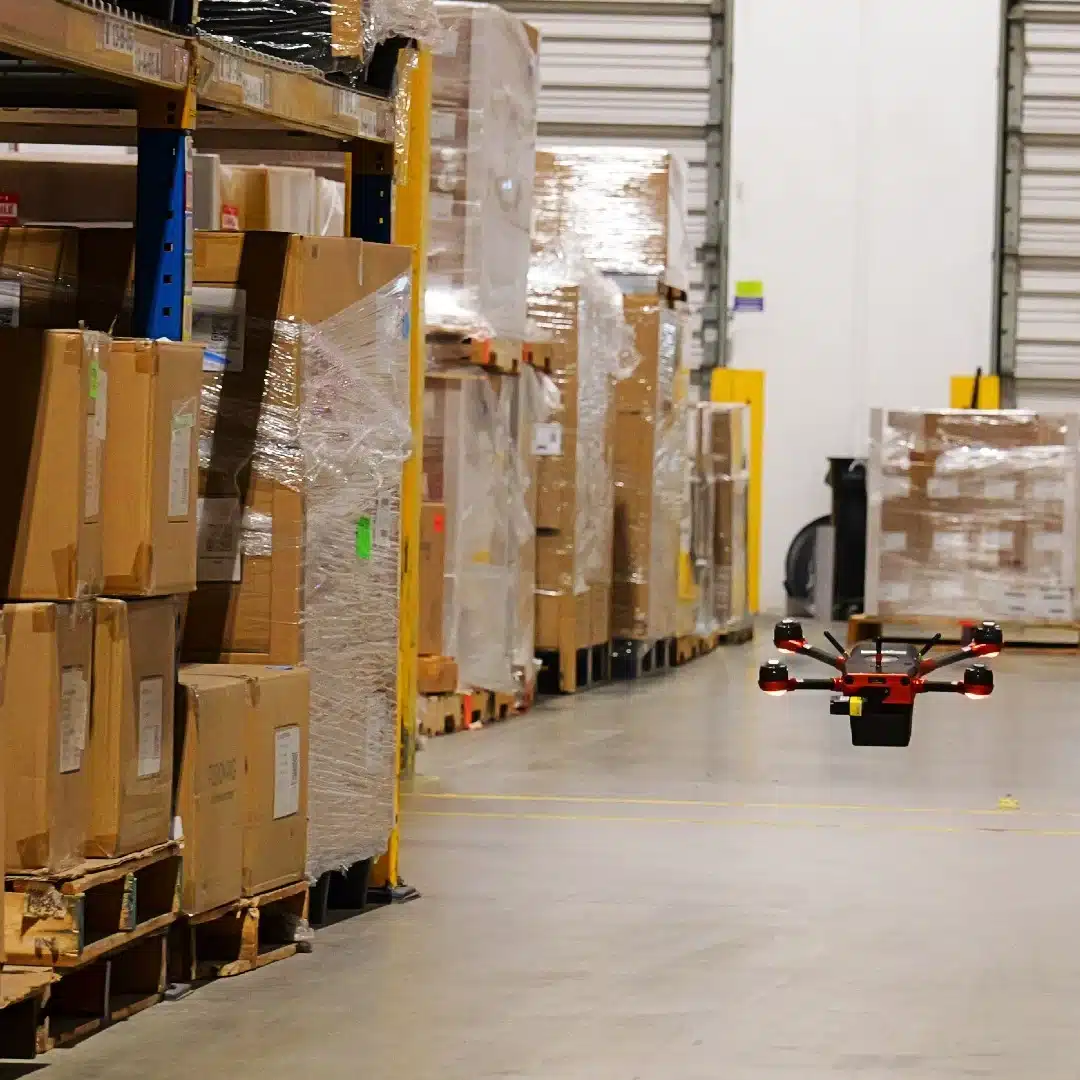
Autonomous drones are beginning to reshape how warehouses operate. A recent deployment by Corvus Robotics at the global headquarters of Dermalogica shows how artificial intelligence, aerial robotics, and computer vision are improving inventory management in modern supply chains.
At Dermalogica’s distribution center in Carson, California, Corvus deployed its Corvus One autonomous inventory drone system to conduct routine warehouse scans. Instead of relying on manual counting processes that can take weeks, the drone now performs automated scans throughout the year, giving the company continuous visibility into inventory levels.
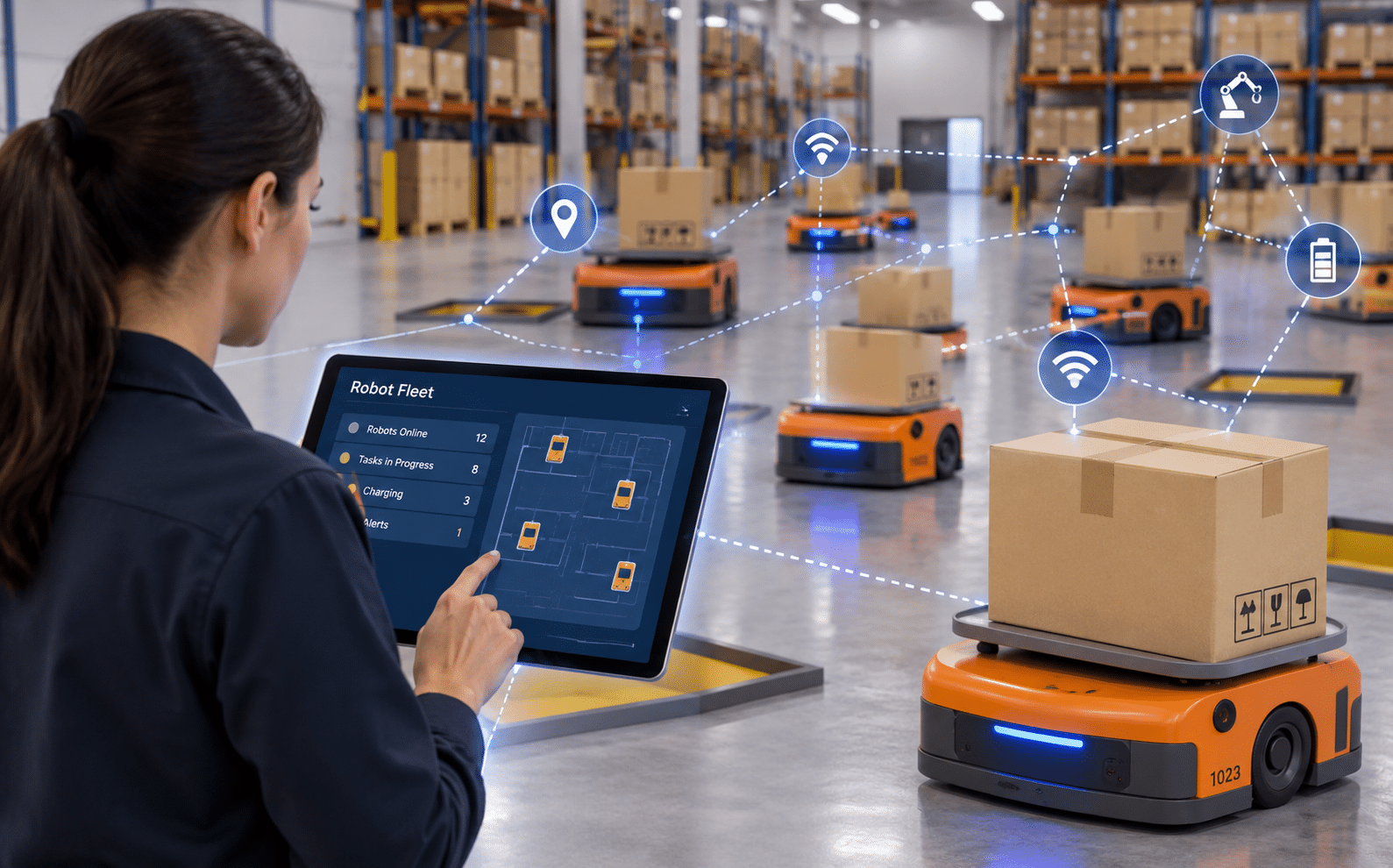
The deployment highlights a broader shift toward AI-powered robotics in logistics, where autonomous systems help companies reduce labor demands, maintain accuracy, and operate more efficiently.
The Challenge: Manual Inventory Counting
Large warehouses hold thousands of pallets and products. Keeping track of them is essential for operations such as shipping, forecasting, and manufacturing planning.
Before implementing the autonomous drone system, Dermalogica relied on traditional manual cycle counting. This process required a dedicated employee to move through the warehouse and verify inventory.
The challenges included:
- A full warehouse count could take up to two months
- Errors or missing items could affect sales forecasts and production planning
- Inventory validation happened infrequently
- Staff time was tied up performing repetitive counting tasks
For companies that operate on tight supply forecasts, even small inventory inaccuracies can lead to lost revenue or delayed shipments.
The Solution: Autonomous Inventory Drones
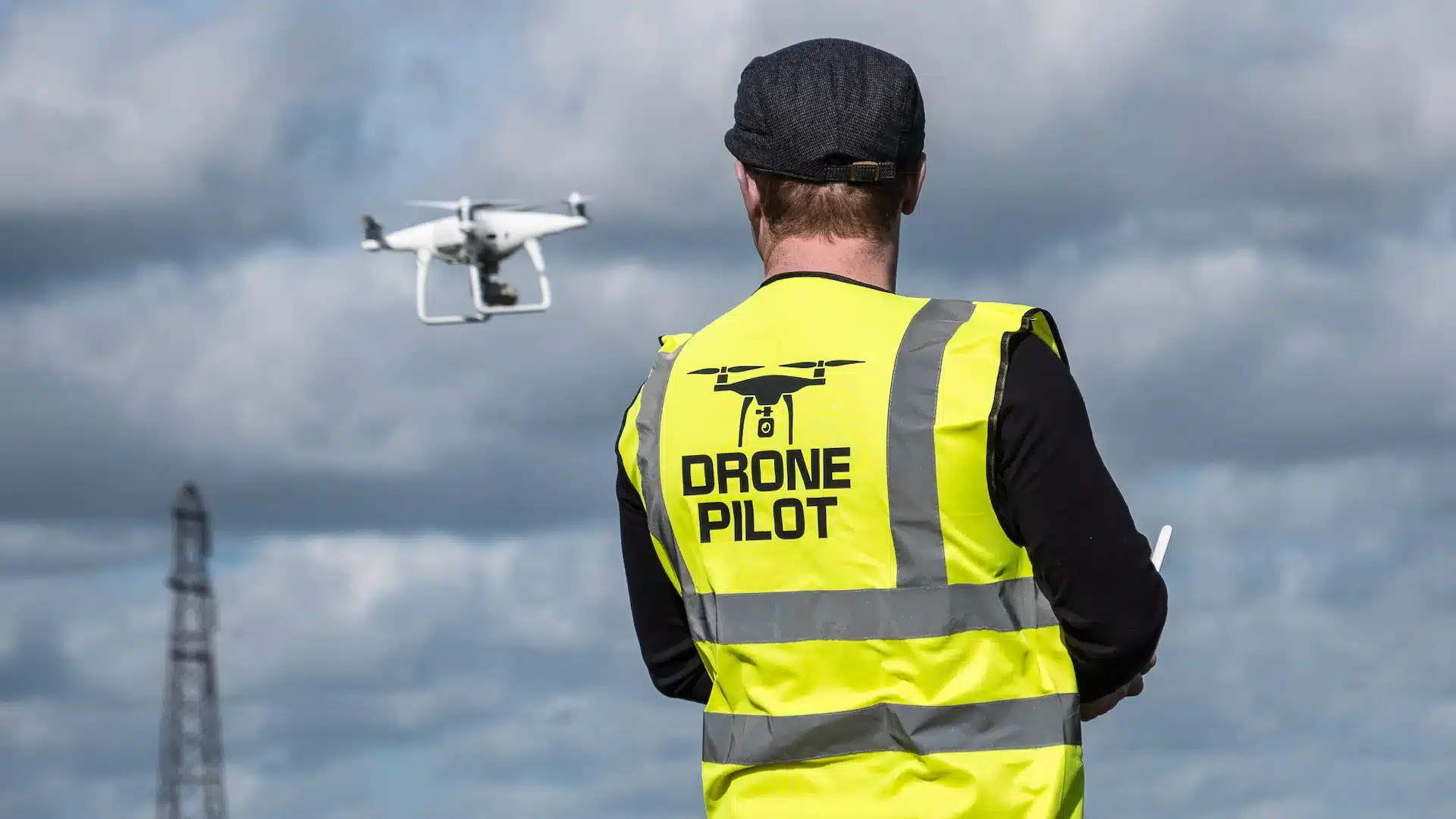
Corvus Robotics introduced the Corvus One system , a fully autonomous drone platform designed specifically for warehouse inventory monitoring.
Unlike many drone systems that require pilots or infrastructure changes, Corvus One operates using:
- Computer vision navigation
- Onboard artificial intelligence
- Autonomous indoor flight
- High-resolution inventory imaging
The drones fly through warehouse aisles outside of active picking hours, capturing detailed images of inventory locations. This information is then integrated into the company’s warehouse management workflows.
One major advantage of the system is that no infrastructure modifications were required, and the deployment was completed without shutting down warehouse operations.
The Impact: Faster, Smarter Inventory Management
After deployment, Dermalogica saw measurable operational improvements.
120 Labor Hours Reallocated Monthly
Time previously spent on inventory counting has been redirected toward higher-value operational work.
600% Increase in Inventory Imaging Frequency
The warehouse is now scanned 52 times per year, dramatically increasing visibility compared to manual cycle counting.
Improved Inventory Accuracy
Frequent validation reduces the risk of missing or misplaced inventory.
Stronger Forecast Alignment
With more reliable inventory data, teams can better coordinate manufacturing, sales forecasting, and distribution.
For a global brand distributing products through retail, wholesale, and e-commerce channels, these improvements help protect revenue and improve customer fulfillment.
Why Autonomous Systems Are Becoming Standard in Warehouses
The Dermalogica deployment illustrates a growing trend across manufacturing and logistics: autonomous robotics operating alongside human workers.
Rather than replacing employees, these systems handle repetitive monitoring tasks while staff focus on decision-making and operational improvements.
Autonomous warehouse drones offer several advantages:
- Continuous facility visibility
- Data-driven warehouse planning
- Reduced dependency on manual counting
- Scalable operations without increasing labor
As supply chains grow more complex, technologies like computer vision, AI navigation, and autonomous flight are becoming essential tools for modern operations.
Why Students Should Be Learning These Technologies
Stories like this highlight the kinds of technologies shaping modern industries.
Autonomous drones combine multiple STEM disciplines, including:
- robotics engineering
- computer vision
- artificial intelligence
- data analysis
- programming and automation
Students who explore these technologies today are preparing for careers in robotics, logistics, manufacturing, and AI-driven operations.
Understanding how drones collect data, navigate environments, and support decision-making provides valuable insight into how modern industries operate.
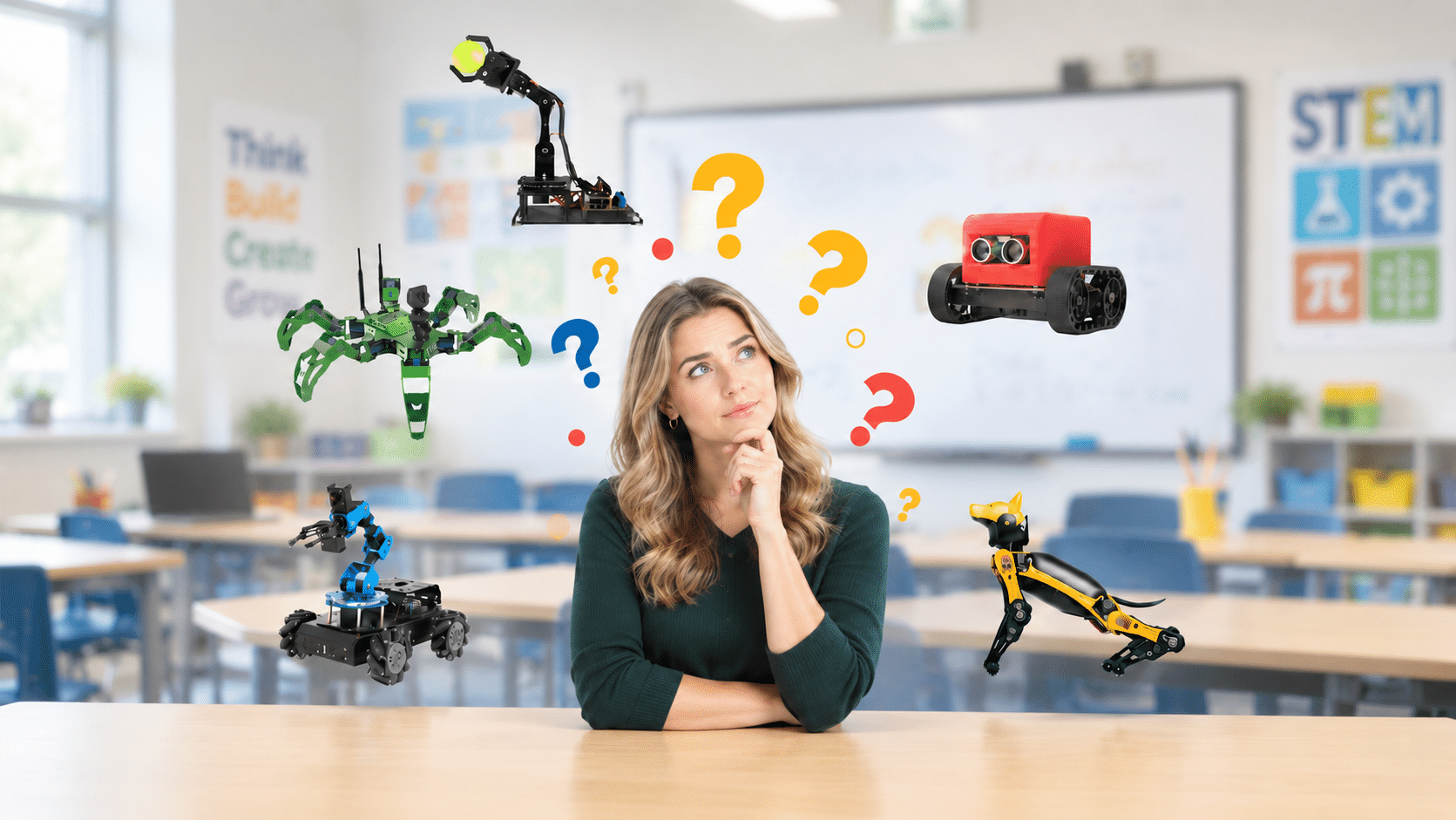
Bringing Drone and AI Learning Into the Classroom
At LocoRobo, students can explore the same technologies that power systems like autonomous warehouse drones.
LocoRobo’s drone and AI education solutions introduce learners to:
- drone programming and autonomous flight
- AI-assisted navigation and computer vision
- drone sensor systems used for mapping and inspection
- data collection and analysis from aerial imaging
- real-world industry applications of autonomous drones
Through hands-on learning projects and structured drone curriculum, students gain practical experience with the technologies driving innovation across logistics, robotics, and intelligent automation.
As industries continue adopting autonomous systems like the Corvus One drone, classrooms that integrate educational drones, robotics, and AI are helping students understand and build the systems shaping tomorrow’s workplaces.