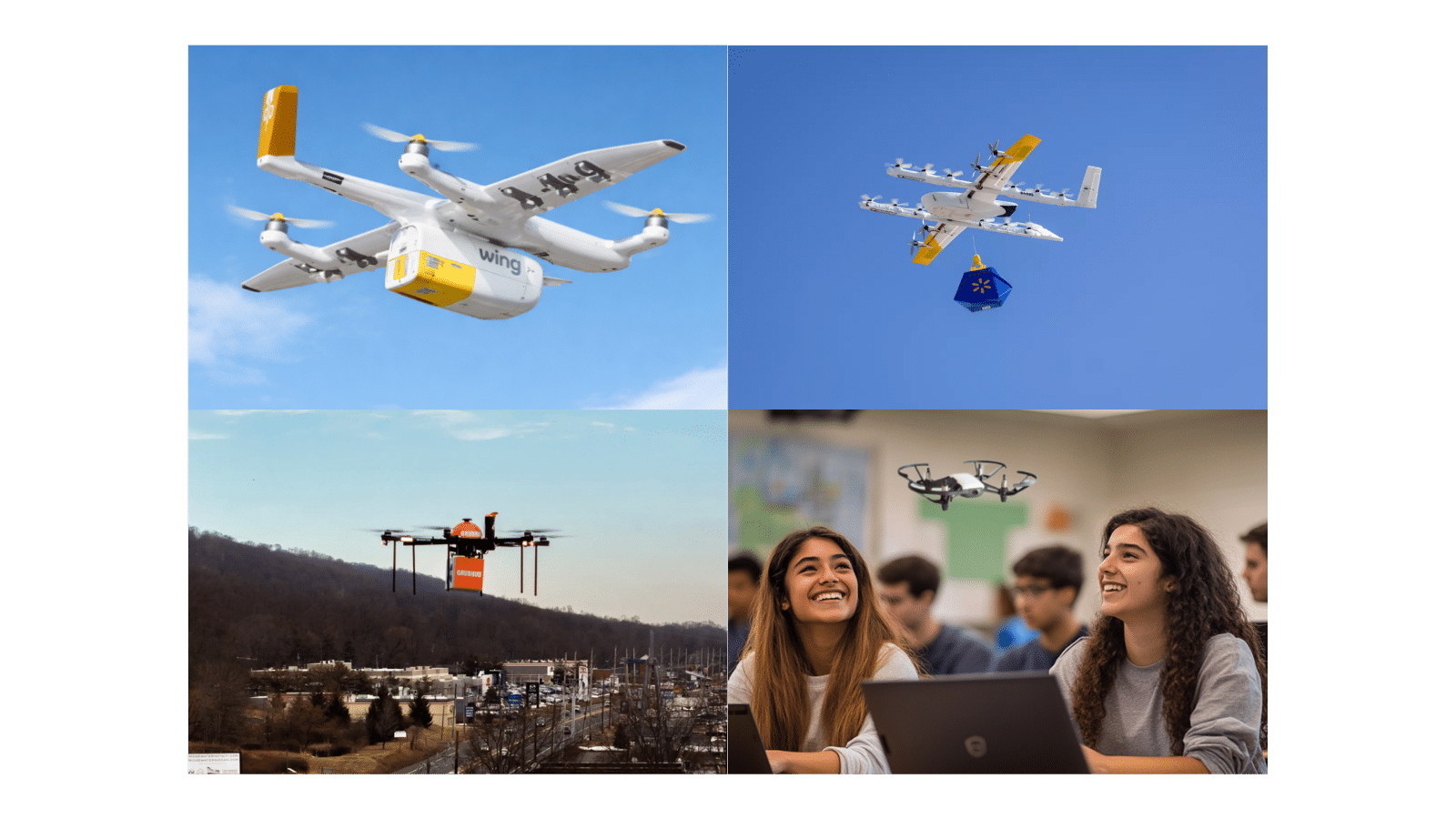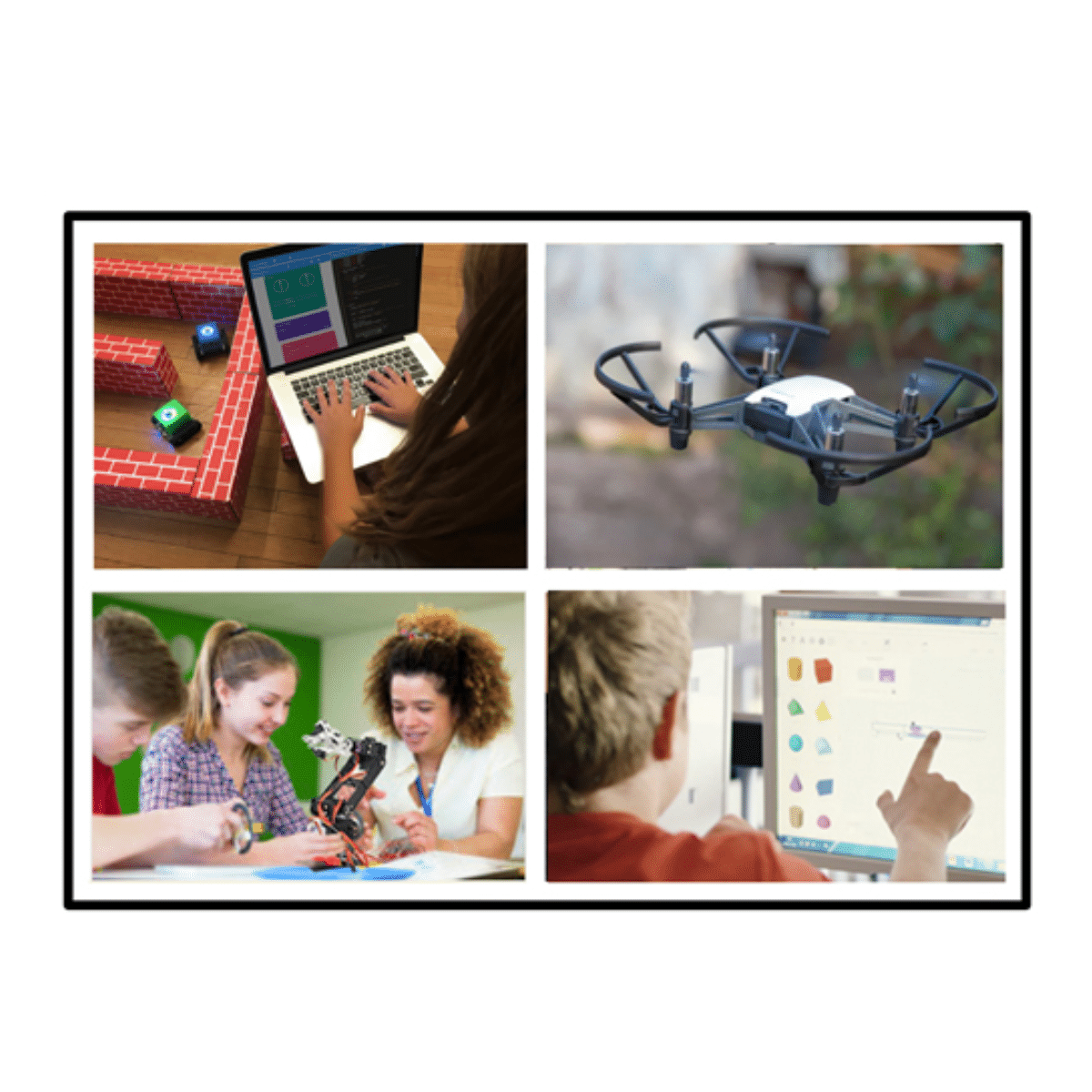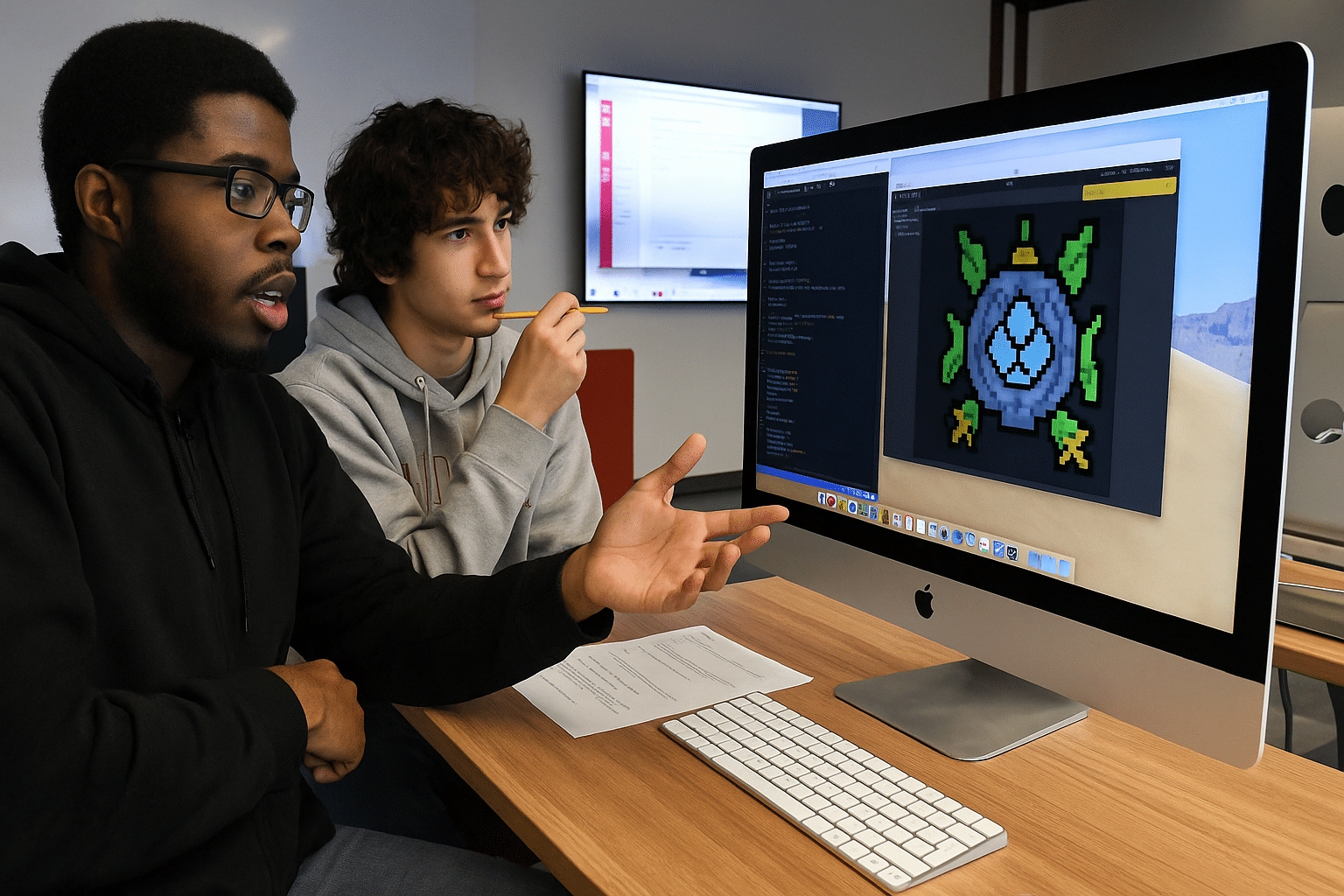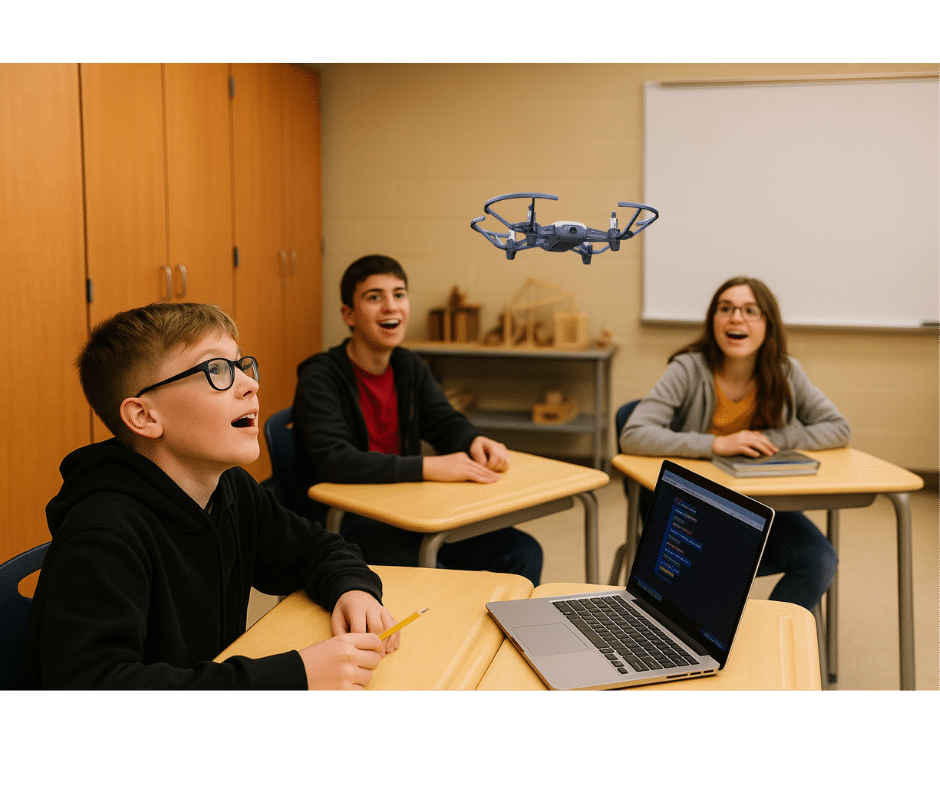


Drones have quickly become one of the most engaging ways to introduce students to engineering, coding, and real-world problem solving. While basic flight commands like takeoff, land, and directional movement are an important starting point, the most meaningful learning happens when students begin drone programming to perform tasks, react to data, and solve real challenges.
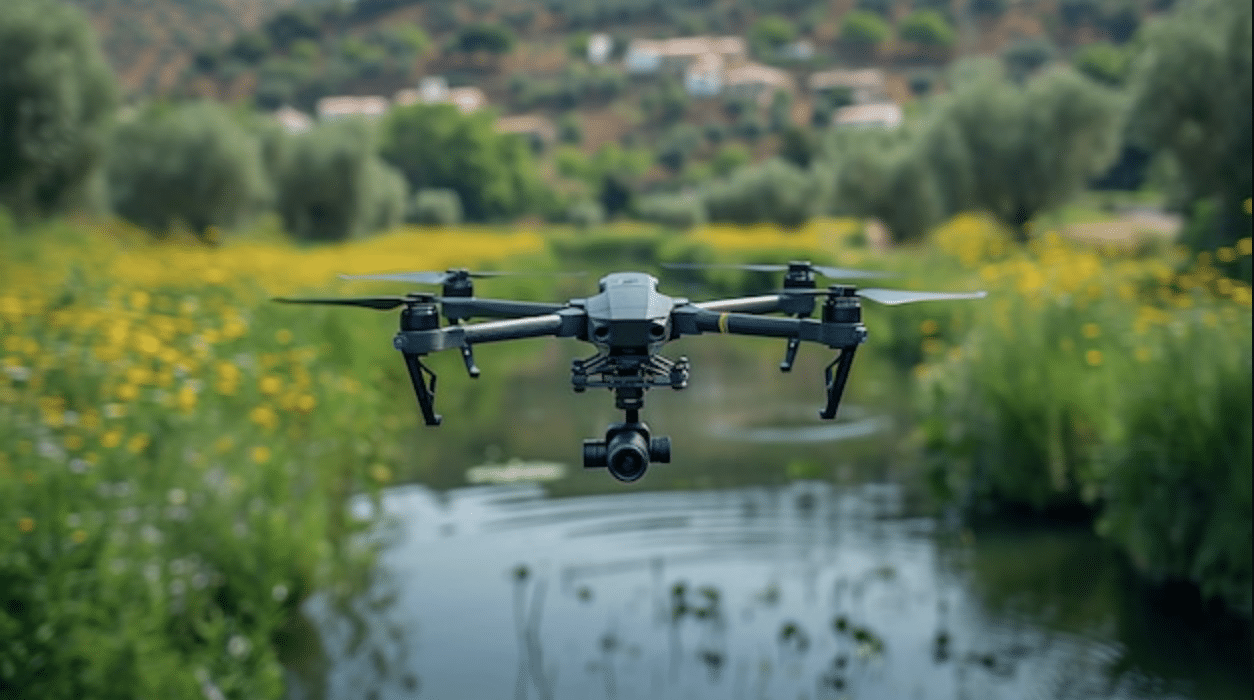
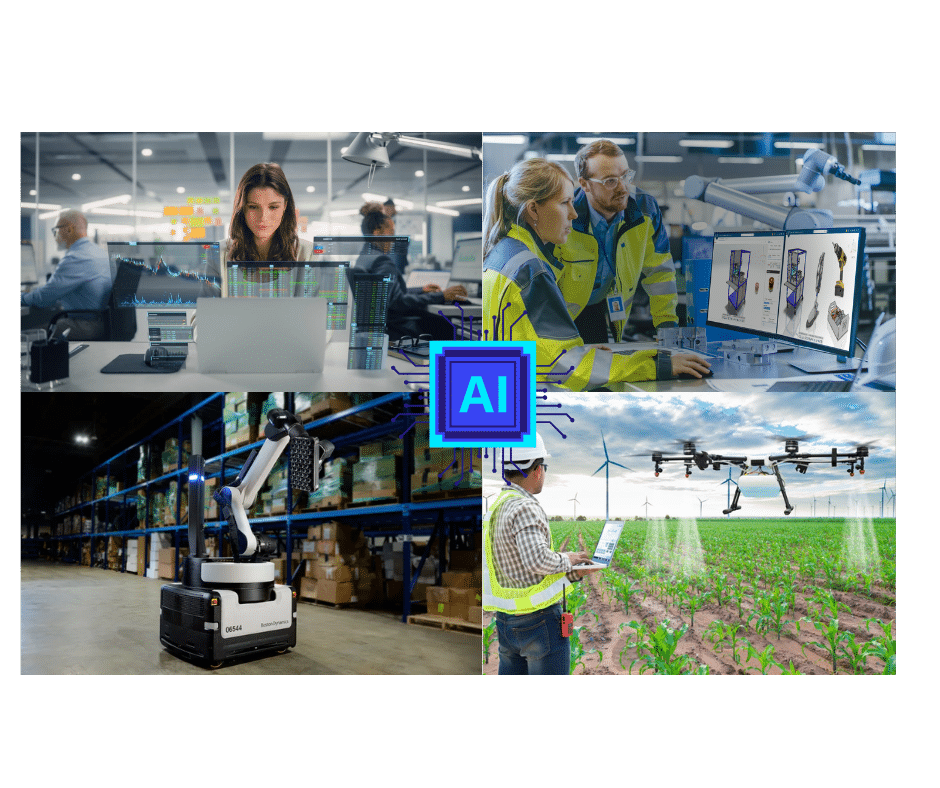
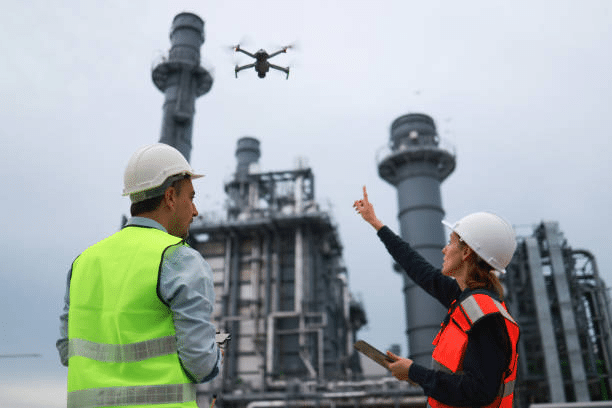
Drone coding projects allow students to move beyond simple flight control and explore how sensors, software, and data interact in autonomous systems. These types of projects mirror how drones are used in industries such as agriculture, logistics, emergency response, and environmental monitoring.
Here are five drone coding projects that push learning beyond basic flight and help students develop deeper computational and engineering skills.
1. Autonomous Obstacle Avoidance
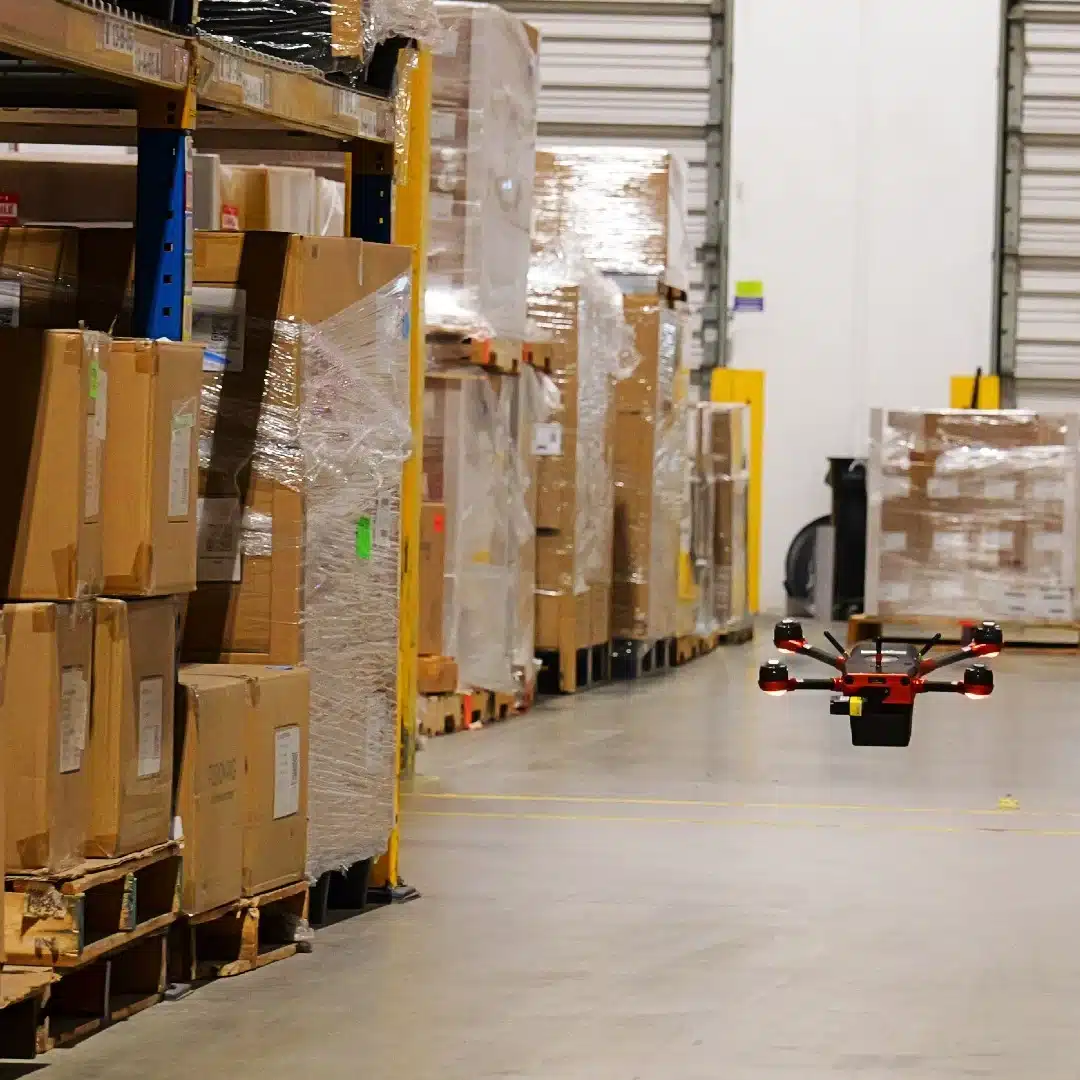
In this project, students program a drone to navigate around obstacles using sensor input.
Instead of manually piloting the obstacle course for drones, students write code that allows the drone to detect objects and adjust its path automatically. The drone reads data from distance sensors or cameras and determines how to move safely through the environment.
Students learn how to:
- Use sensor data to inform decisions
- Write conditional logic based on environmental input
- Test and refine autonomous navigation behavior
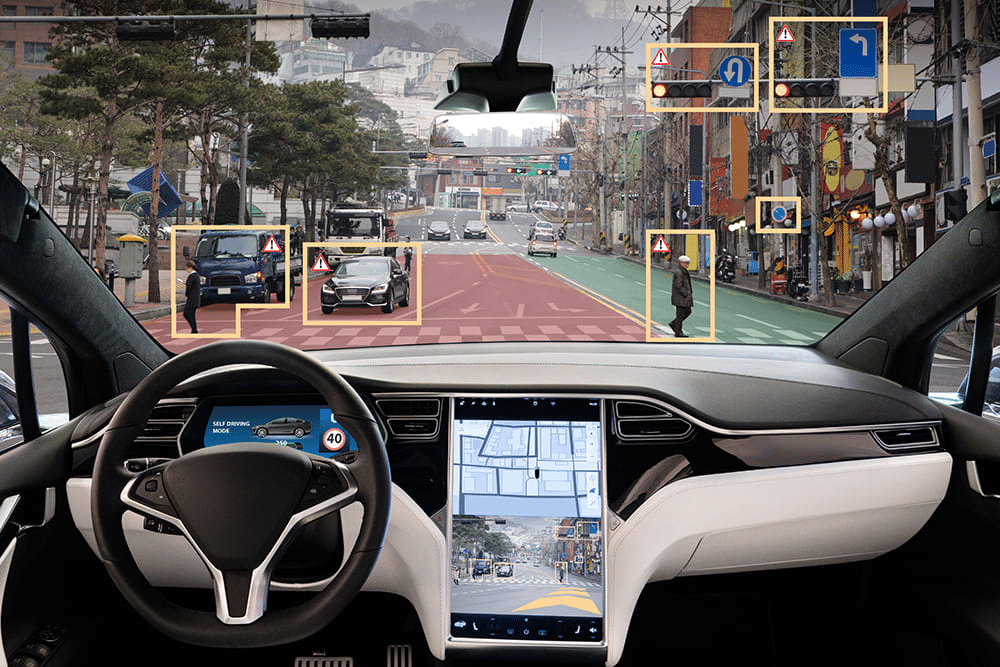
This type of project introduces students to the foundations of autonomous systems used in delivery drones, warehouse robots, and self-driving vehicles.
2. Precision Landing System
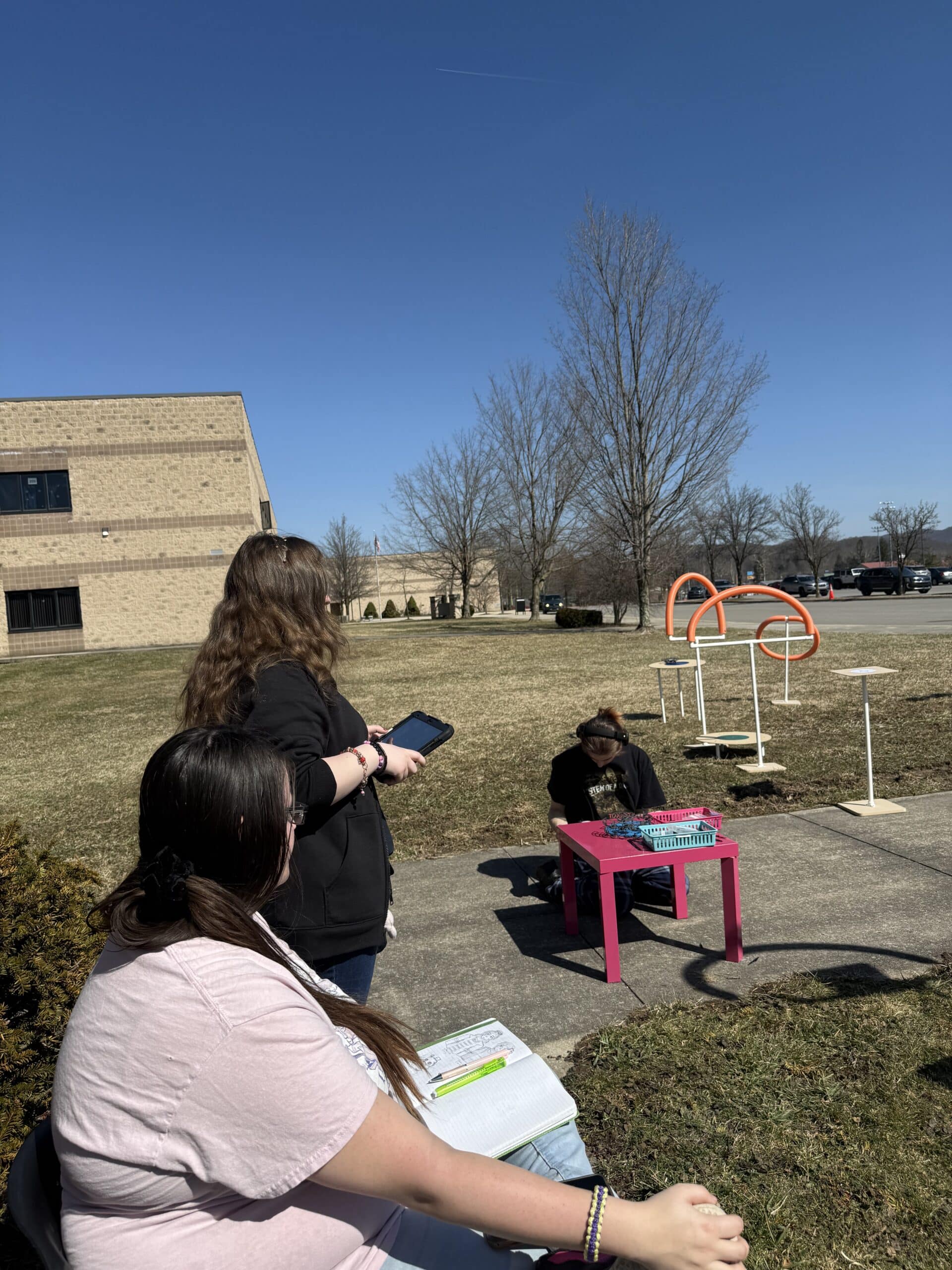
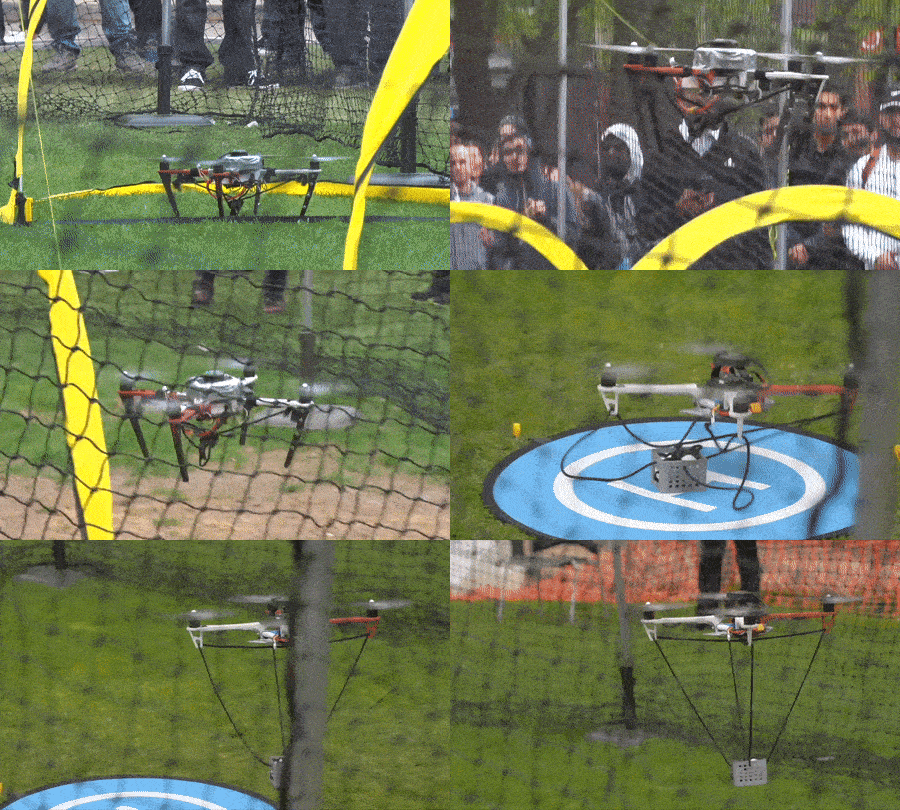
Landing a drone accurately on a target is a complex engineering challenge. In this project, students write code that enables a drone to locate and land on a designated marker.
The drone can use camera input or programmed coordinates to guide its landing sequence. Students experiment with adjustments in positioning, altitude, and stabilization to improve accuracy.
Key concepts explored include:
- Computer vision basics
- Control systems and flight stabilization
- Coordinate positioning
This mirrors real-world applications where drones must land on moving platforms, delivery pads, or charging stations.
3. Environmental Data Collection Mission
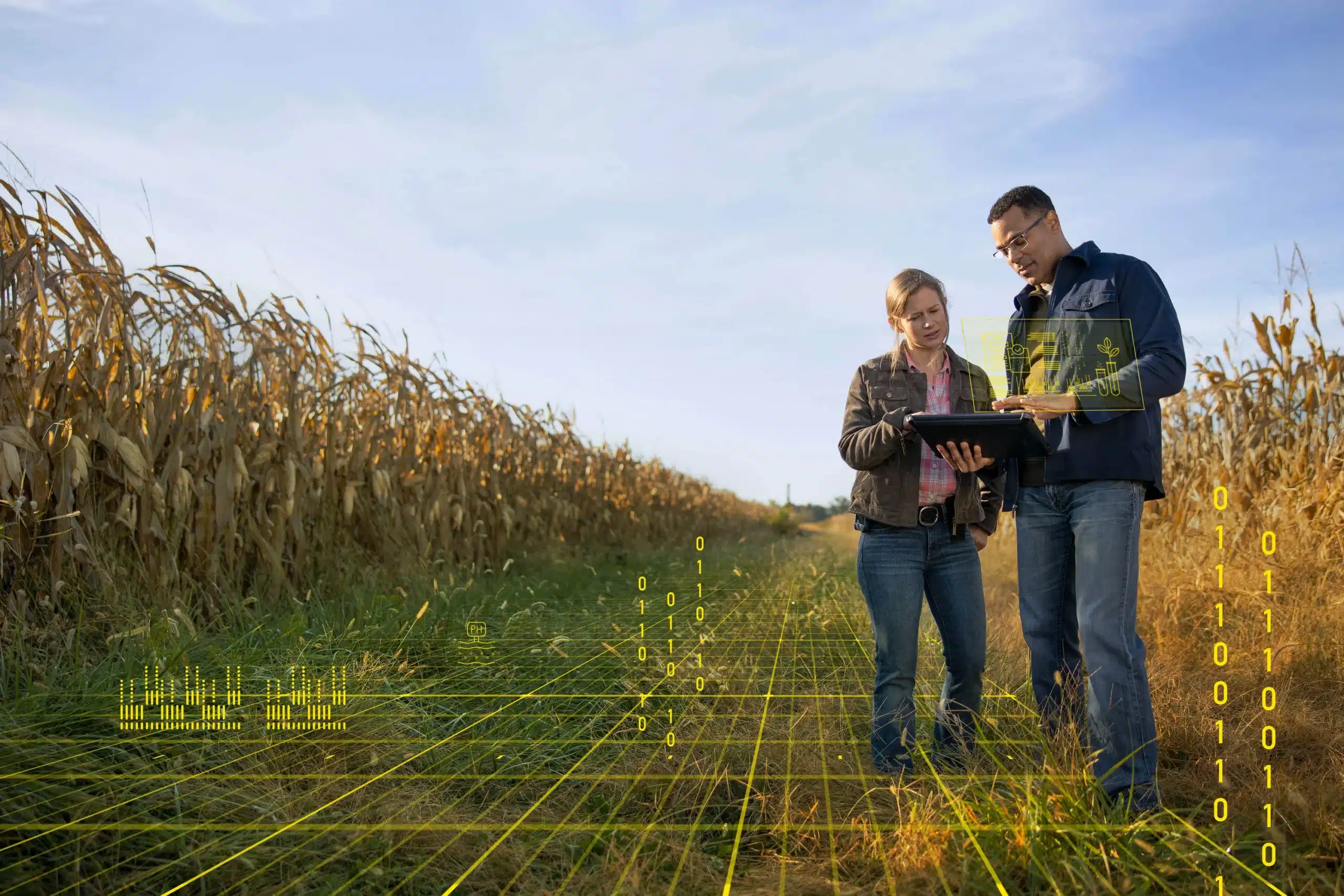
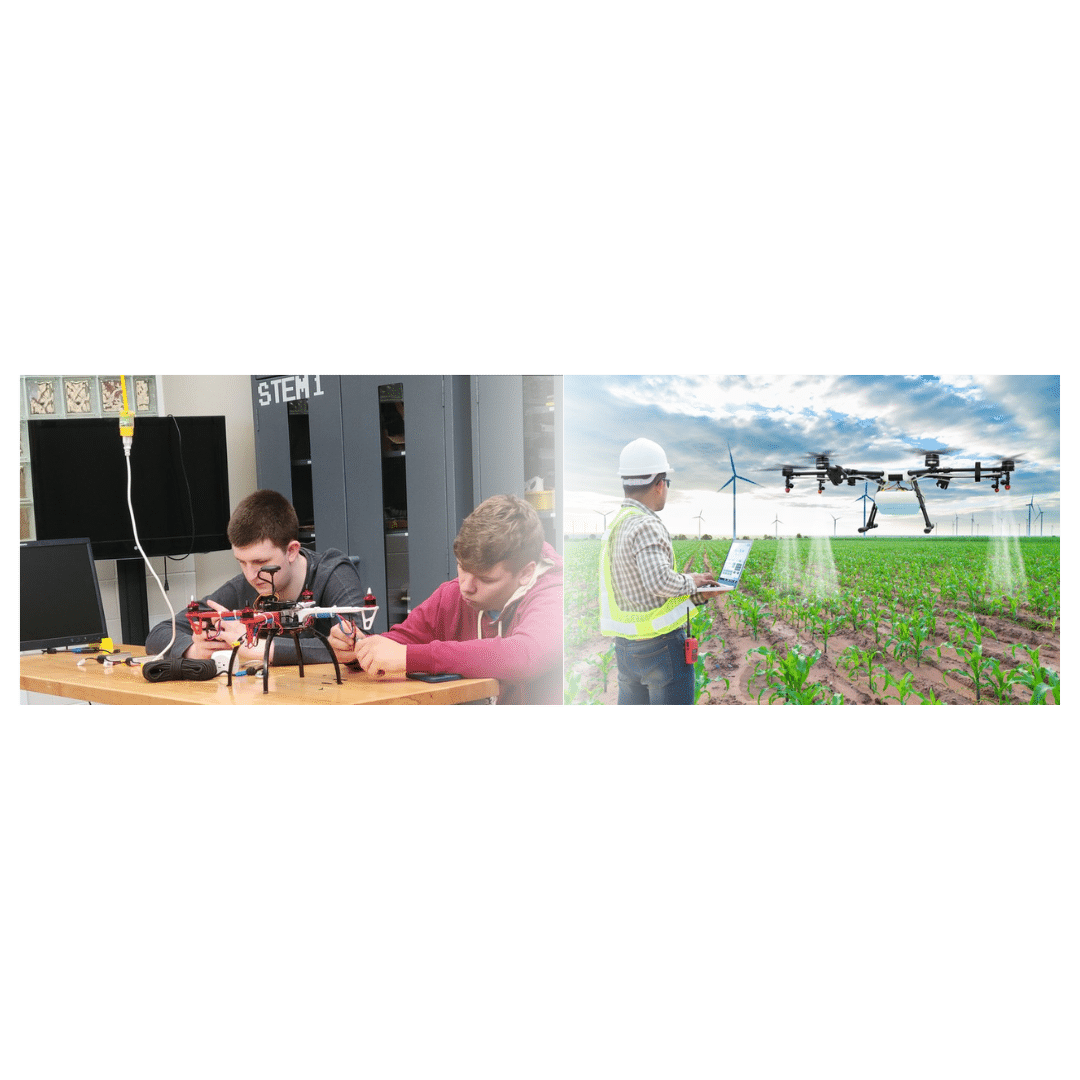
Drones are widely used for environmental monitoring. In this project, students code a drone to follow a flight path and collect environmental data during the mission.
Students can design a flight route that collects information such as temperature readings, images of a mapped area, or other sensor-based measurements. The data can then be analyzed after the flight.
Students practice:
- Programming automated flight paths
- Logging and analyzing data
- Connecting drone flight with scientific investigation
This type of project connects coding with disciplines such as geography, environmental science, and data analysis.
4. Drone Swarm Coordination
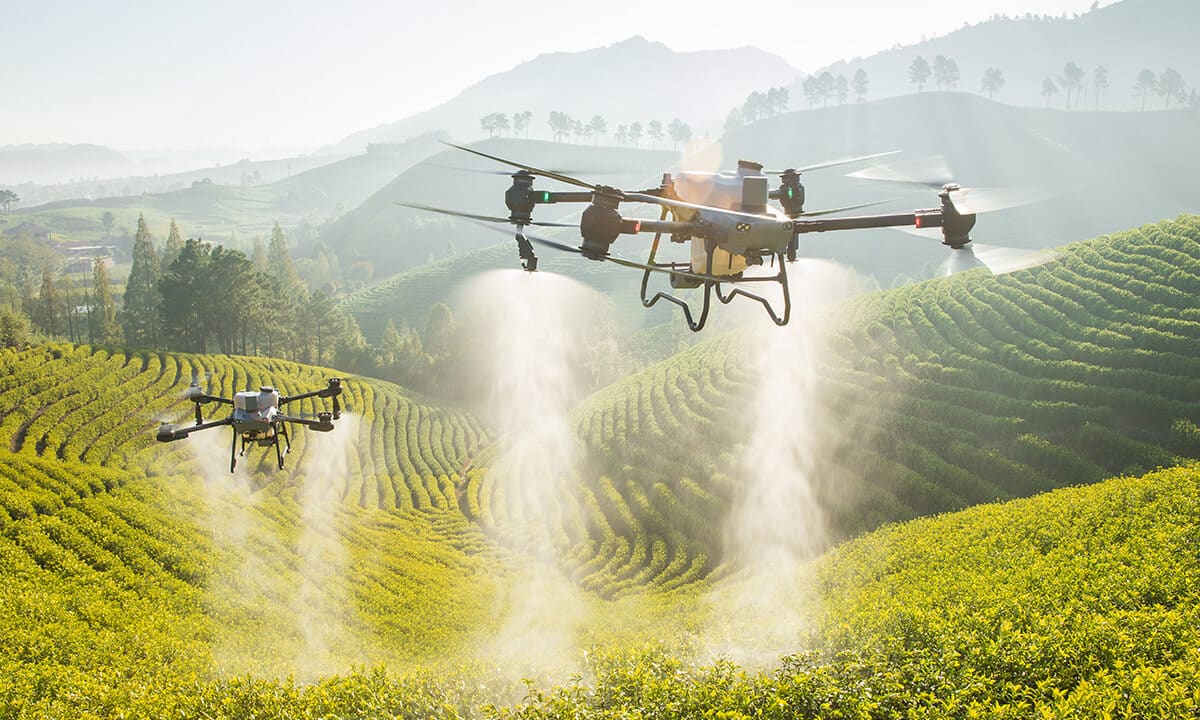
Drone swarm technology is becoming increasingly important in fields such as agriculture, disaster response, and large-scale mapping.
In this project, students program multiple drones to complete coordinated tasks. For example, one drone may scan an area while another follows a different path or performs a separate task.
Students learn about:
- Multi-agent systems
- Task distribution across systems
- Synchronization and timing
This project helps students understand how complex systems operate when multiple autonomous devices must work together.
5. AI-Assisted Object Recognition
Advanced drones increasingly rely on artificial intelligence to interpret visual information.
In this project, students integrate simple object recognition models with drone navigation. The drone can be programmed to react differently depending on what it detects through its camera.
For example, the drone might:
- Hover when a specific object is detected
- Follow a marked target
- Capture images when a specific feature appears
Students gain exposure to:
- Computer vision concepts
- Integrating software tools with robotics systems
- AI-assisted decision making
This type of project helps students understand how AI is being used in real aerial robotics applications.
Preparing Students for Real Drone Applications
Drone coding projects that involve autonomy, data collection, sensors, and AI expose students to the types of challenges engineers face when designing real aerial systems. Instead of simply learning how to pilot a drone, students learn how to design and program a drone that sense, decide, and act.
Projects like these strengthen skills in:
- Computational thinking
- Engineering design
- Data analysis
- Autonomous systems programming
They also introduce students to emerging careers in robotics, environmental monitoring, AI, and aerospace technology.
Bringing Advanced Drone Coding into the Classroom
LocoRobo’s drone education solutions make it possible for educators to bring projects like these into computer science and STEM programs. Schools gain access to programmable drones, structured coding environments, and curriculum designed specifically for classroom use.
Students can move from foundational flight control to more advanced challenges involving autonomous navigation, data collection missions, sensor-driven decision making, and AI-assisted robotics projects.
Combined with guided drone curriculum, coding tools, and educator support, LocoRobo’s drone solutions help teachers introduce students to the real engineering and programming concepts.
Explore LocoRobo’s drone solutions to bring advanced drone coding projects into your STEM or computer science program.