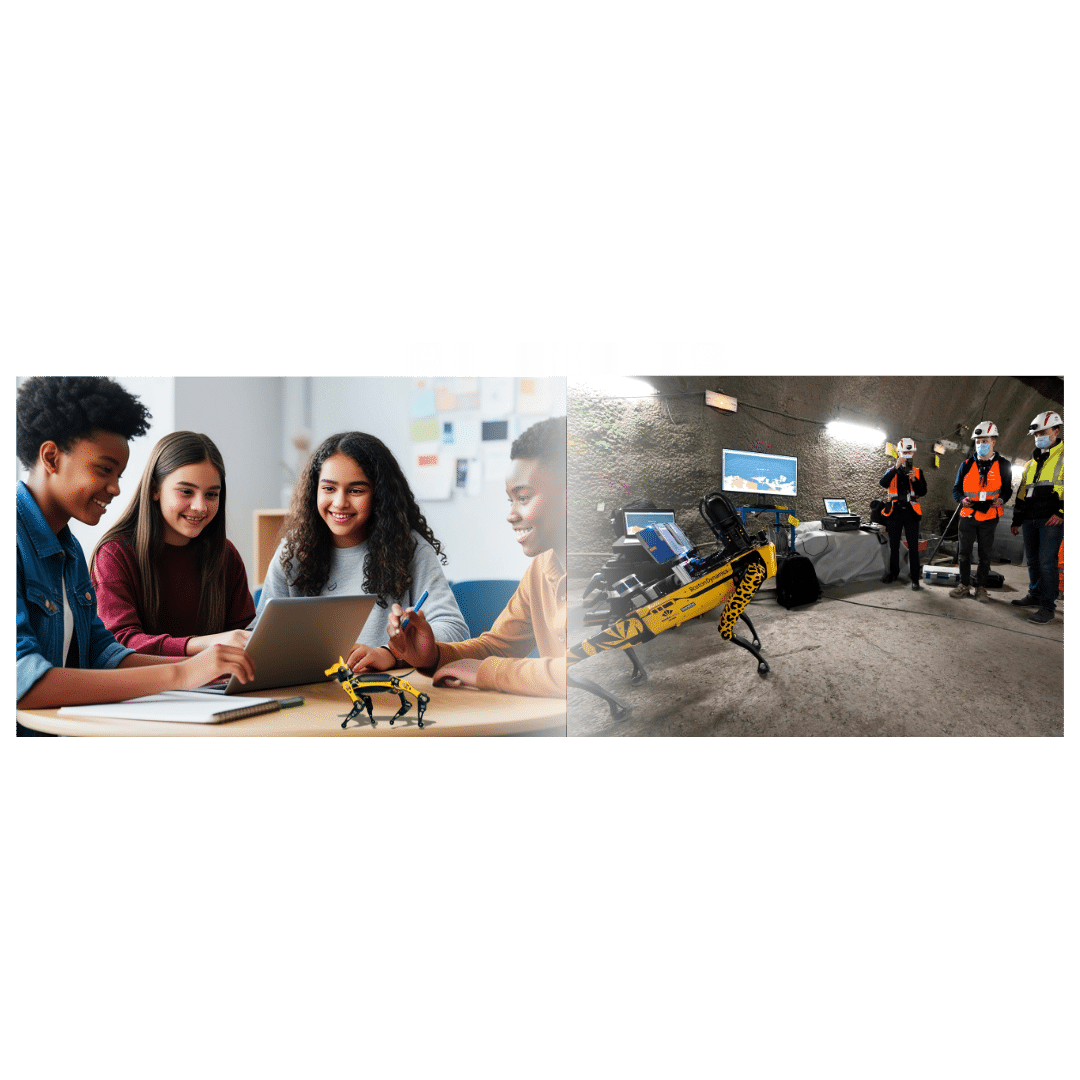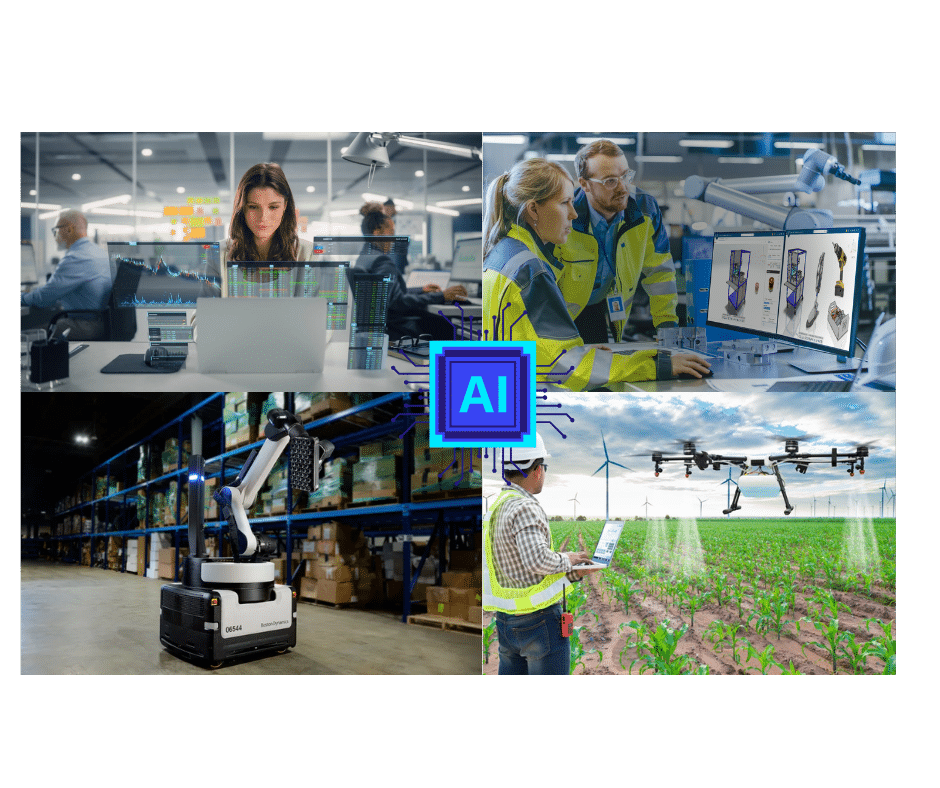



Quadruped robots are no longer lab experiments or viral internet clips. Across the United States, four-legged robots are being deployed in warehouses, industrial facilities, and disaster zones to handle tasks that are hazardous, repetitive, or difficult for humans to reach.
Their design is simple in concept but powerful in application. Four legs provide balance, stability, and mobility across uneven terrain. Add sensors, AI-driven navigation, and remote monitoring, and these robotic quadrupeds become practical tools for real-world operations.
Here is how quadruped robots are being used today and why their presence is growing.
Industrial Inspection in Warehouses and Energy Facilities
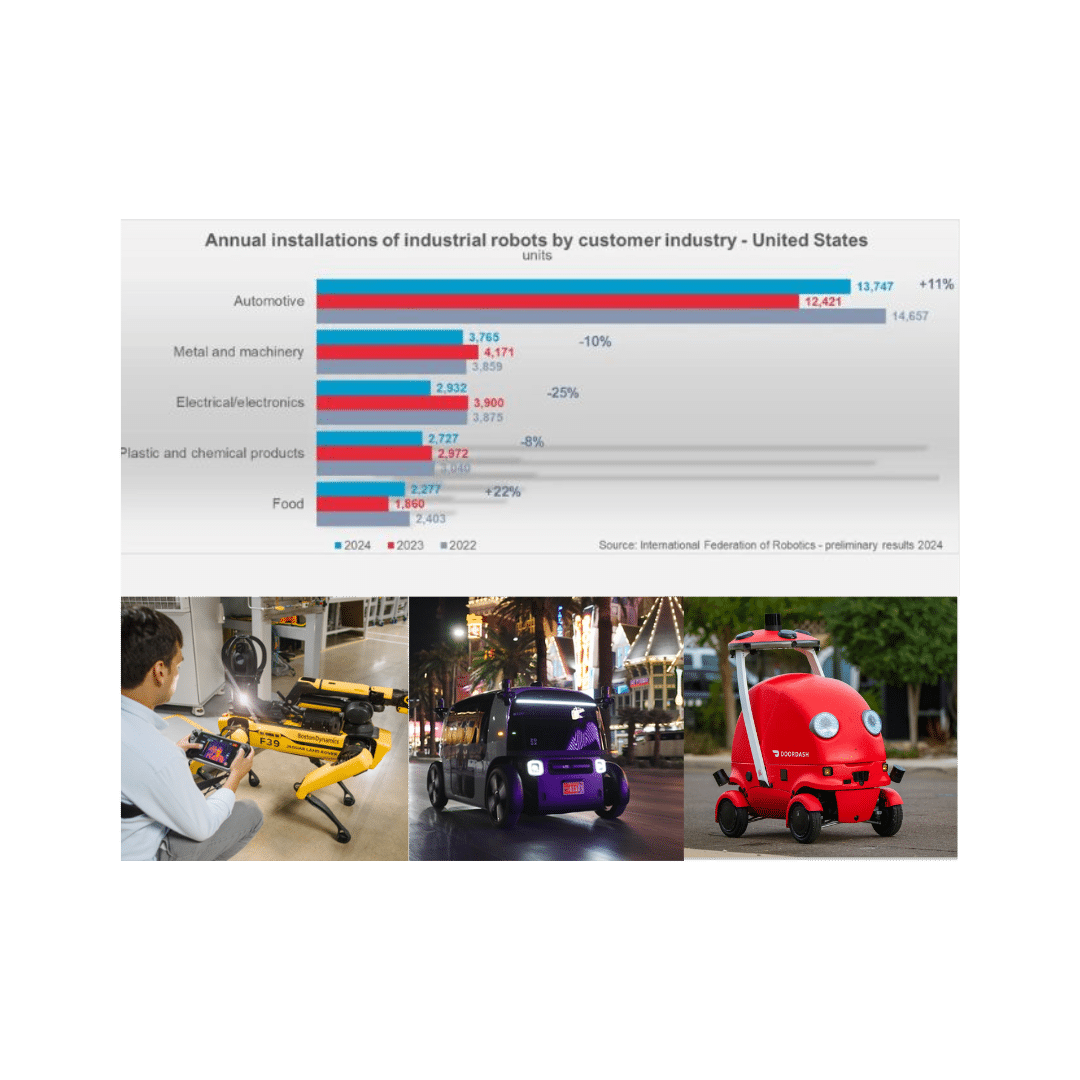
One of the most visible examples is Boston Dynamics and its robot Spot.
In the U.S., Spot has been used by energy companies, construction firms, and warehouse operators to:
- Inspect equipment in hard-to-reach areas
- Monitor temperature and gas readings
- Conduct routine patrols in large facilities
- Capture 3D scans of job sites
Instead of sending workers into potentially hazardous environments, companies deploy a quadruped robot that can walk up stairs, navigate tight corridors, and transmit real-time data.
Similarly, ANYbotics has deployed ANYmal in U.S. industrial settings for autonomous inspections. These robots operate in oil and gas plants and power facilities, identifying anomalies before they escalate into costly failures.
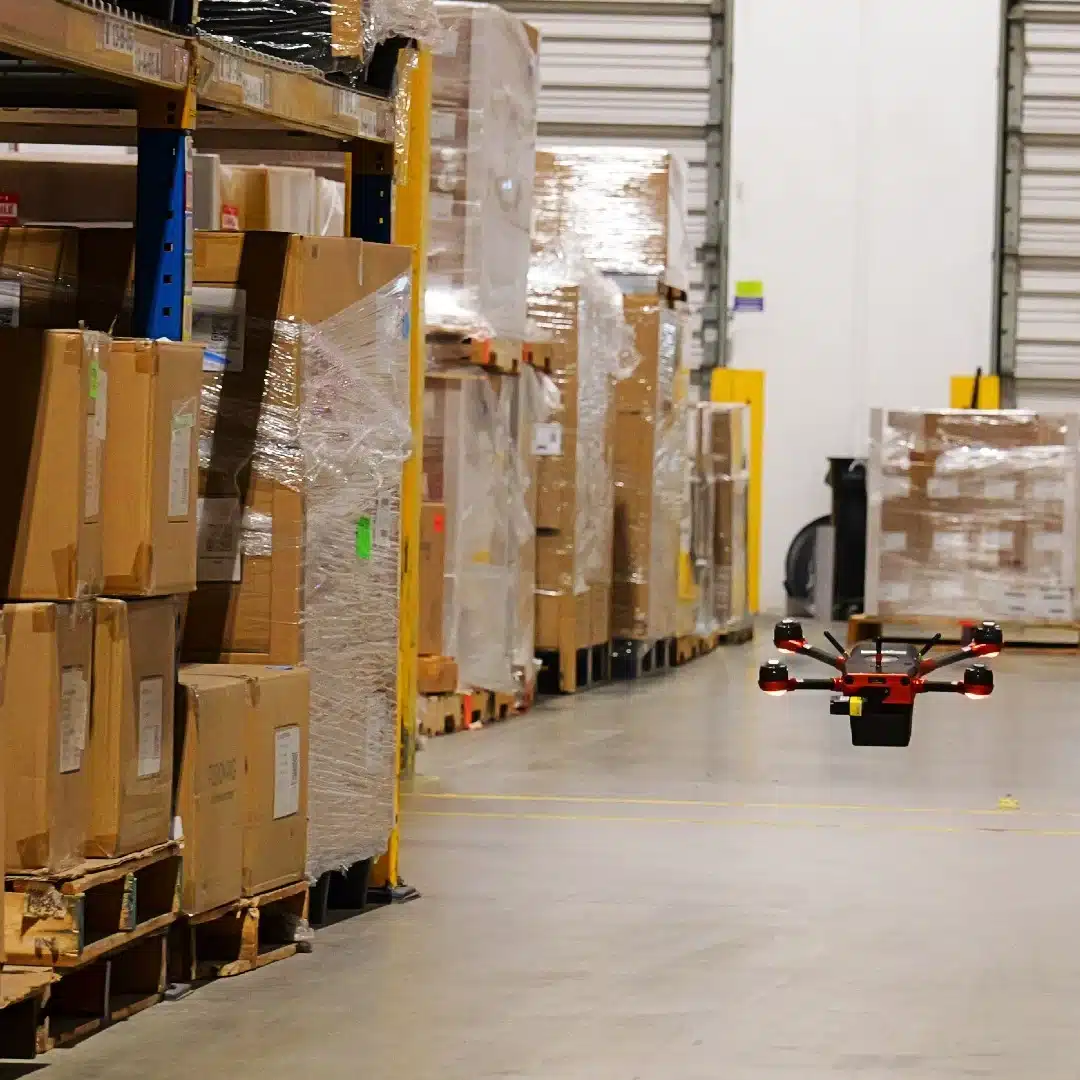
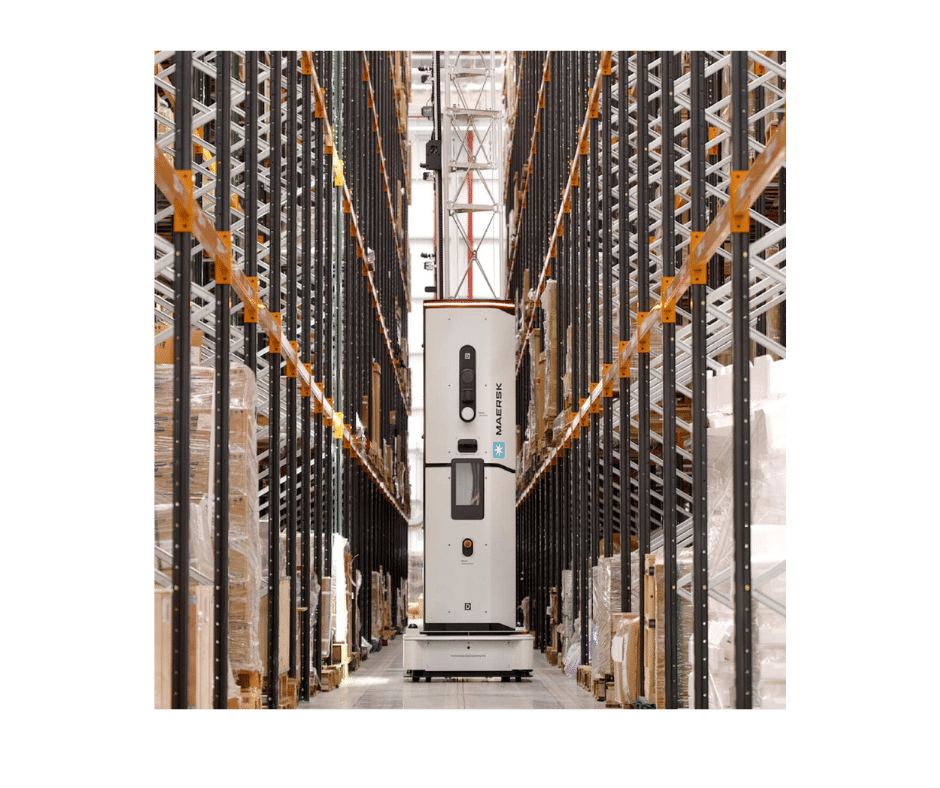
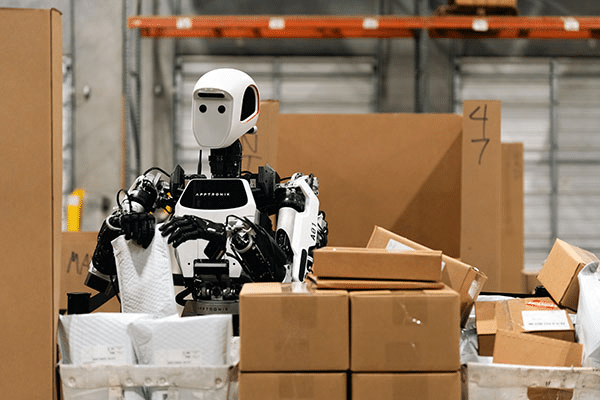
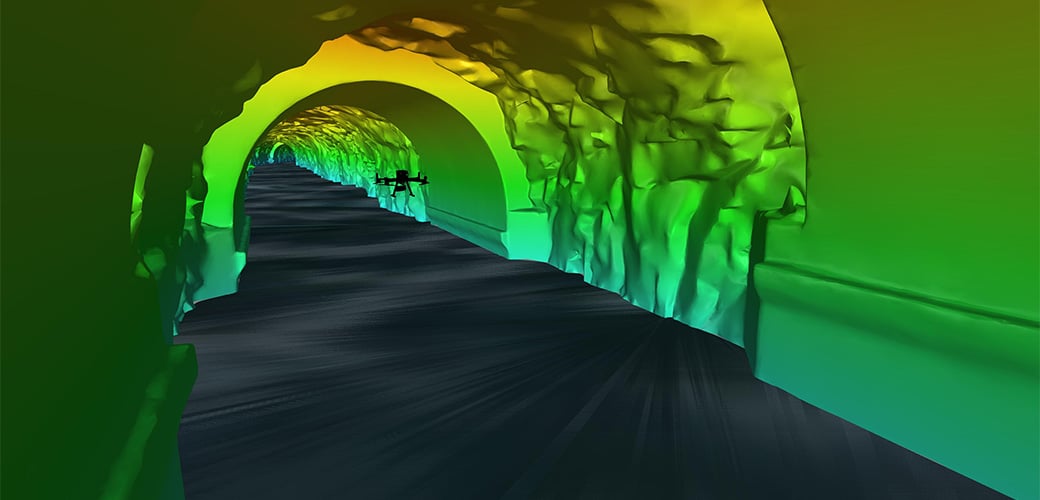
In warehouses, quadruped robots are increasingly used for digital mapping and inventory monitoring. Their ability to move dynamically through large spaces makes them effective for identifying maintenance issues, scanning shelves, and integrating with automated logistics systems.
The shift is practical, not experimental. These robots reduce downtime, improve safety, and collect consistent data.
Search and Rescue in High-Risk Environments
Quadruped robots are also entering emergency response scenarios.
The Vision 60 from Ghost Robotics, based in the U.S., has been tested for defense and security applications, including perimeter patrol and hazardous environment assessment.
In disaster response simulations, quadruped robots have demonstrated the ability to:
- Traverse rubble and unstable terrain
- Provide live video feeds to rescue teams
- Enter collapsed structures
- Carry sensors to detect heat, sound, or hazardous gases
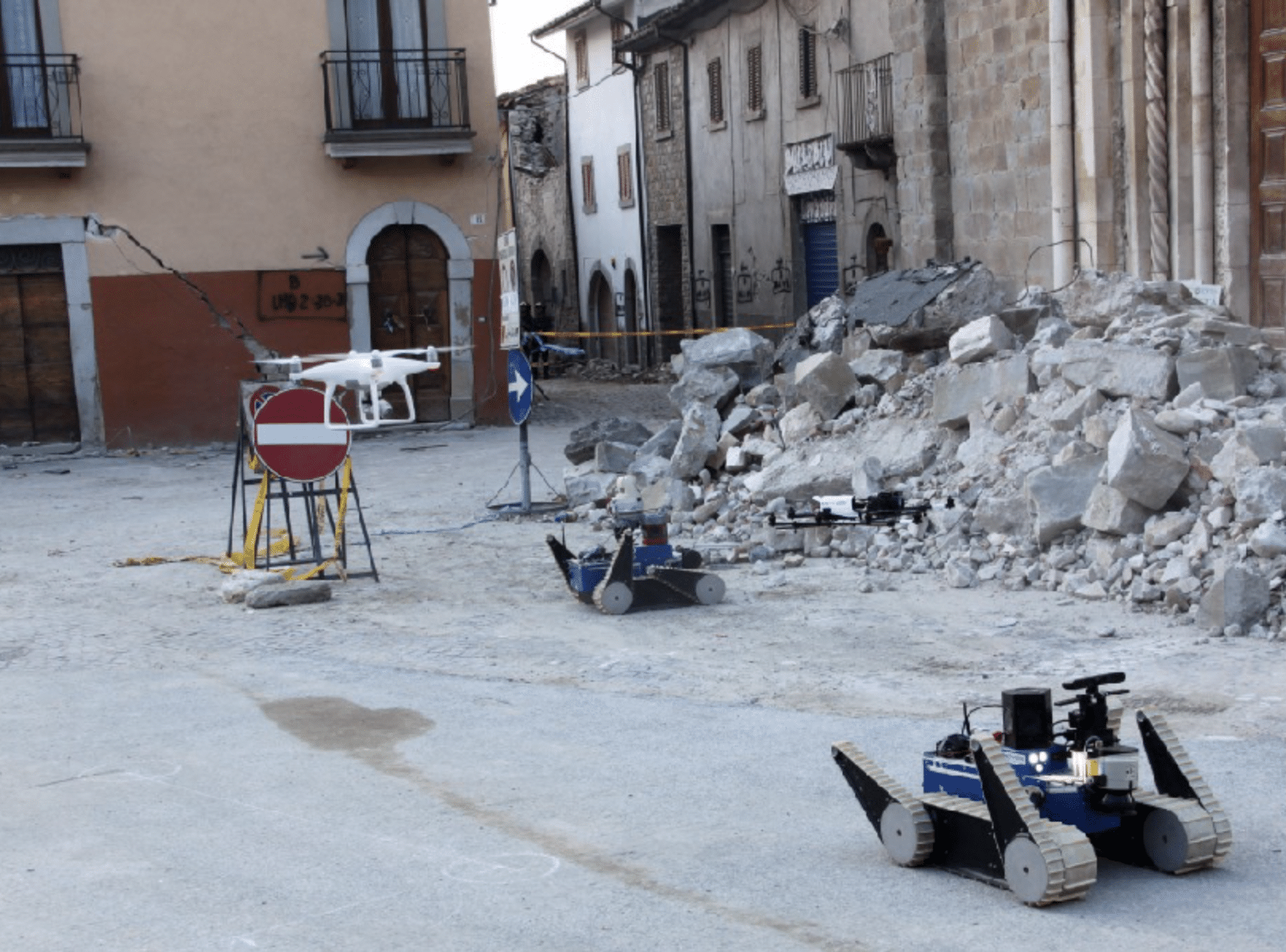
Following building collapses, chemical spills, or natural disasters, sending a robot first reduces risk to human responders. The four-legged form allows movement across debris where wheeled robots may fail.
The U.S. Defense Advanced Research Projects Agency, known as DARPA, has long supported robotics research aimed at improving mobility in complex terrain. While many projects remain developmental, they signal the growing role of legged robotics in emergency operations.
Why Four Legs Make a Difference
Quadruped robots offer three key advantages in these environments:
- Stability on Uneven Terrain
Unlike wheeled systems, quadrupeds can step over obstacles, adjust foot placement, and recover balance if pushed. - Sensor Integration and Autonomy
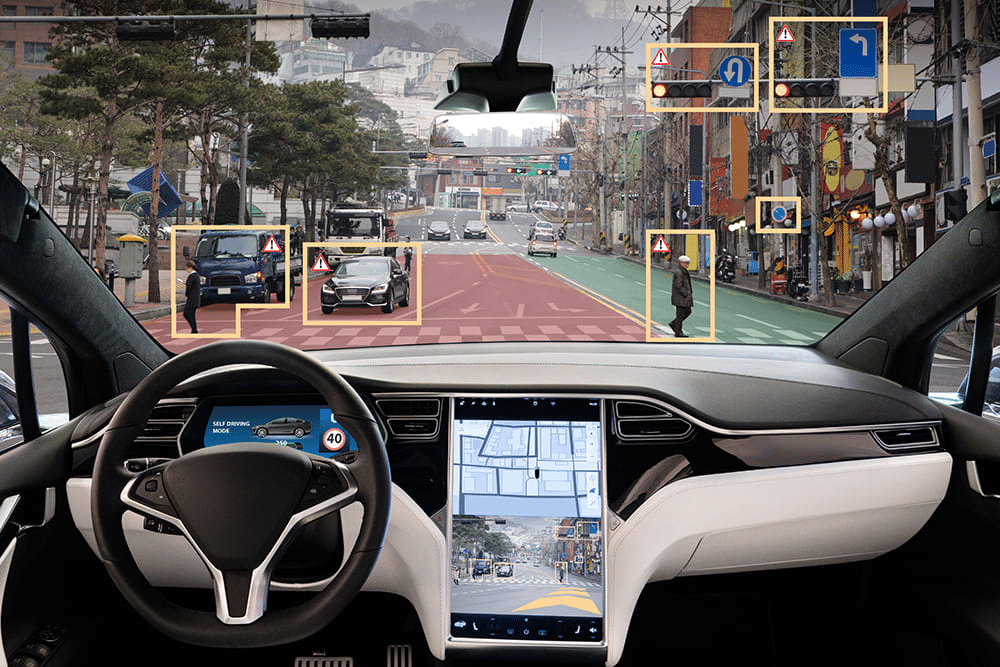
With cameras, LiDAR, depth sensors, and thermal imaging, quadruped robots interpret surroundings and respond in real time. - Dynamic Gait Control
Advanced robotics simulation and gait programming allow these robots to walk, trot, climb stairs, or carefully navigate narrow surfaces.
This combination of mechanical engineering and intelligent software is what makes them practical in warehouses and search operations.
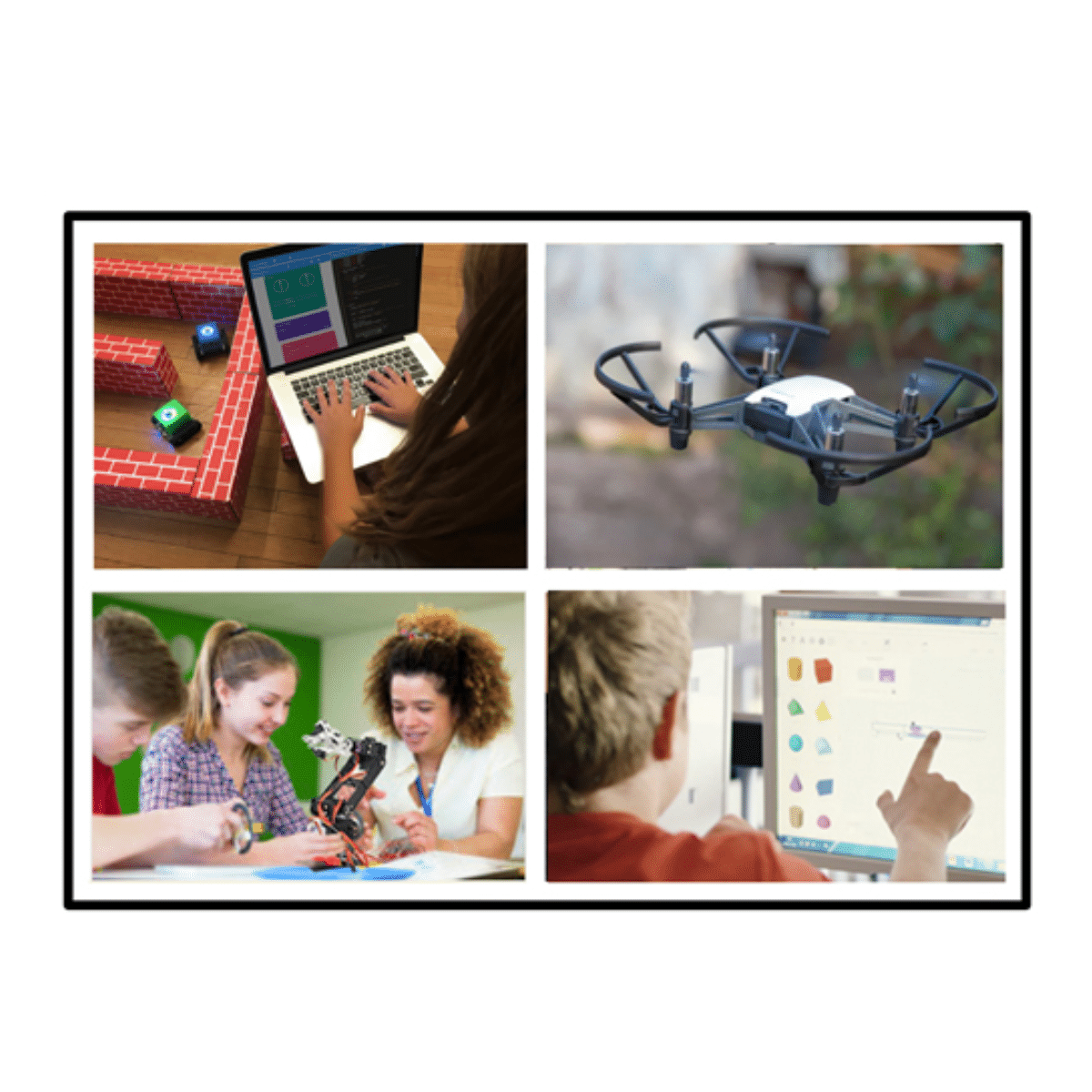
From Industry to the Classroom: Preparing Students for Legged Robotics
As quadruped robots move into industrial and emergency settings, the underlying skills become increasingly relevant for students:
- Servo control and synchronized movement
- Path planning and obstacle avoidance
- Sensor integration for environmental response
- Recovery mechanisms and autonomous functions
- Behavioral programming and adaptive logic
These are not abstract concepts. They are directly tied to how modern robots operate in warehouses and disaster zones.
This is where educational platforms play a critical role.
LocoScout: A Quadruped Robot Built for STEM Pathways
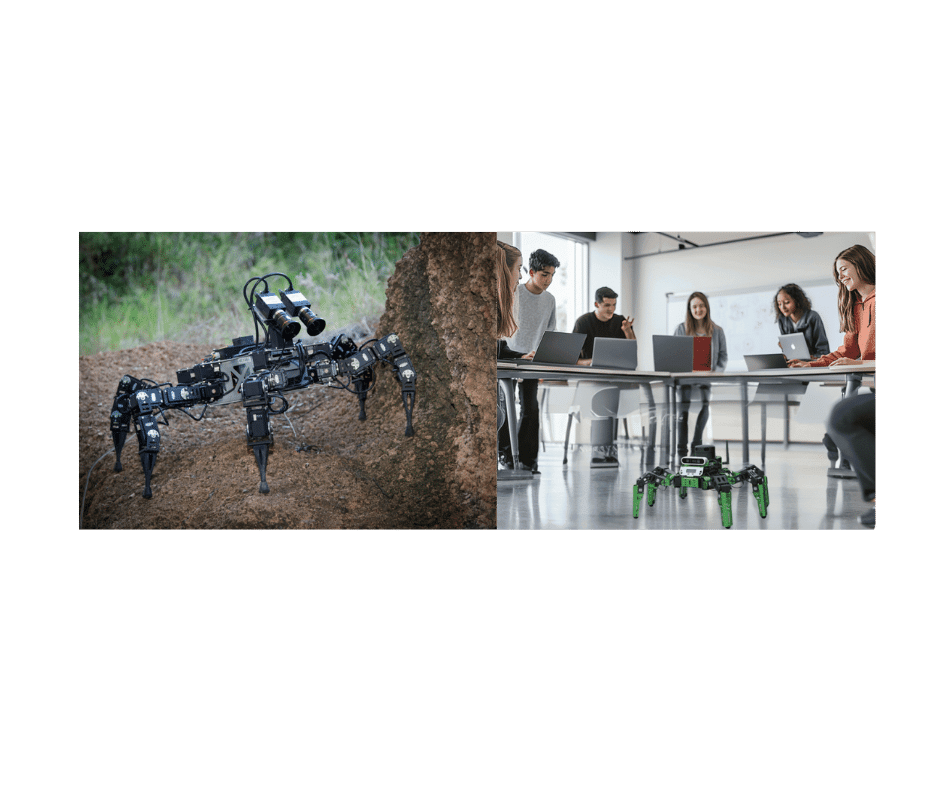
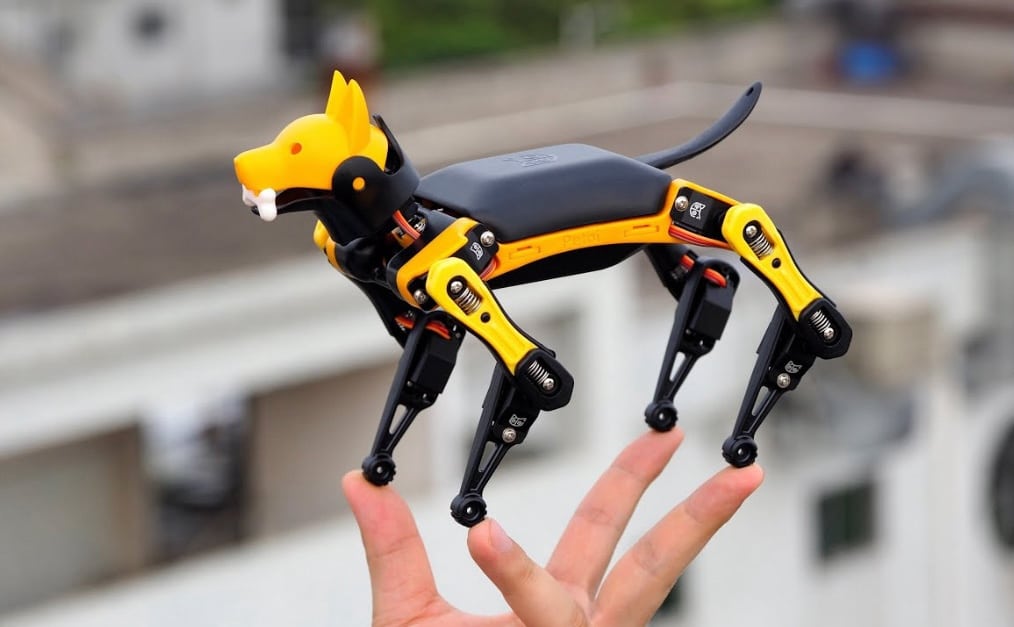
LocoScout brings quadruped robotics into a structured K–12 learning environment.
The STEM robotics dog is designed as an inclusive gateway to robotics and coding, offering a plug-and-play solution with minimal setup and maximum impact.
With LocoScout, students can explore:
- Customizable animal-like behaviors through behavioral programming
- Gait control and robotics simulation, including custom movement sequences
- Servo control for precise physical manipulation
- Sensor integration for real-time interaction with the environment
- Simultaneous servo coordination for recovery and autonomous responses
- Path planning and object interaction
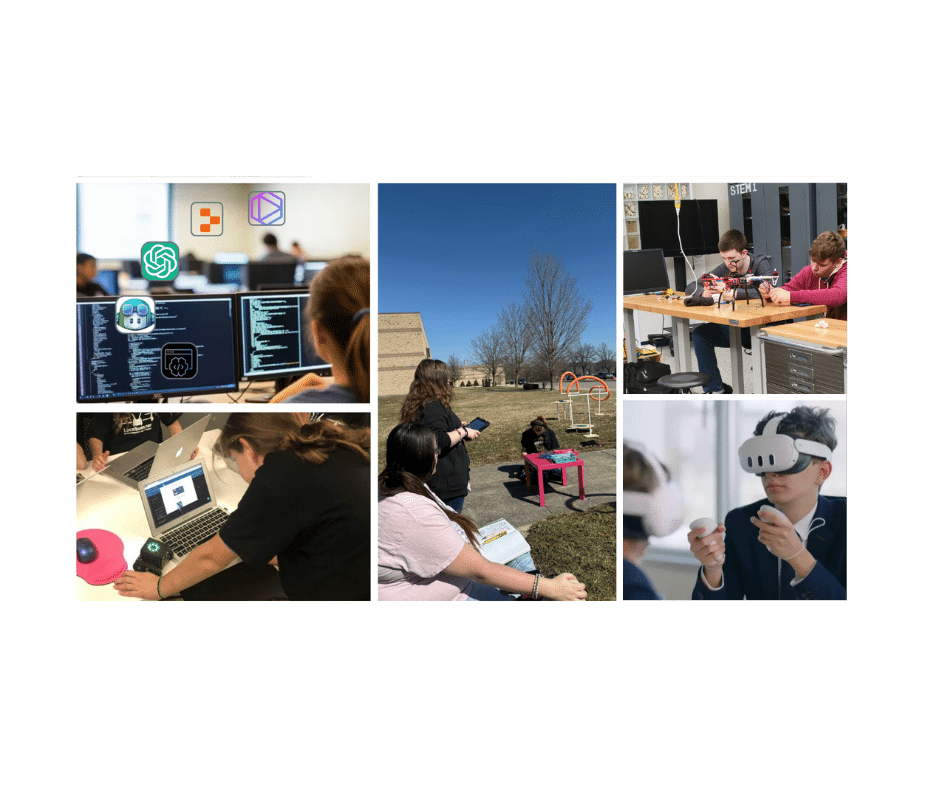
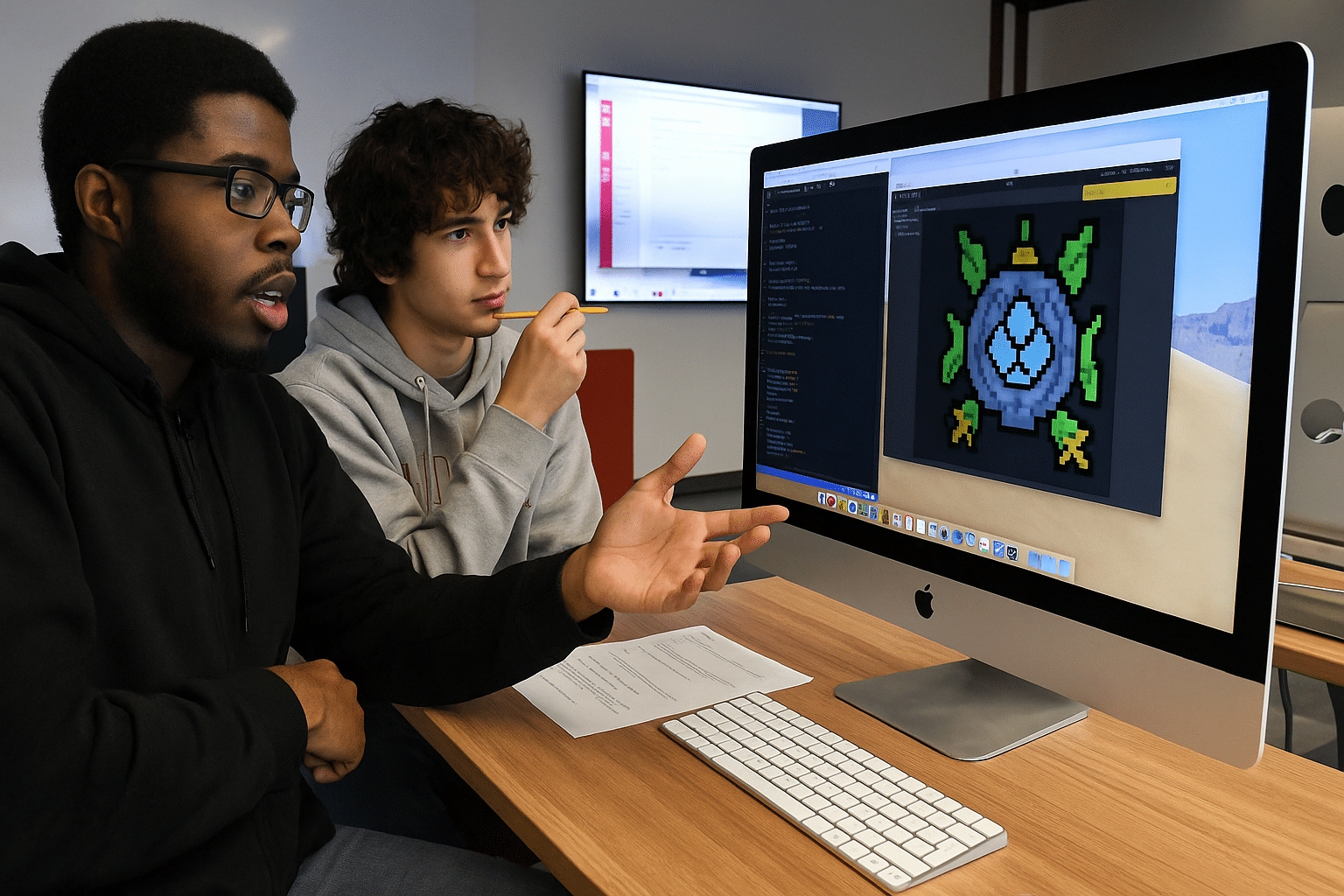
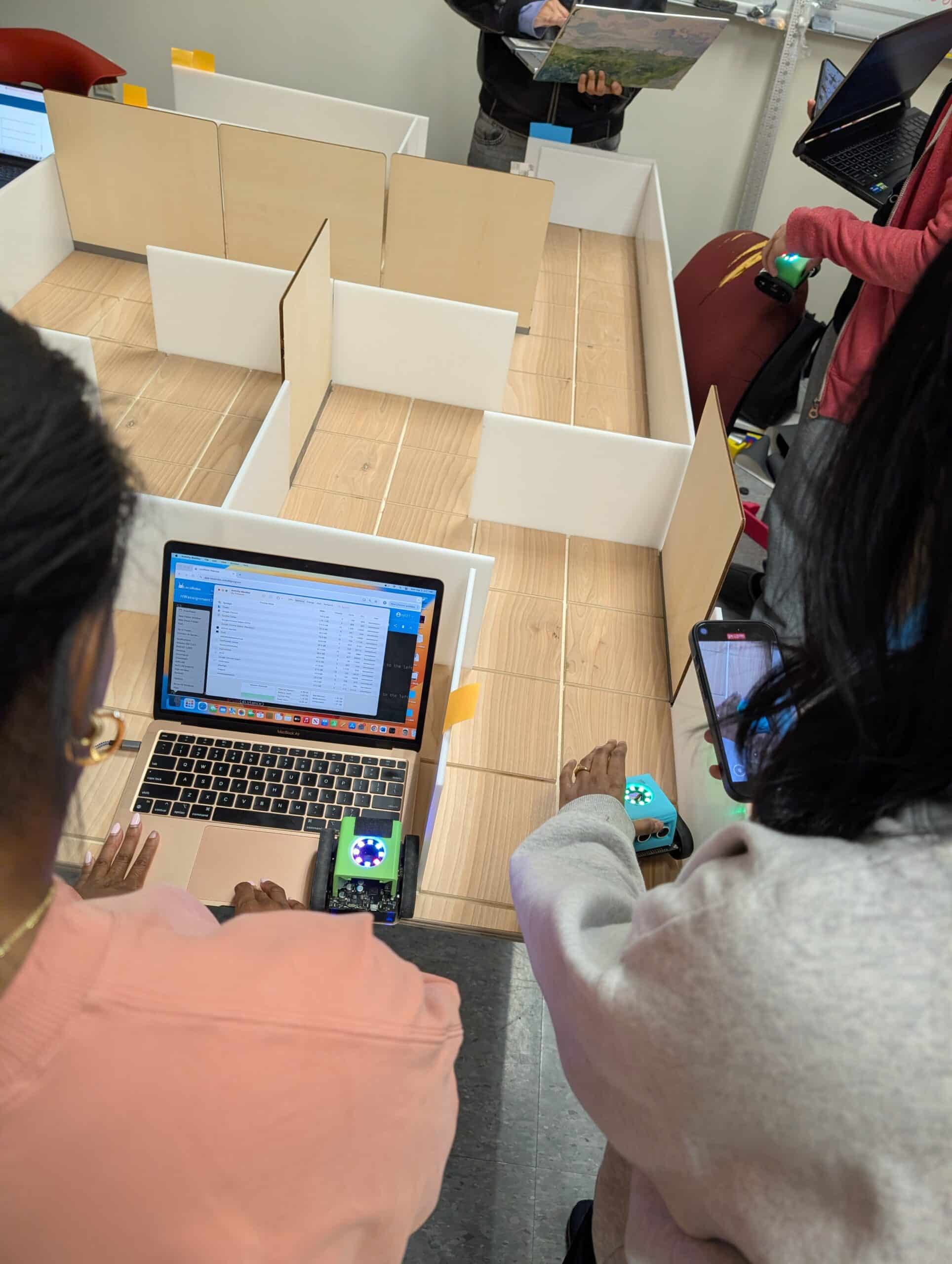
Students move from block coding to Python as they progress, allowing differentiated learning across grade levels. From elementary exploration to high school engineering challenges, LocoScout adapts to the pathway.
Our STEM robotics kits support this with:
- An all-in-one, ready-to-go solution combining hardware, software, and curriculum
- Standards-aligned lessons designed for classroom flow
- Curricular integration planning aligned to STEM and CTE goals
- Ongoing support and live guidance when educators need it
LocoScout allows students to build, test, debug, and refine the same categories of systems used in warehouse inspections and search-and-rescue robotics.
Quadruped robots are already at work in the field. With LocoScout, students can begin understanding how they function, why they matter, and how to design the next generation of robotic systems.
If you are looking to introduce robotics in the classroom or expand into advanced robotics kits with structured support, LocoRobo works as an extension of your team to align LocoScout to your goals.
Explore how quadruped robotics can fit into your STEM or CTE pathway.