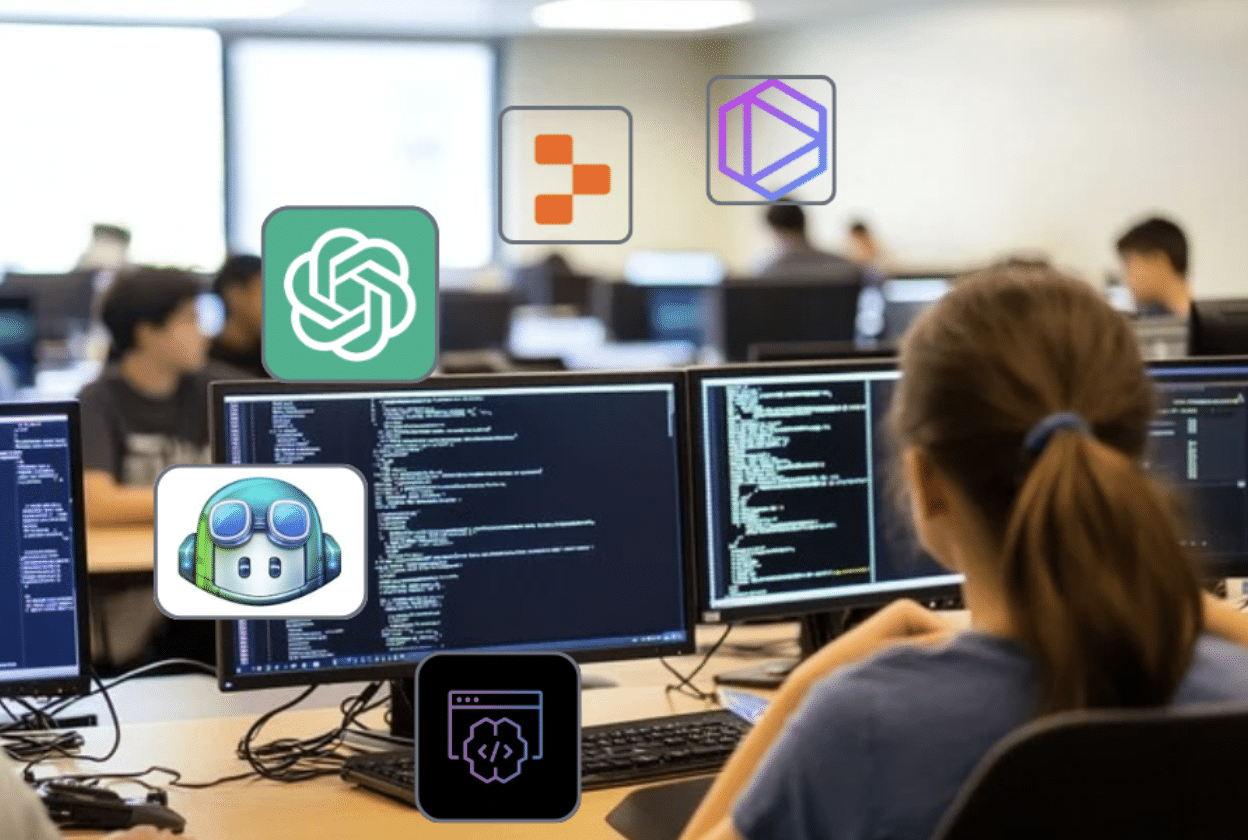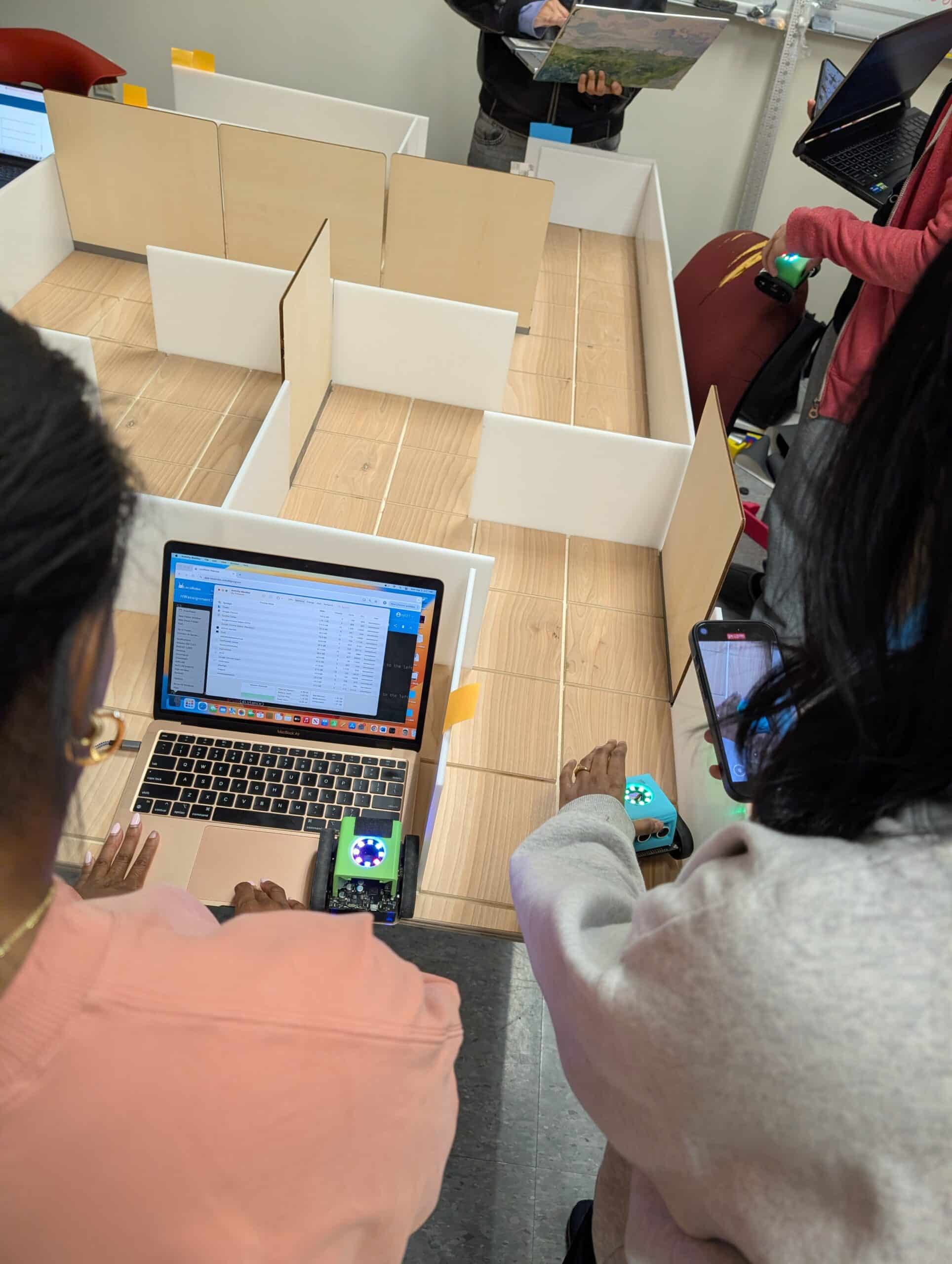



In a world increasingly shaped by artificial intelligence, one of the most exciting recent advancements is in the realm of AI, where machines are trained to learn, think, and even communicate like humans. Prompt engineering has become one of the most in-demand skills—and one of the most accessible. Whether a student is interested in science, business, art, writing, or social change, learning how to communicate with AI tools effectively opens the door to powerful creative and professional opportunities.
At its core, prompt engineering is about asking better questions. And that’s something every student can benefit from, no matter their path.
What Is Prompt Engineering?
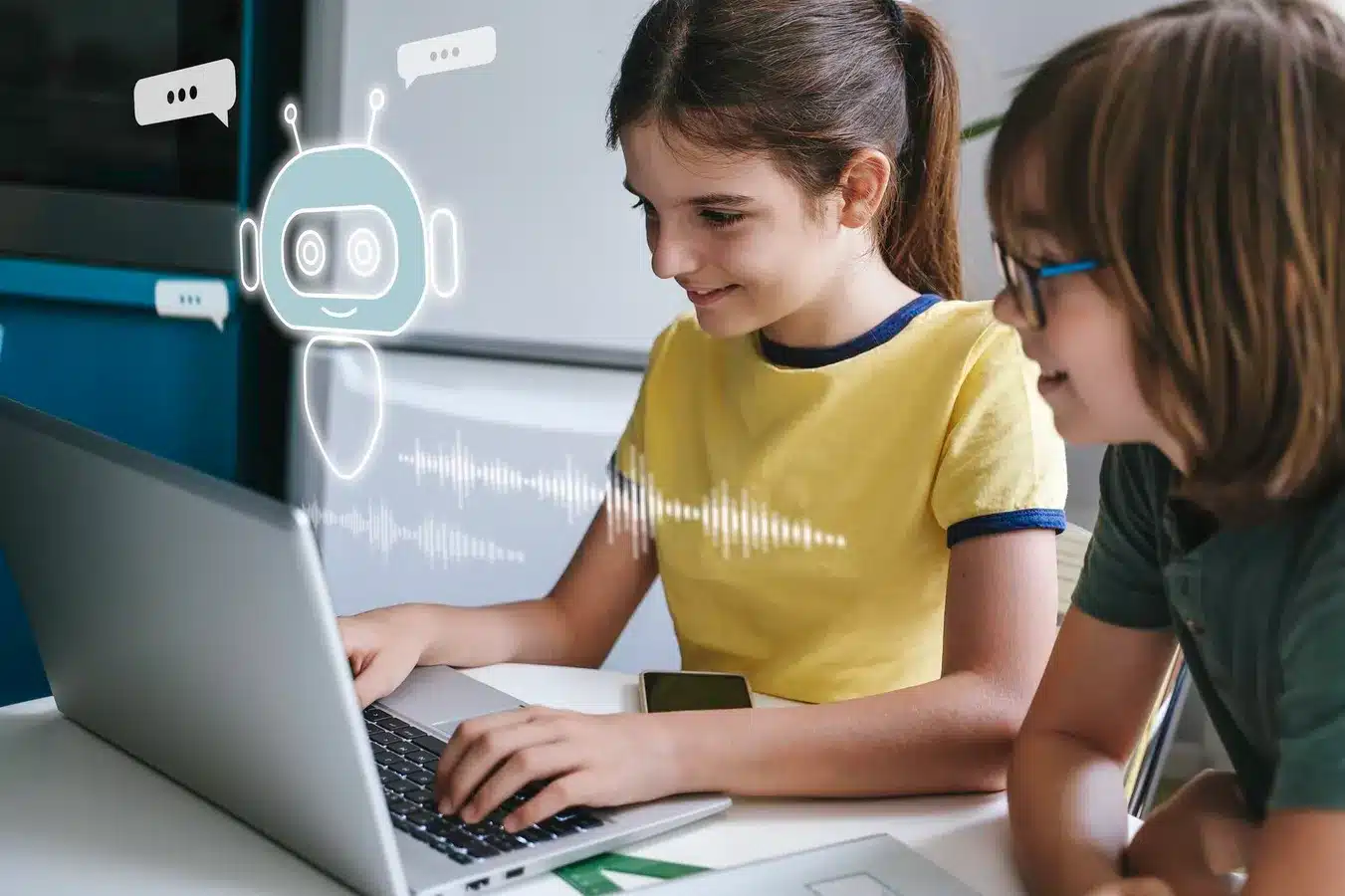
Prompt engineering is the practice of designing effective inputs—called prompts—to guide AI systems like ChatGPT or image generators toward accurate, useful, and relevant outputs. It’s both a technical skill and a creative process, and it requires understanding how AI models interpret language and context. At its heart, prompt engineering is similar to teaching a child through questions. Just as a well-phrased question can guide a child’s thought process, a well-crafted prompt can steer an AI model towards a specific output.
Over time, students learn how to:
- Craft instructions that clearly define a task
- Assign roles to the AI (e.g., “act as a tutor” or “act as a coding assistant”)
- Add relevant context or examples to improve responses
- Use advanced strategies like zero-shot, few-shot, or chain-of-thought prompting
- Troubleshoot common prompt failures
- Apply ethical guidelines to reduce bias and promote responsible use
In short, prompt engineering determines how well AI understands what you’re asking, and how useful its response will be.
Why This Skill Matters for Every Student
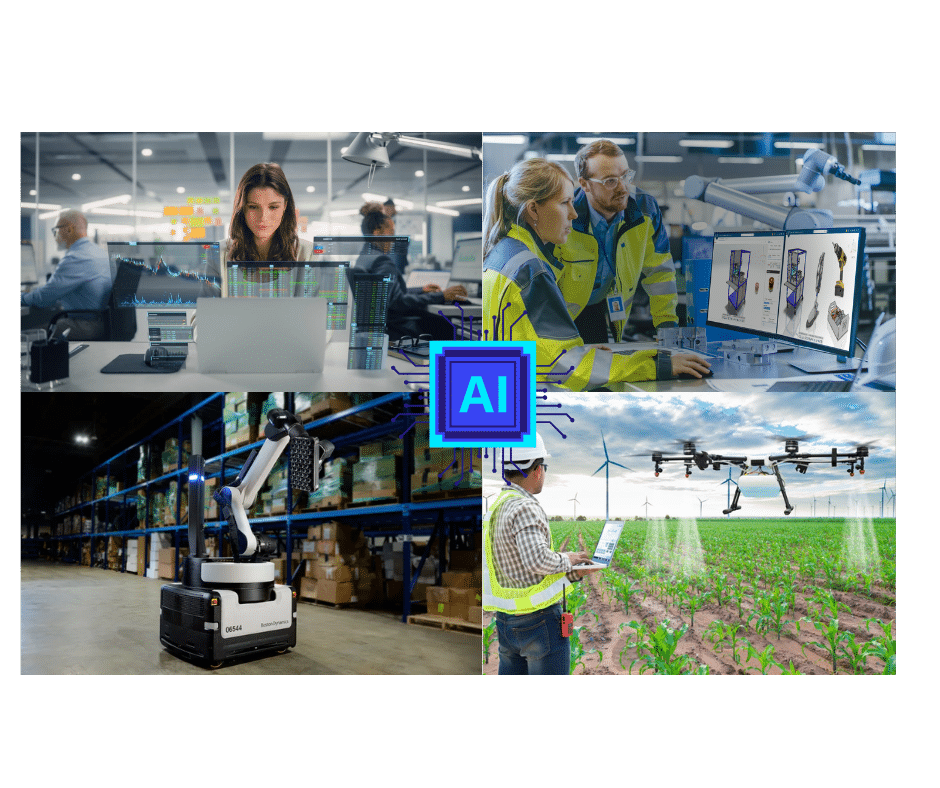
As AI continues to reshape industries, a new type of professional is emerging: the lean knowledge worker—someone who excels at using AI tools to craft precise prompts, interact effectively with machines, and think in collaboration with AI to remove bottlenecks and work efficiently. Whether students are drawn to science, business, design, writing, or social impact, learning how to communicate effectively with AI opens the door to powerful creative and professional opportunities.
- Boosts creativity: Prompts can be used to generate story ideas, experiment with design, or even co-create music and visual art.
- Increases productivity: From organizing study notes to generating research summaries, AI becomes a tool for working smarter.
- Builds confidence across subjects: Students develop better communication, questioning, and problem-solving skills.
- Bridges classroom engagement gaps: For Gen Z learners who are used to instant, tech-driven interactions, AI-powered activities make school feel more relevant and hands-on.
- Prepares students for lean knowledge work: These skills are highly valued across industries, from business and media to science and technology.
How LocoRobo Helps Students with AI in Education
At LocoRobo, we’ve created a K–12 AI curriculum that teaches students how to think critically and collaborate with AI, turning students into skilled AI communicators.
- Craft effective prompts using structure, context, and examples
- Understand AI model behavior to improve results
- Explore real-world use cases across text, image, and code
- Apply ethical principles to create inclusive, responsible AI interactions
This course empowers students with practical skills, giving them a head start in AI-focused careers while nurturing curiosity and responsible innovation. Explore our AI-powered curriculum and discover how LocoRobo is making cutting-edge education accessible, engaging, and future-ready.