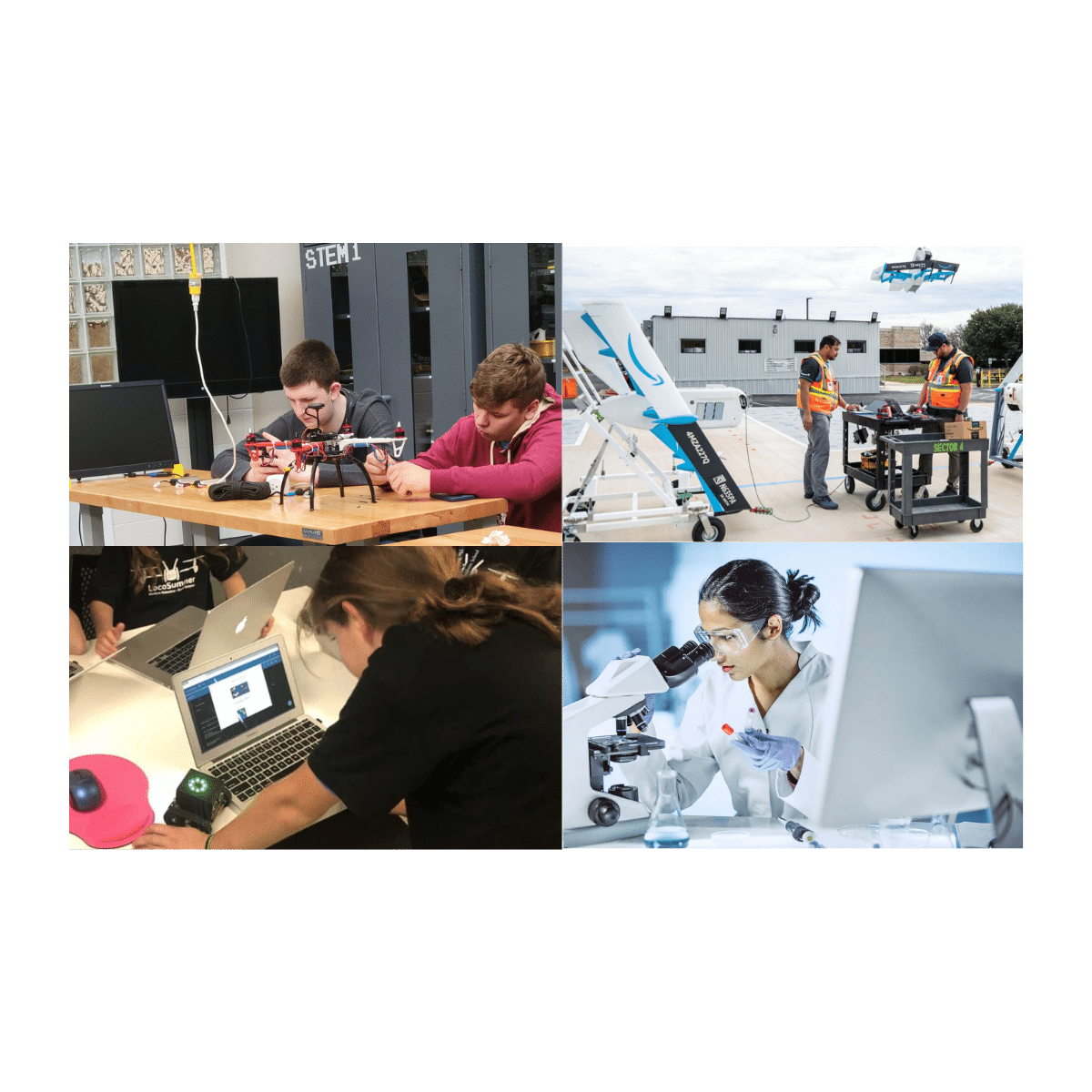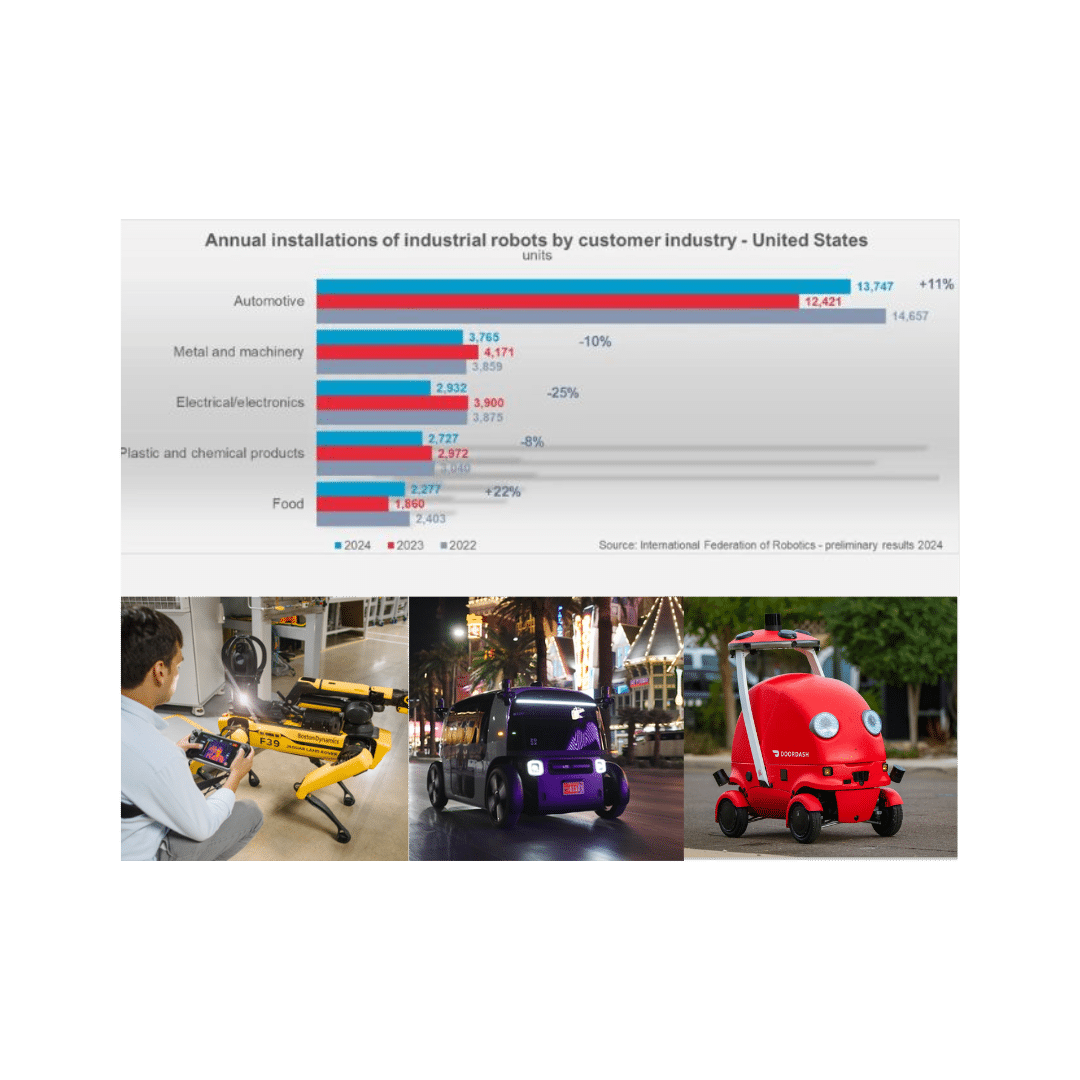



In 2026, AI and robotics are no longer niche topics. They are shaping hiring decisions, wage growth, logistics systems, manufacturing strategies, and even how companies structure day-to-day operations.
For schools, the question is not whether students will encounter AI or automation. It is whether they will understand how these systems work, how to build or improve them, how to question them, and how to work along with them.
AI Skills Matter Because AI Adoption Is Accelerating Across Industries
According to PwC’s 2025 Global AI Jobs Barometer, AI usage has increased across 100% of industries analyzed, including sectors like mining, construction, and agriculture.
Source: PwC, AI Jobs Barometer 2025
PwC also reports:
- A 56% wage premium for workers with AI skills compared to those in the same roles without AI skills
- AI-exposed jobs are seeing skills change 66% faster than other jobs
These are not projections for 2035. They reflect shifts already underway.
The World Economic Forum’s Future of Jobs Report 2025 lists AI and big data as the fastest-growing skill area globally.
Source: World Economic Forum
Real Example: AI at Enterprise Scale
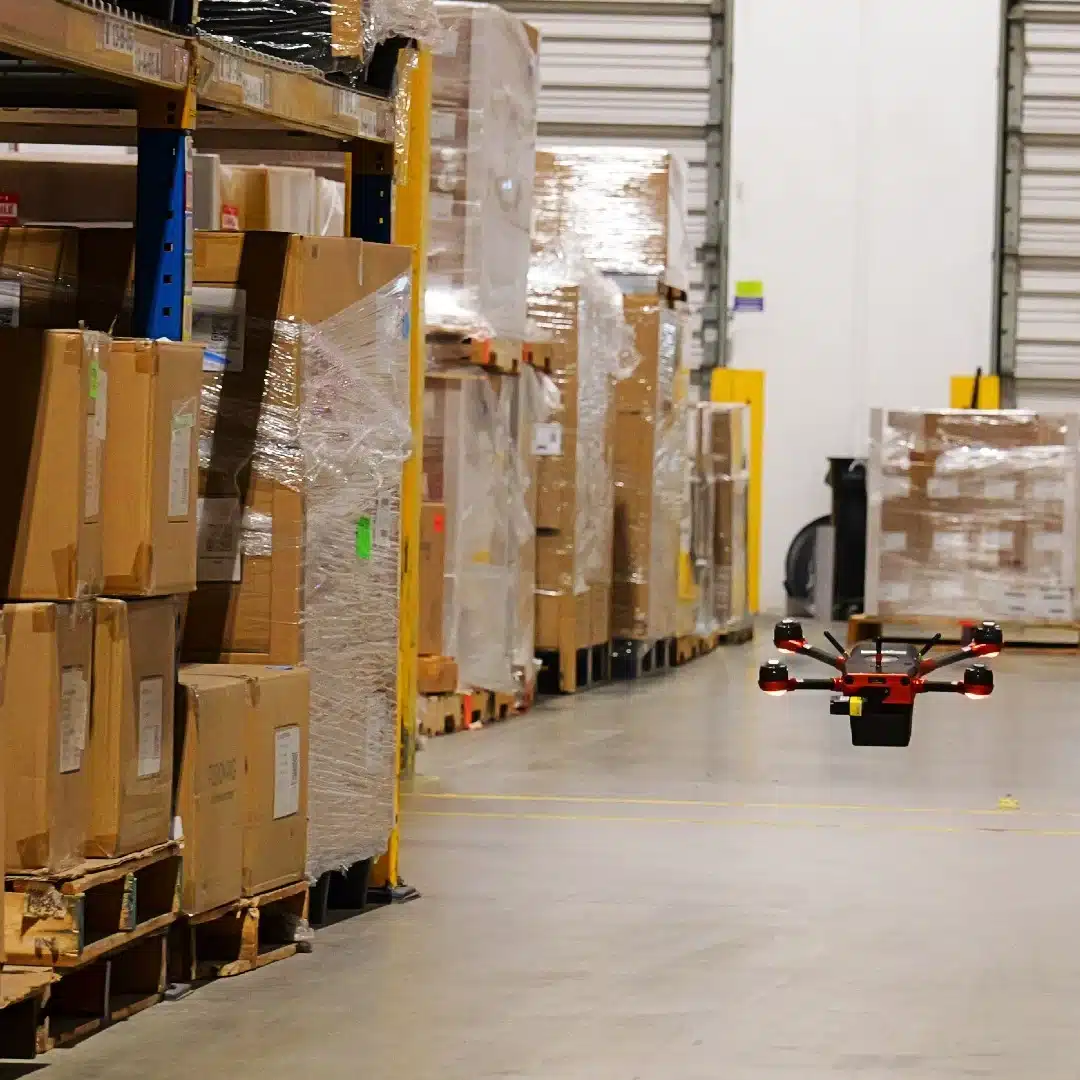
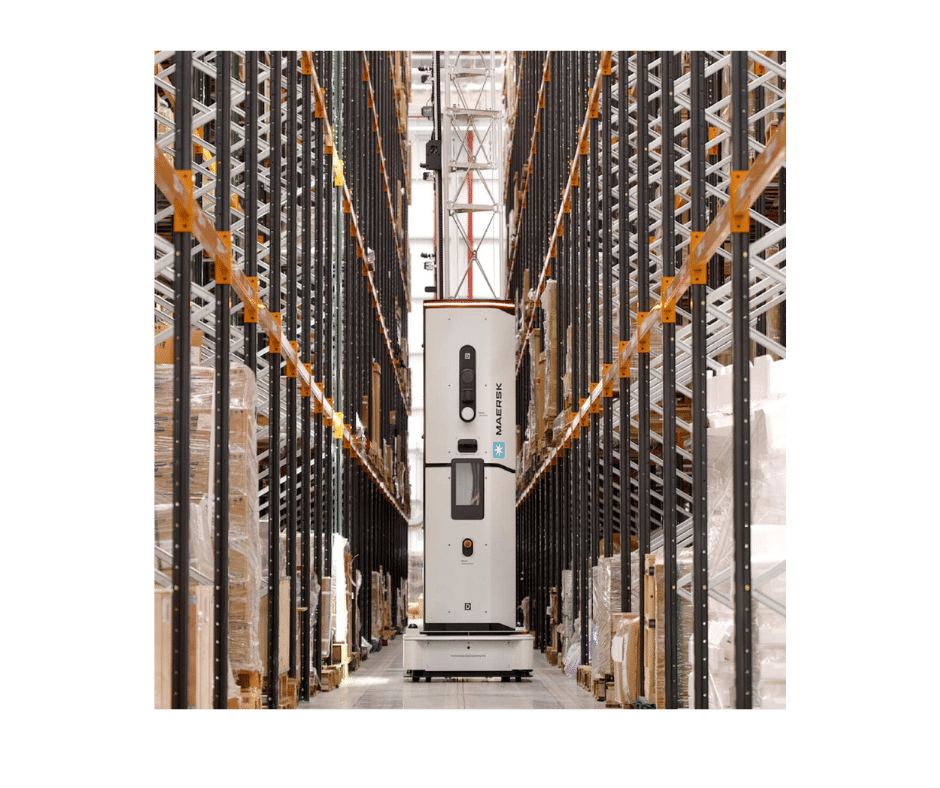
Amazon reported deploying its one millionth robot in 2025 and introduced a new generative AI foundation model to improve robot coordination and travel efficiency by 10% across fulfillment centers.
Source: Amazon News
This example shows two important realities:
- AI is not theoretical. It is being deployed at operational scale.
- Companies are investing in AI to increase efficiency, reduce cost, and improve system performance.
Students entering logistics, engineering, business operations, healthcare, or finance will increasingly work in environments where AI tools are standard.
Robotics Skills Matter Because Automation Is Scaling Globally
The World Economic Forum reports that roles related to robotics engineering, automation, and AI are among the fastest-growing globally.
Source: World Economic Forum, Future of Jobs Report 2025
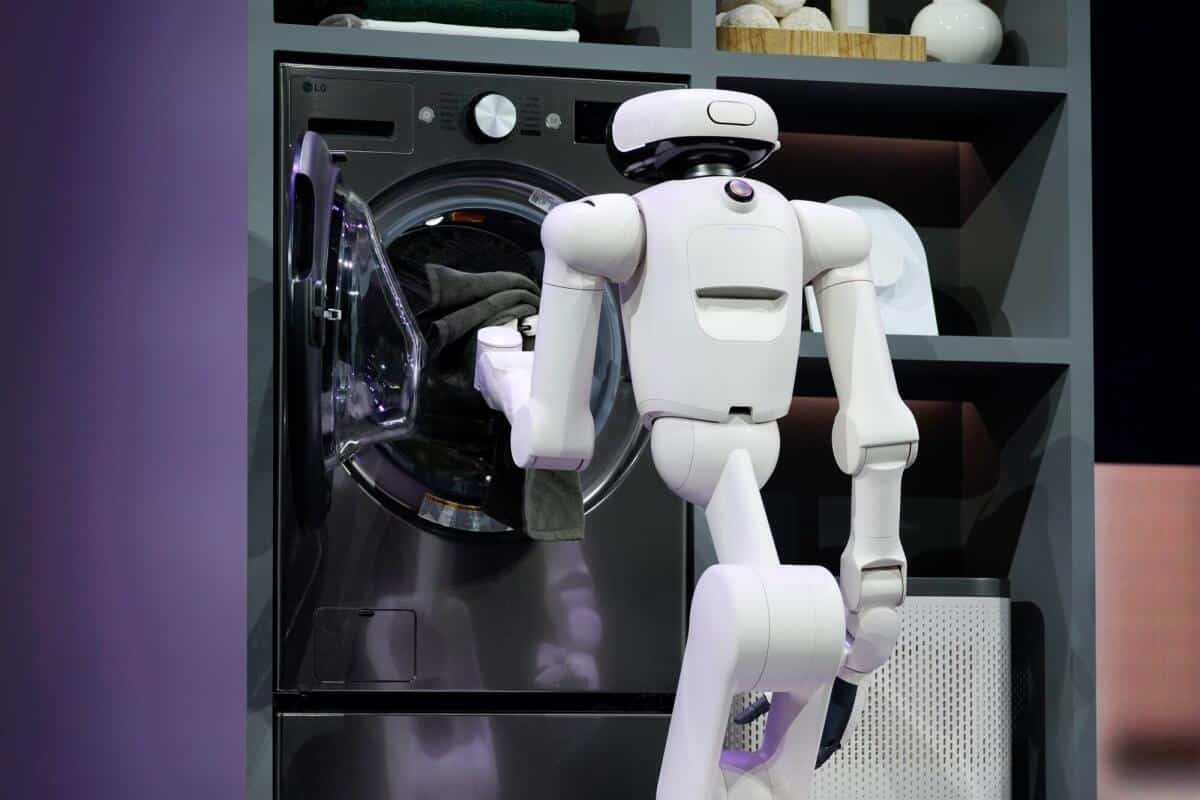
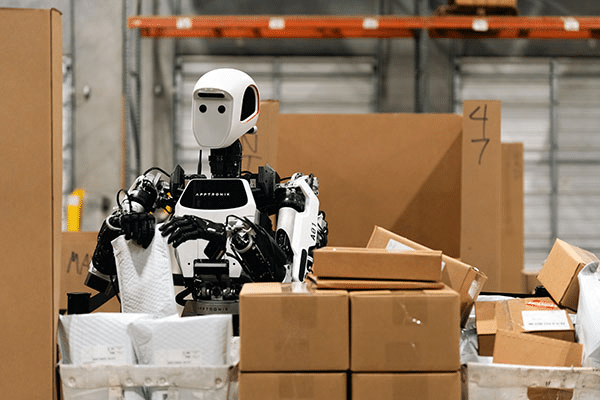
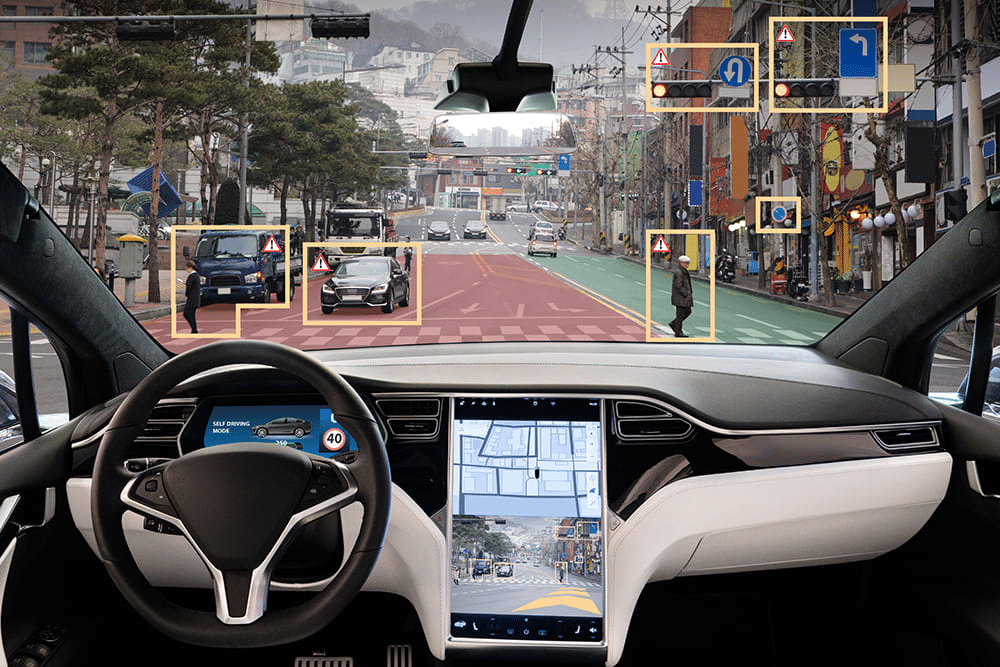
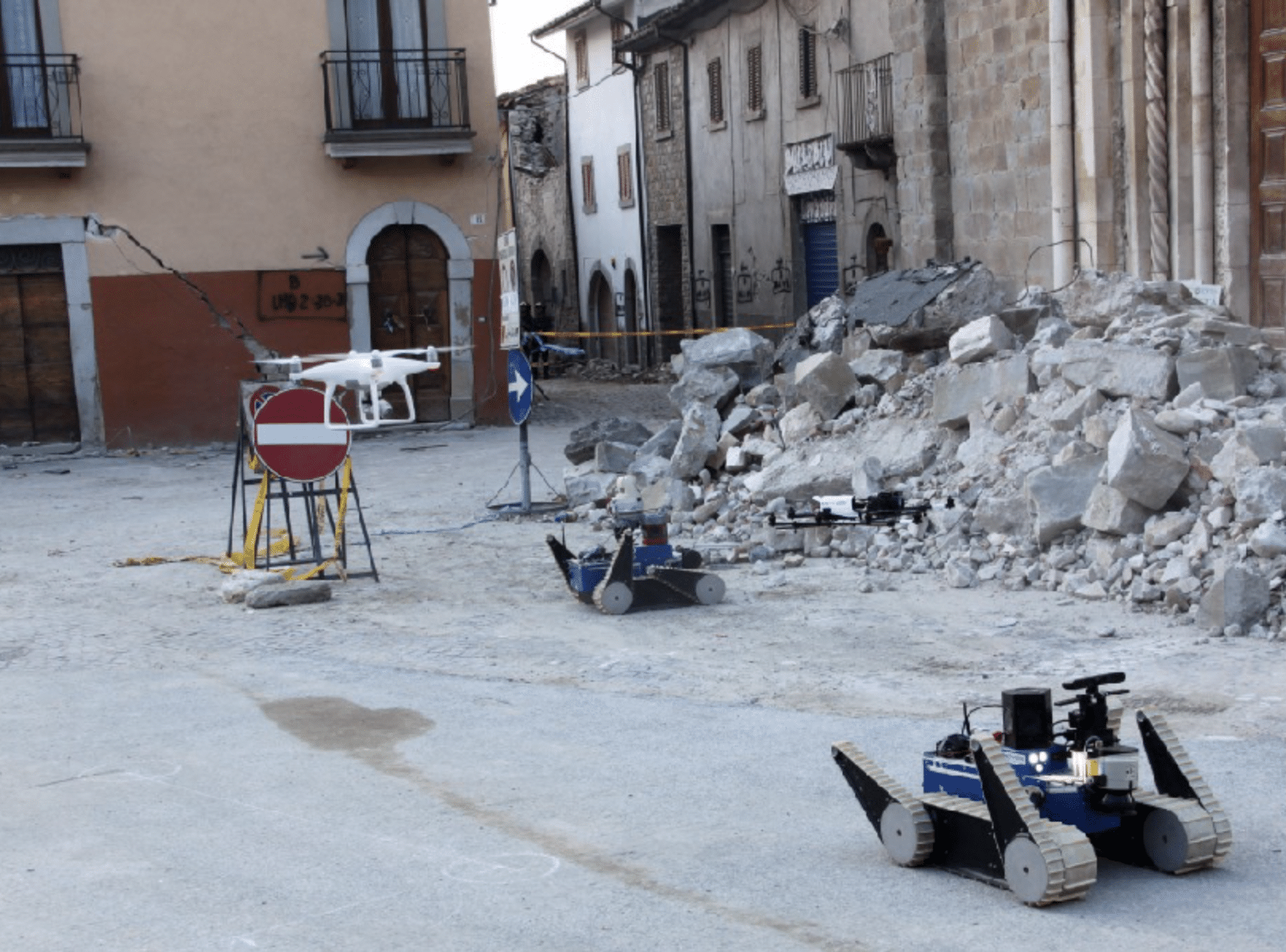
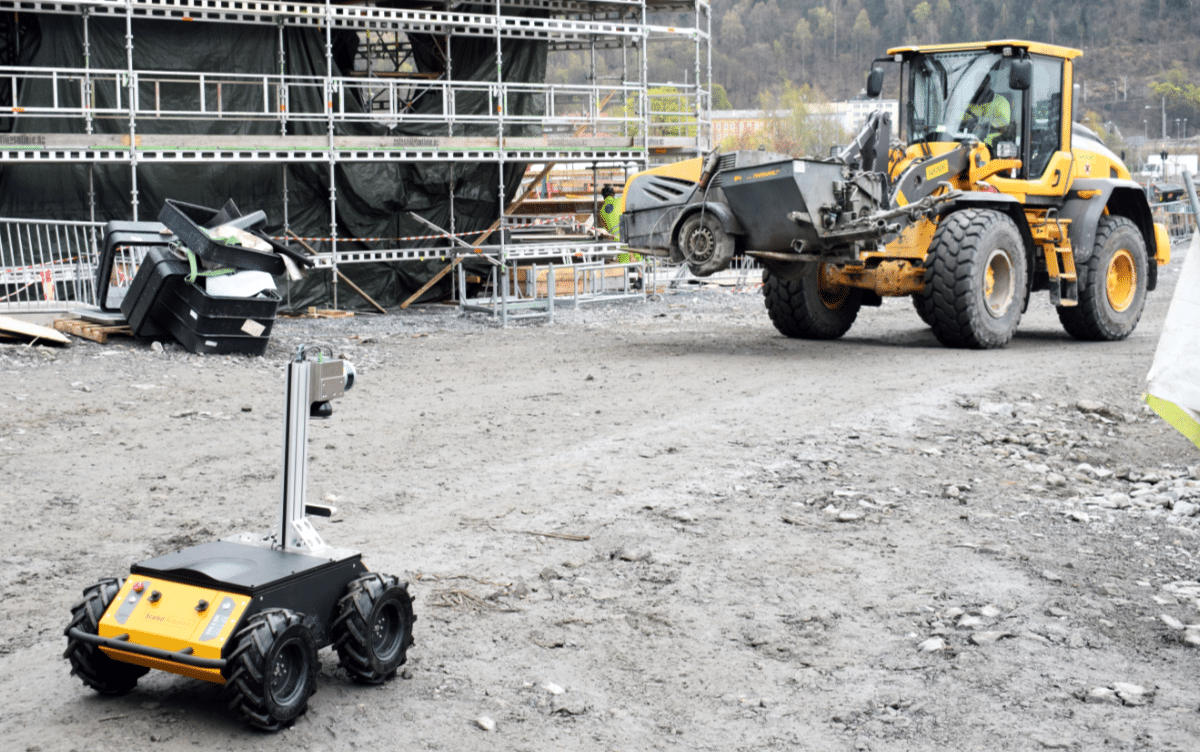
Modern robots now combine sensors, machine learning, and computer vision to adapt and make decisions in real time. As robotics blends with AI, demand is rising for professionals who understand both intelligent software and physical systems.
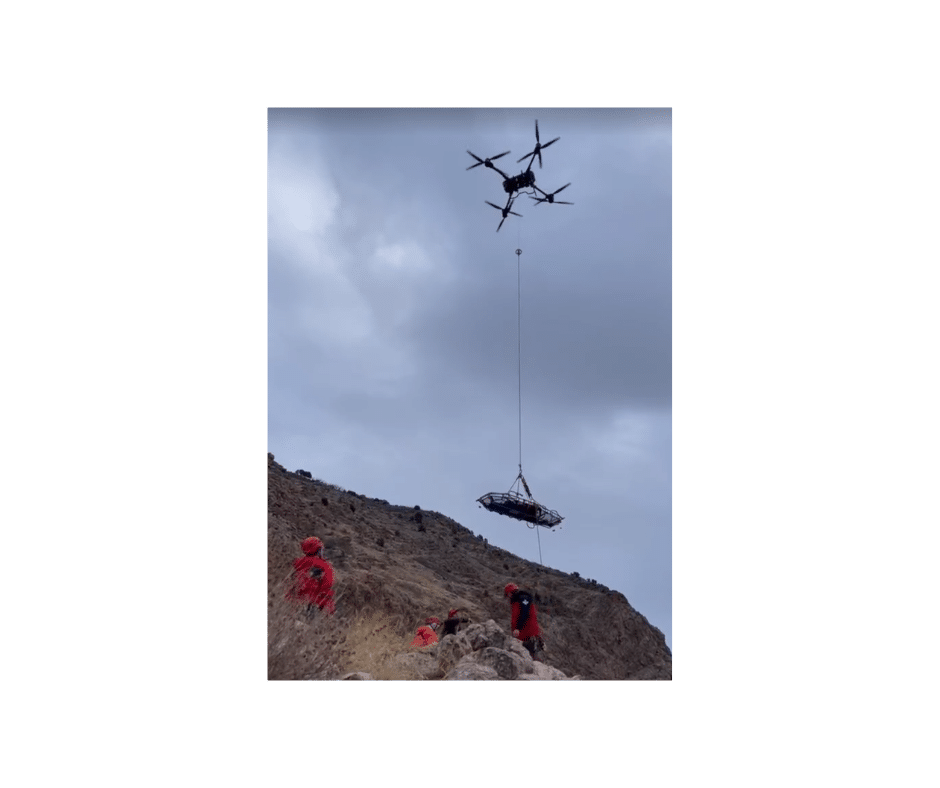
Automation today is increasingly AI-driven. Robots are no longer limited to repetitive motion. They interpret sensor data, adapt to changing conditions, and make decisions using machine learning models.
As a result, workforce demand is shifting toward roles such as:
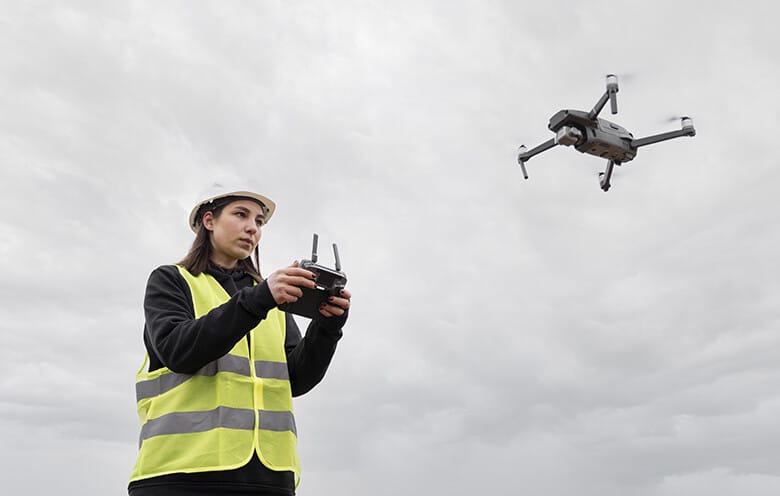
- Robotics and AI technicians
- Automation specialists with data analysis skills
- Systems integrators for AI-enabled machinery
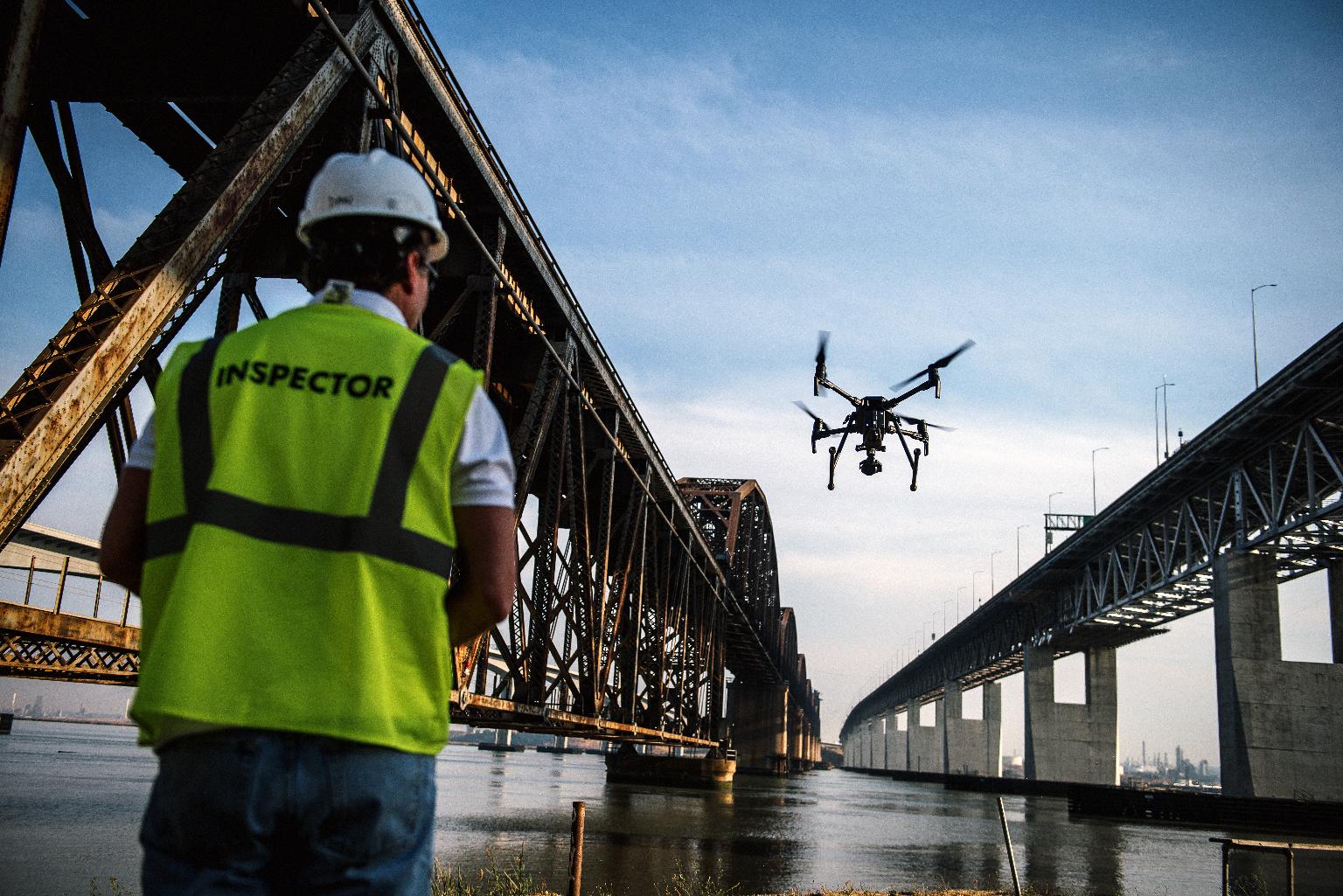
- Quality and inspection engineers using computer vision
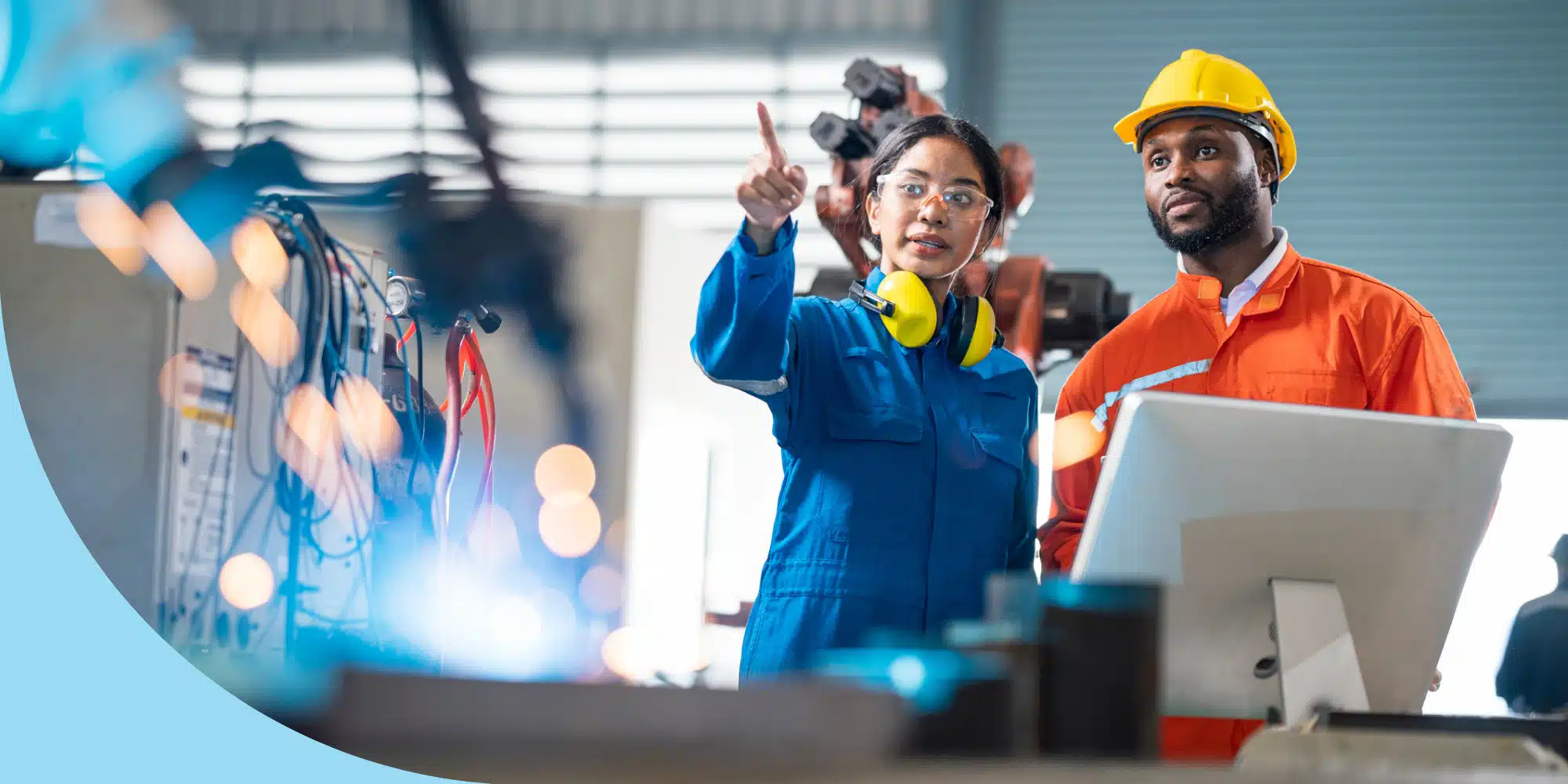
These positions demand applied problem-solving, debugging, systems thinking, and an understanding of how software, data, and physical hardware interact.
Automation is raising the skill floor and increasing the need for professionals who can build, maintain, and improve intelligent systems.
What Robotics Skills Look Like for Students
Robotics education focuses on:
- Programming logic and debugging
- Sensors and feedback systems
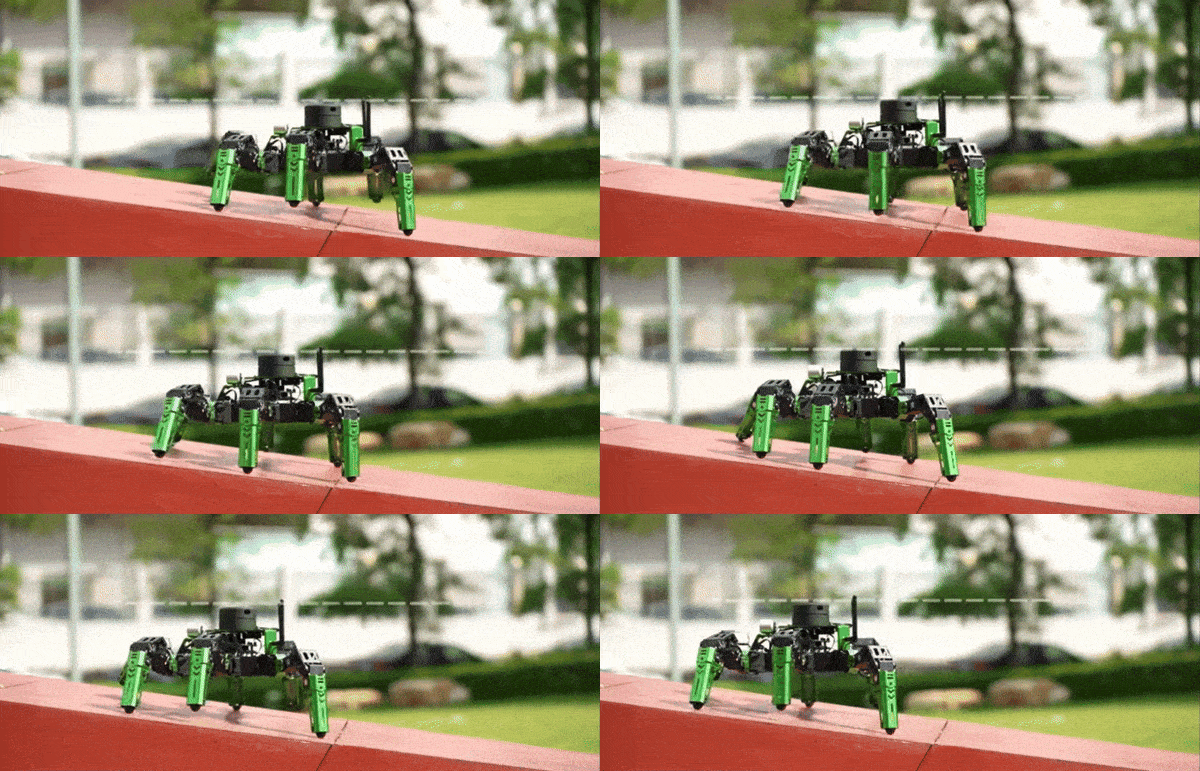
- Motion control and stability
- Iterative testing and refinement
- Documentation and teamwork
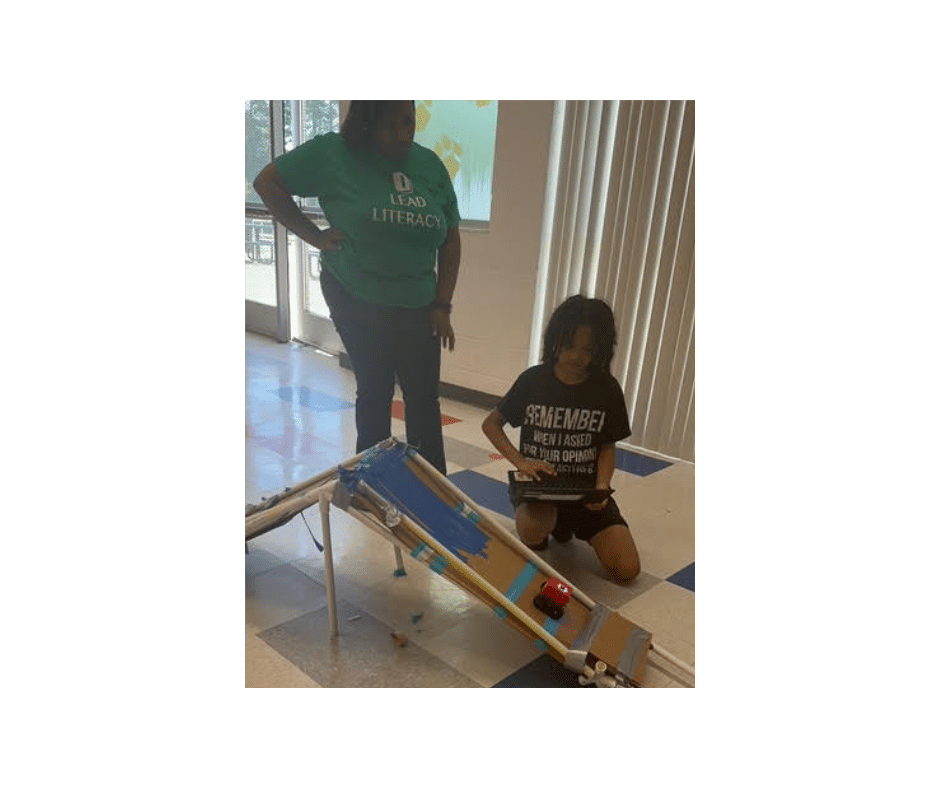
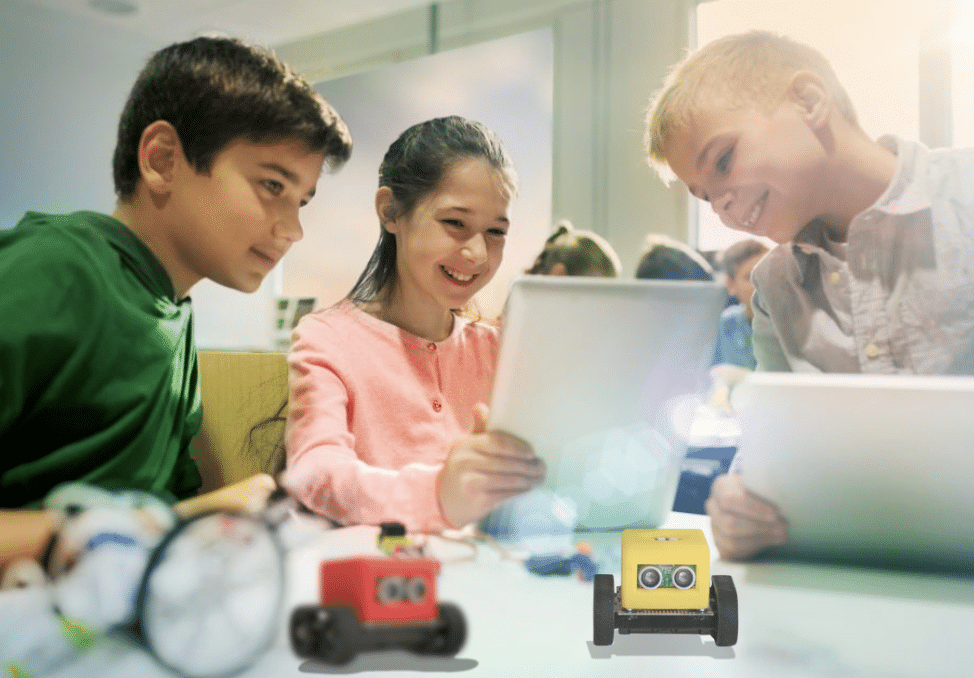
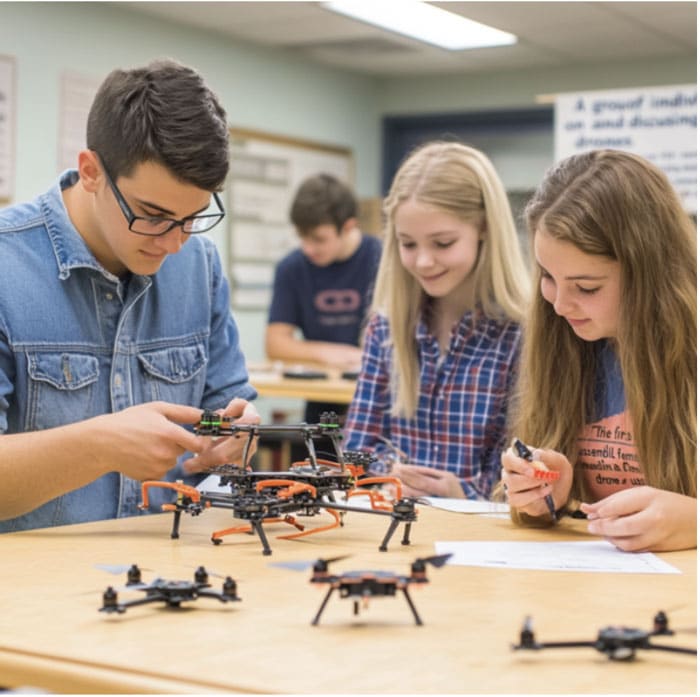
Students who learn robotics are practicing engineering thinking tangibly. When a robot does not move as expected, it must be diagnosed, revised, and tested again. That loop mirrors real engineering environments.
Why Schools Cannot Treat AI and Robotics as Optional
The World Economic Forum reports that by 2030, employers expect nearly 40% of workers’ core skills to change. Upskilling and reskilling are becoming central to workforce planning.
Source: World Economic Forum
When AI and robotics are expanding across industries:
- Students without exposure face a widening skills gap
- Career exploration becomes concrete instead of abstract
- Students with structured exposure gain confidence and fluency
One assumption many schools make is that these skills are only for students already planning STEM careers. In practice, AI and automation literacy benefit students entering fields such as business, healthcare, media, design, logistics, and entrepreneurship.
Career Pathways Students Can Visualise
Across industries, AI and robotics are increasingly deployed in intelligent systems.
Expanding career pathways include:
- AI-enabled robotics technician
- Machine learning engineer working on robotic systems
- Automation engineer
- Industrial AI systems analyst
- Mechatronics and automation specialist
- Robotics systems integrator
- AI operations and deployment specialist
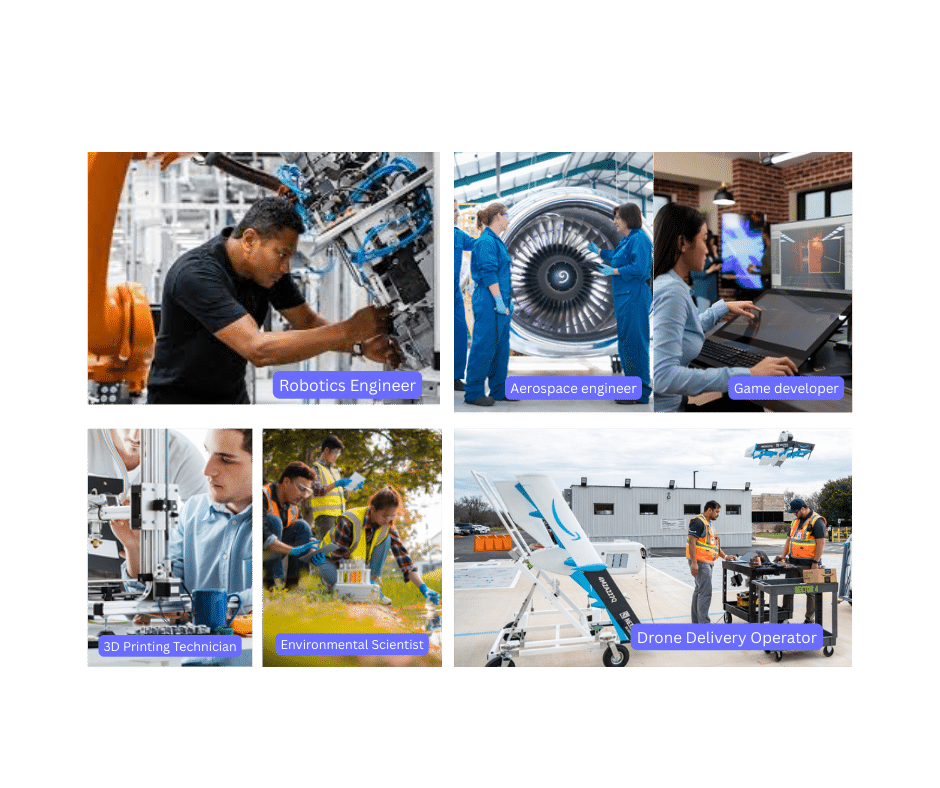
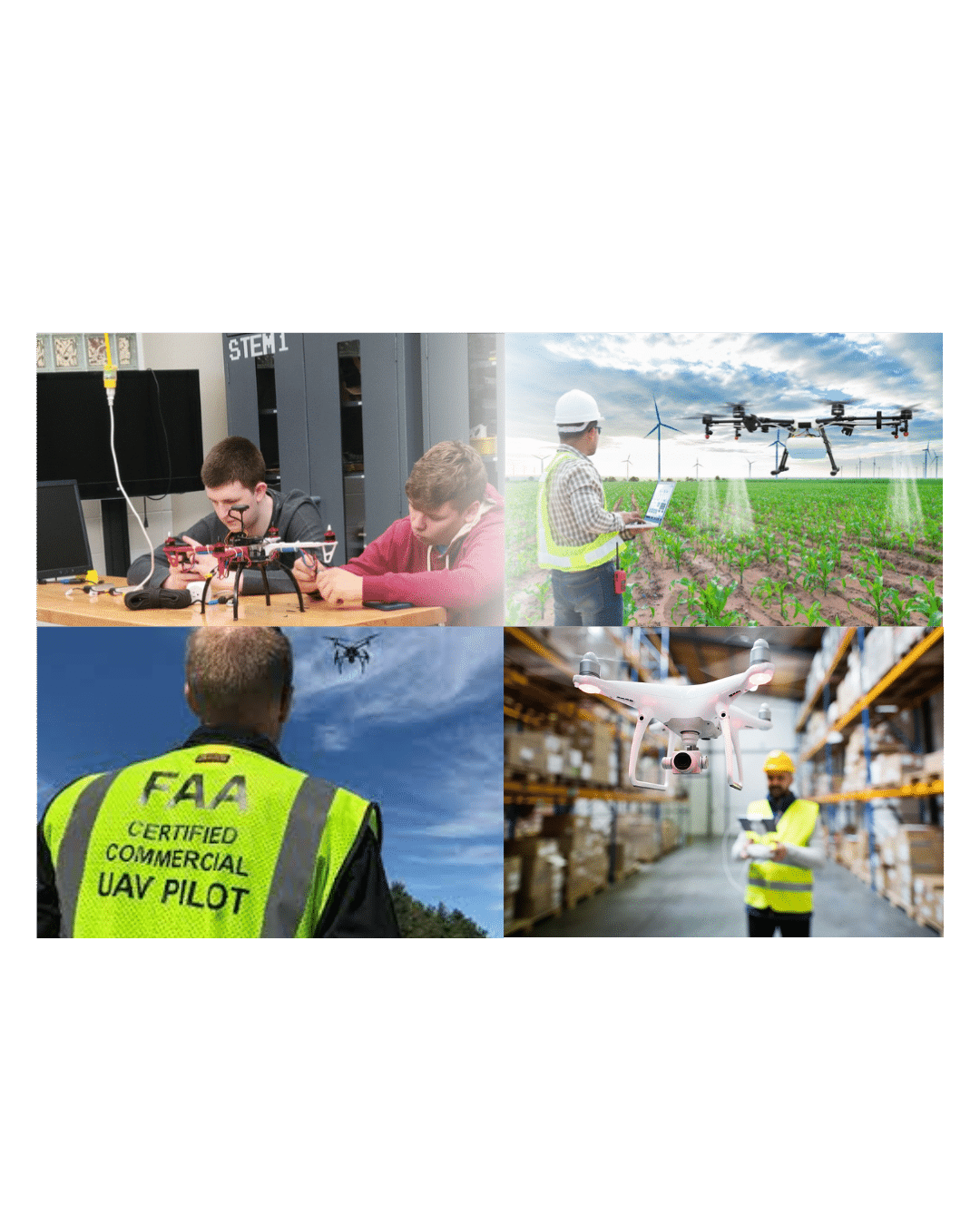
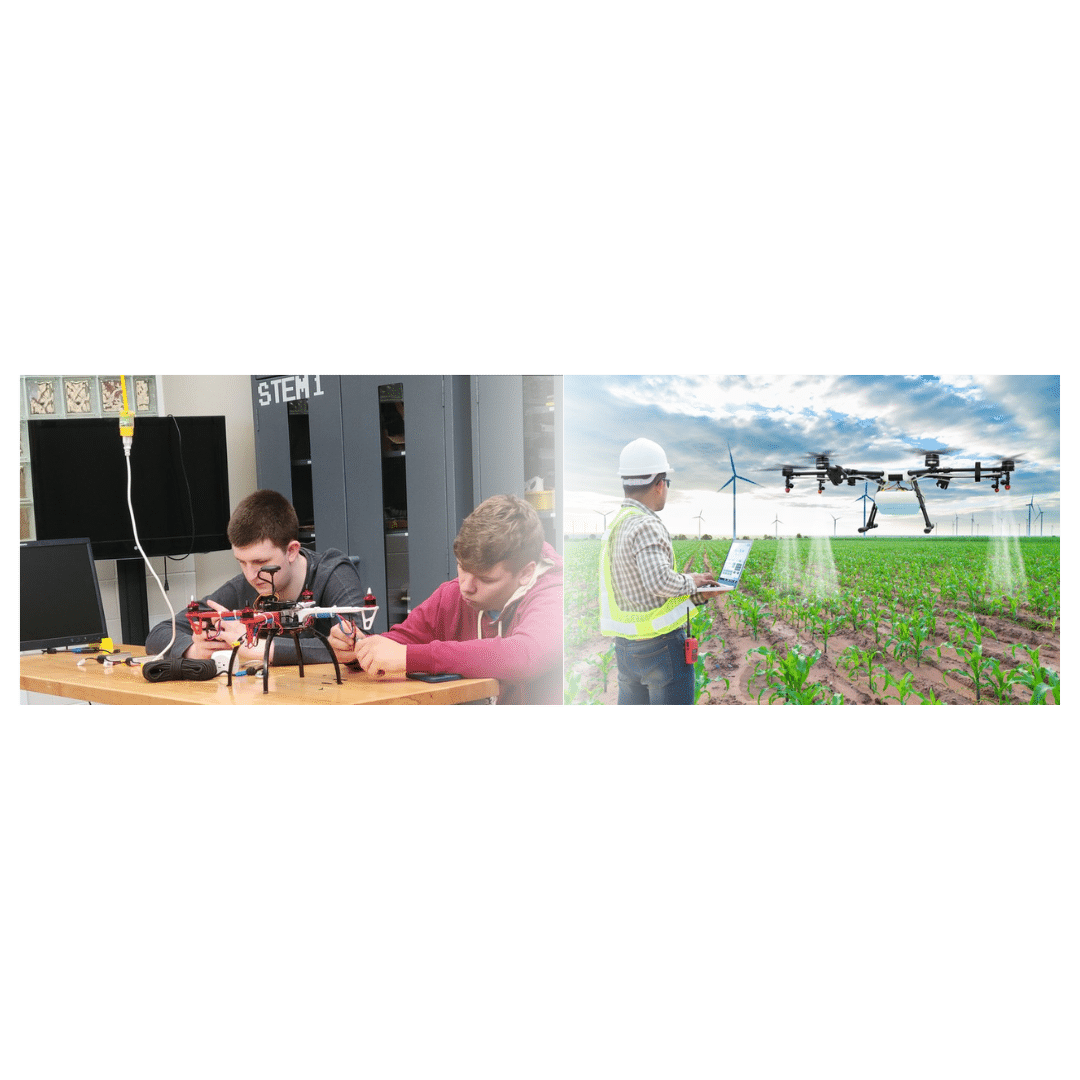
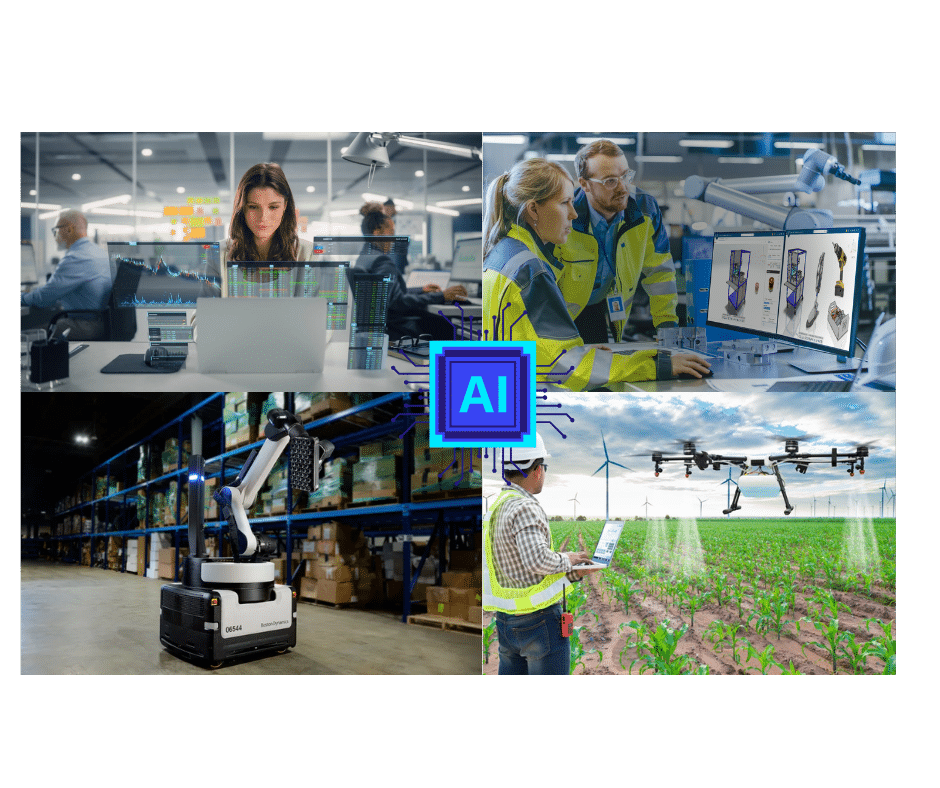
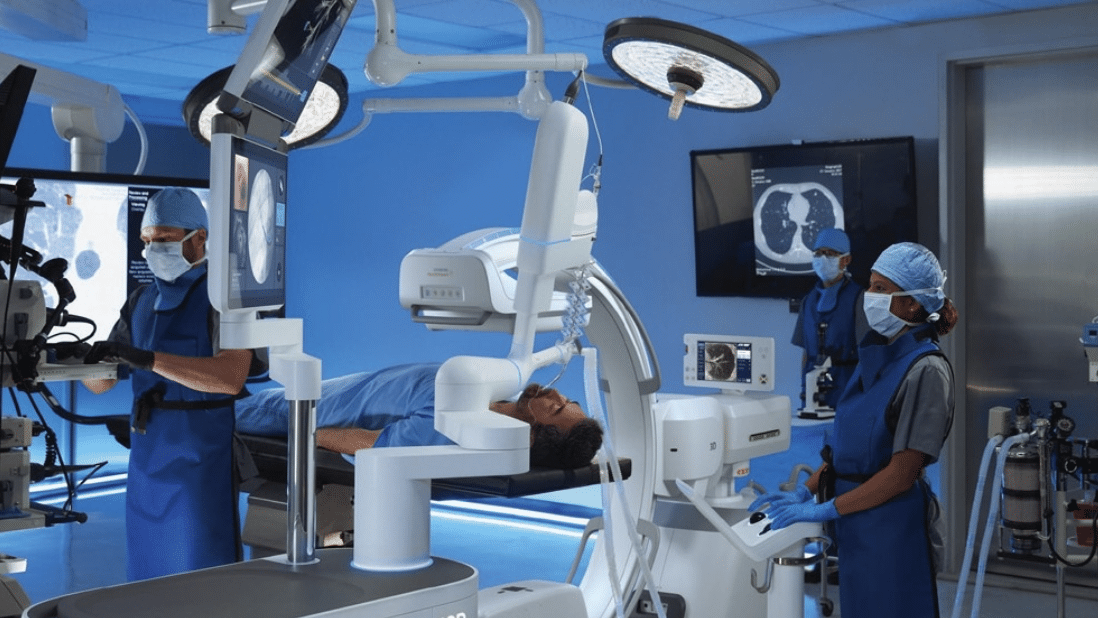
These careers appear across manufacturing, healthcare technology, logistics, agriculture, energy, and advanced infrastructure. Hiring data and industry expansion show growing demand for professionals who understand both intelligent software and physical systems.
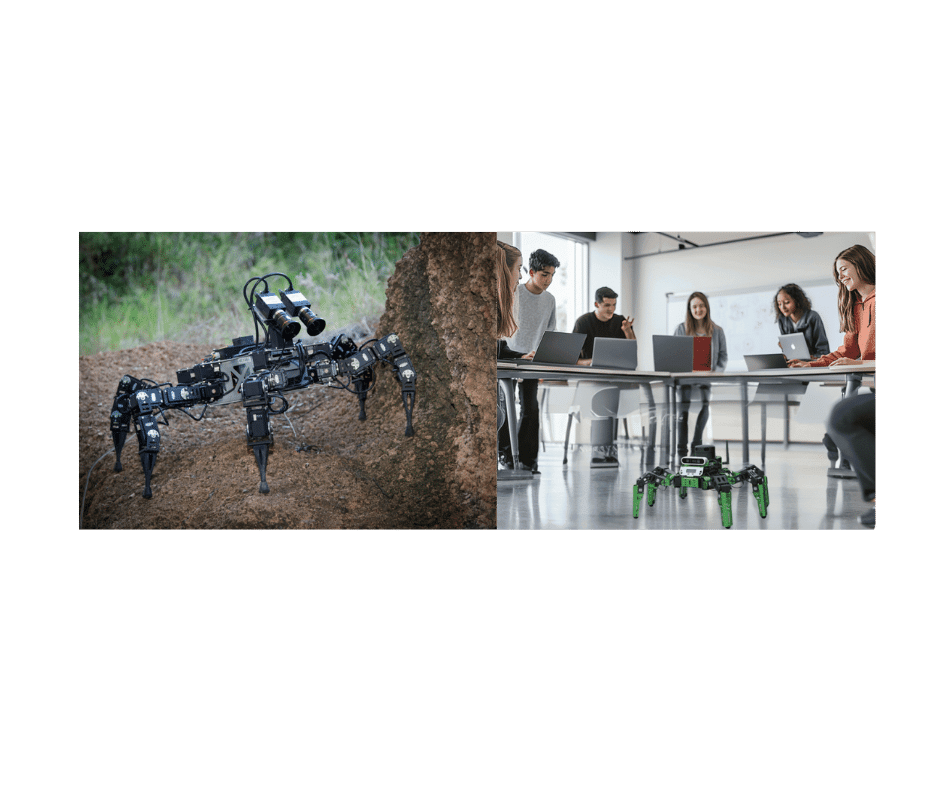
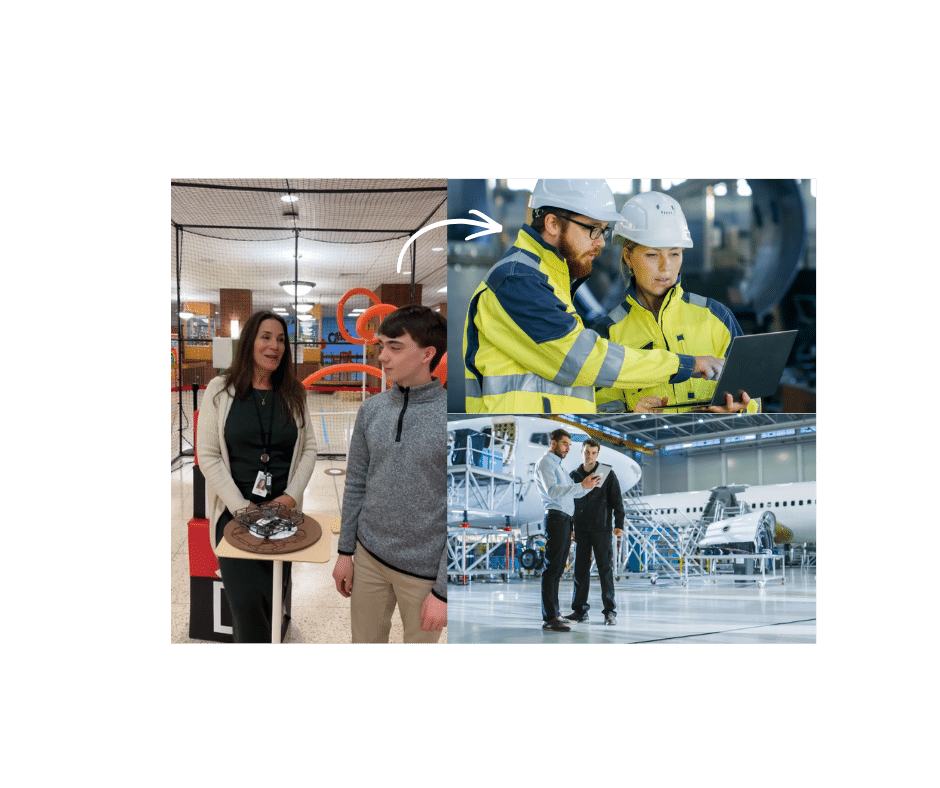
For students, exposure to AI and robotics makes these pathways more tangible. They can see how code translates into motion, how data improves performance, and how intelligent machines operate in real environments.
How LocoRobo Supports AI and Robotics Education
LocoRobo helps schools build structured AI and robotics pathways that align with STEM, Computer Science, and CTE goals.
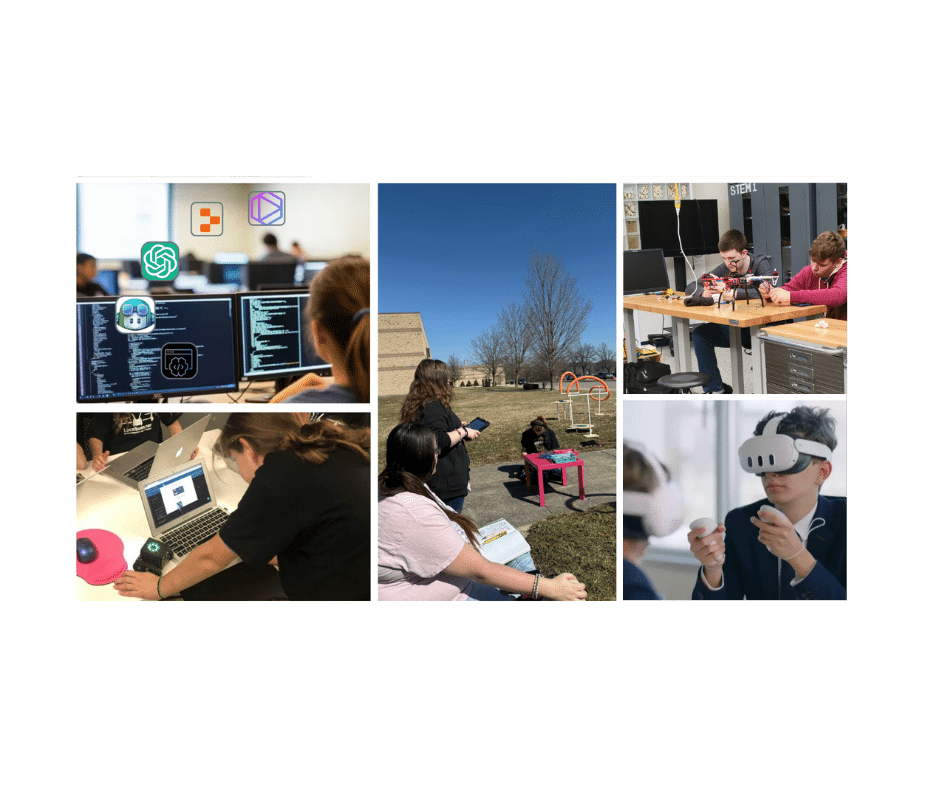
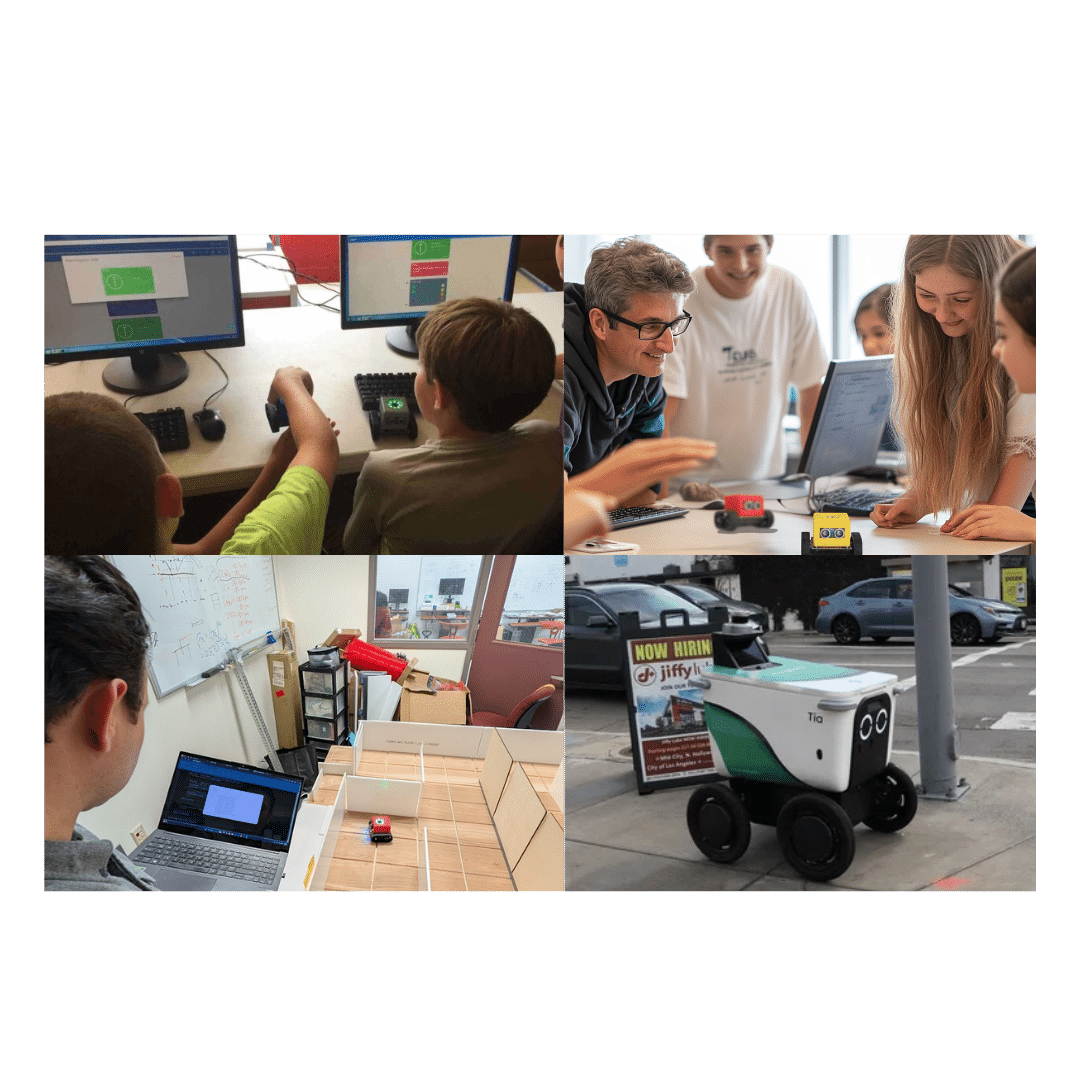
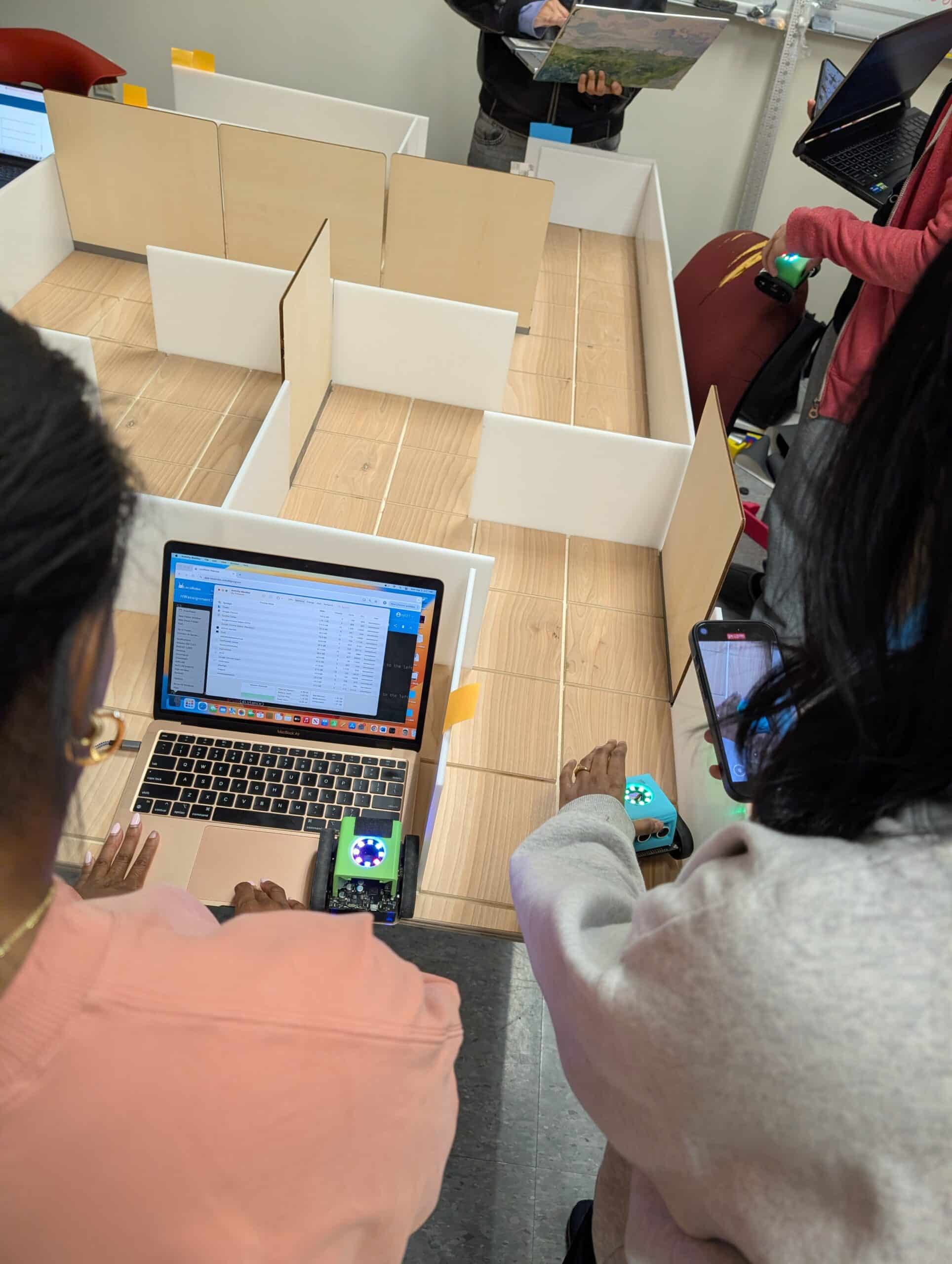
Our standards-aligned AI and robotics curriculum, web-based coding tools, and hands-on robotics platforms allow students to program, test, troubleshoot, and refine real systems. From foundational block coding to advanced Python, students develop skills in automation, AI problem-solving, and engineering thinking.
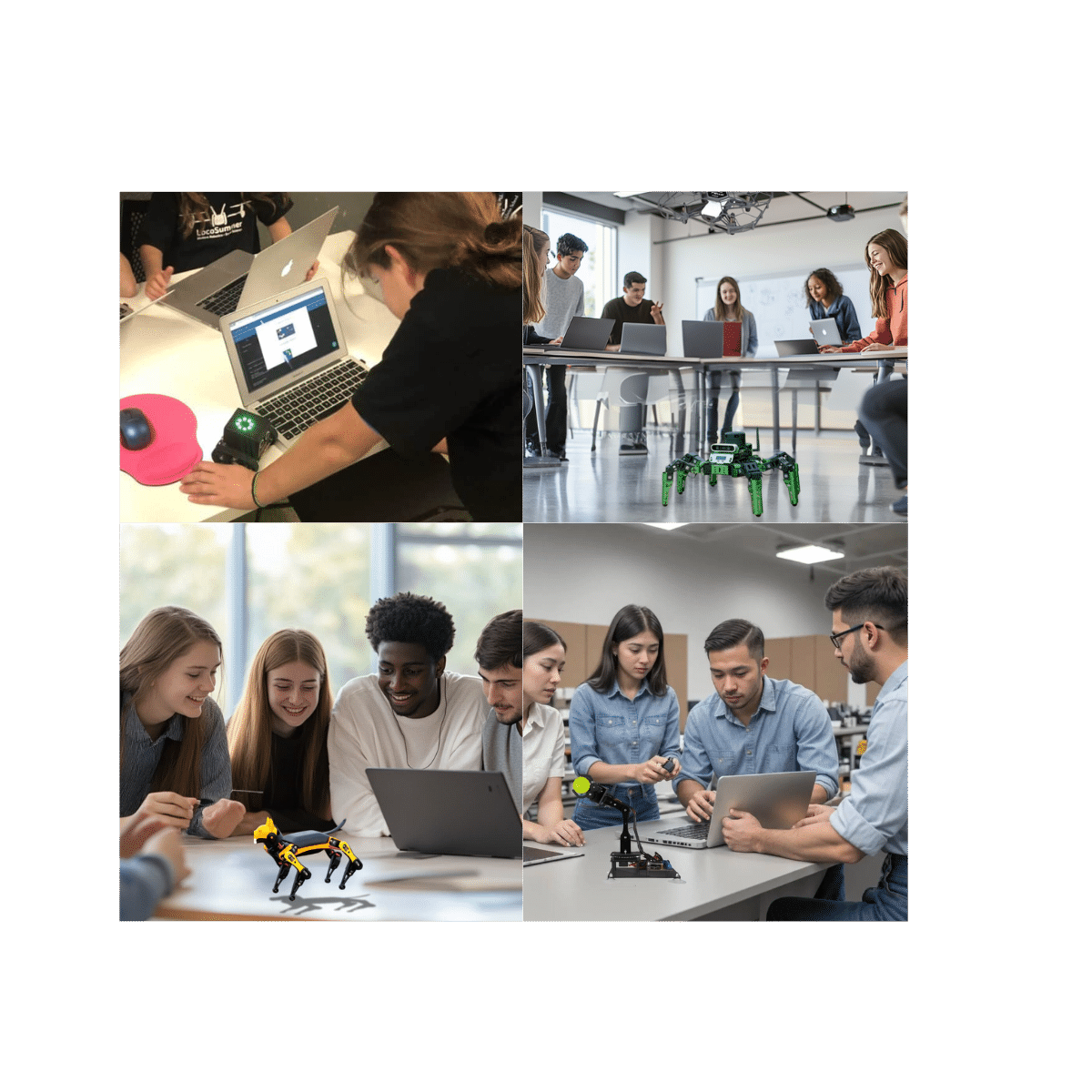
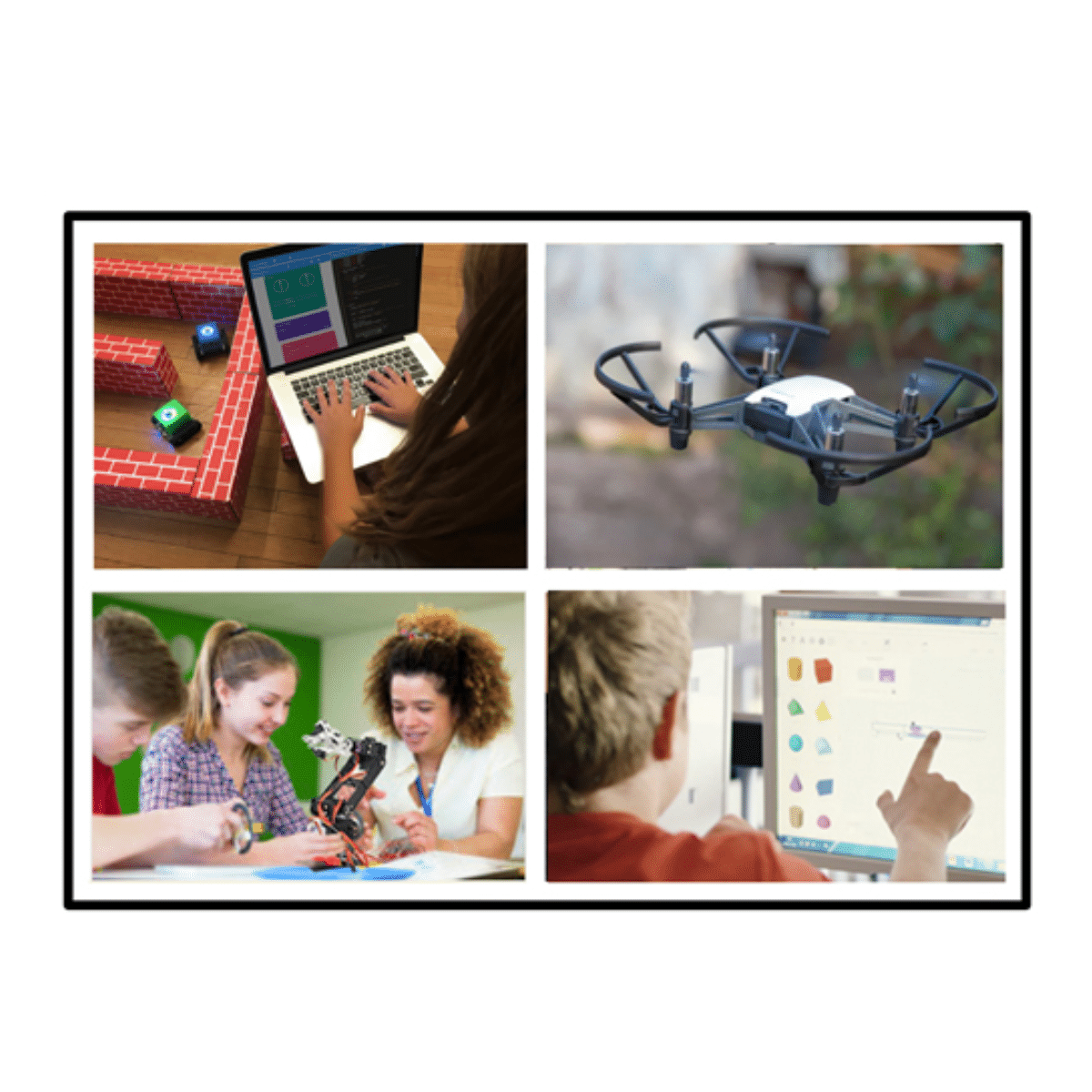
Our STEM robotics kits like LocoXtreme, LocoScout, LocoArm, LocoHex, and LocoRover give students practical experience with autonomous navigation, robotics programming, sensor integration, and AI-driven tasks.
Just as important, we support teachers with ready-to-use lessons, professional development, and ongoing guidance so you are never navigating solo.
Robotics and AI in education requires more than devices. LocoRobo provides the structure and support schools need to prepare students for the workforce of 2026 and beyond.