

Space robotics captures attention because of where it operates. Orbit. The Moon. Mars. But the real story is the skills behind the machines that make work in space possible.
Robotic arms that assemble structures, rovers that navigate unpredictable terrain, and autonomous systems that maintain spacecraft all rely on a core set of engineering and problem-solving skills. These are practical skills that students can begin developing long before they reach a university lab or aerospace internship.
What Space Robots Actually Need to Do
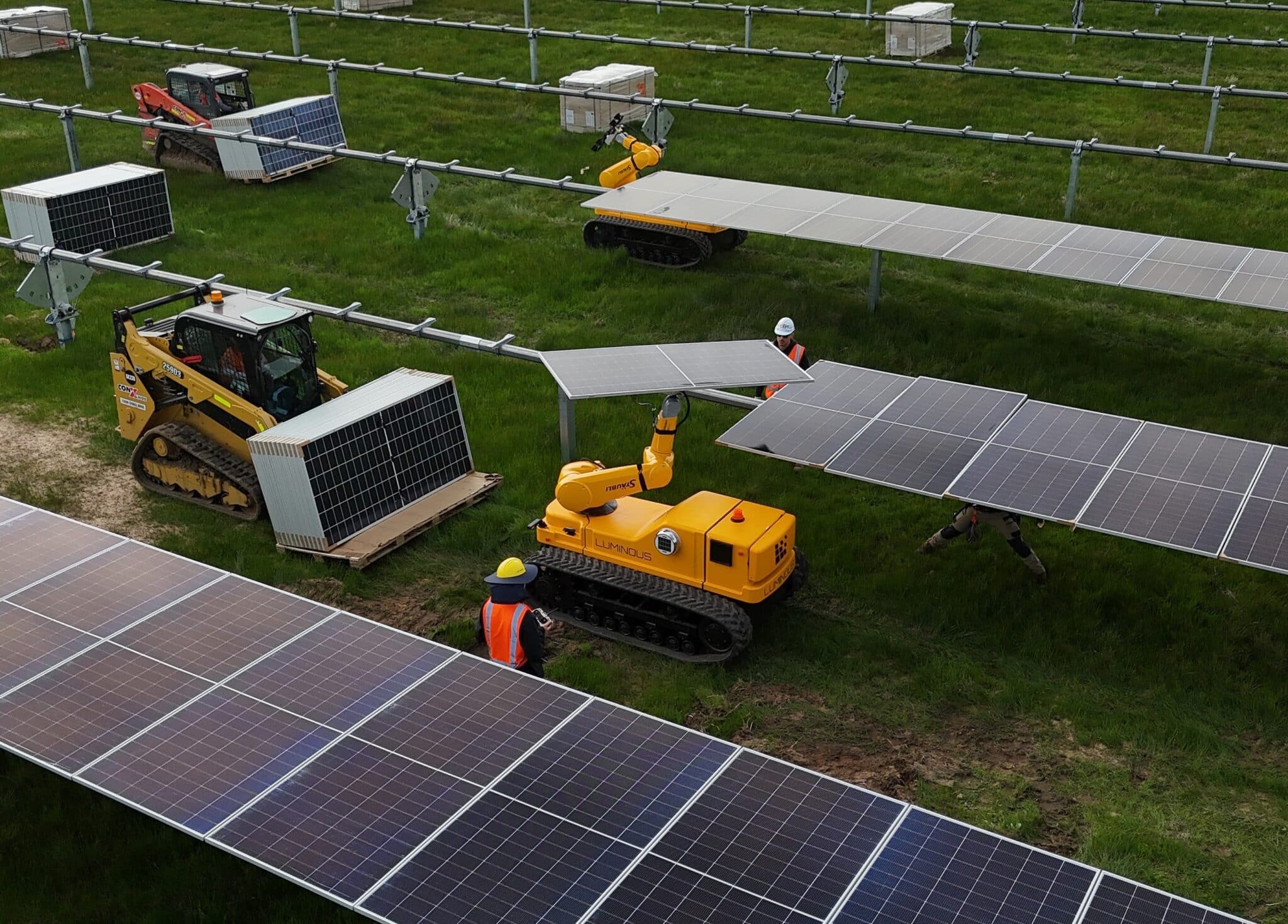
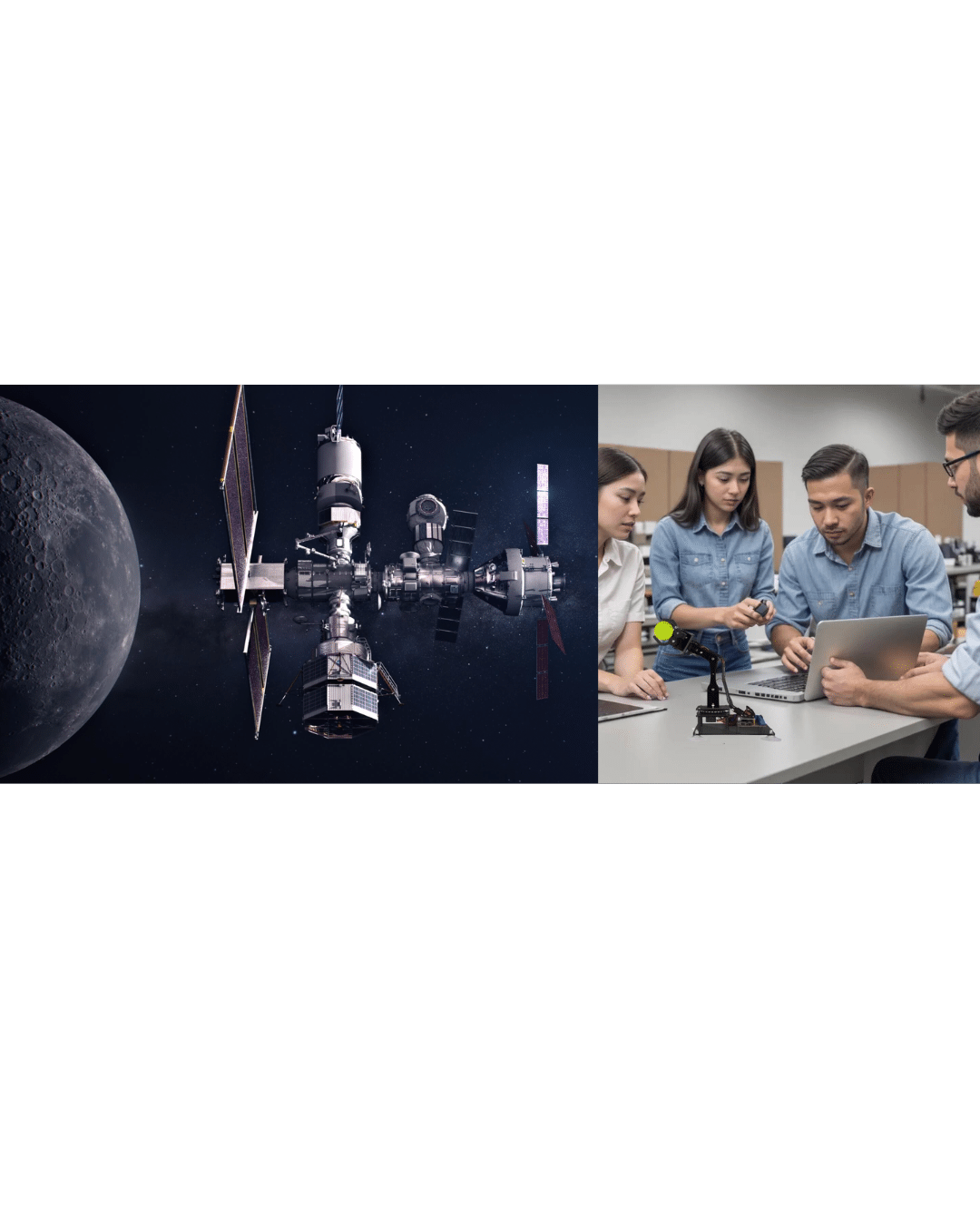
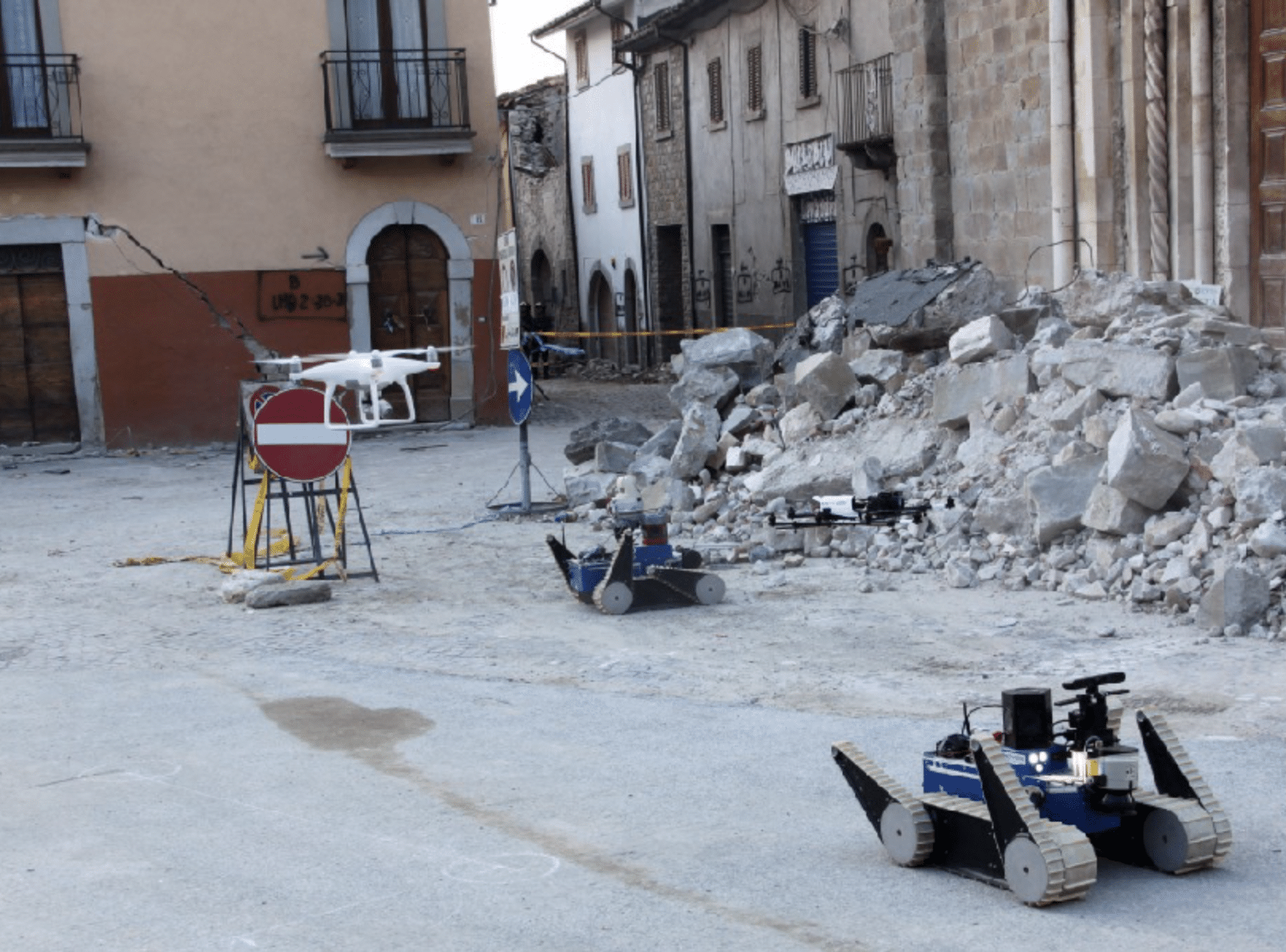
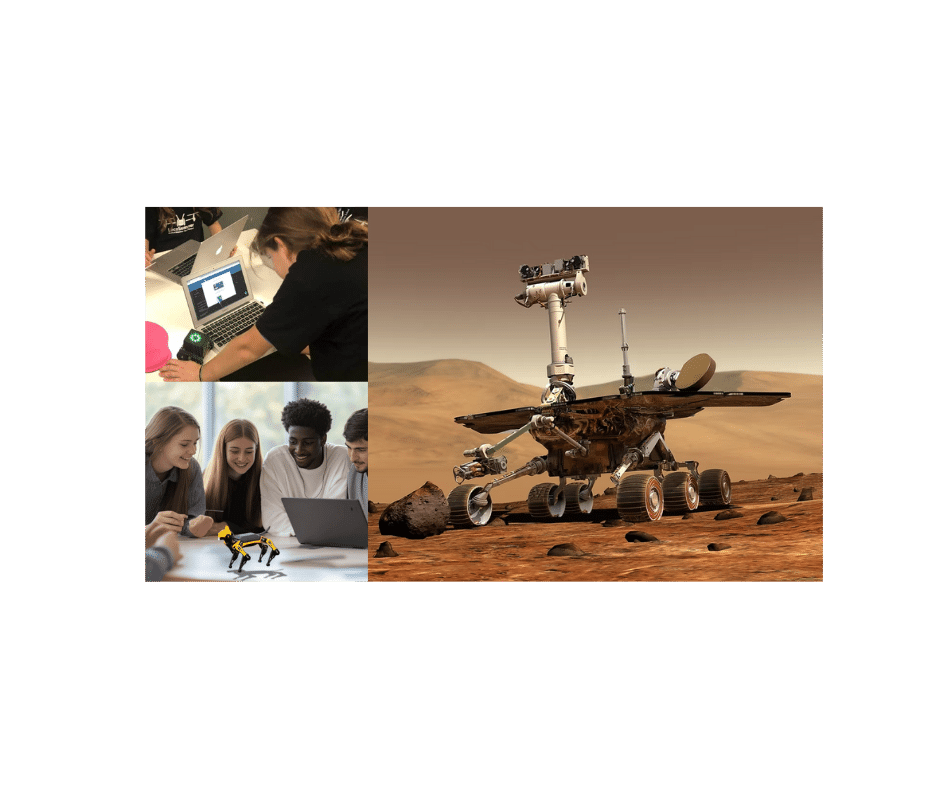
Space robots are designed to function where human intervention is limited, delayed, or impossible. Whether it is a robotic arm servicing satellites on the International Space Station or autonomous rovers exploring planetary surfaces for NASA missions, the requirements are consistent.
These systems must:
- Sense their environment accurately
- Move with precision
- Recover from unexpected conditions
- Make decisions based on incomplete data
- Operate safely around humans and delicate equipment
Each of those requirements maps directly to foundational robotics skills that can be taught in K–12 robotics education.
Core Skills Behind Space Robotics
Systems Thinking
Space robots are systems. Sensors feed data into control algorithms. Motors respond to decisions. Mechanical design affects stability and motion. Students who learn robotics gain experience thinking about how parts interact rather than treating problems in isolation.
Sensor Integration
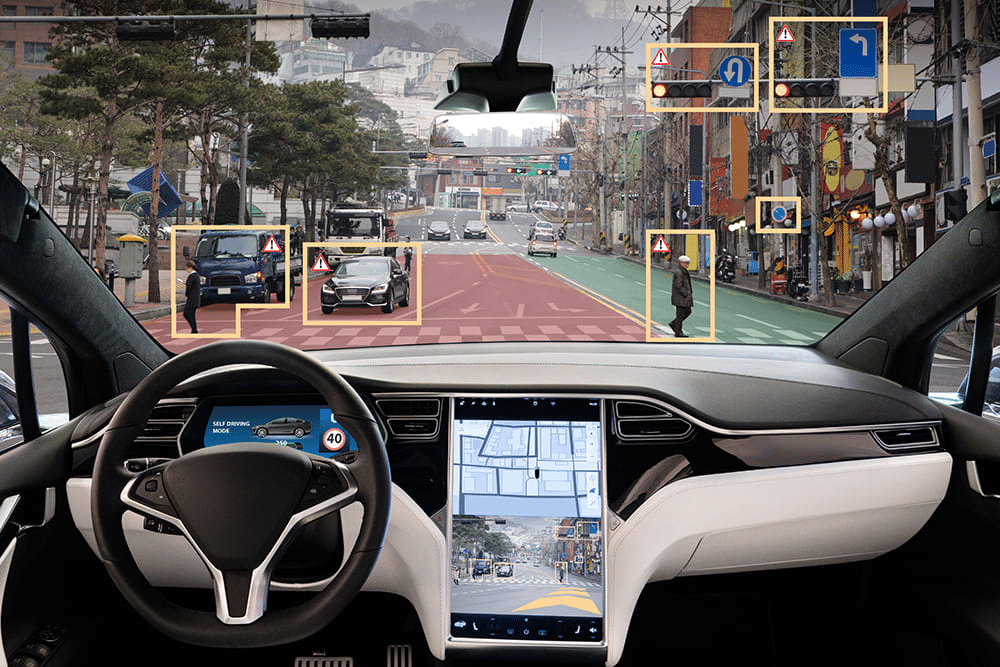
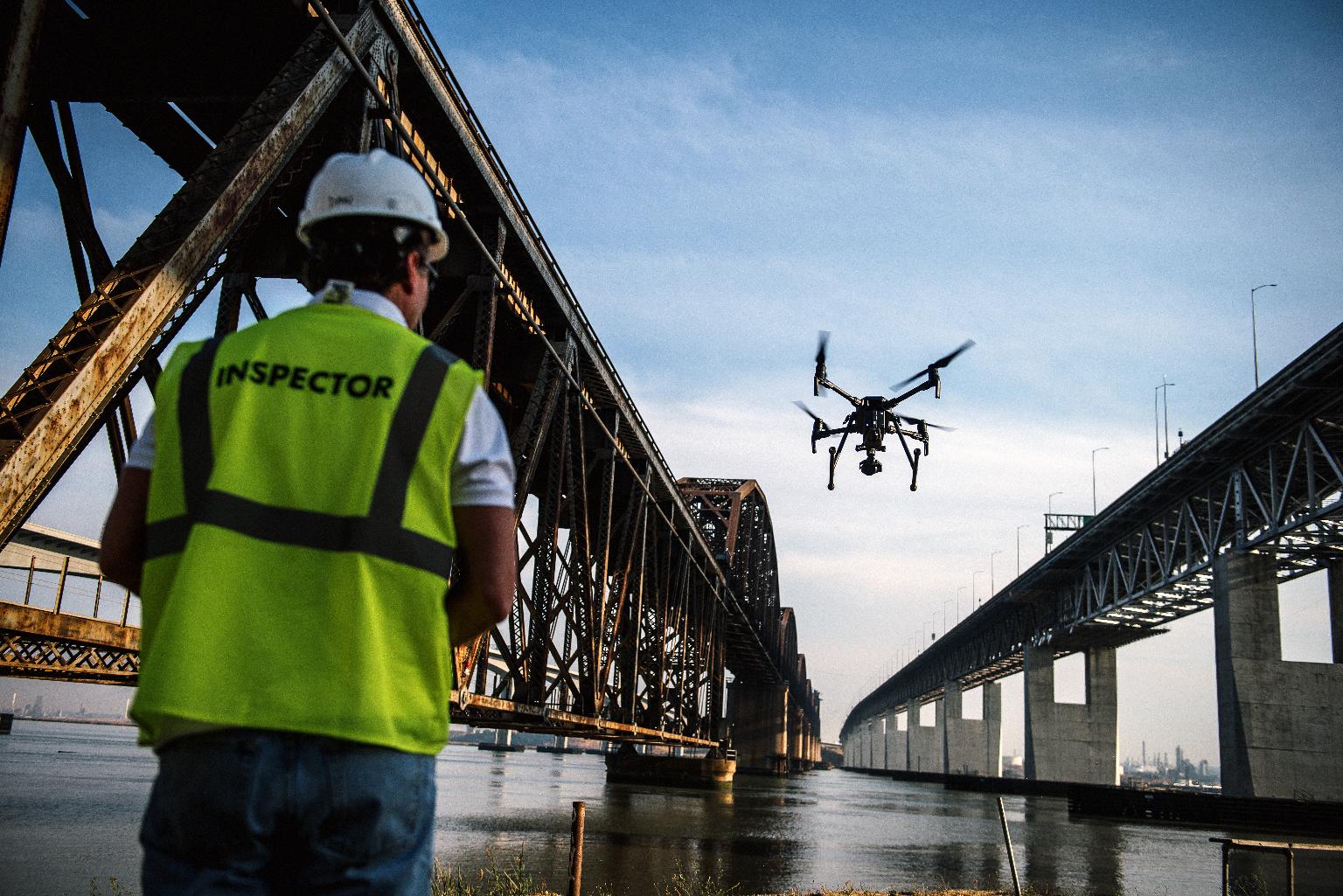
Robots in space rely on depth sensors, cameras, and environmental feedback to understand their surroundings. Learning how sensors work, how data is collected, and how noise or error affects decisions builds analytical skills students use across engineering fields.
Motion and Control
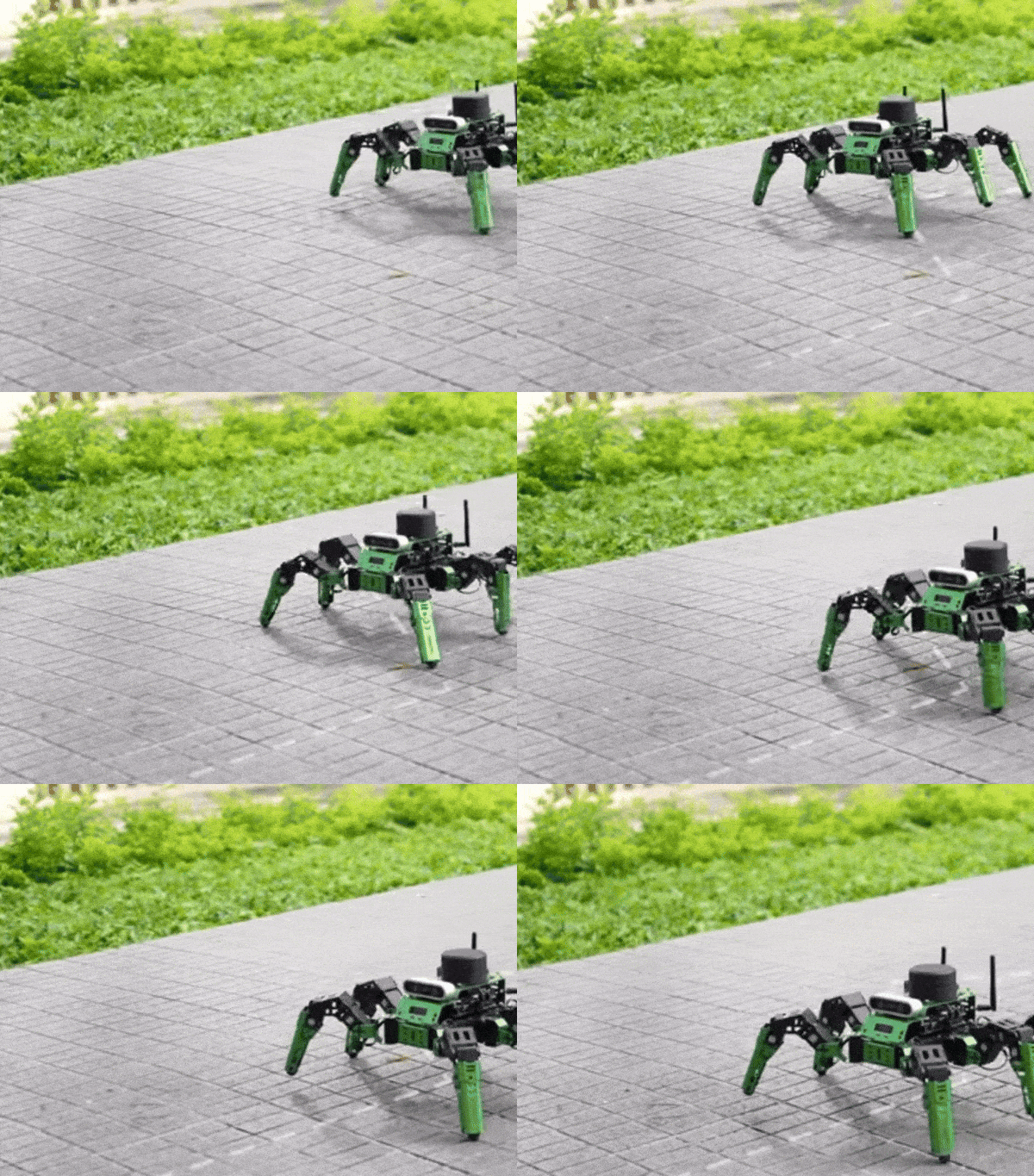
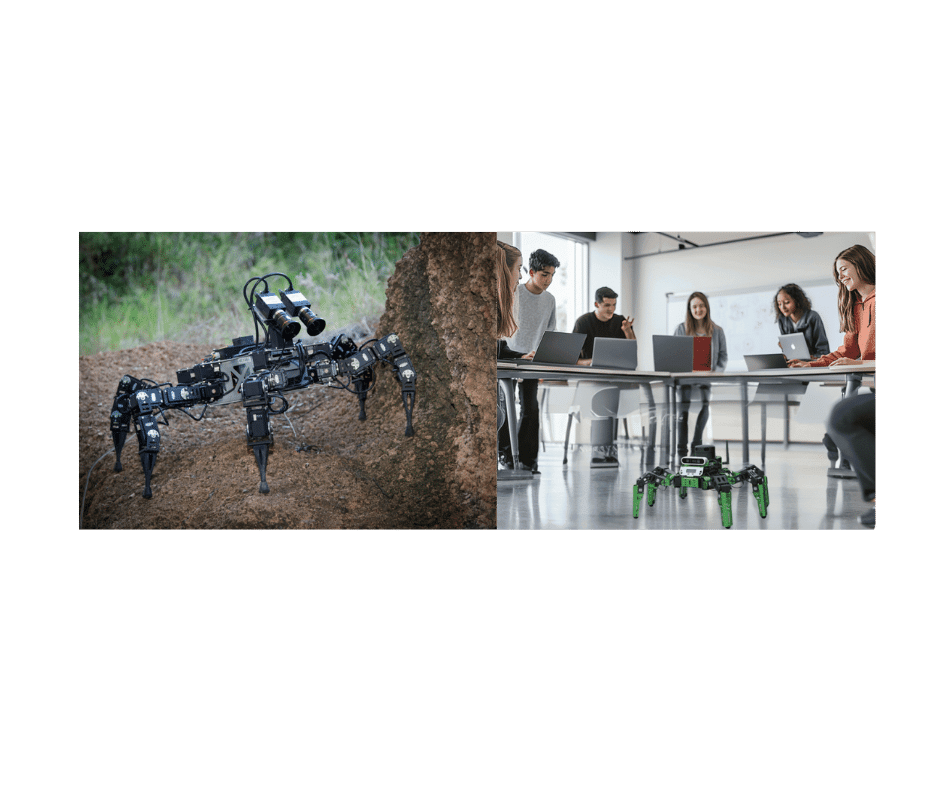
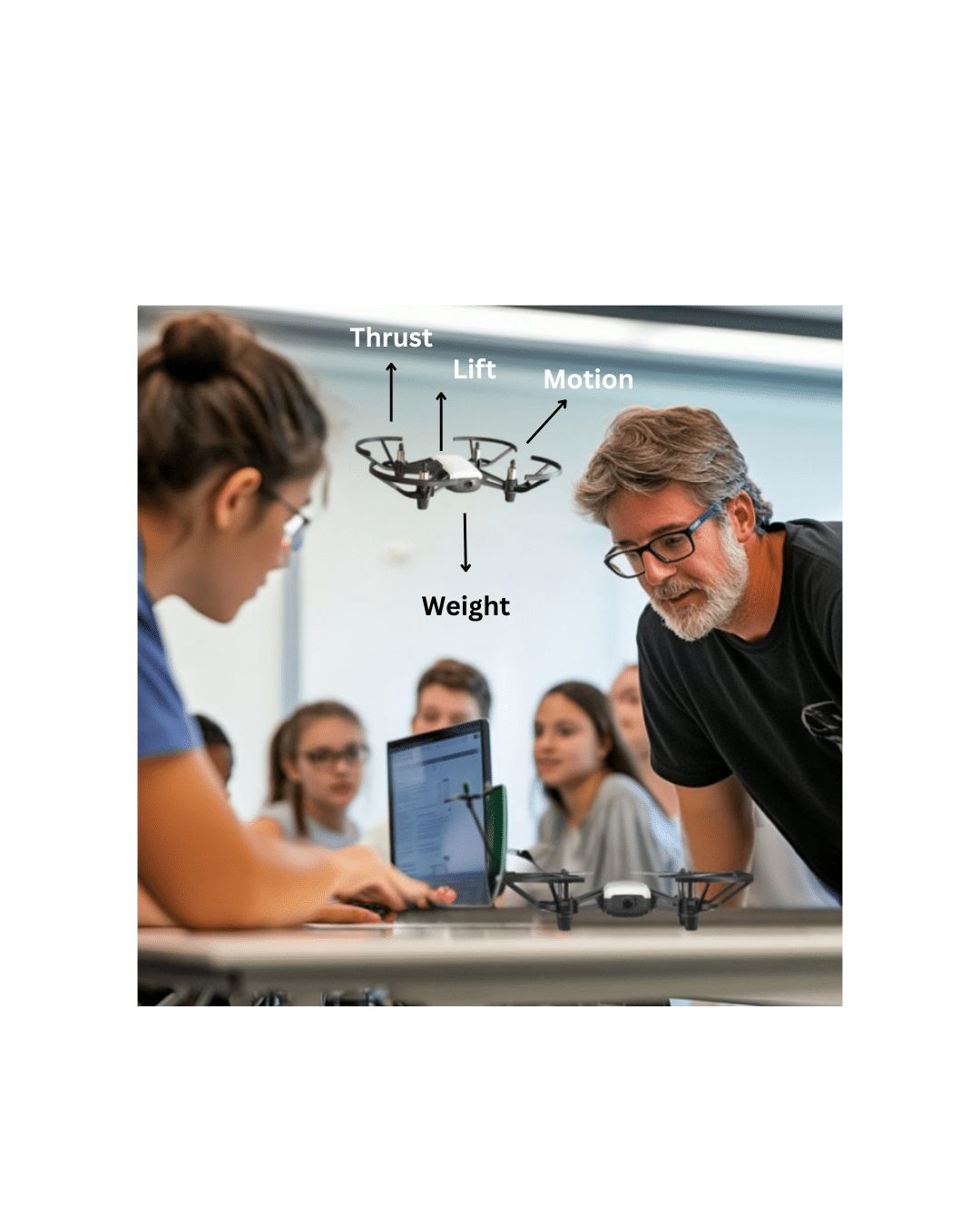
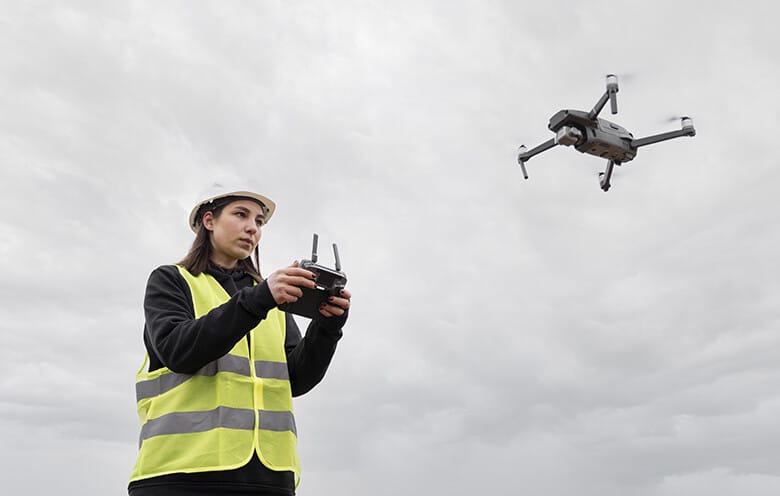
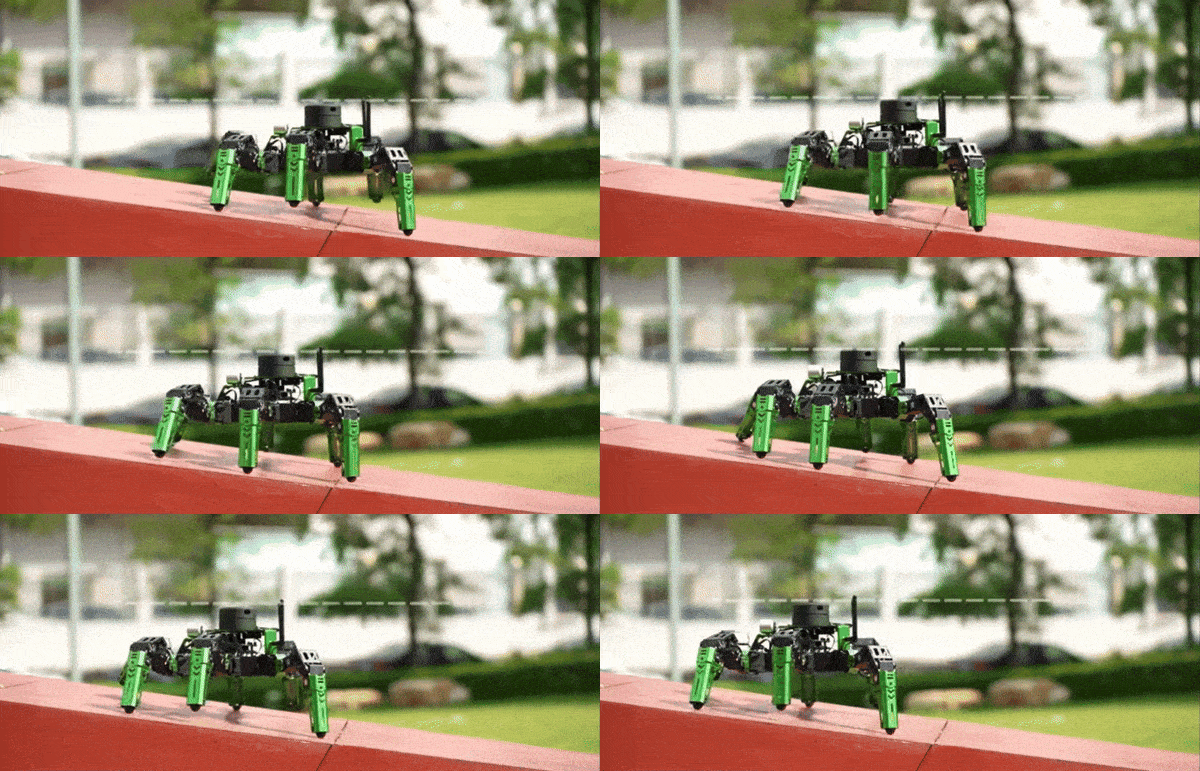
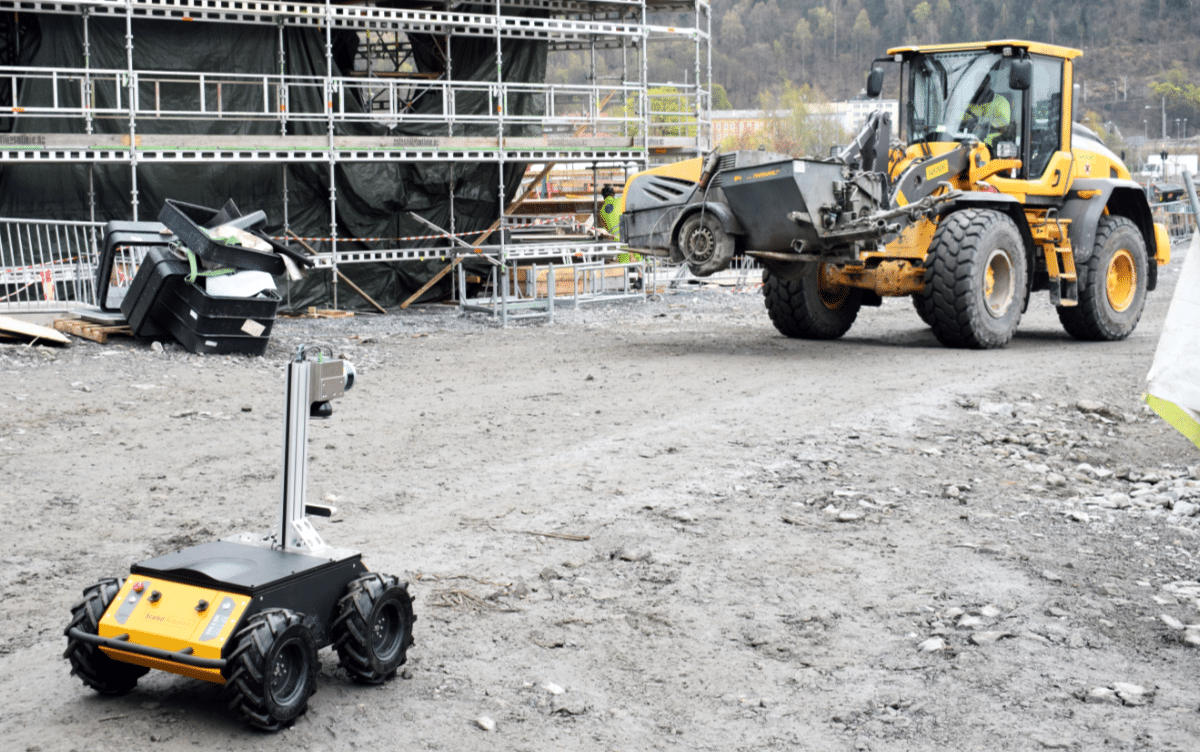
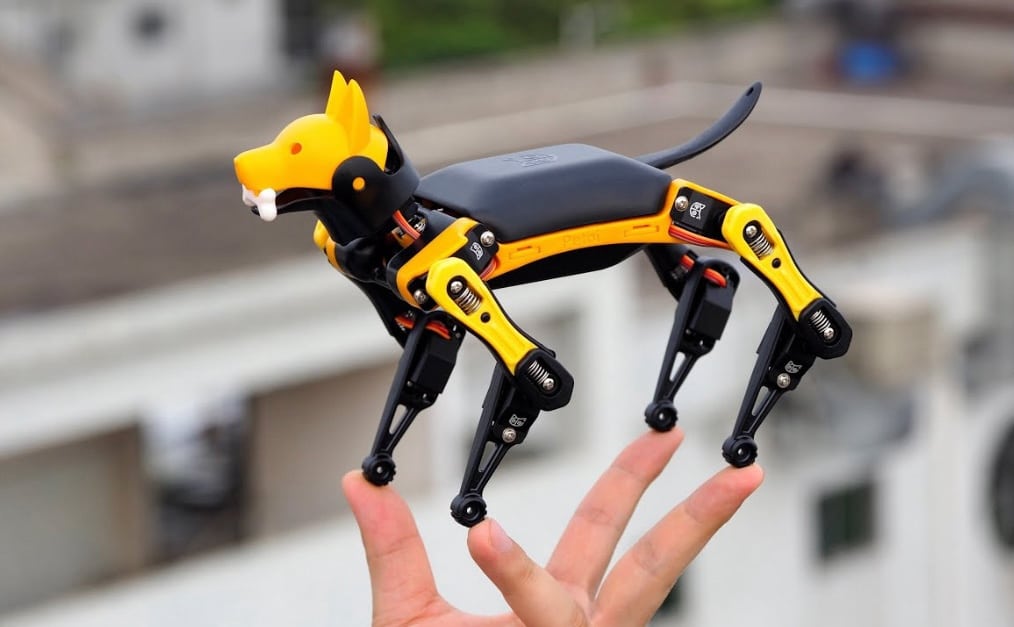
Whether a robot has legs, wheels, or articulated arms, movement requires careful planning. Students who program robots learn about speed, balance, direction, and control loops. These same concepts guide robotic arms repairing satellites or rovers traversing uneven terrain.
Problem Decomposition
Space missions are planned down to the smallest detail, but unexpected challenges still arise. Robotics teaches students how to break a complex goal into manageable steps, test assumptions, and adjust when something does not work as expected.
Autonomous Decision-Making
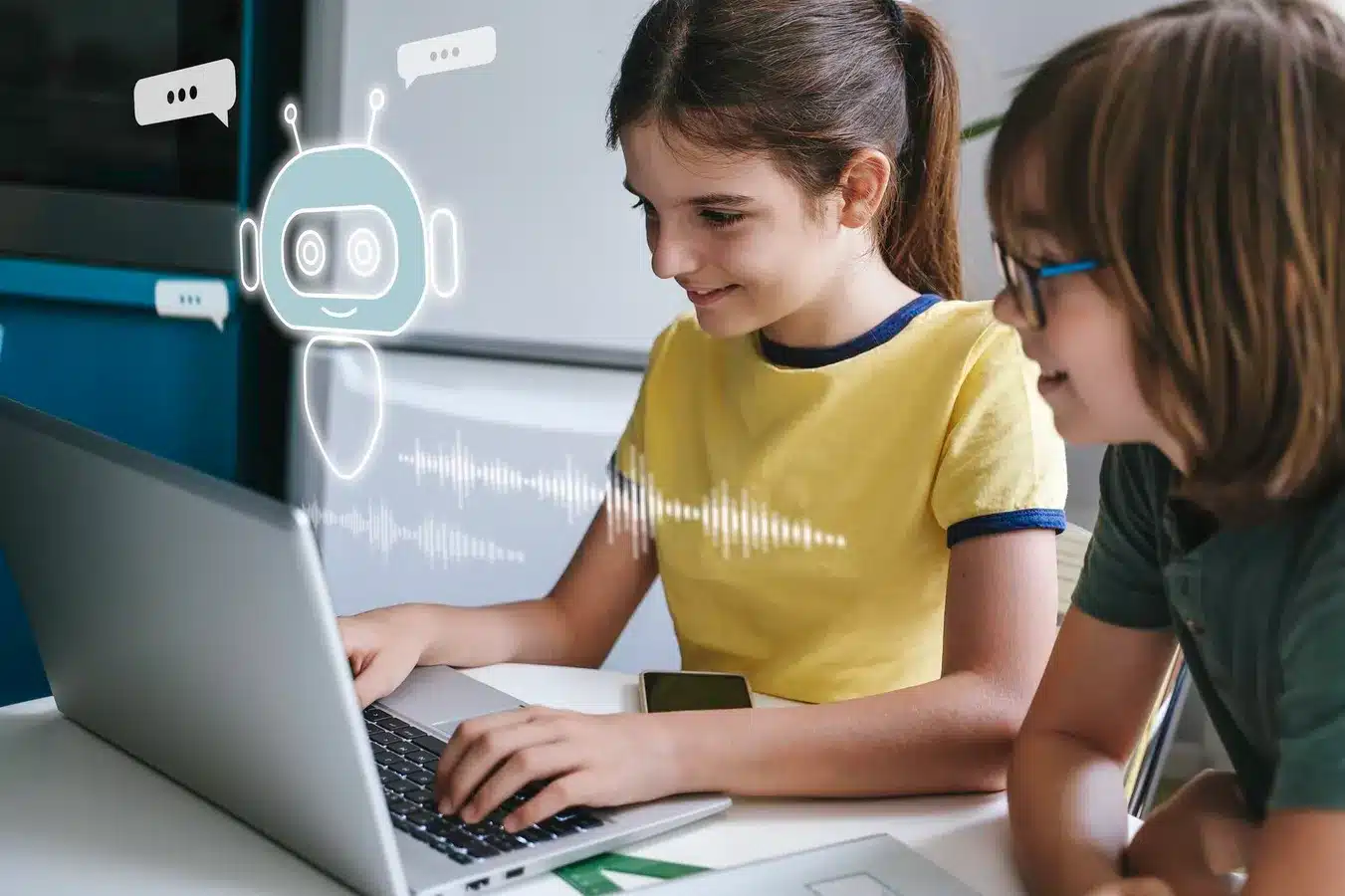
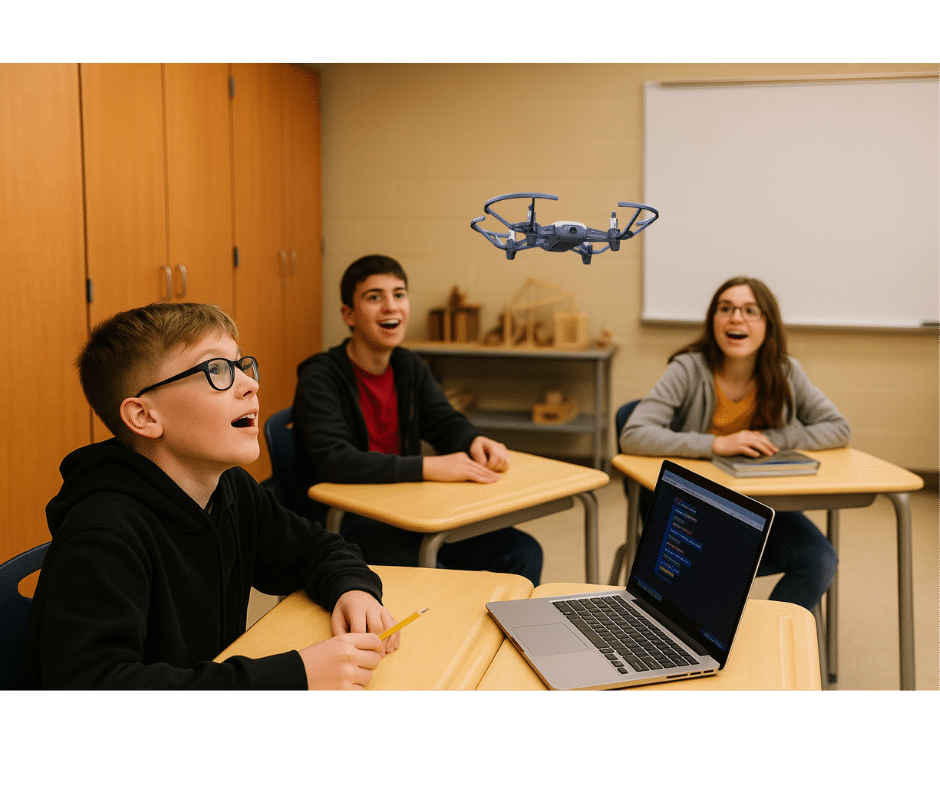
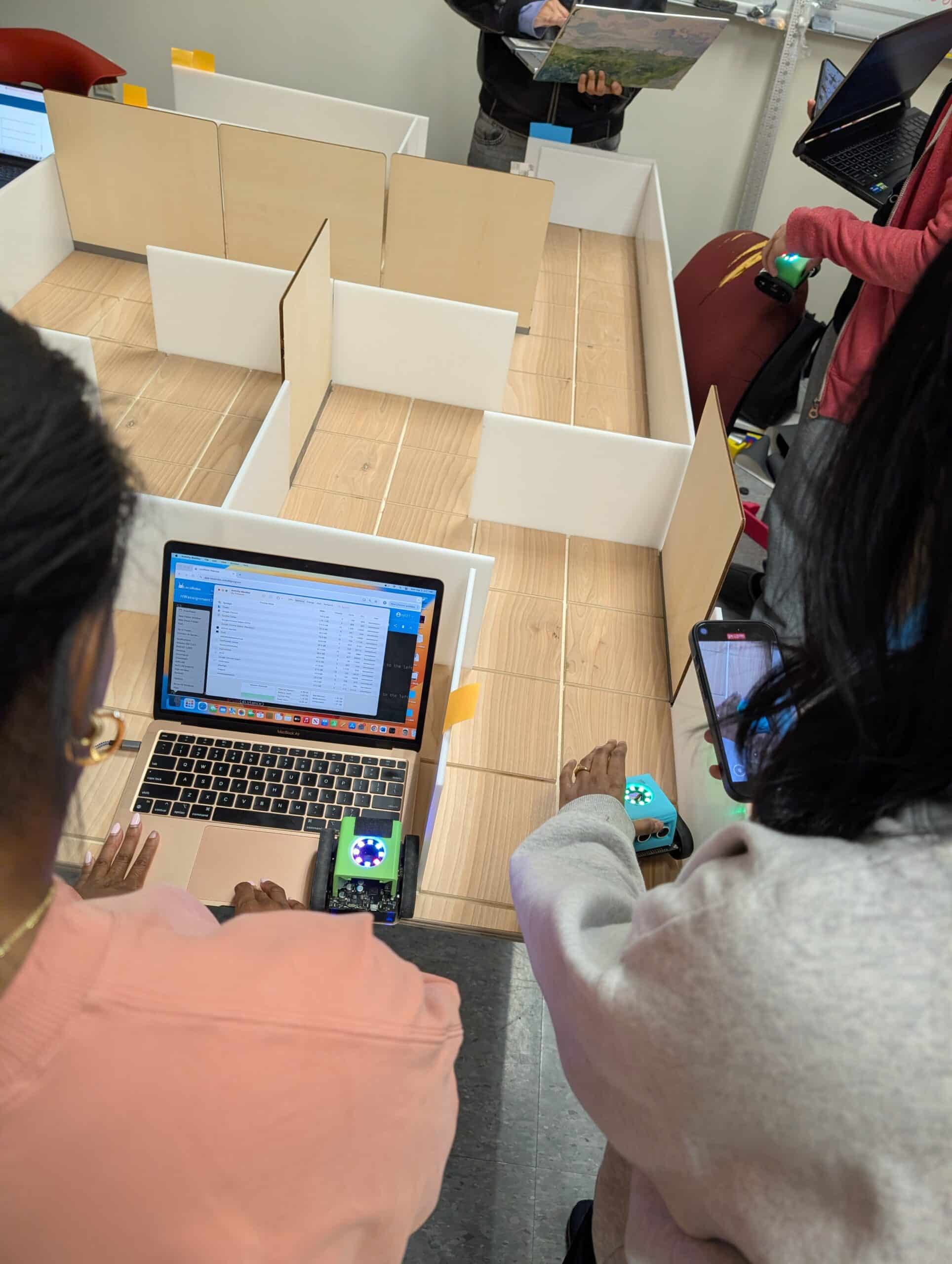
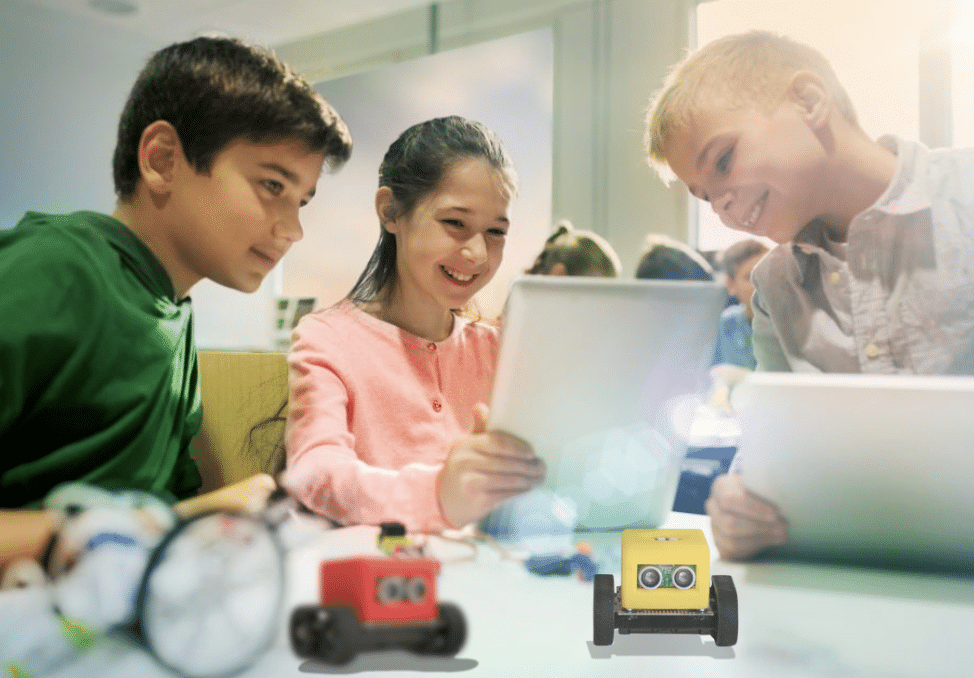
Communication delays make full remote control impractical in deep space. Robots must make decisions locally. In classrooms, students practice this by programming codable robots to respond to sensor input and changing conditions rather than following fixed scripts.
Where Students Start Learning These Skills
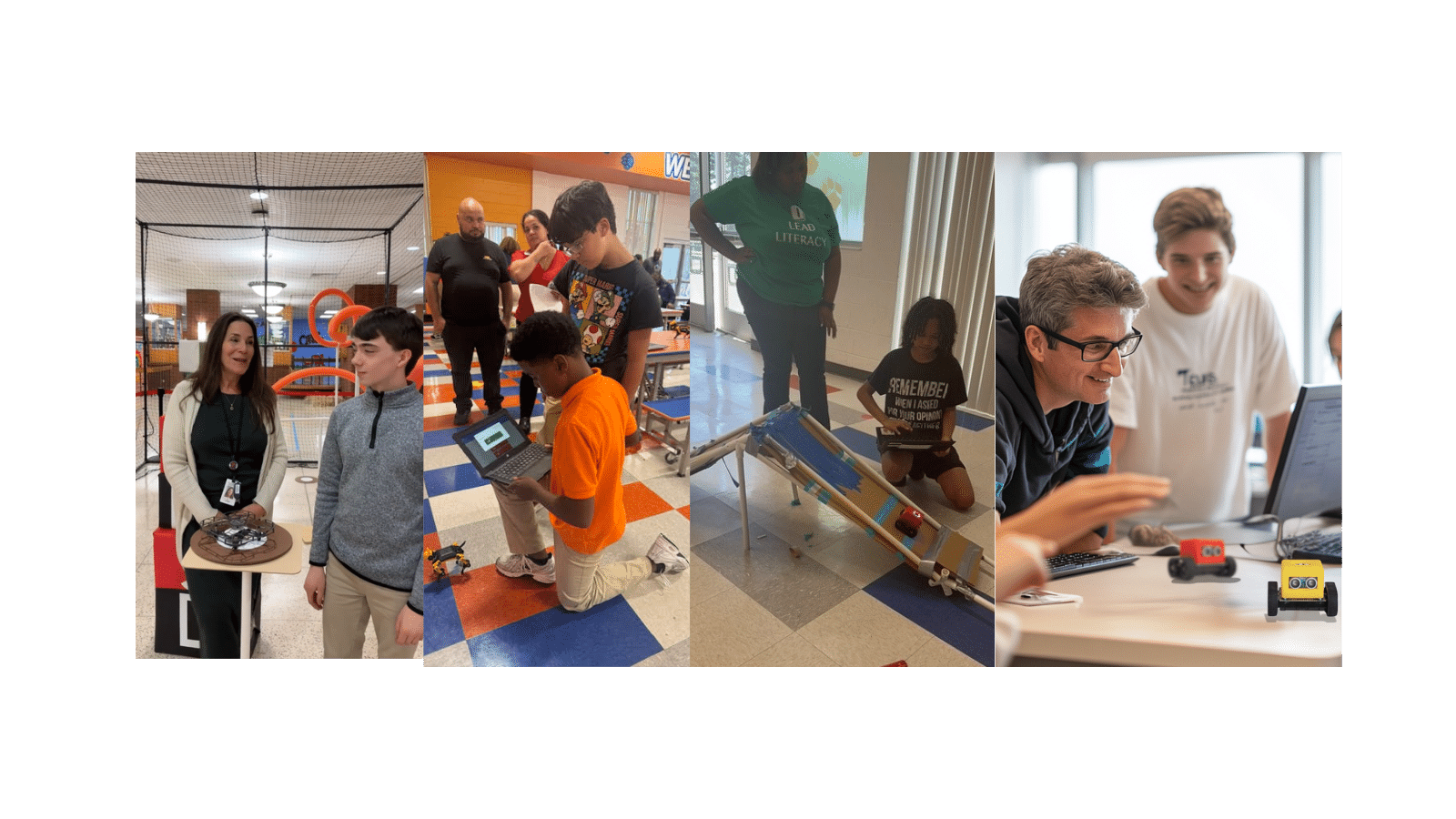
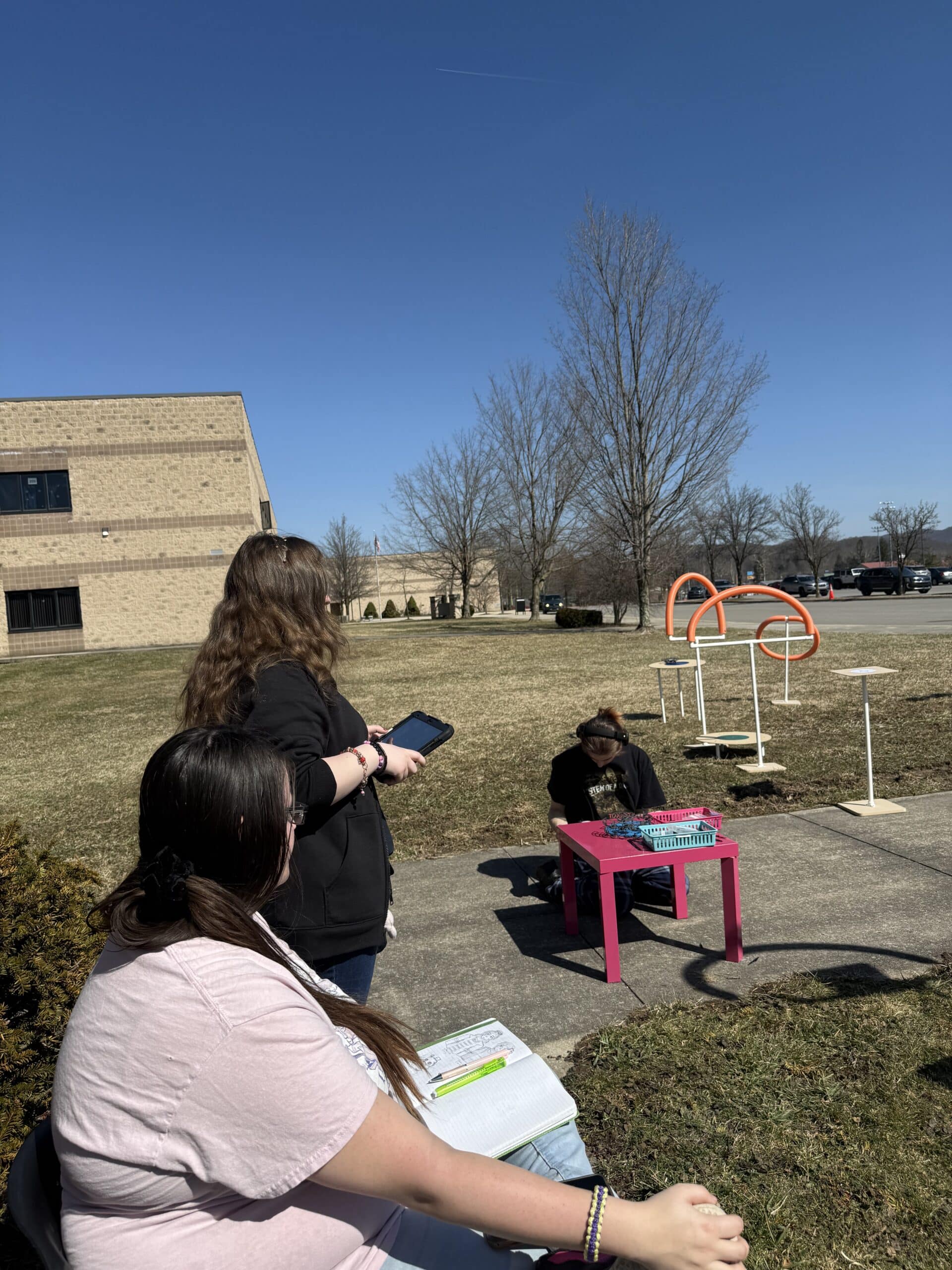
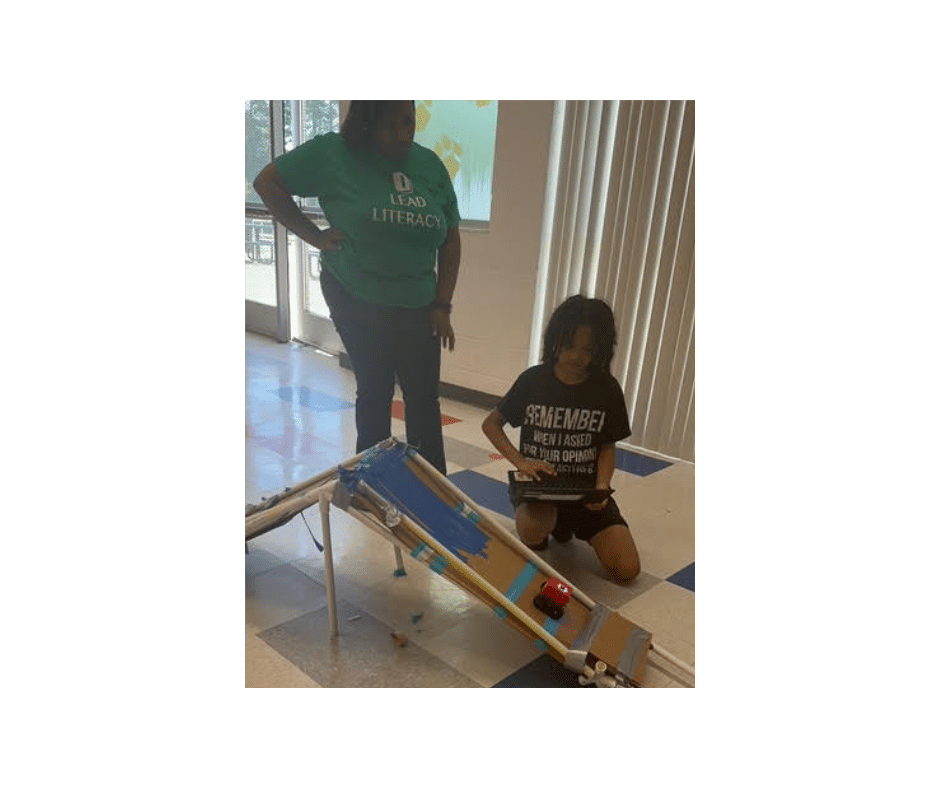
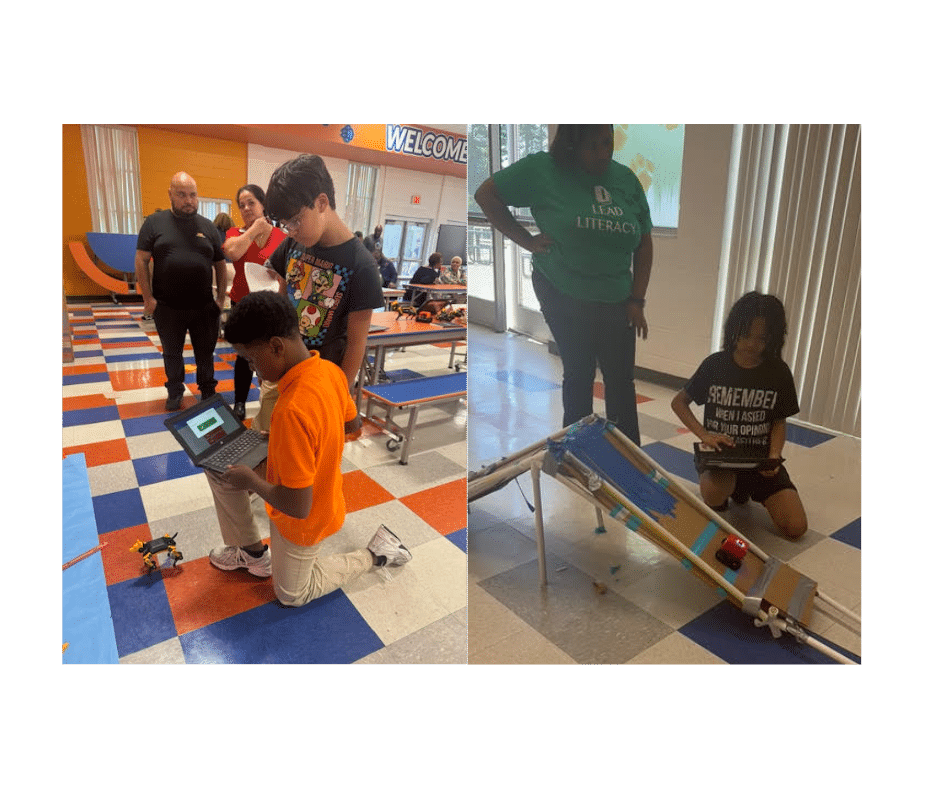
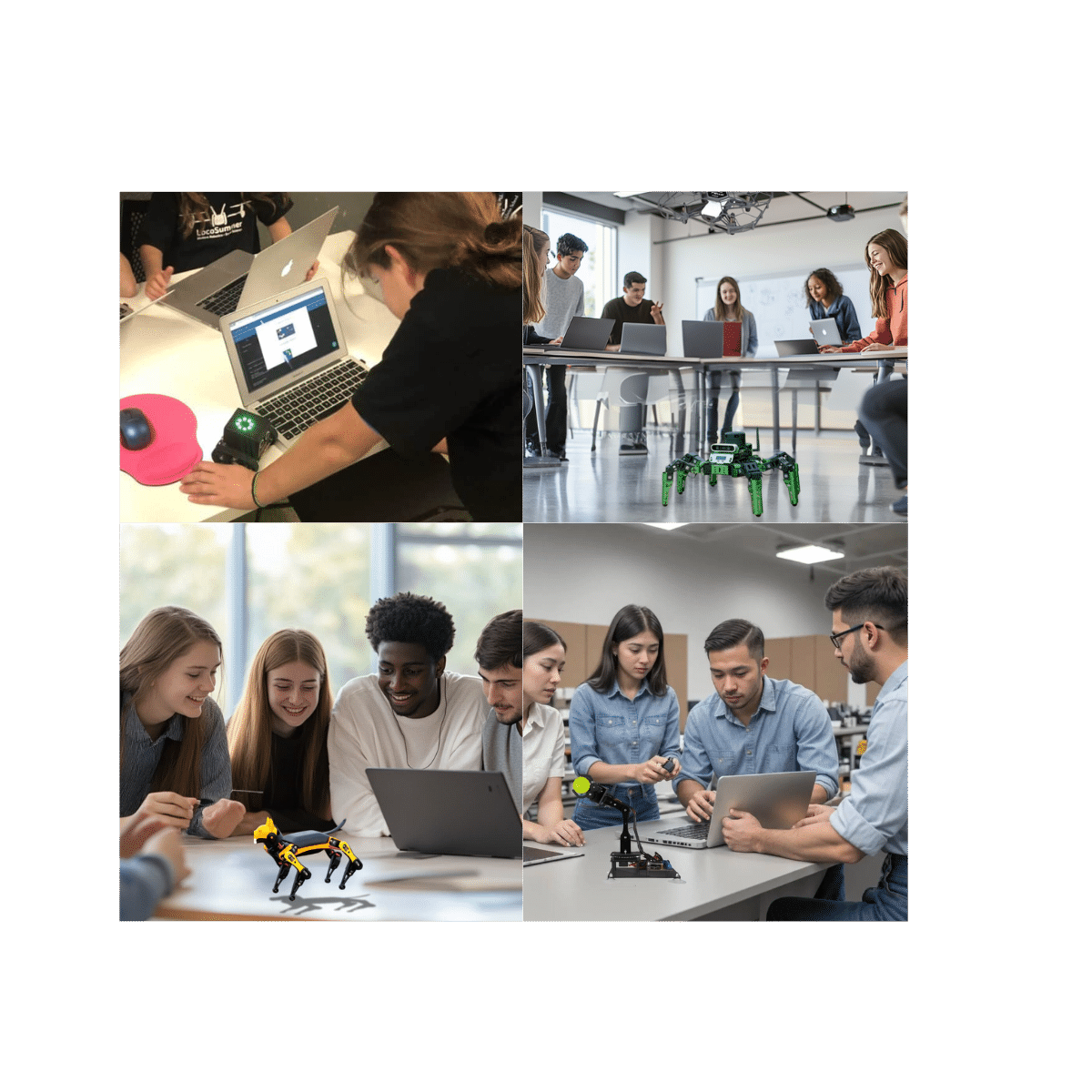
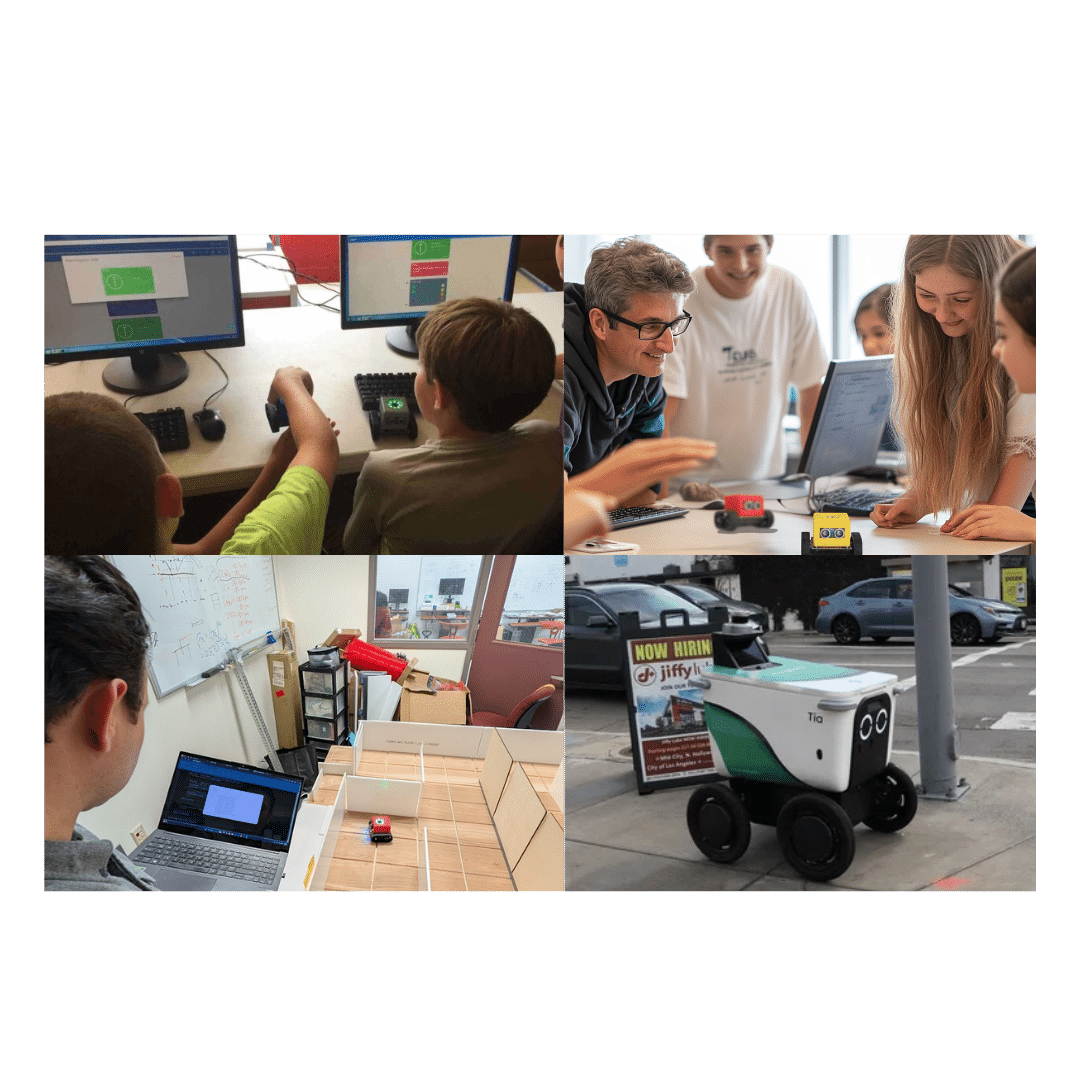
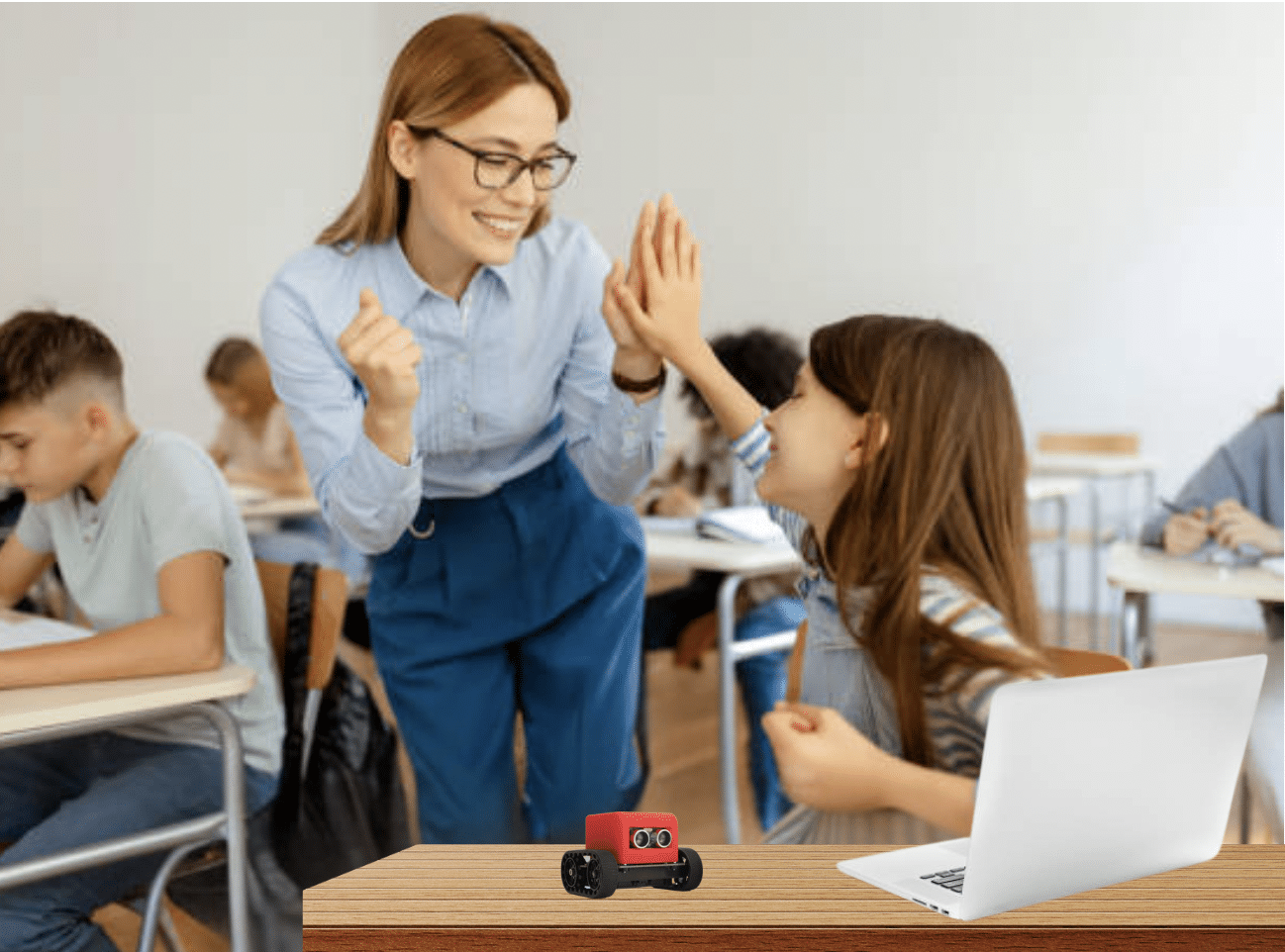
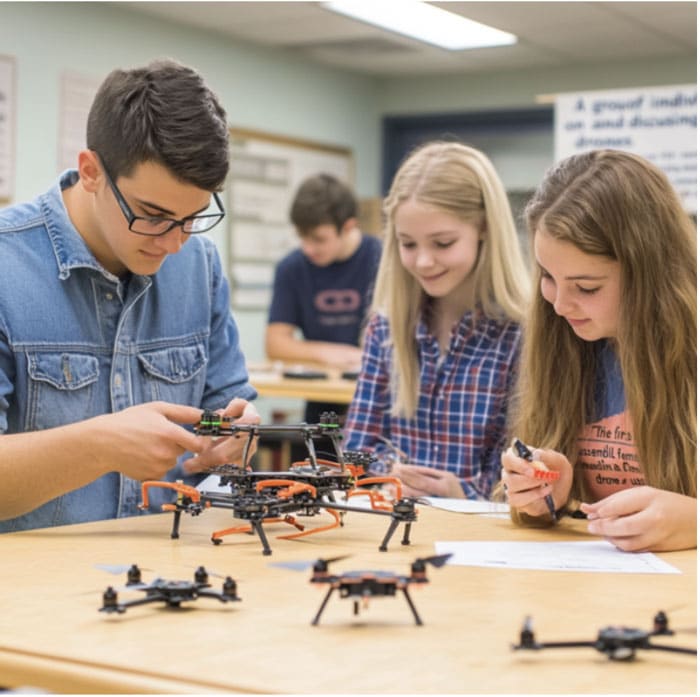
Students begin with accessible robot kits that allow them to experiment, test ideas, and see immediate cause and effect.
Robotics education introduces:
- Hands-on coding tied to physical outcomes
- Data-driven decision making
- Iterative testing and debugging
- Collaboration and communication around technical problems
These experiences build confidence alongside competence. Students learn that complex systems are understandable and improvable with the right tools and structure.
Why Robotics Education Matters for the Space Workforce
The future space workforce will need engineers, technicians, programmers, and systems thinkers who are comfortable working with autonomous machines. Early exposure to robotics helps students see these roles as achievable rather than distant.
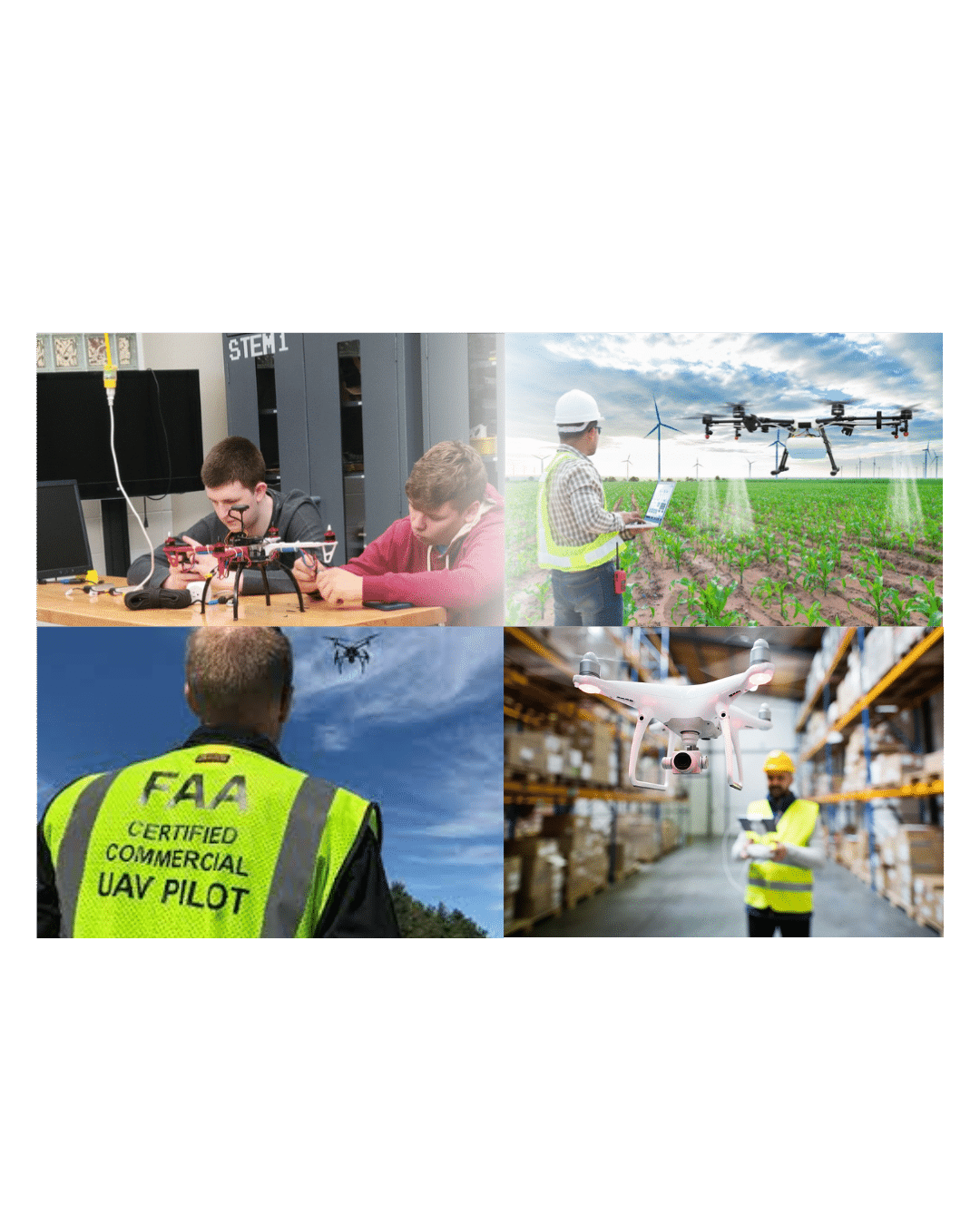
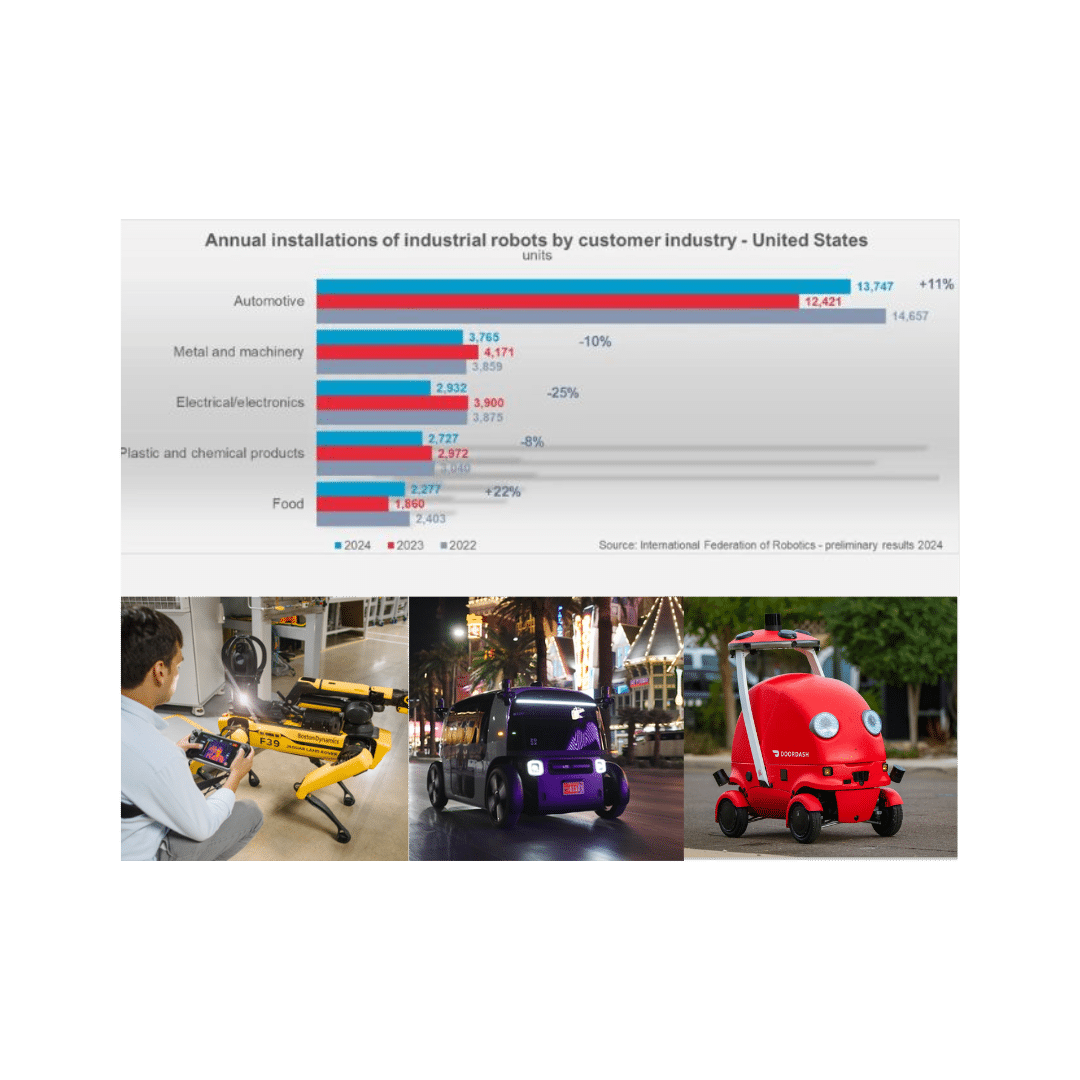
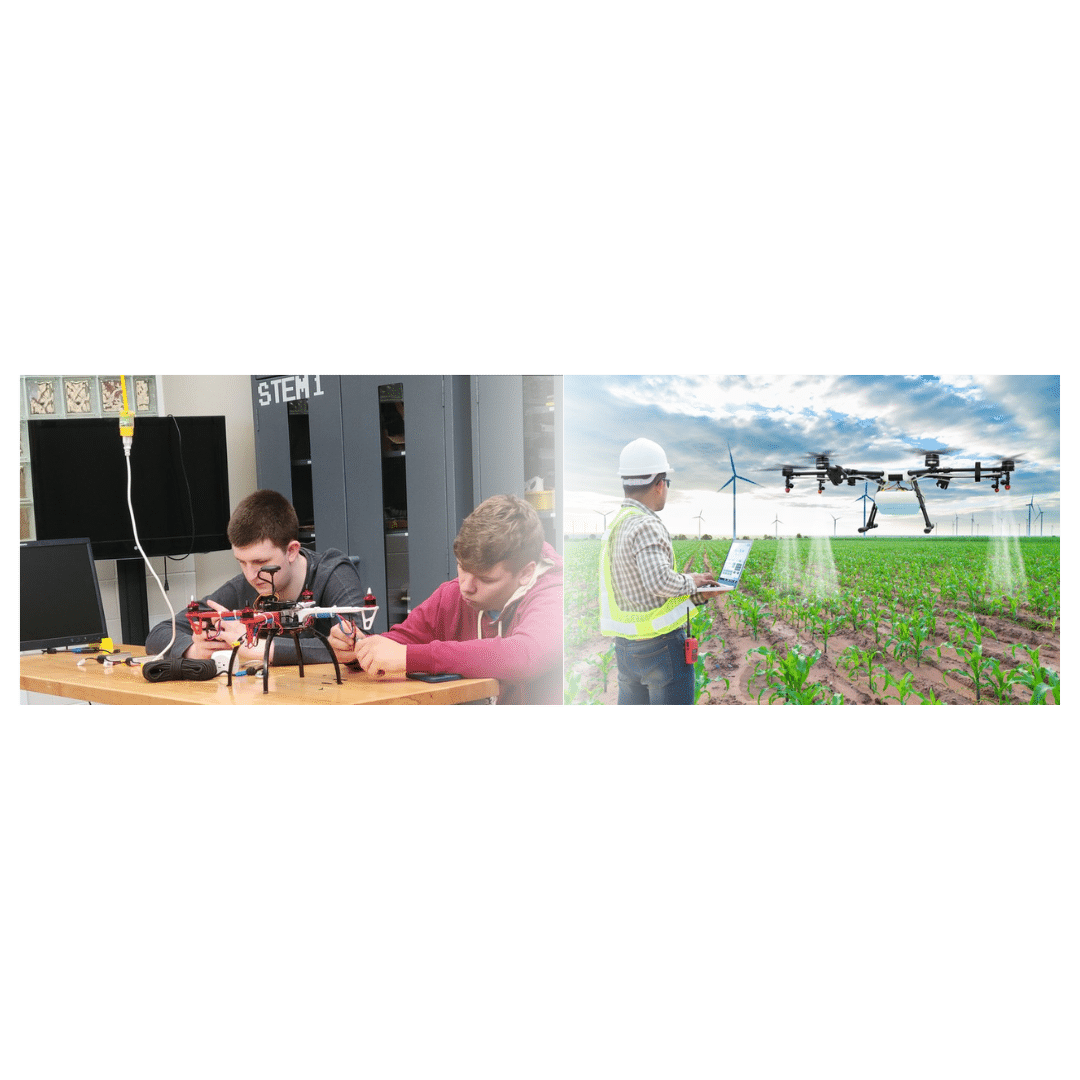
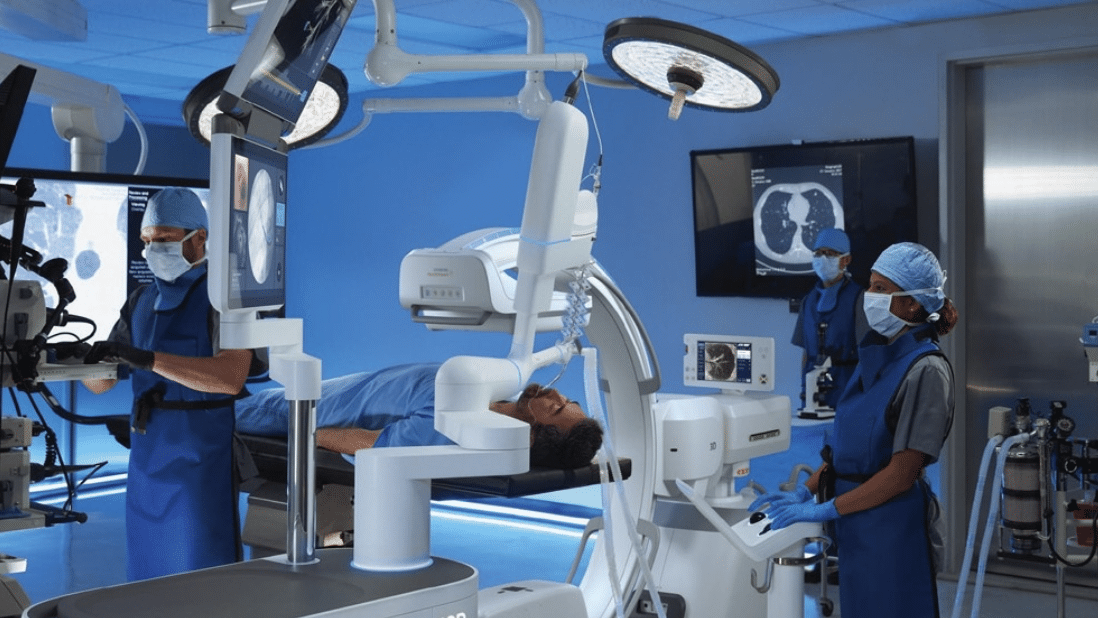
More importantly, robotics builds transferable skills. The same reasoning used to stabilize a classroom robot applies to industrial automation, environmental monitoring, medical robotics, and aerospace systems.
Bringing Space-Inspired Skills Into the Classroom
LocoRobo’s robotics kits for schools are designed to help educators introduce these skills in a structured, approachable way. From foundational coding and motion control to advanced sensor integration and autonomous projects, LocoRobo supports robotics learning that mirrors how real engineering problems are solved.
Educators can start small, build confidence, and expand over time. Students gain hands-on learning experience with the same principles that power space robotics, long before they choose a career path.
Explore how LocoRobo’s stem robotics kits support hands-on engineering, systems thinking, and problem solving across grade levels.