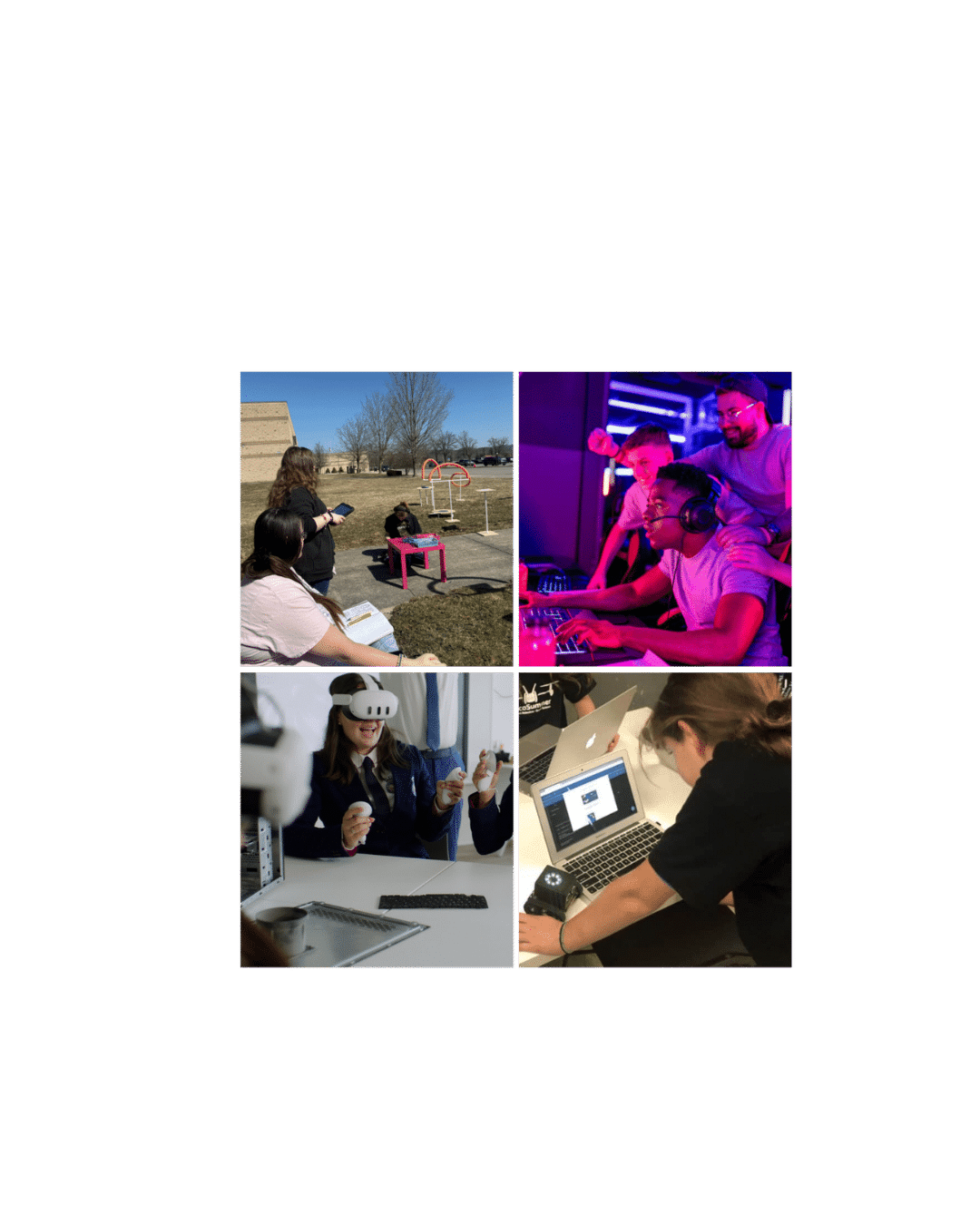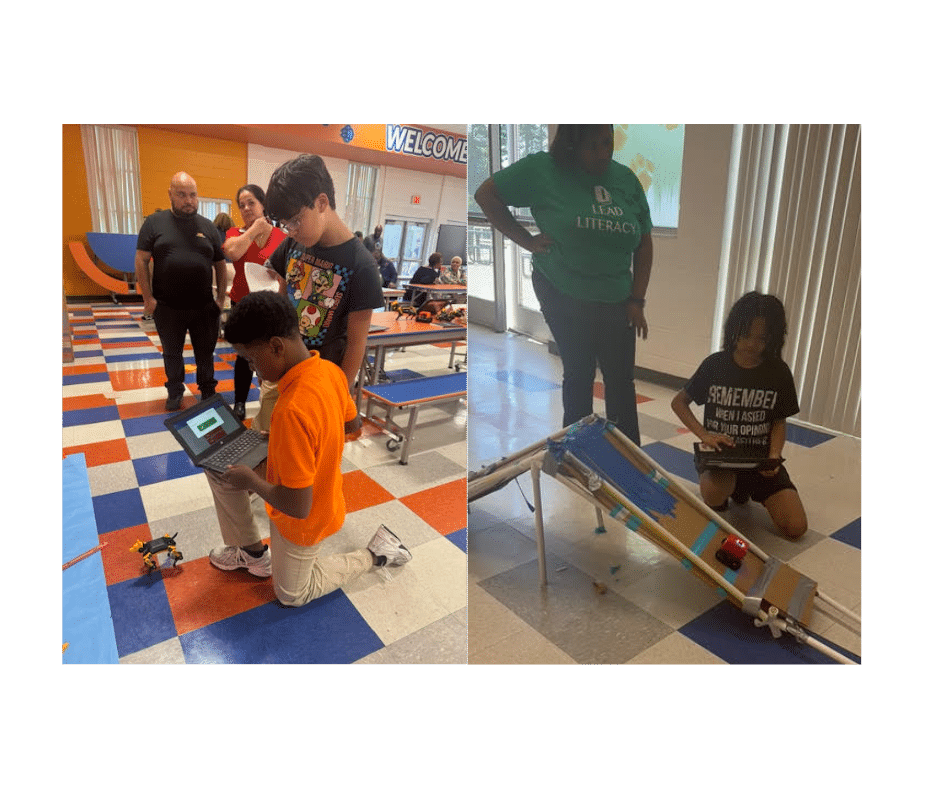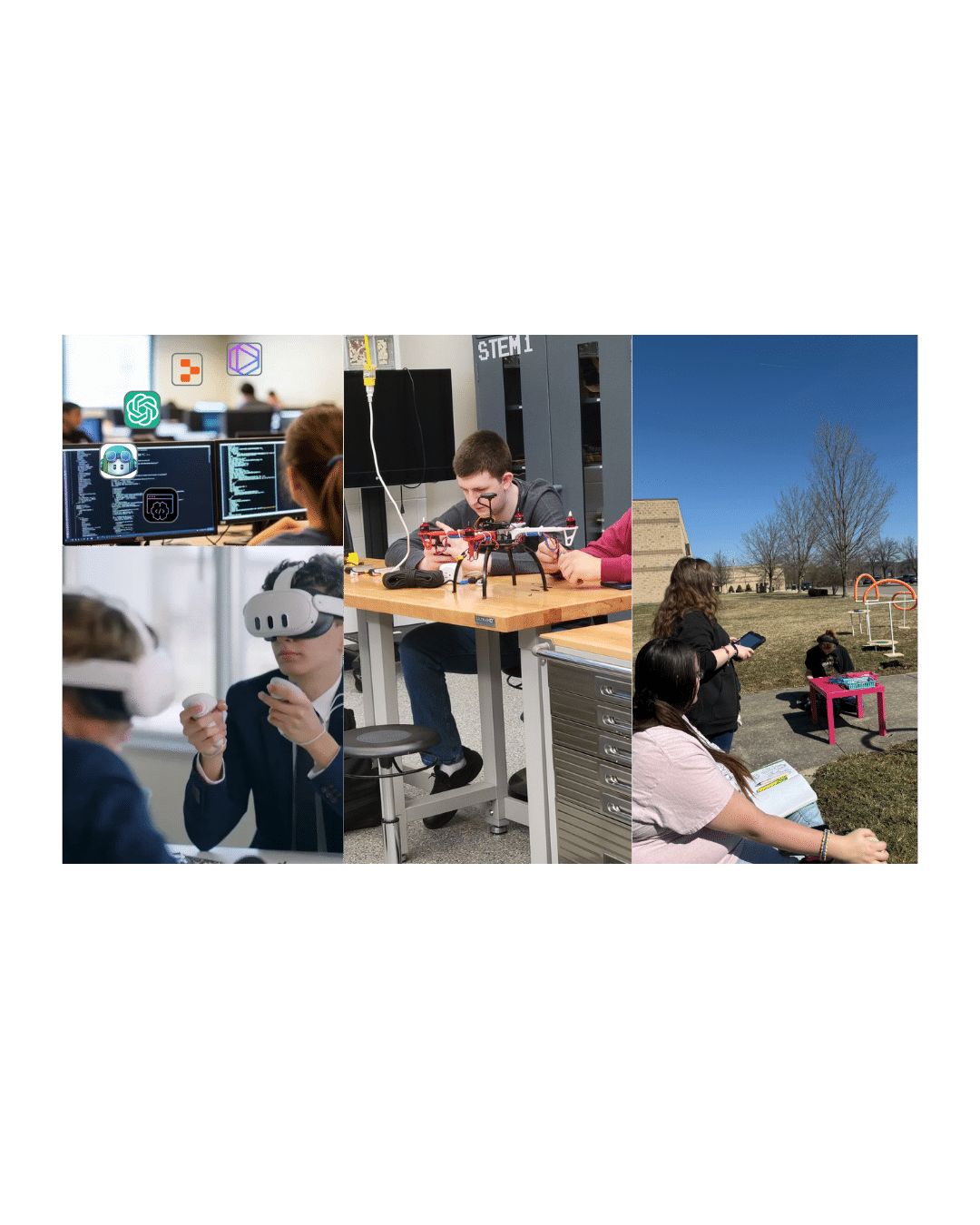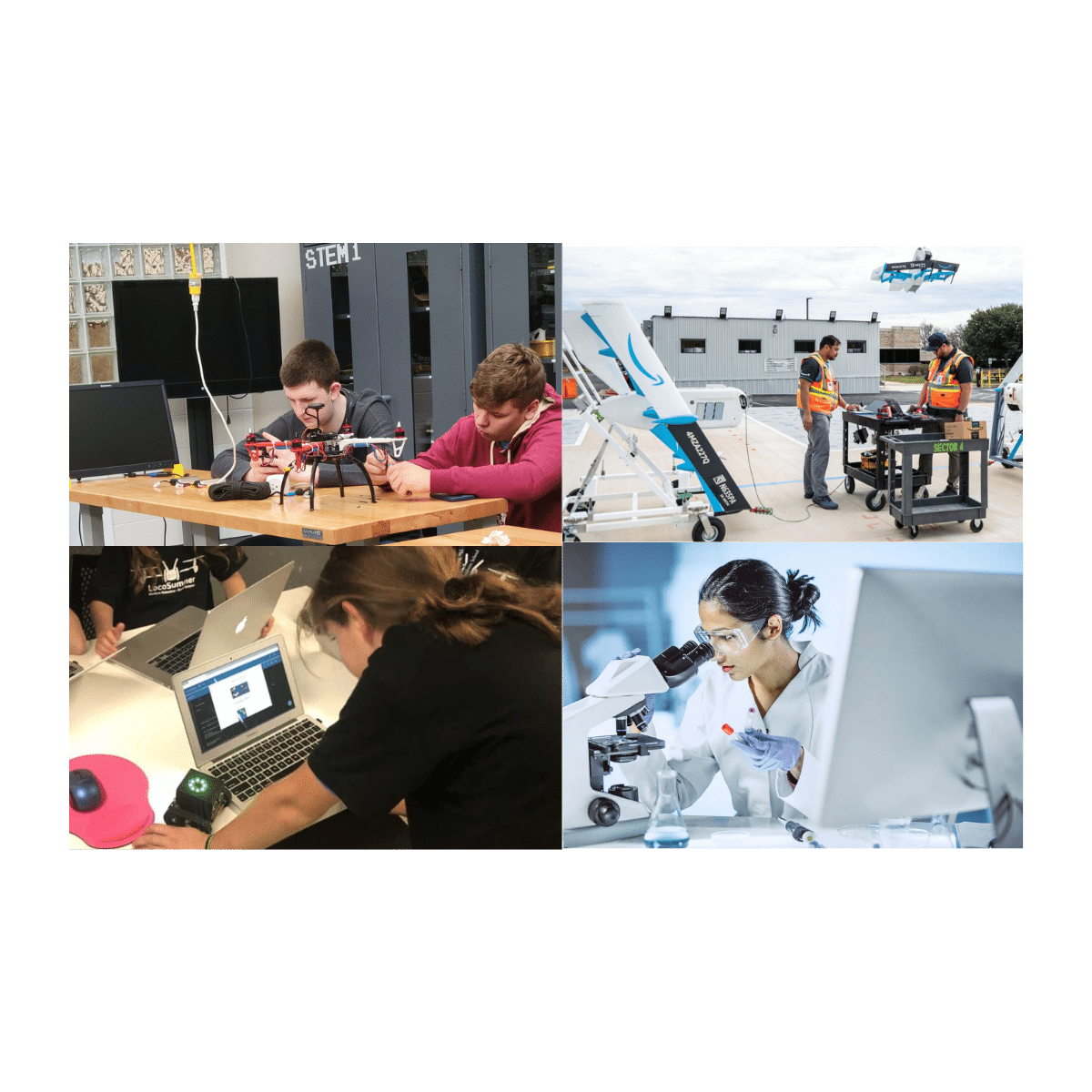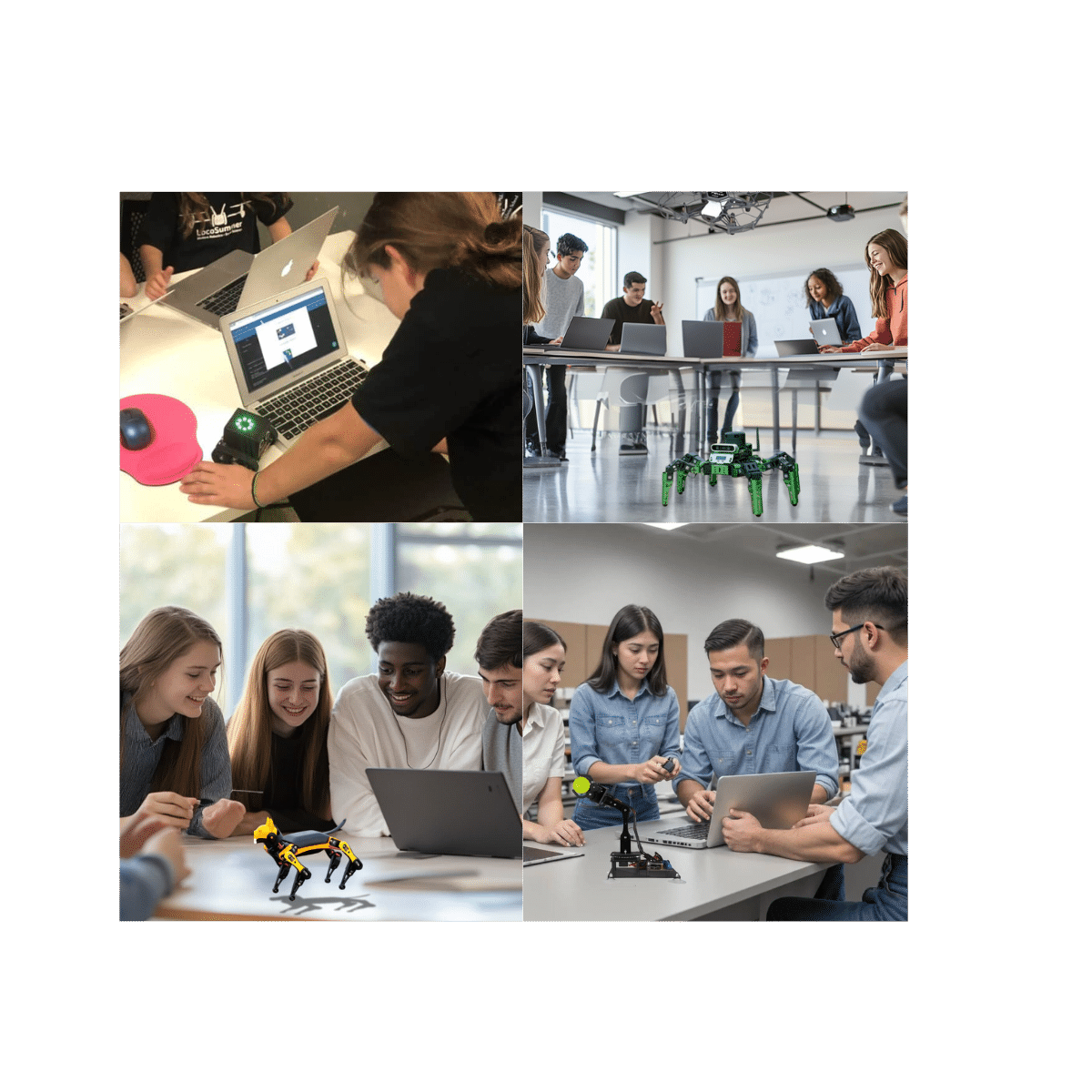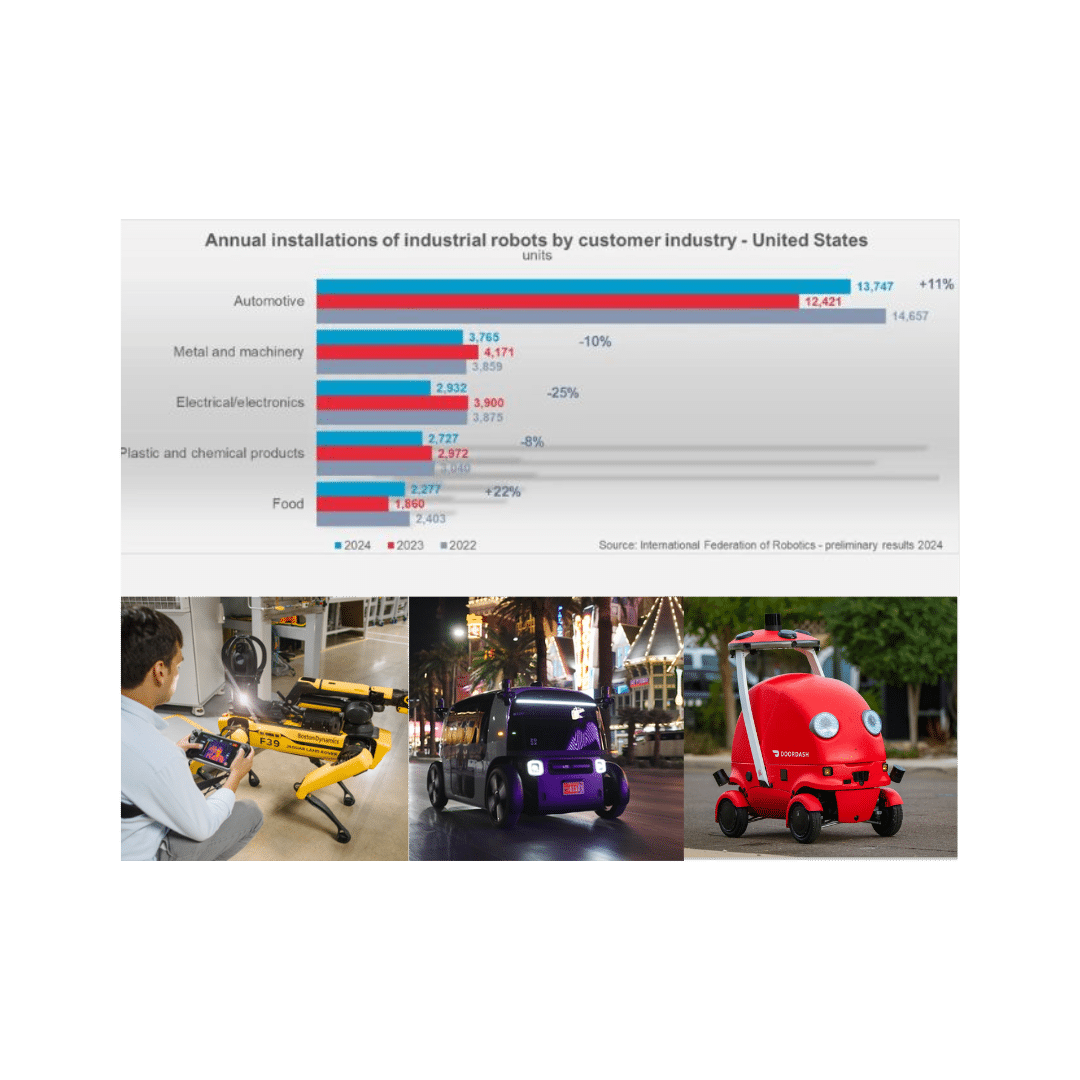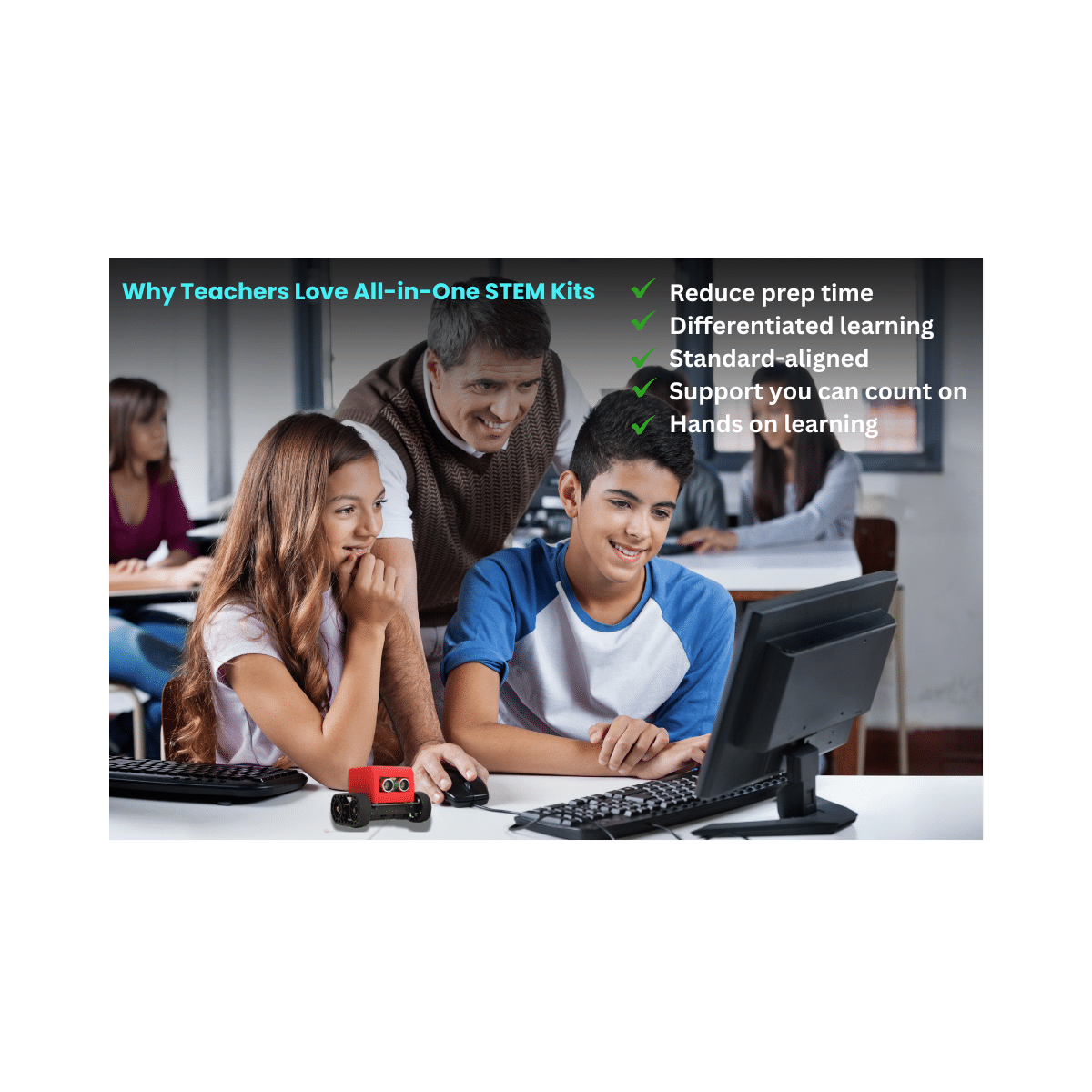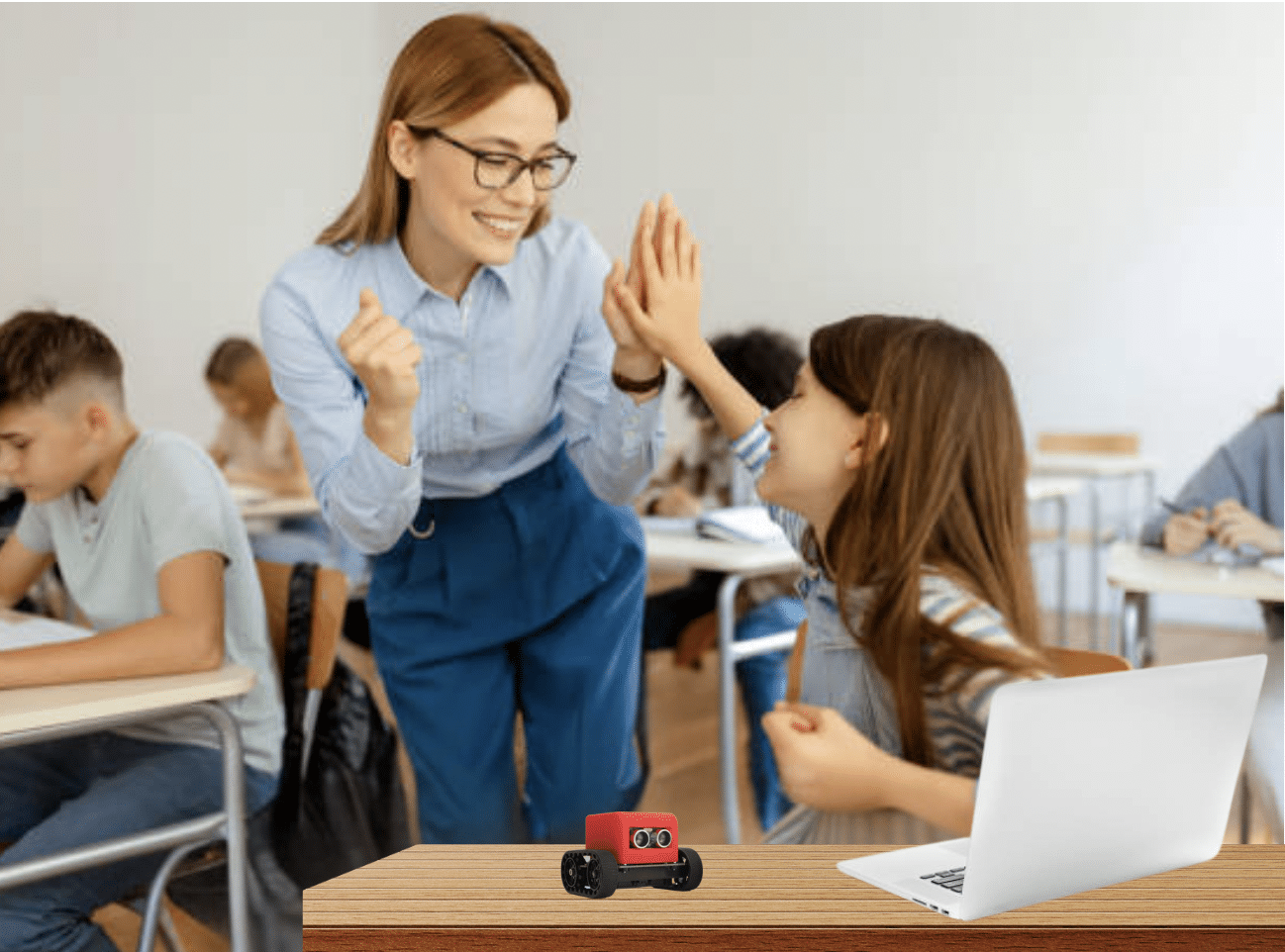



In a classroom, attention is everything. But students today are inundated with distractions, making it harder than ever to keep them motivated, focused, and learning. The solution doesn’t lie in more worksheets or longer lectures. It lies in motion. In doing. In engaging both the body and the brain. Studies have shown that role-playing and collaboration in participatory simulations contribute to students’ motivations and learning engagement (Ke & Carafano, 2016; Pellas, 2014; Rosenbaum et al., 2007; Wilensky & Stroup, 1999).
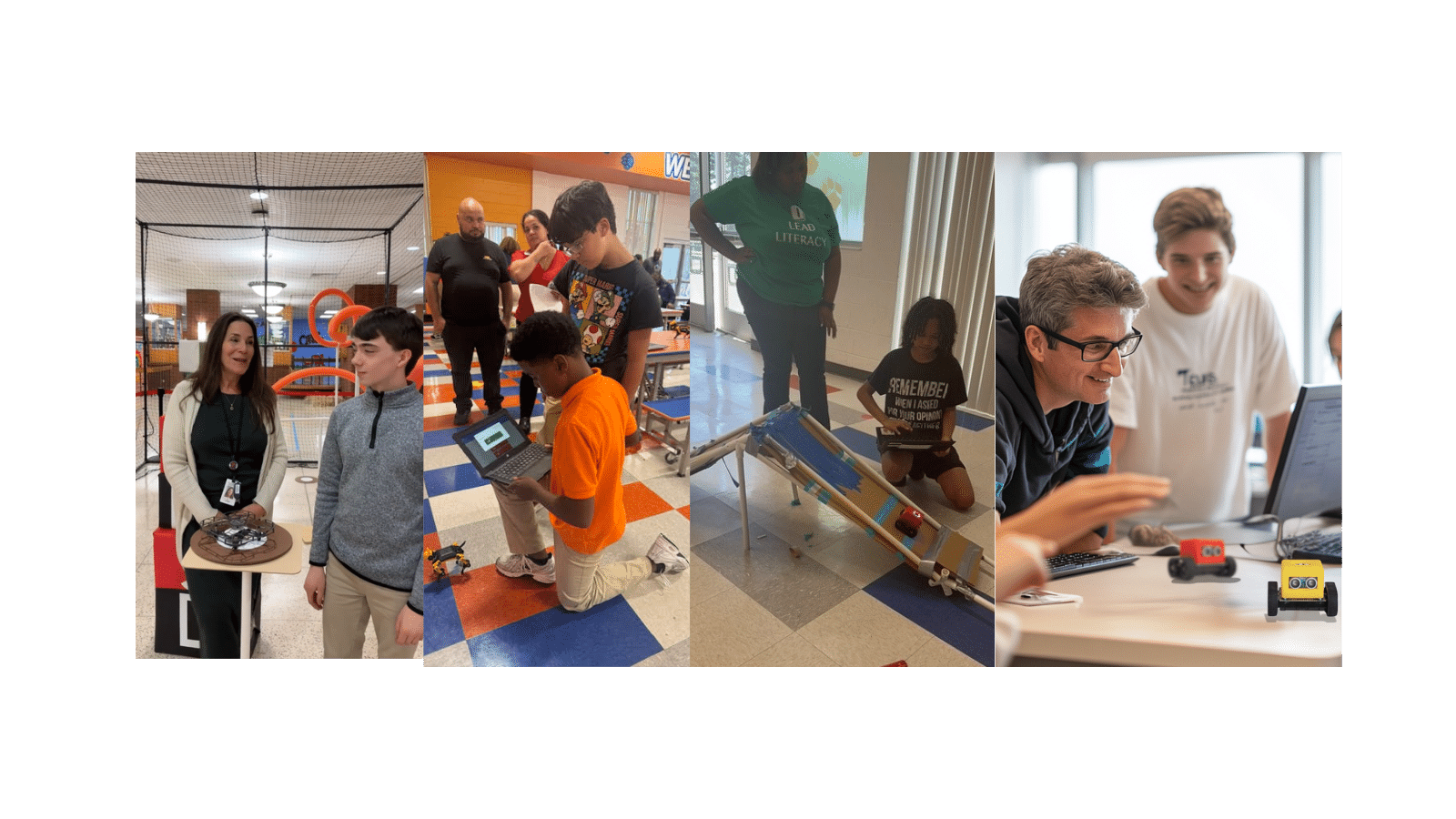
Hands-on learning powered by movement and real-world applications, like drone flight and robot navigation, activates multiple regions of the brain. This matters because research in educational psychology shows that students exposed to a hands-on instructional approach scored significantly higher in both achievement and retention compared to those taught through conventional methods. (Silberman, 2016; Buehi, 2021)
Why Motion Matters
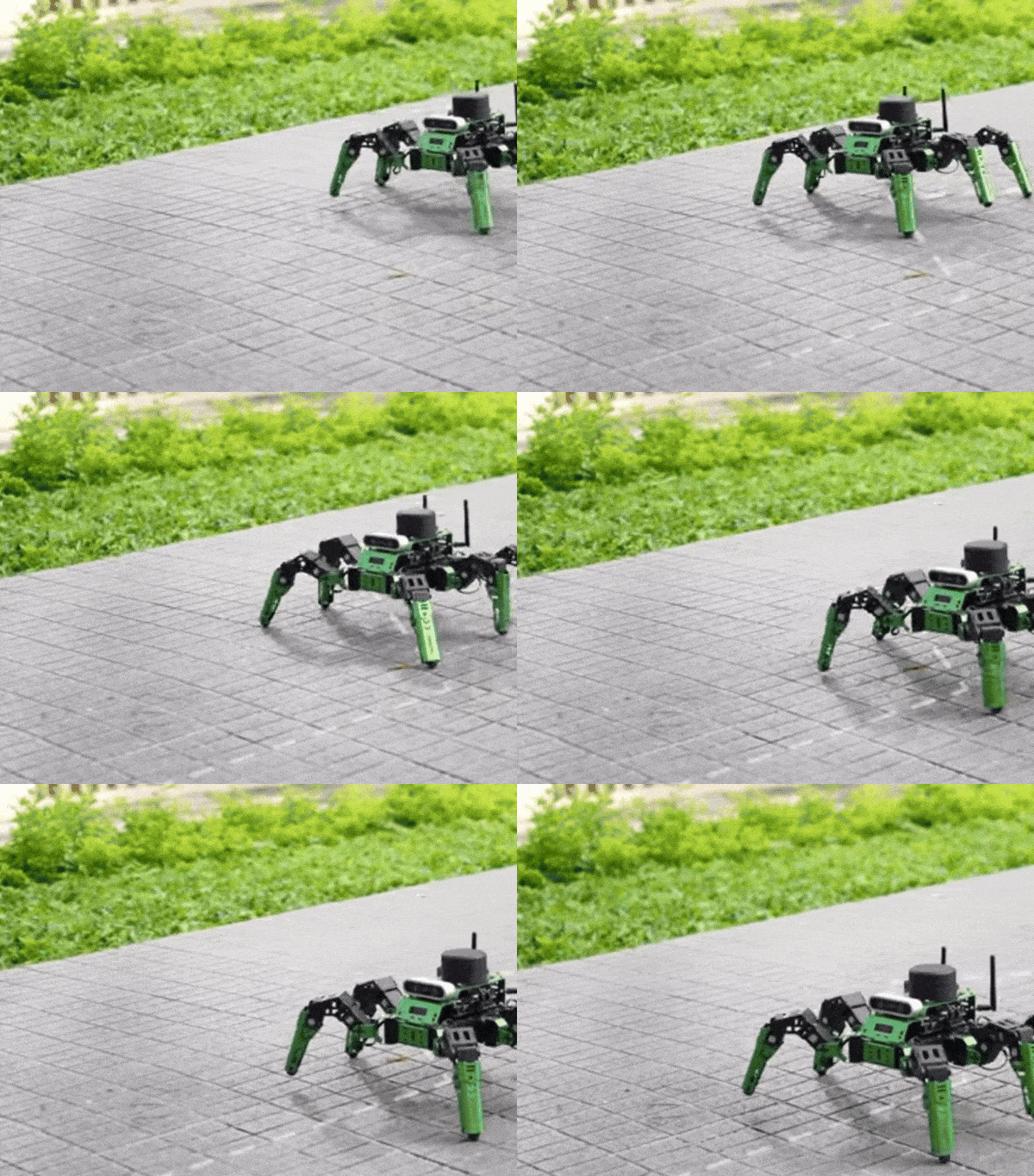
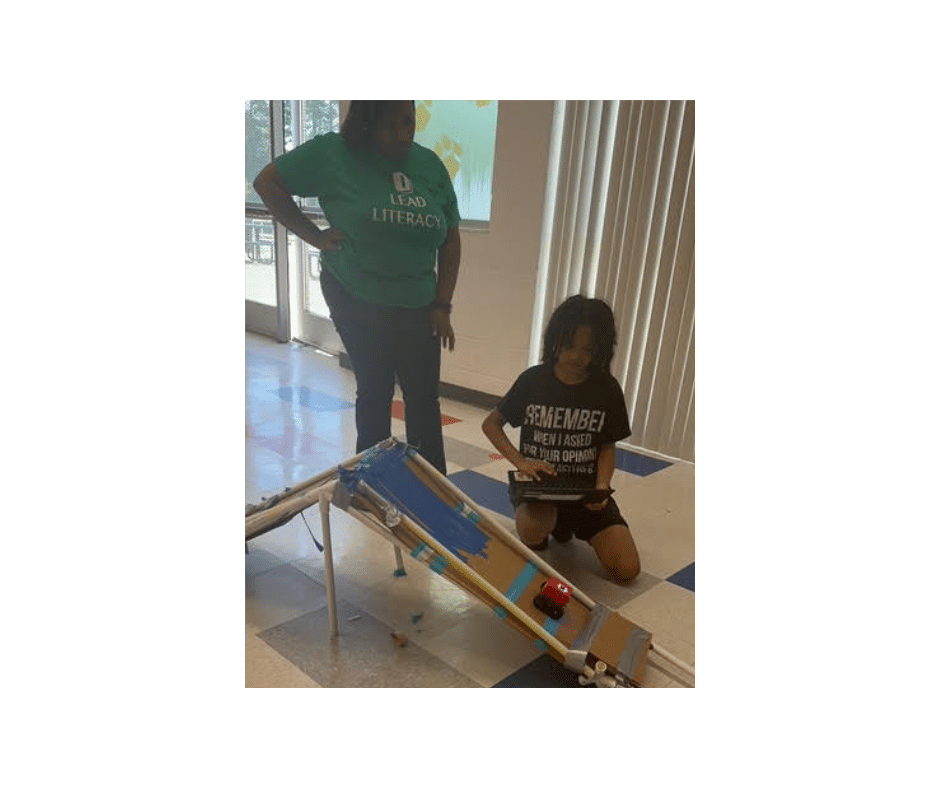
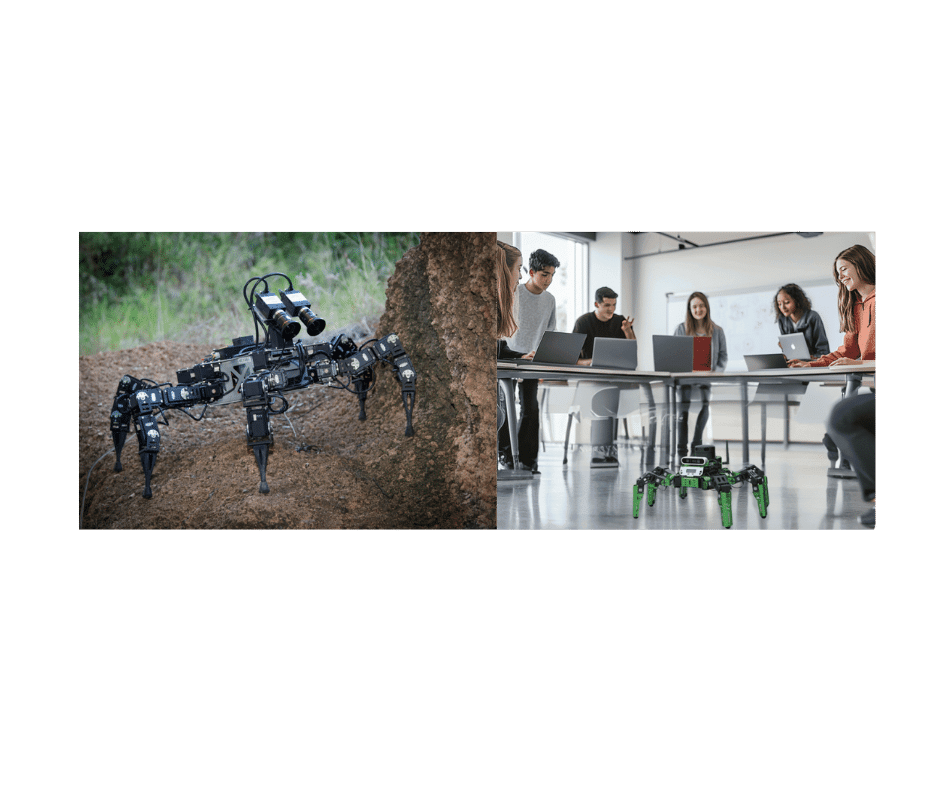
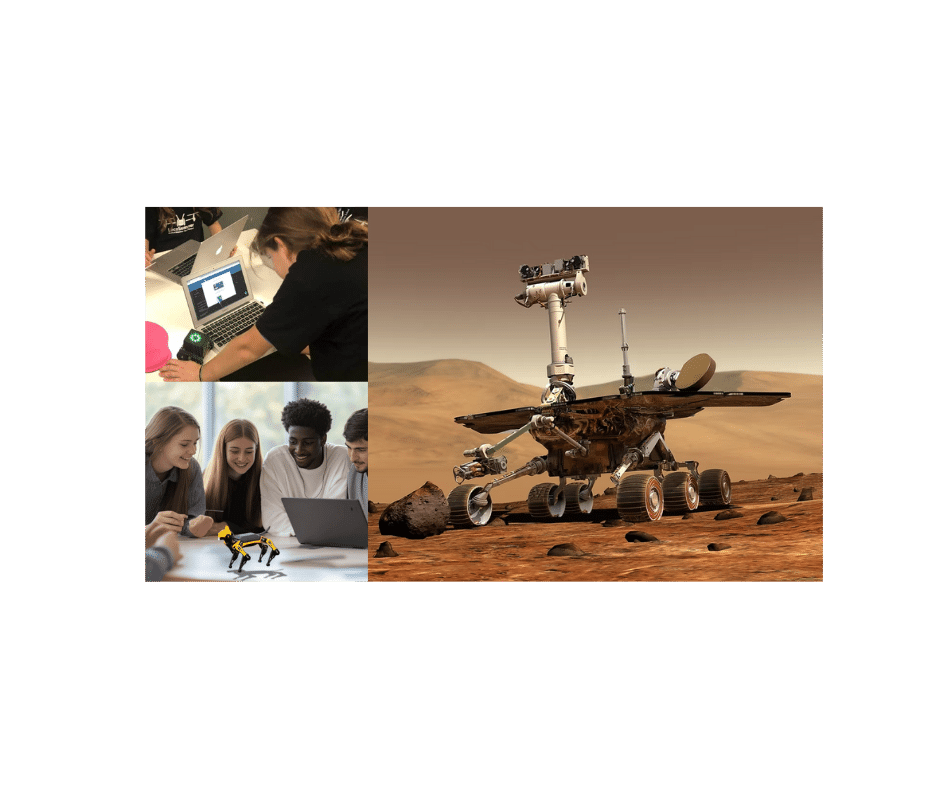
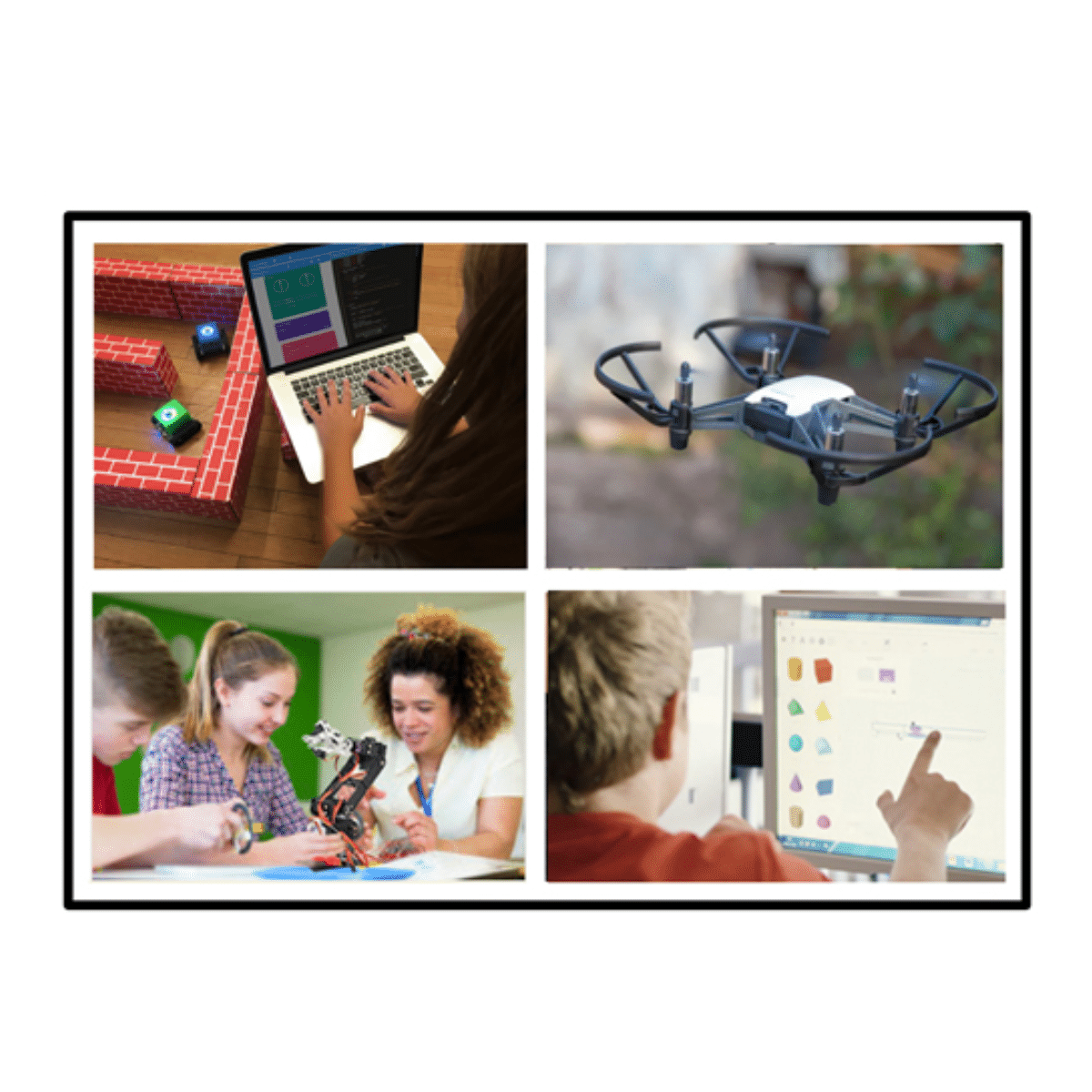
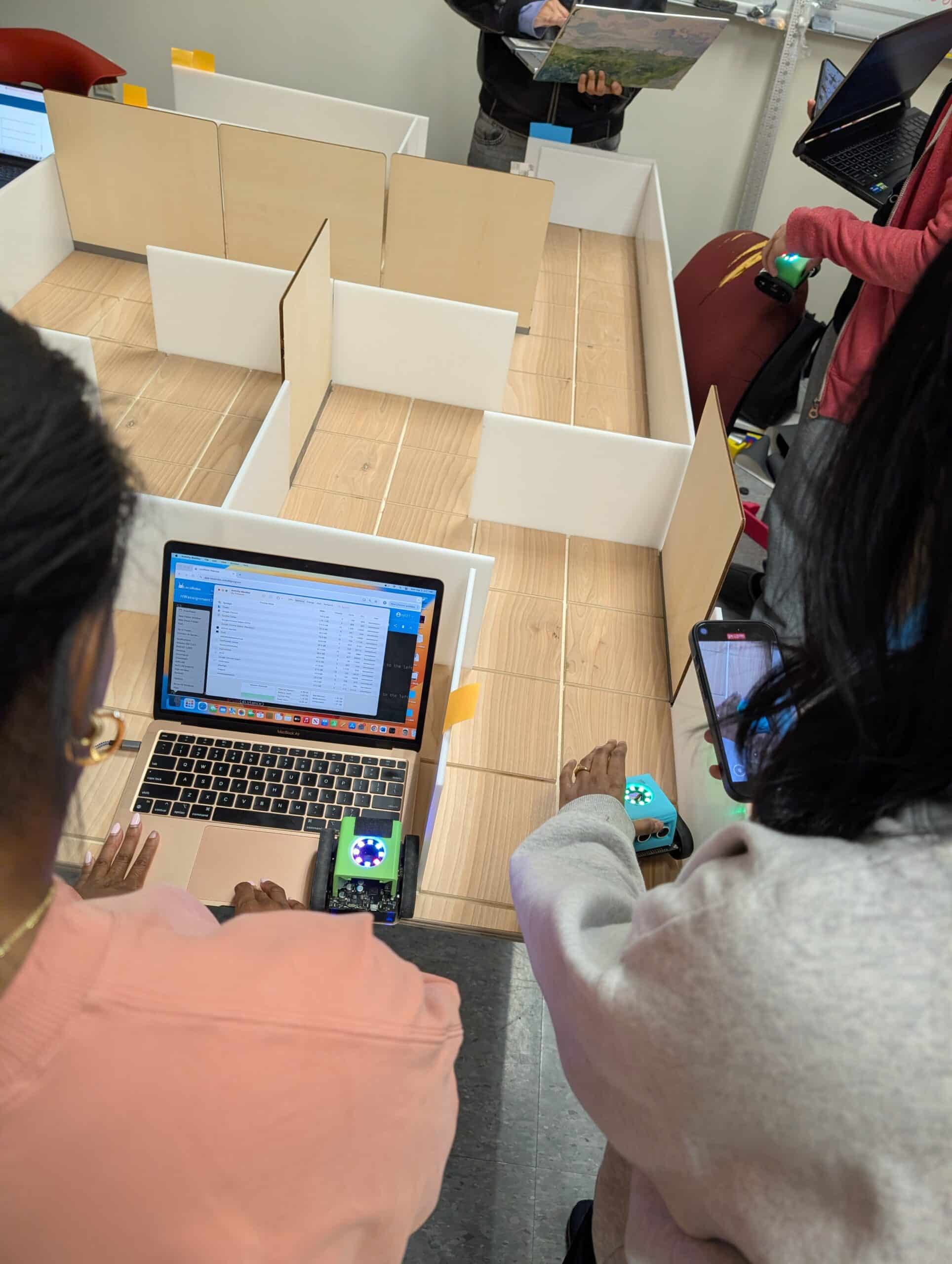
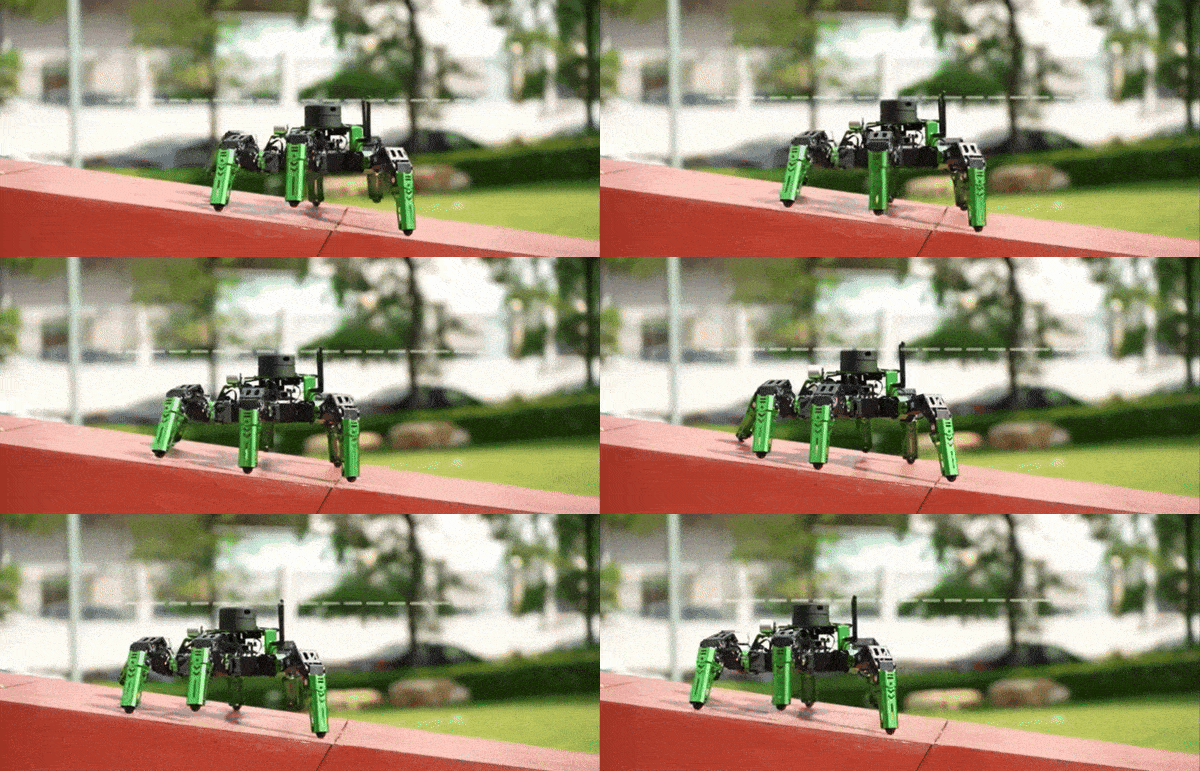
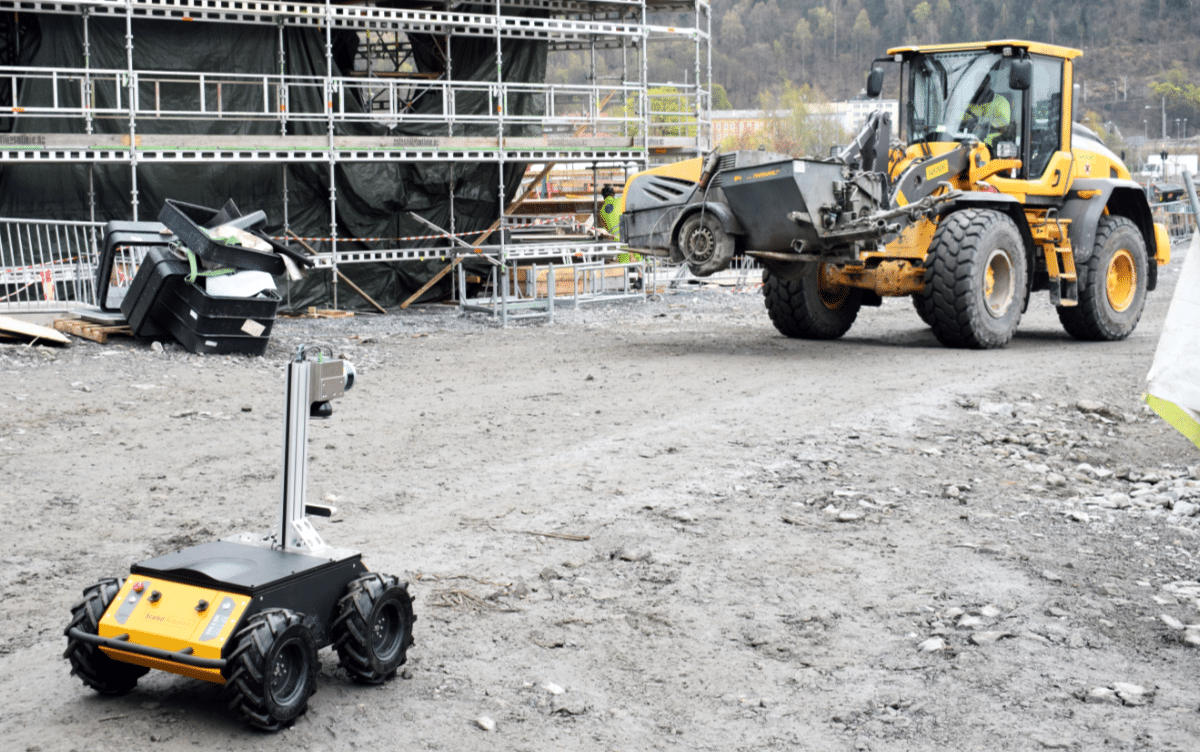
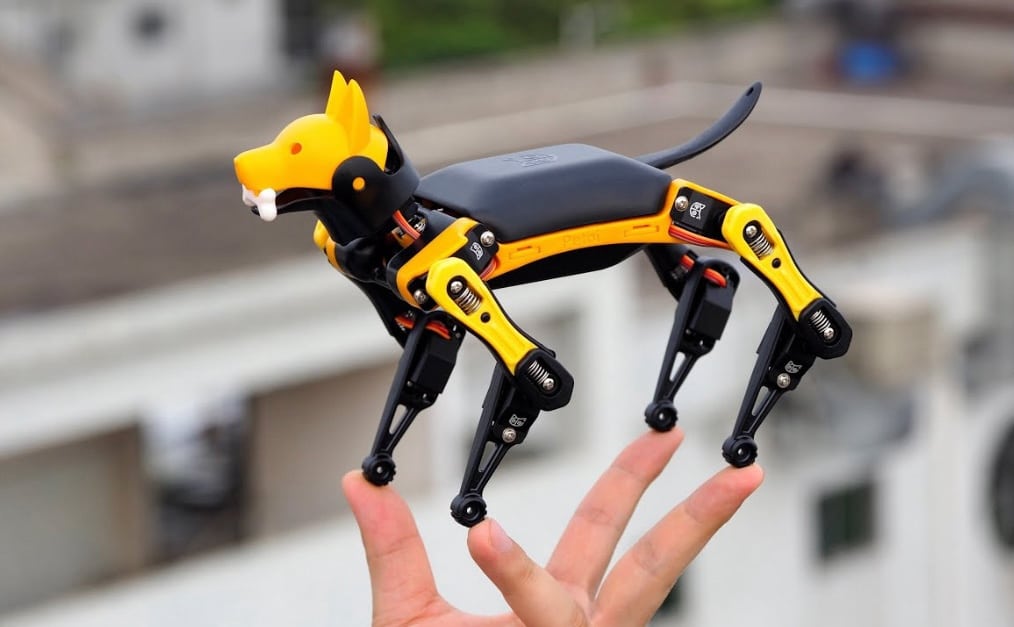
Kinesthetic learning, which is learning by doing, supports memory, attention, and understanding. Whether it is controlling a drone’s flight path or navigating an obstacle with a robot movement, hands-on learning helps students process abstract concepts in tangible ways.
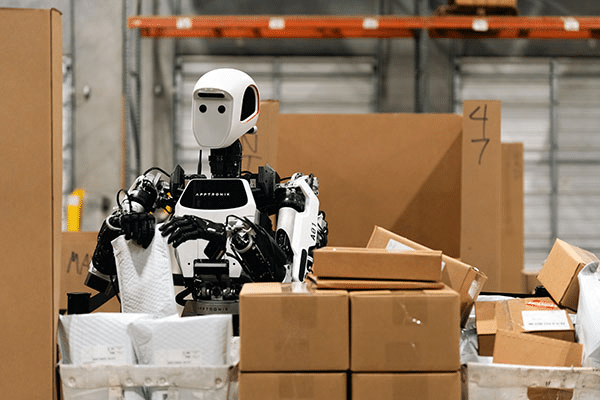
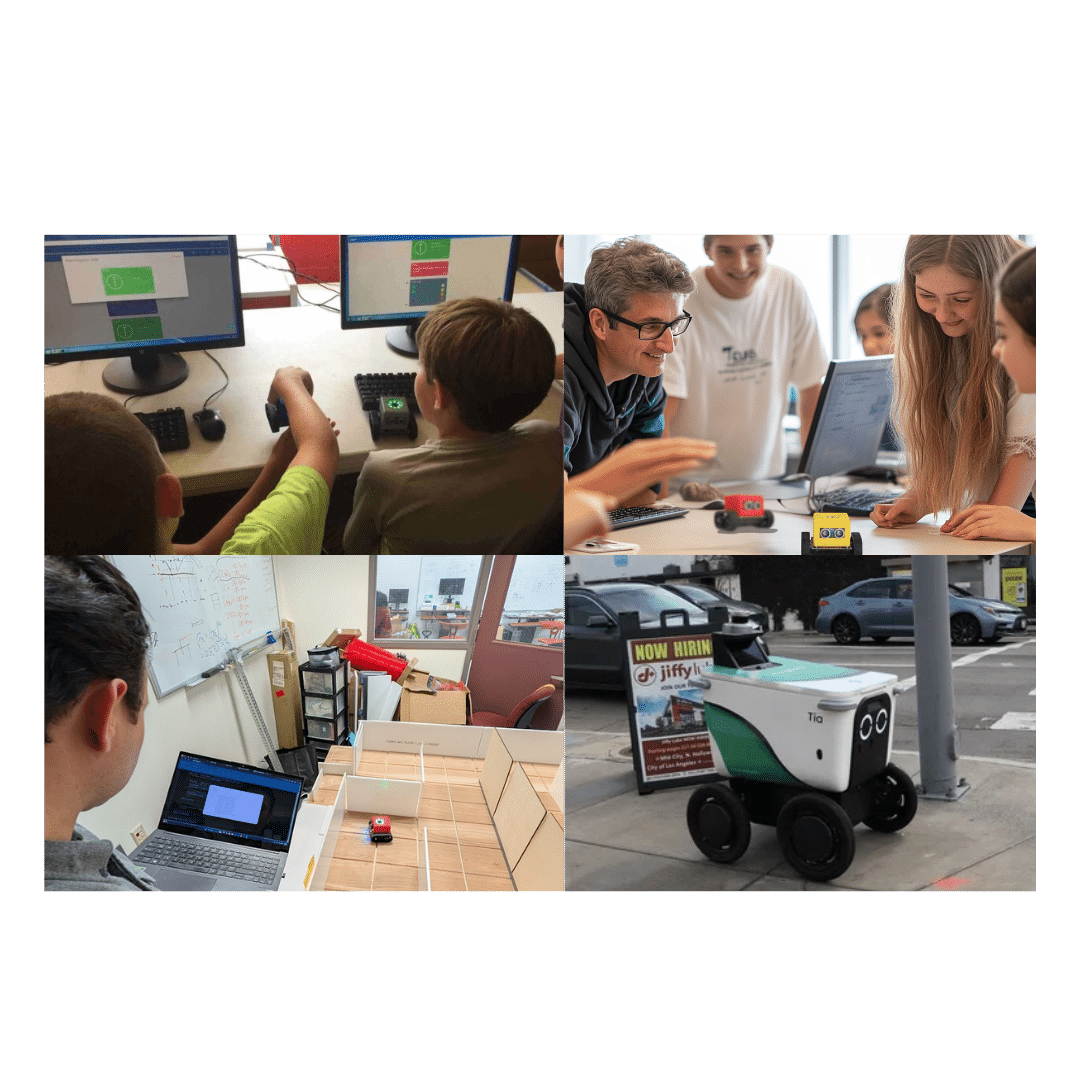
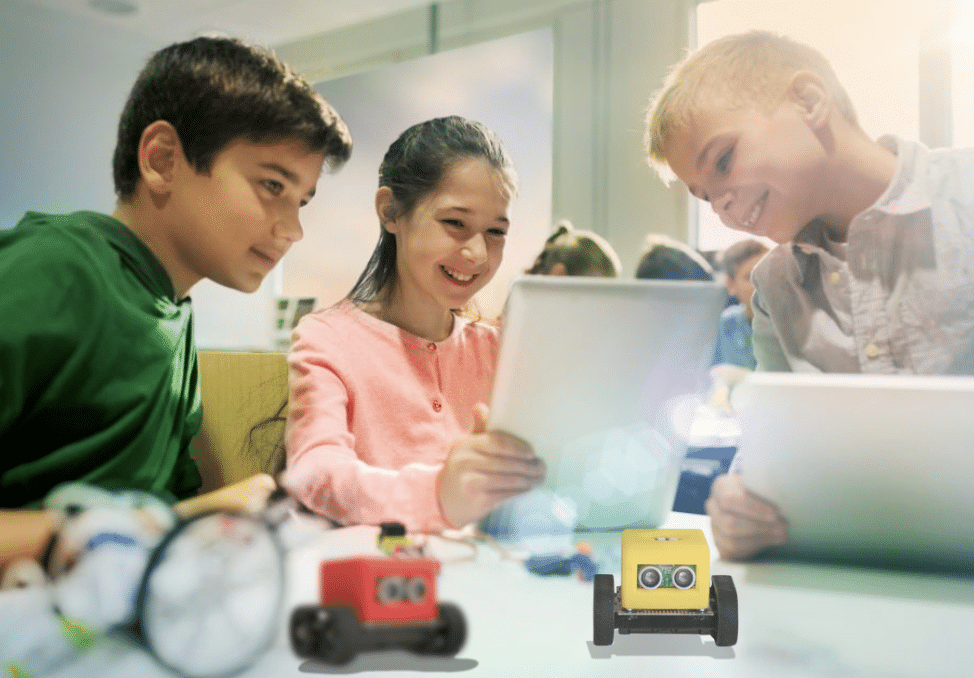
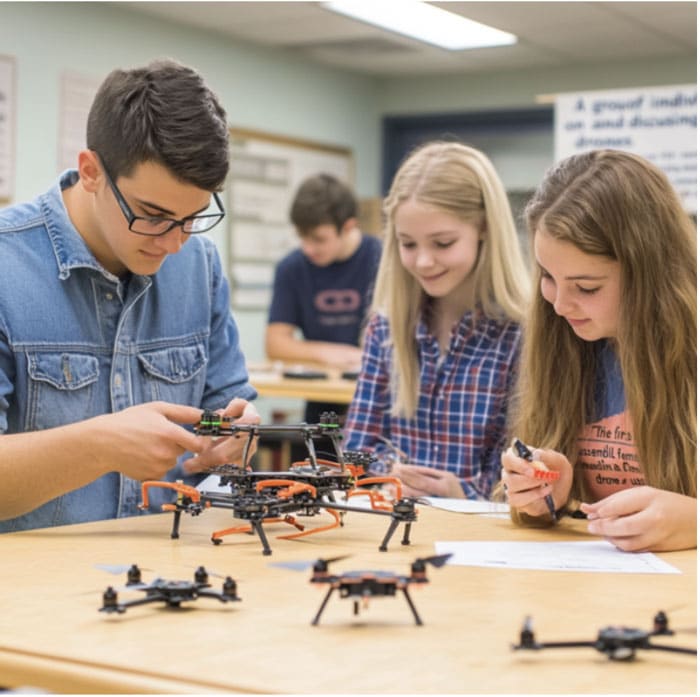
When students use their hands to code a robot or program a drone, they are engaging motor skills, decision-making, and problem-solving simultaneously. These multisensory inputs reinforce learning and give students more opportunities to practice retrieval, a key driver of long-term retention. Engaging students in STEM-based activities permits students’ ideas and understanding to be tested, compared to the traditional way of hearing and reading about a topic (Ewers, 2001).
The Power of Flight
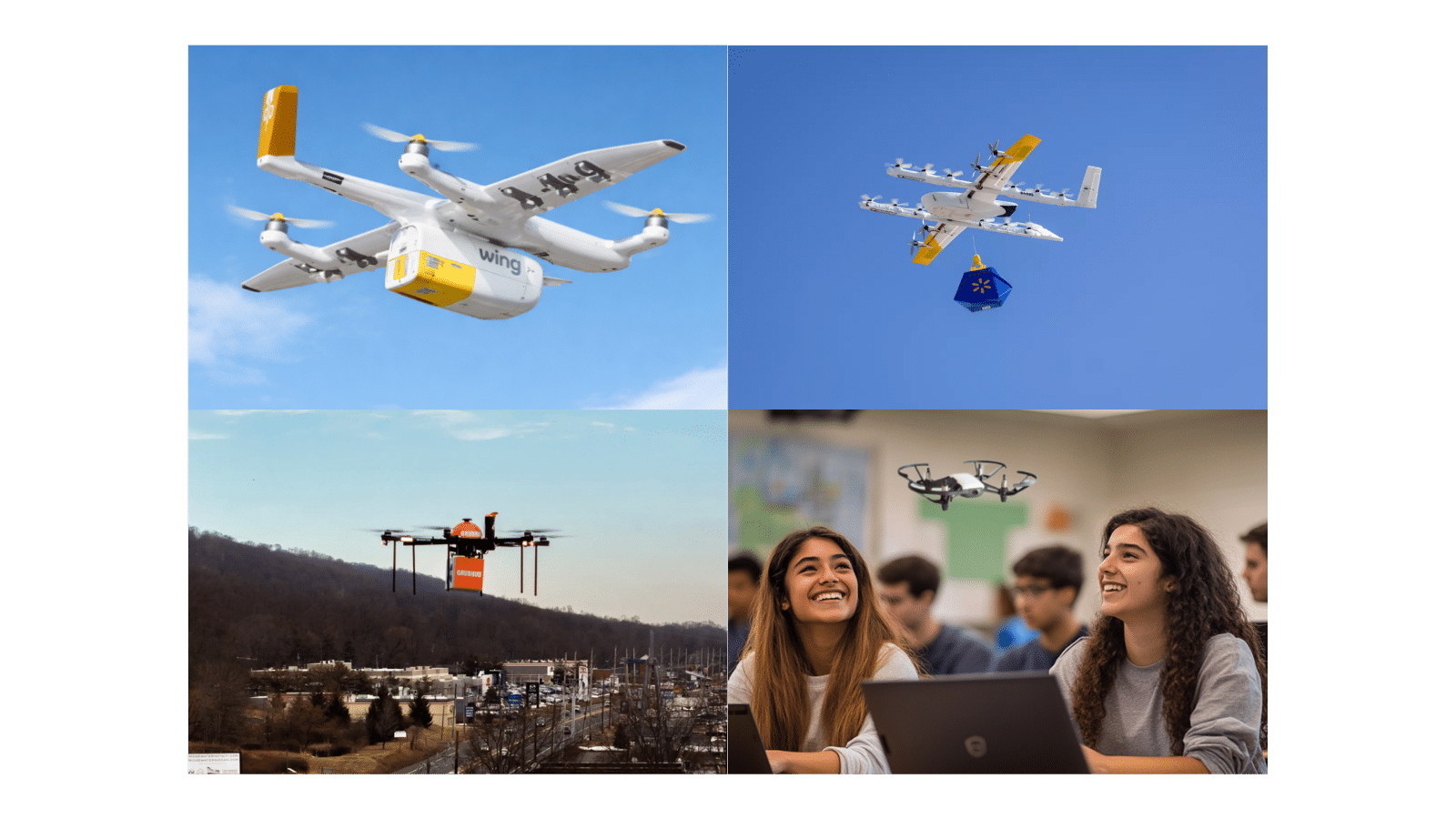
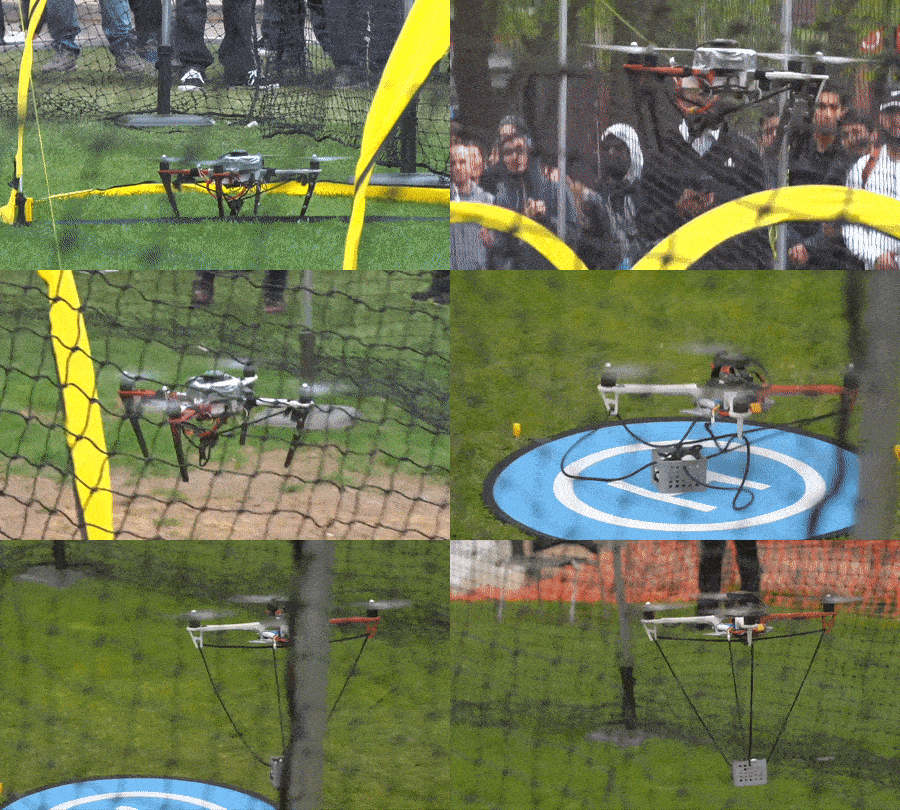
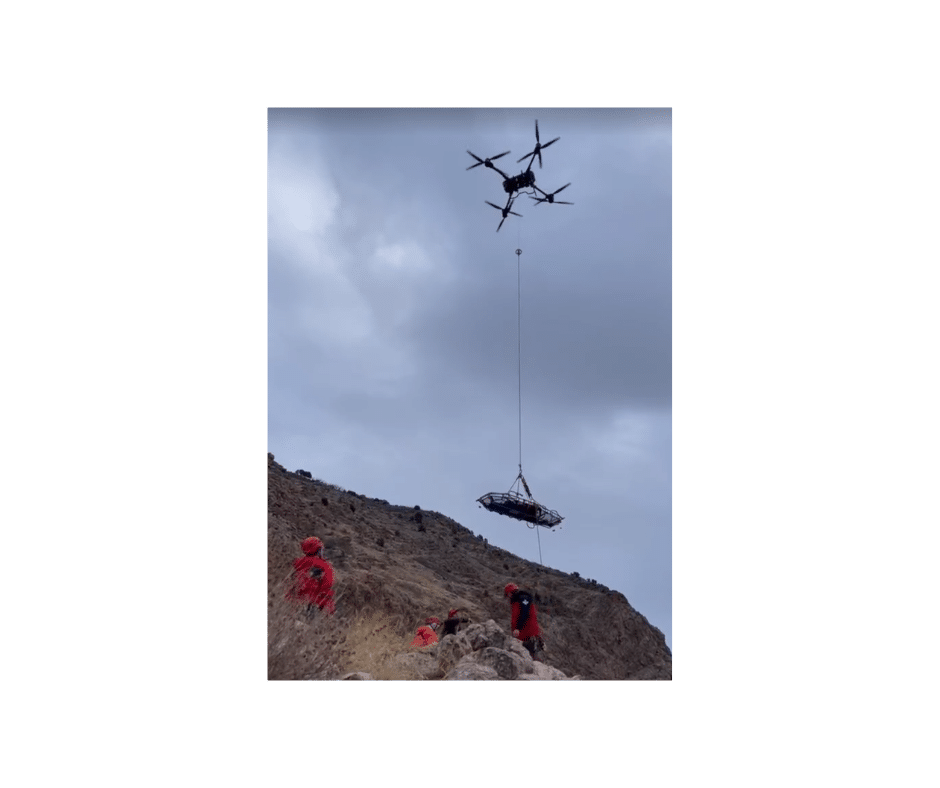
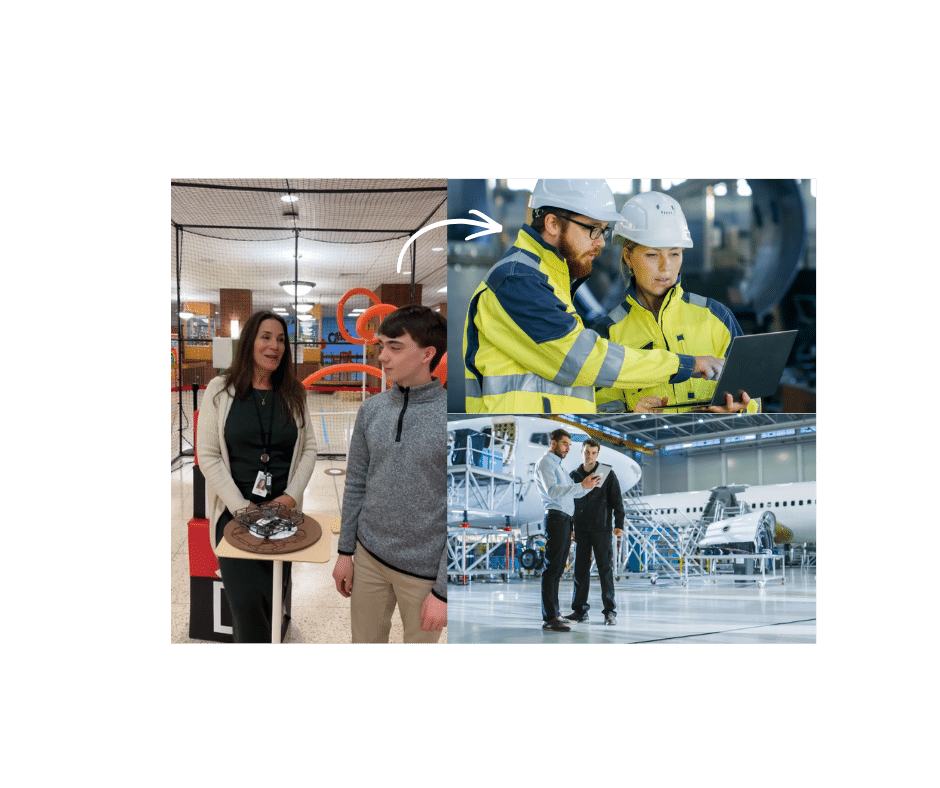
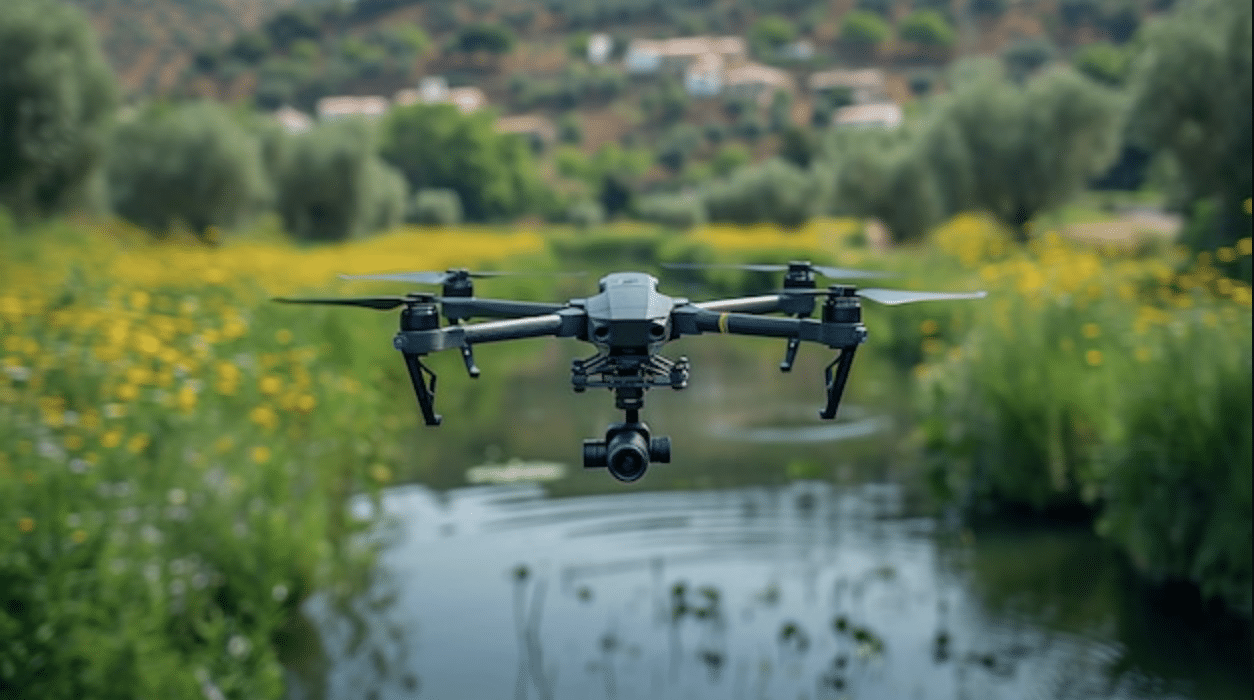
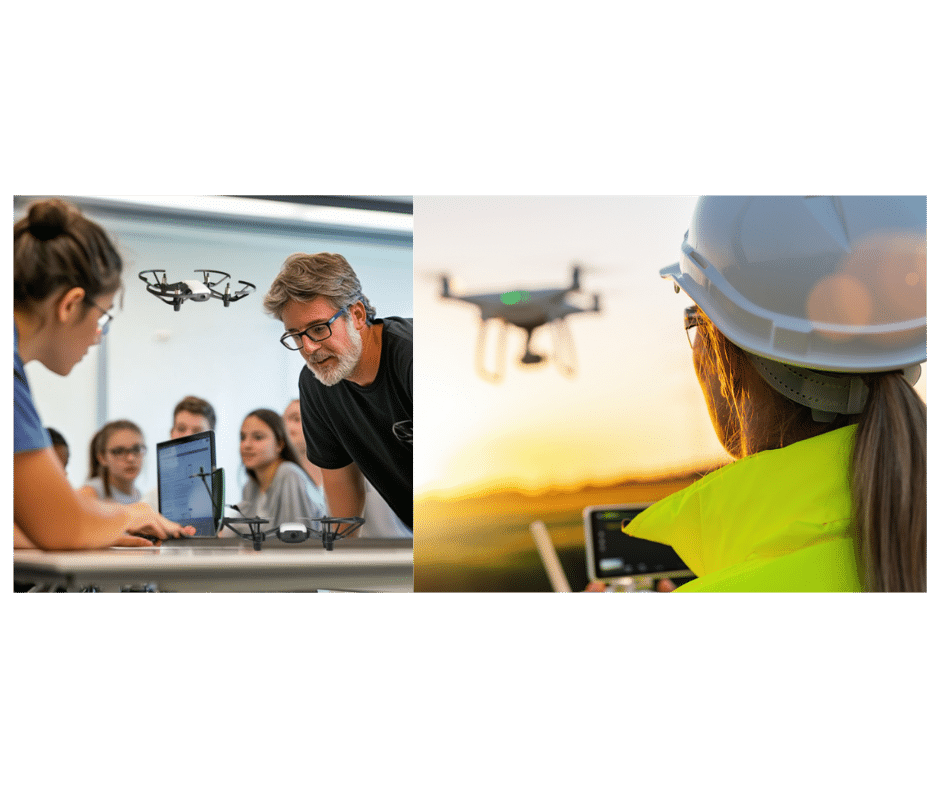
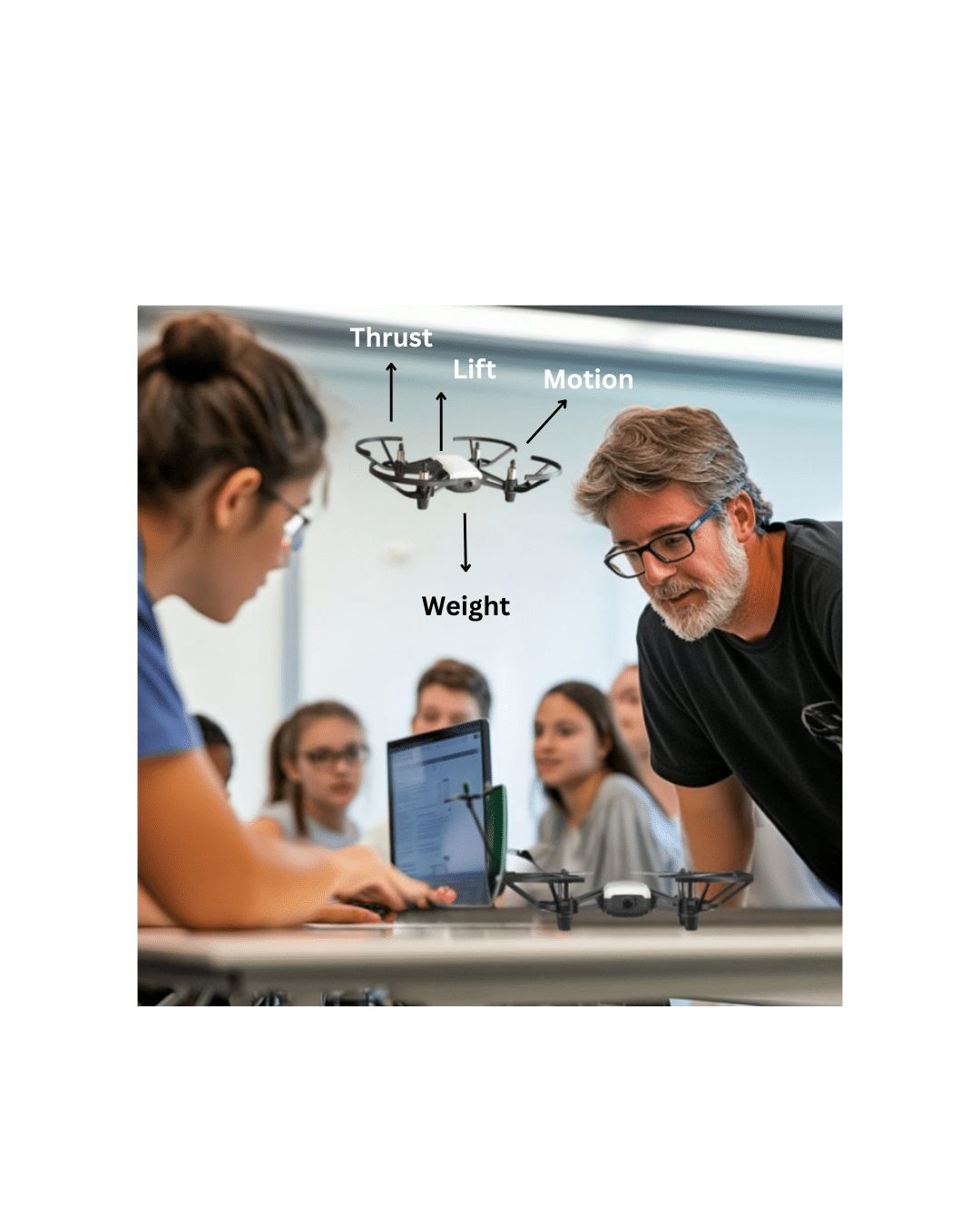
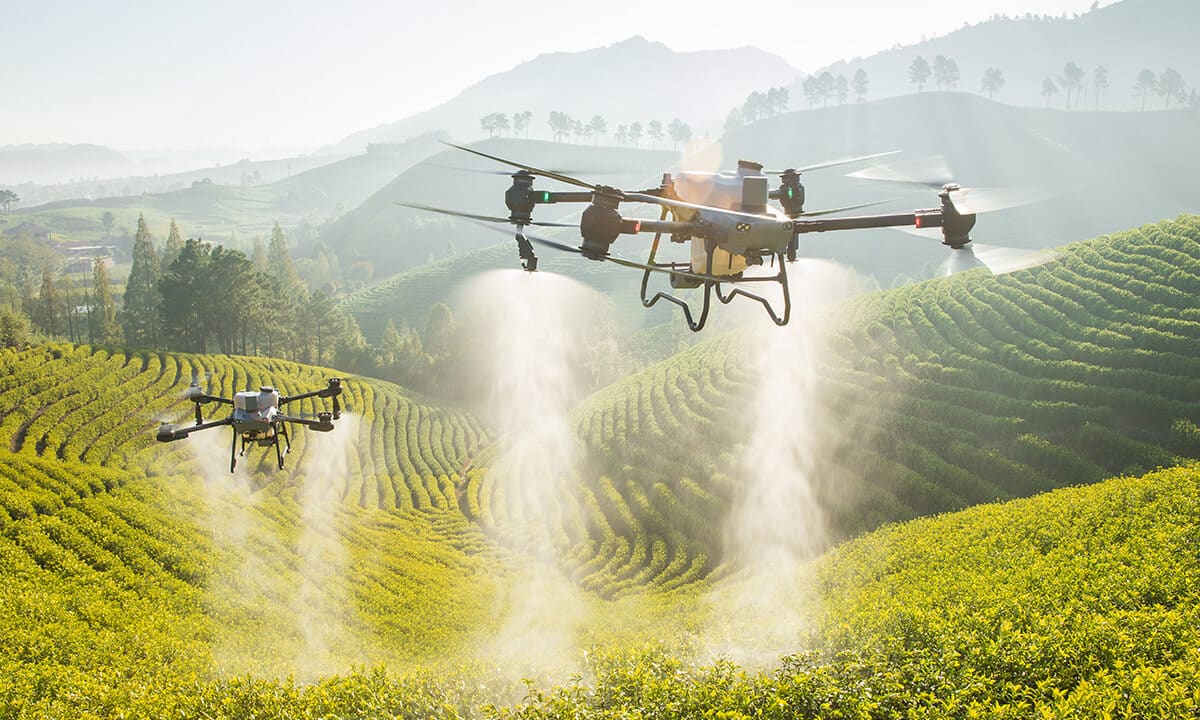
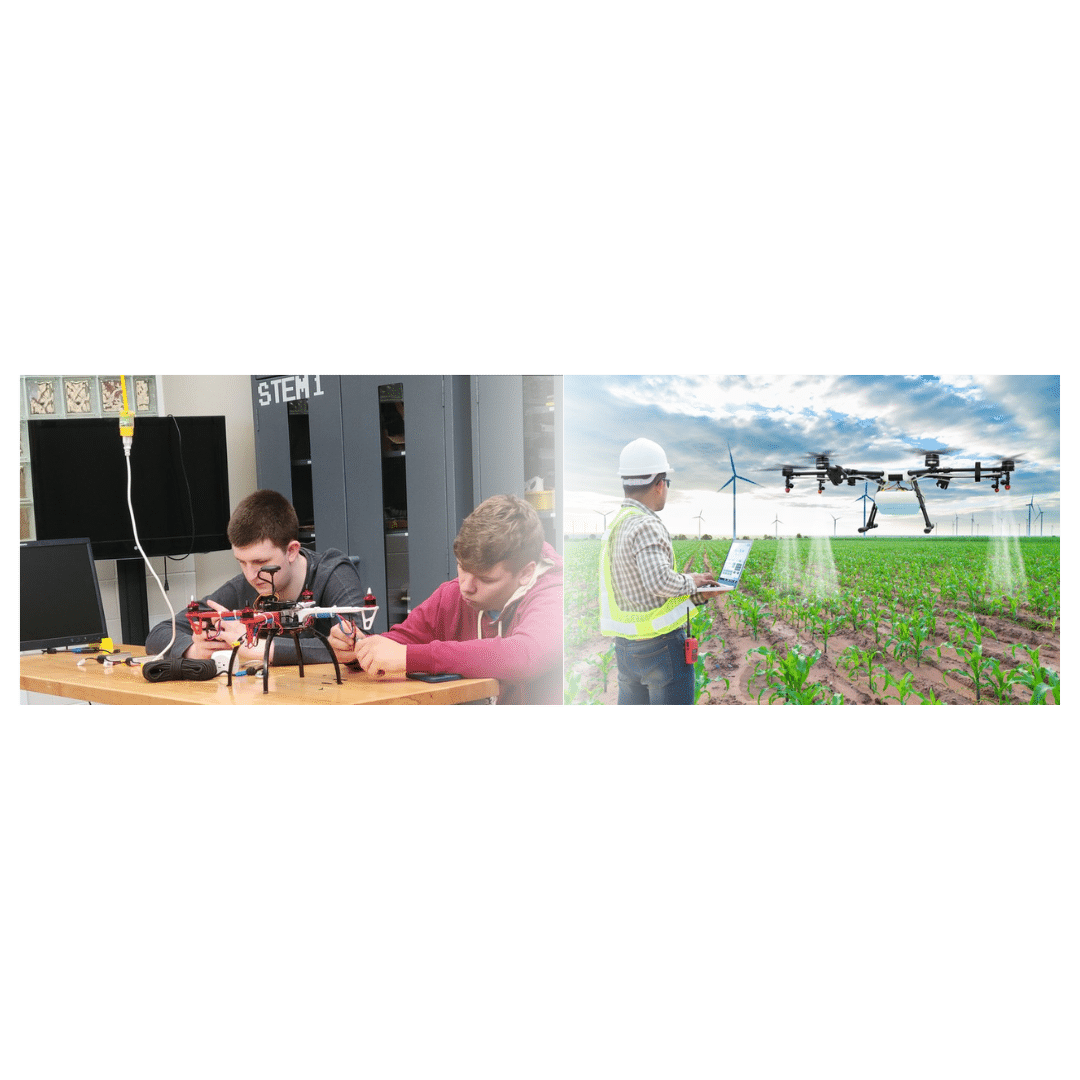
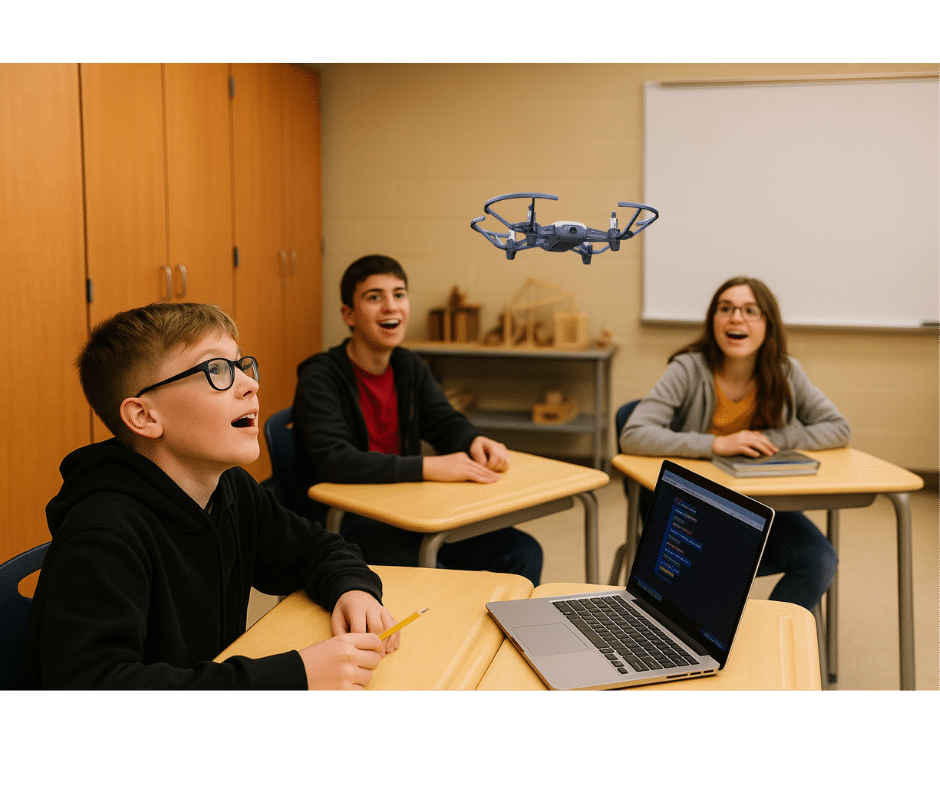
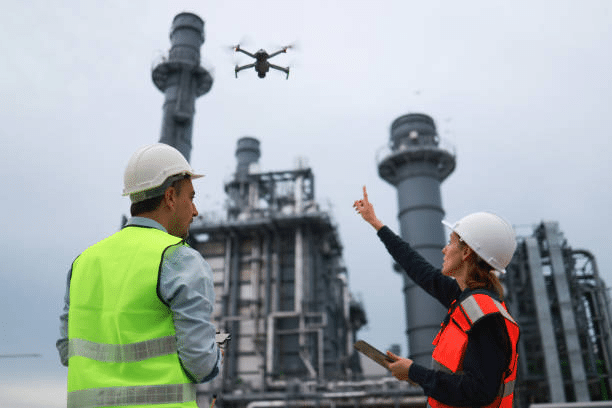
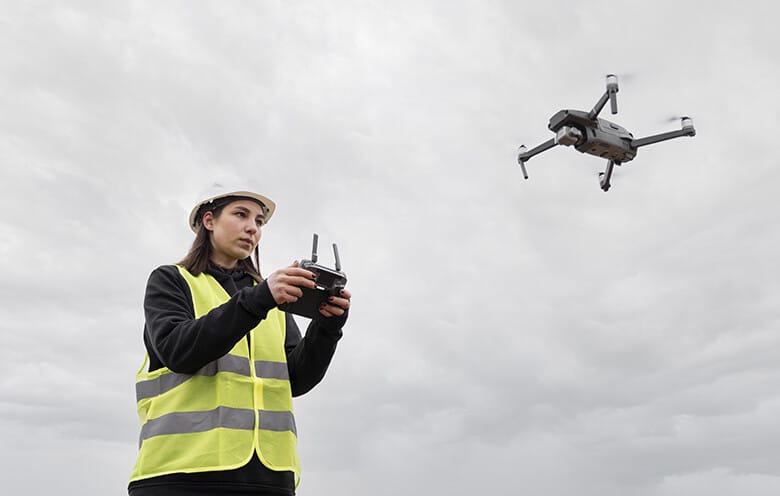
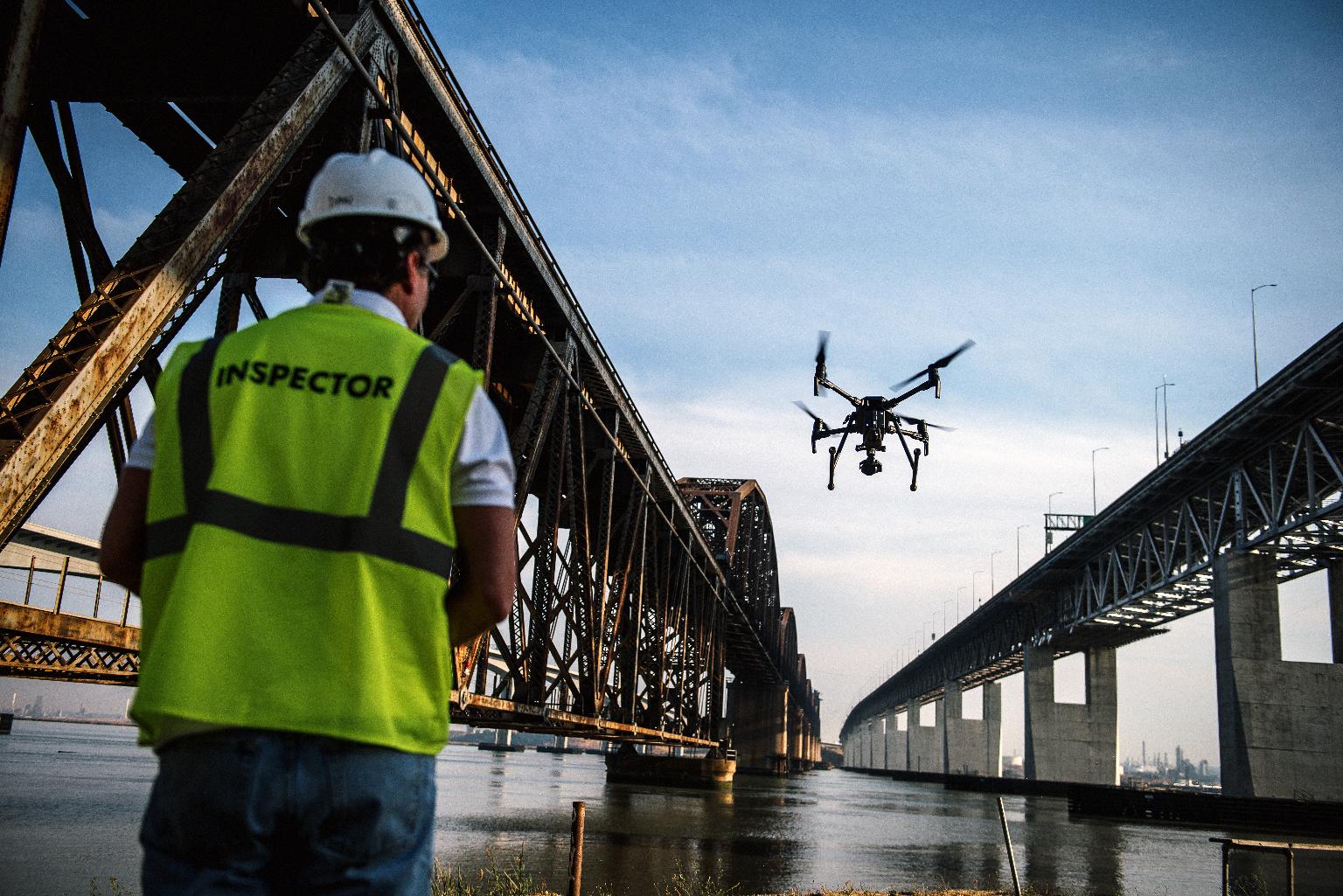
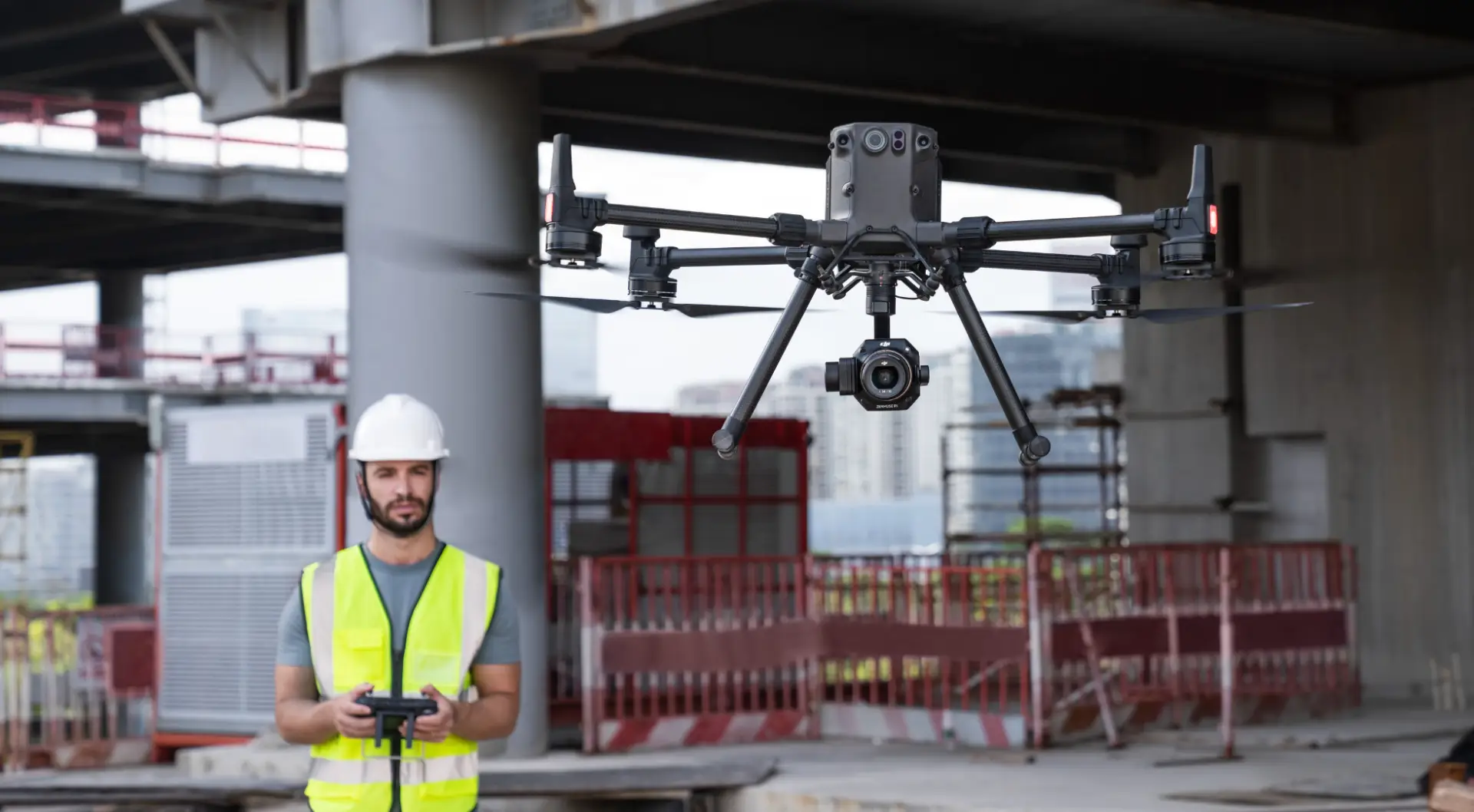
Drones introduce another layer of engagement: flight. Students watch their code come to life as a drone lifts off, maneuvers through obstacles, collects data, or maps a virtual route. The physical consequences of their programming choices offer instant feedback and fuel a deeper understanding of science and engineering concepts.
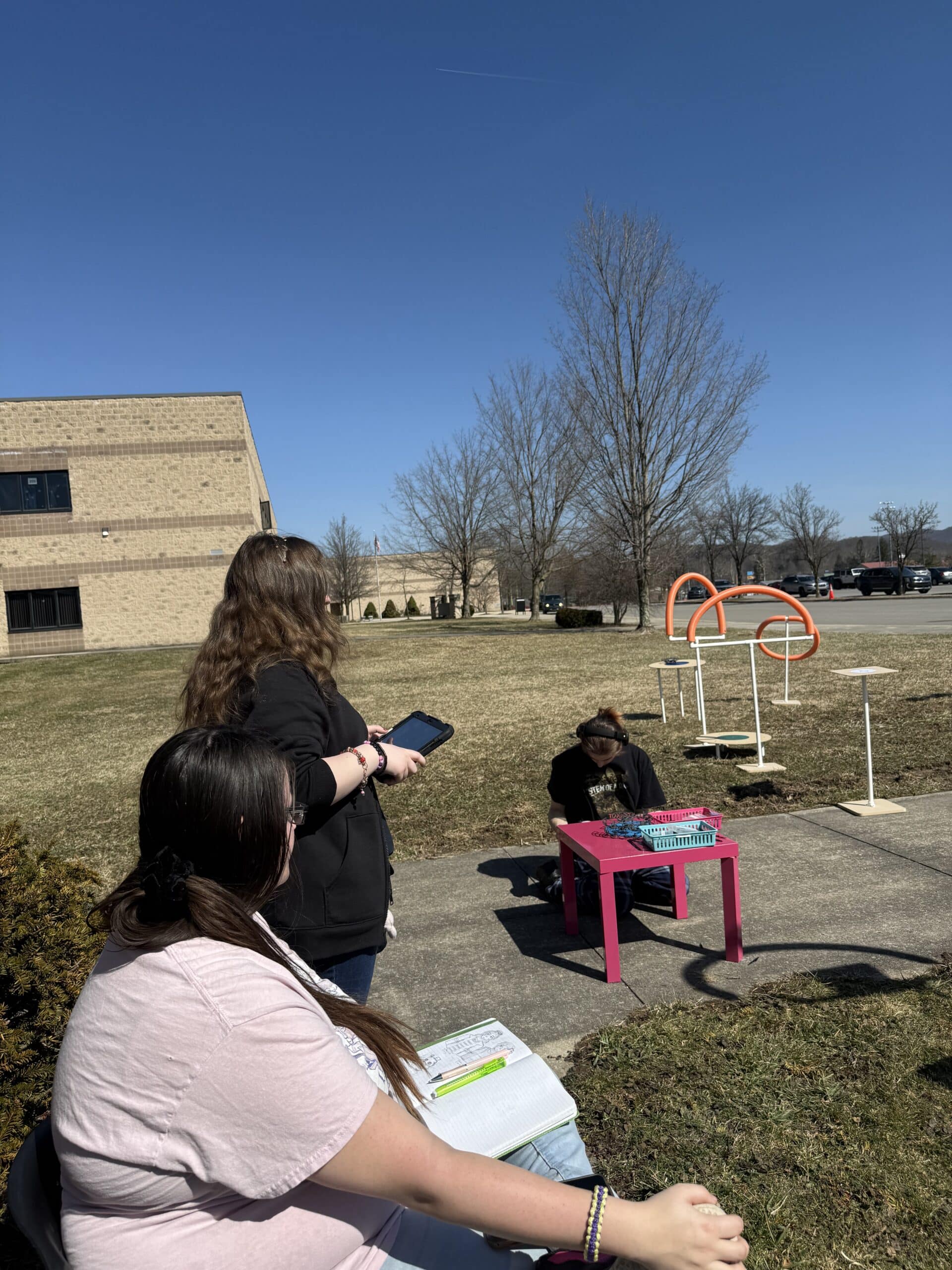
Drones also offer high visibility in the classroom. When one student is flying, everyone is watching. It creates a shared moment of excitement and curiosity, which fuels peer learning and encourages discussion, analysis, and troubleshooting.
Coding for Purpose
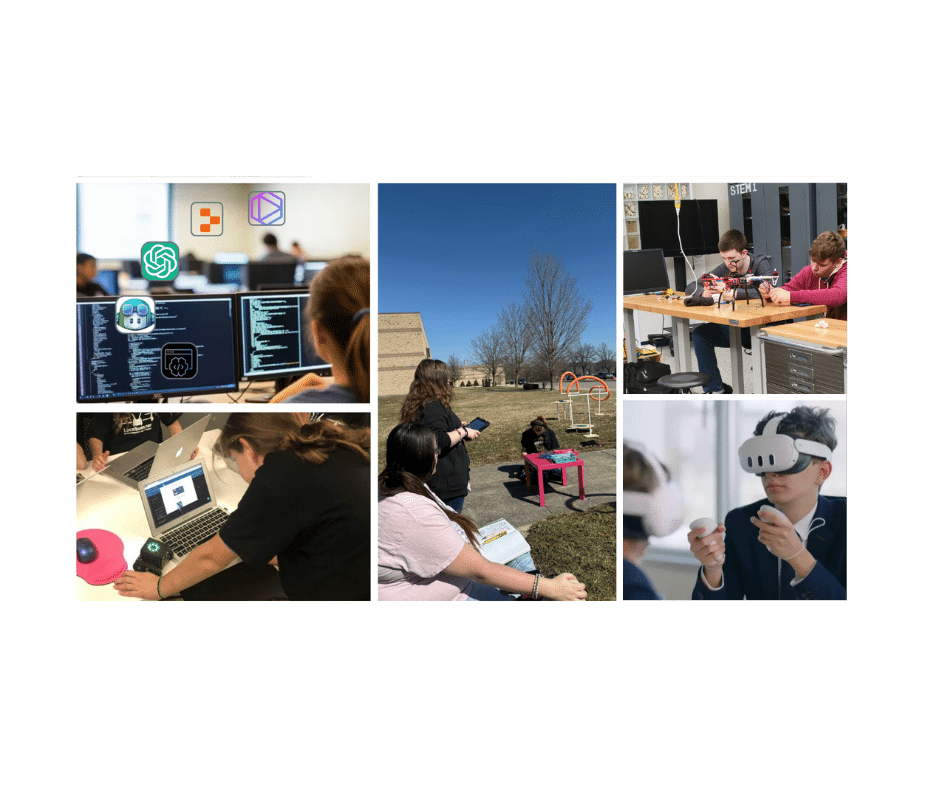
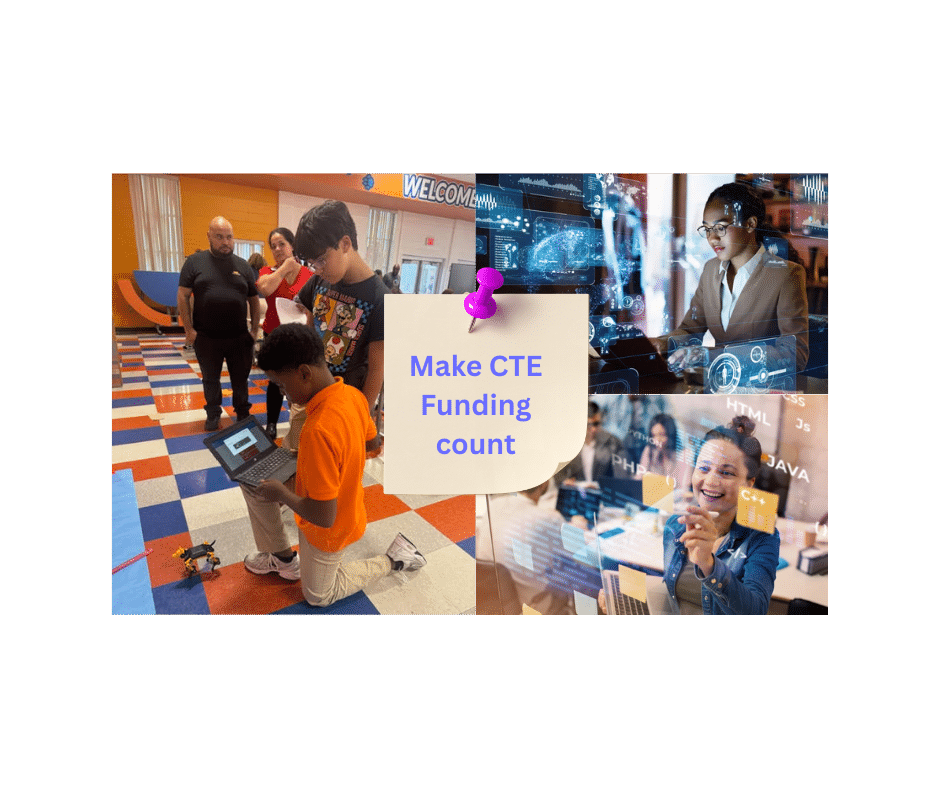
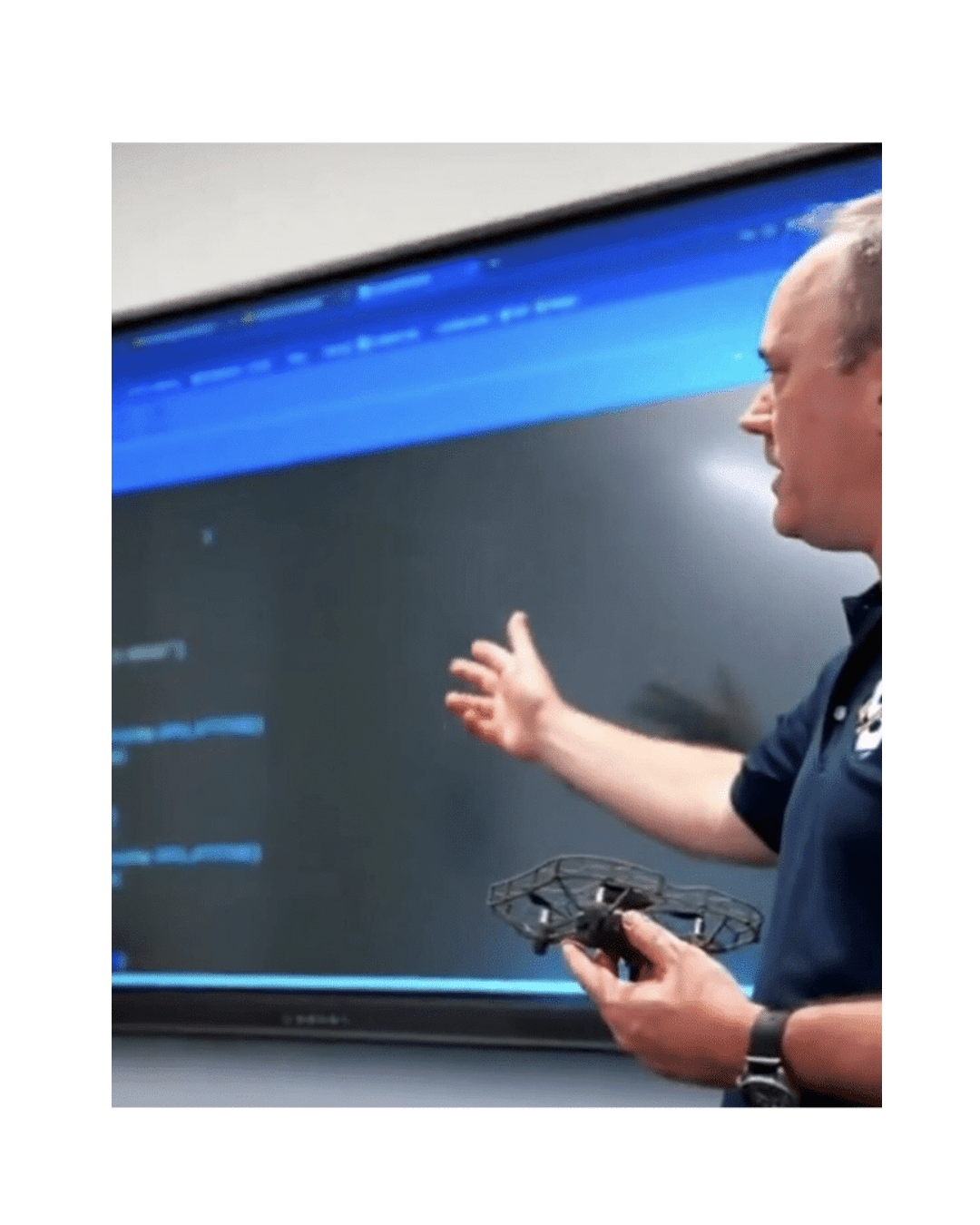
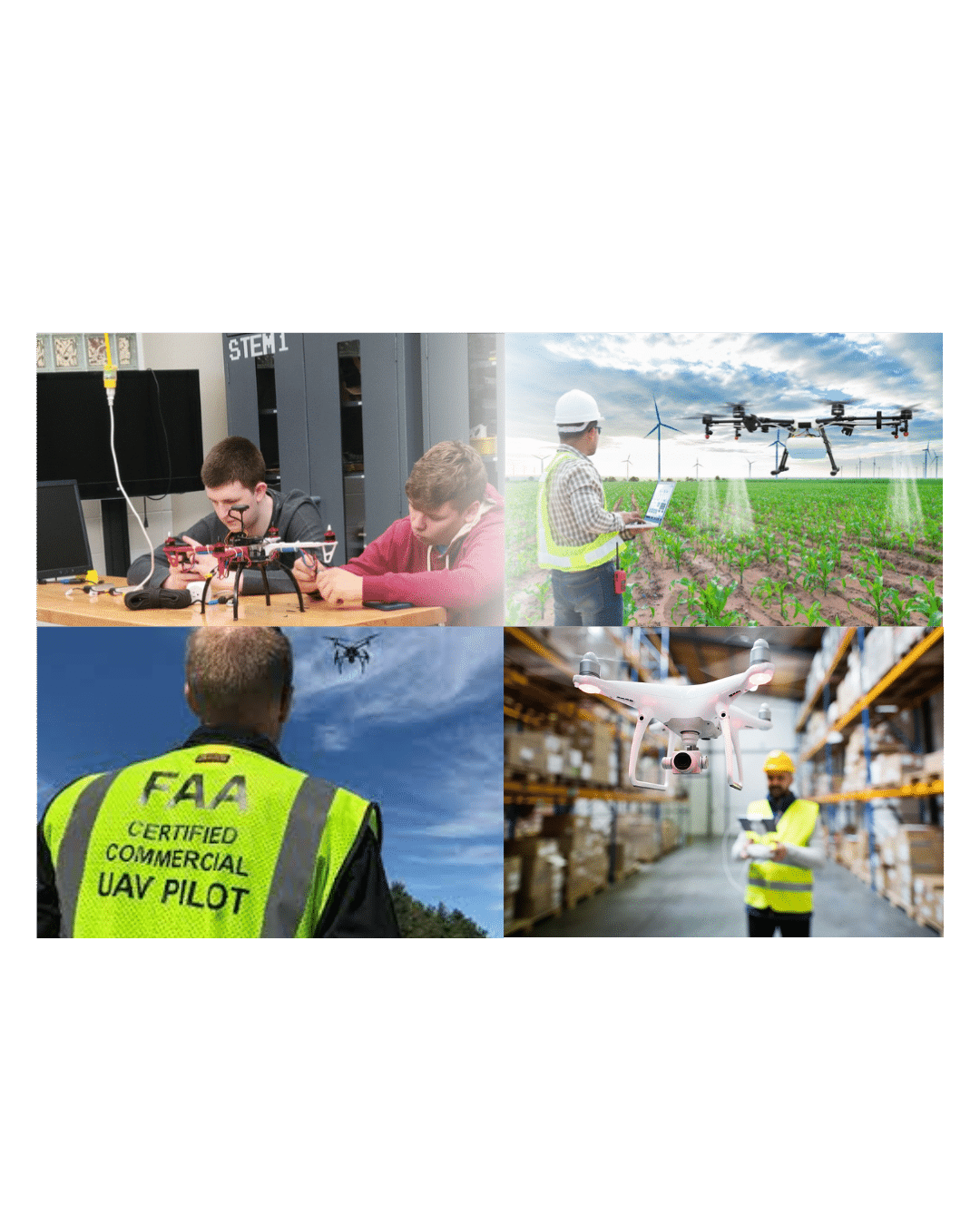
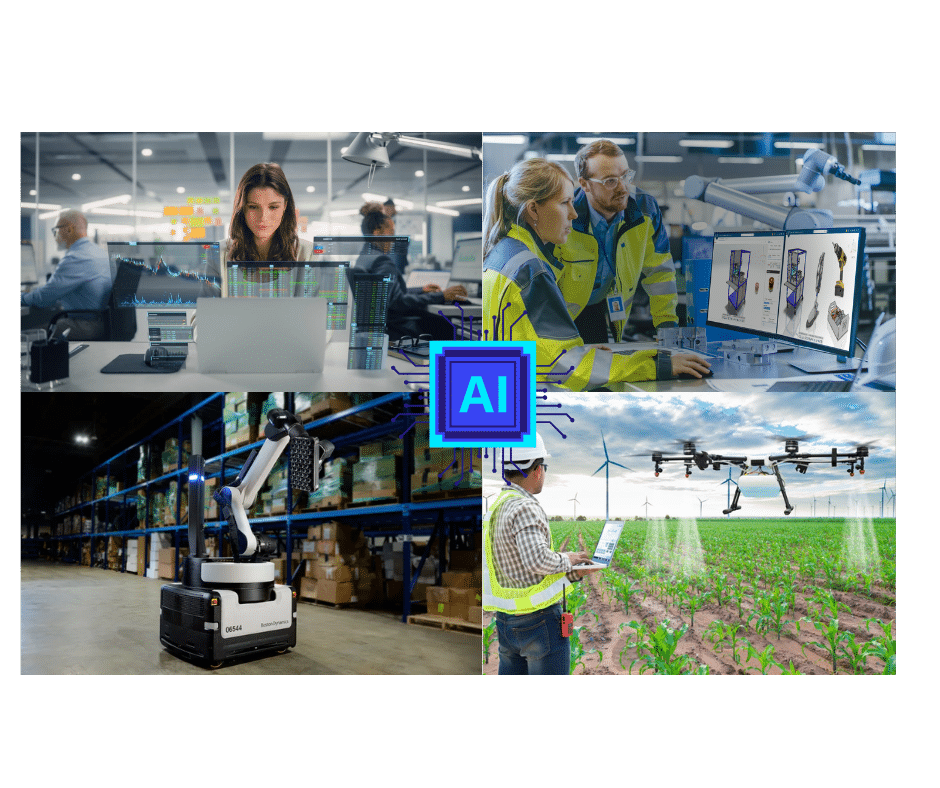
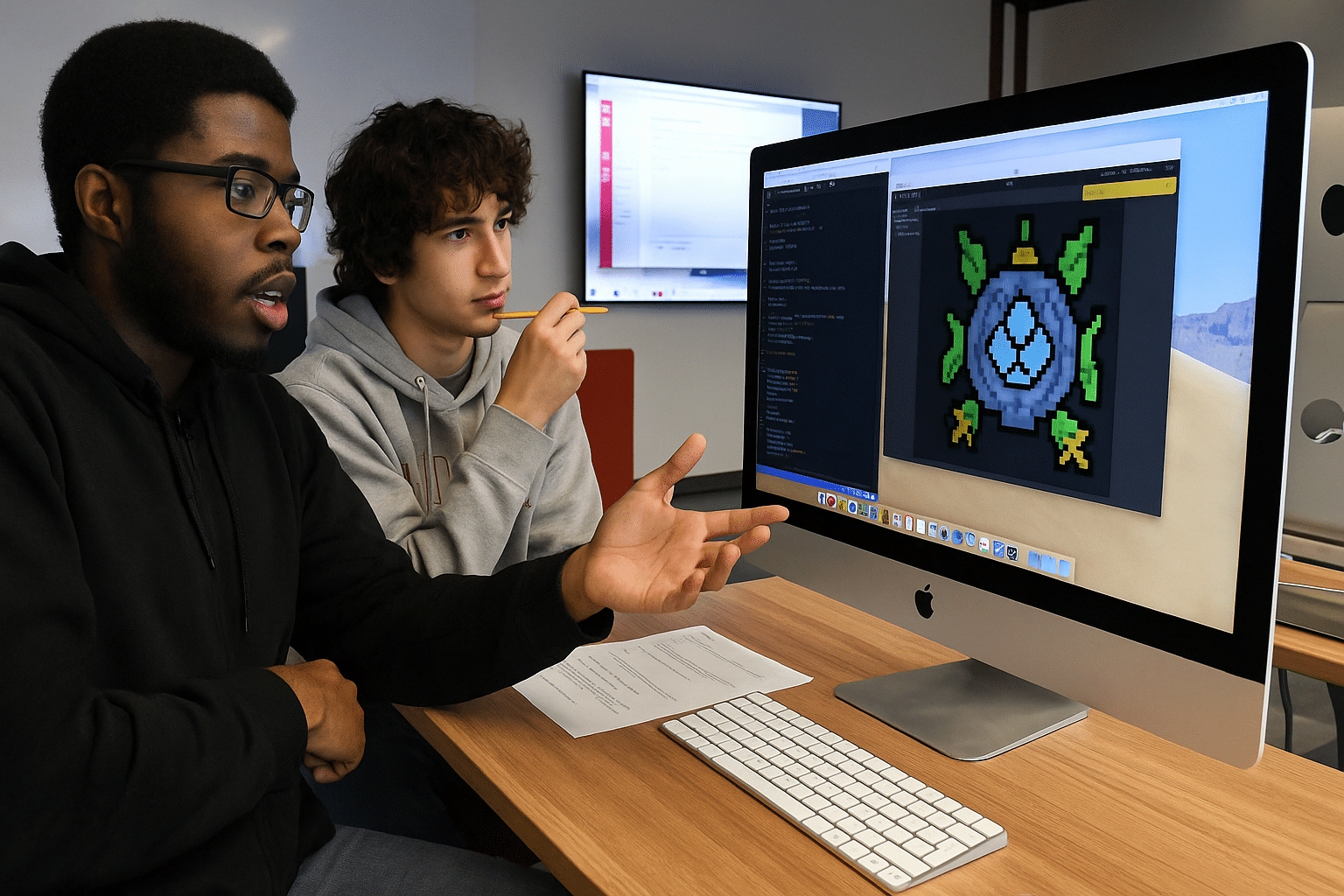
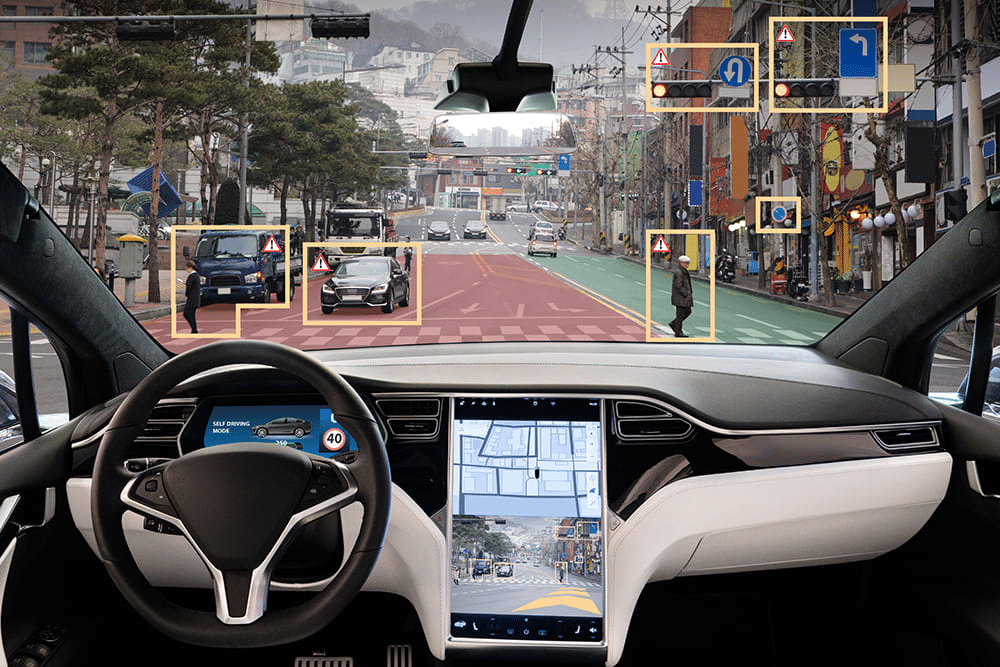
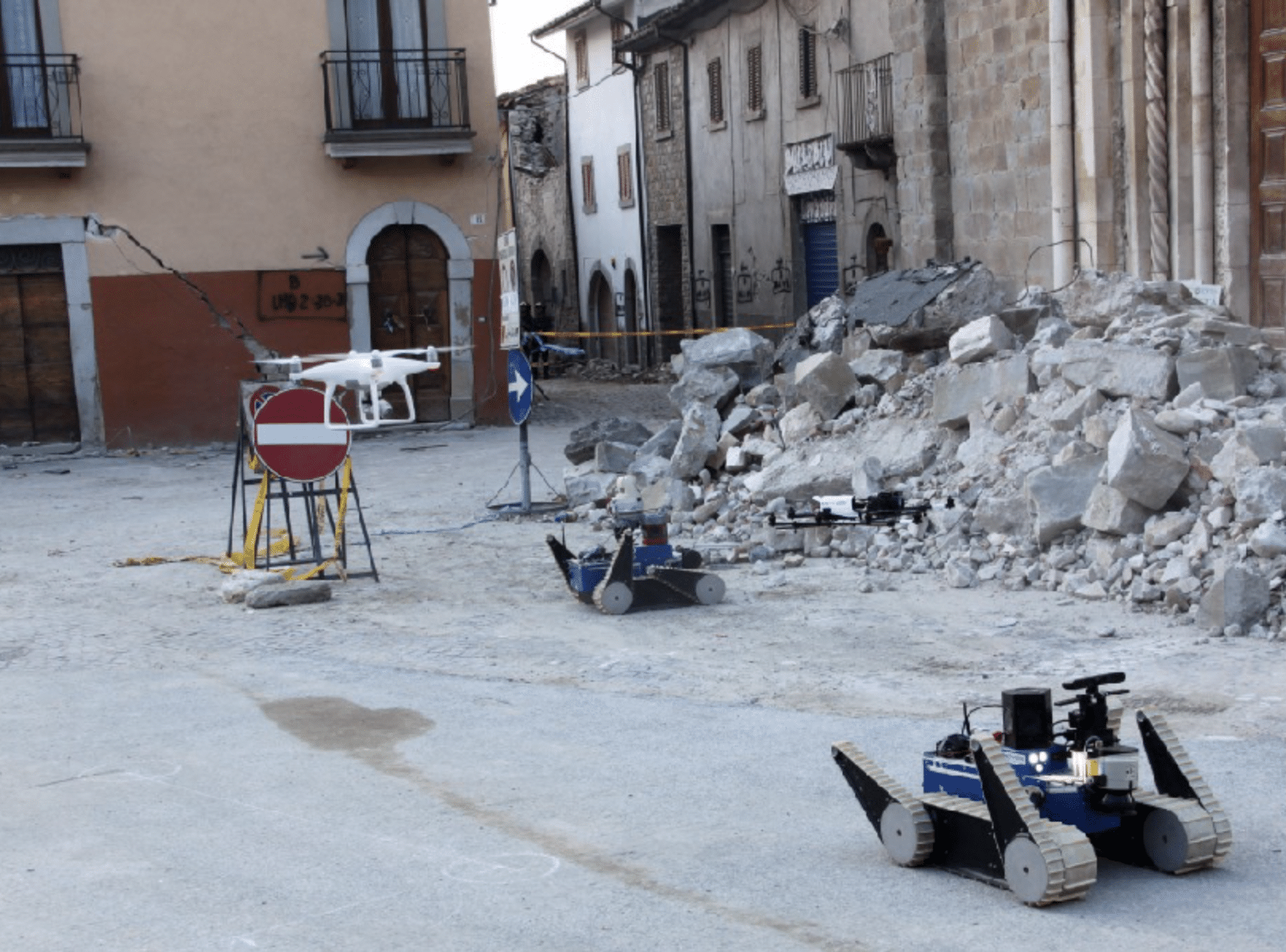
But movement and flight are only part of the equation. Purposeful coding is what turns this excitement into meaningful learning. Instead of isolated lessons, students need challenges that connect coding to math, science, and real-world applications, something drones and robotics naturally support.
When coding is paired with problem-solving, whether it is designing a drone delivery route, building a mapping algorithm, or optimizing energy efficiency, it becomes more than syntax. It becomes a strategy, and that is where deep learning begins.
How LocoRobo Keeps Students Learning
At LocoRobo, we have built an entire ecosystem around the science of engagement, pairing movement, flight, and purposeful coding into hands-on STEM education that actually sticks.
LocoRobo’s STEM solutions support students from elementary to high school curriculum grows with the students.
Every STEM kit comes with personalized support, ongoing content updates, and live guidance when you need it. Whether you are launching a club or building a multi-year program, we make it simple to turn movement, flight, and coding into powerful learning moments that last.
Request a demo to see how you can bring the science of engagement into your school with our drones and robotics solutions.